DYSMANTLE review: the apocalypse is a hardware store
A crowbar, a suspiciously useful kitchen and an island full of things you will eventually want to break.
Zombie Defence Editorial Team ·
Based on official documentation and gameplay imagery.
DYSMANTLE has a wonderfully undignified answer to the end of civilization: hit the patio furniture until your life improves. Its island is full of dangerous creatures and unsettling ruins, but the real temptation is recognizing what those abandoned objects might become.
The clever part is how demolition changes your sightseeing. A building you passed earlier becomes interesting again when a stronger tool makes its contents useful. If that sounds like a satisfying evening, this action RPG has your number. If it sounds like unpaid clearance work, listen to that instinct.
Your best upgrade is a new way to see the island
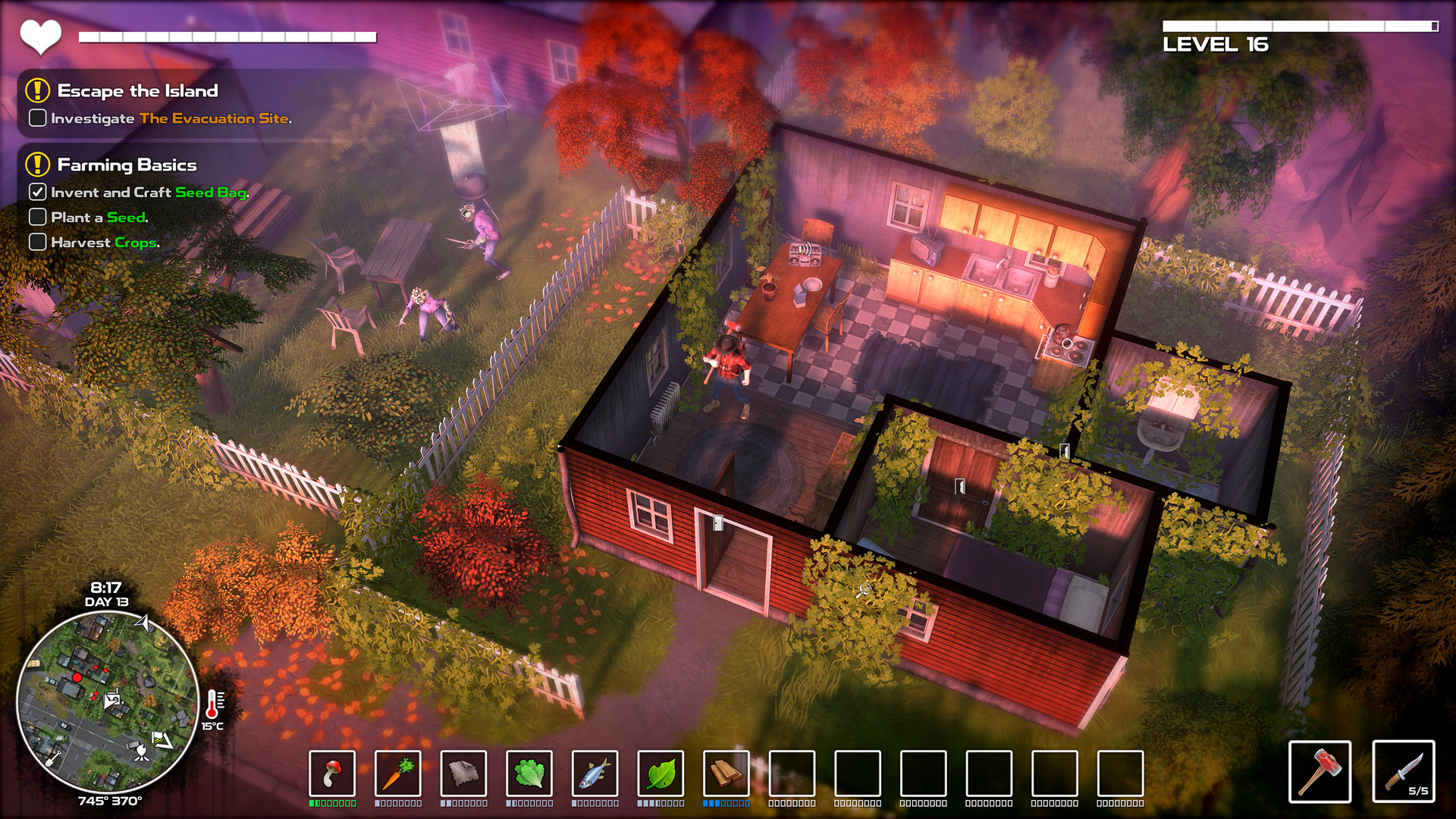
The central loop is wonderfully legible: collect materials, improve equipment, then reach objects and places that previously resisted you. Weapons, tools, outfits and trinkets are lasting investments. You are building a more capable survivor rather than constantly replacing disposable essentials.
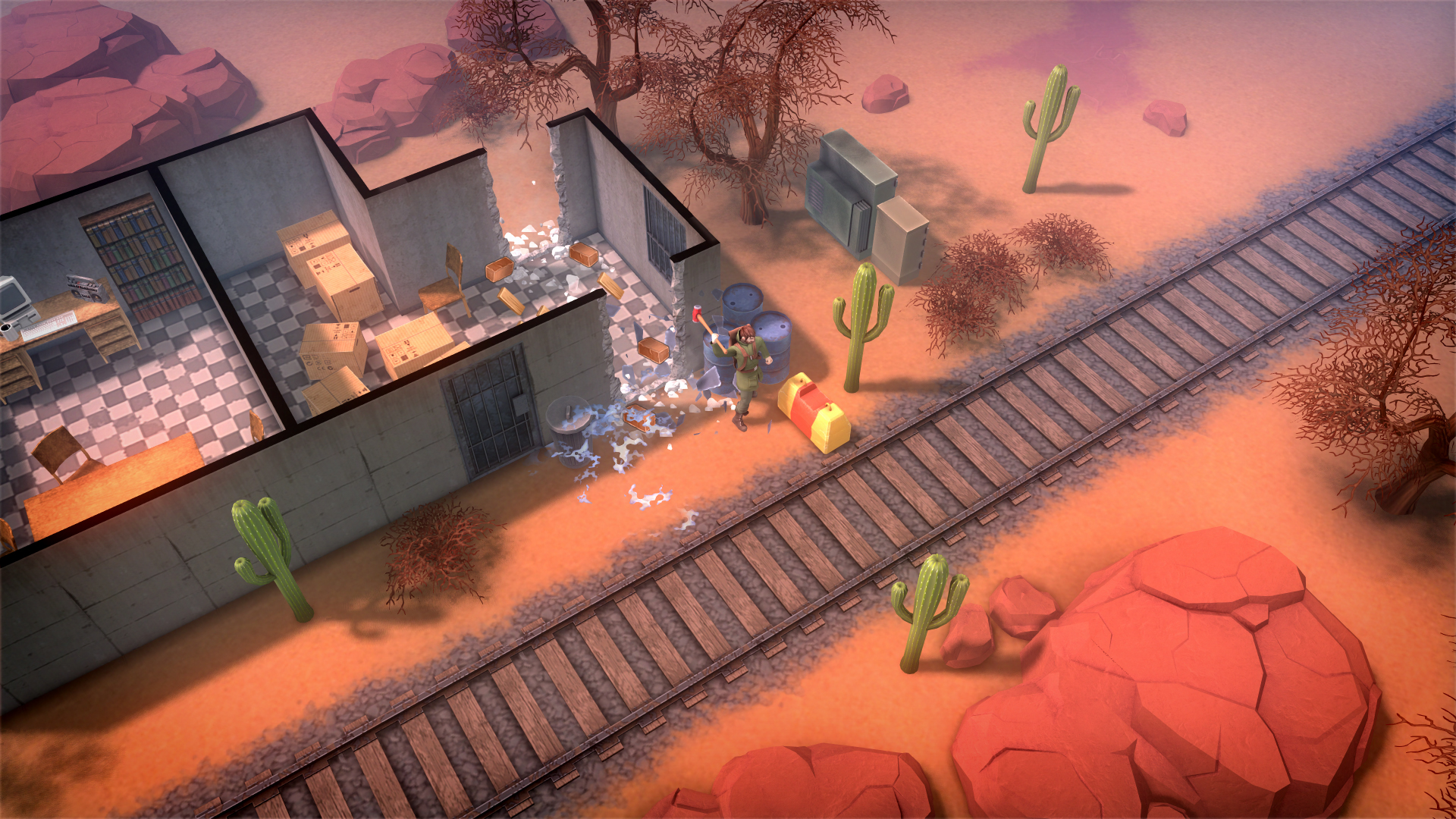
10tons advertises that the right equipment can break more than 99 percent of objects. The important words are “right equipment.” Your starting tool is not a universal permission slip, and recognizing what to leave for later matters as much as knowing what to smash now.
That creates a practical spending decision. Upgrade something that opens another useful class of objects, or spend on an immediate advantage in a troublesome fight? The first choice expands your future options; the second gets you past the creature currently objecting to your redevelopment plans.
Clear a route before you clear the furniture
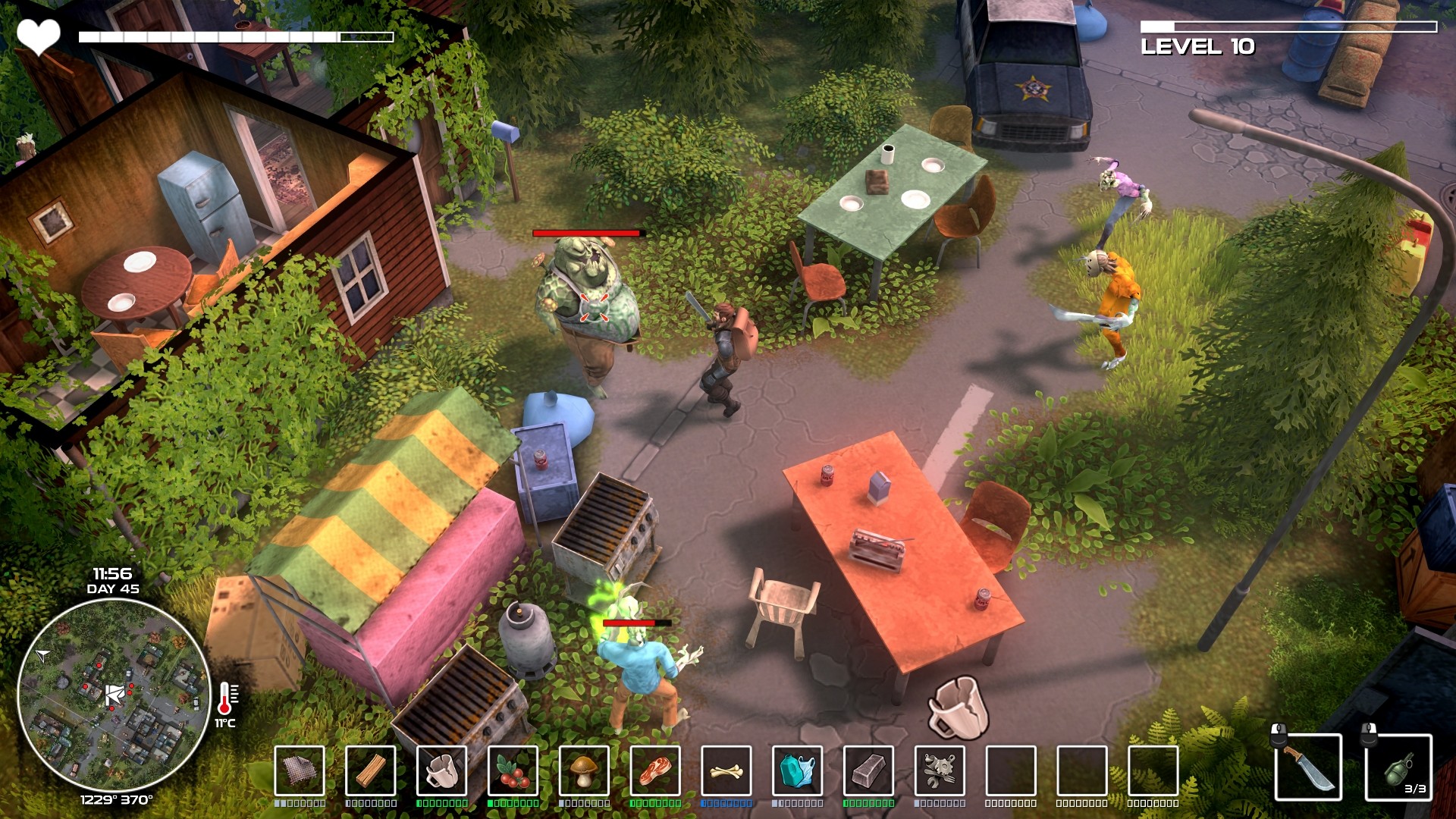
Combat gives those upgrades something to prove against. Melee drives much of the action, with ranged weapons and thrown items adding options. Reading an approaching enemy and keeping room to retreat are more useful habits than treating every crowded street as an invitation.
A sensible expedition has an objective. Reach the next useful location, deal with the enemies blocking it, and decide whether the remaining fight is worth the effort. Retreating to improve your equipment is part of the design, not a failed attempt at being heroic.
Early campfire rests can bring monsters back, but this is not an endless obligation to clear the same road. Link Tower transmitters let you stop regional monster respawning. That gives reclamation real weight: invest in controlling an area and later errands become less combative.
Dinner is character development
Food is one of DYSMANTLE’s smartest decisions. Recipes provide permanent stat and ability improvements, and hunger will not kill you. Cooking therefore feels like an opportunity to strengthen your character, rather than another alarm demanding attention during something more interesting.
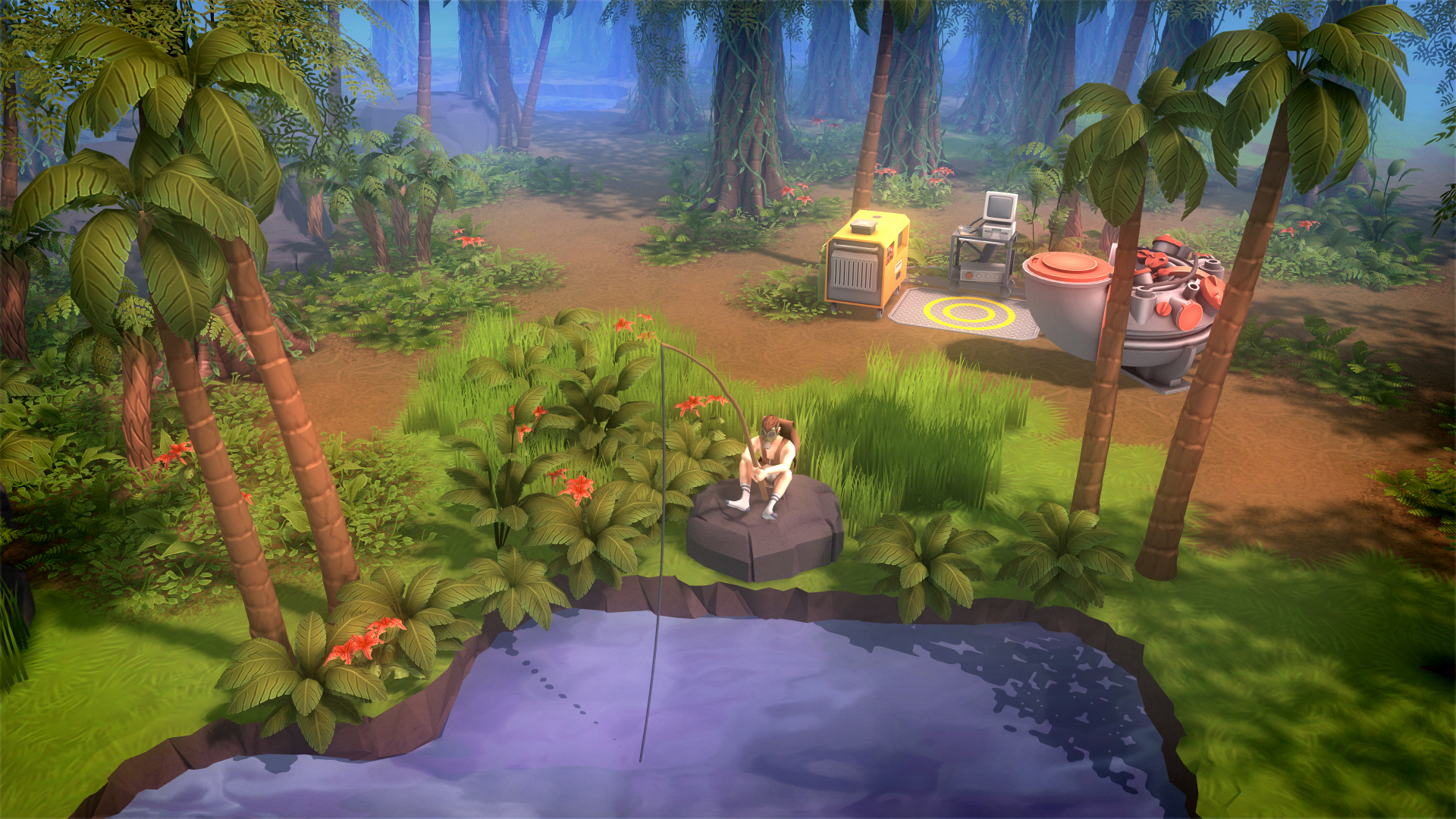
Fishing and farming feed that progression alongside scavenging and hunting. Before heading out, pick a recipe you actually want to complete. Suddenly the next ingredient has a purpose, instead of joining a mysterious collection of vegetables you apparently intend to take into retirement.
This also changes what counts as a productive session. You can step away from a difficult route and work toward a meal or a piece of equipment. The advantage is flexibility; the danger is letting ingredient collection become another checklist you feel compelled to finish.
There is a world behind the shopping list
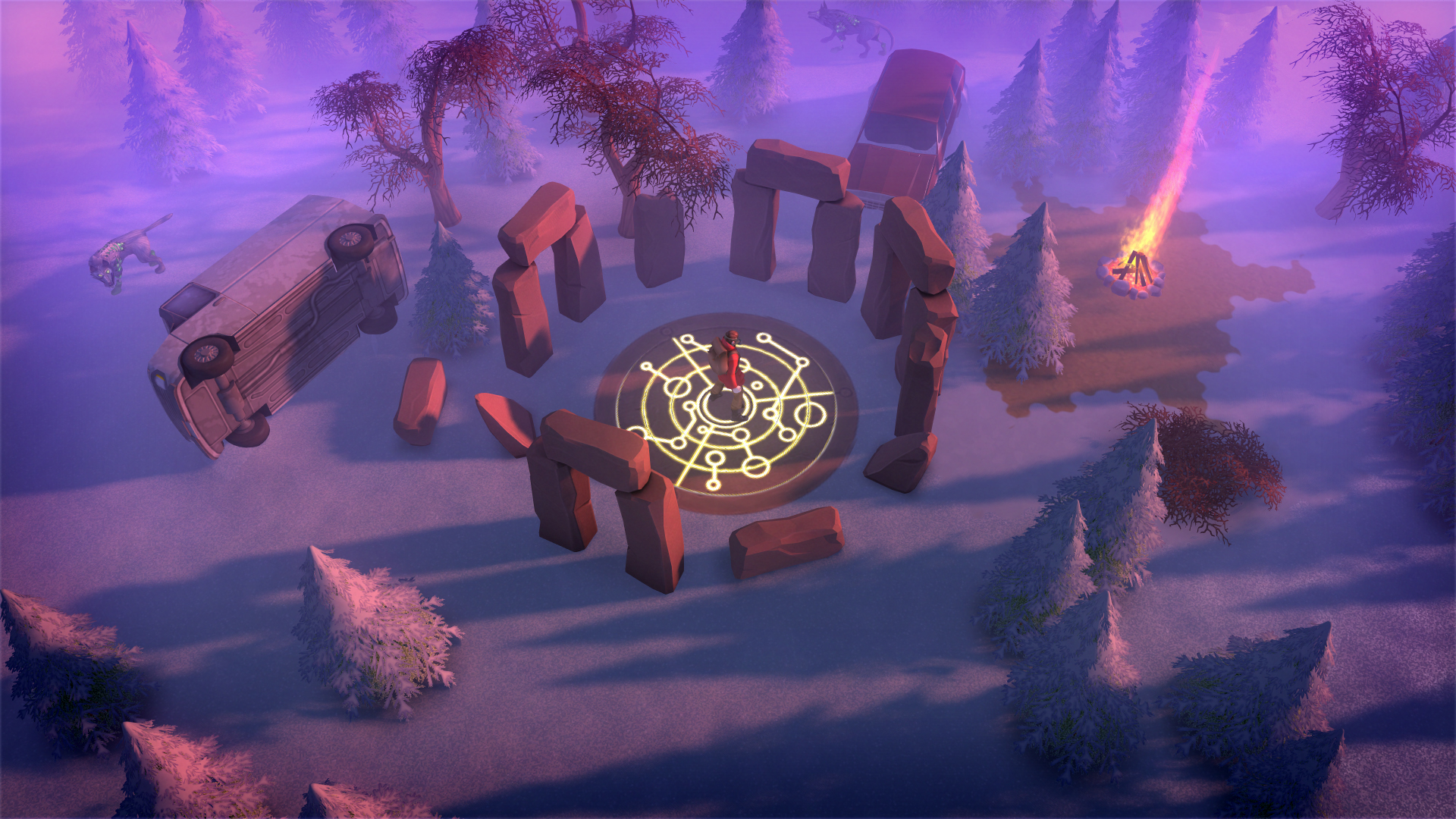
The island is handcrafted, with towns, wilderness and older mysteries beneath the familiar wreckage. Exploration is more appealing when a strange landmark interrupts a material run. The question shifts from what a place contains to why it is there at all.
Tombs bring puzzles and unusual materials into that journey. They offer a welcome change of attention after another demolition sweep: look at the space, understand the obstacle, then act. The setting works best when you let curiosity occasionally overrule your next upgrade requirement.
Do not confuse broad freedom with immediate access to everything. Equipment and progression still shape where you can make useful headway. That structure gives discoveries context, though anyone seeking a completely open survival sandbox may find the repeated return-later message restrictive.
The grind begins when every object becomes homework
The same loop that makes a stronger tool exciting can make the next material requirement tiring. A higher number is not automatically a new decision. If you clear every room on principle, the demolition can swallow the exploration that made you want those upgrades.
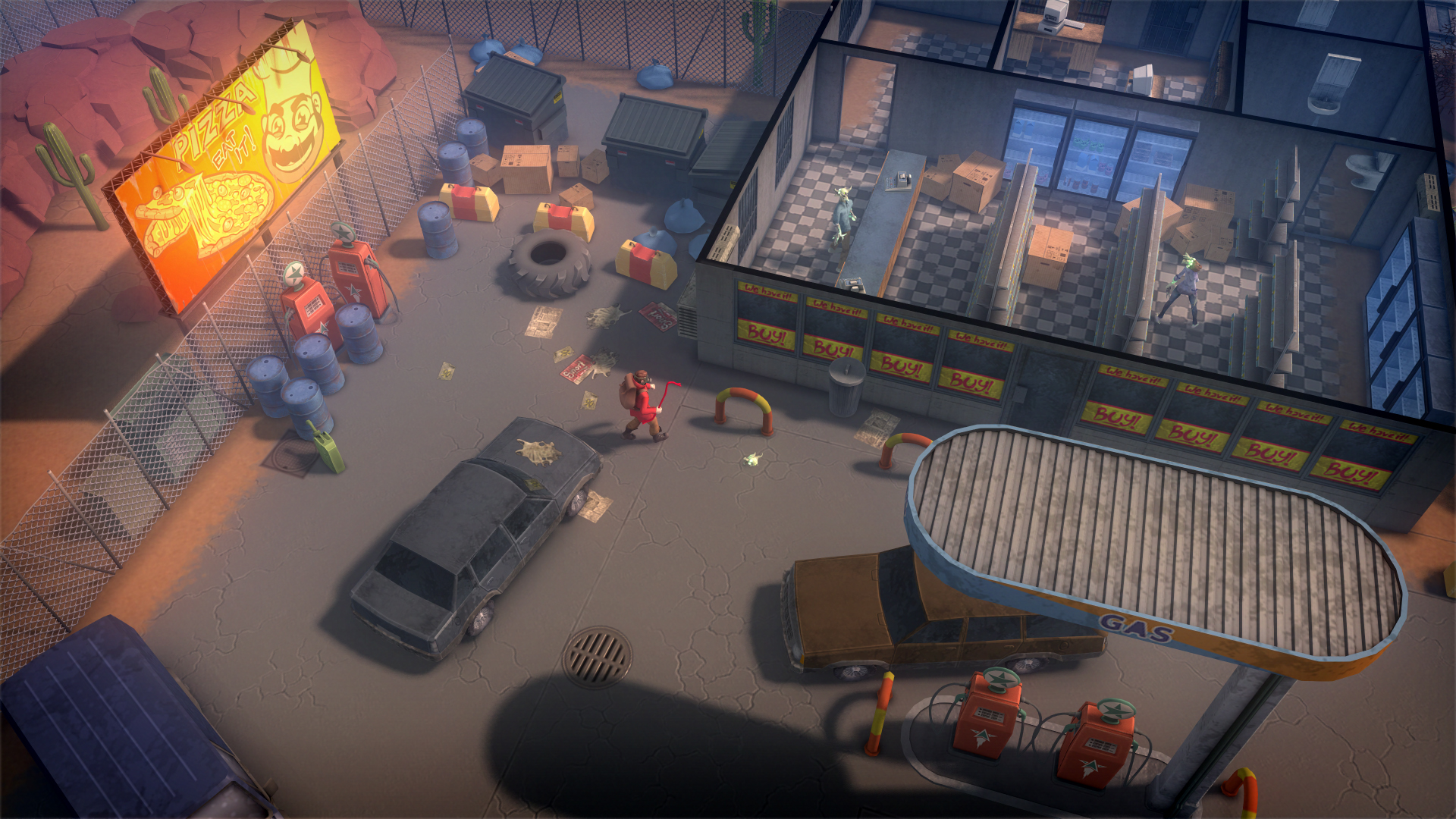
Choose a target before collecting, and stop when the target is satisfied. The upgrade interface supports tracked items, a useful way to keep the trip bounded. You do not owe an abandoned petrol station a complete inventory of its remaining fixtures.
The presentation helps objects and destinations stand out, but a busy scene still asks you to read enemies, scenery and inventory information together. This is a game for comfortable incremental progress, not necessarily the cleanest choice when you want instantly readable, uninterrupted action.
Choose the version around how you want to play
The Steam edition supports Windows and macOS, with full controller support. Desktop co-op puts two players on one shared screen. It is not split-screen, so a pair should expect to explore together rather than wander independently toward opposite ends of the island.
Steam Remote Play Together can stream that local session to a distant partner; it does not turn DYSMANTLE into native online multiplayer. For a regular online group, that distinction is a buying decision, not a technical footnote to discover after everyone has paid.
Android is a separate paid edition listed for single-player and offline play, with in-app purchases. Choose it for a portable solo campaign; choose desktop if shared-screen company matters. The PC screenshots here illustrate the desktop release rather than promising identical mobile controls or presentation.
Underworld, Doomsday and Pets & Dungeons are separate expansions. Start with the base island before buying more gathering obligations. Development entered maintenance mode in 2024, with later maintenance updates, so judge the package by its existing content rather than expecting a continuing expansion roadmap.
Strengths
- Tool upgrades make previously familiar places useful again.
- Permanent cooking bonuses give farming and fishing a clear purpose.
- A handcrafted island mixes scavenging with puzzles and discoveries.
- Desktop shared-screen co-op suits a pair willing to explore together.
Tradeoffs
- Repeated material gathering can overwhelm the adventure.
- Progression gates mean revisiting places with better equipment.
- Desktop Remote Play is streamed local co-op, not native online multiplayer.
- Android is a separate solo edition; the expansions are additional purchases.
Who it suits
- Best for players who enjoy steady crafting progress and purposeful map clearing.
- A good choice when hunger management is a chore you would rather skip.
- Less suitable for players seeking deep combat first or independent online co-op exploration.
Verdict
DYSMANTLE earns its recommendation through the connection between tools, exploration and lasting upgrades. The island gives all that collecting a destination, while cooking makes quiet detours worthwhile. Its best audience enjoys gradual mastery and does not need every encounter to be a tactical revelation.
Buy the base game first and treat the first stretch of scavenging as your audition for the larger journey. When breaking one more object feels irresistible, there is plenty to enjoy. When it already feels obligatory, extra maps will not fix the underlying relationship.
PC base game
Review score: 8.3 / 10
- Combat
- 7.9 / 10
- Progression
- 8.8 / 10
- Usability
- 8.0 / 10
- Value
- 8.3 / 10
Windows and macOS via Steam; single-player and two-player local shared-screen co-op.
Steam Remote Play Together streams the local session; no native online multiplayer.
Underworld, Doomsday and Pets & Dungeons are separate paid expansions.
Android edition
Review score: 8.3 / 10
- Combat
- 7.9 / 10
- Progression
- 8.8 / 10
- Usability
- 8.0 / 10
- Value
- 8.3 / 10
Separate paid Google Play edition, listed as single-player and offline, with in-app purchases.
The six review screenshots are from the official PC Steam gallery.
The review score averages the applicable Combat, Progression, Usability and Value scores, rounded once to one decimal. Fit is specific to each comparison and is excluded.
Is DYSMANTLE a survival game with hunger?
It has scavenging, crafting, dangerous creatures and survival themes, but you cannot die from hunger. Cooking supplies permanent improvements, so food gathering develops your character instead of simply keeping a hunger meter satisfied.
Does DYSMANTLE have split-screen or online co-op?
The desktop game supports two-player local co-op on one shared screen, not split-screen. Steam Remote Play Together can stream that session remotely. There is no native online multiplayer mode for independently running copies.
Can you destroy everything immediately?
No. Different objects require sufficiently capable equipment. The developer’s more-than-99-percent claim applies with the right tools, so upgrading your gear and returning to earlier locations is central to the progression.
Do enemies keep returning after campfire rests?
They can return early on, but Link Tower transmitters allow you to stop monster respawning in a region. Working toward that option makes an explored area more useful for repeated travel and gathering.
Is the Android version the same multiplayer purchase?
No. Android has its own paid Google Play listing, marked single-player and offline, with in-app purchases. Do not buy it expecting the desktop shared-screen session or Steam Remote Play Together features.
Sources
- 10tons: DYSMANTLE on Steam ·
- 10tons: DYSMANTLE on Google Play ·
- 10tons: official DYSMANTLE website ·
- 10tons: DYSMANTLE press kit ·
- 10tons: developer multiplayer FAQ ·
- 10tons developer: shared-screen and Remote Play clarification ·
- Maintenance Update 1.4.1.8 ·
- Update #28: Version 1.4.0 FINALIZING ·
- Update #27: Version 1.3.0 and Pets & Dungeons DLC ·
- Version 1.2.1.5 ·
- Update 0.6.11 - Serpent's Crossing 🐍 ·
- Update 0.6.9 - Sunburn Desert 🌵 ·