7 Best Survival Games With Cooking Buffs
Choose food that changes the fight, the journey or the character you bring home.

Valheim is our strongest all-round recommendation for survival games with cooking buffs: its three-food loadout shapes your health, stamina and magical capacity before you leave home. Choose DYSMANTLE if you want recipe rewards that stay permanently, or Zombie Defence for a clear choice between extra health and extra power on the next zombie outing. Core Keeper is especially good when discovering ingredient combinations is part of the fun.
The useful distinction is what dinner actually changes. Filling a hunger bar, gaining a temporary bonus, improving a cooking skill and permanently upgrading a character are different rewards. So are a meal sitting in storage and a meal ready to help on the road. These seven picks focus on the decisions between finding ingredients and leaving for the next adventure, including food slots, duplicate effects, carrying space and repeat preparation.
This comparison covers the named Steam desktop editions and Zombie Defence’s browser Alpha in development, which has a waitlist for news and playtest availability. Enshrouded is paid Early Access at our 13 October 2026 check. Scores are editorial judgments of the documented designs; Fit measures how meaningfully cooking changes preparation, rather than rewarding hunger mechanics alone.
The quick comparison
7 games, different reasons to give the next run a chance.
Choose a game to jump to its overview. Platform lists are summaries; check the linked official edition.
The games
Zombie Defence
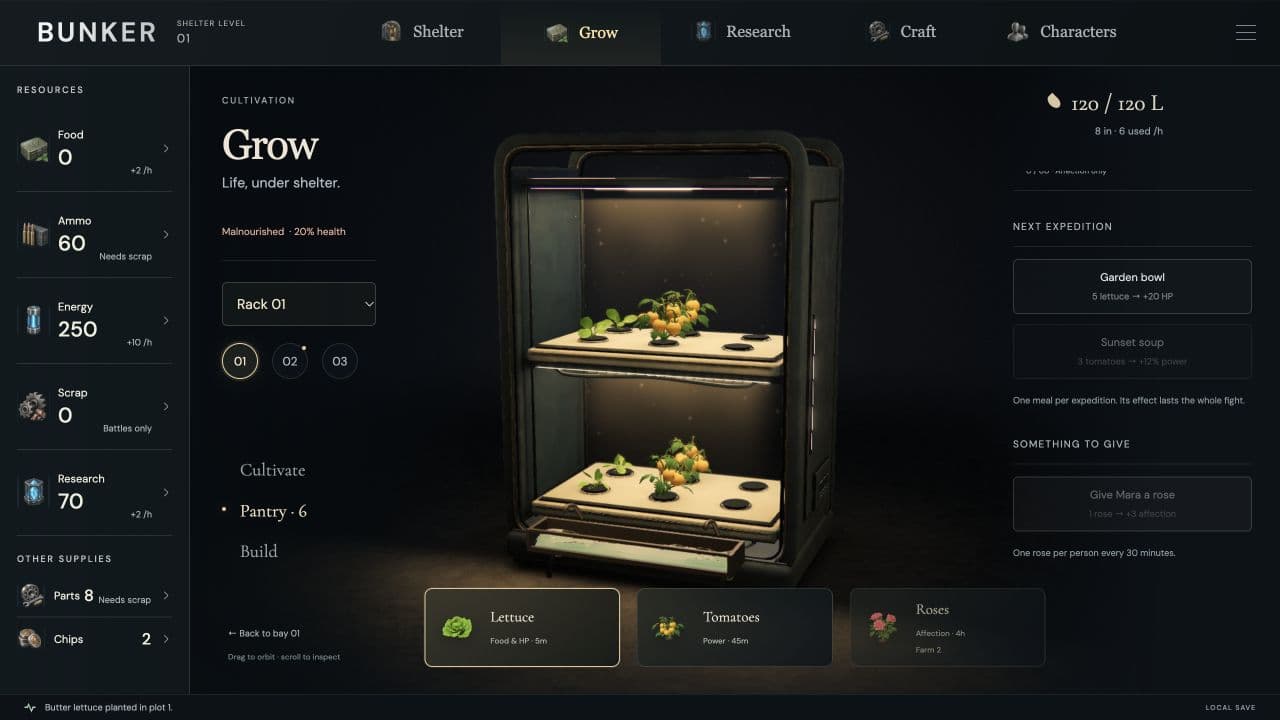
The pantry makes a small, consequential promise: turn crops into the advantage you want for the next fight. There are two edible recipes and one packed-meal choice, so the decision stays easy to read.
- Crafting
- Farming
- Shelter building
- Permanent progress
- Manual aim (desktop)
- Platforms
- Single-player browser Alpha in development; waitlist for Alpha news and playtest availability.
- Price model
- Public launch pricing and monetization terms have not been announced.
Five lettuce make a Garden Bowl that adds 20 maximum HP; three tomatoes make a Sunset Soup that adds 12% power. You pack one meal for the next outing, rather than adding both bonuses to a permanent character sheet. The limit gives the kitchen a useful purpose: decide what the next fight needs, then spend the ingredients on that answer. A fuller pantry provides options, but it does not remove the choice.
Think about the trouble that ended your last attempt. If a missed escape route leaves you taking too many hits, the Garden Bowl gives you more health to work with. If you can keep moving but enemies remain alive too long, Sunset Soup supports a more aggressive plan. These are different ways of helping the same weapon build. Neither cooks away the need to aim, reload and leave yourself room to move; desktop uses cursor aiming, while touch fire targets the nearest hostile.
A packed meal and colony nutrition are separate preparations. Nutrition affects the defender’s available health ceiling, while a cooked meal provides its named next-outing bonus. Before turning the entire harvest into soup or bowls, check the colony’s provisions. This makes the useful routine short and concrete: restore a sound food reserve, look at the next objective, and pack the meal that addresses it. Shelter upgrades and research remain lasting investments; the dinner is something to prepare again.
The attraction is clarity rather than an enormous recipe catalogue. You do not need to compare a dozen overlapping timers or fit three courses around one another. That suits players who want the kitchen to sharpen a combat decision and then get out of the way. If discovering elaborate ingredient combinations is the main pleasure, Core Keeper and Valheim offer more room to experiment.
The verdict
Choose Zombie Defence for a compact pre-fight meal choice with an immediate, understandable combat purpose.
Valheim
Valheim is the strongest all-round pick when dinner should matter as much as packing the right equipment. Your food selection determines how much health, stamina and, later, magical energy you can bring to an expedition.
- Crafting
- Farming
- Co-op
- Exploration
- Platforms
- Windows, macOS and Linux via Steam; current 1.0 desktop edition, solo or up to ten players.
- Price model
- Paid base game.
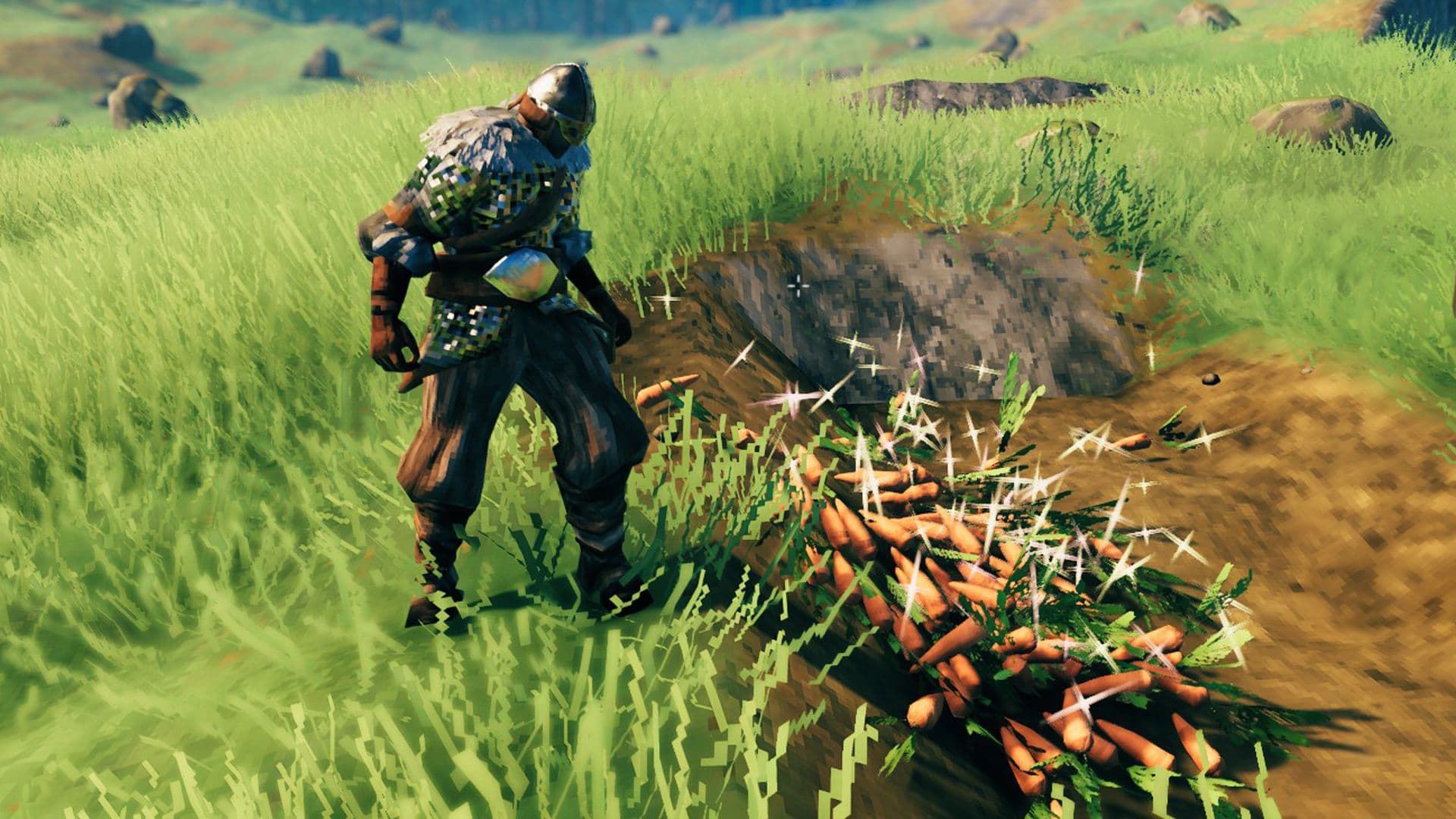
You can have three different foods active at once. Their benefits combine, but three portions of the same dish do not fill three slots. That turns a stockpile into a loadout problem: health-oriented food gives you room to absorb punishment, stamina-oriented food supports sustained activity, and eitr food supplies the resource used by magic. Food is optional for avoiding starvation, yet leaving without it means giving up a major part of your fighting capacity.
The useful question is how you intend to handle danger. A cautious melee expedition may favor a health-heavy selection with enough stamina to keep acting; a gathering trip can justify more stamina. A magic build needs to reserve room for eitr rather than copying a warrior’s dinner. These are starting points for choosing, not one fixed best menu. The three-slot limit makes every extra helping compete with something else your character could use.
Cooking stations and their upgrades turn biome ingredients into a broader menu. A Cauldron, its extensions and an Oven are therefore part of expedition progression, alongside weapons and armor. Prepare enough different dishes for the route and the return, then watch their remaining benefits while traveling. Food bonuses diminish as meals are digested. A well-stocked kitchen helps much less if all the replacements are still sitting in a chest when the first set runs down.
Co-op gives the system a pleasing social role: someone who keeps the larder ready materially supports the next group adventure. Shared feasts add a longer-lasting communal option, but producing food still takes supplies and preparation. This is an excellent choice if you enjoy the whole departure ritual. If repeated cooking feels like a tax on exploration, DYSMANTLE’s permanent first-recipe rewards demand less ongoing replenishment.
The verdict
Pick Valheim when choosing what to eat should be a central part of choosing how to fight.
Enshrouded
Enshrouded makes food another layer of an action-RPG build. A meal can strengthen your combat attributes or regeneration, so the best menu depends on the character and the journey you are preparing.
- Crafting
- Shelter building
- Co-op
- Exploration
- Platforms
- Windows via Steam; paid Early Access desktop edition as checked on 13 October 2026, solo or up to 16 players.
- Price model
- Paid Early Access base game; optional soundtrack sold separately.
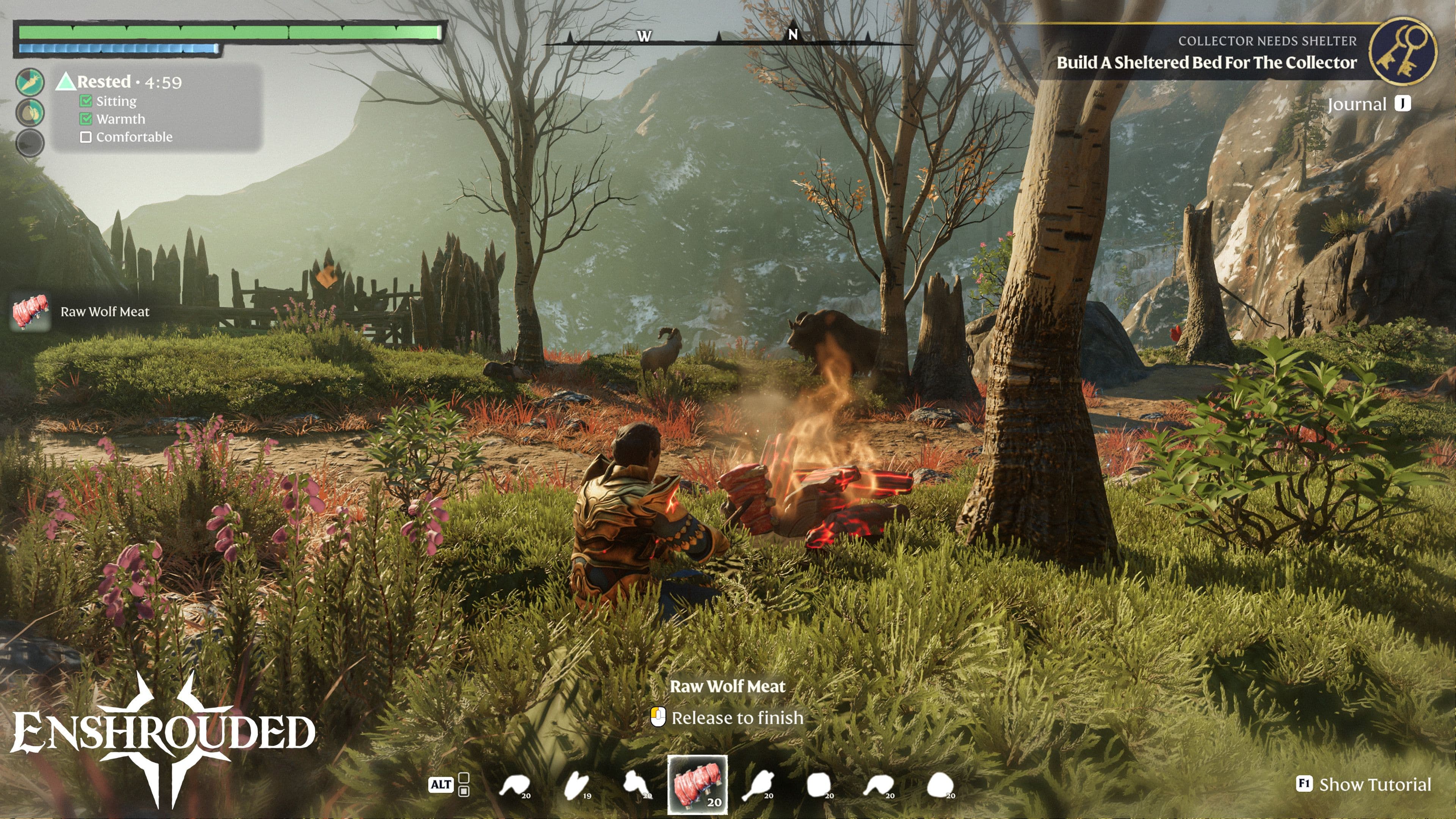
The basic arrangement gives you three food slots, with only one food from each food type active at a time. The optional Dessert Stomach skill adds a fourth slot. This makes variety important in a more specific way than simply carrying different item names: two foods can belong to the same type and compete for the same place. Check that the intended meal can actually join your current selection before spending the ingredients on a large batch.
The current Forging the Path update gives each combat class an early meat-skewer recipe that boosts its main attribute. Other dishes serve a different purpose: Vegetable Puree provides stamina regeneration and additional maximum stamina. That is a useful distinction when planning a difficult route. More damage is attractive, but a character who repeatedly runs short of stamina may get more practical benefit from food that helps sustain activity.
These are temporary food effects, so carry replacement portions for a long exploration session rather than treating a good dinner as a permanent upgrade. Resting is another preparation with its own conditions and status; the Rested panel beside the campfire in the screenshot is not the effect of the meat being cooked. A sensible departure check covers both the meal icons and your other preparations, then leaves enough inventory room for what you hope to bring back.
The broader world supplies reasons to change the menu. Dungeons reward careful preparation, while fishing and water exploration introduce additional ingredients and uses for food. You are feeding an adventure built around dodging, parrying, spells and equipment, rather than maintaining a standalone cooking business. The reward is flexibility; the cost is learning how food types, skills and gear work together instead of expecting the dish with the largest single number to solve every outing.
The verdict
Choose Enshrouded if you want the kitchen to support an adaptable action-RPG character, with food slots worth planning around.
DYSMANTLE
DYSMANTLE is the pick for a cookbook that behaves like a collection of lasting upgrades. Making a recipe for the first time can improve the survivor permanently, so a successful dinner keeps paying off after the next trip ends.
- Crafting
- Permanent progress
- Exploration
- Farming
- Platforms
- Windows and macOS via Steam; desktop base game with solo and local shared-screen co-op.
- Price model
- Paid base game; Underworld, Doomsday and Pets & Dungeons are separate paid expansions.
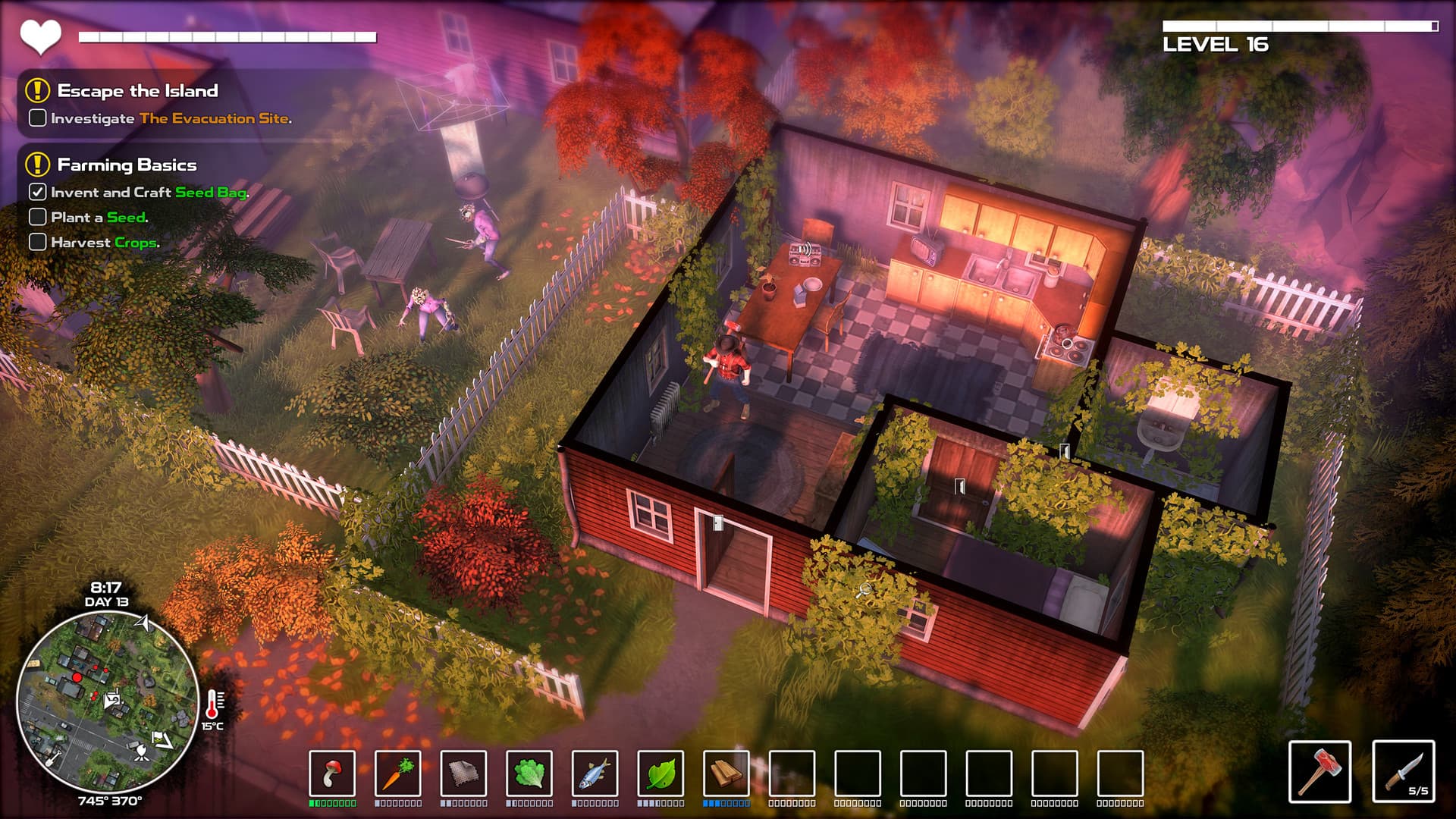
The important reward is the first preparation of a recipe. It grants that dish’s permanent stat or ability improvement, with benefits ranging from health to movement-related modifiers. Repeating the same recipe does not keep adding its permanent bonus. It can restore health, but the long-term objective is to expand the set of recipes you have completed. That gives an unfamiliar ingredient a clear appeal: it might finish a new upgrade.
Cooked dishes are consumed when prepared rather than becoming a backpack full of timed buff meals. Your next expedition benefits from the improvement already earned. There is no three-course arrangement to refresh halfway through a journey, and no need to reserve inventory space for another copy of every completed dish. This is a particularly good fit if you enjoy preparing at home but dislike watching temporary advantages expire while you explore.
Work backward from the next recipe you want to complete. Farming, fishing and hunting provide different ingredients, while exploring the handcrafted island exposes you to more resources and discoveries. Instead of producing the same dinner indefinitely, a productive session can be about obtaining the missing ingredient for one useful bonus. The permanent reward then joins the tools, weapons and other upgrades that help you tackle areas that previously felt awkward or dangerous.
The tradeoff is that cooking becomes less tactically changeable once a recipe is done. You cannot swap yesterday’s permanent health gain for a different temporary build before each encounter. Much of the journey also involves dismantling objects and collecting materials, with combat sharing the stage. Choose it for the satisfaction of a growing collection of improvements and the freedom of never dying from hunger, rather than for repeated pre-boss menu optimization.
The verdict
Pick DYSMANTLE when every newly completed recipe should feel like progress you get to keep.
Core Keeper
Core Keeper makes cooking a satisfying experiment with a practical destination. Combine two ingredients, learn what the result does, then make the recipes that suit your next cave expedition or boss attempt.
- Crafting
- Farming
- Co-op
- Exploration
- Platforms
- Windows and Linux via Steam; current desktop edition, solo or up to eight players online.
- Price model
- Paid base game; optional guide and soundtrack sold separately.
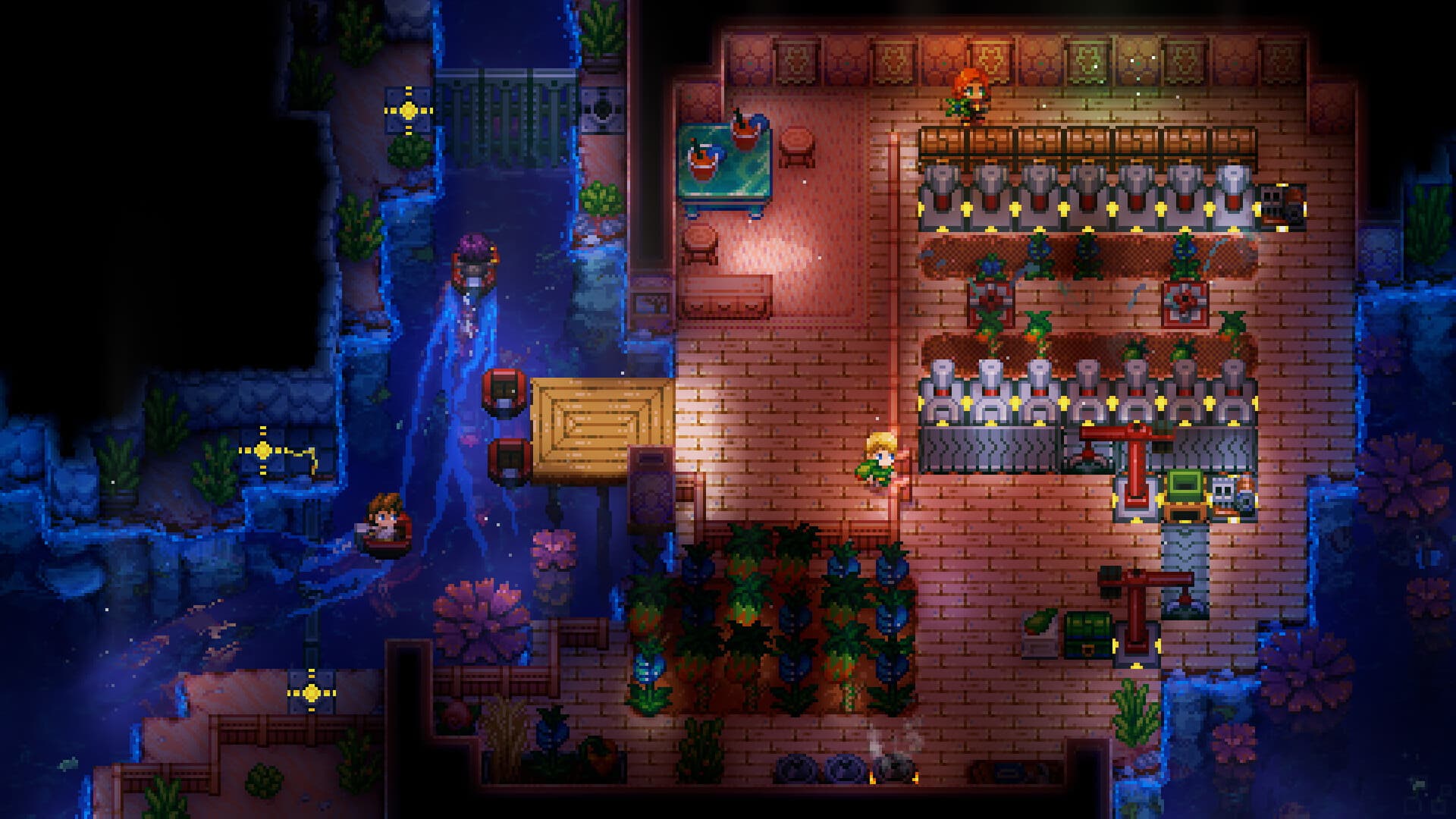
A Cooking Pot takes two ingredients and combines their food effects into a finished dish. A Heart Berry and a Bomb Pepper make a useful early example: the berry contributes temporary maximum health, while the pepper adds movement speed. That pairing addresses two problems at once, taking a hit and getting out of the way of the next one. The discovery matters more than filling the hunger bar with whichever raw ingredient happens to be nearest.
The two ingredients are not simply two copies of every bonus added together. When their cooked effects overlap, the higher version of the duplicate effect is used rather than doubling it. Combining different jobs can therefore be more useful than putting two identical ingredients in the pot. Read the resulting dish’s effects and durations: a meal can contain a short-lived movement benefit alongside a longer health bonus. Being well fed does not mean every useful effect is still running.
Once a combination works, the Cookbook saves it. You can browse known recipes by category or ingredient and select one to load its ingredients from your inventory or a chest directly beside the pot. This is the small quality-of-life detail that turns experimentation into dependable preparation. Keep ingredients for a few purpose-built meals near the kitchen, cook replacements before setting out, and preserve backpack space for the ore and discoveries you actually want to bring home.
Cooking also has its own skill and talents, including options that improve food output and extend cooked-food benefits. That is a lasting improvement to your ability to prepare meals; it does not make ordinary meal effects permanent. Friends can share the work of gathering, growing, fishing and cooking, but the variety can become its own organization problem. Choose it if learning and maintaining a useful little recipe collection sounds rewarding.
The verdict
Choose Core Keeper for the pleasure of discovering a useful meal and then building a kitchen that can reliably make it again.
Grounded
Grounded distinguishes a snack that stops your stomach complaining from a meal that makes a dangerous trip easier. Cooking becomes a useful bridge between ordinary survival supplies and a combat-focused loadout.
- Crafting
- Shelter building
- Co-op
- Exploration
- Platforms
- Windows via Steam; original Grounded with Fully Yoked, solo or up to four players.
- Price model
- Paid base game.
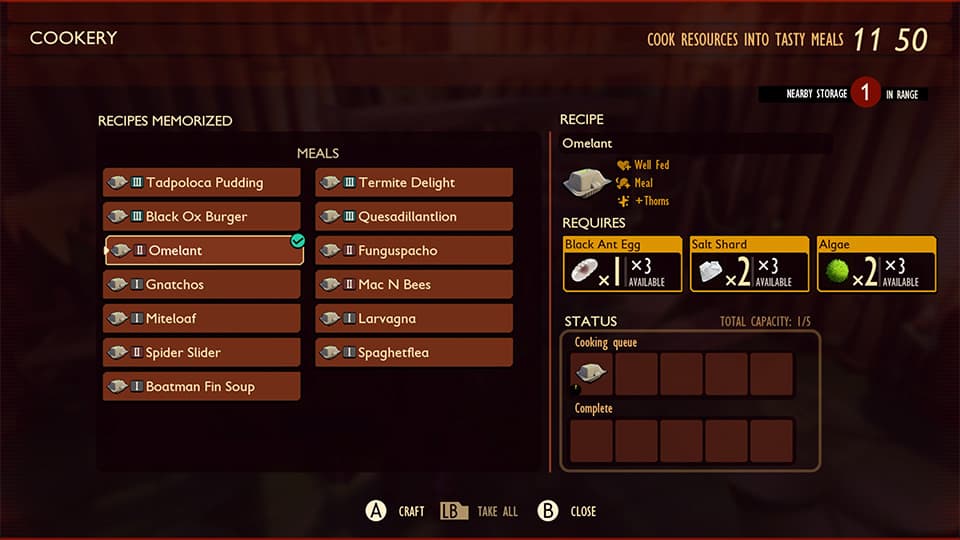
Meals provide regeneration, hold back hunger drain for a period, and can add effects specific to the recipe. Snacks mainly handle hunger. That difference is the reason to use the Cookery rather than assuming a pocket full of convenient nibbles gives the same preparation. Unlocking Cooking 101 through the Science Shop makes the station available early enough to become part of how you approach the yard, with further cookbooks expanding what you can make.
Look for a dish that complements the task instead of choosing by hunger restoration alone. Spider Slider, for example, improves critical-hit chance, giving an offensive reason to collect its ingredients and unlock its recipe. Other meals offer defensive or environmental benefits. The interesting loop is that the yard supplies both the danger and the food projects that help you handle it: exploring for a cookbook or ingredient can improve the next attempt at a tougher destination.
Packing matters because meals do not stack in the backpack and can spoil. Several elaborate dinners cost several inventory slots, so filling your bag with them leaves less room for the materials you hoped to collect. Decide how much prepared food the outing warrants and keep simpler provisions for less demanding stretches. A meal’s useful duration also makes timing important; spending its bonus on a long, safe organizing session at home wastes part of the advantage.
Food still works alongside equipment and active fighting. It does not replace learning a creature’s attacks, bringing appropriate weapons or having healing available. Consumables also have a brief use cooldown, so cooking is better treated as preparation than a plan to eat through every incoming hit. This is the best fit here if you want genuine hunger management and special meal effects to coexist inside a compact but threatening survival world.
The verdict
Pick Grounded when you want meals to do two jobs: keep the expedition supplied and give it a useful extra edge.
Raft
Raft offers a useful progression from cooking enough to survive to cooking for a particular destination. Special recipes let the floating kitchen help with movement, underwater time and health, not just a full stomach.
- Crafting
- Shelter building
- Co-op
- Exploration
- Platforms
- Windows via Steam; current desktop edition with solo and online cooperative play.
- Price model
- Paid base game.
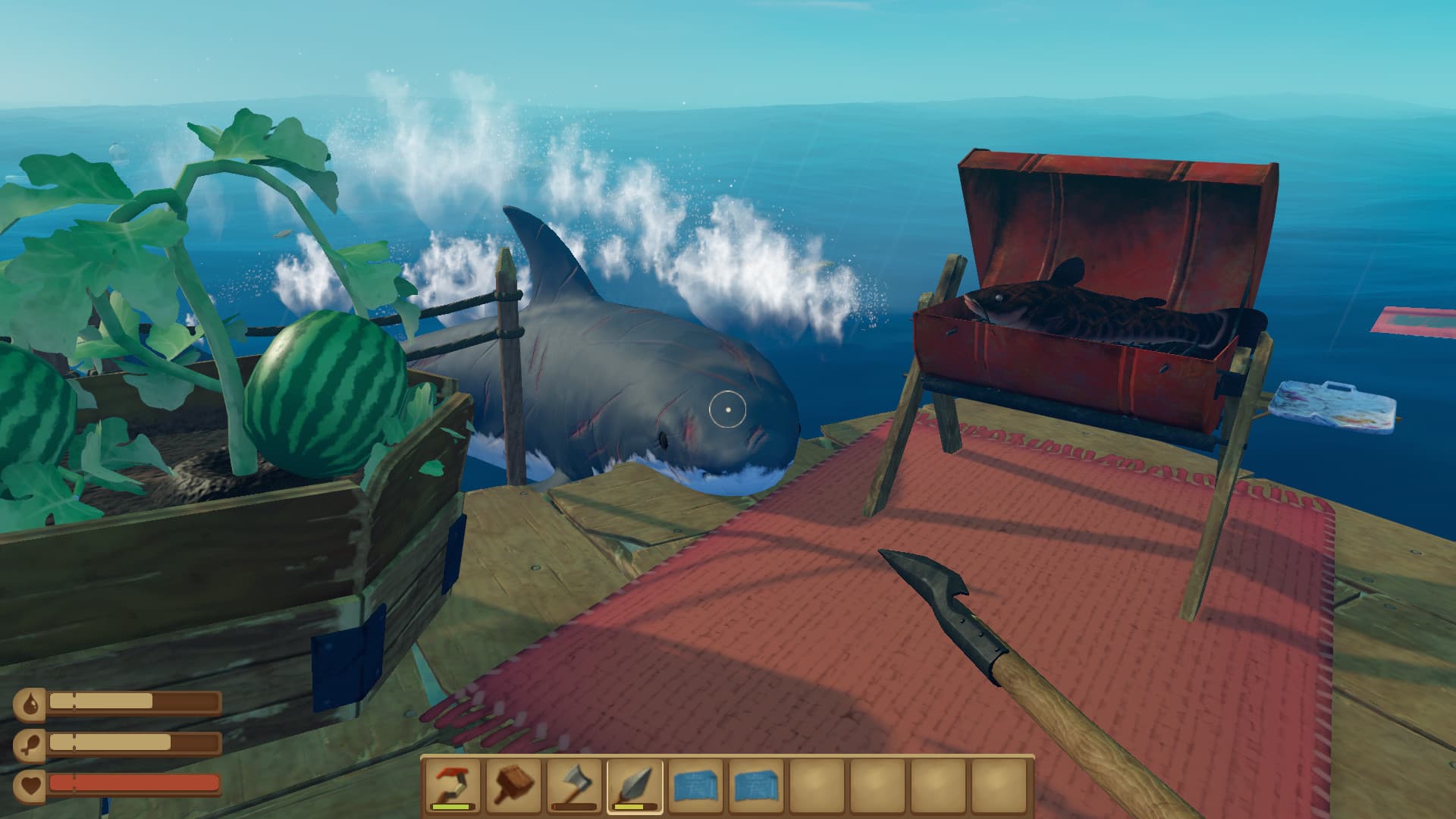
The ordinary grill is the beginning, not the whole buff system. Special Cooking Pot meals and Juicer drinks can provide additional effects, including speed, lung capacity and bonus health. These recipes give you a reason to ask what the next stop involves. A kitchen stocked for a dangerous dive has a different job from one preparing you to cross an island or deal with a fight.
The recipe economy reaches beyond the garden. Trading Posts on large islands sell the special recipes, and purchases use Trash Cubes and sometimes Trade Coins. The Recycler turns spare materials into cubes; selling rare fish provides coins. That makes improved food preparation part of the voyage’s broader supply chain. Saving unwanted material or spending time fishing can help unlock an advantage that changes what you dare attempt at the next destination.
Build the preparation around the effect you actually want. Salmon Salad increases lung capacity, Catfish Deluxe makes you run faster, and a Redbeet Shot boosts health. Those are useful, different reasons to visit the kitchen before leaving the deck. Ordinary hunger and thirst supplies still need a place in the plan, and plenty of recipes serve that everyday purpose without adding a special combat or exploration effect. Stock the bonus you need rather than assuming every elaborate dish does the same job.
The Juicer needs electricity as well as ingredients, so a more capable kitchen also needs working equipment. In co-op, that creates a useful home role for someone who enjoys preparing the group’s next departure. Alone, it adds another responsibility to collecting debris, navigating and maintaining the raft. Choose it for the satisfaction of equipping a voyage. Players who want the deepest combat-stat combinations will find more to optimize in Valheim or Core Keeper.
The verdict
Choose Raft when the ideal meal is the one that equips the next dive or island trip, prepared in a home that travels with you.
How we compare
A good recommendation explains who a game suits and where it falls short. Our editorial scores use the same five criteria, each rated out of ten.
- 01
Combat
Controls, aiming, enemy readability, and the decisions you make under pressure.
- 02
Progression
Build choices during a run and meaningful progress between attempts.
- 03
Usability
Control demands, platform access, interface options, and documented device requirements.
- 04
Value
What the asking price includes, optional purchases, and the scope of the free version.
- 05
Fit
How well the game answers the specific question in this article.
Which one should you try?
Choose Valheim for the most consequential three-food combat loadout, Enshrouded for class-aware temporary bonuses, or Core Keeper for two-ingredient experimentation backed by a reusable Cookbook. DYSMANTLE is the easier recommendation if you want to finish a recipe once and keep its improvement. Grounded makes carrying, spoilage and hunger part of a proper meal plan; Raft puts the kitchen in service of the next dive or island visit. Zombie Defence keeps the decision especially focused: prepare the colony, choose health or power, and take one packed meal into the next outing. Start with the kind of preparation you enjoy repeating. A deep recipe system only improves the adventure if you also enjoy the work needed to keep it supplied.
Your questions, answered.
Want to see what we’re building?
Zombie Defence is in Alpha. Join the waitlist.
More games to explore
- 7 Best Survival Games With Farming and Combat
Compare seven survival games where planting supports fighting, from Zombie Defence’s shelter crops to Valheim homesteads, cave farms and zombie food economies.
- 7 Best Survival Games Where Death Does Not Erase Your Base
Keep the home, understand the setback. Compare seven survival games by death losses, recoverable gear, optional modes and the risks that can still end a world.
- 7 Best Survival Games With a Base That Keeps Growing
Build a home that matters across outings. Compare seven survival games for lasting upgrades, useful workshops, shared worlds and the setbacks that still count.