7 Best Survival Games Where Death Does Not Erase Your Base
A bad expedition can cost you supplies, equipment or a survivor without making you rebuild the whole house.

For a released survival game that keeps your base and crafted equipment after death, Grounded is an excellent starting point. Enshrouded offers unusually clear control over what enters your death bag, while Minecraft lets you decide whether recovering dropped items belongs in your building adventure. Zombie Defence connects active zombie outings to shelter upgrades that survive defeat, including collected Scrap expedition cargo within storage limits.
The useful question is what you must do after the death screen. Do you collect a backpack, replace lost skill levels, repair equipment or choose another community member? These seven games preserve a physical home or managed shelter after an ordinary individual defeat. That does not protect every possession, make buildings indestructible or guarantee a campaign survives the loss of its entire population.
The comparisons below use the named editions and modes, checked on 13 October 2026. Five picks are fully released, Enshrouded is available in paid Early Access, and Zombie Defence is our single-player browser Alpha in development, with a waitlist for news and playtest availability. Scores are editorial judgments about documented design; Fit measures how well each game supports returning to an established base after a setback.
The quick comparison
7 games, different reasons to give the next run a chance.
Choose a game to jump to its overview. Platform lists are summaries; check the linked official edition.
The games
Zombie Defence
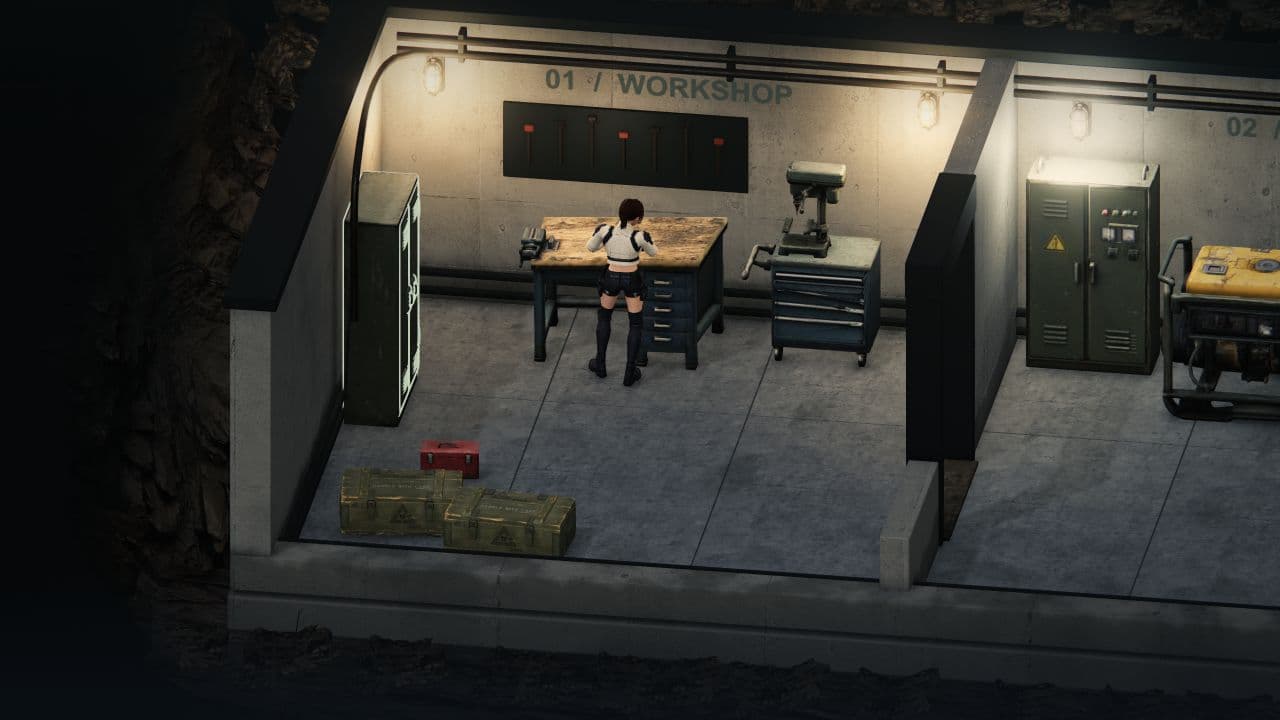
Zombie Defence separates losing a fight from losing the home you have been building. Rooms, research, crafted weapons, residents and relationships remain, so a failed deployment leaves you with decisions to make rather than an empty shelter.
- Shelter building
- Permanent progress
- Crafting
- Extraction
- Manual aim (desktop)
- Platforms
- Single-player browser Alpha in development; waitlist for Alpha news and playtest availability.
- Price model
- Public launch pricing and monetization terms have not been announced.
A sector defeat ends the attempt and can take a bounded levy from stored food, ammunition, energy and scrap above a protected floor, as well as moving the next sector back. The shelter itself survives. Temporary battle cards also reset after a deployment, so the fast-firing or ricocheting run build is not the same thing as a permanently crafted weapon. This distinction gives failure a cost without undoing the workshop, research choices and equipment projects that made the attempt possible.
The separate city Scrap expedition is more forgiving about its haul. Scrap you have actually collected is retained after extraction, defeat or an interrupted-run settlement, subject to the shelter’s storage capacity. You still move through ruined streets, search containers and decide when to return to the extraction pad as enemy pressure rises. A successful escape ends the outing on your terms, but it is not the only outcome that banks the collected scrap. There is no dropped backpack to retrieve in this mode.
The practical payoff appears before the next fight. Reserve scrap for a weapon project or station upgrade instead of processing every unit into ammunition. During campaign level-ups, choosing the shelter investment banks a lasting benefit immediately; choosing a battle card helps the current deployment. If a sector is proving too costly, Scavenge offers a different recovery route: cleared waves earn supplies that settle even after defeat. Improving the home can therefore be the sensible response to a failed combat plan.
That home remains a managed, fixed-layout shelter, with stations and an expansion choice rather than unlimited walls and terrain editing. Outside, desktop aiming, firing and reloads remain your responsibility; touch fire assists toward the nearest hostile. Choose this combination if you want to learn the action while keeping tangible progress underground. The lasting reward is a better-equipped next attempt, not immunity to every resource setback.
The verdict
Choose Zombie Defence for active zombie combat whose failures leave the shelter, its people and its long-term projects worth returning to.
Grounded
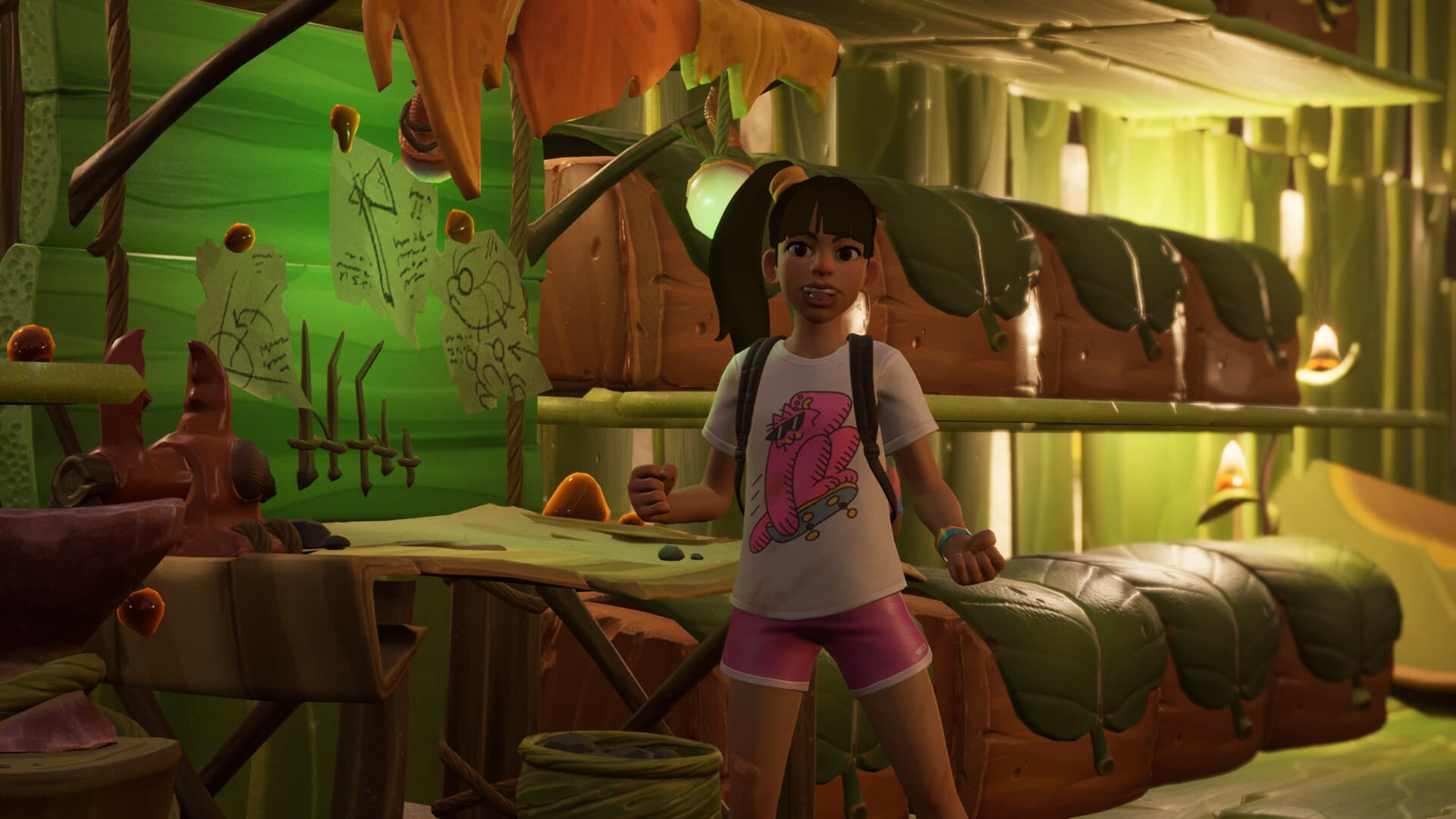
Grounded puts most of the recovery problem into the resources you were gathering. Its standard death rules retain crafted items, so being defeated by a backyard creature does not send you home to rebuild both your equipment and your house.
- Shelter building
- Crafting
- Co-op
- Base defense
- Platforms
- Windows via Steam; original Grounded with Fully Yoked, solo or up to four players.
- Price model
- Paid base game; optional soundtrack sold separately.
In the original Grounded’s standard difficulty modes, death leaves natural resources in a recoverable backpack while crafted items remain with you. Equipment can still take a durability hit: Medium and Whoa! apply 10% damage on death, while Mild applies none. Your built home, stored goods and crafting facilities are not erased by the respawn. The result is a useful middle ground: the material-gathering trip can go wrong without taking away every tool needed to try again.
Use the death screen’s respawn options to choose a sensible approach rather than immediately sprinting back along the same dangerous route. The nearest field station is an available option, alongside other applicable spawn choices. Because you retain crafted equipment, recovery can be a properly equipped expedition. Check its condition, bring healing supplies and leave spare materials at home before collecting the backpack. A familiar base makes that reset practical rather than merely reassuring.
Custom mode lets you adjust Backpack Items on Death if the usual resource-recovery trip is more friction than you want. Mild is the straightforward standard choice when avoiding death-related equipment wear matters. Neither decision is a reason to build carelessly: the yard’s creatures can attack your structures, and base defense is a separate problem from what your character drops. Keep the route to storage usable and do not treat an expensive workshop wall as protection simply because death does not delete it.
This works especially well for a group with uneven experience. A less confident explorer can contribute materials and equipment without every mistake dismantling the shared project. Shared Worlds also let an authorized friend host the same continuing save when its owner is away. The cost is still the yard itself: a resource bag beside a dangerous insect can take preparation or help to recover, and intact possessions do not make the next encounter easy.
The verdict
Choose Grounded when you want a threatening survival world with a forgiving boundary around crafted equipment and established home life.
Enshrouded
Enshrouded is the strongest fit here for tailoring the recovery loop. Default settings put backpack materials in a tombstone while preserving the equipment you need to venture out again, and custom settings can change that boundary.
- Shelter building
- Crafting
- Co-op
- Exploration
- Platforms
- Windows via Steam; paid Early Access edition as checked on 13 October 2026, solo or up to 16 players.
- Price model
- Paid Early Access base game; optional soundtrack sold separately.
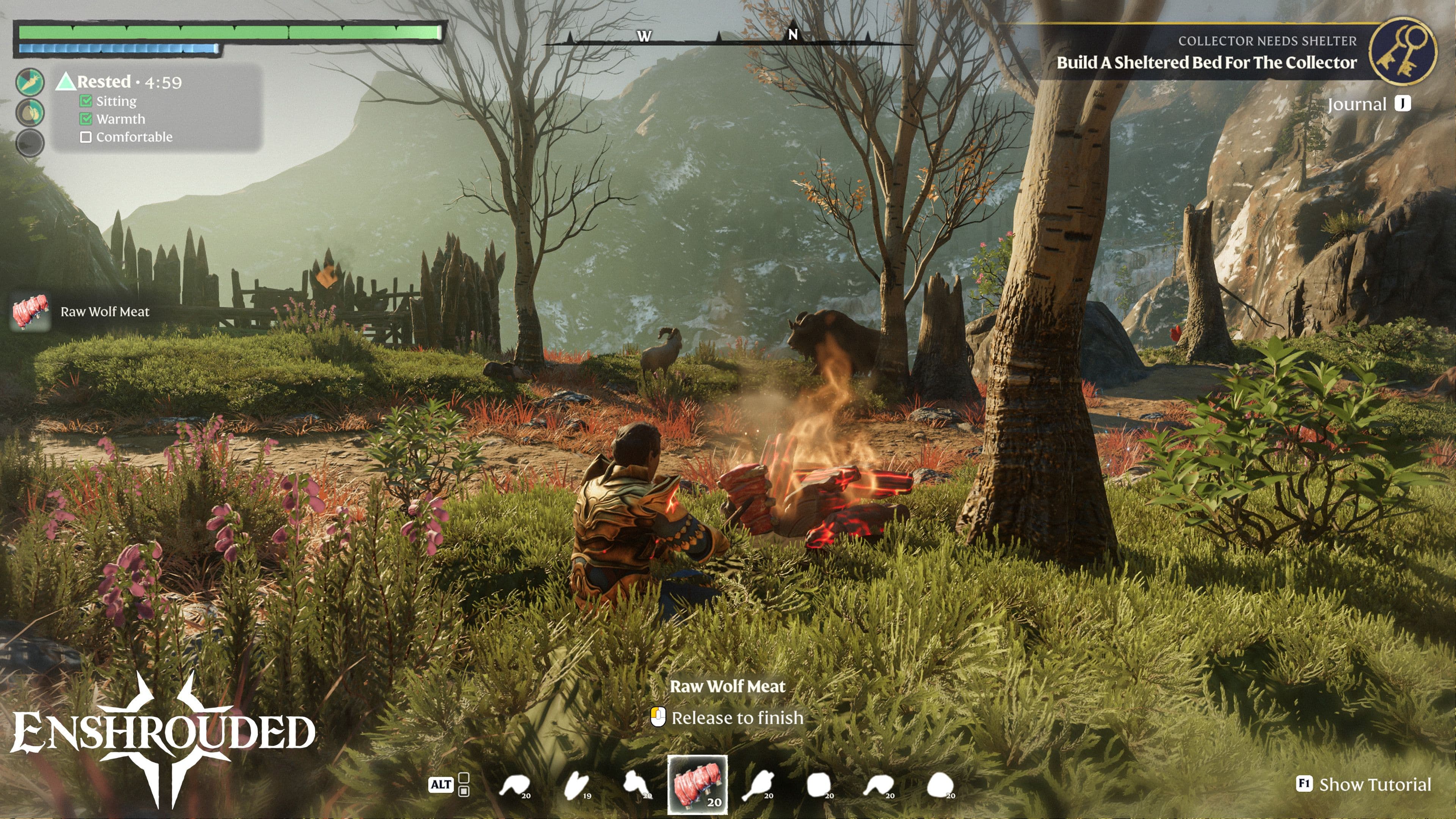
On Default, death sends carried backpack materials to a tombstone for recovery; it does not wipe your constructed home or demand that you manufacture the whole combat loadout again. The official settings distinguish this material-only rule from dropping everything in the backpack and from keeping everything. That is useful before a long campaign: decide whether a lost resource haul should create an adventure of its own or simply interrupt the exploration for a moment.
The named Survival preset is harsher than Default. It adds hunger pressure and full-backpack drops alongside tougher opposition, while Custom lets you select a no-drop tombstone setting. A player looking for survival crafting does not have to select the preset called Survival to get it. Start with the actual losses you can tolerate, then set the combat challenge around them. Choosing material-only drops still leaves a reason to get home and unload a successful gathering trip.
For construction, pay attention to the Flame Altar’s protected building area. Work within that boundary persists in the saved world; ordinary changes outside protected areas can reset. Removing the altar’s protection is therefore a different risk from dying in a dungeon. A cave dug beyond the boundary is not automatically a permanent extension of the house. On a shared server, the host’s world and building permissions matter too, so agree on them before someone spends an evening reshaping the hillside.
The retained home gives recovery a satisfying rhythm. Refill your supplies, prepare food and the Rested bonus, then use the weapons and class skills you still have to approach the tombstone more carefully. Rescued craftspeople and their workshops make the base useful for the next expedition. Enshrouded suits players who enjoy this preparation but want the freedom to remove a frustrating retrieval rule without abandoning the building-and-adventure loop.
The verdict
Choose Enshrouded for a home-centered action RPG where you can decide how much of a failed outing needs recovering.
Minecraft
A Minecraft house is part of the world, not an item in your character’s pockets. In ordinary Survival, dying can empty those pockets without removing the walls, furnaces, farm and storage that you built to support the next outing.
- Shelter building
- Crafting
- Exploration
- Co-op
- Platforms
- Windows Bedrock Edition in the Java & Bedrock PC bundle; this comparison uses Survival on Normal difficulty.
- Price model
- Paid PC bundle. Realms hosting and Marketplace purchases are optional separate costs.
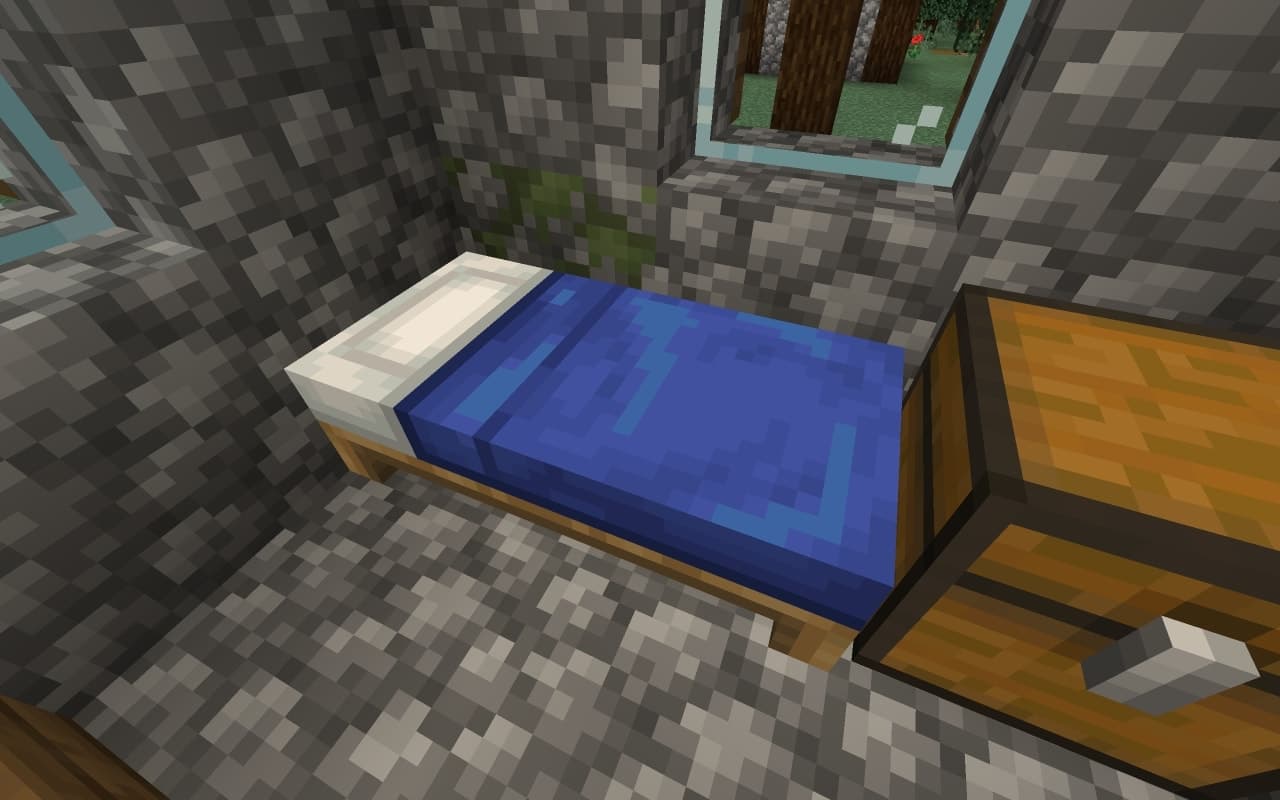
With the usual Normal Survival rules and Keep Inventory disabled, death drops carried inventory and resets your experience level, with only part of the experience recoverable as orbs. Blocks you placed and goods stored in chests stay in the world. Respawning at a valid bed gives you a starting point for recovery, but a destroyed or obstructed spawn bed can send you back to the world spawn. Put the return point somewhere you can actually leave safely, rather than assuming any bed beside a chest has solved the problem.
The simple improvement is a recovery chest: spare tools, food and a modest amount of building material beside the bed. That lets you prepare a return route instead of trying to punch through the situation that just killed a fully equipped character. Dropped items normally have a five-minute despawn window while their area is loaded; the clock is not simply five minutes from anywhere in the world. Lava and other hazards can also destroy drops, so a recovery attempt is an opportunity, not a guarantee.
If retrieving equipment is the part you dislike, enable Keep Inventory in the world rules. It changes what the character retains after death; it is not needed to preserve the house itself. In Bedrock, enabling cheats has an achievement consequence for that world, so make that choice before a serious achievement-focused playthrough. Avoid Hardcore for this recommendation: death removes the normal ability to respawn and continue playing the same character, even though spectating the world is a different matter.
The construction freedom is the main reward. Build a compact shelter, a fortified farm or a much more elaborate home, then use it as a dependable supply point between adventures. Its biggest risks are external to the death screen: creeper explosions, fire, destructive players or a server owner replacing the world can undo building work. A private world or trusted group gives this recommendation a much firmer foundation than an unfamiliar public server with its own rules.
The verdict
Choose Minecraft for complete control over the home and its recovery routine, with the world rules agreed before the first major building project.
- Mojang: respawning, beds and dropped-item recovery
- Official PC editions and purchase options
- Microsoft: inventory, fire and mob-griefing rules
- Mojang: Bedrock command permissions and achievements
- Building shelter and surviving the first night
- Mojang: Survival, Hardcore and spectating
- Community reference: experience loss and death effects
Valheim
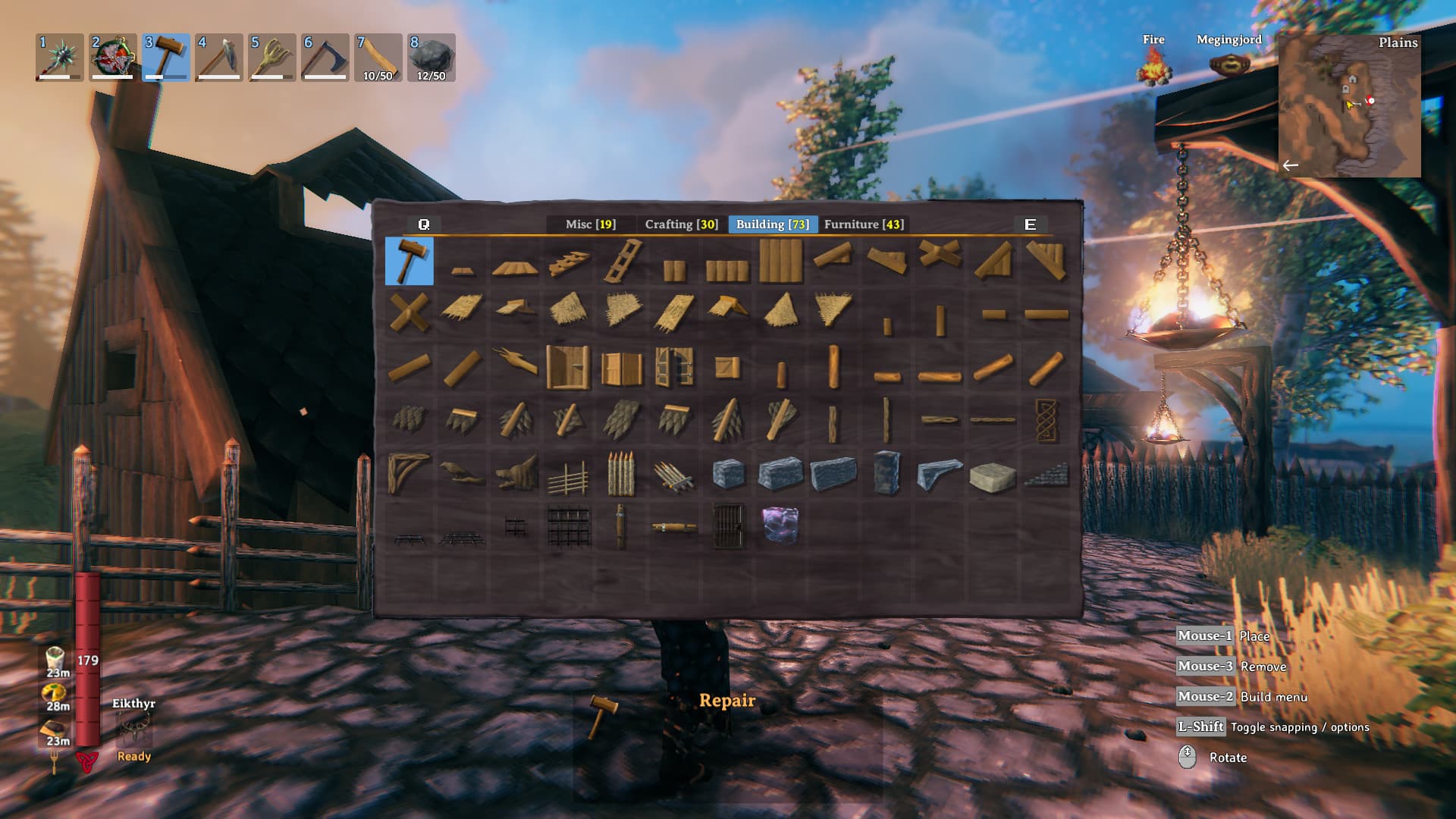
Valheim keeps the hall but can make the journey back to your gear the next major project. It is the pick for players who want the base to endure while a bad fight still has enough consequence to change the evening’s plans.
- Shelter building
- Crafting
- Co-op
- Base defense
- Platforms
- Windows, macOS and Linux via Steam; current 1.0 desktop edition, solo or up to ten players.
- Price model
- Paid base game.
Under the default death penalty, your carried inventory and equipped gear go into a tombstone, and death reduces skill levels. You respawn at your bed, or at the starting stones if no valid bed is available. Built structures, stored supplies and the world’s established progress remain. Recovering the tombstone gets the equipment back; it does not reimburse lost skill progression. The distinction matters if you want a lasting settlement but still enjoy a survival game with sharp edges.
The recovery route can be harder than the original journey because the best armor and weapons are now at its far end. Keep spare food and usable older equipment at home, and think about transport before committing to a remote expedition. A ship, a forward shelter or a permitted portal route can be more valuable than one more decorative room. A second death does not normally erase the first tombstone, so you can prepare another attempt rather than race against a one-body limit.
World modifiers let you reduce the death penalty and adjust raids separately. That separation is worth using: enjoying dangerous exploration does not necessarily mean wanting the same pressure on the building project. Conversely, the Hardcore death-penalty setting can destroy carried items and reset skills, making it a poor choice if you expect recoverable equipment. Check the actual world settings with your group instead of relying on someone’s broad description of the server as easy or hard.
The base has its own vulnerabilities. Enemies can damage structures, raids can interrupt domestic work, and a poorly supported building can fail even if nobody has died. A well-equipped recovery room does not replace defenses or sound construction. Valheim rewards a home designed for the reality of the next trip: protected storage, food, workstations and a sensible way back into the world. That makes returning after a loss feel like using something you built, rather than merely receiving another life.
The verdict
Choose Valheim if keeping the base matters more than keeping every outing painless, and you enjoy preparing a proper recovery expedition.
DYSMANTLE
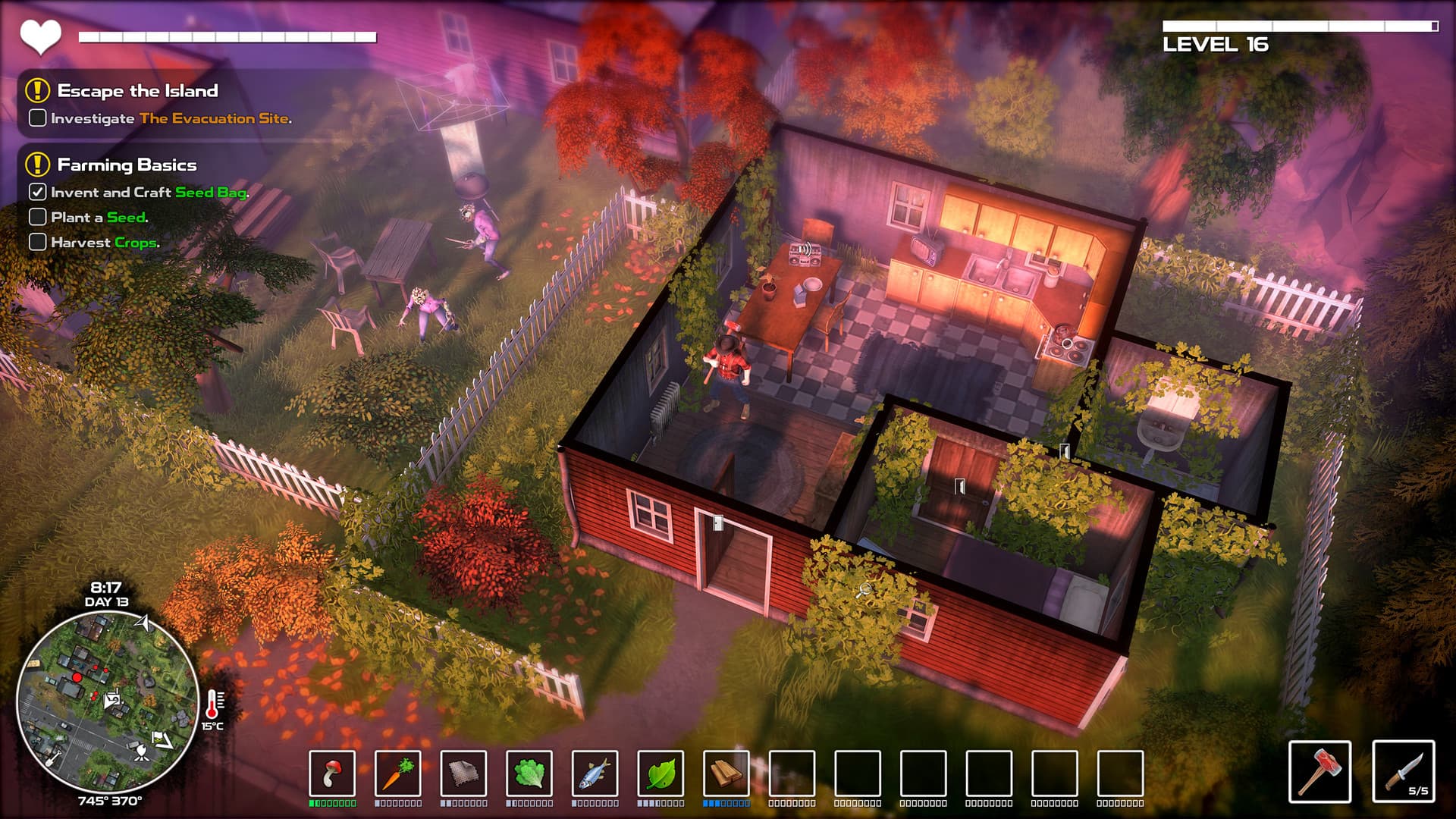
DYSMANTLE makes the contents of your resource bag more vulnerable than the equipment that filled it. Crafted tools, permanent upgrades and the home remain useful after death, while unbanked materials can send you back to the spot where the outing ended.
- Crafting
- Permanent progress
- Shelter building
- Exploration
- Platforms
- Windows and macOS via Steam; desktop base game with solo and local shared-screen co-op.
- Price model
- Paid base game; Underworld, Doomsday and Pets & Dungeons are separate paid expansions.
In the normal base-game loop, death leaves ordinary carried materials at a recoverable corpse rather than stripping away your crafted equipment. Banked materials stay in camp storage, and completed inventions and world construction are not rolled back. Retrieve the corpse before another death if you want its ordinary dropped resources back: a new death can replace the old recovery opportunity. This makes regularly depositing materials more important than carrying every recent find into the next fight.
There is a proper home-building system behind that persistence. The free Home Building update added the Builder’s Isle, Tabula Rasa, with a construction quest that unlocks walls, doors, furniture and decorations. It also added indoor planters and a Home Portal reward for returning to the island. The Underworld expansion was released alongside that update, but buying it is not required for the base-game home-building addition. You can give your dismantling habit a comfortable destination without buying an expansion just to obtain walls.
A sensible rhythm is to finish a useful material haul, store it, then go looking for the next obstruction or enemy your improved tools can handle. If the next attempt fails, the upgrade you already made remains available for another approach. The game does not ask you to keep a hunger meter topped up, which makes preparation less about emergency upkeep and more about choosing the next permanent improvement. Building is a pleasant headquarters for an island adventure, rather than a requirement to defend a large settlement every evening.
Optional equipment changes the risk further: the Doomsday expansion’s Golden Ferry Tokens can preserve carried materials on death when equipped. That is an earned DLC item, not the default rule or a reason to assume every first outing is lossless. Also distinguish death from deliberately starting New Game+: the latter begins a new world cycle with its own carryover rules. Keep the current campaign if your priority is continuing the exact home you have built.
The verdict
Choose DYSMANTLE for steady tool-and-home progress with a clear reason to unload valuable materials before pushing farther.
- Desktop base game, permanent gear and expansions
- 10tons: the free Home Building update and separate Underworld DLC
- Developer overview: outposts and permanent upgrades
- Recovery, crafted gear and camp storage in the base-game loop
- Community reference: Golden Ferry Tokens
- Community reference: New Game+ carryover
- Community discussion: a second death replaces the previous corpse
State of Decay 2: Juggernaut Edition
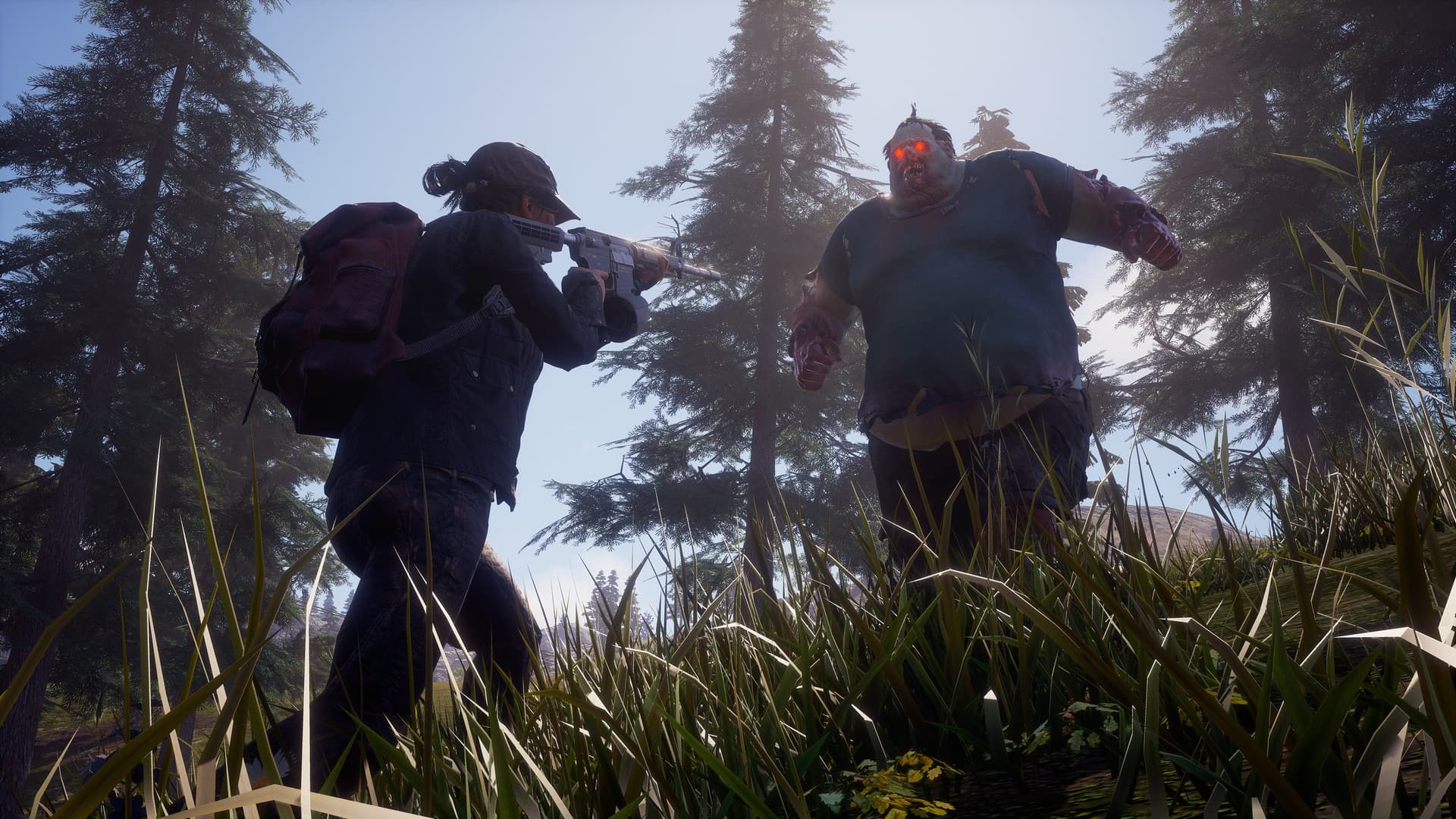
State of Decay 2 preserves the community’s home after an individual death, but asks you to accept a much more personal loss. The survivor is gone permanently, and someone else must make use of the facilities and supplies left behind.
- Shelter building
- Permanent progress
- Crafting
- Co-op
- Platforms
- Windows via Steam; main Campaign in Juggernaut Edition. A free Xbox Live account and initial sign-in are required.
- Price model
- Paid Juggernaut Edition, including Heartland, Daybreak and the Independence Pack.
If one member dies while others remain, the Campaign continues with another survivor. The base facilities, supply locker and remaining community do not reset because that supply run failed. The dead character’s trained skills and contribution to the group, however, are lost with them. You may be able to recover their carried belongings from the body or reanimated survivor, but bringing back a favorite weapon does not bring back its owner.
That gives redundancy a real purpose. Avoid making every important supply run depend on the same exhausted specialist, keep equipment available for other members and invest in a working Infirmary and Workshop. Facilities provide a durable platform for recovery, yet the people using them are not interchangeable. Losing a survivor with useful knowledge changes what the remaining group is capable of, even when the physical rooms look exactly as they did before.
The limit is a complete community wipe. If all its survivors die, that community’s campaign is over; this is not a system where an endless stream of replacements inherits the same base automatically. Easier difficulty reduces the pressure but does not turn dead survivors into respawning characters. Blood plague, dangerous outings and threats at home therefore remain consequential throughout a long save. Choose this because you want the community to endure losses, not because you want an untouchable collection of people.
Successful communities have a different route to continuity. The Forever Communities update lets you continue after completing a Legacy, with the option to move on rather than retire the group. That does not mean the exact base layout travels unchanged when you relocate to a different home or map. The lasting project is the community and its accumulated capability. Among these seven games, this is the most demanding interpretation of keeping the base: the project can survive you, but only if enough of its people survive too.
The verdict
Choose State of Decay 2 when you want a community that can live through individual losses, and accept that preserving it still takes care.
How we compare
A good recommendation explains who a game suits and where it falls short. Our editorial scores use the same five criteria, each rated out of ten.
- 01
Combat
Controls, aiming, enemy readability, and the decisions you make under pressure.
- 02
Progression
Build choices during a run and meaningful progress between attempts.
- 03
Usability
Control demands, platform access, interface options, and documented device requirements.
- 04
Value
What the asking price includes, optional purchases, and the scope of the free version.
- 05
Fit
How well the game answers the specific question in this article.
Which one should you try?
Start with the kind of recovery you will enjoy. Grounded keeps crafted equipment available; Enshrouded lets you tailor the death bag; Minecraft makes the recovery room and world rules your own design. Valheim turns getting the gear back into a serious expedition, while DYSMANTLE rewards banking materials before another push. State of Decay 2 is for accepting permanent survivor losses within a continuing community. Zombie Defence takes a focused action-and-shelter approach: keep the rooms, research and weapons, use retained expedition scrap for the next project, and change the combat plan without rebuilding your life underground.
Your questions, answered.
Want to see what we’re building?
Zombie Defence is in Alpha. Join the waitlist.
More games to explore
- 7 Best Survival Games With Cooking Buffs
Compare seven survival games where cooking changes your next expedition, from Valheim’s food slots to DYSMANTLE’s permanent upgrades and Zombie Defence’s packed meals.
- 7 Best Survival Games With a Base That Keeps Growing
Build a home that matters across outings. Compare seven survival games for lasting upgrades, useful workshops, shared worlds and the setbacks that still count.
- 7 Best Base-Building Games With Direct Combat
Build the defenses and fight for them yourself. Compare seven games by construction freedom, personal combat, progression and the role your base plays.