7 Best Survival Games With a Base That Keeps Growing
From a stronger shelter to a floating neighborhood, these games make the next trip an investment in home.

A good persistent base turns “one more trip” into a plan. You need materials for the workshop, a new room for storage or the final component of a weapon you actually want. Valheim is our strongest pick for a freeform homestead, Grounded excels at a shared home that can carry into New Game Plus, and Zombie Defence connects active zombie outings to permanent shelter stations and research.
These seven games make home improvements matter across repeated outings. Six are released games; Zombie Defence is our browser Alpha in development, with a waitlist for news and playtest availability. The comparisons name the editions and modes being discussed, because a sequel, a Hardcore setting or a different multiplayer save can change what “persistent” means.
The key distinction is continuity, not invulnerability. A saved home may still need repairs, feeding or protection, and a survival campaign can still fail. We favor games where yesterday’s work changes tomorrow’s preparation, then explain what can interrupt that progress. The five scores are editorial judgments about each game’s documented design, with Fit focused on this particular kind of lasting home.
The quick comparison
7 games, different reasons to give the next run a chance.
Choose a game to jump to its overview. Platform lists are summaries; check the linked official edition.
The games
Zombie Defence
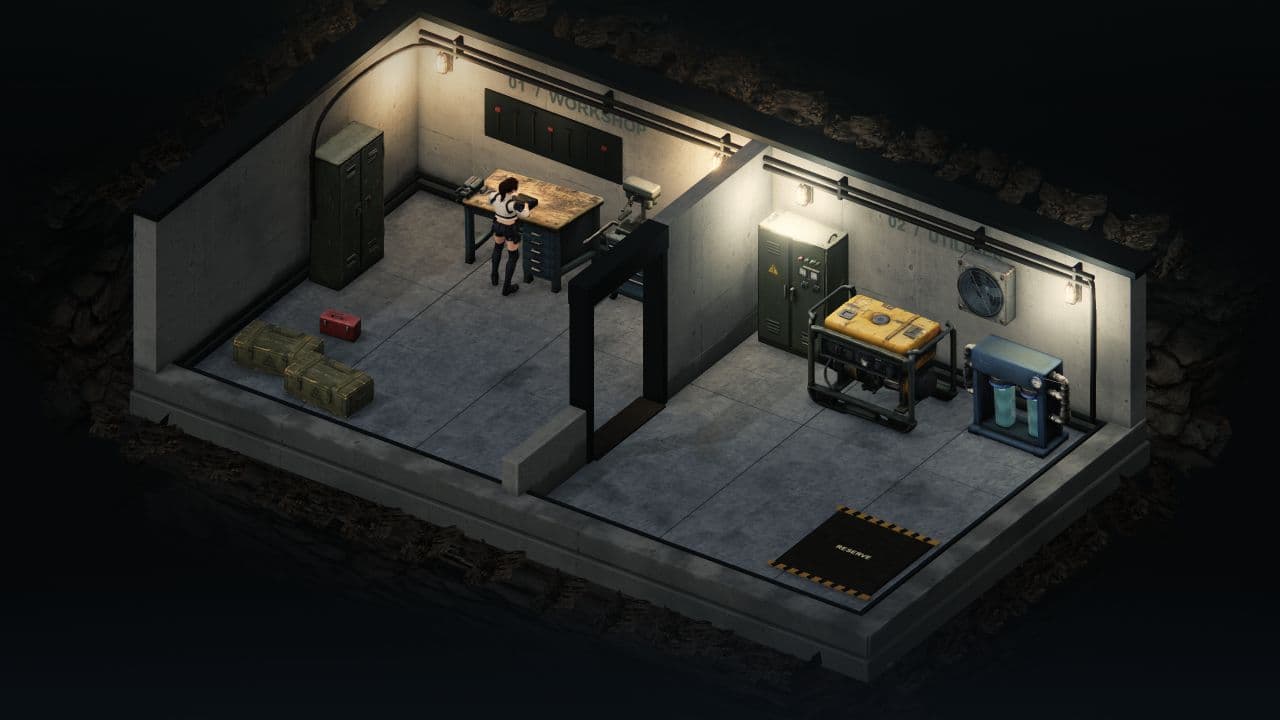
A useful home gives your next supply run a shopping list. Zombie Defence does that through permanent stations, crafted weapons and branching research, with Scrap connecting the firefight outside to the decisions waiting underground.
- Shelter building
- Crafting
- Permanent progress
- Extraction
- Manual aim (desktop)
- Platforms
- Browser Alpha in development; single-player PvE with local browser saves.
- Price model
- Public launch pricing and monetization terms are not yet confirmed.
Start with the shelter’s needs. The Ammo Press, Generator, Salvage Bench, Research Lab and Water & Hydroponics give different resources a job. Improving a station changes the preparation available for later outings; the reserve expansion bay adds a choice of utility. This is a fixed-layout shelter you develop and manage, so the satisfaction comes from making its systems work together rather than drawing a giant fortress wall by wall.
Scrap is the interesting bottleneck. It can fund construction, weapon levels, crafting or processing into parts and ammunition. Spending it all on a production line can delay the weapon you meant to build. A better plan is to pick the project first, reserve its materials, then use a city Scrap expedition to close the gap. On desktop you steer, aim and fire yourself, search containers and return to an extraction pad as enemy pressure rises. Touch fire instead assists toward the nearest hostile.
Growth also means choosing what kind of shelter you want. The 28 research nodes span Shelter, Industry, Defense and Arsenal, with rival doctrines that lock one another out. Artisan versus Assembly Line, for example, makes crafting efficiency and faster processing competing directions. During campaign fights, a level-up also puts a shelter investment beside two temporary battle cards. Taking the lasting benefit can be more satisfying than making the current gun even louder.
The persistence boundary is unusually clear. Rooms, completed research and built weapons remain after sector defeat, although some stored supplies above a protected floor can be levied. Collected Scrap expedition cargo is retained after extraction, defeat or interrupted-run settlement, up to storage capacity. Temporary weapon cards reset after deployment. Production can continue through a capped elapsed-time window, but it still needs inputs and free storage; this is a growing home to manage, not an inexhaustible resource tap.
The verdict
The strongest match here for a compact home-and-outing rhythm: fight for a specific improvement, return to build it, then prepare the next project.
Valheim
Valheim is the pick when “a base that keeps growing” means a hut turning into a workshop, farm, harbor and hall that your friends immediately recognize as home.
- Shelter building
- Crafting
- Co-op
- Base defense
- Platforms
- Windows, macOS and Linux via Steam; this comparison covers the released 1.0 game.
- Price model
- Paid game; no separate purchase is needed to update an existing Early Access copy to 1.0.
Its strongest trick is making the building project and the expedition project depend on each other. New biomes contain new materials and enemies; defeating their bosses opens the next stretch of progression. Back home, kilns, smelters and other workstations turn gathered resources into useful equipment and construction options. The return journey matters because the next improvement is waiting there, not in a menu detached from the world.
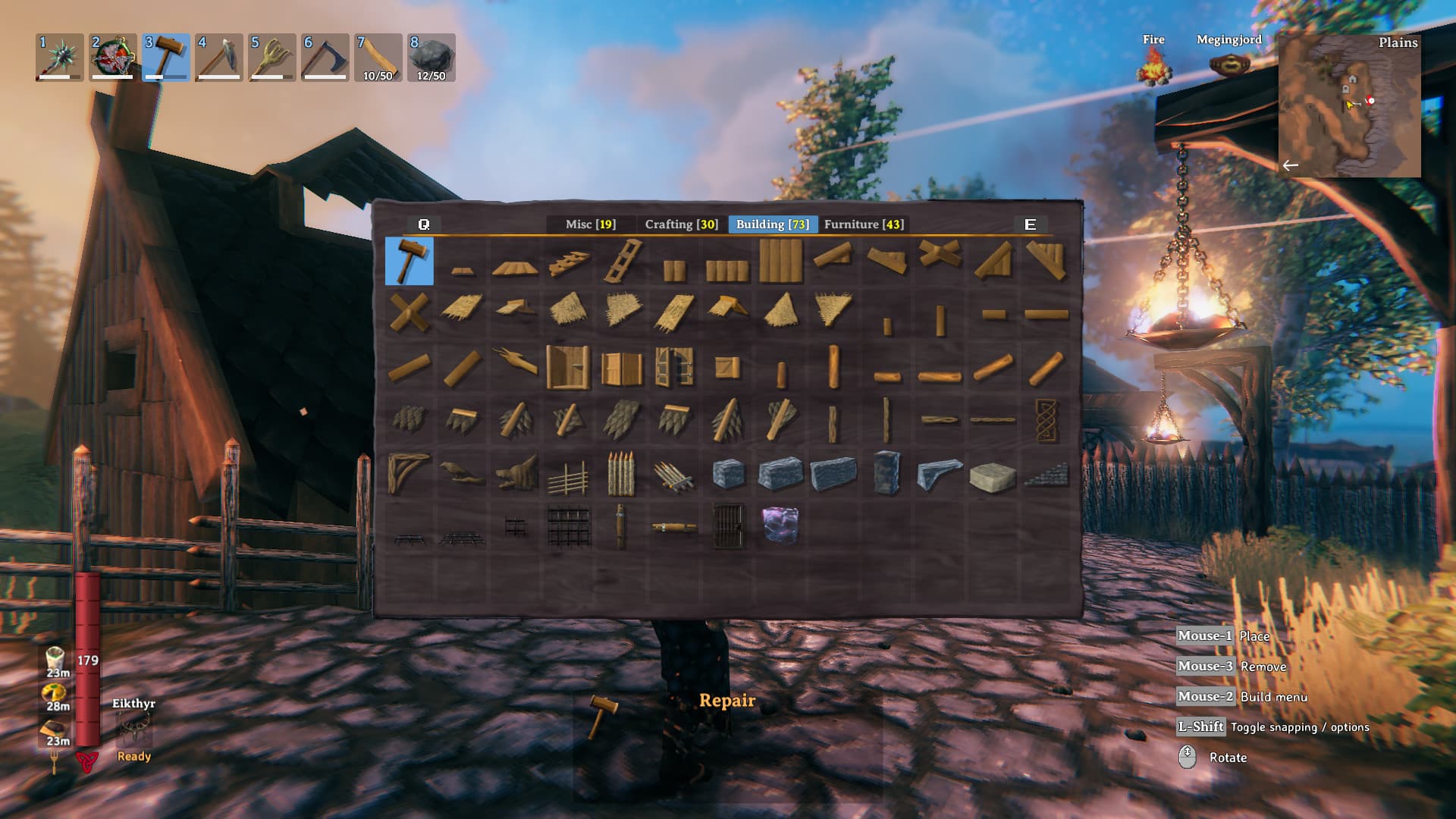
The house itself can be as ambitious as you like. Floors, walls, roofs and furniture support everything from a practical hut to a village, but structural integrity keeps the design grounded. Comfort and cooking also give the domestic side a practical purpose. Farming materials and keeping tamed animals support the food that increases your health and stamina for the next fight. You can spend an evening improving home without making that evening feel separate from survival.
Your settlement belongs to the saved world. It does not need rebuilding after each expedition, and Iron Gate explicitly preserved existing saves for the 1.0 transition. There is a useful update caveat: new terrain and dungeon content normally appears in unexplored areas. Keeping a familiar home can therefore mean sailing farther to see new material rather than expecting every old coastline to transform.
Persistent does not mean indestructible. Defenses matter, enemies threaten structures, and a building can fail if its support is wrong. World modifiers let you adjust raids, resource rates and death penalties, so set the pressure to match the sort of building project you enjoy. For a group, agree on the world and its host before investing heavily: your hall lives in that shared save, not automatically in every world each character visits.
The verdict
Choose Valheim for the most open-ended homestead project in this list, especially if everyone in your group wants a different job around the same settlement.
State of Decay 2: Juggernaut Edition
Here the lasting project is a community. Better facilities, useful recruits and a well-stocked supply locker turn dangerous supply runs into a more capable home, even when its street address eventually changes.
- Shelter building
- Crafting
- Co-op
- Base defense
- Platforms
- Windows via Steam; this comparison covers the main Campaign in Juggernaut Edition. Steam requires an Xbox Live account.
- Price model
- Paid edition including Heartland, Daybreak and the Independence Pack.
An Infirmary and Workshop are practical foundations: one helps keep survivors healthy, the other keeps weapons working. Beds and food production follow, with gardens, farms or hydroponics helping support the group. Construction and upgrades consume supplies, while some improvements need particular survivor knowledge. Finding the right recruit can therefore solve a problem that another rucksack of materials cannot.
A base is a set of facility slots, not a freeform building plot. That constraint makes the decision interesting. Do you fill scarce space with beds, or claim an outpost that supplies them and use the slot for something else? Facility mods, such as extra shelving or a portable generator, add functions to existing rooms. Materials, meds, parts, food and fuel all support different needs, so the best supply run is the one that addresses the community’s actual shortage.
The campaign can continue with the same community after a completed Legacy through the Forever Communities system. You can also relocate to another map and choose a new home site. That preserves the group’s longer story, but it is not a promise that the exact old building layout follows you unchanged. Think of growth as improving a mobile community’s capabilities and stockpile, with each home site providing a different arrangement of space.
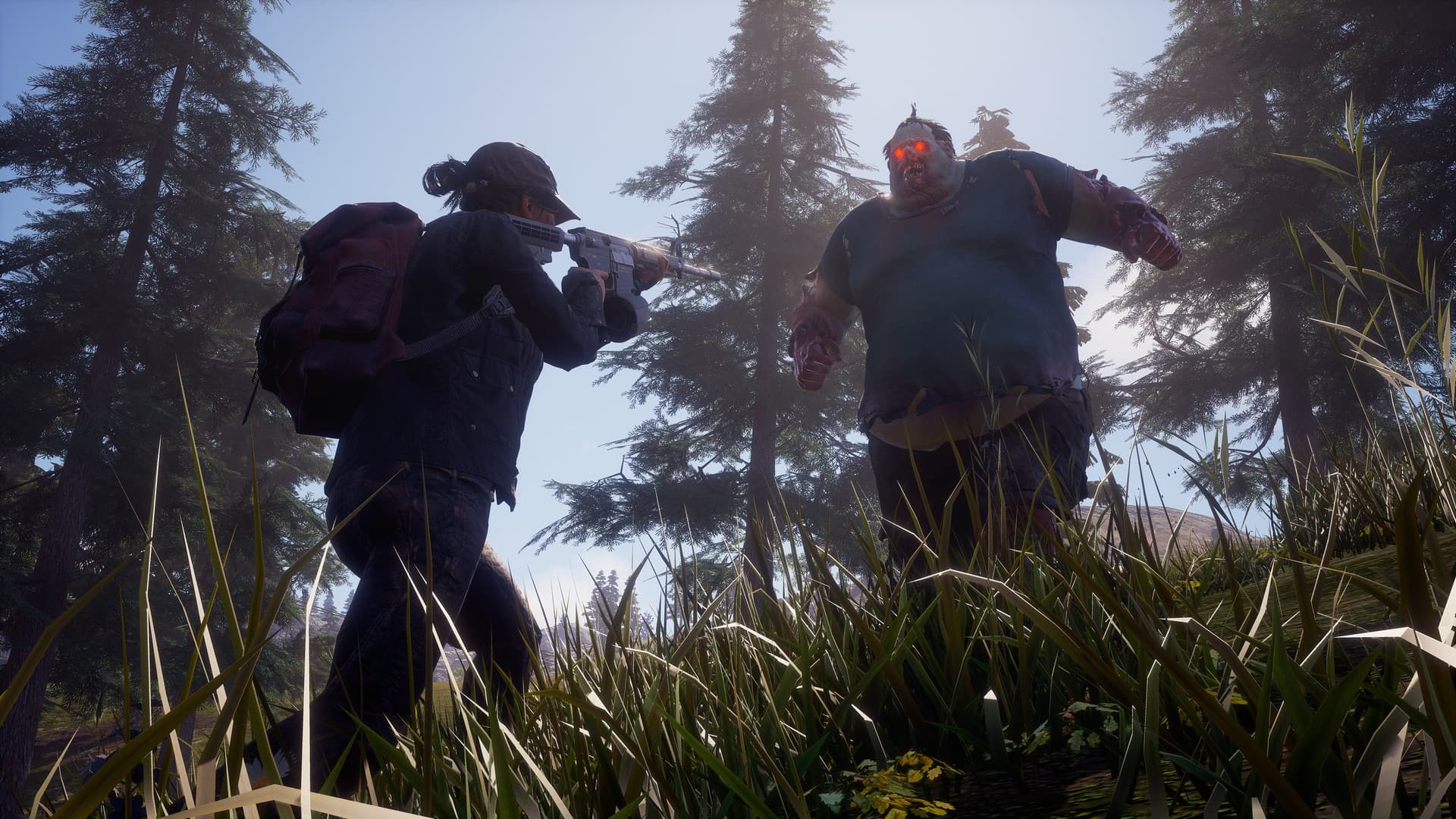
The people are more fragile than the project. Survivors can die permanently, and an important skill can disappear with them. Routine food consumption, facility upkeep and blood plague keep a successful base from becoming entirely self-sufficient. This is the choice for players who want home improvements to protect people they have invested in, and who accept that a thriving community still needs their attention.
The verdict
Pick it when a growing base should feel like a growing community, with staffing, shortages and dangerous trips all contributing to the same ongoing story.
Subnautica
Subnautica makes a better base mean a bigger ocean. Storage, oxygen, vehicle space and growing facilities give your next dive a more useful starting point than the cramped lifepod ever could.
- Shelter building
- Crafting
- Exploration
- Farming
- Platforms
- Windows and macOS via Steam; the original 2018 single-player game, with its current updates.
- Price model
- Paid game. Below Zero and Subnautica 2 are separate games.
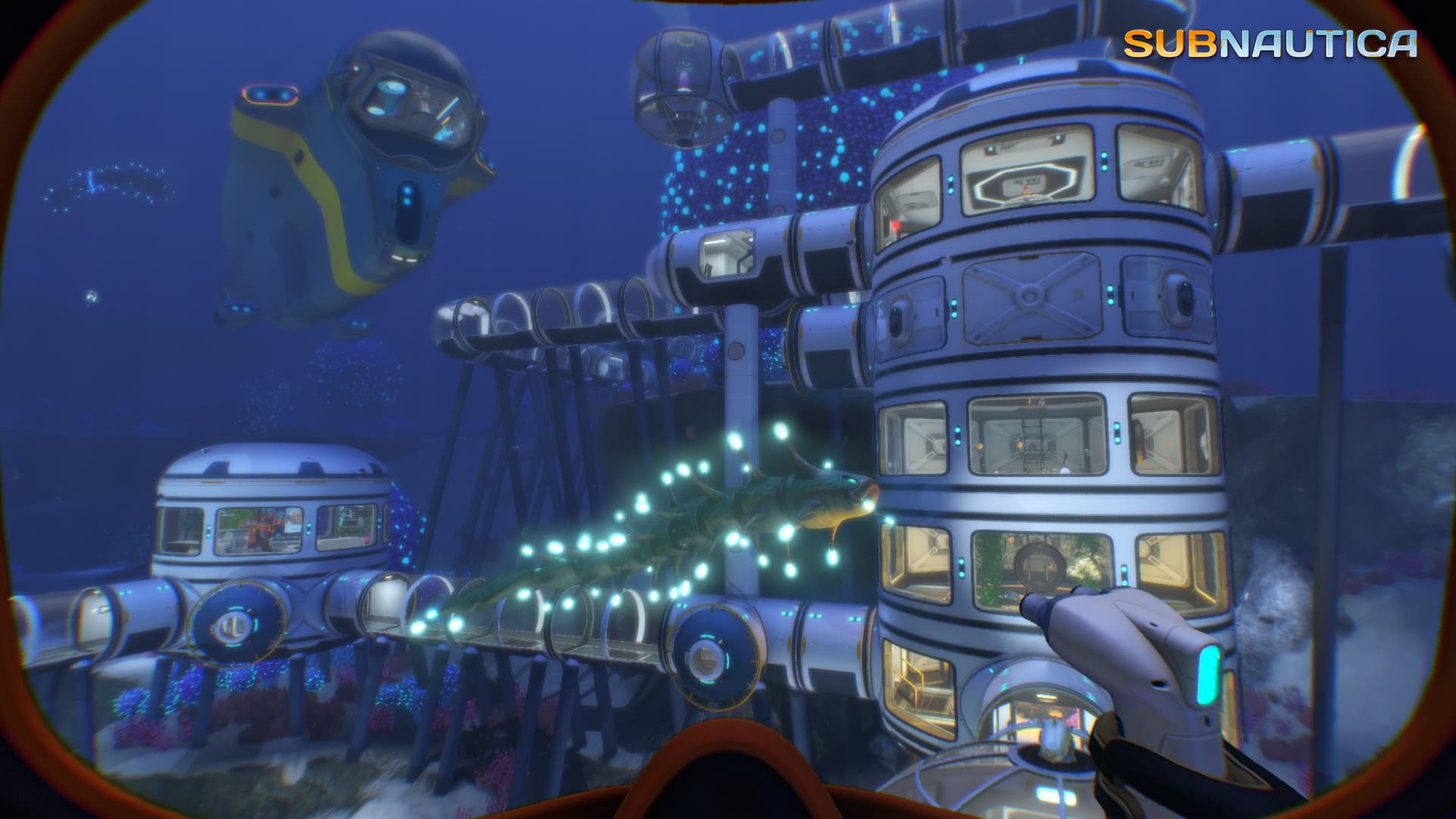
The first habitat is a foothold. A few compartments and a reliable power source let you organize recovered materials and breathe between dives. From there, the same home can gain more rooms, windows and specialized spaces as exploration opens new possibilities. The original game also received the Large Room and Glass Dome through its Living Large update, so you are not limited to the smaller modules seen in its early footage.
The payoff is logistical as much as decorative. Materials gathered on one trip become the equipment, habitat modules and submersibles that let you travel deeper on the next. Growbeds and pots let you cultivate plants at home; large aquariums turn parts of the base into living spaces for collected creatures and vegetation. A beautiful observation room and a practical supply room can both be worthwhile additions to the same place.
Expansion has an engineering cost. More compartments and windows affect hull integrity, and depth adds pressure. Reinforcements and sensible power provision matter as much as the view. A flooded base is a repair problem: restore its integrity and fix the breaches. That is a more distinctive kind of home maintenance than repelling a nightly wave, and it makes an ambitious glass-walled habitat feel earned.
For this kind of long-term project, select Survival or Freedom rather than Hardcore. The standard modes support a continuing saved adventure; Hardcore makes death the end of the save. The original game is also single-player, so this is your private refuge rather than a shared construction server. Choose it for the pleasure of returning from a tense dive to an increasingly comfortable place that you designed yourself.
The verdict
Choose Subnautica when the feeling you want is relief: a dangerous dive ends, the hatch closes, and home is a little more capable than it was yesterday.
Grounded
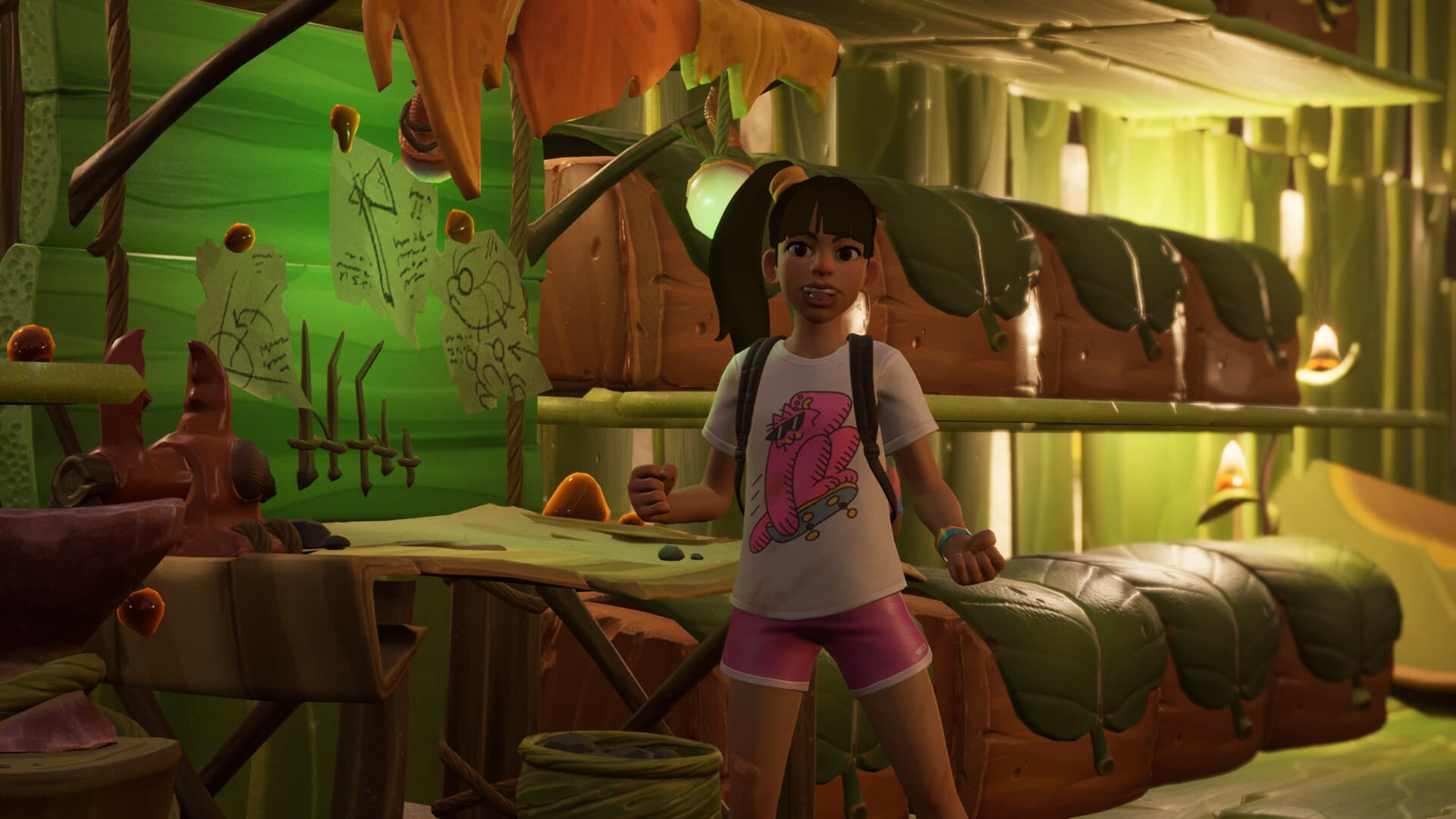
Grounded turns a patch of backyard into familiar territory. Its homes have workstations, food preparation and décor, while Shared Worlds let a group keep investing in the same place without always waiting for its original host.
- Shelter building
- Crafting
- Co-op
- Base defense
- Platforms
- Windows via Steam; this comparison covers the original Grounded with the Fully Yoked update, not Grounded 2.
- Price model
- Paid game; Shared Worlds and cross-platform features require a free Xbox Live account.
The tiny scale gives ordinary construction a distinct character. Plant materials become walls and floors, and the objects you build support further trips into insect territory. A Cookery turns ingredients into meals for exploration; equipment crafting and upgrades help with the dangers outside. The base becomes a practical staging point for the yard rather than a structure you finish once and forget.
Coziness makes furnishing worth caring about. Buildings, furniture and decorations contribute to five levels, unlocking decorative recipes, emotes and a building-focused mutation as you reach new thresholds. Being in a cozy area reduces hunger and thirst drain and provides gradual healing. That gives a more personal-looking home a mechanical payoff, while duplicate objects contribute less than simply filling every corner with the same bed.
Two kinds of continuity make this especially appealing. In a Shared World, an authorized friend can host the saved world when its original owner is away, and progress is preserved for the next host. Later, Fully Yoked’s New Game Plus carries existing bases, items and unlocked recipes into the remixed yard. It is a substantial reason to keep improving a favorite home rather than treating the approach to the ending as the point where building stops.
The yard can still push back. Your actions against its creatures can provoke attacks on the base, so location and defense deserve some of the budget. New Game Plus is also optional late-game escalation with stronger threats, not a free shortcut past the story. Choose Grounded if building a place with friends is part of the adventure and you want that place to retain its relevance as the surrounding challenge changes.
The verdict
A particularly good group choice: the home can keep developing across different hosts and remain part of the adventure when you opt into New Game Plus.
Raft
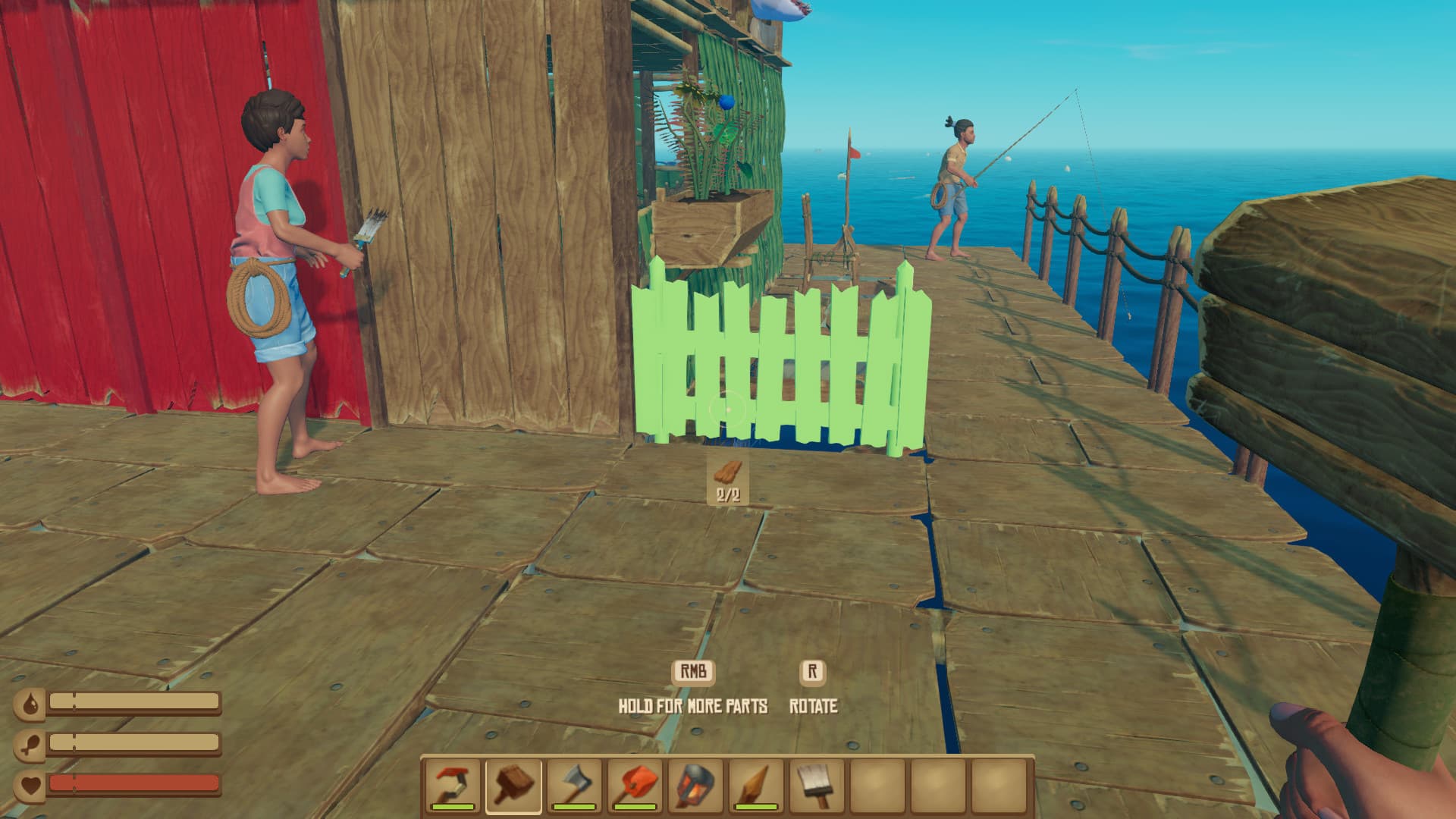
Raft solves the familiar problem of loving your base but wanting to travel: the base comes with you. Islands provide the outing, while the same expanding deck carries your equipment and daily routines onward.
- Shelter building
- Crafting
- Co-op
- Exploration
- Platforms
- Windows via Steam; this comparison covers the full released PC game.
- Price model
- Paid game with solo play and online co-op.
The opening is deliberately small. You hook passing debris, gather resources from reefs and islands, and turn them into the equipment that keeps you alive. More deck space creates room for a real home. Crop plots, cooking facilities and animal care then make that home increasingly capable of supplying its occupants. The important change is not just square footage; it is how many problems you can solve without another desperate gathering trip.
Research gives scavenging a direction. Put ingredients into the research table to learn new items, while certain recipes require blueprints found during exploration. That creates a satisfying reason to leave the raft and a satisfying reason to come back. A new island is a chance to improve the place you already own, rather than an instruction to abandon your workshop and rebuild it on another shoreline.
Your raft is part of a saved world, and the PC save system includes earlier world backups that can be loaded when something goes wrong. In multiplayer, one player hosts the session rather than the game requiring a rented server. Agree on who holds that world if the floating home is a shared project: progress in one friend’s save is not an automatic copy of the same structure into everyone’s separate worlds.
There is still a bite behind the holiday view. Sharks threaten the raft, and exposed foundations can be damaged; hunger and thirst remain demands while you gather, build and explore. The early rhythm therefore mixes improvement with maintenance. If you want the home to stay geographically fixed, Subnautica is a better match. If you want every new destination to arrive alongside the same familiar kitchen and deck, Raft has a charm the stationary bases cannot reproduce.
The verdict
Pick Raft for the pleasure of upgrading one home throughout a journey, with the ocean changing around it instead of forcing you to start over.
Sheltered
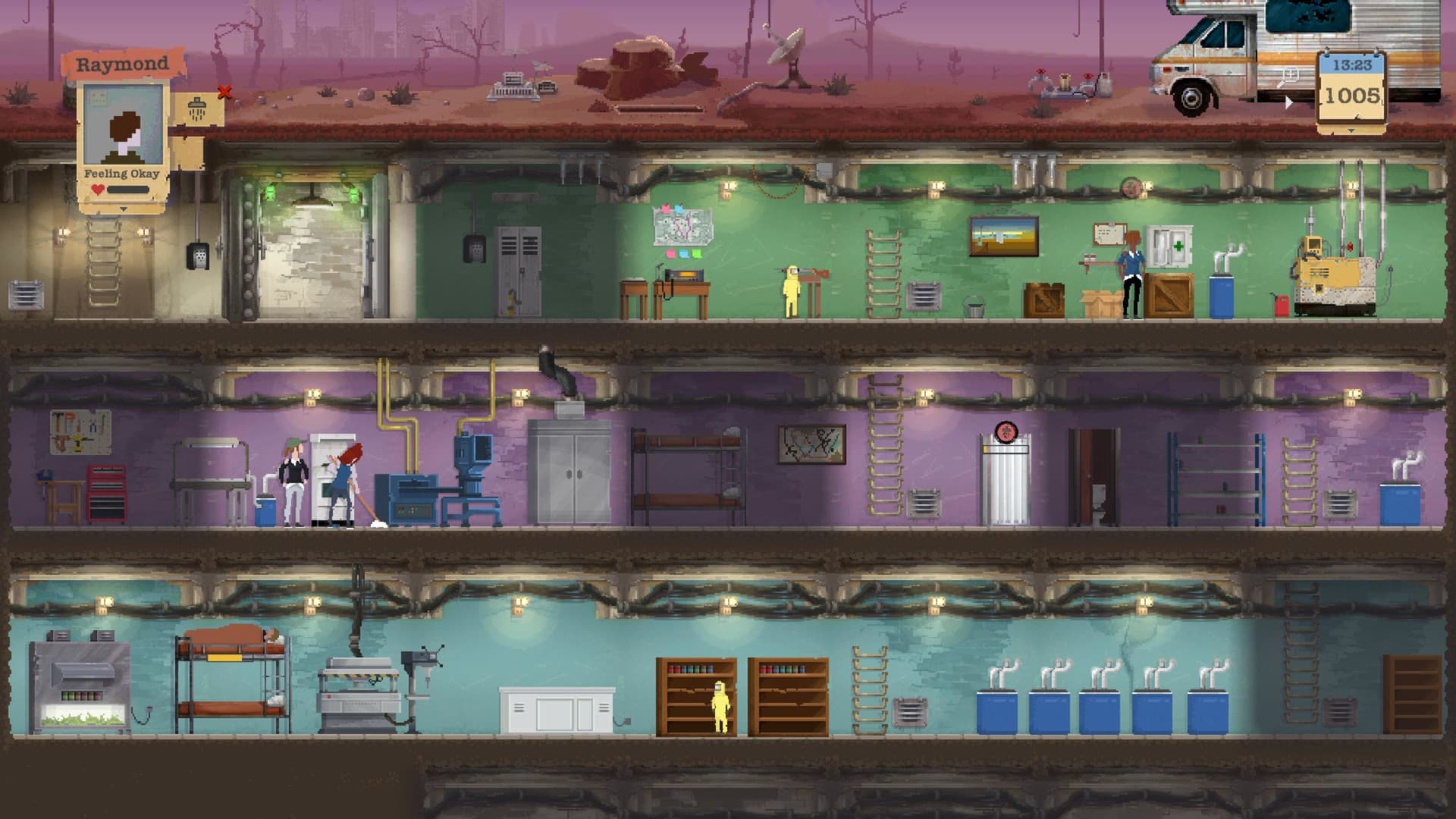
Sheltered is the intimate, demanding option. You keep returning to the same underground home, but its value is measured in beds, clean water and people who can recover enough to make the next trip.
- Shelter building
- Crafting
- Exploration
- Tactical combat
- Platforms
- Windows, macOS and Linux via Steam; the original Sheltered in Survival mode, not Sheltered 2.
- Price model
- Paid single-player game.
The first useful improvements are wonderfully unglamorous. A bed, toilet, shower and mop can matter more than another weapon. Expedition members need somewhere to rest when they return, and a dirty shelter can attract rats that consume food. New equipment and a better layout therefore buy breathing room for the next emergency. You are gradually replacing a precarious routine with one that can support longer ambitions.
Sending people outside creates a genuine staffing decision. Someone must gather materials, but whoever remains is responsible for building, repairing and keeping the place habitable. Longer routes cost more water; bags and backpacks improve what an expedition can bring home. That makes a storage or comfort improvement part of the next route’s planning, not merely a decorative reward once the real game is over.
The cutaway view makes accumulated work easy to read. Move furniture to use the available space better, make new comforts and recruit outsiders to help sustain the shelter. The family’s attributes develop through its experiences, while dangerous encounters can turn into turn-based combat. It is a game about deciding what your small household can afford to do next, not managing an abstract settlement of interchangeable workers.
Its persistence lasts within the survival campaign, not beyond a total collapse. The shelter continues between expeditions and saved sessions, but keeping its people alive is the central objective; losing the household is not a route to an automatically inherited, better-equipped bunker. Raiders and everyday needs keep investment vulnerable. Choose this if that pressure makes each improvement more meaningful, and look to the gentler standard modes of the building sandboxes if you mainly want a relaxing long-term construction project.
The verdict
Best for players who want the base to feel necessary every day, and who enjoy earning a more secure routine under persistent pressure.
How we compare
A good recommendation explains who a game suits and where it falls short. Our editorial scores use the same five criteria, each rated out of ten.
- 01
Combat
Controls, aiming, enemy readability, and the decisions you make under pressure.
- 02
Progression
Build choices during a run and meaningful progress between attempts.
- 03
Usability
Control demands, platform access, interface options, and documented device requirements.
- 04
Value
What the asking price includes, optional purchases, and the scope of the free version.
- 05
Fit
How well the game answers the specific question in this article.
Which one should you try?
Choose the home you want to come back to. Valheim offers the broadest architectural project; Grounded gives a group particularly clear continuity through Shared Worlds and New Game Plus. Subnautica makes a solo habitat the foundation for deeper expeditions, while Raft takes its growing home along for the voyage. State of Decay 2 puts the community ahead of one permanent address, and Sheltered makes every household improvement a survival decision. Zombie Defence is especially compelling when you want a focused loop of active outings, reserved Scrap, permanent stations and research choices: the shelter stays central to why you fight again.
Your questions, answered.
Want to see what we’re building?
Zombie Defence is in Alpha. Join the waitlist.
More games to explore
- 7 Best Survival Games Where Death Does Not Erase Your Base
Keep the home, understand the setback. Compare seven survival games by death losses, recoverable gear, optional modes and the risks that can still end a world.
- 7 Best Base-Building Games With Direct Combat
Build the defenses and fight for them yourself. Compare seven games by construction freedom, personal combat, progression and the role your base plays.
- 7 Best Survival Games With Cooking Buffs
Compare seven survival games where cooking changes your next expedition, from Valheim’s food slots to DYSMANTLE’s permanent upgrades and Zombie Defence’s packed meals.