7 Best Base-Building Games With Direct Combat
From firing behind your own walls to crafting the gear for the next boss, these games make you both builder and fighter.

The Riftbreaker is the clearest starting point for base-building games with direct combat: your armed mech fights alongside the defenses you construct. Choose 7 Days to Die for a destructible first-person fortress, V Rising for a castle that equips you for boss fights, or Zombie Defence for a focused shelter economy feeding active zombie combat.
The important distinction is what you personally do when trouble arrives. Every game here gives you direct control of a fighter and meaningful construction or facility choices. Some put combat at your own walls; others make home the workshop that prepares you for expeditions. We explain that difference, along with how much freedom you have to place buildings and how much upkeep sits between fights.
The seven picks include six released desktop games and Zombie Defence’s browser Alpha in development. The editions and access models were checked in October 2026. These are recommendations for different kinds of builder, with editorial scores for Combat, Progression, Usability, Value and this article’s specific Fit.
The quick comparison
7 games, different reasons to give the next run a chance.
Choose a game to jump to its overview. Platform lists are summaries; check the linked official edition.
The games
Zombie Defence
Build up production stations, prepare a permanent loadout and spend the resulting supplies in active top-down combat.
- Manual aim (desktop)
- Shelter building
- Crafting
- Permanent progress
- Extraction
- Platforms
- Browser Alpha in development; current single-player PvE. Join the waitlist for Alpha news and playtest availability.
- Price model
- Public launch pricing and monetization are not confirmed.
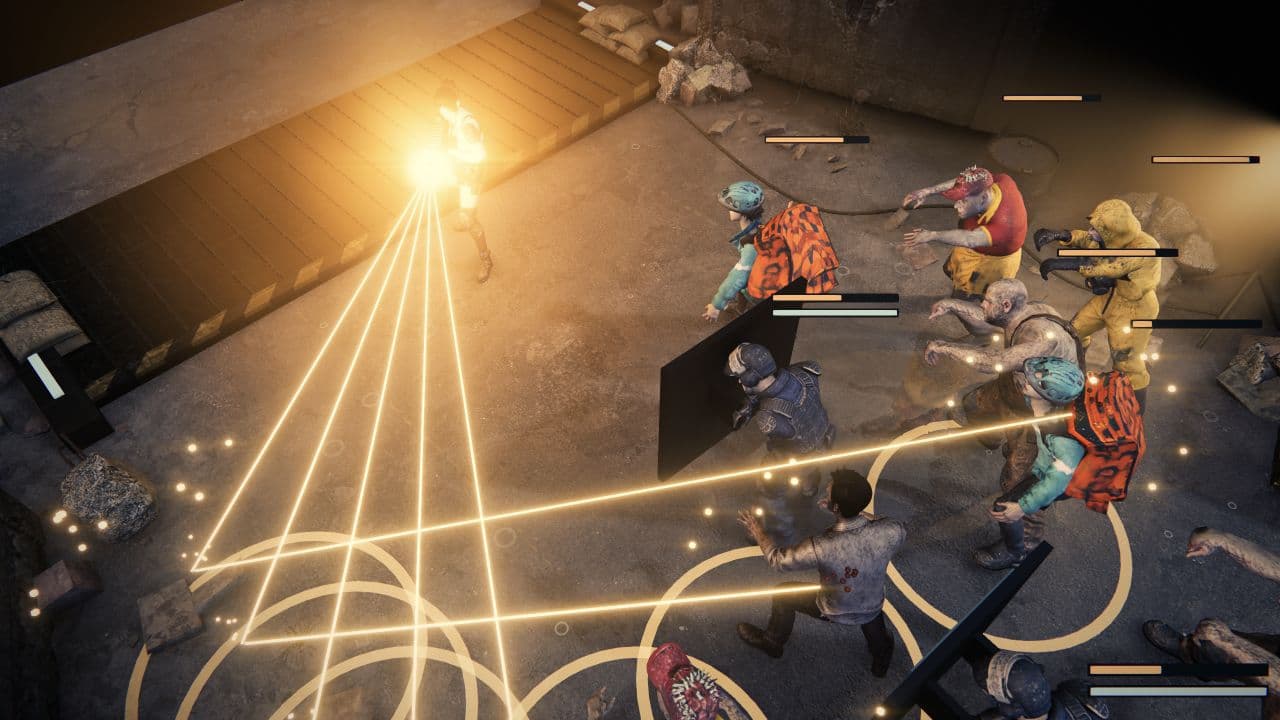
Zombie Defence puts the connection between home and fighting in the resource budget. The Ammo Press, Generator, Salvage Bench and Research Lab support different parts of your next deployment. Scrap can fund construction, improve a weapon or become processing inputs. If you want a new gun, leaving every recovered unit committed to ammunition can work against that goal. Deciding what the shelter should produce is part of deciding how you will fight.
The home is a fixed-layout 3D shelter with upgradeable stations and one reserve expansion bay. You can use that bay for a power bank, purifier or salvage station, then develop longer-term research choices. Its 28-node research system includes rival doctrines such as Deadeye and Suppression, offering stronger, slower shots or faster, lighter fire. The building appeal is choosing capabilities and managing production; players who want to design every wall should favor the larger sandboxes below.
Combat keeps you personally responsible for the result. On desktop, you move independently of cursor aim, fire, manage ammunition and reload. Touch controls assist fire toward the nearest living enemy. Campaign level-ups present two battle cards and a shelter investment, so an immediate shooting advantage can compete with something useful at home. The nine-weapon arsenal and persistent research give preparation a longer life than the temporary cards.
Separate city Scrap expeditions provide another way to feed this economy: gather supplies while fighting through increasing pressure, then return to an extraction pad. Collected Scrap survives defeat up to storage capacity, while shelter structures and research remain. The useful rhythm is clear: identify a home improvement, earn its materials and take its benefit back into combat.
The verdict
Choose Zombie Defence when you want deliberate base preparation around active horde combat, with more emphasis on useful stations than laying out a fortress.
The Riftbreaker
The most direct recommendation if you want factory planning, defensive construction and an armed player character working on the same battlefield.
- Shelter building
- Base defense
- Crafting
- Co-op
- Platforms
- Windows via Steam; current PC edition supports solo play and up to four-player co-op.
- Price model
- Paid base game with optional expansions; a separate free demo is available.
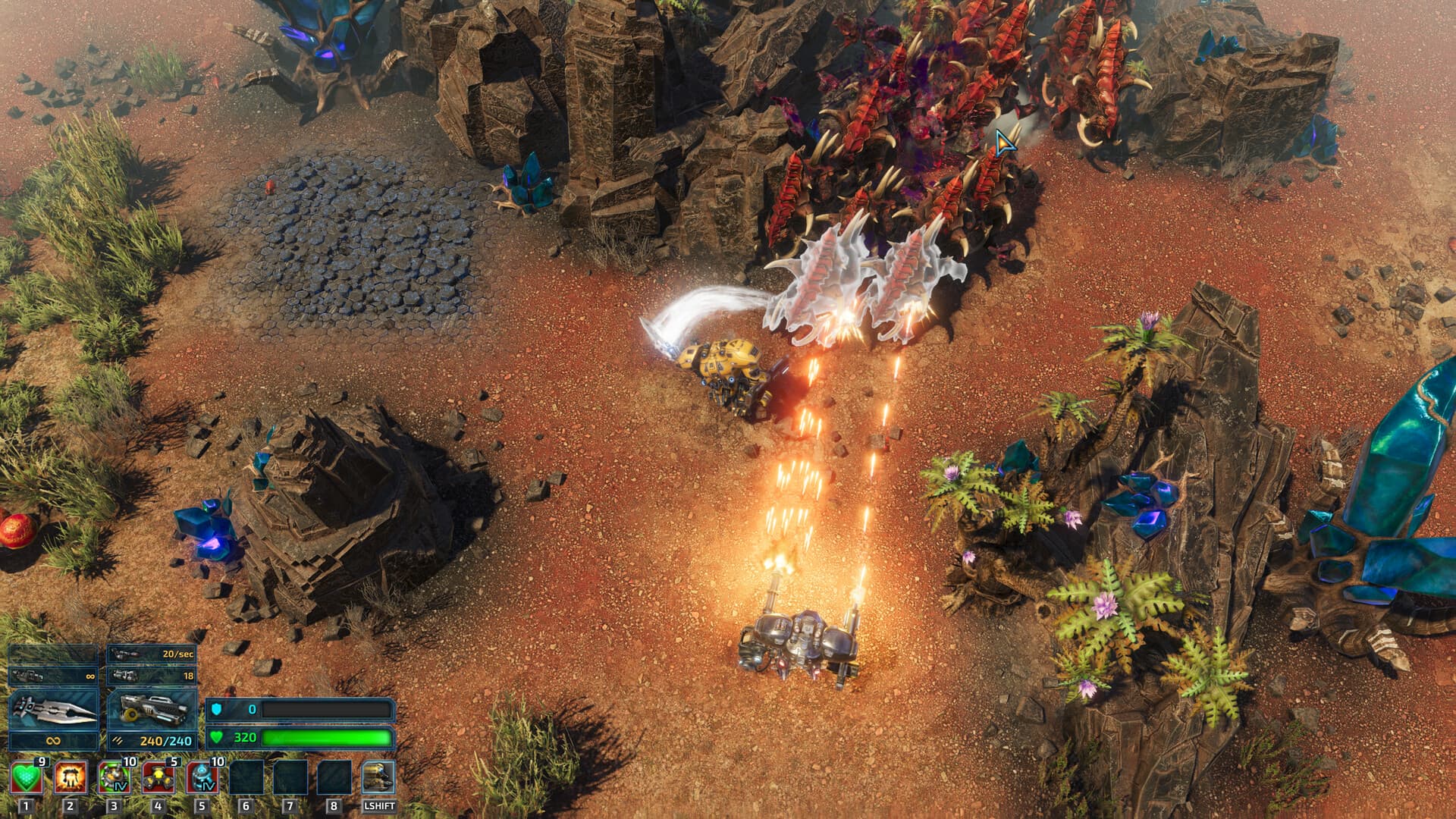
The Riftbreaker makes your mech both builder and emergency response unit. Mines, refineries, power plants and research facilities create the economy; walls and towers protect it. You then fight the creatures attacking that network yourself. A working perimeter gives you room to maneuver, while your personal weapons can reinforce the part of the defense currently under pressure.
The industrial layer has real vulnerabilities. Exposed pipelines and energy connections can become expensive weak points, so a base is more than a collection of production numbers. Extending it means deciding how much infrastructure you can sensibly protect. That is the central attraction for an action-minded builder: construction shapes the coming fight, and your movement around the battlefield responds to the construction.
Weapon research gives the mech its own development path alongside the towers. Energy blades, flamethrowers, mortars and miniguns offer different ways to meet a threat. Samples and resources collected while exploring feed new technology and crafted equipment. Campaign outposts in different biomes expand the supply network, turning exploration into another reason to build rather than a distraction from home.
The tradeoff is divided attention. You are managing an industrial site while also watching your own position in combat. Adjustable attack strength, frequency and other settings help you choose the pressure. Pick the campaign for a continuing network of bases, or Survival for a more concentrated defense challenge. The current PC co-op option also lets friends share the work.
The verdict
Pick The Riftbreaker first if your ideal base-building game lets you design the defense and then personally plug the gaps.
7 Days to Die
Your firing position, traps and supporting blocks become part of a survival plan that you personally test against the horde.
- Shelter building
- Base defense
- Crafting
- Co-op
- Platforms
- Windows, macOS and Linux via Steam; current desktop edition with solo and multiplayer play.
- Price model
- Paid base game with optional cosmetic DLC.
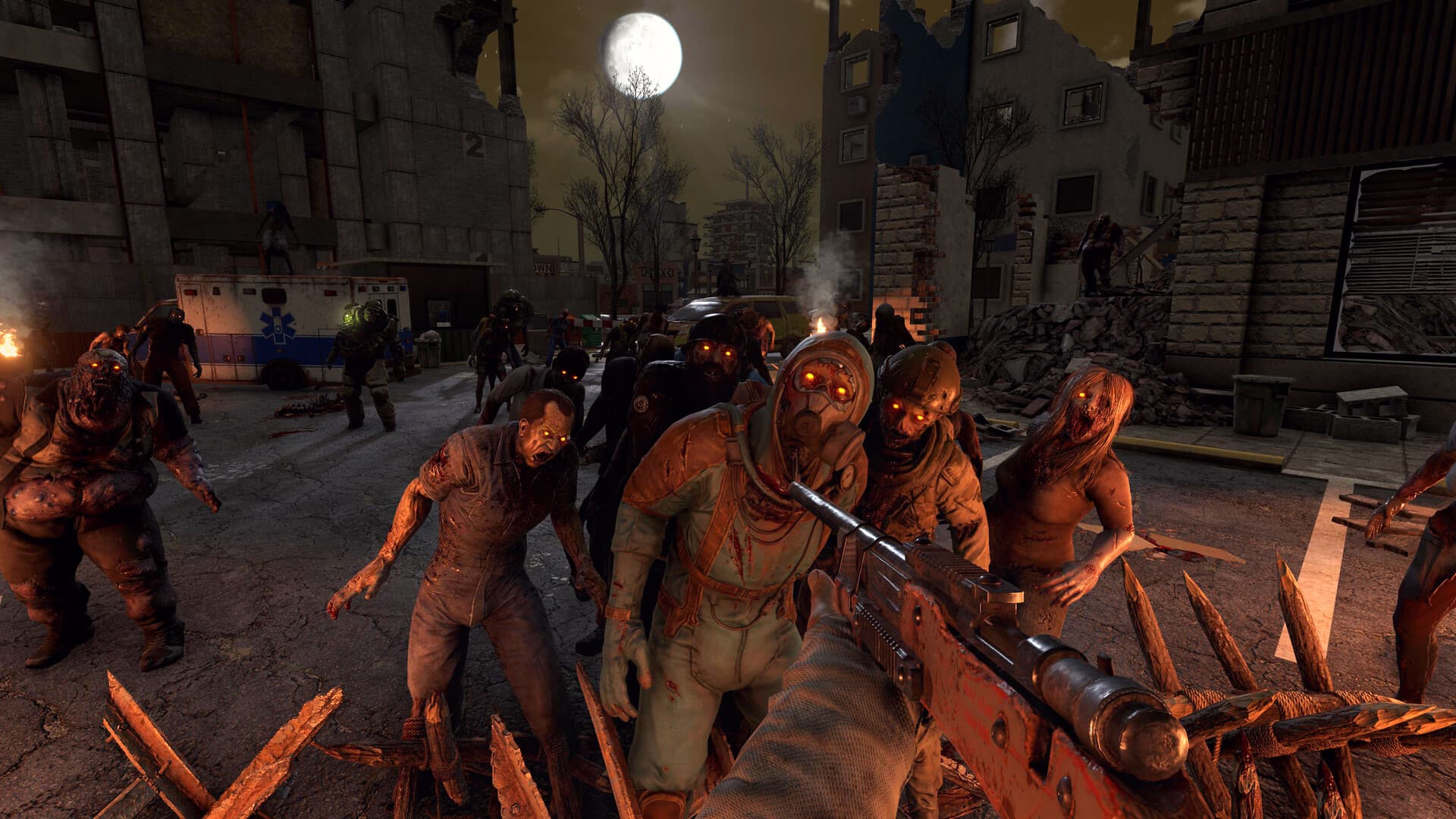
7 Days to Die is the strongest choice here for making the structure itself part of the fight. You can fortify an existing building or construct a base, place traps, add electrical systems and use automatic turrets. Then you stand inside that plan with a melee weapon or firearm. A defensive layout has to support the way you intend to fight, not simply look convincing from outside.
Structural stability makes the construction consequential. Damage and poor support can bring buildings down, so an elevated position still needs a sound foundation. The interesting question becomes where to spend materials: strengthen the structure, add another layer of traps or improve the equipment you will carry. The Blood Moon horde gives that preparation a recurring test.
The workshop and scavenging economy make rebuilding more than clicking a repair button without a cost. Tools, ammunition, weapons and construction all depend on supplies and progression. This suits a player who enjoys planning an outing around the next improvement at home. It also means the route to a satisfying defense includes gathering, crafting and maintenance.
Use the world settings to match that workload to your group. Current sandbox options expose Blood Moon timing and counts alongside crafting and other survival rules. You can choose a demanding preparation schedule or give the building project more breathing room. Its breadth is the benefit and the commitment: this is a survival world to learn, not just a construction screen between shooting rounds.
The verdict
Choose 7 Days to Die for hands-on fortress defense when planning, supplying and repairing the building should be as important as shooting from it.
State of Decay 2: Juggernaut Edition
Base building is a question of what the community needs, and direct combat puts the people supported by those facilities at risk.
- Shelter building
- Crafting
- Co-op
- Base defense
- Platforms
- Windows via Steam; free Xbox Live account and initial internet sign-in required.
- Price model
- Paid Juggernaut Edition, including Heartland, Daybreak and the Independence Pack.
State of Decay 2 turns building priorities into reasons to leave home. An Infirmary supports survivor health; a Workshop keeps weapons in repair. Beds and food production compete for space with other facilities. Choosing what to construct is therefore a practical decision about the next shortage, the next supply run and who will be ready to make it.
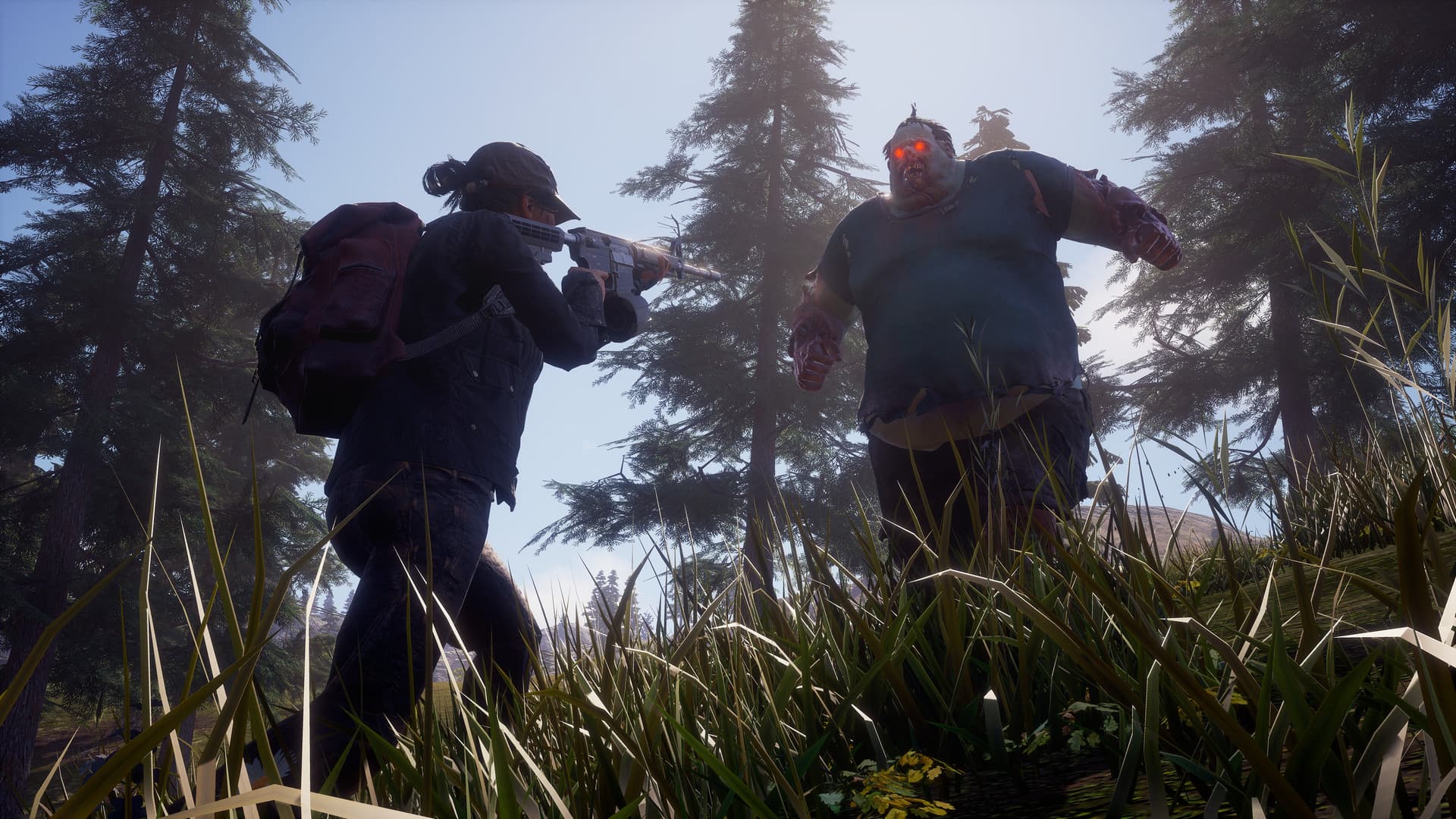
You control a selected survivor in third-person combat, using firearms, melee weapons or stealth. That person belongs to the community you manage. Bringing supplies back improves the group, while permanent survivor death can remove someone you have equipped and developed. The base matters because it supports vulnerable people rather than a single endlessly replaceable avatar.
This is facility-based construction within chosen home sites. You decide which functions deserve the available space and when to move, rather than laying every wall and corridor yourself. That narrower canvas makes the game especially appealing if you like assigning a useful purpose to a building but lose patience with detailed architecture.
Be clear about the multiplayer arrangement before choosing it as a shared building project. Friends visit and help a host’s community; the campaign is not one jointly owned settlement save. For solo play, separate Action, Community and Map difficulty settings let you adjust combat danger and logistical pressure independently. That flexibility helps if you enjoy one side of the game more than the other.
The verdict
Pick State of Decay 2 when the best reason to improve a base is protecting the people you send out from it.
Valheim
Build the hall, workshops and supply network that make your next Viking expedition possible, then fight the dangers of that world yourself.
- Shelter building
- Crafting
- Co-op
- Exploration
- Platforms
- Windows, macOS and Linux via Steam; current 1.0 desktop edition, solo or up to ten players.
- Price model
- Paid base game.
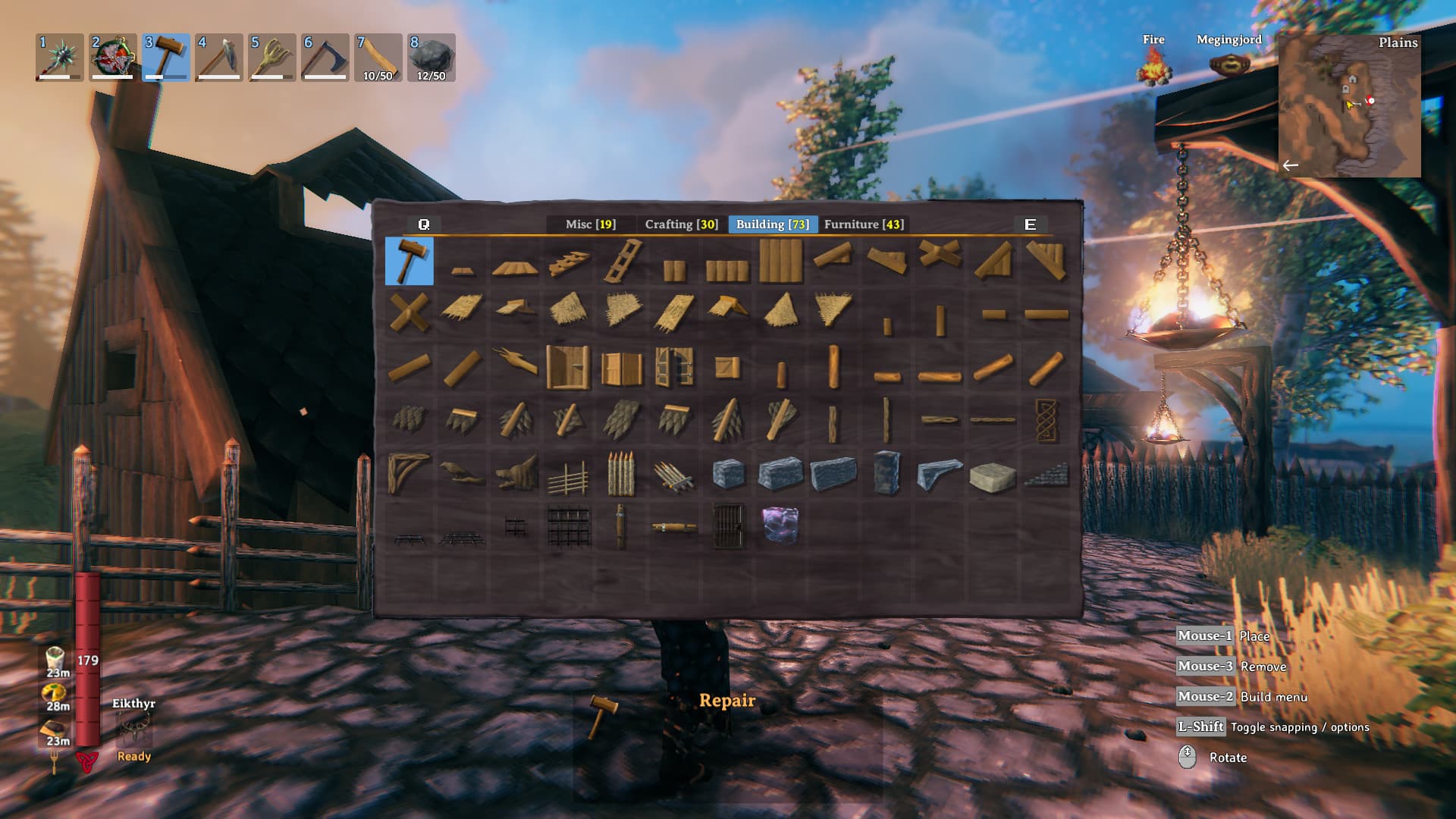
Valheim is the pick for builders who want to inhabit the place they create. Floors, walls, roofs and furnishings can form a compact outpost or an ambitious hall. Structural integrity and defense matter, so the satisfying home is also a workable one. It is a broader creative canvas than choosing facilities from a fixed set of spaces.
The connection to combat runs through preparation. Kilns, smelters and other stations process the materials used for weapons and armor. Food improves health and stamina, giving the kitchen and farm a direct role in how much danger you can handle. A new workstation or a better food supply can make an expedition more achievable even before you improve your own fighting technique.
You still have to take that preparation into the world with axes, blades and bows, and defeat regional bosses to advance. New environments supply materials and new reasons to expand the home. The rhythm is a longer one than The Riftbreaker’s immediate base assaults: establish a useful foothold, prepare, travel, fight and return with the means to build further.
The cost is logistics. Gathering and transporting materials can become a major part of an ambitious project, especially when exploration pulls you away from the original settlement. In a group, that creates worthwhile different jobs; alone, it means taking responsibility for the entire chain. Choose it because the preparation journey sounds enjoyable, not because you want every evening to begin with a battle.
The verdict
Choose Valheim for a home-and-adventure loop where the building is a place to live, prepare and return to between personally fought expeditions.
V Rising
Build a vampire castle whose crafting stations support your equipment, then earn further progress through aimed abilities and dangerous boss encounters.
- Manual aim
- Shelter building
- Crafting
- Co-op
- Platforms
- Windows via Steam; current full-release PC edition with local solo play, online co-op and PvP options.
- Price model
- Paid base game with optional cosmetic DLC packs.
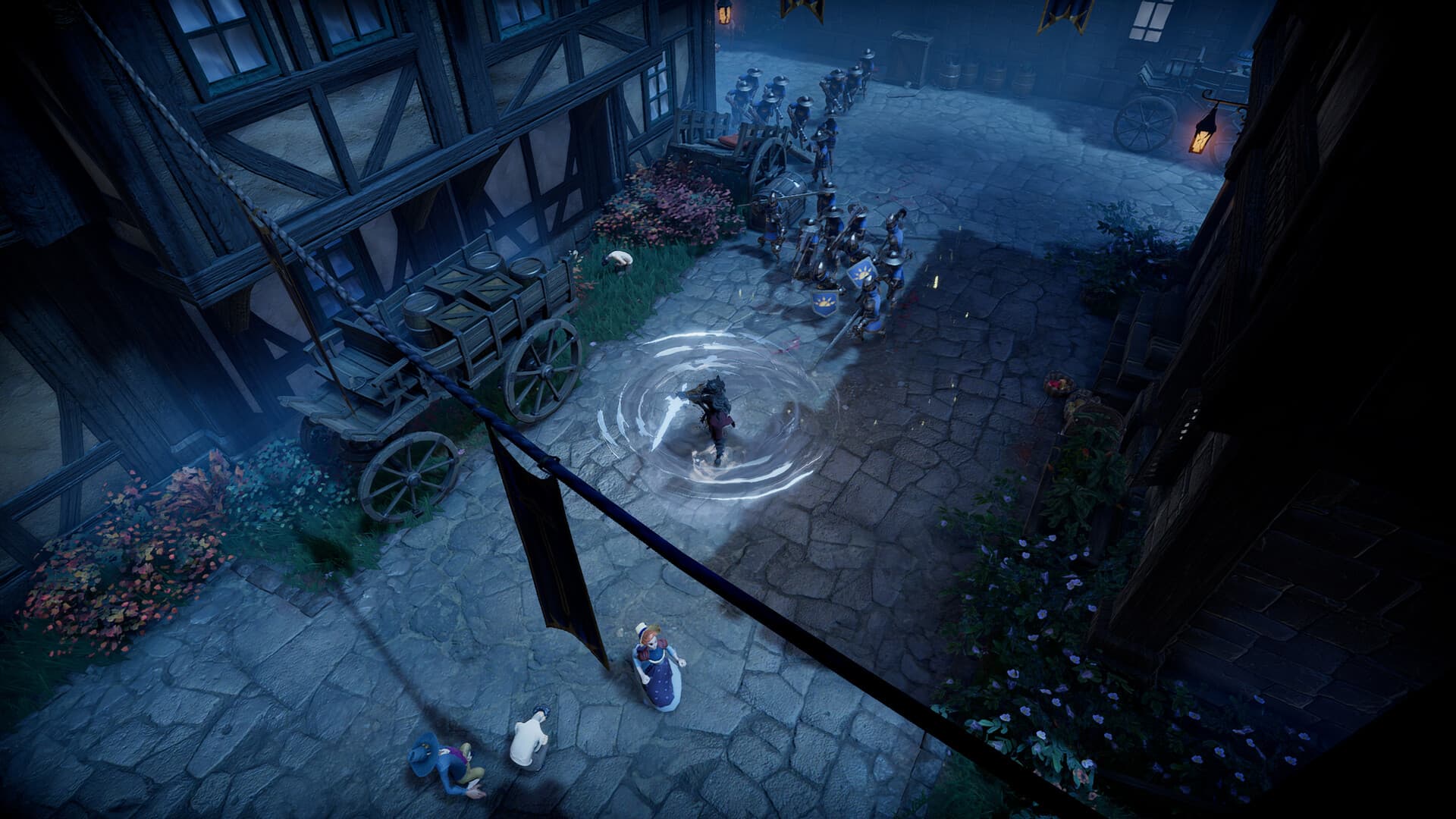
V Rising is the combat-forward choice for a player who wants the base to have a clear next purpose. A castle stores the haul and houses the stations needed to refine materials and make stronger equipment. Progress runs through that workshop: defeating V Blood bosses unlocks recipes and abilities, then the new materials and stations let you turn those victories into a better-equipped vampire.
The fighting asks for direct execution. Keyboard movement and cursor aim are separate; you aim skillshots, dodge incoming projectiles and combine weapon abilities with spells. A higher gear level helps, but it does not make positioning decisions disappear. This gives each construction goal a tangible destination: prepare the equipment you need, then personally overcome the fight blocking the next stage.
The castle also has room for architectural ambition, including multiple floors and extensive decoration. Its practical side has become easier to manage through features such as the Treasury, which lets crafting draw ingredients from stored supplies. That is a useful balance for this query: you can enjoy making an impressive home without losing sight of its job as a production center.
Choose the ruleset before investing heavily in that home. Local solo and cooperative play suit a PvE progression project; PvP brings rival vampires and castle raiding into the equation. Boss requirements and repeated material gathering still set the pace in either case. V Rising is ideal if a demanding fight gives the building a purpose, less so if you want to unlock construction through peaceful gathering alone.
The verdict
Pick V Rising when you want to build toward the next fight, with a castle that is both a creative project and the source of your equipment.
Grounded
At insect scale, construction creates a home and a defensive position, while weapons, equipment builds and manned turrets keep you involved in the fighting.
- Shelter building
- Base defense
- Crafting
- Co-op
- Platforms
- Windows via Steam; the original Grounded with Fully Yoked, solo or up to four players.
- Price model
- Paid game; cross-platform features and Shared Worlds require a free Xbox Live account.
Grounded gives a familiar survival loop a memorable physical scale. Plant materials become building components, and the base holds the storage and equipment that support trips through the yard. Your character explores and fights the giant insects directly, with crafted and upgraded weapons, armor and selectable Mutations shaping the approach. We are recommending the original game here, whose construction and campaign systems are already established.
The yard can bring the fight home. Interfering with its creatures can provoke retaliation against your base, making defenses more than optional scenery. The Acorn Turret is a particularly good example of direct combat meeting construction: you occupy its seat and switch ammunition types yourself. Sappy Rounds slow crawling enemies, while Groundy Rounds can bring flying insects down. The structure is a weapon you use, not just an automatic damage upgrade.
Home improvements also have quieter benefits. Coziness from buildings and furnishings reduces hunger and thirst drain and gradually heals you while you are in the area. That gives a well-developed home a recovery role between dangerous trips. Practical defense and a comfortable interior can be parts of the same project instead of competing definitions of what a survival base should be.
For a group, Shared Worlds let an authorized friend host the saved world when its original host is absent. That makes a jointly developed base easier to keep using. The main commitment remains the survival routine: collect materials, maintain equipment and prepare for creatures that can damage what you built. Choose it for a cooperative place to inhabit and defend, with plenty of hands-on action beyond its walls.

The verdict
Choose Grounded for cooperative construction with a strong sense of place, especially if defending the base yourself is part of the fun.
How we compare
A good recommendation explains who a game suits and where it falls short. Our editorial scores use the same five criteria, each rated out of ten.
- 01
Combat
Controls, aiming, enemy readability, and the decisions you make under pressure.
- 02
Progression
Build choices during a run and meaningful progress between attempts.
- 03
Usability
Control demands, platform access, interface options, and documented device requirements.
- 04
Value
What the asking price includes, optional purchases, and the scope of the free version.
- 05
Fit
How well the game answers the specific question in this article.
Which one should you try?
Choose the relationship you want between construction and fighting. The Riftbreaker and 7 Days to Die put your defensive layout in the middle of the action. V Rising makes each workshop improvement part of a boss-driven equipment climb, while Valheim stretches the loop into a homestead and expedition. Grounded offers a cooperative home with manned defenses; State of Decay 2 makes facilities serve the people you control. Zombie Defence brings the connection into a focused shelter budget: improve production, research and weapons, then personally use those choices against the horde. The best fit is the game whose preparation you enjoy as much as its combat.
Your questions, answered.
Want to see what we’re building?
Zombie Defence is in Alpha. Join the waitlist.
More games to explore
- 7 Best Survival Games Where Death Does Not Erase Your Base
Keep the home, understand the setback. Compare seven survival games by death losses, recoverable gear, optional modes and the risks that can still end a world.
- 7 Best Survival Games With a Base That Keeps Growing
Build a home that matters across outings. Compare seven survival games for lasting upgrades, useful workshops, shared worlds and the setbacks that still count.
- 7 Best Survival Games With Cooking Buffs
Compare seven survival games where cooking changes your next expedition, from Valheim’s food slots to DYSMANTLE’s permanent upgrades and Zombie Defence’s packed meals.