7 Days to Die review: the apocalypse has a building inspector
Every supply run is a building decision in disguise. This sprawling survival sandbox makes preparing for disaster almost as important as surviving it.
Zombie Defence Editorial Team ·
Based on official documentation and gameplay imagery.
A wall in 7 Days to Die is a theory. The zombies arrive to peer-review it, usually with their faces. What makes this sandbox compelling is how scavenging, character growth and construction all feed that eventual argument over whether your front door should still exist.
The reward is a survival game where preparation has a physical shape. You can see where resources went, watch a weak design unravel, then build something smarter. The cost is accepting that ammunition, groceries and structural engineering all belong on the same shopping list, with the next deadline never entirely forgotten.
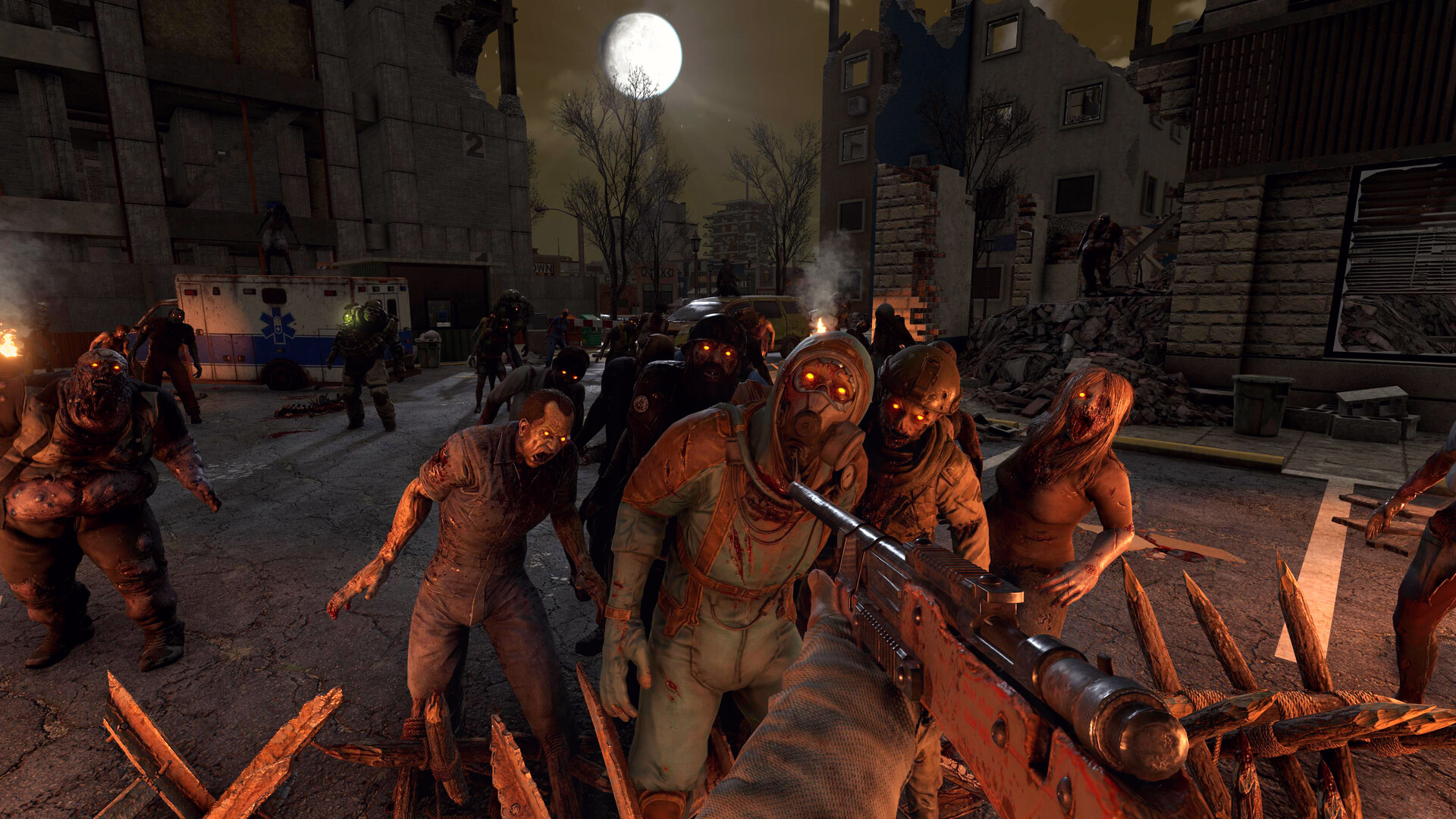
Everything you bring home has a job
Exploring a house means more than clearing its occupants. You are looking for the things that turn tomorrow into less of a disaster: food, tools, materials and useful reading. Trader jobs add direction and rewards, so a trip can serve several needs instead of becoming aimless cupboard tourism.
That overlap gives looting its appeal. Do you push into another building for a possible upgrade, or return while there is still time to work on the base? A better weapon helps later, but it cannot retrospectively repair the wall you neglected today.
V3.3 adds a useful wrinkle: a 48-slot starting inventory and equippable backpacks that can expand capacity to 96 slots. Extra space can still be encumbered; Pack Mule and pocket mods address that burden. More room for treasure does not automatically make the journey home painless.
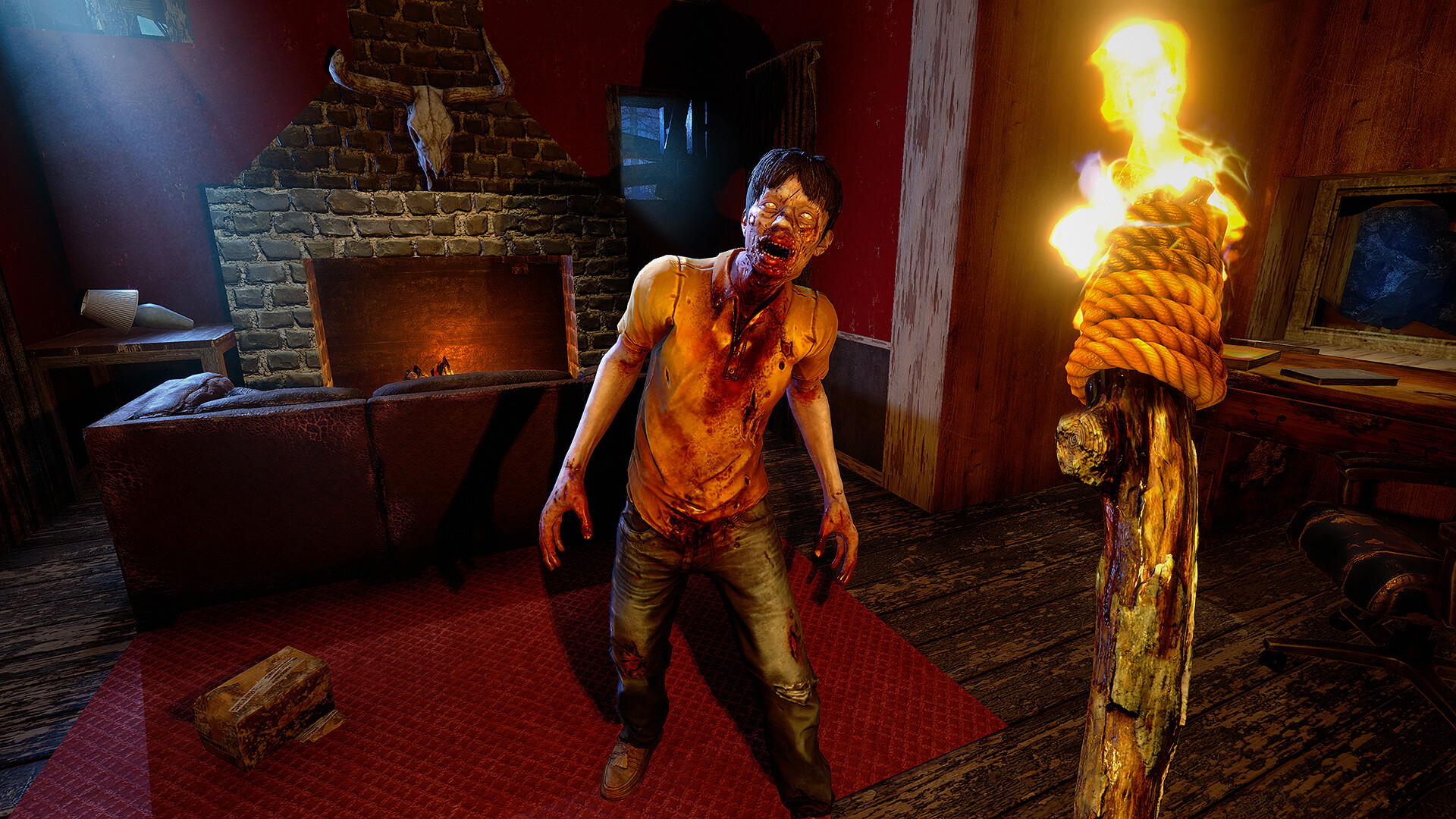
Your fort eventually faces an inspection
Construction matters because the world is destructible and structures have stability. A platform needs support; damaged foundations can bring down more than the block being hit. The satisfying question is therefore not just how thick a wall should be, but what happens after part of it fails.
Traps, electrical defenses and firing positions turn a shelter into a machine for surviving pressure. Leave somewhere to shoot from, somewhere to retreat to and a practical way to repair damage. A beautiful fortress with no workable fallback is an expensive arrangement of future rubble.
Automation adds another supply bill. Turrets need ammunition, and different ammo types give you choices about what to reserve for tougher threats. That keeps the base connected to exploration: the hardware is only half the plan, while keeping it useful demands another trip outside.
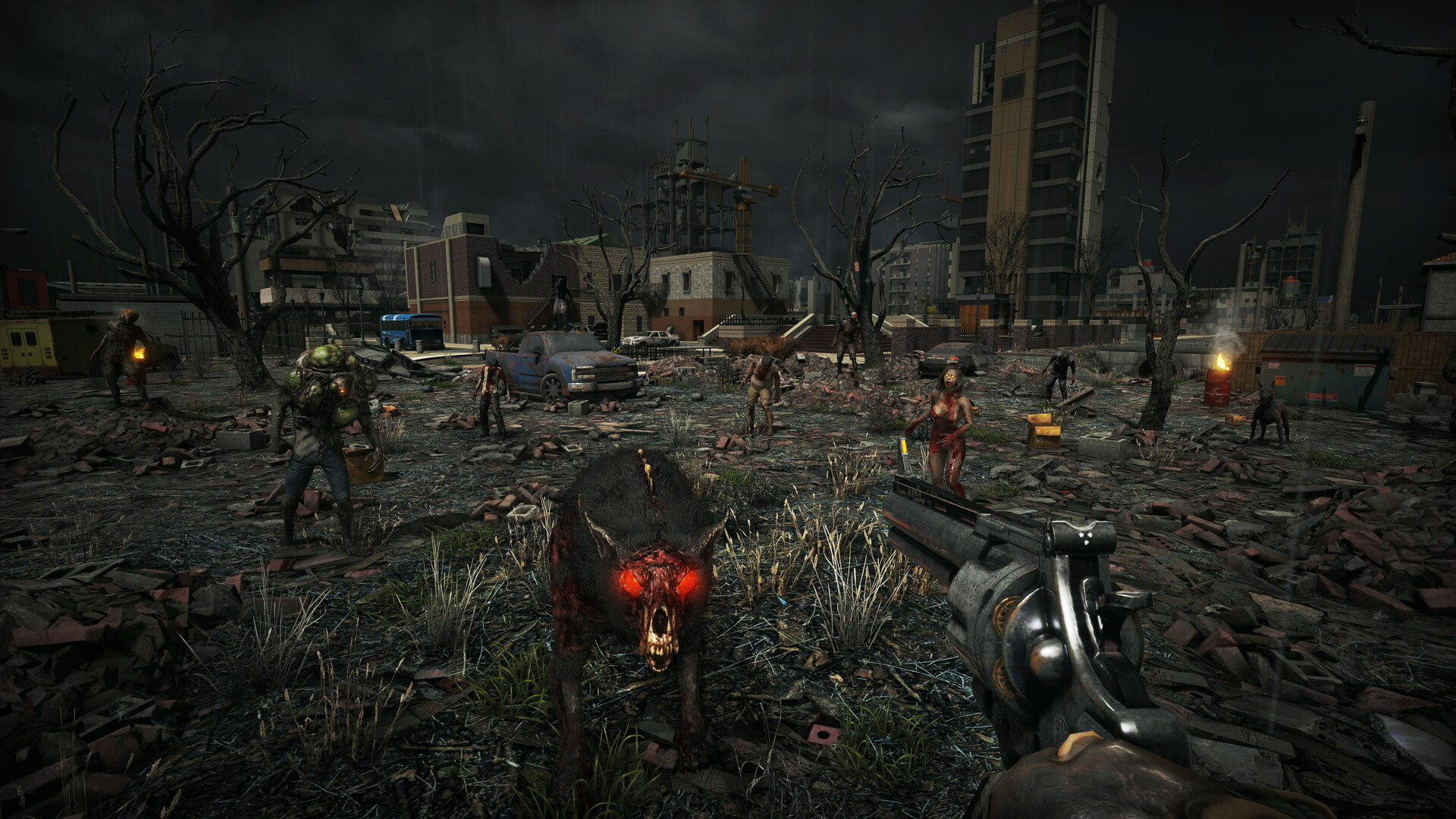
Every fight spends something
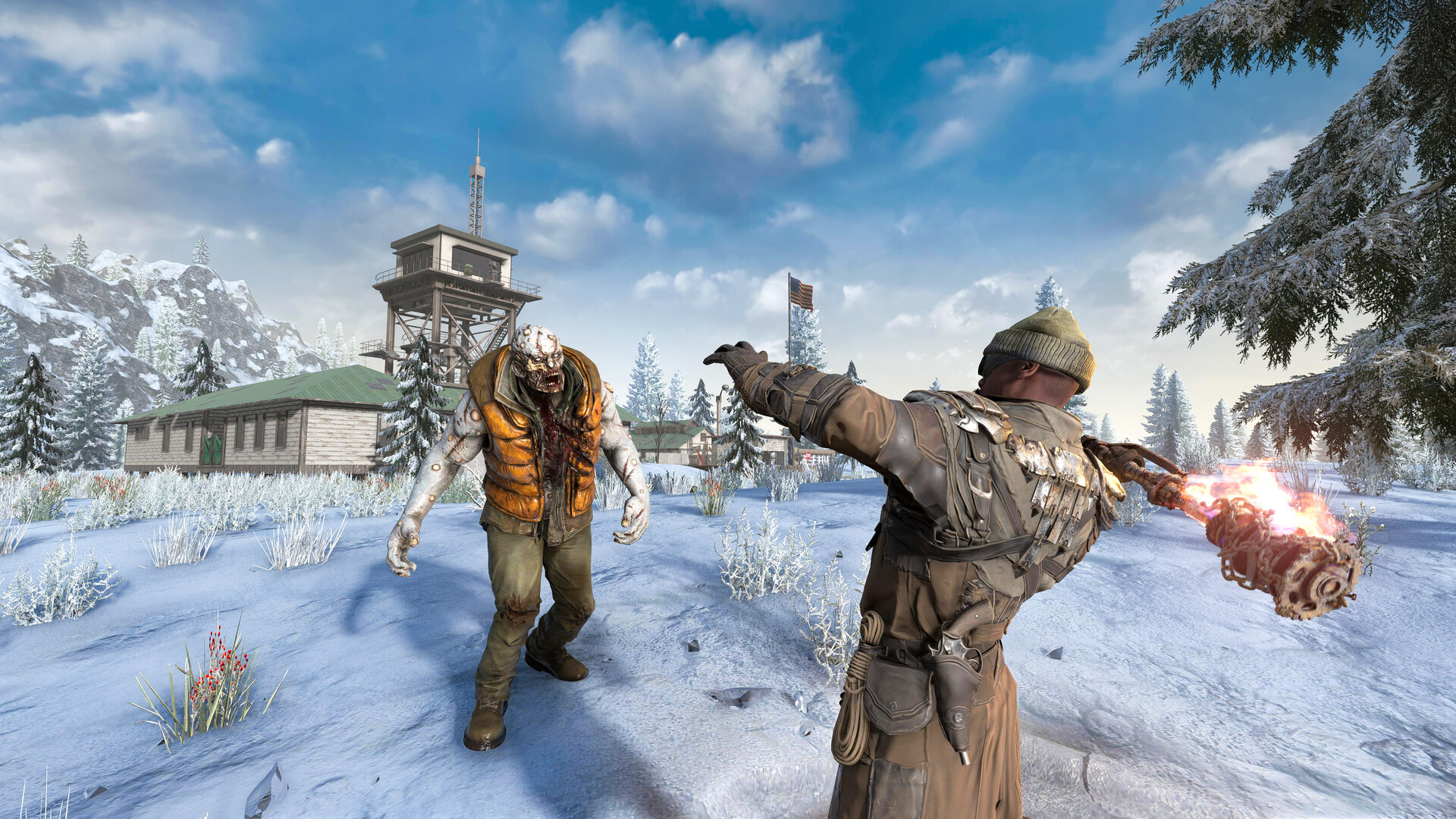
Close combat and ranged weapons create different kinds of exposure. Getting near a zombie saves cartridges but puts your body within reach; backing up and shooting buys distance at an ammunition cost. Rooms, streets and defensive positions change which bargain looks sensible.
That makes combat most interesting as part of a larger plan. A weapon choice affects which supplies you want, while a planned fighting position affects how you build. Players who enjoy linking those decisions should find more to chew on than players seeking a tightly scripted shooter campaign.
The current game also allows first-person and third-person views, subject to the host’s camera restriction. Being able to choose your perspective is welcome in a game that alternates between close quarters and construction. The default freedom to switch does not force everyone into the same view.
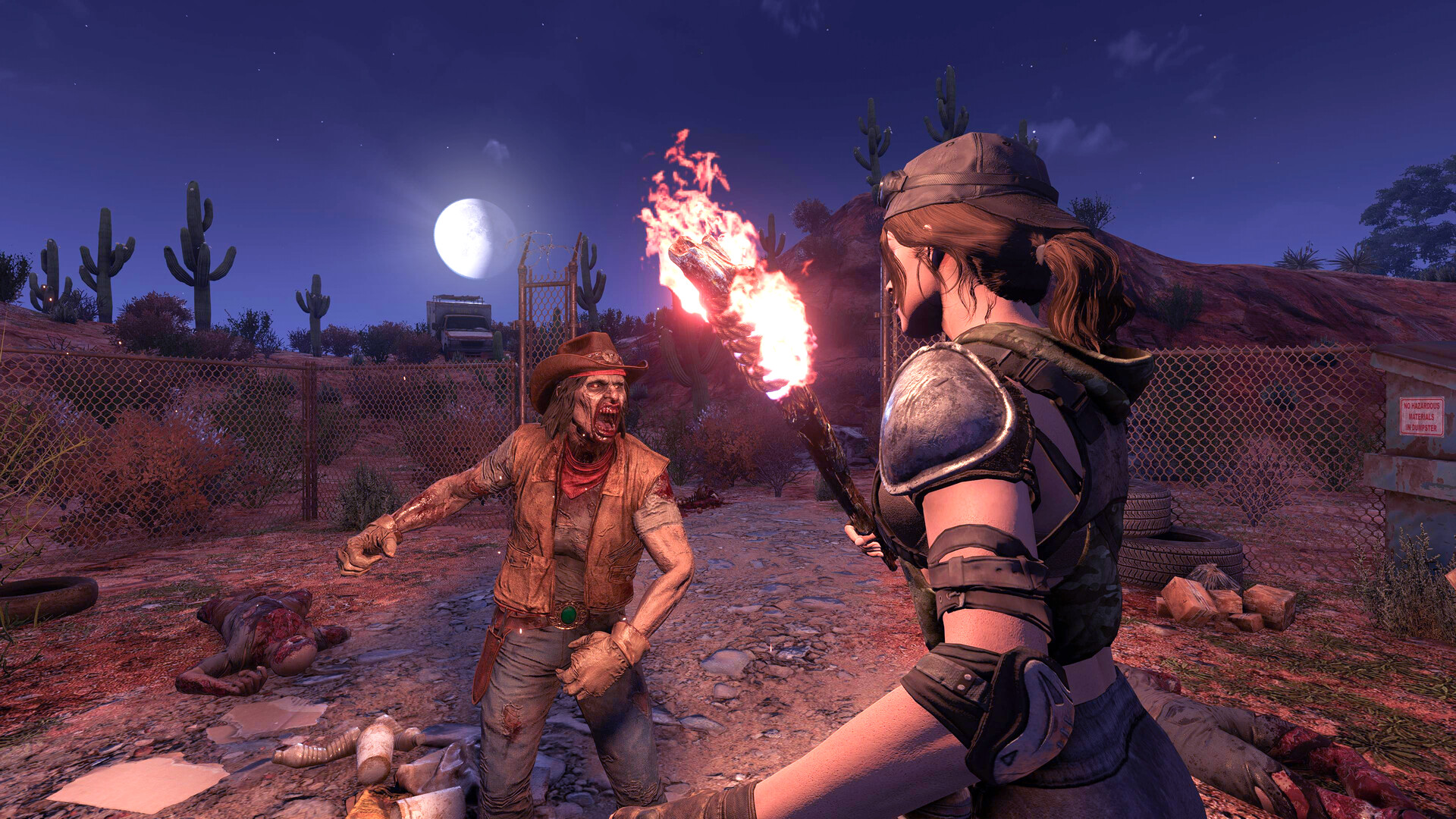
An upgrade can improve the whole operation
Under standard crafting rules, reading magazines opens workstation recipes and expands what a settlement can produce. Better transport changes the practical reach of each supply run across the map. A bicycle, motorcycle or gyrocopter is valuable because it rearranges the relationship between home and the map.
V3.0’s Magnitude system gives looted gear boosted individual stats. The Combine Station lets similar items contribute their stronger percentage attributes to a combined result. An otherwise unremarkable find can therefore become useful material for a favorite tool, rather than another automatic sale.
This is fertile ground for tinkerers, but it also creates housekeeping. Comparing equipment, keeping promising items and working toward crafting unlocks can interrupt the next adventure. V3.2 improved the Combine Station’s result display; the underlying pleasure still depends on whether you enjoy managing a workshop.

The apocalypse also requires groceries
Food and water give the building project some unglamorous urgency. Empty jars can be filled at water sources, then the murky water boiled. Dew collectors offer another route. You are building a supply routine alongside the defenses, which makes a settled base feel materially useful.
Weather and smell complicate the simple plan of going out and coming back richer. Clothing and shelter matter against environmental conditions, while carried raw meat can attract attention. Packaging it or using storage becomes a tactical decision. Even lunch can advertise your location.
The Henpocalypse update adds chicken coops for eggs and feathers, with feed and upgrade tools to manage. Catching a chicken and carrying it home gives this grim world a wonderfully undignified ambition. A dependable food operation is progress, even when its newest employee keeps squawking.
Choose the disaster you want to live with
Sandbox options are a major strength. Blood Moon timing, zombie behavior, resource availability and crafting rules can be adjusted, with presets for different styles. The result is room for both demanding survival and gentler building. Agree on the rules before a cooperative world becomes somebody else’s unpaid job.
Co-op makes shared projects a natural draw: one person can gather while another builds, with everyone benefiting from the result. It also makes expectations important. A group that loves organizing a settlement is a better match than one split between leisurely decorating and relentless combat.
Usability remains the clearest caution. There are many interlocking systems to learn, and the V3.3 notes still list problems such as consuming food directly from a campfire. The practical workaround is moving it into your backpack. Patience with small frictions belongs in the budget.
Strengths
- Scavenging and construction feed the same survival problem.
- Destructible structures make defensive design consequential.
- Deep equipment development and generous sandbox customization.
Tradeoffs
- Sorting supplies and maintaining a base take real attention.
- Numerous systems make learning and group setup demanding.
- Current patch notes still contain usability bugs.
Who it suits
- Best for builders who want their plans tested under pressure.
- A strong fit for cooperative groups that enjoy shared projects.
- Less suited to players seeking constant action with little upkeep.
Verdict
7 Days to Die earns its appeal by making preparation playable. The best reason to choose it is the connection between the dangerous trip, the useful find and the fort that might survive because of it. Each system gives the others a reason to exist.
That connection also explains who should pass. If repairing, sorting and planning feel like chores between the good bits, there is a lot of that here. For the player who considers a better staircase a legitimate victory, the apocalypse offers an unusually ambitious renovation project.
PC base game
Review score: 8.3 / 10
- Combat
- 8.8 / 10
- Progression
- 9.2 / 10
- Usability
- 6.8 / 10
- Value
- 8.5 / 10
This assessment covers the Steam PC base game, checked against V3.3.0 Stable on October 14, 2026.
Optional cosmetic DLC, the separate 7 Days Blood Moons game, current console editions and the legacy PS4/Xbox One release are outside this rating.
The Steam listing supports Windows, macOS and Linux; this editorial assessment includes no platform-specific performance testing.
The review score averages the applicable Combat, Progression, Usability and Value scores, rounded once to one decimal. Fit is specific to each comparison and is excluded.
Can you play 7 Days to Die alone?
Yes. The PC game supports single-player as well as online and LAN multiplayer. Solo players can adjust sandbox rules to suit the amount of gathering, building and combat they want to manage themselves.
Do you have to fight a horde every seven days?
Blood Moon frequency and related settings are adjustable. The familiar seven-day rhythm is central to the game’s identity, but your chosen world rules determine the schedule and pressure of a particular survival game.
Does the current game support crossplay?
Yes. Current PC, PS5 and Xbox Series X|S editions support crossplay, including dedicated-server crossplay introduced with V2.0. Check compatible versions and host settings before arranging a group session; legacy PS4 and Xbox One copies are separate products.
What changed in V3.3?
V3.3.0 Stable introduced a 48-slot inventory grid and backpacks in multiple sizes and quality levels. They can expand total capacity to 96 slots, with encumbrance still managed through perks and pocket mods.
Is this review about the old console version?
No. It covers the Steam PC base game. The modern Console Edition and the older Telltale-published PS4/Xbox One game are distinct releases, and this PC rating should not be used as a score for either console product.
Sources
- The Fun Pimps: 7 Days to Die on Steam ·
- The Fun Pimps: V3.3.0 Stable ·
- The Fun Pimps: V3.2.0 Stable ·
- The Fun Pimps: V3.1.0 Henpocalypse Stable Release - MP Invite Bug Hotfixed ·
- The Fun Pimps: V3.0 "Dead Hot Summer" Release Notes ·
- The Fun Pimps: V3.0.0 Dead Hot Summer Stable Release Live! ·
- The Fun Pimps: "V2.5 Survival Revival" Stable is available now ·
- The Fun Pimps: V2.0 Storm’s Brewing Stable is out now! ·
- The Fun Pimps: V1.2 Stable is out! ·
- The Fun Pimps: 1.0 Launch Details ·