7 Best Zombie Games With Food and Water Management
A full pantry, a safe drink and a reason to think twice before leaving home.
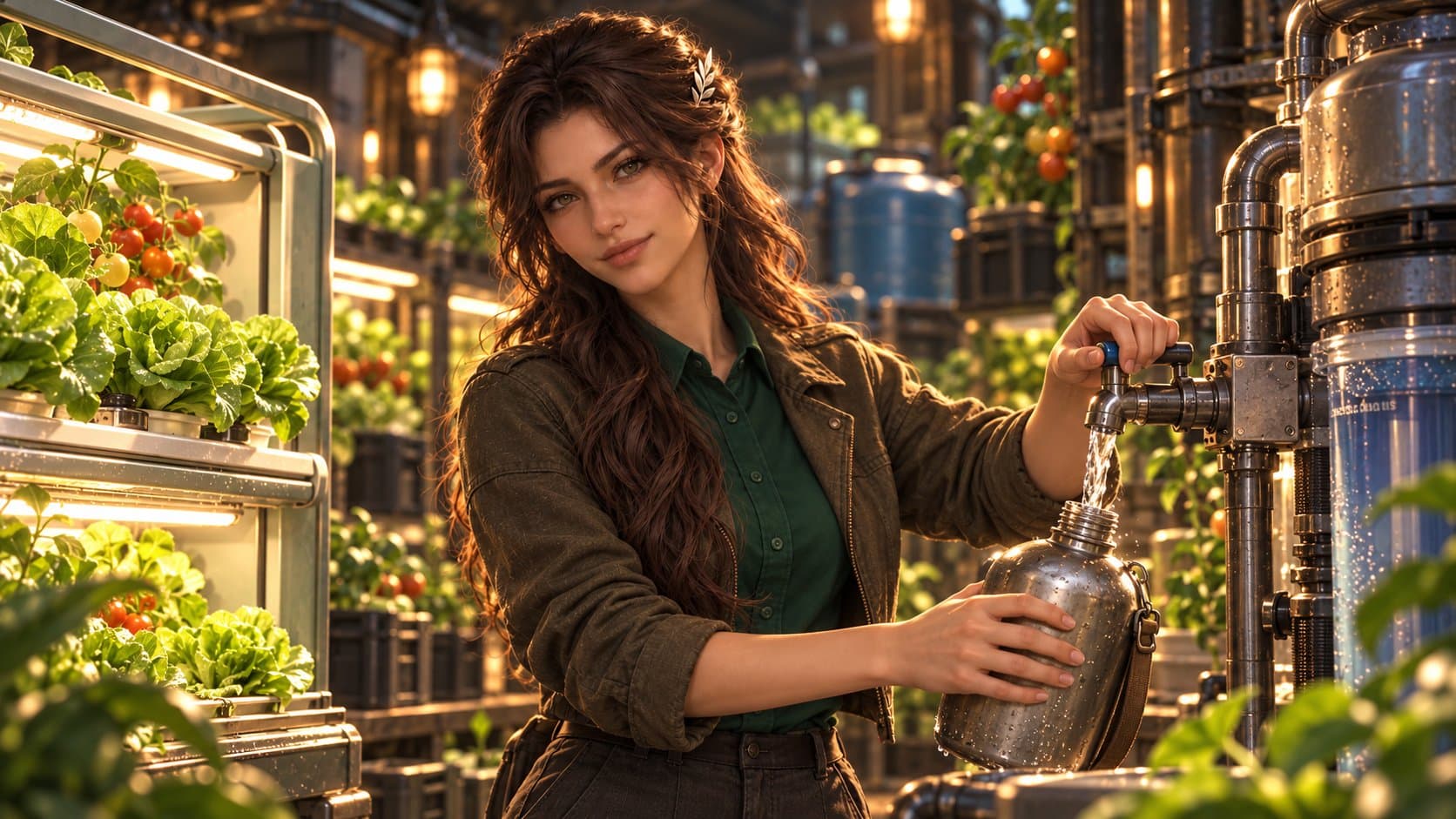
Project Zomboid is our strongest recommendation for detailed food and water survival in a zombie world. DayZ makes the same needs more socially dangerous: another survivor can interrupt the trip that was supposed to save you. If you prefer managing a dependable supply system at home, Zombie Defence connects irrigation and colony nutrition to the condition you take into combat, while Survivalist: Invisible Strain makes you provide for an entire settlement of people.
The important distinction is what an empty supply actually does. Personal hunger and thirst create urgent consumption needs. Colony food supports a population. Water can be a drink, an agricultural input or a utility that enables facilities. Temporary meal bonuses are another system again. This list explains which kind of planning each game offers, so you can choose the pressure you enjoy.
There are seven picks: six games available on Steam, including Project Zomboid in Early Access, and Zombie Defence’s browser Alpha in development, with a waitlist for news and playtest availability. We compare the named desktop editions and the implemented Alpha systems. Our five scores are editorial judgments; Fit measures how meaningfully food and water change your decisions rather than simply rewarding the harshest punishment.
The quick comparison
7 games, different reasons to give the next run a chance.
Choose a game to jump to its overview. Platform lists are summaries; check the linked official edition.
The games
Zombie Defence
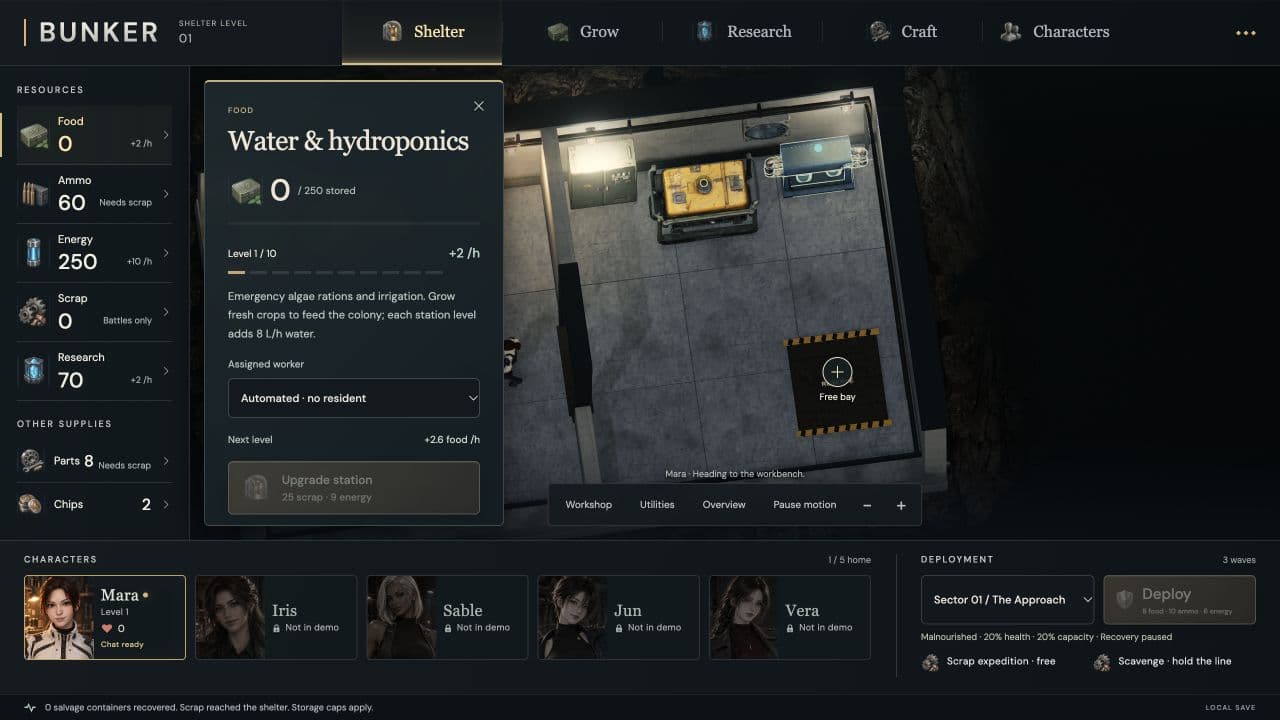
Water helps you produce a better harvest, and feeding the colony improves the defender’s available health. The satisfaction is making the shelter ready for another outing.
- Shelter building
- Farming
- Permanent progress
- Crafting
- Manual aim (desktop)
- Platforms
- Single-player browser Alpha in development; waitlist for Alpha news and playtest availability.
- Price model
- Public launch pricing and monetization terms have not been announced.
Begin with the consequence you are trying to avoid: poor nutrition lowers the defender’s available health ceiling. Hunger is nonlethal, with a 20% floor, so the shelter is not counting down to a dehydration death while you arrange its supplies. The pressure is practical instead. Leaving underfed means taking a weaker starting position into an active fight, and wounds recover over time at home. A food reserve is therefore preparation you can feel when the next horde closes in.
Water belongs to the growing system. Water & Hydroponics supports the shelter’s provisions and irrigation, purifiers increase irrigation, and the Grow system has an actual water tank. Tending a crop spends 5 L once for a 25% yield increase, rounded down. That creates a useful small decision: spend water on the harvest you need, or keep the reserve for other plots. Expanding the racks adds growing space, but more space only helps when the resulting crops fit your food plan and pantry capacity.
Harvest allocation makes the plan more interesting than filling a single bar. Lettuce and tomatoes can replenish colony food or become a packed meal for the next outing. Roses occupy growing space too, but they are relationship gifts rather than provisions. If the colony is short of food, putting every plot toward gifts or expedition meals leaves a real gap. Ripe crops wait safely until you harvest them, so the challenge is allocating the yield and making room for it rather than racing a spoilage timer.
The action gives that domestic planning a clear destination. Desktop combat uses independent movement and cursor aiming, with ammunition and reloads to manage; touch fire assists toward the nearest hostile. Scavenge waves can earn food alongside other supplies, while shelter improvements support future returns. Choose this if you want to solve a focused preparation problem and then go fight. Players looking for contaminated drinking water, personal thirst and a wilderness-length supply trek will find more of that in Project Zomboid or DayZ.
The verdict
Choose Zombie Defence when you want food and water to improve a purposeful home-and-combat rhythm without constant personal thirst maintenance.
Project Zomboid
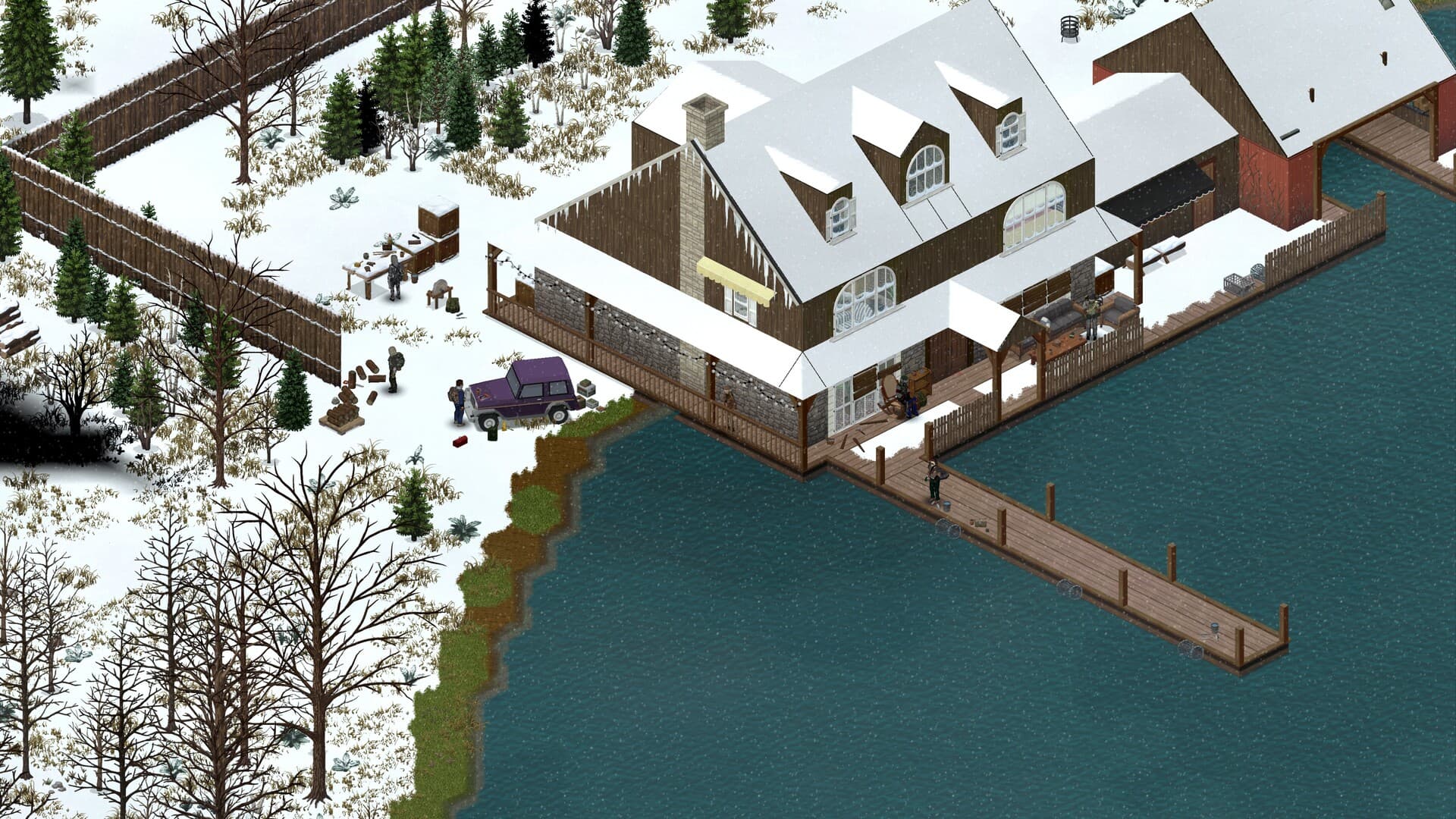
Project Zomboid makes a stocked kitchen feel temporary. Your real achievement is arranging enough reliable food and safe water to keep living after the easy supplies stop being easy.
- Exploration
- Crafting
- Farming
- Co-op
- Platforms
- Windows, macOS and Linux via Steam; current Build 42 desktop game, with solo and multiplayer survival.
- Price model
- Paid game, currently in Steam Early Access.
Your character has actual hunger and thirst to satisfy, alongside illness, fatigue and the danger outside. Food scavenged from houses can solve the immediate problem, but a long-lived survivor needs another horizon. Farming, fishing, trapping and hunting offer different ways to provision yourself. The question becomes which of those you can support from your chosen home, with your present skills and equipment, without repeatedly taking the same dangerous trip.
Water shutoff is the clearest example of planning paying off. A working tap is useful today, but it is not a permanent strategy. Store water before the supply fails, then arrange collection or another source that you can keep using. Rain collectors and river water provide options, but tainted water needs boiling to make it safe to drink. Access, containers and treatment all matter: living near water does not automatically mean having a bottle of safe drinking water ready for a trip.
The current Build 42 food systems give that longer plan more texture. Crops have suitable planting months and take substantial time to grow, while domestic animals can provide foods such as eggs and milk. Fish react to noise, adding a lovely practical reason to keep the fishing spot quiet. These mechanics suggest a sensible priority: establish a reserve that covers the waiting period before betting your survival on the next harvest. A promising garden is not the same thing as dinner already in storage.
This is the most absorbing pick here if you want small household decisions to accumulate into a survival strategy. It also demands patience with inventory work, learning and chores. You can use Custom Sandbox to shape the world’s pressure, but the appeal remains preparation inside an unforgiving environment. Compared with Zombie Defence’s compact station-and-pantry problem, you take responsibility for a much larger chain between finding a home and keeping its occupant fed.
The verdict
Pick Project Zomboid for the deepest transition from scavenging today’s meal to maintaining a survivable way of life.
7 Days to Die
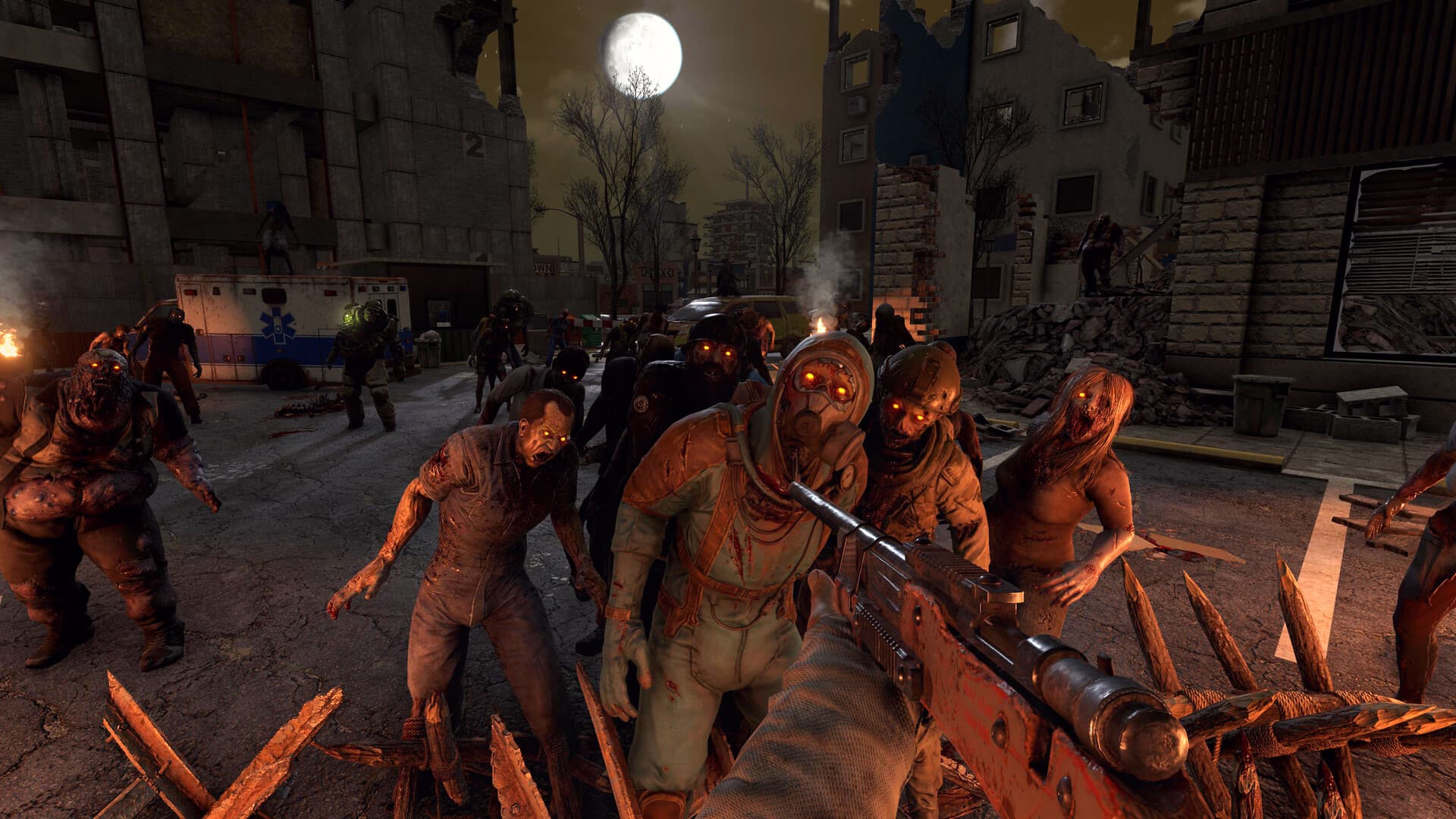
7 Days to Die makes the water supply something you build and maintain while also finding time to arm yourself and fortify home. Its appeal is moving from emergency scavenging to a more dependable operation.
- Crafting
- Farming
- Base defense
- Co-op
- Platforms
- Windows, macOS and Linux via Steam; current desktop release with solo and multiplayer modes.
- Price model
- Paid base game; optional cosmetic packs and soundtrack sold separately.
Both food and water are personal supplies you consume. You can hunt, grow crops and scavenge, but the broader survival sandbox keeps competing for your attention: equipment needs improving, buildings need work and the undead need dealing with. That competition is the attraction. A supply system that covers several outings is valuable because it frees you to spend more time on the rest of the survival project.
Use current water rules rather than an old Alpha guide. Empty jars returned in the Survival Revival update. You can fill them at bodies of water, then boil the murky water; drinks and murky water can also appear in loot. The practical chain is container, source, treatment and reserve. Going out to find a better weapon without checking that chain can leave you with excellent firepower and a very ordinary problem on the journey home.
Dew Collectors offer another route, but they now require empty jars as an input. Building one does not remove container planning. This is a good example of the game’s appeal: infrastructure changes how you obtain a supply while leaving something meaningful to maintain. Newer sandbox options also let you adjust hunger and thirst consumption rates separately. A group can choose how much of its time should go into provisions before committing to a large base.
Food production has its own inputs. Chicken Coops provide eggs and feathers, but the chickens need feed crafted from corn and rotting flesh. That puts some of your crop output back into a production chain before it becomes another useful product. You need not maximize every system at once. Choose the food and water setup that covers the way you actually play, then spend the remaining effort on exploration and defenses. Its breadth is excellent for an ongoing project and excessive if all you want is a quick fight with a small meal budget.
The verdict
Choose 7 Days to Die when keeping yourself supplied should become an engineering project inside a dangerous, customizable zombie world.
DayZ
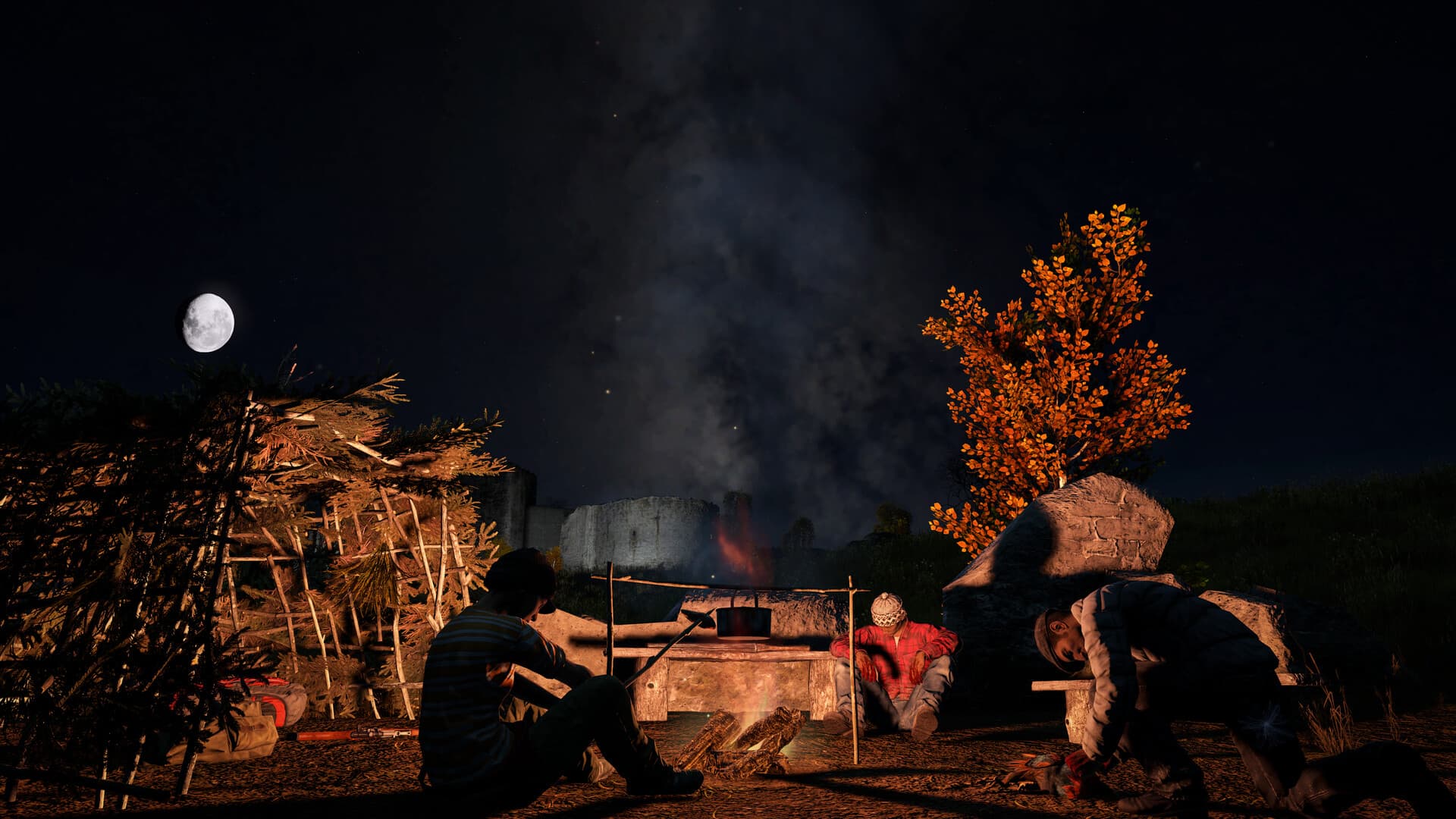
DayZ is the pick when reaching the next drink should be a story in itself. Food and water determine your route, and everyone else on the server can complicate it.
- Exploration
- Crafting
- Farming
- Co-op
- Platforms
- Windows via Steam; online multiplayer. This comparison covers the base game’s Chernarus and Livonia maps.
- Price model
- Paid base game including Chernarus and Livonia; Frostline is a separate paid expansion.
Hunger and thirst are consequential character systems: critically low energy or water can damage your health. Movement also feeds into consumption, so the map is more than a series of loot destinations. A route needs to make sense for the person walking it. The sensible next stop may be somewhere you can obtain provisions rather than the most tempting military location, and extending a trip means thinking about the supplies that make the extension possible.
The distinction between carrying water and carrying usable water adds another layer. Containers let you transport a supply, while purification tablets provide a way to remove pathogens from contaminated contents. Food needs attention too. Hunting, fishing and cooking support survival outside the looting loop; the developer’s fishing changes make incomplete tools cost time, and food poisoning makes handling a catch a survival consideration. A good weapon does not substitute for knowing how to turn what you find into something you can safely consume.
The multiplayer setting transforms these ordinary tasks. The coast may already have been searched by other new survivors, encouraging you to prepare and move inland. A person you meet can share supplies, cooperate or become the reason you lose them. Even a cooking stop creates a decision about where you are willing to settle down for a moment. That uncertainty gives DayZ an intensity that a private stockpile-management screen cannot reproduce.
Choose the server as carefully as the game. Community servers and mods can reshape the experience, while the base game offers a deliberately sparse information layer and no quest list directing your next step. This is wonderful if navigation, improvisation and unpredictable encounters are the point. It is a poor match for someone who wants to tend supplies at their own pace without strangers intruding. The food plan matters, but it can never guarantee control over the whole situation.
The verdict
Pick DayZ for the most tense personal-supply journey here, especially if an unexpected meeting sounds as compelling as a well-stocked camp.
Survivalist: Invisible Strain
Here the supply problem grows with the people you take in. Feeding yourself is only the beginning of making a community that can look after its own needs.
- Shelter building
- Farming
- Tactical combat
- Co-op
- Platforms
- Windows via Steam; released game with solo and online co-op for up to four players.
- Price model
- Paid game; a free Steam demo is available.
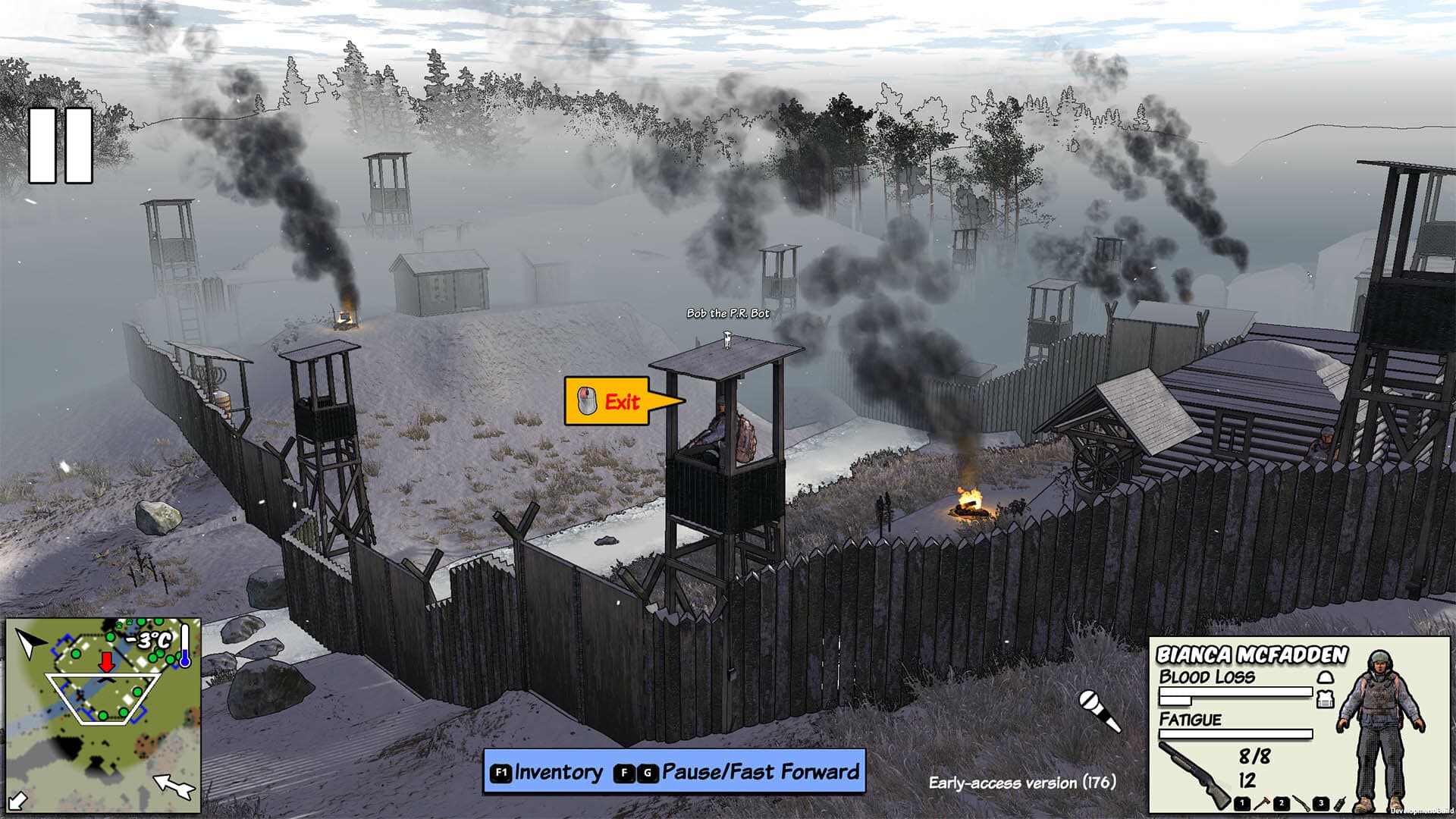
Recruitment is an appealing trap: another useful survivor also needs food, warmth and a place to live. Farming, hunting, rabbit traps and chickens offer ways to establish a steadier food source. You can assign people jobs such as Farmer and Chef, then switch between direct character control and an overhead view for issuing orders. The reward is watching a provision plan become the everyday work of a settlement rather than a list of chores performed by one hero.
Water is personal and logistical at the same time. Characters drink, refill bottles or watering cans at wells and rivers, and use water in jobs such as tending crops. A farmer therefore needs more than a field: usable containers and access to the supply are part of the work. The developer’s container-designation system lets you reserve bottles for water. Organization has a practical role when multiple people are collecting, carrying and consuming things around the same home.
These are people with priorities, not tireless production buildings. Followers whose food, water, sleep or warmth needs become desperate can stop following and seek relief. Sending an ill-prepared group out is therefore a leadership decision with consequences. Before a long outing, think about the people coming with you and the ones expected to keep the settlement running. Food quality matters as well: better meals improve Constitution, which helps characters survive a lost fight.
The social layer makes this richer and less predictable than managing a purely mechanical supply line. Morale, relationships and the threat of hidden infection continue alongside provisions. A stocked store does not solve every community problem, and more recruits increase the work of keeping the whole arrangement healthy. Choose it if you want food and water management to become a story about who does the work, who depends on it and what happens when a plan meets human behavior.
The verdict
Choose Survivalist: Invisible Strain for the strongest blend of personal needs, community provisioning and people who have priorities of their own.
Unturned
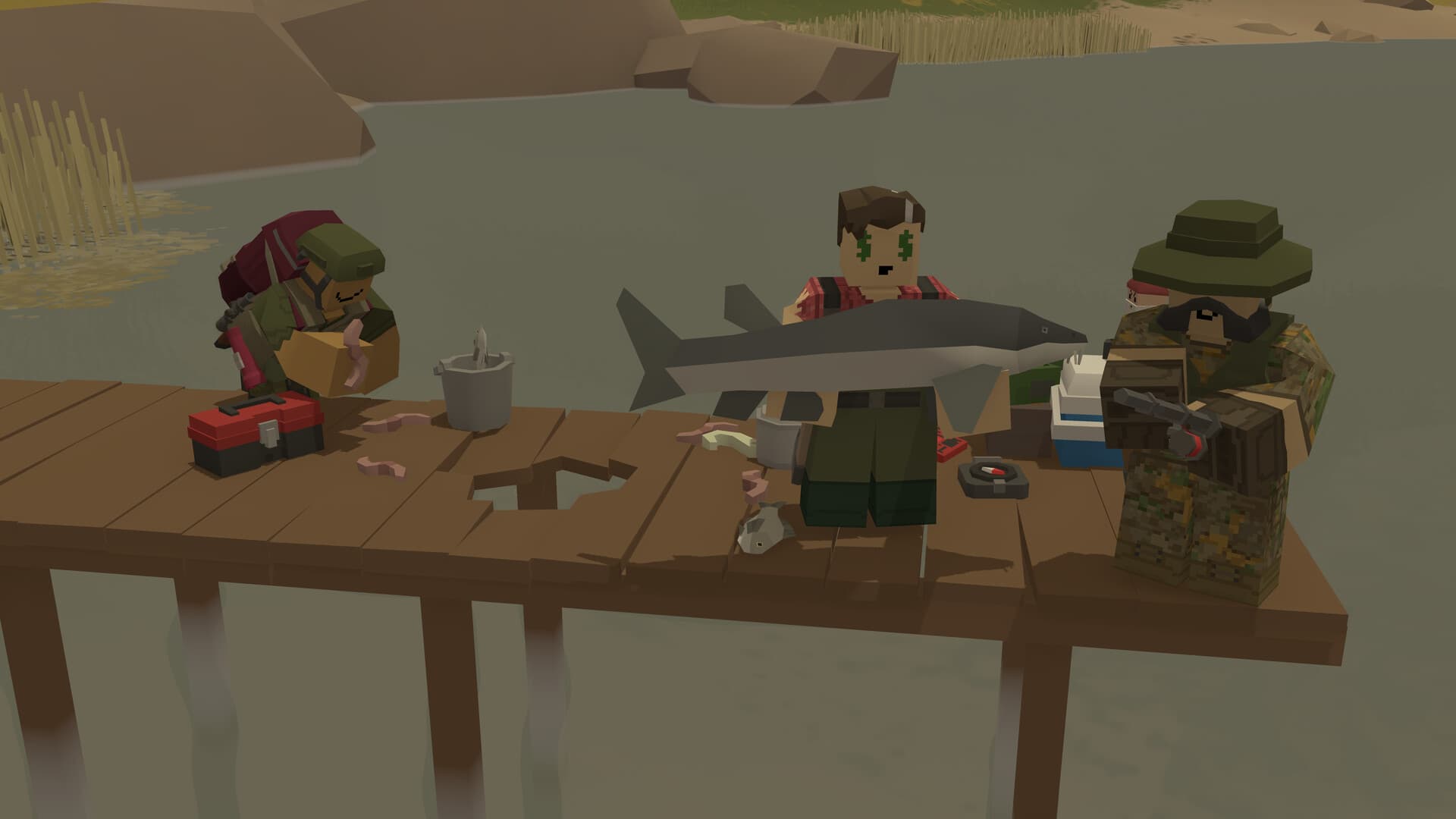
Unturned offers a useful way into food-and-water survival without buying the PC base game. Its simple visual style still leaves you with real choices about where provisions come from and what you carry.
- Exploration
- Crafting
- Farming
- Co-op
- Platforms
- Windows, macOS and Linux via Steam; single-player and online or LAN multiplayer.
- Price model
- Free-to-play Steam game with optional cosmetic purchases and a paid Permanent Gold Upgrade.
Food and water affect personal status bars, and consumables replenish them. Scavenging gets you moving, while hunting, fishing and farming create other ways to keep yourself supplied. That variety matters because it lets you choose what kind of survivor you want to be. You can treat the countryside as a source of provisions or keep moving through settlements, with a fortified home giving the returns somewhere useful to accumulate.
Water containers are more than inventory decoration. They can siphon, store and deposit water as well as supply a drink. Their contents can be clean, dirty or salty, with different effects, so a container’s condition is part of the decision about whether it solves your problem. The useful habit is to prepare transportable drinking supplies before going farther afield rather than assume that any water you pass will do the same job.
The game’s farming system also makes a renewable food source possible: seeds grow into harvestable crops over time. That offers an alternative to making every meal another scavenging mission. It still takes setup, space and waiting, and it sits inside a sandbox with zombie threats, exploration and base construction. A small food operation can support those activities without requiring the player to make agriculture the entire purpose of the save.
Single-player is a straightforward place to learn the supply loop. Multiplayer adds cooperation, PvP and community choices, with custom maps and mods capable of changing what the game asks of you. Read the server’s rules before treating it as your long-term home. The Steam base game is free, while optional purchases include cosmetics and a Gold upgrade with extra character slots and other perks; the separate console editions should not be assumed to share that purchase model.
The verdict
Pick Unturned for a free PC starting point with a surprisingly practical supply loop, especially if you want to learn alone before choosing a server.
State of Decay 2: Juggernaut Edition
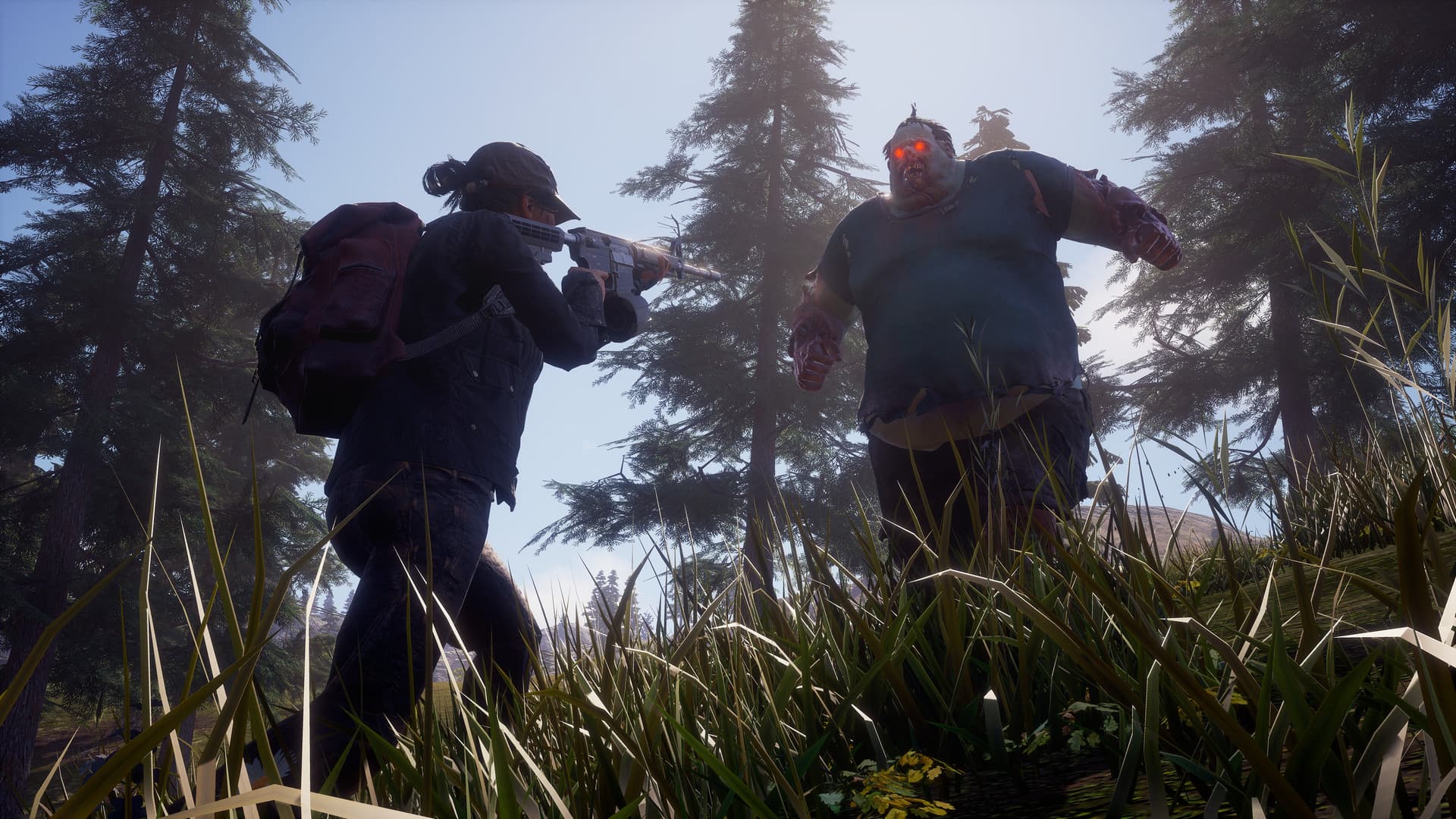
State of Decay 2 turns provisions into a recurring community budget. It is the pick for players who would rather arrange the food supply than manually give every survivor a drink.
- Shelter building
- Farming
- Exploration
- Co-op
- Platforms
- Windows via Steam; the main Campaign in Juggernaut Edition. An Xbox account is required.
- Price model
- Paid edition including Heartland, Daybreak and the Independence Pack.
Your survivors consume food from the community stockpile over time. Bringing home a rucksack helps immediately; food-producing facilities and outposts address the recurring demand. Recruitment therefore changes the calculation. A useful new specialist can unlock better options while adding another mouth to feed. Before expanding, look at what the community produces against what it uses, rather than judging its security from the current pile alone.
Gardens, Farms and Hydroponics give food production a place in the base plan. Facility slots are limited, upgrades have costs and some improvements require particular knowledge, so self-sufficiency competes with the other services you want at home. Food outposts offer another route to income, and the Plague Territory update made resource outposts upgradeable. That creates a meaningful choice between investing in the home site and claiming useful locations outside it.
Water is a utility in State of Decay 2 rather than a personal thirst meter you refill with bottles. The base’s water provision supports its facilities and utility requirements; some home sites, such as Prescott Fire Station, can provide it themselves. Food is the resource consumed by the community, while water access is a question about the capabilities of the base. Keeping those roles separate makes the game’s appeal clearer: you are arranging a working home, not simulating each resident’s drinking routine.
The Kitchen’s rationing option gives you another way to respond when food is tight, but improving the underlying supply is the longer-term project. The people doing the supply runs remain vulnerable: permanent survivor death can remove someone with skills you were relying on. This keeps the management grounded in action. Choose it when you want recruitment, facility space and dangerous scavenging to shape the food plan; choose a more personal simulation if portable drinking water is central to the experience you want.
The verdict
Choose State of Decay 2 for a food budget with faces behind it, supported by base utilities and dangerous trips to close the shortfall.
How we compare
A good recommendation explains who a game suits and where it falls short. Our editorial scores use the same five criteria, each rated out of ten.
- 01
Combat
Controls, aiming, enemy readability, and the decisions you make under pressure.
- 02
Progression
Build choices during a run and meaningful progress between attempts.
- 03
Usability
Control demands, platform access, interface options, and documented device requirements.
- 04
Value
What the asking price includes, optional purchases, and the scope of the free version.
- 05
Fit
How well the game answers the specific question in this article.
Which one should you try?
Start with the pressure you want to solve. Project Zomboid is the choice for building a reliable way of life after the taps stop working; DayZ adds the tension of unpredictable people to every supply journey. 7 Days to Die turns provisions into a larger homestead project, while Unturned provides a free PC route into personal food and water survival. Survivalist: Invisible Strain asks you to organize people with needs of their own, and State of Decay 2 emphasizes the community’s recurring food budget and base utilities. Zombie Defence is the focused alternative: spend irrigation wisely, allocate the harvest, improve nutrition and take a better-prepared defender back into active combat. Choose it for the close connection between a useful pantry and the next outing.
Your questions, answered.
Want to see what we’re building?
Zombie Defence is in Alpha. Join the waitlist.
More games to explore
- 9 Best Zombie Games With Base Building in 2026
Compare nine zombie games with base building, from freeform forts and colony defense to adapted city blocks and persistent shelter upgrades.
- 7 Best Survival Games With Relationships and Companions
Find survival games with romance, remembered conversations and useful NPC companions, from Fallout 4 and The Alters to Zombie Defence’s Mara storyline.
- 7 Best Zombie Shooters With RPG Progression
Compare seven zombie shooters with lasting skills, equipment, research or community upgrades. See what persists, what resets and which build fits you.