7 Best Zombie Shooters With RPG Progression
Permanent guns, growing characters and research choices that give the next firefight a purpose.

The best zombie shooters with RPG progression make yesterday’s decisions matter in tomorrow’s fight. SAS: Zombie Assault 4 is the clearest starting point for classes, loot and gun augmentations. Zombie Defence connects active shooting to permanent weapons and branching shelter research. For a larger first-person survival project, 7 Days to Die puts your character build, equipment and defenses in the same persistent world.
There are seven games here: six released PC games and Zombie Defence, our browser Alpha in development, with a waitlist for news and playtest availability. Each entry names the edition being compared. Our editorial scores weigh combat, progression, ease of use, value and fit for players who want lasting builds.
Look for three things before choosing: what survives between sessions, which upgrades change how you fight, and what can undo your investment. A skill tree can improve the same soldier for months; a roguelite can pass upgrades to a replacement survivor; a wave shooter can retain class levels while rebuilding its weapon loadout every match. Those are different kinds of progress, even when all three involve XP.
The quick comparison
7 games, different reasons to give the next run a chance.
Choose a game to jump to its overview. Platform lists are summaries; check the linked official edition.
The games
Zombie Defence
Zombie Defence makes progression a decision during the firefight as well as a project between outings. Temporary shooting upgrades compete with shelter investment, while crafted weapons, equipment modules and research give the next deployment a different foundation.
- Manual aim (desktop)
- Loot builds
- Shelter building
- Crafting
- Permanent progress
- Platforms
- Browser Alpha in development; single-player PvE. Native mobile releases are planned.
- Price model
- Freemium is planned; public launch pricing and monetization terms are unconfirmed.
On desktop, you move and aim independently, choose when to fire, manage ammunition and reload. Run cards can add split projectiles, ricochets, impact bursts or a larger magazine. In campaign combat, each level-up offers two battle cards and a shelter investment. Taking immediate firepower can rescue the current fight; taking the shelter option banks a benefit for the longer game. Weapon cards reset after deployment, so a spectacular run build is distinct from your permanent arsenal.
The lasting layer has concrete goals. Discover a weapon schematic, unlock a recipe through research, or find a valid component assembly, then craft the weapon and invest in its levels. The nine-weapon lineup includes the Breach Shotgun, Rivet Gun and Watchman Rifle alongside the issued AR-07. Six craftable equipment modules add another choice, with one equipped at a time. Scrap spent on a weapon project is Scrap you cannot simultaneously turn into ammunition, parts or a shelter upgrade.
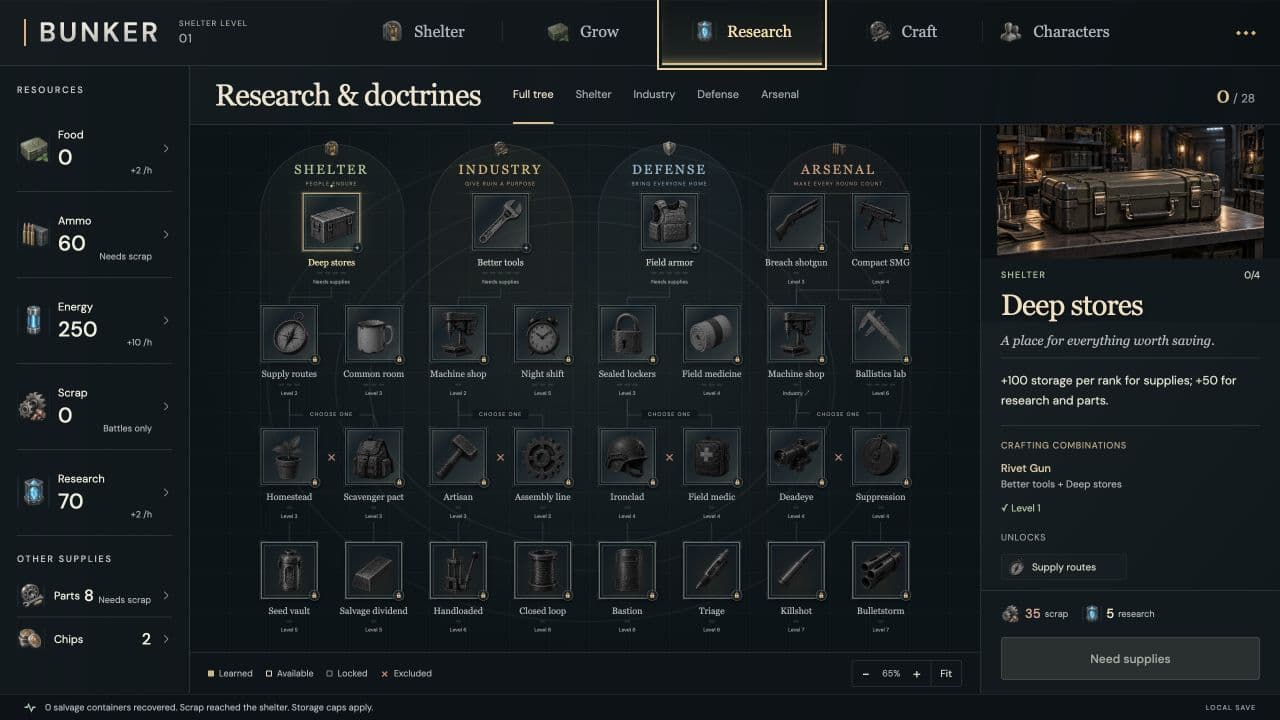
Research adds specialization rather than only bigger numbers. The 28-node tree covers Shelter, Industry, Defense and Arsenal. Rival doctrines close off one another: Deadeye and Suppression, for example, trade stronger, slower shots against faster, lighter fire. That makes a preferred shooting rhythm part of the enduring build. The research screen shown here also makes the connection visible: Deep stores belongs to shelter development and participates in the Rivet Gun crafting combination.
Progression is worth protecting, but the loss rules depend on the outing. Collected Scrap from a Scrap expedition survives extraction, defeat or an interrupted browser-page reload, subject to storage capacity. Sector defeat can levy some stored supplies, while weapons, rooms and completed research remain. Choose this if you want useful long-term investments without rebuilding the entire character after every failed fight; expect station management and resource allocation alongside the shooting.
The verdict
A strong fit when an RPG build should include both the gun in your hands and the shelter that prepares its next deployment.
SAS: Zombie Assault 4
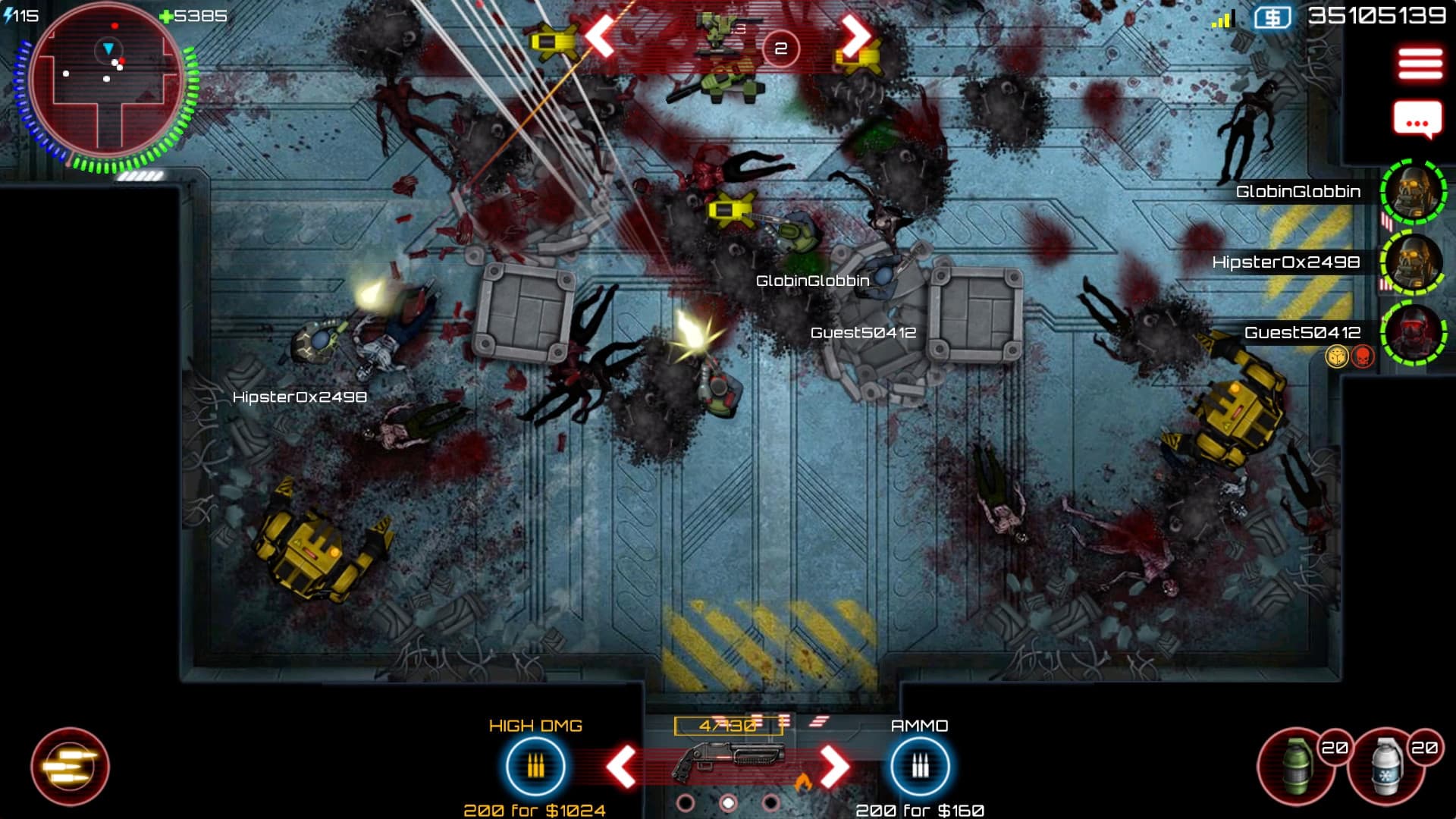
SAS 4 is the most direct loot-RPG recommendation here. Its Assault, Medic and Heavy Gunner classes combine lasting skill choices with equipment grades and augmentations, then take that loadout into top-down solo or four-player co-op missions.
- Co-op
- Loot builds
- Permanent progress
- Platforms
- Windows and macOS listings on Steam; this comparison covers the Steam edition.
- Price model
- Free to play with optional in-app purchases.
The important progression happens across missions: your class skills and equipment develop into a continuing build. Weapon augmentations can change damage, fire rate or reload time; armor can help against different damage types. A reload improvement therefore has a practical job, reducing the interruption in a gun’s firing rhythm, rather than merely increasing an overall equipment score.
Loadout selection has boundaries: a pistol and two primary weapon slots, with options from conventional guns to flamethrowers and lightning weapons. Those choices complement teammates’ class abilities in co-op. The Recovery mission also offers normal and Nightmare difficulty, giving a developed loadout another mission challenge. Decide which role or weak point you want the next upgrade to address before chasing rarity.
The tradeoff is the loot chase itself. Strongboxes, equipment grades and augmentations make repeated missions useful, but they also put item comparison at the center of the game. Choose SAS 4 if comparing an existing gun with its next promising replacement sounds enjoyable. Choose Killing Floor 2 instead if you want class growth with a match-local shopping economy and less emphasis on accumulating personal gear.
The verdict
Start here for the classic combination of zombie shooting, class specialization and an equipment collection that improves between missions.
7 Days to Die
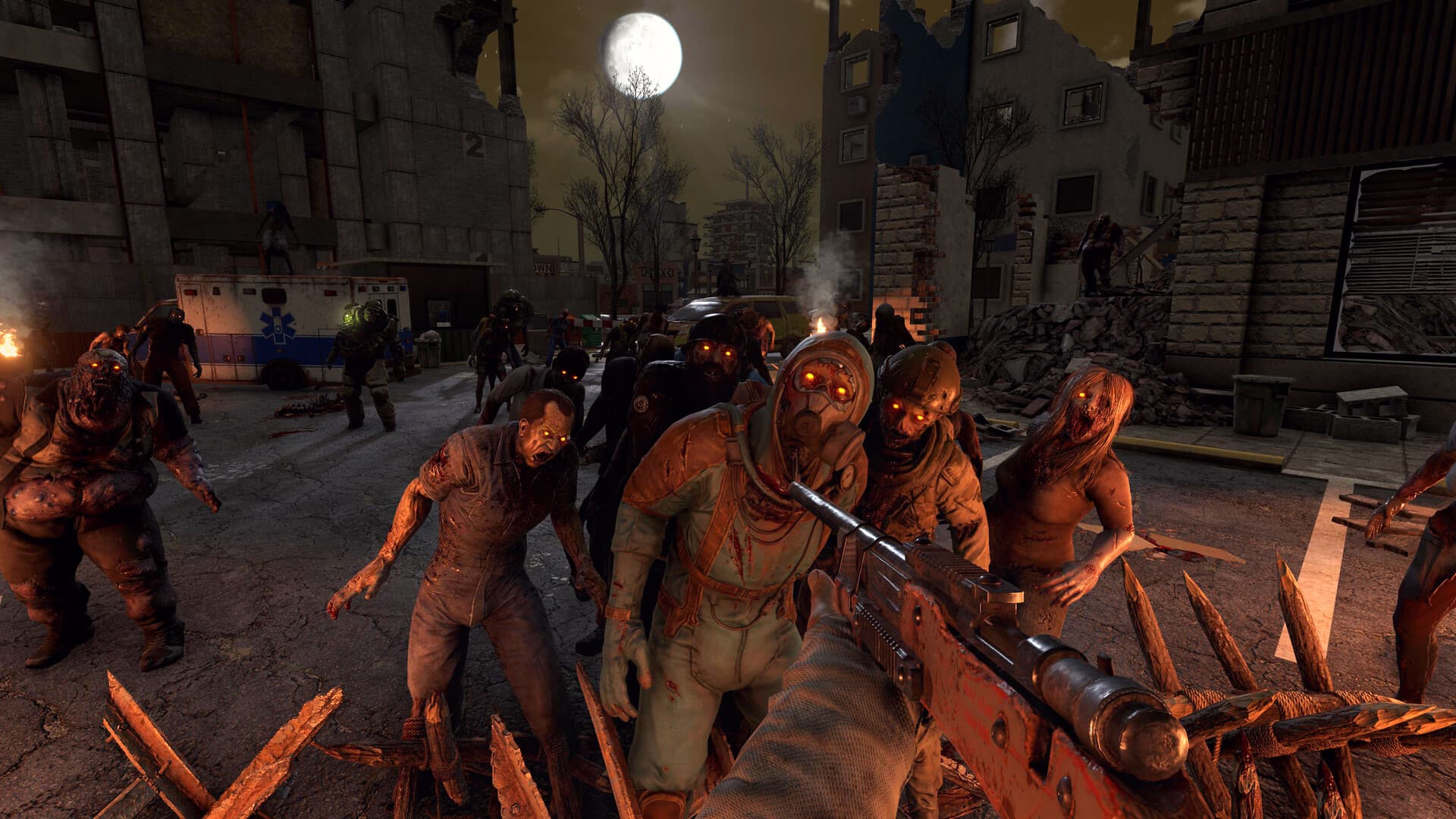
7 Days to Die makes equipment development part of maintaining an entire survival operation. Character perks, weapon quality, modifications, crafting and player-built defenses all contribute to your ability to handle the next attack.
- Crafting
- Loot builds
- Base defense
- Co-op
- Platforms
- Windows, macOS and Linux on Steam; current PC edition.
- Price model
- Premium purchase; optional cosmetic packs and soundtrack are sold separately.
A build lasts within your ongoing world rather than ending after an arena round. Skill investment can support your combat approach, while looted weapons and mods improve the tools available to it. Construction creates another use for your resources: a stronger gun is valuable, but so are defenses that give you a better place to fire it. That wider preparation loop is the reason to choose this over a mission-only shooter.
The June 2026 V3.0 update adds a particularly relevant equipment goal. Magnitude can give looted items boosted properties, and the Combine Station lets compatible items contribute their best percentage attributes to the result. Finding a lower-quality weapon with an attractive attribute can therefore still matter to a longer equipment project. It is an additional reason to inspect what you recover rather than judging everything by a single quality tier.
Check the world’s settings before committing to a server or copying a build guide. V3.0 exposes crafting progression, crafting cost, magazine progress, repair methods and death-related penalties as sandbox options; permanent repair degradation is optional. Progression pace and how securely you keep an investment can differ between worlds. The flexibility is useful, but the surrounding food, crafting and construction decisions demand more attention than a straightforward loot shooter.
The verdict
Choose it when the lasting project you want is a survivor, an arsenal and a defended home in the same world.
Dead Frontier 2
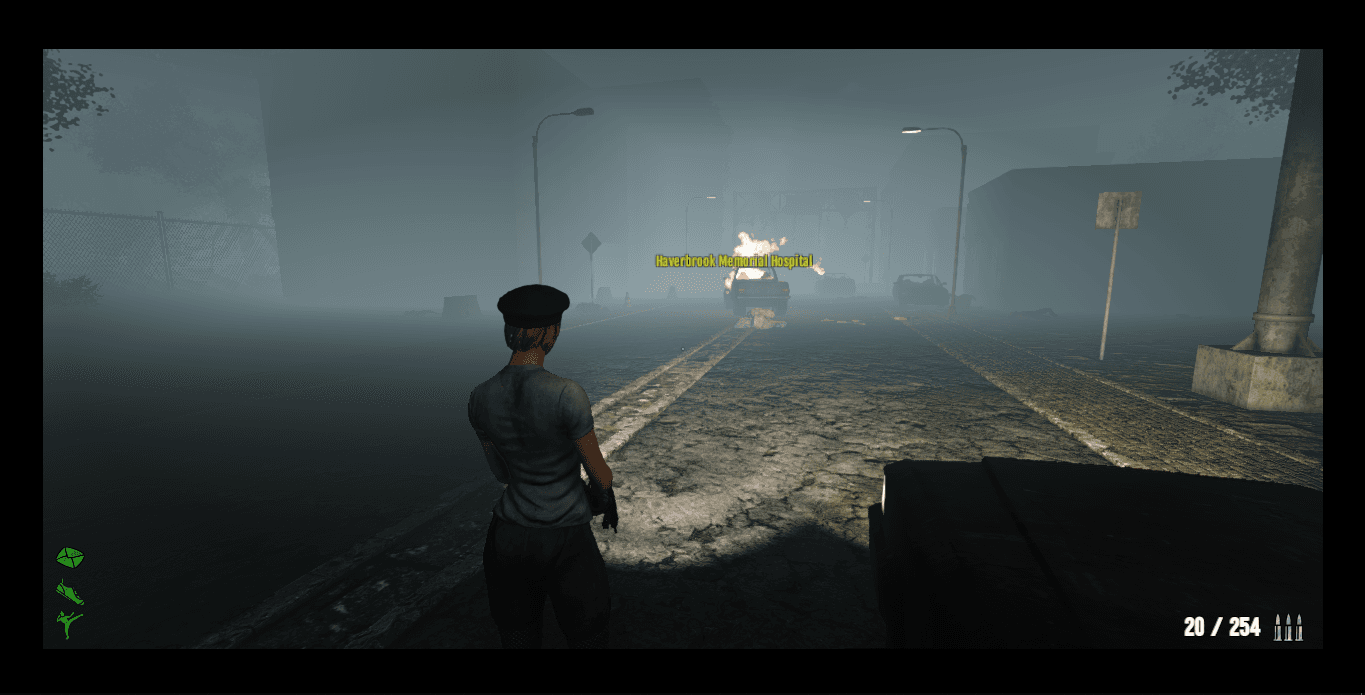
Dead Frontier 2 puts a lasting skill-and-equipment build inside an online survival-horror economy. The appeal is not simply getting stronger: it is deciding which supplies to spend, which equipment to keep and what another player might trade for the rest.
- Loot builds
- Permanent progress
- Exploration
- Co-op
- Platforms
- Windows PC on Steam; broadband internet and a separate Dead Frontier 2 account required.
- Price model
- Free to play with in-game purchases.
The main-world character combines chosen skills with rare equipment, while shooting competes with the need to conserve ammunition. That makes the build question broader than maximum damage. Does the equipment help you survive the trip, and will the supplies spent on a fight be worth what you recover? It suits a player who enjoys treating a looting route as an investment rather than clearing every room automatically.
Trading is a meaningful distinction from SAS 4. The player-driven economy provides another route toward the items you want, alongside finding them yourself. The released Chapter 1 update also adds quests, crafting recipes, an unlockable rifle subclass and armor repair kits. These systems give your survivor several kinds of next step, from following a quest to improving or maintaining equipment.
Expect scarcity and equipment decisions to remain part of the experience. Solo play does not remove the PC client’s online and account requirements. This is a better match for someone who wants an ongoing scavenger build than for someone looking for immediate, uninterrupted horde shooting. Our recommendation concerns the persistent main world; the separate Nightmare Loop mode has its own roguelike structure.
The verdict
Pick it for persistent online character development when scavenging and trading are as appealing as the firefights.
State of Decay 2: Juggernaut Edition
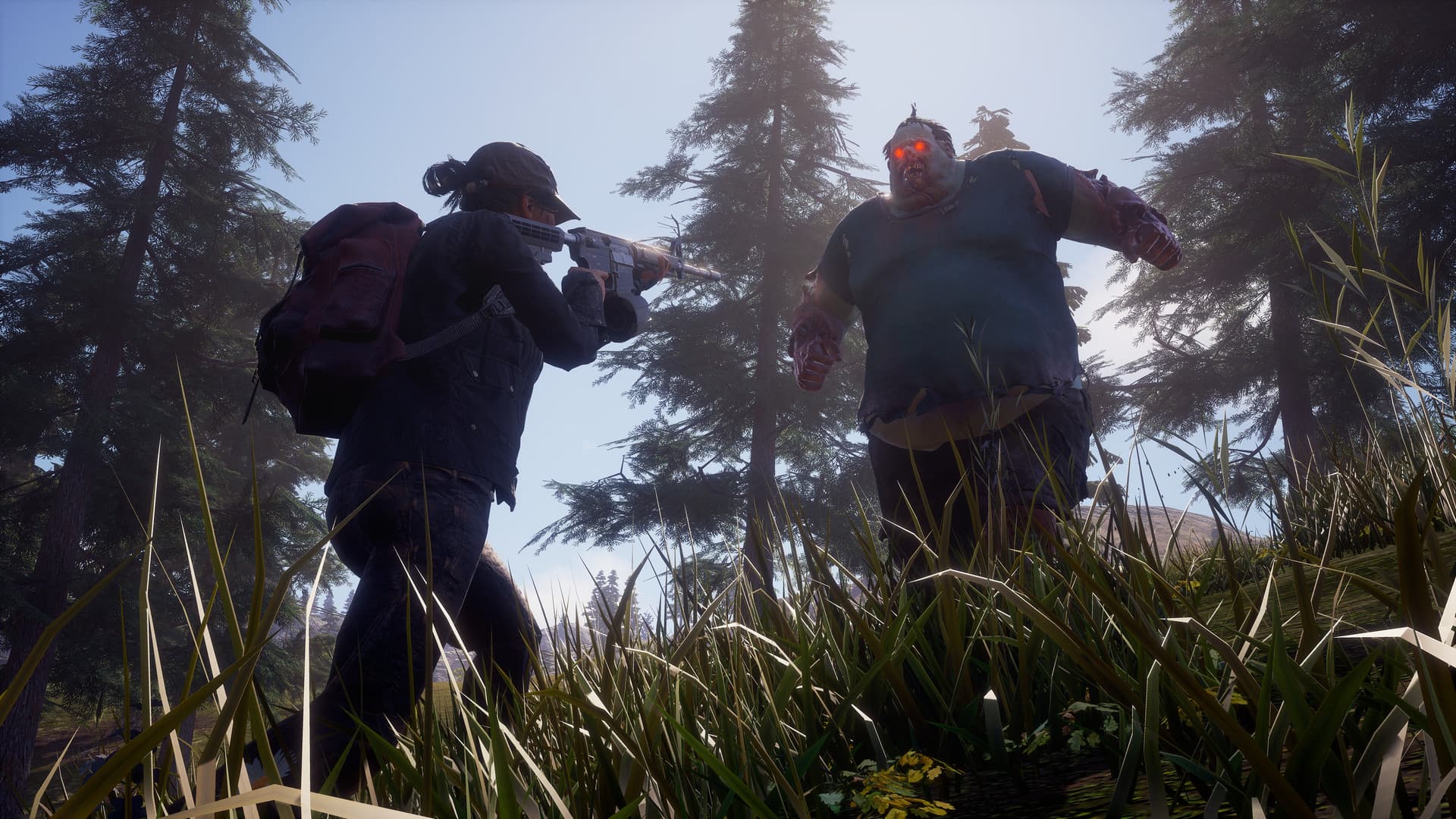
State of Decay 2 makes the community your long-term investment. Individual survivors develop skills and carry distinct loadouts, while facilities and recovered supplies support the whole group. A capable shooter matters because losing that person has consequences.
- Squad builds
- Shelter building
- Exploration
- Co-op
- Platforms
- Windows PC on Steam; free Xbox Live account and initial internet sign-in required.
- Price model
- Premium Juggernaut Edition purchase with Heartland, Daybreak and Independence Pack included.
Cardio, Wits, Fighting and Shooting improve through relevant activity. Reaching the top of a basic skill opens specialization choices, so repeated trips develop more than the weapon collection. Different survivors bring different traits and skill options; choosing whom to train becomes part of building the community you want, rather than applying the same template to one permanent protagonist.
There are durable improvements outside the character screen, too. You select a base, upgrade facilities, recruit people and bring back food and ammunition. The current edition includes a broad firearm selection alongside melee and stealth. Consider who benefits from a useful find and which survivor should take the next trip. An injured or tired specialist can be replaced on an outing by another community member.
The crucial qualification is permadeath: a lasting community does not mean an immortal collection of characters. Losing a trained survivor can remove that person’s developed skills even while the others carry on. This gives character improvement emotional and practical stakes, but it is a poor match if your main requirement is guaranteed retention of one favorite hero. Co-op visits also support a host’s community rather than turning the campaign into a jointly owned RPG party save.
The verdict
Choose it for RPG-like survivor development with consequences, especially if the community matters more to you than one irreplaceable protagonist.
The Last Stand: Aftermath
Aftermath separates your current survivor’s prospects from the campaign’s progress. Each infected volunteer is temporary, but earned perks and upgrades improve the prospects of the next. It is the pick for building forward through failure rather than preserving the same person.
- Roguelite
- Permanent progress
- Crafting
- Exploration
- Platforms
- Windows PC on Steam; single-player edition.
- Price model
- Premium standalone purchase.
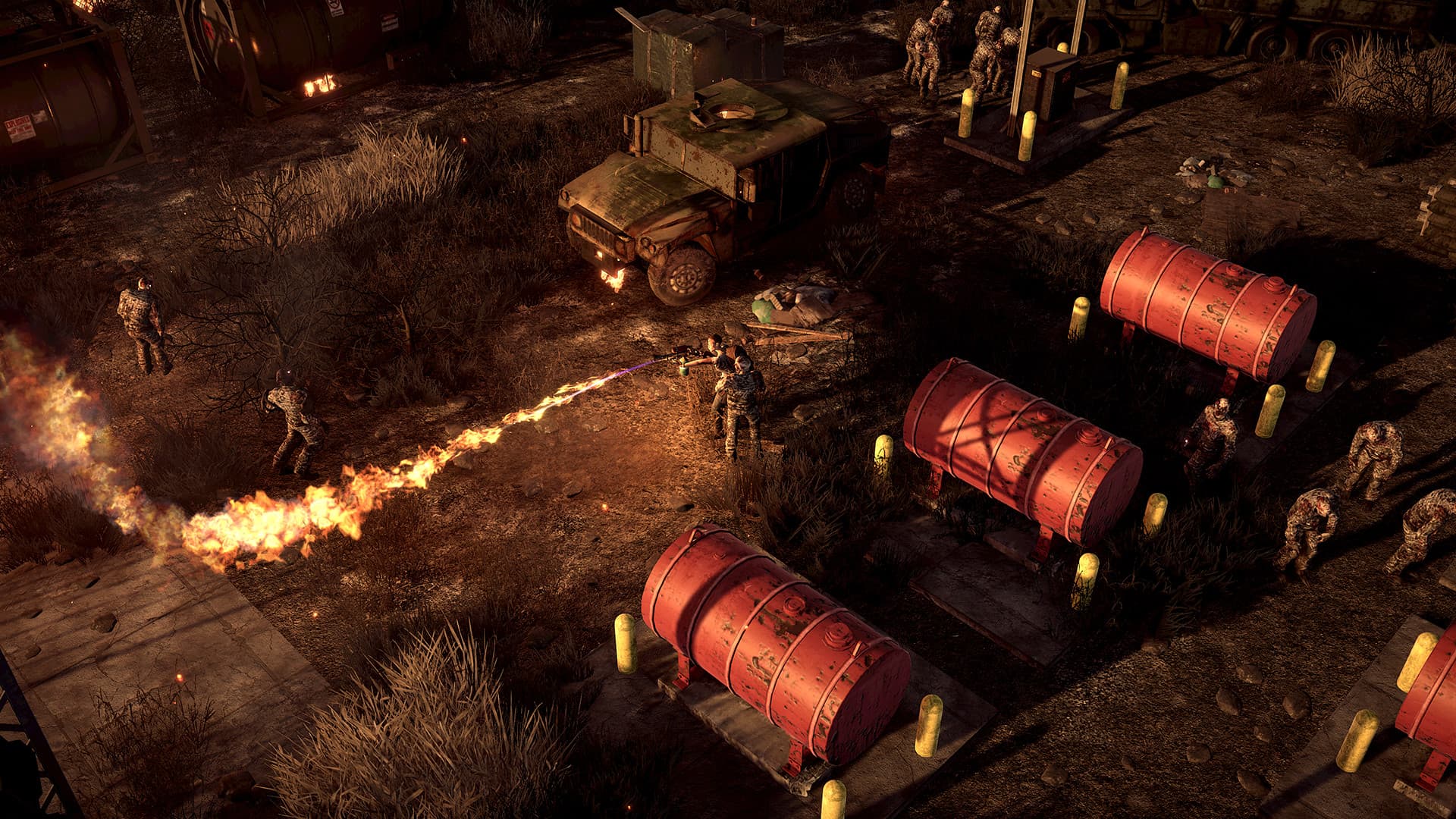
Your survivor searches locations for fuel, weapons and crafting supplies while infection advances. Mutations can make that individual more dangerous, but they do not turn the journey into an indefinitely sustainable character build. The useful distinction is between the power carried by the current volunteer and the upgrades that remain available when another takes their place.
Knowledge upgrades, permanent Armory purchases and unlockable starting loadouts provide longer goals around the shooting. There is also room for route planning: Sector Stashes let you leave items in specific later regions for subsequent retrieval. That gives an equipment surplus a purpose beyond adding more weight to the current survivor. It is a narrower, more survival-focused form of progression than growing a staffed base.
Weight and infection make the tradeoffs tangible. A packed inventory costs mobility and stamina, so keeping every potentially useful weapon can weaken your ability to survive the next fight. The answer is not always to chase a larger damage number. Pick Aftermath if you enjoy deciding what to carry and what to leave for later; avoid it if rebuilding around a new survivor feels like losing the attachment that makes RPG progression worthwhile.
The verdict
The strongest choice here for a solo zombie roguelite whose lasting upgrades matter even when its current character cannot be saved.
Killing Floor 2
Killing Floor 2 keeps the RPG layer concentrated on your combat role. Perk classes level up and gain talent choices across matches, while money and weapon purchases belong to the match in progress. It is a useful middle ground between an arcade horde shooter and a loot RPG.
- Fast-paced
- Co-op
- Permanent progress
- Platforms
- Windows PC on Steam; solo and up to six-player online co-op.
- Price model
- Premium base game; additional weapons, cosmetics and bundles are sold separately.
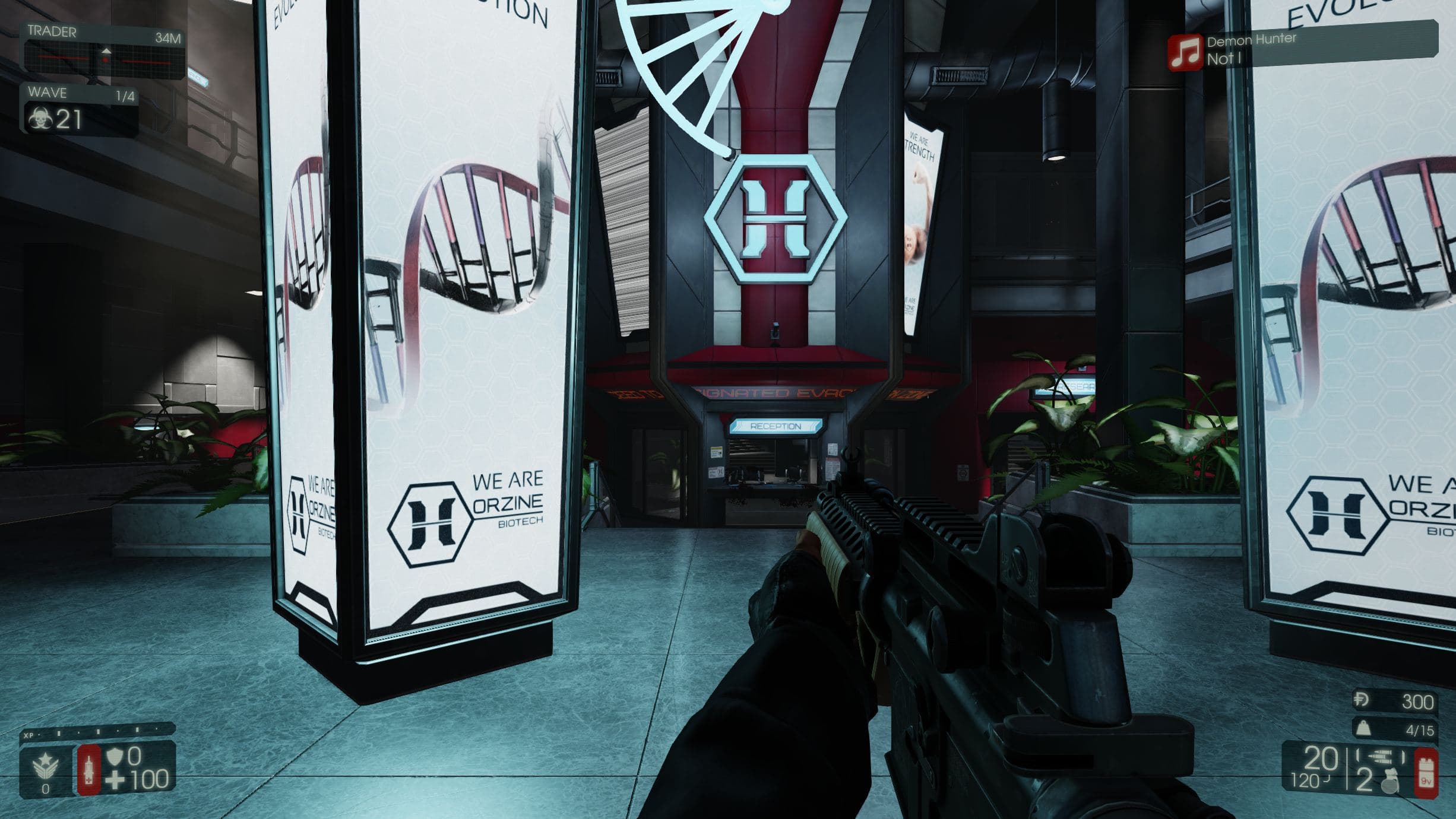
Choose a perk such as Support, Field Medic or Commando and develop its bonuses and skill options. Those choices shape how you contribute to the team: weapon handling, survivability and support can matter as much as raw damage. Class advancement continues beyond one encounter, so learning a role and developing it are part of the same long-term project.
Keep that separate from the Trader economy. Buying a stronger weapon during the break between waves equips the current match; it does not create a personally owned, permanently leveled copy for every future session. You still need to earn and spend the match’s money again. That reset gives each game an equipment curve while allowing experienced classes to retain their identity.
The progression endpoint is more bounded than an endless gear hunt. Perks reach level 25; an optional prestige resets a perk to level zero in exchange for rewards and faster subsequent leveling, rather than adding a mandatory new tier of combat power. This suits a group that wants repeatable co-op roles. If inspecting rare drops or maintaining a permanent arsenal is the main attraction, SAS 4 or Zombie Defence addresses that preference more directly.
The verdict
Choose it when you want to improve a shooter class over time while keeping each session’s weapon economy self-contained.
How we compare
A good recommendation explains who a game suits and where it falls short. Our editorial scores use the same five criteria, each rated out of ten.
- 01
Combat
Controls, aiming, enemy readability, and the decisions you make under pressure.
- 02
Progression
Build choices during a run and meaningful progress between attempts.
- 03
Usability
Control demands, platform access, interface options, and documented device requirements.
- 04
Value
What the asking price includes, optional purchases, and the scope of the free version.
- 05
Fit
How well the game answers the specific question in this article.
Which one should you try?
Choose the progress you most want to keep. SAS: Zombie Assault 4 is the straightforward class-and-loot recommendation; Dead Frontier 2 adds a trading economy and survival-horror scarcity. Killing Floor 2 develops combat roles while rebuilding the weapon loadout each match. For a larger persistent project, 7 Days to Die develops both equipment and a defended world, while State of Decay 2 asks you to protect the people carrying your skills. Aftermath makes inherited progress valuable precisely because its volunteers are temporary. Zombie Defence brings a different connection: active gunplay, permanent crafted weapons and research doctrines all draw on the shelter economy, so the next upgrade is a choice about how you want to fight and what you want to build.
Your questions, answered.
Want to see what we’re building?
Zombie Defence is in Alpha. Join the waitlist.
More games to explore
- 7 Best Zombie Games With Food and Water Management
Compare seven zombie games where food and water shape your plans, from Project Zomboid and DayZ to Zombie Defence’s irrigation and colony nutrition.
- 7 Best Zombie Games With Scavenging Missions
Compare seven zombie games built around supply runs, route planning and useful loot, from community survival and tactical parties to mobile gunship missions.
- 9 Best Zombie Games With Base Building in 2026
Compare nine zombie games with base building, from freeform forts and colony defense to adapted city blocks and persistent shelter upgrades.