7 Best Zombie Games With Scavenging Missions
Choose the shortage, plan the trip and put the haul to work. These seven games give scavenging a purpose beyond filling an inventory.

A good scavenging mission starts with a need: food for the camp, fuel for the next drive, or materials for a weapon you can actually build. State of Decay 2 is our strongest released pick for community supply runs, Dead State: Reanimated is the pick for deliberate party planning, and Zombie Gunship Survival gives mobile players a tightly defined escort-and-loot job. Zombie Defence connects active city Scrap runs to a persistent shelter, with crafting and production decisions waiting at home.
These seven choices cover different kinds of outings. Some give you explicit mission stages; others let you plan a supply trip inside a larger campaign. The Last Stand: Aftermath and Death Road to Canada move the haul down the road rather than back to a permanent base. The common thread is a reason to leave, a resource decision in the field and a useful purpose for what you collect.
Six games below are released. Zombie Defence is a browser Alpha in development, with waitlist signup for news and playtest availability. Pick by the kind of planning you enjoy: controlling one scavenger, equipping a party, supporting troops from above, or deciding how the whole camp spends the haul.
The quick comparison
7 games, different reasons to give the next run a chance.
Choose a game to jump to its overview. Platform lists are summaries; check the linked official edition.
The games
Zombie Defence
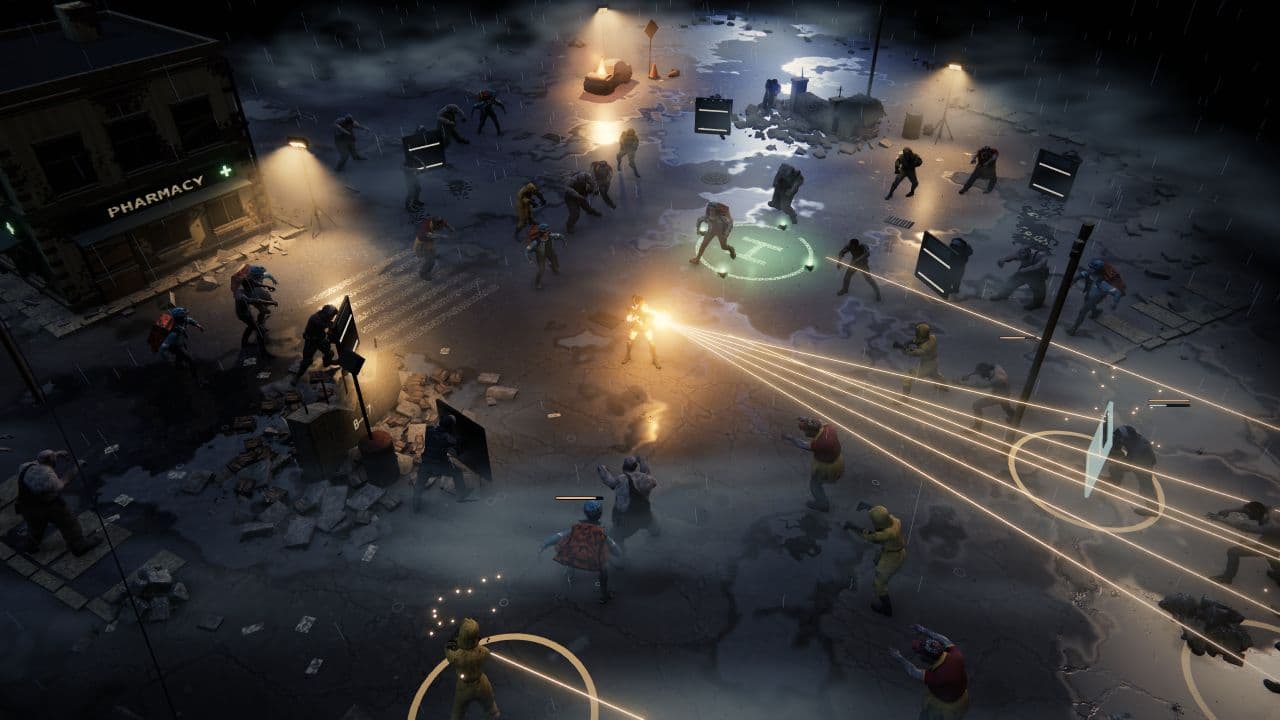
Zombie Defence gives a supply run a job to do: recover Scrap for the weapon, production line or shelter upgrade you want next.
- Manual aim (desktop)
- Extraction
- Shelter building
- Crafting
- Permanent progress
- Platforms
- Browser Alpha in development; native mobile releases planned
- Price model
- Launch pricing and monetization are not yet confirmed
The most useful plan starts at home. Scrap can fund construction, weapon levels, crafting components or ammunition production, so decide what you are saving for before heading into the city. A trip for a new weapon has a different purpose from a trip to replenish the stock feeding your Salvage Bench. Those competing uses make supplies feel like a budget you control.
In the separate city Scrap expedition, search amber containers, watch the radar and use streets and cover to keep a route back to the green extraction pad. Containers provide Scrap and field ammunition; enemy pressure increases with time. On desktop, movement and cursor aim are independent, with firing and reloads to manage. Touch fire targets the nearest enemy. Collected Scrap survives extraction, defeat or an interrupted browser-page reload, up to storage capacity, so the planning challenge is getting useful work done under pressure.
Choose the outing that answers your shortage. City Scrap expeditions are distinct from Scavenge, the open-ended wave mode that awards food, ammunition, energy and scrap for cleared waves. Three-wave sector operations advance the campaign and can uncover weapon schematics. Treating all three as interchangeable would miss an important decision: do you need a city collection route, a general supply run or campaign progress?
Back in the shelter, you can pause or redirect processing to protect Scrap reserved for a build, invest in research, and grow food for the colony or an expedition meal. The shelter has fixed stations and expansion choices rather than freeform construction. That makes this a particularly strong match for players who want to plan a useful outing and see its resources change the next one.
The verdict
Choose Zombie Defence for hands-on city supply runs whose real payoff is a better-equipped survivor and a working shelter.
State of Decay 2: Juggernaut Edition
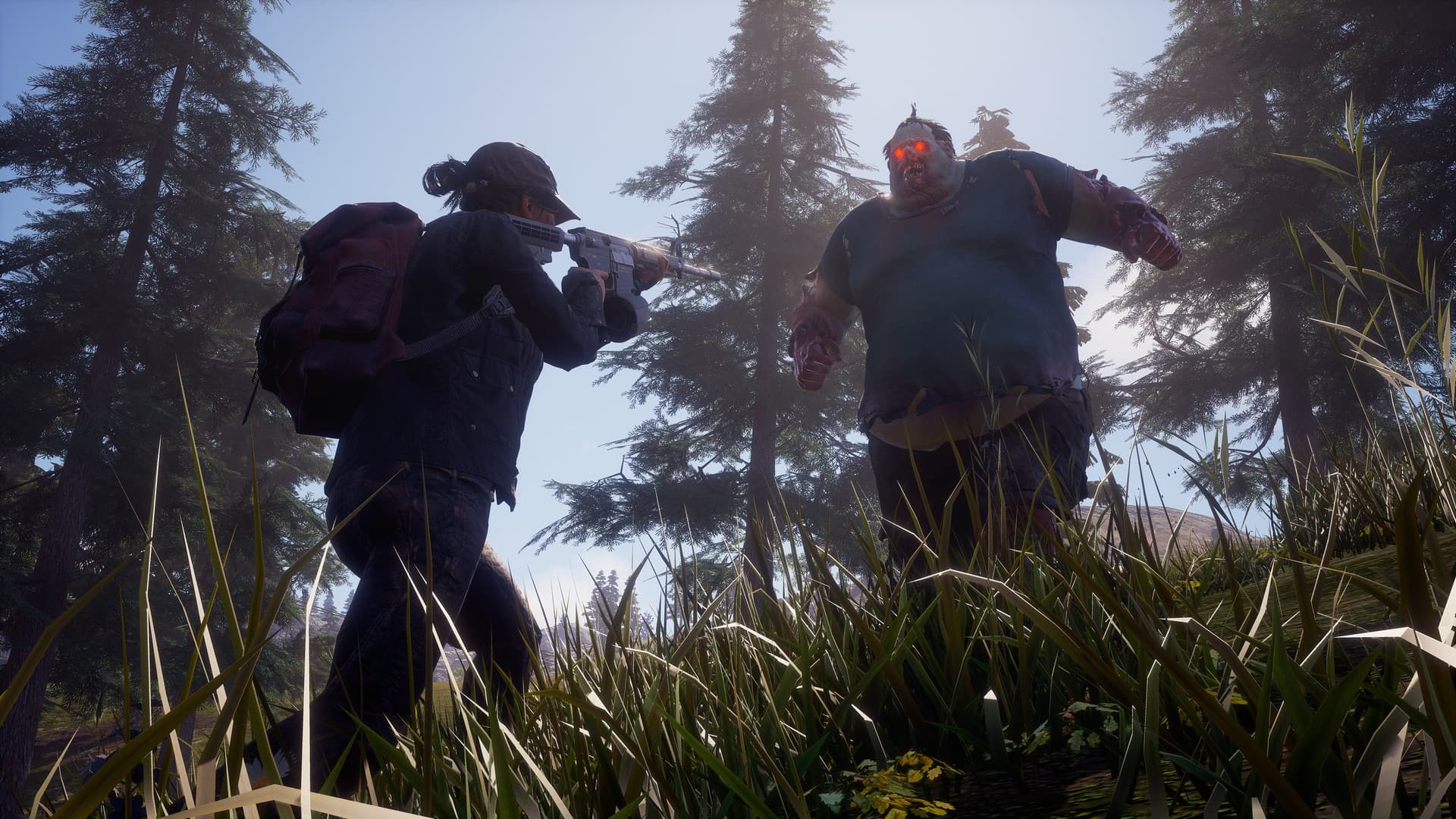
State of Decay 2 is the broadest choice here for making your own scavenging missions around what a living community needs.
- Exploration
- Shelter building
- Co-op
- Base defense
- Platforms
- Windows PC, Xbox One and Xbox Series X|S
- Price model
- Paid game; Game Pass access is also listed, subject to plan and region
The main campaign lets you choose a home, improve its facilities and select which survivor goes out for food and ammunition. That turns an open map into a practical shopping list. Pick the shortage first, then the person and destination, instead of wandering until your inventory happens to fill. Survivor skills and traits give the crew selection a purpose beyond choosing a favorite character.
There is also room to tune the pressure. Action, Community and Map difficulty can be adjusted separately, so you can change combat danger, community demands and scavenging scarcity without treating them as a single setting. Four-player co-op lets friends help with supply runs, while solo play offers a pause. The community campaign is the relevant mode here; Daybreak is a separate wave-defense experience.
Expect the mission to remain yours to define. This is a continuing sandbox with neighbors, territory threats and base decisions, rather than a row of self-contained loot stages. Its strength is that a mundane shortage can give tonight’s trip a clear reason to exist. Its cost is keeping track of the wider community after the vehicle is unloaded.
The verdict
Start here if you want freedom to plan your own supply routes and a community that gives every trip a reason.
Dead State: Reanimated
Dead State makes the supply run part of a full working day: assemble a party, budget the journey and bring back what the shelter needs.
- Tactical combat
- Squad builds
- Shelter building
- Crafting
- Platforms
- Windows PC on Steam
- Price model
- Paid game; Steam also lists a free demo
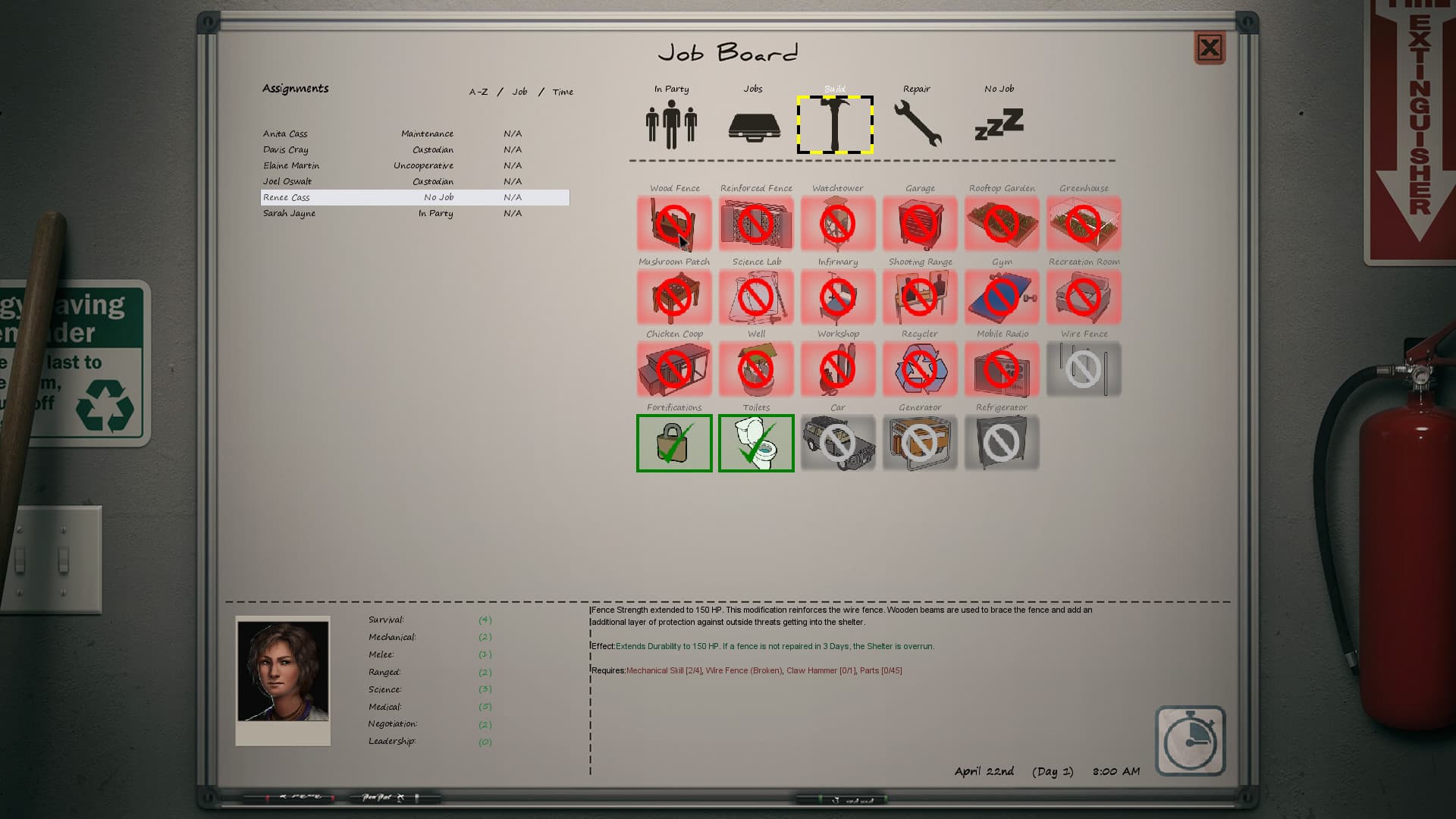
The Job Board gives your companions duties at home or places them in the traveling party. Outside, the world map connects distinct locations rather than asking you to walk every mile in real time. Transport changes the calculation: walking costs no fuel, horses need food, and a repaired car extends your reach and carrying capacity. Fuel also powers the shelter generator, so a long drive has a cost beyond the road.
Once you reach a location, turn-based encounters, locked doors and noise complicate the shopping list. A suitably skilled character with lockpicks can open a door quietly; bashing it makes noise. This is a useful distinction if your ideal scavenger is a prepared team with complementary skills, rather than one survivor with an ever-larger gun.
The reward feeds an ongoing shelter and its people, with fortification, jobs and social management all competing for attention. Plan enough time to get home: very late returns have consequences for the party and shelter morale. Choose this for deliberate day planning and character responsibility. The same linked systems make it a heavier commitment than selecting one combat mission and collecting a reward.
The verdict
Pick Dead State when choosing who leaves, what they need and when they return is the main attraction.
Dead Age 2: The Zombie Survival RPG
Dead Age 2 suits players who want a resource outing to do double duty: improve the camp and move an RPG story forward.
- Tactical combat
- Squad builds
- Shelter building
- Crafting
- Platforms
- Windows, macOS and Linux on Steam
- Price model
- Paid game
Your camp is the operations hub, where survivors take crafting or building jobs and stations unlock better production. Out on the world map, locations include hospitals, schools, bunkers and supply stores. Faction outposts add trading and missions. That gives you more than one reason to choose a destination: useful resources, a quest, or a chance to improve access to equipment through reputation.
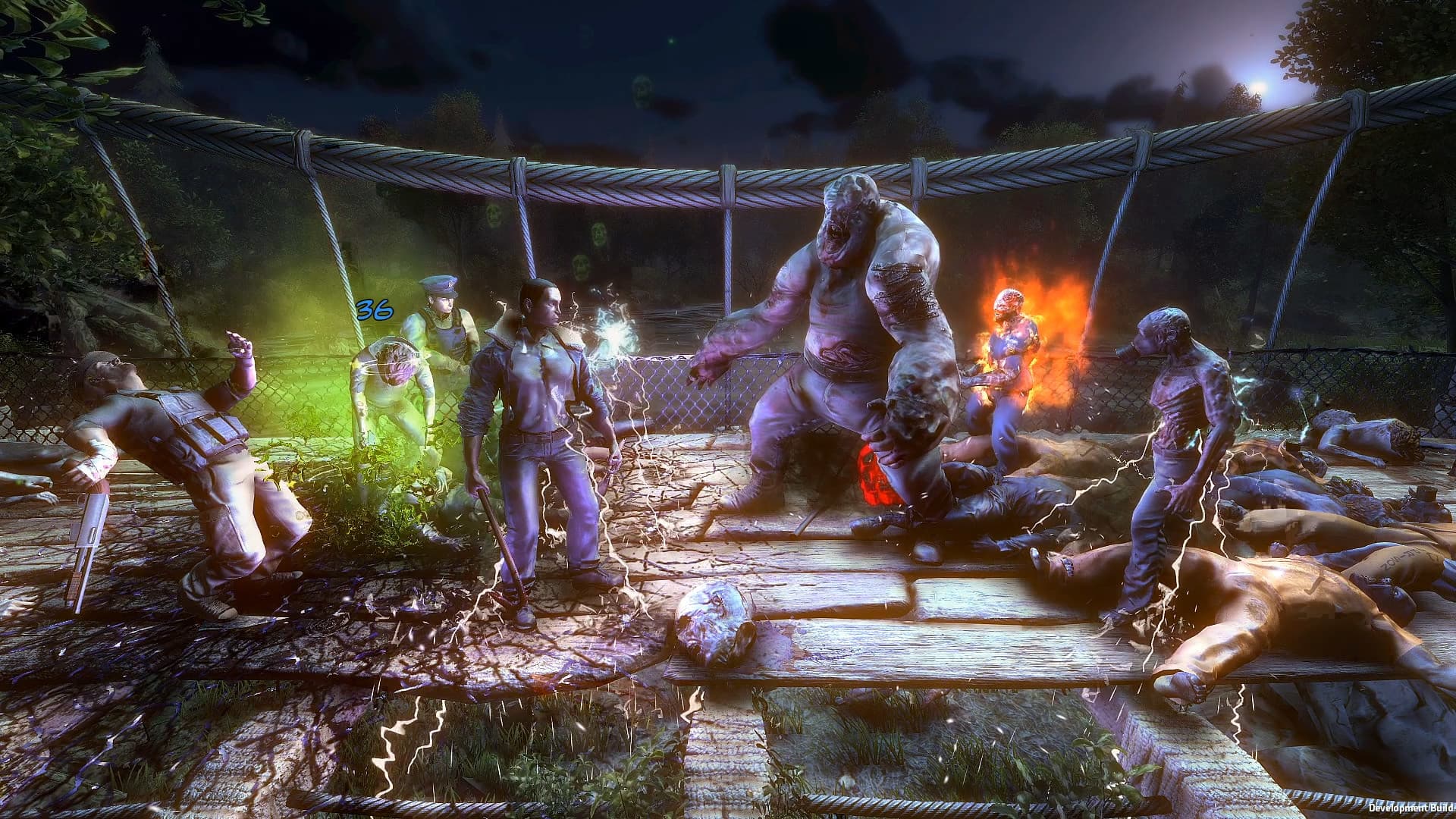
Combat uses party roles and front-and-back positioning. Protecting ranged allies with front-row fighters, selecting skills and equipping the group are the important decisions; this is not about manually steering a scavenger around every incoming hit. If you enjoy preparing a capable expedition team, the camp and combat systems speak the same language.
The tradeoff is that scavenging shares the stage with story choices, factions and repeat playthroughs. Your route is part of a larger RPG campaign, not a clean mission board devoted only to gathering materials. It is especially appealing when a successful outing means both bringing supplies back and opening a new possibility with another group.
The verdict
Choose Dead Age 2 for a camp-centered scavenging RPG where relationships with other factions help shape the route.
Zombie Gunship Survival
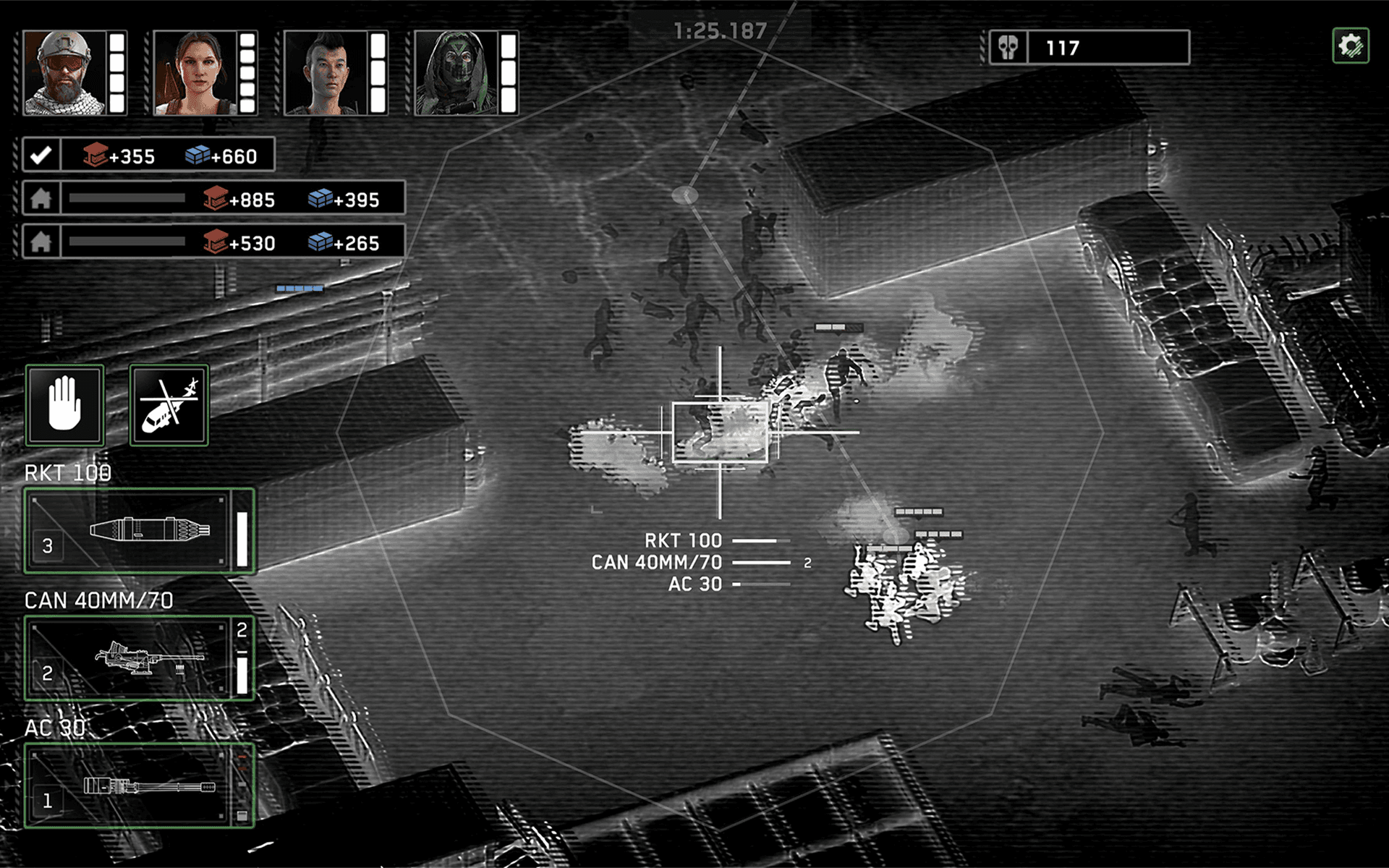
Zombie Gunship Survival turns scavenging into an escort operation: your troops gather supplies while you keep the route clear from an AC-130.
- Tactical combat
- Squad builds
- Base defense
- Permanent progress
- Platforms
- Android, iPhone and iPad; mobile editions covered here
- Price model
- Free download with in-app purchases; Google Play also lists ads
The mission objective is bigger than destroying every zombie on screen. Ground troops need time to reach and loot buildings, and the countdown ends in automatic extraction even if resources remain. Air support therefore buys working time. A useful question for each target is whether removing it helps the squad move or finish its search, rather than whether it merely adds another explosion.
Preparation matters too. Troop weapons have a loot-bonus stat that changes collection speed. A shotgun-equipped scout squad can gather faster, but gives up versatility. That is a genuine scavenging build choice. You are balancing the people doing the searching with the firepower protecting them, then bringing resources back to develop and defend the airfield.
Choose it if you want a clear sortie objective and enjoy the gunner’s role. You do not control a lone ground scavenger inspecting rooms. The persistent weapons and base give repeated sorties a purpose, while the free-download model includes purchases and, on Android, ads.
The verdict
Pick Zombie Gunship Survival for focused supply sorties where good shooting creates time for someone else to do the scavenging.
The Last Stand: Aftermath
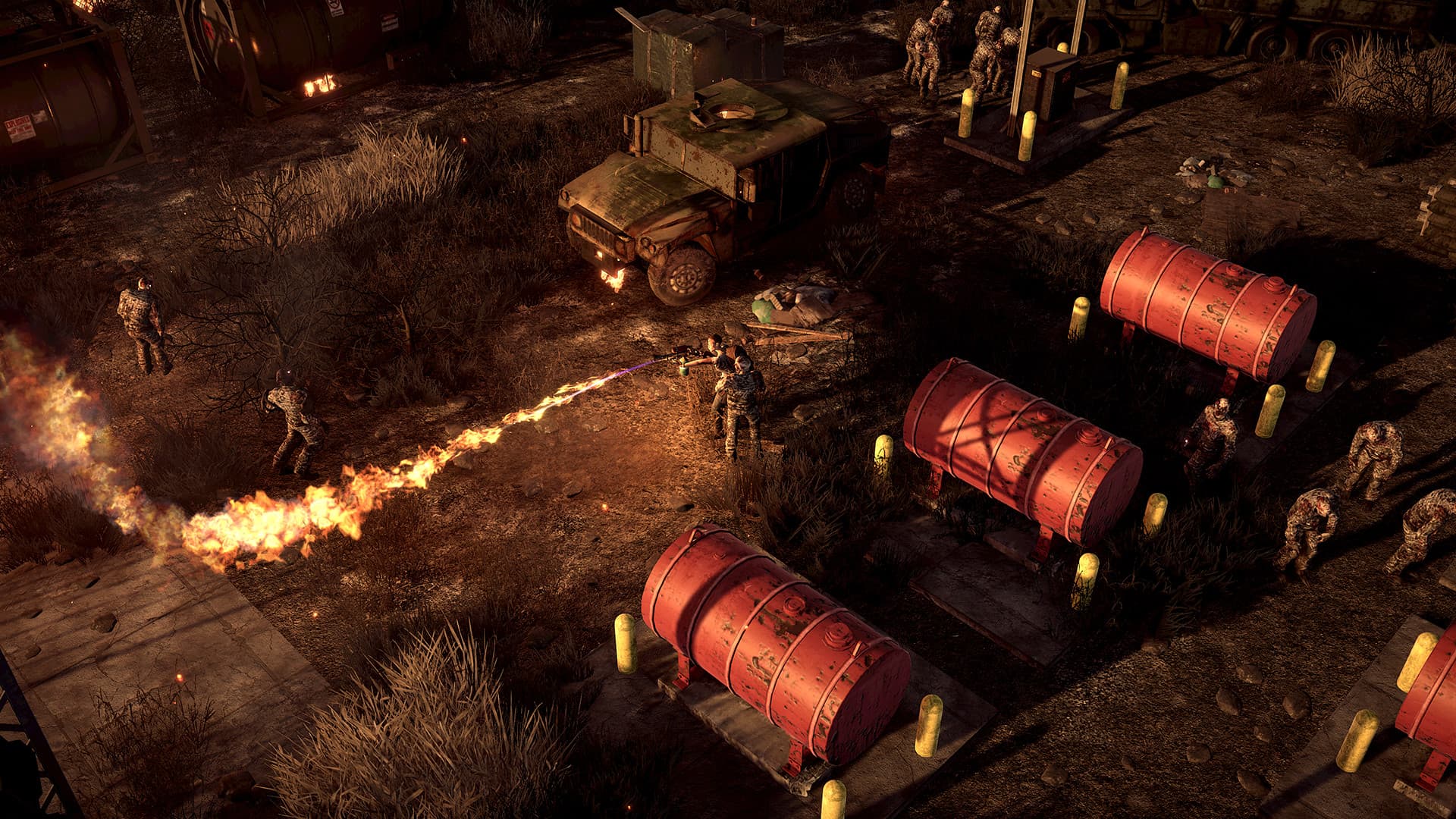
Aftermath makes the next stretch of road your supply objective: find fuel, gather useful materials and keep an infected survivor moving.
- Exploration
- Crafting
- Roguelite
- Permanent progress
- Platforms
- Windows PC, PlayStation 4 and 5, Xbox Series X|S
- Price model
- Paid single-player game
Each location offers a reason to search beyond collecting a better weapon. Fuel enables onward travel, while scavenged materials become crafted weapons and supplies. The important distinction is where the haul goes: it helps this survivor press deeper into the journey. This is a forward-moving expedition rather than a daily circuit back to a managed shelter.
Stealth and fighting give you different ways to approach the infected roaming each area. Because your own survivor is infected, there is a cost to treating every location as a completion checklist. The sensible goal is to solve the problem stopping your next move, then decide whether another search is worth the exposure. Mutations complicate that decision by offering power as the infection advances.
Longer-term progress comes through perks and upgrades that help later survivors. That keeps resource gathering tied to something beyond one character, but the atmosphere stays bleak and the trip stays urgent. Choose it for tense scavenging with action and crafting; choose a camp-centered game above if assigning home jobs is the reward you are after.
The verdict
Choose Aftermath when you want a scavenging stop to feel urgent and the next destination to depend on what you find.
Death Road to Canada
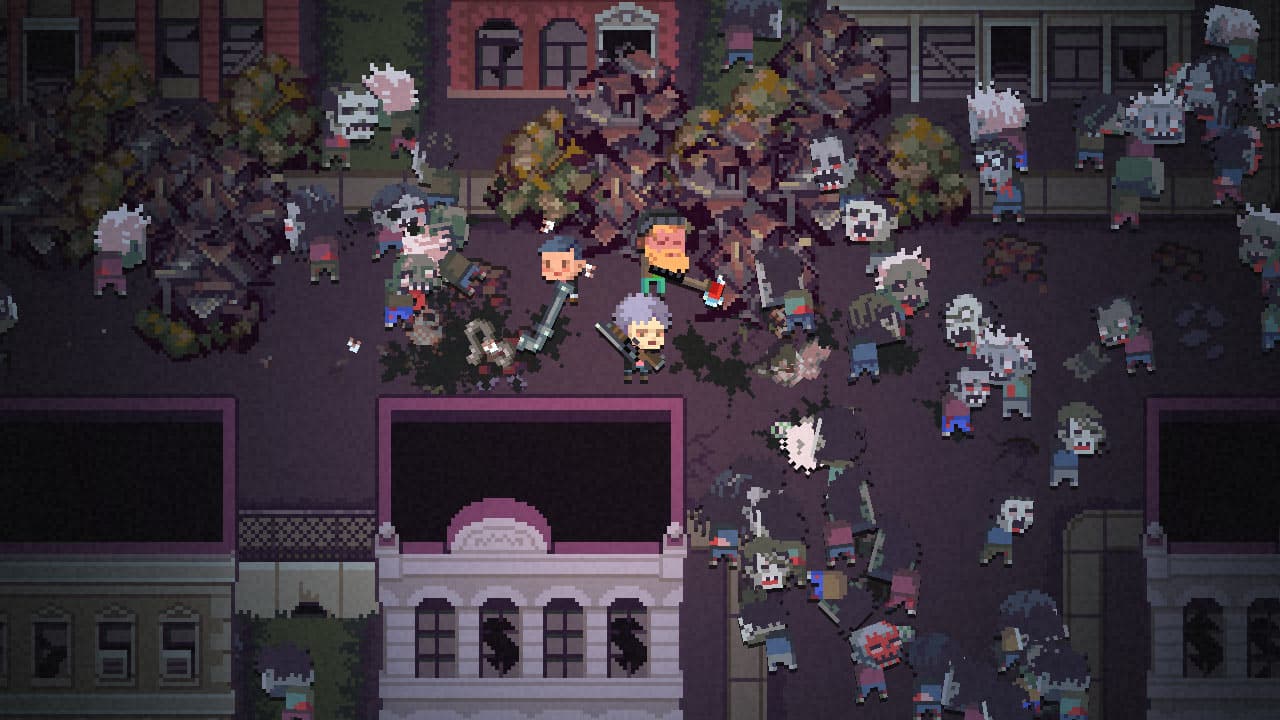
Death Road to Canada trades a permanent home for a car full of survivors and a changing series of places to raid along the journey.
- Exploration
- Co-op
- Squad builds
- Roguelite
- Platforms
- Windows, macOS and Linux on Steam; desktop edition covered here
- Price model
- Paid game
The trip mixes city exploration, crowded zombie encounters and events shaped by the group’s personalities. Locations and encounters are randomized, so the plan has to respond to the choices in front of you. Treat each looting stop as a way to improve the party’s chances on the road, rather than a building that must be emptied because it is there.
Resources can also buy opportunities. Some special recruits ask for food, and a trader’s map can reroll an Always Be Looting event to give you a different search opportunity. A stronger party or a more promising stop may be worth spending supplies on now. That makes scavenging part of building a workable journey, rather than simply hoarding whatever you find.
Up to four players can share local same-screen co-op, making the group’s survival a joint problem. The catch is unpredictability. Randomized personalities and events can disrupt a carefully imagined route, and crowded fights demand quick movement. This is a strong choice for adaptable scavengers who enjoy the story that goes wrong along the way; it does not provide a shelter to steadily construct between missions.
The verdict
Pick Death Road to Canada for lively, repeatable scavenging adventures where adapting to the party and the next stop is the fun.
How we compare
A good recommendation explains who a game suits and where it falls short. Our editorial scores use the same five criteria, each rated out of ten.
- 01
Combat
Controls, aiming, enemy readability, and the decisions you make under pressure.
- 02
Progression
Build choices during a run and meaningful progress between attempts.
- 03
Usability
Control demands, platform access, interface options, and documented device requirements.
- 04
Value
What the asking price includes, optional purchases, and the scope of the free version.
- 05
Fit
How well the game answers the specific question in this article.
Which one should you try?
For a community that continually gives you a reason to leave home, choose State of Decay 2. For careful party selection and a day’s travel budget, choose Dead State; for faction quests alongside supply hunting, choose Dead Age 2. Zombie Gunship Survival packages the job into timed mobile sorties, while Aftermath and Death Road to Canada turn scavenging into the next step of a journey. Zombie Defence is the focused shelter-supply choice: set a Scrap goal, fight through a city route and decide whether the result becomes a weapon, an upgrade or production for the next outing.
Your questions, answered.
Want to see what we’re building?
Zombie Defence is in Alpha. Join the waitlist.
More games to explore
- 7 Best Shelter Management Games in 2026
Compare seven shelter and colony management games, from Fallout Shelter's room assignments to resource-heavy survival, resident care, and zombie expeditions.
- 9 Best Zombie Horde Shooters in 2026
Compare nine zombie horde shooters, from co-op campaigns and expanding survival arenas to mobile auto-shooters and persistent shelter runs.
- 4 Best Zombie Arena Shooters in 2026: Three to Play, One to Watch
Compare three playable zombie arena shooters with a browser Alpha project to watch, from top-down twin-stick battles to squad builds and direct mouse aim.