7 Best Shelter Management Games in 2026
Build a refuge, keep its people supplied, and decide what survival should demand.
The best shelter management game depends on what you want to manage: residents in assigned rooms, a vulnerable family, or a colony whose air, food, and work priorities interact. Fallout Shelter is the clearest vault sim; Sheltered and This War of Mine put survival pressure on each supply run.
For hands-on zombie outings that feed shelter growth, Zombie Defence connects manual shooting and extraction to workers, crafting, research, and crops. The other picks range from mobile bunker progression to deep colony logistics on PC.
The quick comparison
7 games, different reasons to give the next run a chance.
Choose a game to jump to its overview. Platform lists are summaries; check the linked official edition.
The games
Zombie Defence
Take control of zombie expeditions, then put their resources to work across a persistent shelter.
- Farming
- Extraction
- Shelter building
- Crafting
- Permanent progress
- Platforms
- Browser Alpha (development build); native mobile stores are planned.
- Price model
- Freemium planned; launch pricing and monetization terms are unconfirmed.
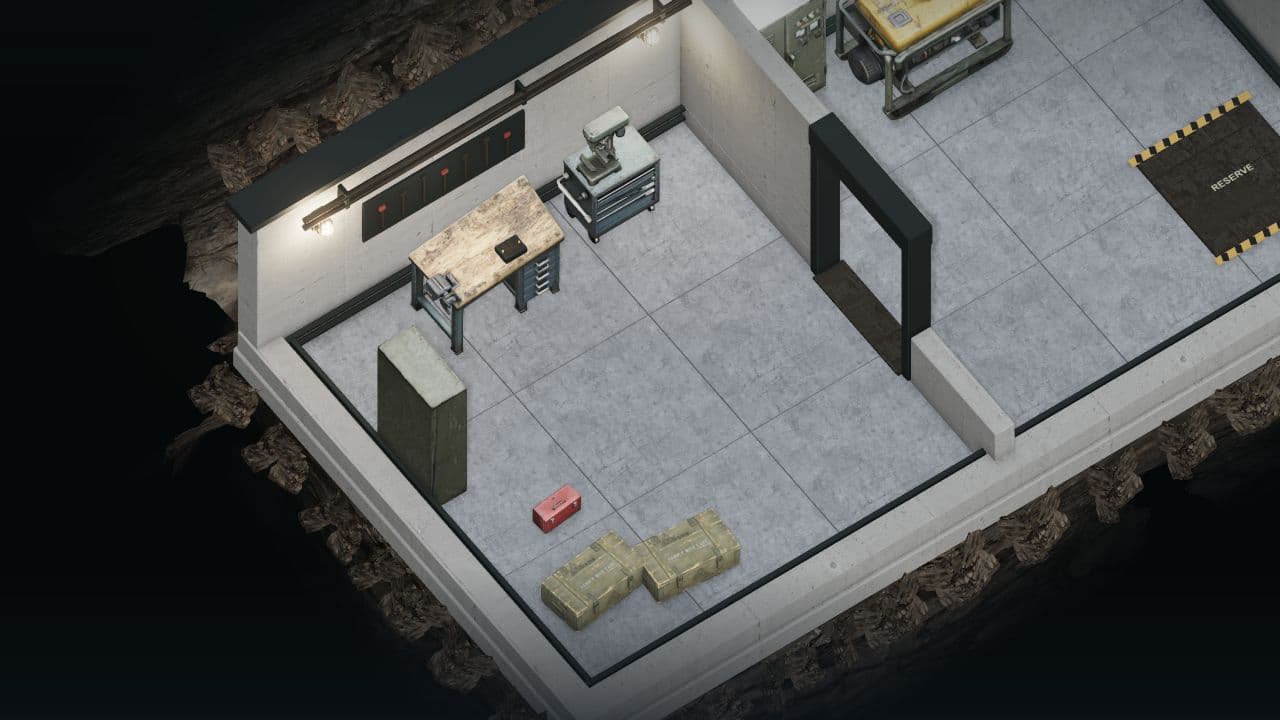
Zombie Defence offers three outings: three-wave sector battles, endless scavenging, and Scrap expeditions with extraction. Desktop controls cover movement, manual aim, fire, ammunition, and reloads. Scrap picked up stays with the campaign after extraction or defeat, within storage limits, so the risk is how far to push rather than losing the entire haul.
Workers and stations use supplies for production, weapon crafting, research, and cultivation; water and cooking add more shelter choices. Upgrades survive defeat, giving each trip a reason to improve a capability. Rooms are fixed instead of freeform, so the appeal is the outing-to-upgrade loop, not architectural design. Touch controls pair a movement joystick with a fire button that targets the nearest living enemy.
The verdict
Choose it to manage between outings while taking direct control of the weapon; Scrap retention makes failure less punishing than full-loot-loss extraction.
Fallout Shelter
Build a compact underground vault and match each Dweller to the room where they work best.
- Shelter building
- Idle progress
- Squad builds
- Permanent progress
- Platforms
- Windows PC, iOS, and Android; store availability varies by region.
- Price model
- Free to play with in-app purchases.
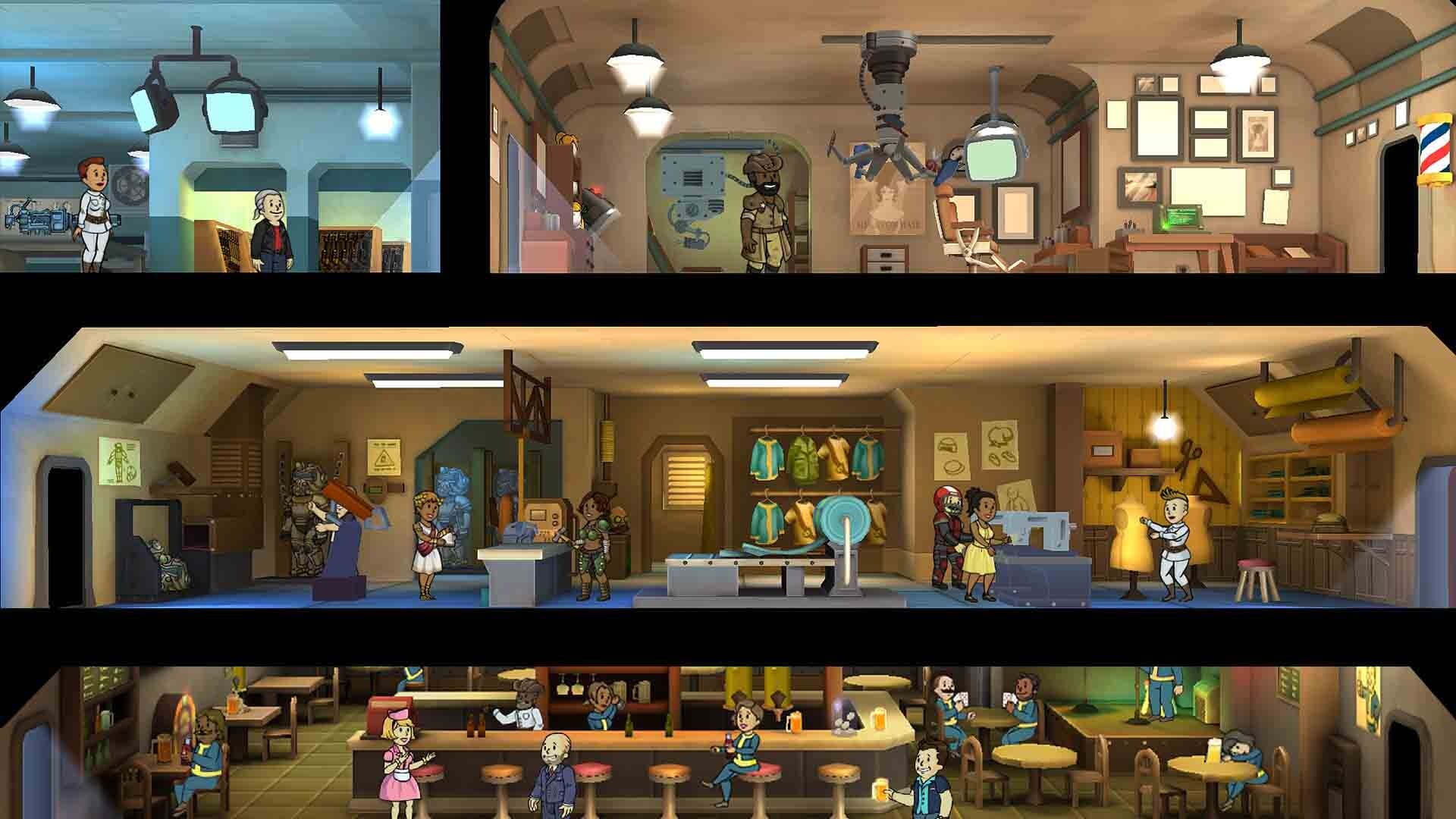
Fallout Shelter is the clearest room-and-resident sim. Build facilities for the vault’s needs, assign Dwellers to jobs that suit their SPECIAL abilities, train and equip them, and keep the population safe. As shortages appear, add capacity and place enough workers in each room to sustain production; the vault layout becomes a readable resource puzzle.
Dwellers can also explore the Wasteland and go on quests, so equipment and training matter beyond their shifts. Excursions return with gear and new goals, but the core remains room growth and resident management rather than intricate logistics. The free entry is welcoming, with optional in-app purchases alongside progression.
The verdict
Start here for a recognizable vault, short decisions, and free entry. Choose RimWorld or Oxygen Not Included for deeper interacting systems.
Sheltered
Keep a family alive in a cramped bunker, balancing shelter maintenance against dangerous expeditions.
- Shelter building
- Exploration
- Crafting
- Permanent progress
- Platforms
- Windows, macOS, and Linux on Steam; iPhone/iPad in supported App Store regions.
- Price model
- Premium purchase on Steam and the App Store; local price varies.
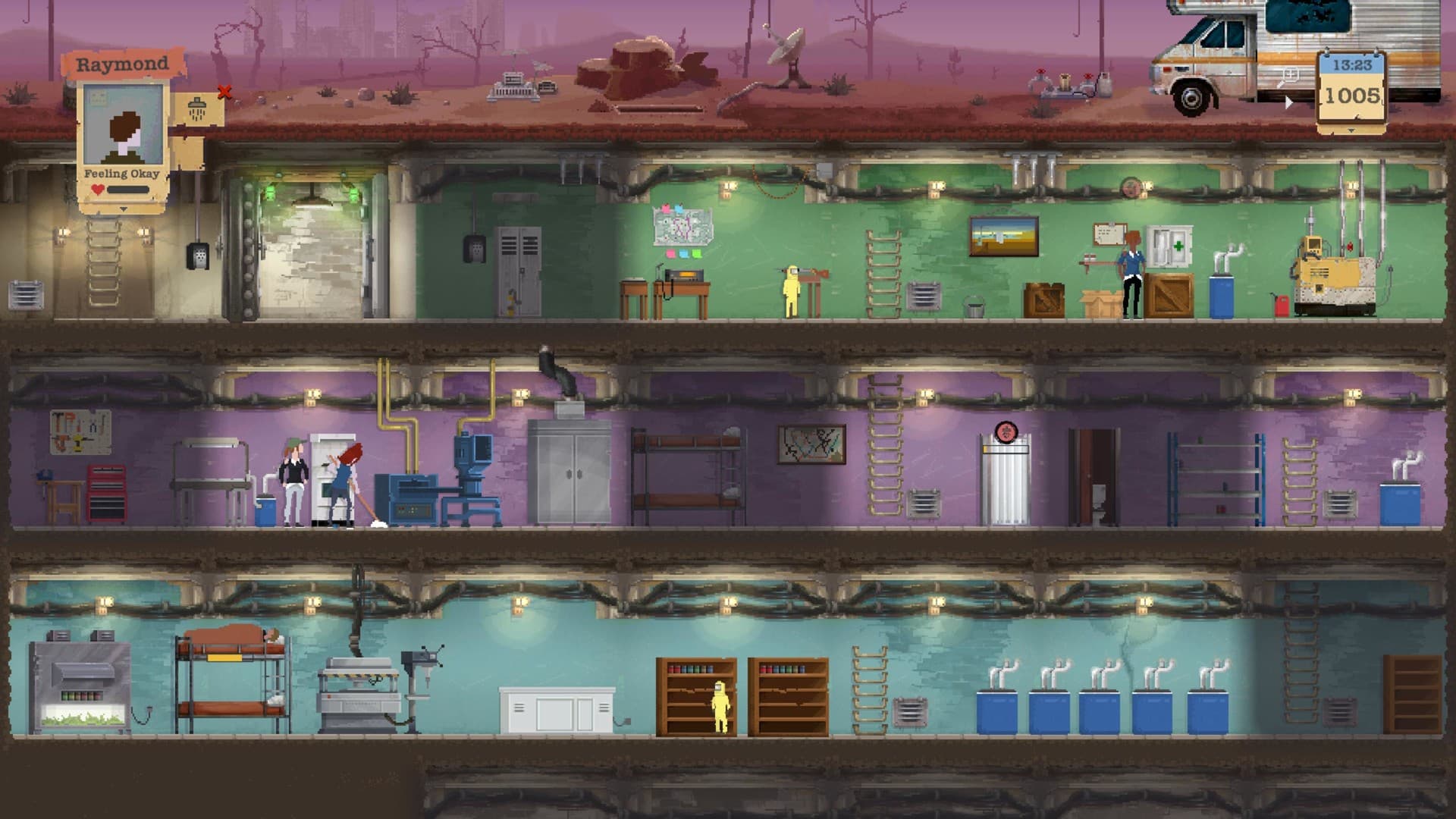
Sheltered focuses on a family of four, making basic maintenance the heart of the job. Improve the underground home, keep it habitable and secure, and decide who stays to craft or care for supplies while others explore. Outings expose family members to threats but bring back resources for the bunker. Recruited outsiders add new personalities and loyalty needs.
Traits, changing experience, trauma, and injuries make each resident more than a production slot. This is a slow survival-management game with crafting and occasional turn-based combat, not a combat-first title. Before an expedition, send someone capable without leaving the family short at home: water use, repairs, and crafting still compete for the people who remain.
The verdict
Pick Sheltered for a family survival story where people and bunker upkeep share the spotlight. It asks more of residents than Fallout Shelter’s faster job assignment.
This War of Mine
Care for civilians by day, then choose who will risk a night trip for supplies.
- Exploration
- Crafting
- Shelter building
- Tactical combat
- Platforms
- Windows and Linux on Steam; Android and iPhone/iPad editions are also listed.
- Price model
- Premium purchase; mobile editions list expansion purchases. Prices vary by store and region.
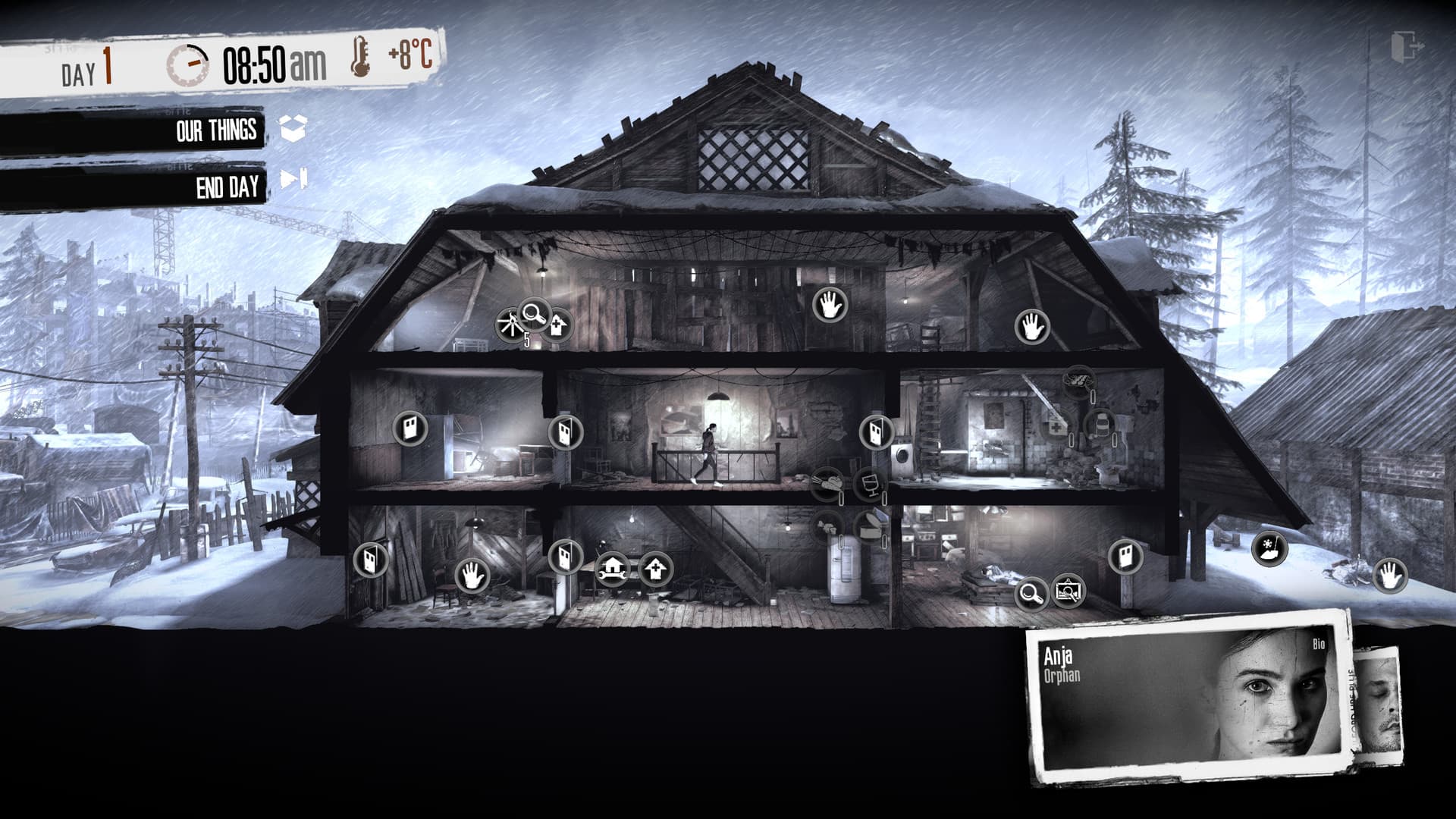
This War of Mine gives shelter management a strict day-and-night rhythm. During daylight, snipers keep the group indoors, so survivors craft, trade, repair, and care for one another. At night, send one civilian to search a location for food, medicine, tools, and other supplies. That choice leaves fewer people at home and shapes the next day’s work.
Hostile scavengers and moral choices make trips dangerous, but avoiding a fight is often wise. The bleak civilian perspective makes this more than a vault builder or zombie action game: shortages, fatigue, and who ventures outside carry the story. Choose it when human-scale shelter pressure matters more than combat or unrestricted construction.
The verdict
Choose it for intimate shelter decisions and dangerous supply runs, where survival planning matters more than a kill count.
Last Fortress: Underground
Expand an underground base, assign survivor specialists, and build a squad for the dangers outside.
- Shelter building
- Squad builds
- Idle progress
- Permanent progress
- Platforms
- iOS and Android; regional store availability varies.
- Price model
- Free to download with in-app purchases; store listings disclose randomized items.
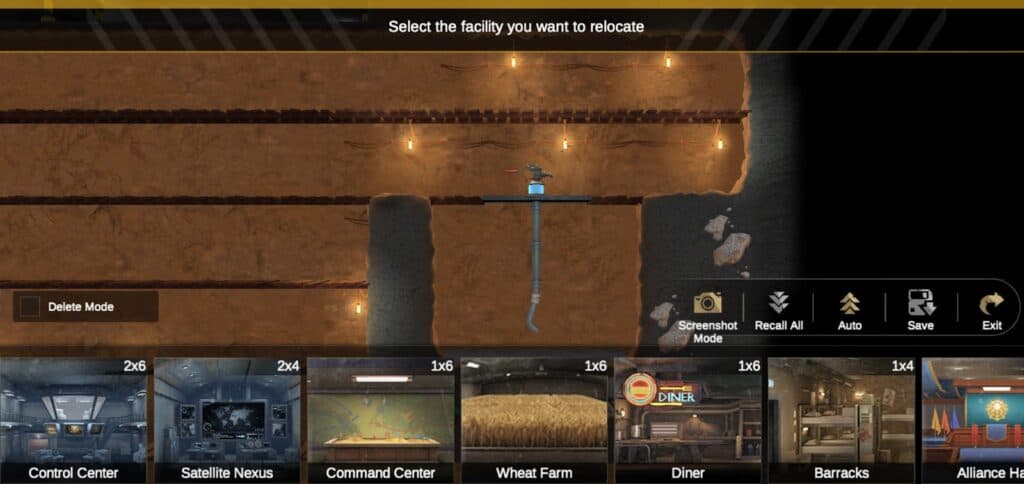
Last Fortress: Underground centers mobile play on facility growth. Expand and arrange an underground shelter, gather resources, and assign heroes and survivors whose life skills shape their roles. Construction supplies steady goals, while outside missions and squad preparation put the roster to work beyond the rooms.
It suits players who want an ongoing mobile base project with hero development. Its emphasis is facilities and broader strategy systems rather than Fallout Shelter’s simple Dweller job puzzle or Zombie Defence’s manual shooting. The iOS and Android listings offer free downloads with in-app purchases; Google Play discloses randomized items, so its economy is part of the decision.
The verdict
Choose it for a continuing mobile bunker and hero roster project. Fallout Shelter or Sheltered suits players who prefer a self-contained single-player sim.
RimWorld
Turn a handful of crash survivors into a settlement whose work, moods, and defenses tell the story.
- Shelter building
- Crafting
- Exploration
- Permanent progress
- Platforms
- Windows, macOS, and Linux on Steam.
- Price model
- Premium purchase on Steam; expansions are optional and sold separately.
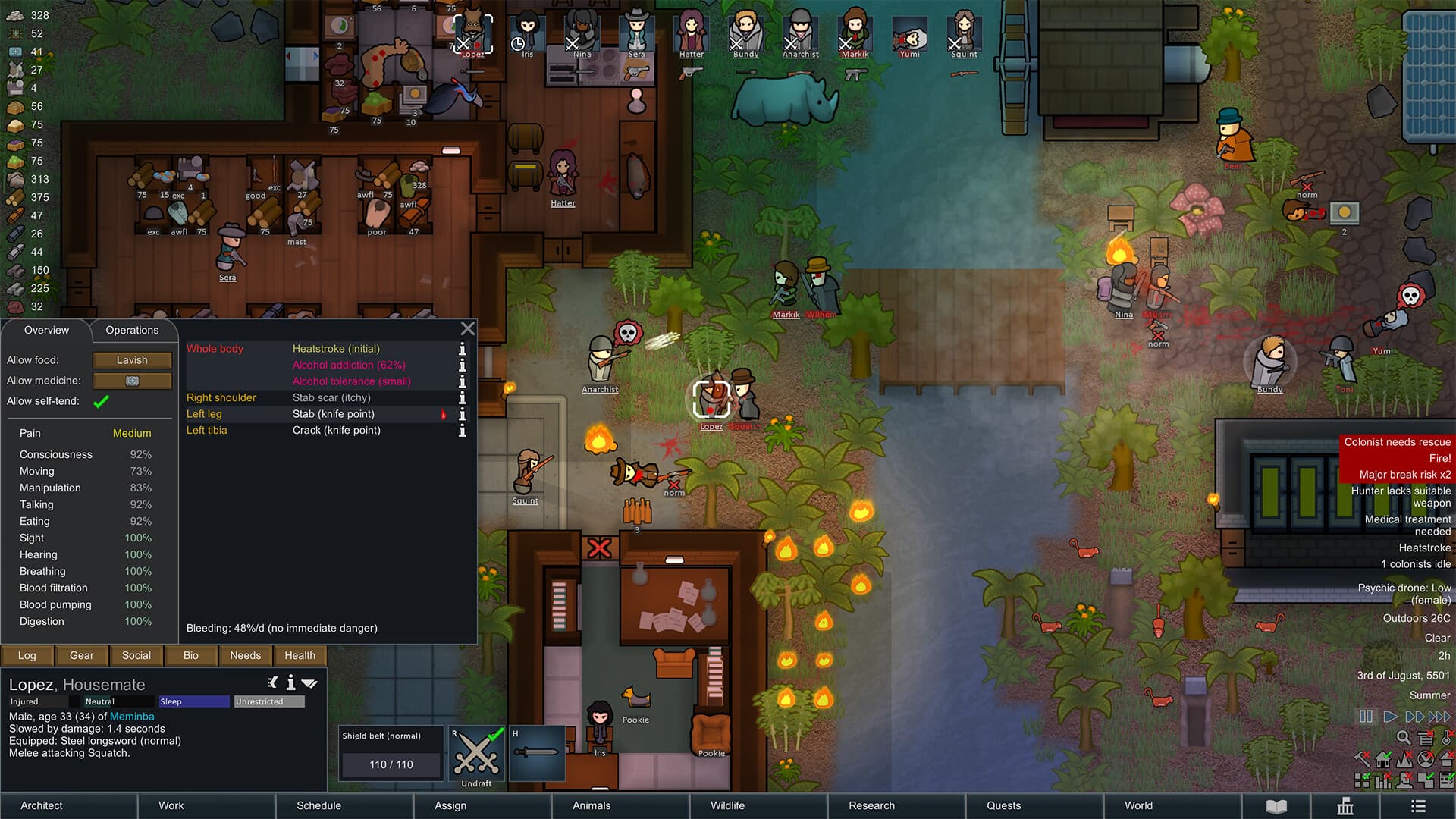
RimWorld begins with three survivors on a distant world and an AI storyteller that creates pressure through events. Colonists have needs, moods, injuries, illnesses, relationships, and skills; set priorities so food gets grown, meals cooked, rooms built, and defenses prepared. A farm, hospital, warehouse, and barracks can all matter to the same crisis.
The result can feel like a community rather than a row of production rooms. A cold snap, sickness, fire, or raid disrupts plans, and colonists’ reactions can become stories of their own. The tradeoff is complexity: work priorities, schedules, and building choices reward patience. It is a sci-fi colony sim, broader in scale than a single shelter.
The verdict
Choose RimWorld for emergent resident stories and a deep simulation. It fits players who want to run a living colony, not just fill a vault.
Oxygen Not Included
Keep a growing asteroid colony alive by managing the air, water, warmth, and food moving through it.
- Crafting
- Shelter building
- Farming
- Exploration
- Platforms
- Windows, macOS, and Linux on Steam.
- Price model
- Premium purchase on Steam; additional content is sold separately.
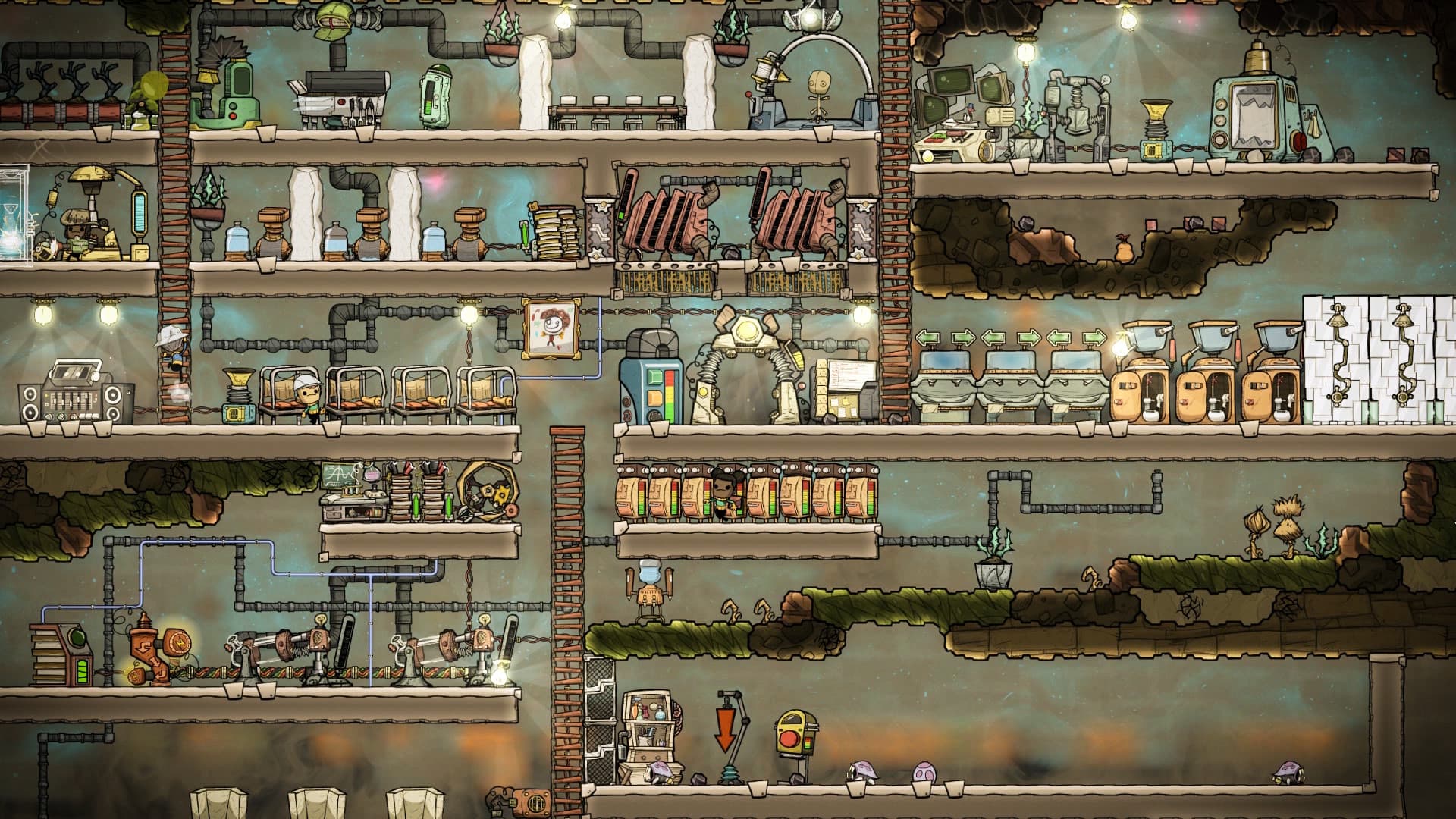
Oxygen Not Included makes the shelter itself a system. Duplicants need breathable air, food, and warmth; rooms, pipes, power, and resource allocations determine whether they get them. A new machine may solve one shortage while adding heat or fuel demand elsewhere, so planning means tracing what enters and leaves each part of the base.
Its space-colony setting is far from a post-apocalyptic bunker, but the core question is similar: can a group live safely inside what you built? The simulation rewards careful layouts and experimentation. Combat and personal drama take a back seat to life support, making this a logistics recommendation for players who enjoy diagnosing cause and effect.
The verdict
Pick it if managing life support sounds better than fighting enemies. Oxygen Not Included centers infrastructure; RimWorld centers resident stories.
How we compare
A good recommendation explains who a game suits and where it falls short. Our editorial scores use the same five criteria, each rated out of ten.
- 01
Combat
Controls, aiming, enemy readability, and the decisions you make under pressure.
- 02
Progression
Build choices during a run and meaningful progress between attempts.
- 03
Usability
Control demands, platform access, interface options, and documented device requirements.
- 04
Value
What the asking price includes, optional purchases, and the scope of the free version.
- 05
Fit
How well the game answers the specific question in this article.
Which one should you try?
Choose Fallout Shelter for clear room assignments, Sheltered for family upkeep, or This War of Mine for difficult day-and-night choices. Last Fortress: Underground offers mobile bunker progression. Zombie Defence suits players who want manual zombie runs to fund workers, research, crafting, and crops. For larger simulations, RimWorld centers residents and emergent stories, while Oxygen Not Included centers the infrastructure keeping them alive.
Your questions, answered.
Want to see what we’re building?
Zombie Defence is in Alpha. Join the waitlist.
More games to explore
- 9 Best Zombie Horde Shooters in 2026
Compare nine zombie horde shooters, from co-op campaigns and expanding survival arenas to mobile auto-shooters and persistent shelter runs.
- 7 Games Like Last Fortress: Underground for Bunkers and Survival
Compare seven Last Fortress-like games, from underground rooms and survivor jobs to alliance battles, colony engineering, and hands-on zombie runs.
- 5 Free Zombie Survival Games Online, Plus Zombie Defence in Alpha
Compare five free-entry zombie games across hunger, ammo, shelter, and upgrades, plus Zombie Defence’s browser Alpha with manual shooting and a persistent resource shelter.