5 Mobile Shelter Management Games + One Alpha to Watch
Choose between worker assignments, risky trips, and strategy campaigns.
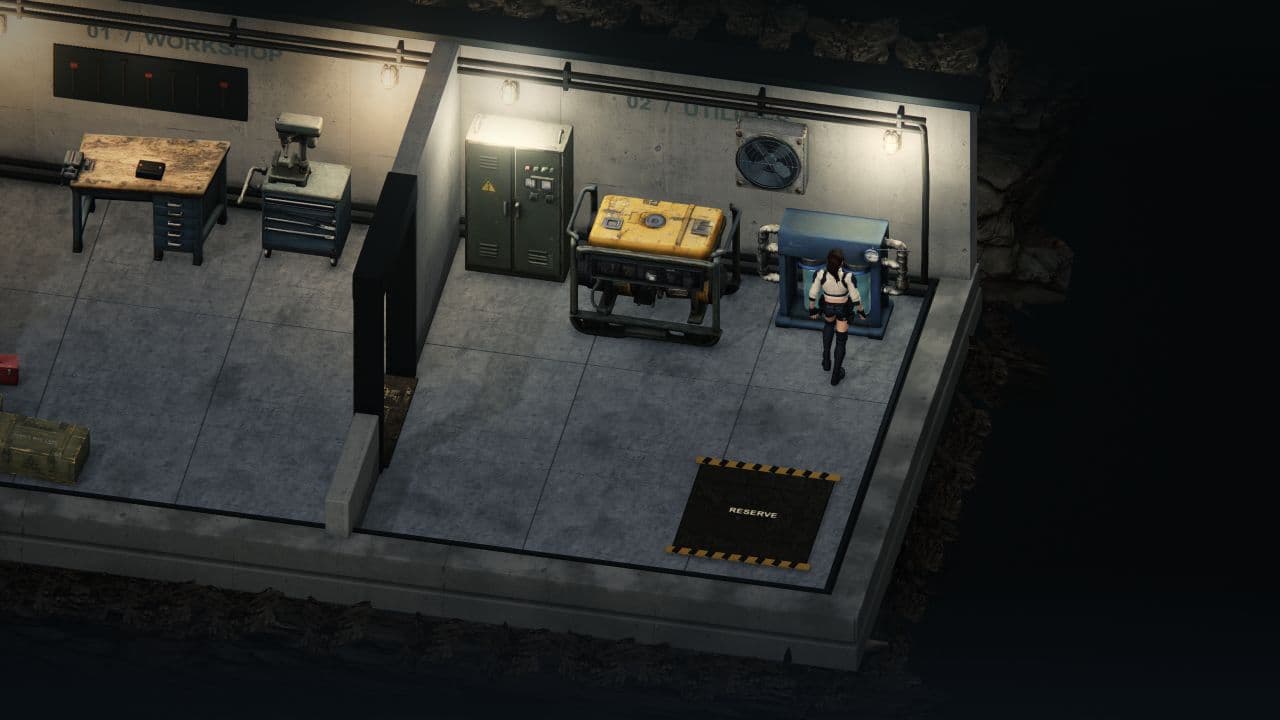
Compare five current mobile shelter games by worker assignment, shortages, and return cadence. Zombie Defence is a separate in-development browser Alpha; native mobile editions are planned.
The quick comparison
6 games, different reasons to give the next run a chance.
Choose a game to jump to its overview. Platform lists are summaries; check the linked official edition.
The games
Zombie Defence
Active runs feed production.
- Fast-paced
- Extraction
- Shelter building
- Crafting
- Permanent progress
- Platforms
- Browser Alpha in development; native mobile releases planned, not in stores.
- Price model
- Launch pricing unannounced; freemium planned.
Zombie Defence divides shelter progress between Scrap sorties and work back home. Each expedition sends you through city blocks to gather materials and choose when to extract. Picked-up Scrap survives extraction, defeat, or an interrupted page reload, up to storage capacity, so a bad fight need not erase the haul. Shelter progress also persists through defeat. Three-wave battles and endless scavenging are separate modes.
Back home, residents staff production rooms and equipment bays. Decide which project gets scarce workers and inputs: crafting, research, water, cooking, or crops. Production accrues between visits within caps, then stops when inputs run out or storage fills; crops need manual harvest. The shelter uses predefined rooms and equipment bays, so planning centers on roles, not freeform construction. The tradeoff is active movement, aiming, ammo, and reloads; touch fire targets the nearest living enemy.
The verdict
Choose Zombie Defence for Scrap-funded shelter projects.
Fallout Shelter
Match Dweller stats to rooms.
- Shelter building
- Exploration
- Crafting
- Platforms
- Android and iPhone/iPad; availability varies by region.
- Price model
- Free download with in-app purchases.
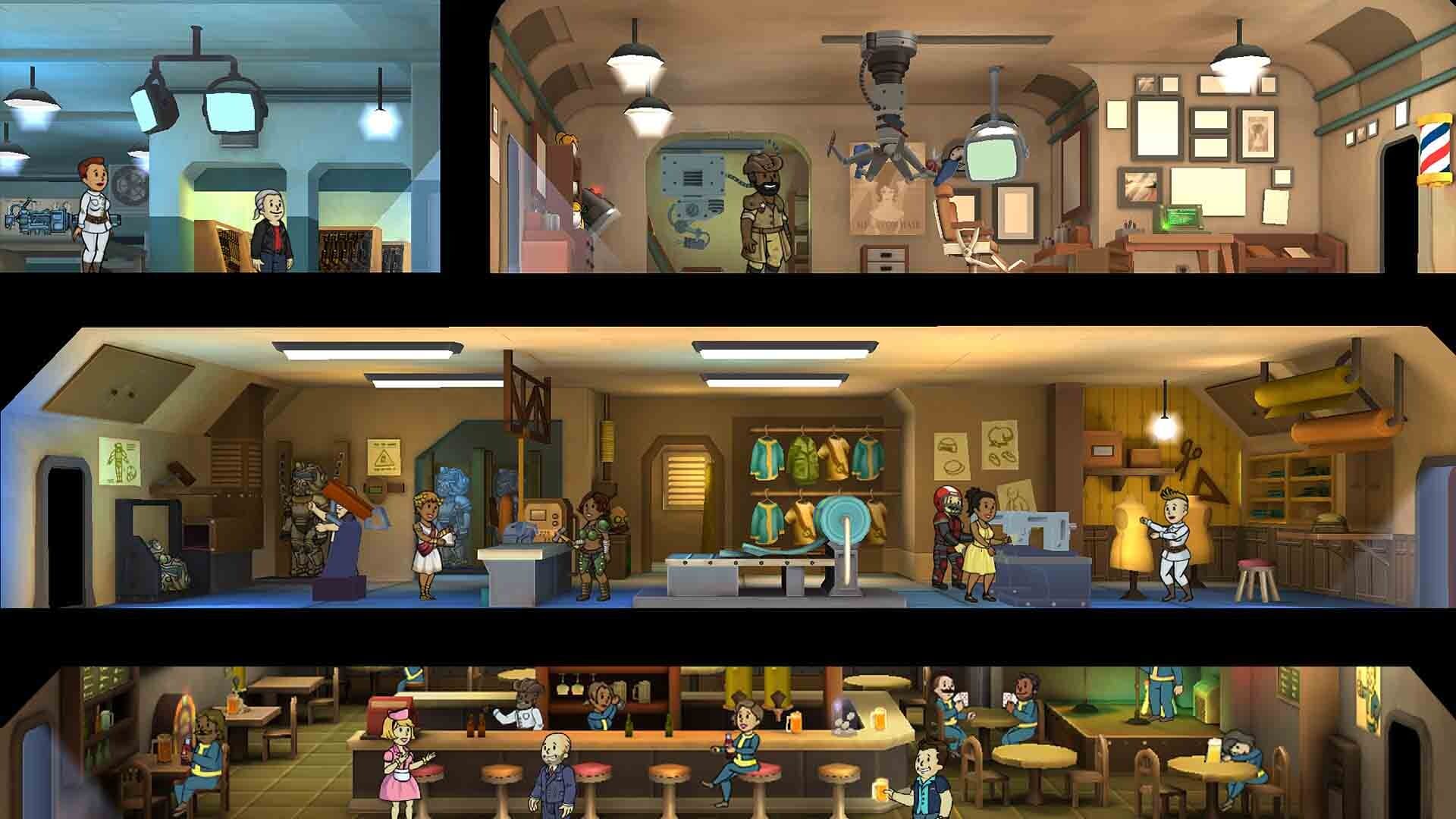
Fallout Shelter makes Dweller statistics a staffing tool. Power, food, and water depend on assigned workers; S.P.E.C.I.A.L. points toward suitable jobs. When one resource lags, move a specialist in—risking a gap elsewhere—or train a weaker Dweller. If the same need keeps blocking vault growth, spend resources on added capacity. The shortage and tradeoff stay visible.
The return is to collect room output, answer a vault incident, then see whether you can spare someone for an equipped Wasteland quest. Missions bring loot and develop residents, but do not replace essential room coverage. This is the easiest start for stat-matching and steady expansion; it is less suited to players wanting hands-on supply runs or harsher household needs.
The verdict
Best for clear jobs and steady vault growth.
Last Fortress: Underground
Growth tied to research and camps.
- Shelter building
- Exploration
- Co-op
- Permanent progress
- Platforms
- Android and iPhone/iPad; availability varies by region.
- Price model
- Free download with in-app purchases; Play discloses random items.
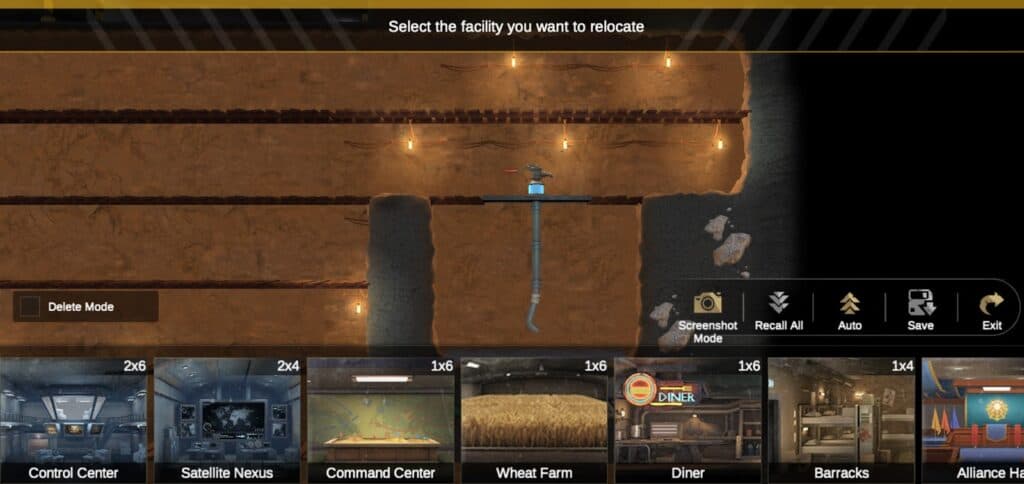
Last Fortress treats the bunker as both workplace and launchpad. Official listings describe expandable facilities, survivors with life skills, research, expeditions, and forward camps that gather resources. When building and technology goals compete, choose a facility for the base, research for wider defenses, or an outside camp and team for supplies. Specialist survivors make staffing one part of a wider resource plan.
Alliance play shapes the return loop: check construction and research, then help accelerate a member’s project or focus on your own next goal. This is a long-running campaign, not a contained room puzzle. It suits players who enjoy base growth, camps, heroes, and alliance tasks; those wanting simple staff-to-room assignments may find the systems too wide. When supplies pinch, compare what each project unlocks before committing.
The verdict
Choose it for facilities, camps, research, and alliance goals.
Sheltered
Scouts leave a small household short-handed.
- Shelter building
- Exploration
- Crafting
- Permanent progress
- Platforms
- iPhone/iPad confirmed; current Android listing unconfirmed.
- Price model
- Paid mobile download; price varies by region.
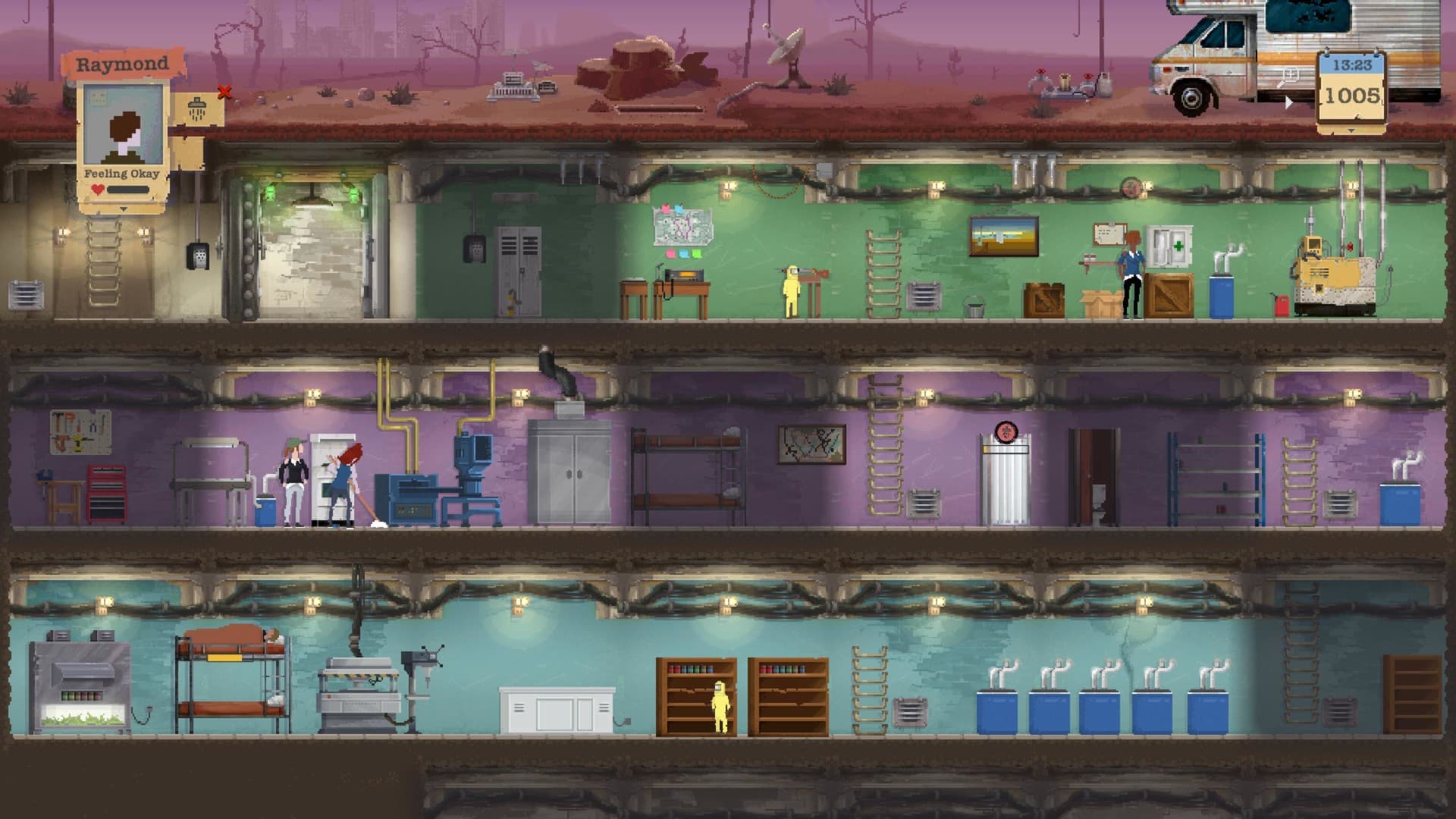
Sheltered makes an expedition cost more than the scout’s absence. Team17’s guide says farther destinations consume more water, so a long search may bring supplies home but spends water the family needs now. Food and water are already tight early on. Choose who can scout, how far to send them, and which chores those left behind can cover; this is a household-budget choice, not just a vacant job.
Tired returnees need a bed before another trip, so someone must make room and keep home functional. Eating and crafting dirty the shelter; if nobody cleans, rats eat rations. Beds, water, hygiene, fuel, and food compete with crafting and repairs. That makes Sheltered richer and harsher than Fallout Shelter’s room assignment: it suits players who enjoy tracing shortages to daily choices. Combat is turn-based and a last resort.
The verdict
Choose it for water, fatigue, and household tradeoffs.
This War of Mine
Daytime upkeep; nighttime scavenging.
- Shelter building
- Exploration
- Crafting
- Platforms
- Android and iPhone/iPad; availability varies by region.
- Price model
- Paid game; additional content sold separately.
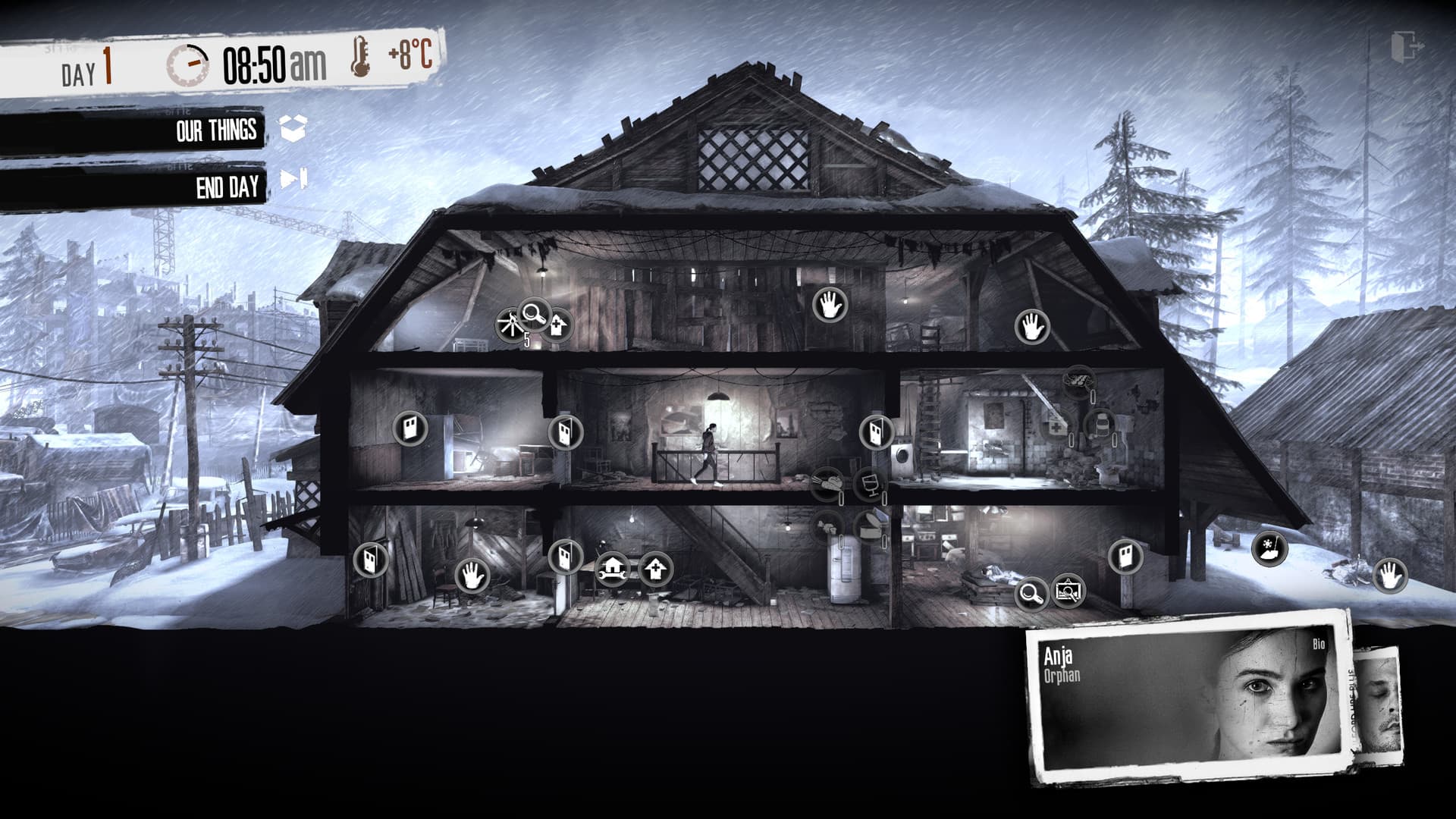
This War of Mine turns each night into a roster decision. Daylight is for crafting, trading, and caring for survivors while snipers keep the group inside. At night, choose who scavenges, guards, or sleeps. A low food or medicine stock argues for an outing; a guard protects the hideout, while rest gives survivors capacity for tomorrow. The haul matters, but so does the condition of those left behind.
At daybreak, check what came home and who is tired, injured, or sick before assigning chores. Someone needing rest or treatment is one fewer pair of hands for repairs and supplies, so a risky outing can deepen tomorrow’s shortage. This fits players who want staffing choices to carry emotional weight, but its bleak civilian-war setting and survival pressure are far from a casual camp routine. Combat can often be avoided.
The verdict
Pick it for night choices that shape tomorrow.
State of Survival: Zombie War
Settlement growth inside a war campaign.
- Shelter building
- Permanent progress
- Co-op
- Tactical combat
- Platforms
- Android and iPhone/iPad; availability varies by region.
- Price model
- Free with in-app purchases; Play discloses random items.
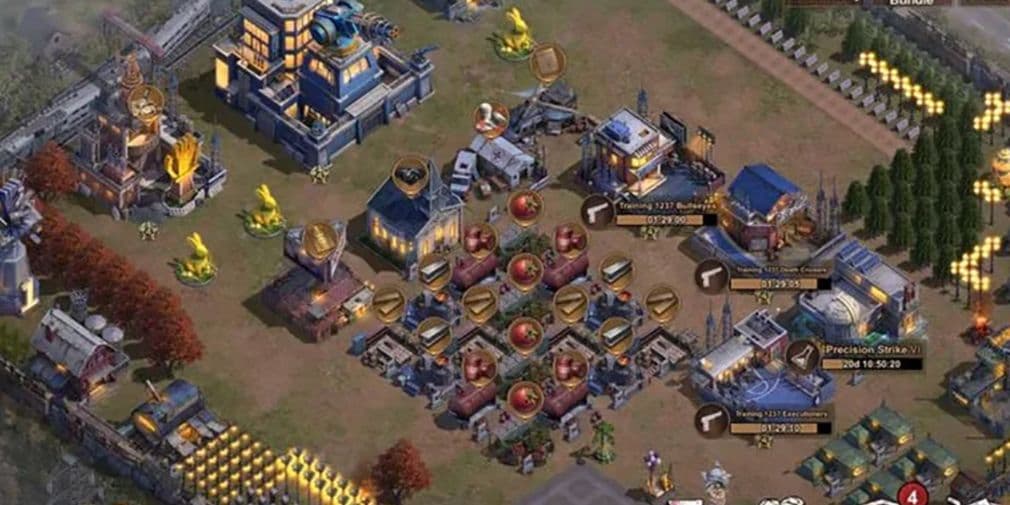
State of Survival treats the shelter as a resource engine for a wider war. Official listings group building upgrades, resource collection, research, troop training, heroes, defenses, and alliances. When supplies come in, choose whether to fund shelter growth, research for stronger defenses, or troops and heroes for alliance goals. Each route advances a different system; the bottleneck is what gets priority, not which resident fills each room.
The return rhythm is to check base projects and strategic goals, advance a building or research path, then prepare a squad for defense or alliance activity. This suits players who want a camp that grows into a strategy game. It is less direct for anyone focused on resident-to-room assignments, and its wider menu takes more learning.
The verdict
Choose it for camp growth tied to troop plans.
How we compare
A good recommendation explains who a game suits and where it falls short. Our editorial scores use the same five criteria, each rated out of ten.
- 01
Combat
Controls, aiming, enemy readability, and the decisions you make under pressure.
- 02
Progression
Build choices during a run and meaningful progress between attempts.
- 03
Usability
Control demands, platform access, interface options, and documented device requirements.
- 04
Value
What the asking price includes, optional purchases, and the scope of the free version.
- 05
Fit
How well the game answers the specific question in this article.
Which one should you try?
For clear room jobs, start with Fallout Shelter. Sheltered and This War of Mine make departures costly; Last Fortress and State of Survival broaden the strategy layer. Zombie Defence links staffed bays to Scrap runs.
Your questions, answered.
Want to see what we’re building?
Zombie Defence is in Alpha. Join the waitlist.
More games to explore
- 7 Best Shelter Management Games in 2026
Compare seven shelter and colony management games, from Fallout Shelter's room assignments to resource-heavy survival, resident care, and zombie expeditions.
- 7 Best Games With Underground Shelters
Find an underground home worth keeping alive, from Zombie Defence’s working shelter to Fallout Shelter’s vaults and Oxygen Not Included’s intricate colonies.
- 3 Mobile Survival Games for Short Sessions + One Alpha to Watch
Compare three mobile survival games by their real pause, save, and return points, then see what Zombie Defence offers in a browser Alpha.