The Last Stand: Aftermath review: make your last trip count
A doomed survivor, a hungry car and one more building to search. Aftermath makes the next run matter before this one is over.
Zombie Defence Editorial Team ·
Based on official documentation and gameplay imagery.
Your survivor is already infected. The car still needs fuel, the next building might contain something useful, and the disease has started offering upgrades. The Last Stand: Aftermath turns a doomed road trip into a remarkably tempting chain of bad ideas.
Its strongest trick is giving those ideas a future beyond the person attempting them. A volunteer can die while the expedition still achieves something. That tension between a disposable life and lasting progress gives this single-player zombie roguelite its bite.
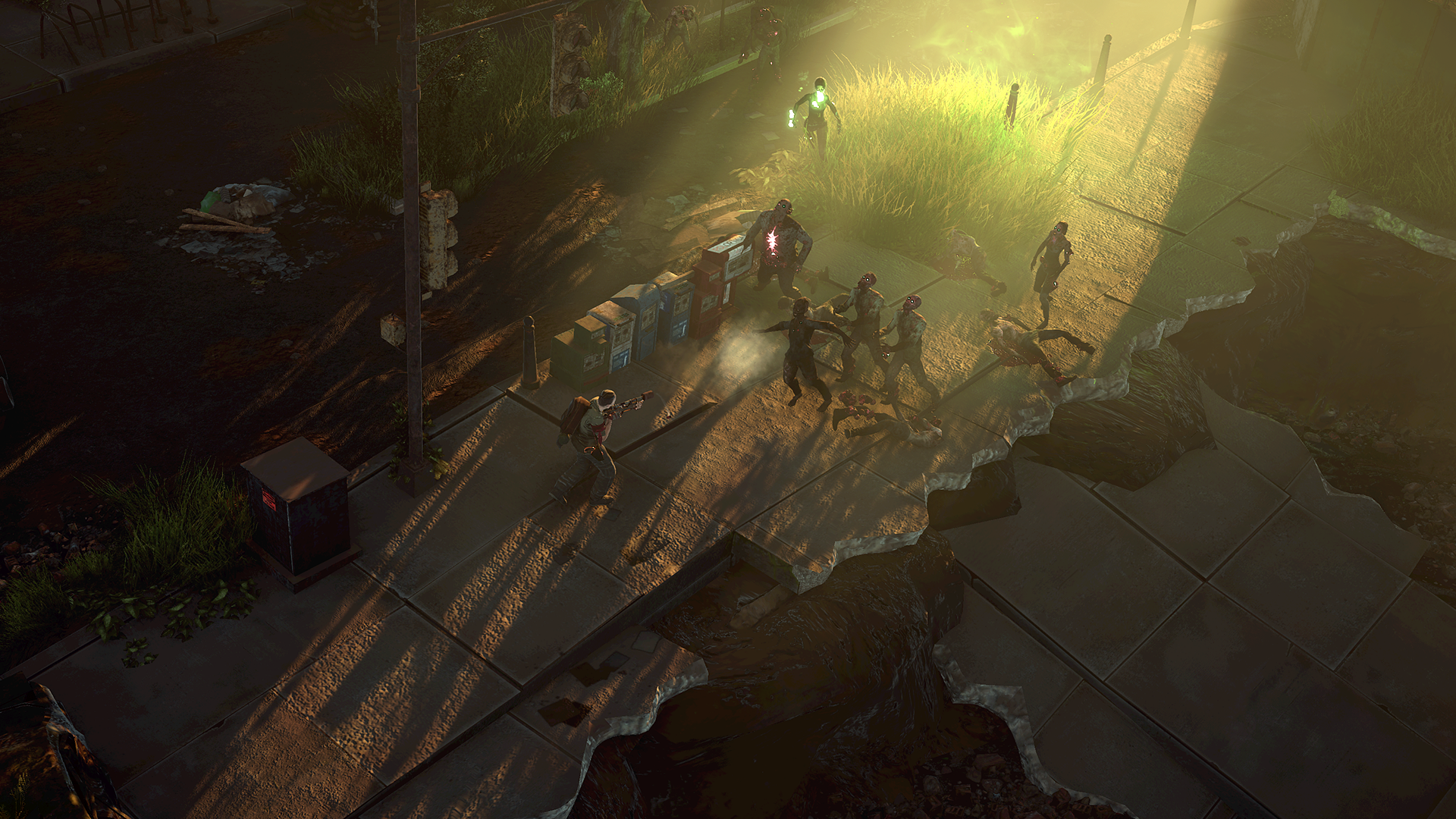
One more stop, then we leave
Aftermath sends you scavenging through ruined locations, searching for fuel to continue the journey and supplies to keep your current survivor functioning. The immediate question is wonderfully small: do you have enough to leave? The dangerous follow-up is whether leaving now wastes an opportunity.
That creates better stakes than simply clearing every room. A detour has to justify itself against your condition and equipment. A healthy survivor can afford curiosity; a struggling one needs an exit. Sometimes the smartest loot decision is walking past a perfectly good building.
The car gives these expeditions a useful shape. Fuel is a reason to move through hostile spaces rather than merely admire them. You are assembling the next leg of a journey, which keeps scavenging tied to an objective instead of becoming an endless cupboard-opening hobby.
The worst upgrade programme in town
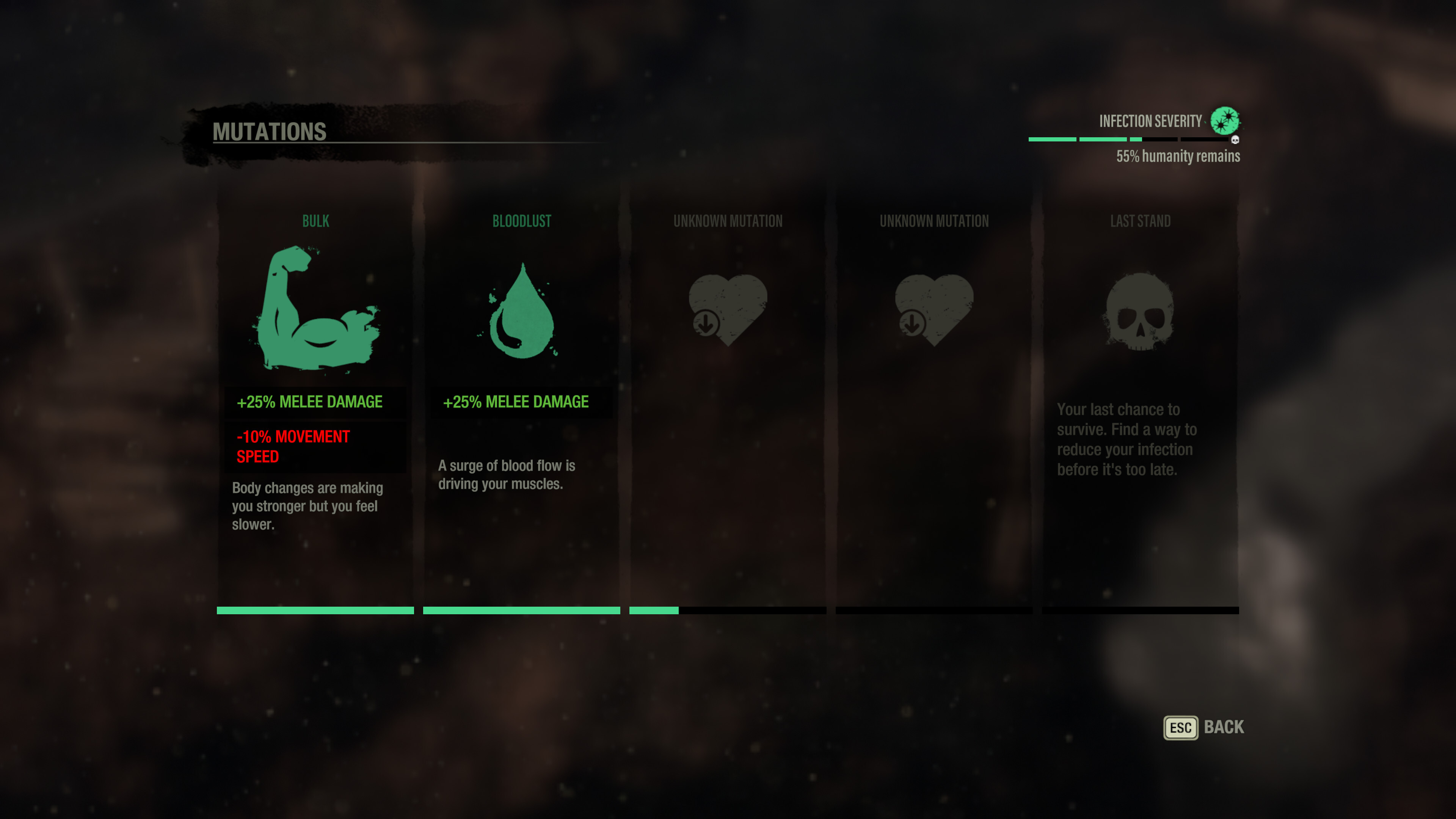
Infection is more interesting than another hunger meter. As it progresses, your maximum health falls, but mutations offer new advantages. Getting stronger and getting closer to death happen together. The game turns its central threat into something you might actually want a little more of.
The mutation screen captures that awkward bargain neatly: melee bonuses sit beside drawbacks such as reduced movement speed. A damage increase is attractive until you remember that escaping is also a combat skill. The useful choice depends on the survivor you have, not an imaginary perfect build.
Antiviral medicine buys time rather than curing the problem. That makes prolonging a run a tactical decision instead of a promise of safety. You can try to preserve your health ceiling, or exploit the power your deteriorating body offers. Neither plan makes the virus a trustworthy business partner.
Pick the fight you can afford
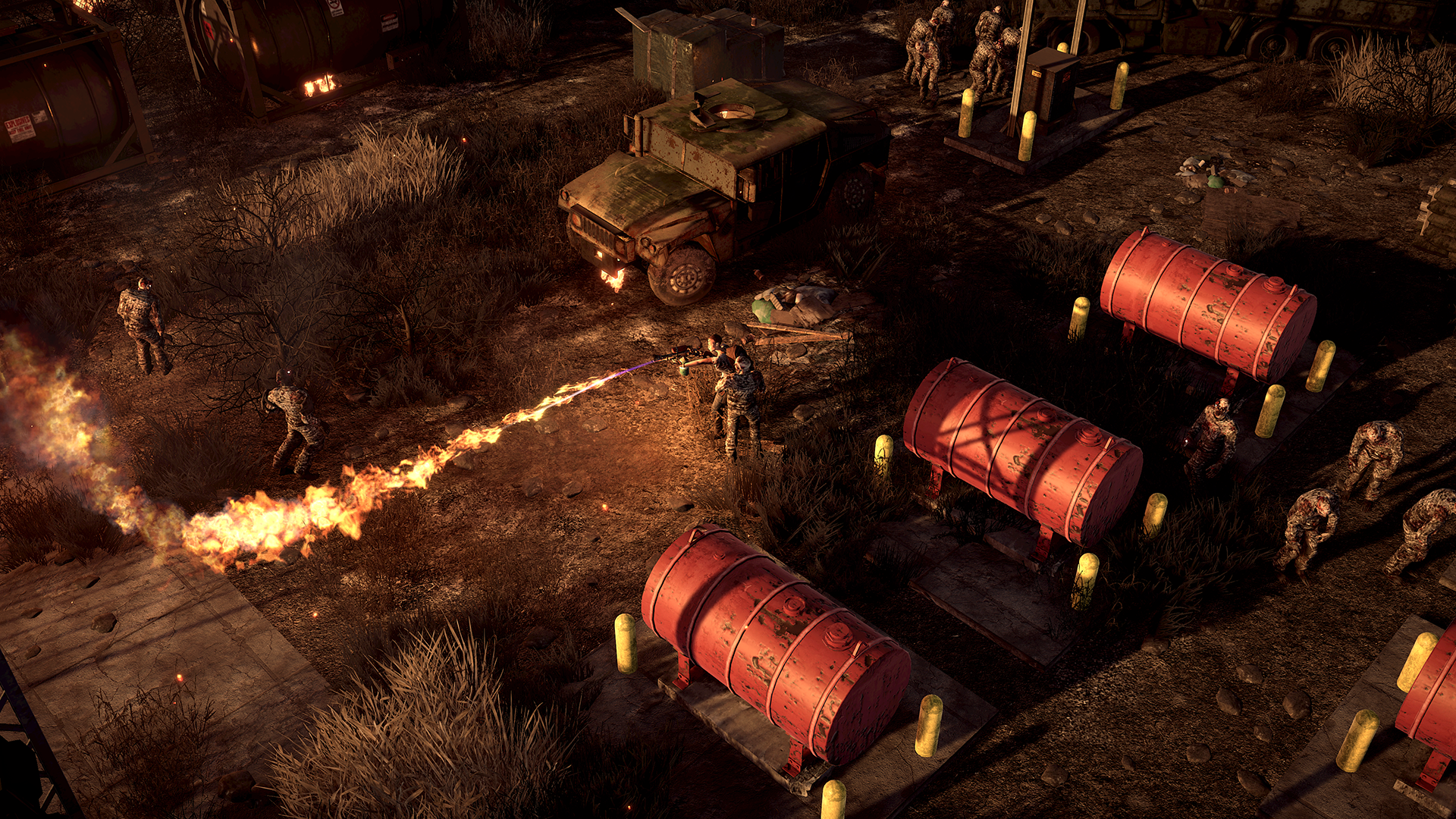
Sneaking and fighting belong to the same survival plan. Aftermath supports guns, melee weapons and more extravagant answers, including a flamethrower, but an arsenal does not remove the need to read a situation. Special infected complicate the calculation beyond counting the nearest shambling bodies.
Consider a narrow route with enemies approaching from several directions. Spending ammunition to open an escape can be sensible; committing to a full clear simply because you brought a gun is a different proposition. The best target may be the one blocking your way out.
That is the appeal of this combat model: violence has a job to do. It protects a search, secures a route or rescues a bad decision. Players who want uninterrupted crowd deletion may find the surrounding scavenging fussy, but that friction gives each fight a reason to matter.
Your backpack is charging interest
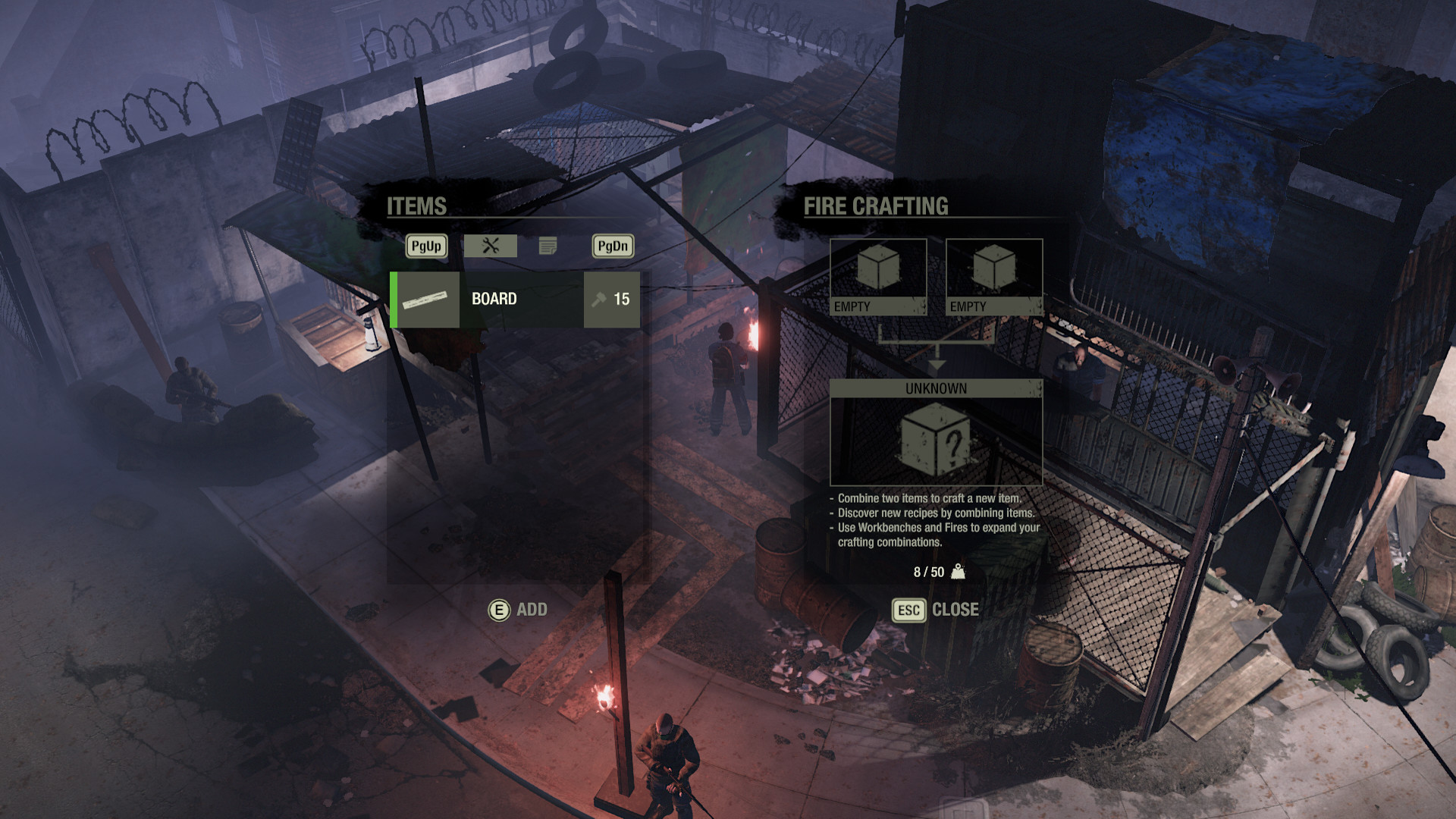
Crafting makes the rubbish worth considering. Combine materials into new items, with fires and workbenches expanding the possibilities. The temptation is to keep everything for later, a philosophy that works beautifully until later arrives with teeth and your backpack weighs more than your ambitions.
The updated encumbrance system pushes back in stages, reducing movement speed and increasing stamina costs as you exceed your limit. Those penalties connect inventory housekeeping directly to survival. A spare item is only valuable if carrying it does not undermine the escape it might someday support.
Backpack upgrades and Sector Stashes soften the squeeze. The stashes in later sectors let you leave equipment for subsequent use, turning surplus into preparation. It is a smart alternative to the usual binary choice between hoarding absolutely everything and abandoning anything that will not fit.
Leave the next volunteer something useful
The survivor is temporary; your progress is not entirely temporary. New volunteers benefit from unlocks and upgrades earned through previous attempts. That changes how failure reads. Losing a character can still sting without making every useful discovery on the road feel like a clerical error.
Knowledge, supplies and equipment give the journey different kinds of reward. Something that helps immediately competes with something that improves your broader position. The satisfying decision is recognising which problem actually needs solving: surviving the next encounter or making the next expedition less desperate.
This is also where Aftermath asks for patience. You are accepting another start, another round of scavenging and another vulnerable person in exchange for a stronger long-term footing. If repeated beginnings sound like punishment, the clever inheritance system will not magically turn them into your favourite activity.
Suburbia has developed a problem
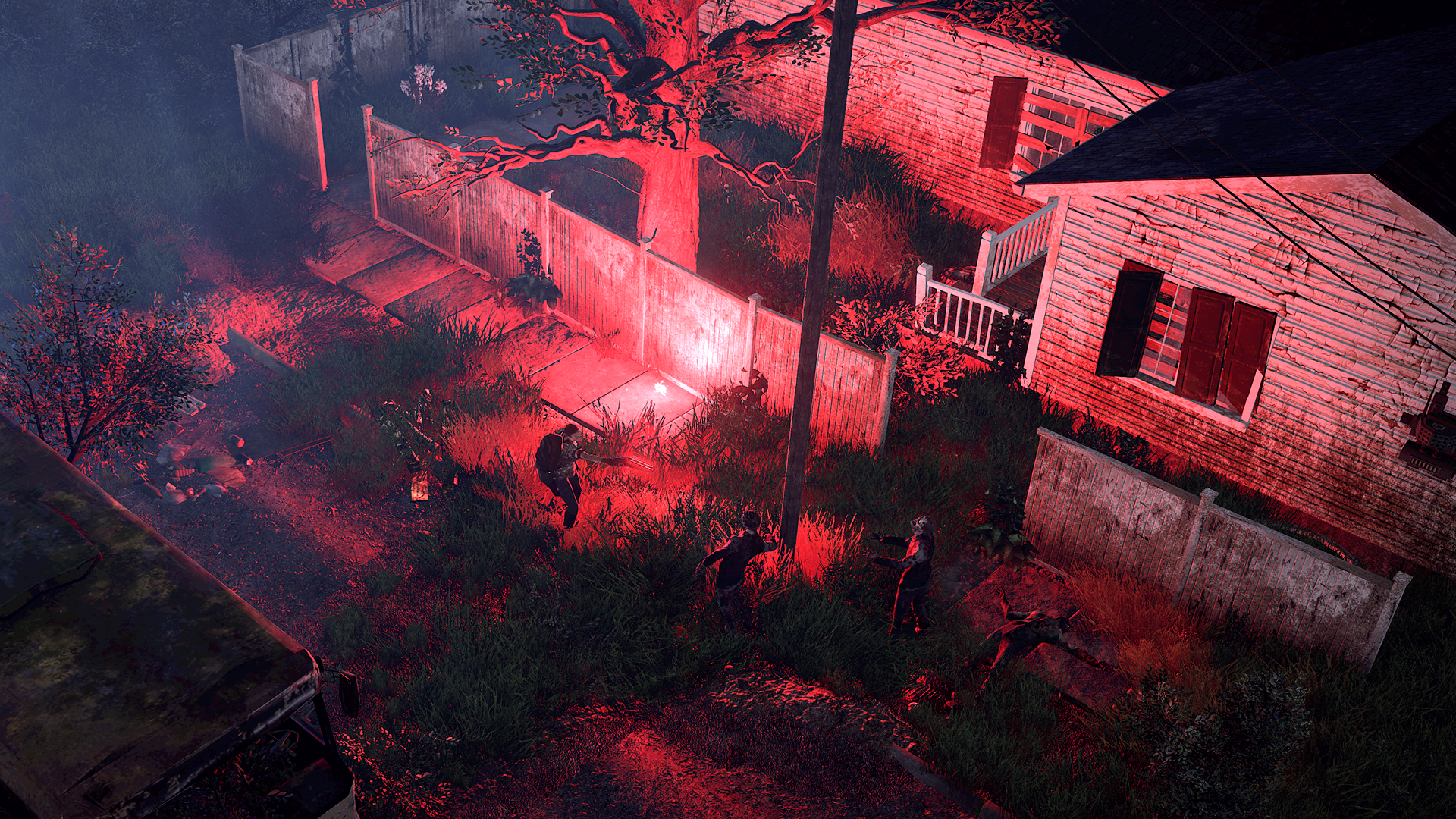
The visual character sells the journey. Boarded houses, broken roads and overgrown gardens remain recognisable enough to feel unpleasantly ordinary. Red flare light across a suburban fence does more atmospheric work than another pile of decorative skulls. Someone used to complain about the lawn here.
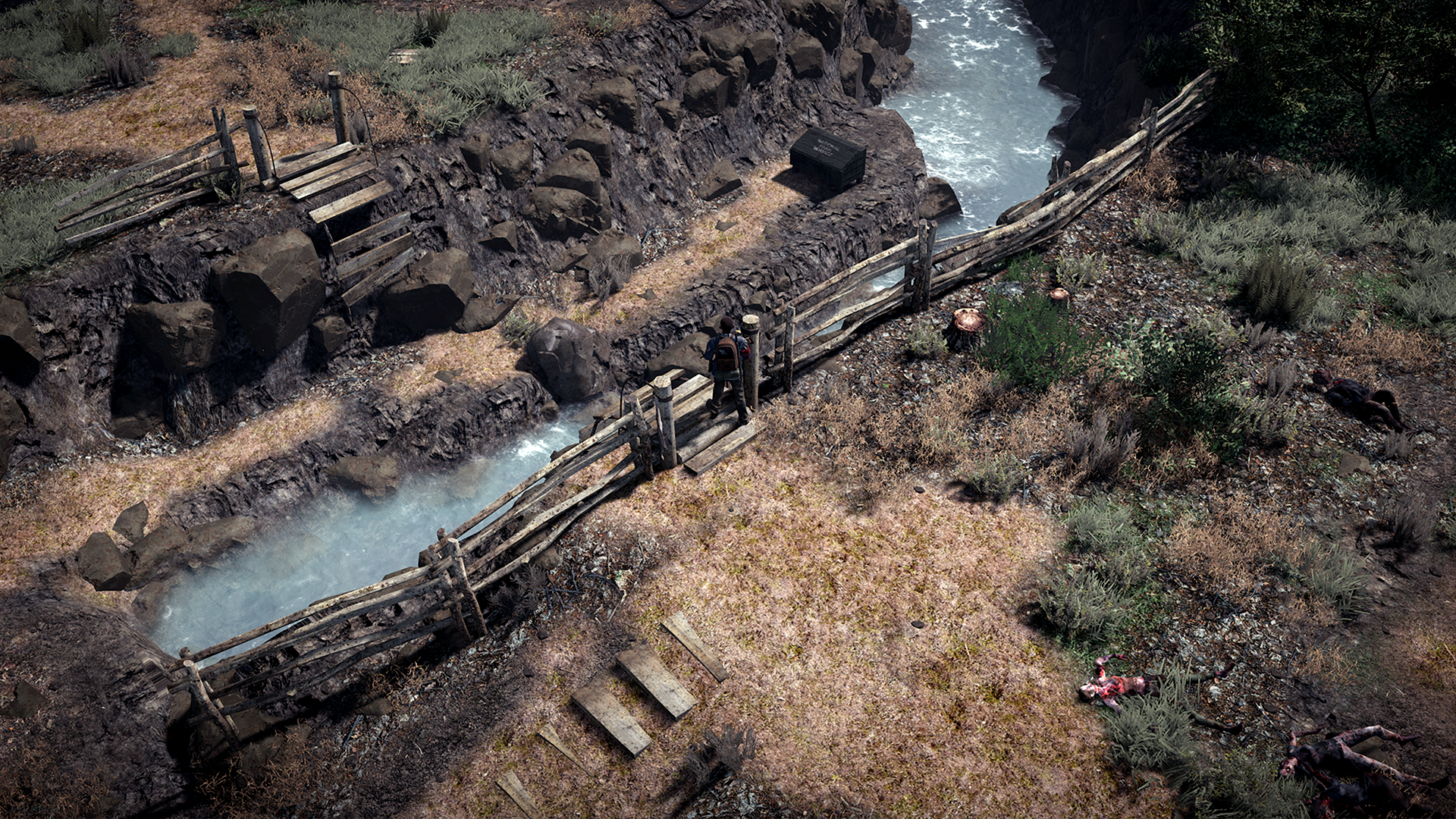
The landscape also has room to change. Rocky crossings and industrial yards break up the residential ruins, while the v1.2 update added seven maps and the Oil Fields and Desert location types. Those additions support the road-trip premise without turning it into a different kind of game.
The trade-off is that its pleasures remain focused: scavenging, surviving, mutating and carrying something forward. Aftermath is strongest when those systems pull against each other. Expecting a leisurely settlement project from this premise is like booking a spa weekend in an evacuation zone.
What this PC edition includes
This assessment covers the Windows PC base game from Con Artist Games, published by Armor Games Studios and released on November 16, 2021. It is a standalone, single-player purchase. The Steam bundle also includes The Last Stand Legacy Collection, a separate product rather than an Aftermath expansion.
The PC game's documented additions include the encumbrance and stash changes from v1.1 and the weapons and locations added in v1.2. Its value rests on whether you enjoy rebuilding momentum across runs. The mutation-and-inheritance combination gives that familiar structure a distinctive reason to keep going.
Strengths
- Infection creates a sharp power-versus-survival bargain.
- Persistent upgrades make doomed expeditions useful to their successors.
- Fuel, crafting and equipment weight give scavenging concrete stakes.
- Ruined everyday spaces give the road trip a convincing mood.
Tradeoffs
- Repeated starts ask you to enjoy the scavenging routine itself.
- Inventory pressure interrupts the flow of combat.
- The infection clock discourages leisurely, exhaustive exploration.
Who it suits
- Solo players who enjoy making difficult resource decisions under pressure.
- Roguelite fans who want progression tied to a grounded survival journey.
- Zombie-action players who value tactical restraint alongside firepower.
Verdict
The Last Stand: Aftermath earns its recommendation by making survival useful even when it cannot be permanent. Fuel, infection, equipment weight and inherited progress pull your decisions in different directions, producing a zombie adventure with more on its mind than finding a larger gun.
Choose it for a tense solo journey where knowing when to leave matters as much as knowing what to kill. Pass if repeated scavenging and replacement survivors drain your enthusiasm. For the right player, the next volunteer is an invitation, not merely another name on the casualty list.
PC base game
Review score: 8.4 / 10
- Combat
- 8.6 / 10
- Progression
- 8.9 / 10
- Usability
- 7.6 / 10
- Value
- 8.5 / 10
Windows PC base game; released November 16, 2021.
Single-player standalone game, including its documented PC updates.
The Last Stand Legacy Collection is a separate product in the Steam bundle; console editions are outside this assessment.
The review score averages the applicable Combat, Progression, Usability and Value scores, rounded once to one decimal. Fit is specific to each comparison and is excluded.
Is The Last Stand: Aftermath multiplayer?
No. Aftermath is a single-player action roguelite. You control one survivor at a time, with a new volunteer taking over after a death. There is no cooperative campaign in the PC edition.
Does infection eventually kill your survivor?
Infection is a central threat that lowers maximum health as it progresses and unlocks mutations. Antiviral medicine can slow that progression, but it is not a cure or a guarantee of survival.
Do you lose all progress when you die?
No. The current survivor is lost, but successors benefit from progress-based unlocks and upgrades. That persistent layer gives expeditions a purpose beyond keeping one particular character alive for as long as possible.
Is this the same game as The Last Stand Legacy Collection?
No. Aftermath is a standalone game. Legacy Collection is a separate product that can be bought alongside it in a Steam bundle; owning or playing the collection is not required for Aftermath.
What did the PC content updates add?
Version 1.1 added Sector Stashes, backpack upgrades and revised encumbrance. Version 1.2 added craftable weapons, seven maps and Oil Fields and Desert locations. These are documented game updates rather than a separate edition.
Sources
- Steam: PC base game, modes and purchase boundary ·
- Armor Games Studios: release and official press kit ·
- Official game website: infection, crafting and the survivor loop ·
- Con Artist Games: mutation and antiviral design ·
- Official v1.1 update: encumbrance, backpacks and Sector Stashes ·
- Official v1.2 update: weapons and new locations ·