7 Best Zombie Roguelites in 2026: Six Games to Play and One Alpha
A death can erase a veteran, pass perks to a successor, or leave long-term upgrades in place. Choose by the risk you want to take.
In a zombie roguelite, the important question is not only how a run ends; it is what that ending takes with it. One game can permanently lose a veteran, another can hand a dead survivor’s perks to a successor, while a third keeps account upgrades but asks you to rebuild your next loadout.
These seven picks connect zombie combat to a lasting layer in different ways: six are released games you can play on their listed platforms, and Zombie Defence is an in-development browser Alpha included for its implemented expedition-and-shelter loop. The entries explain what resets, what carries forward, and which decisions make each run feel different.
The quick comparison
7 games, different reasons to give the next run a chance.
Choose a game to jump to its overview. Platform lists are summaries; check the linked official edition.
The games
The Last Stand: Aftermath
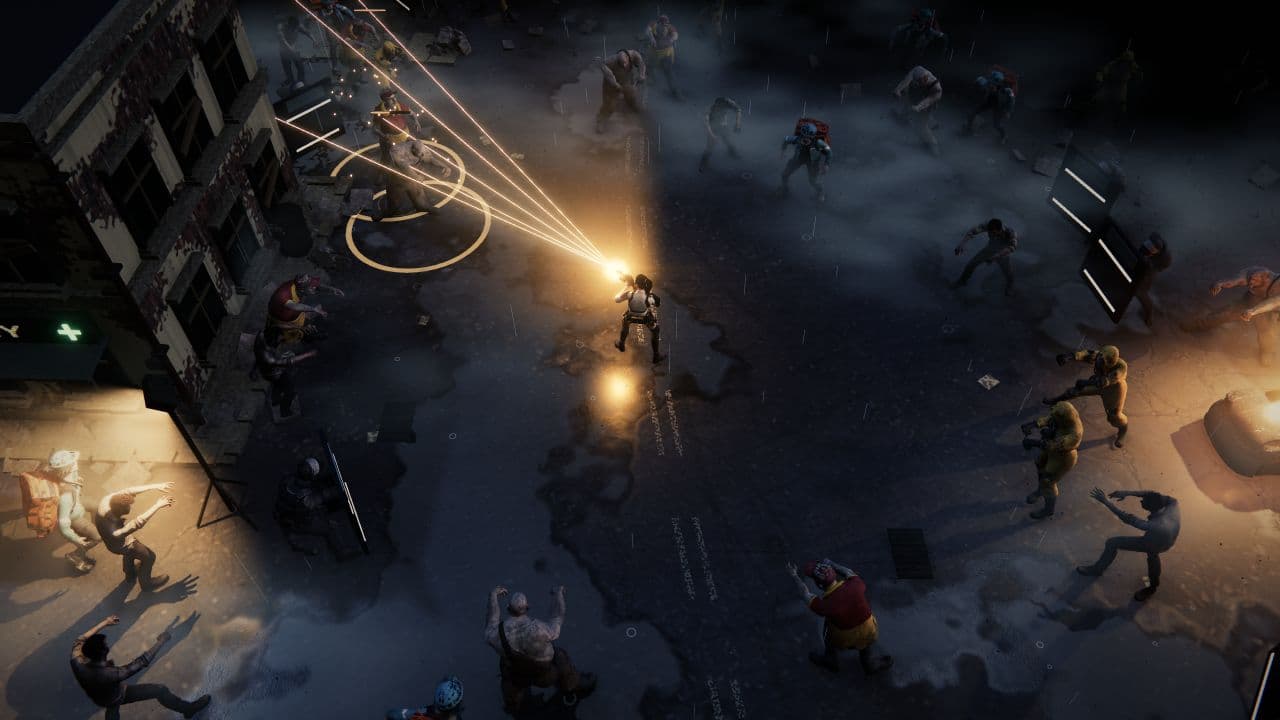
A fuel-and-supplies road trip where a survivor's death passes earned perks to the next.
- Roguelite
- Exploration
- Crafting
- Permanent progress
- Platforms
- PC (Steam, Epic Games Store, GOG); PlayStation 4/5; Xbox Series X|S
- Price model
- Paid game
Each trip follows one infected survivor through ruined locations. Search for parts, medicine, ammunition, and food, then decide whether a building is worth the risk or whether to sneak past its infected. Fuel limits how freely you can move between stops, while crafted supplies and weapons give scavenging a direct purpose. Infection keeps advancing; mutations can make the survivor stronger, but the disease also makes the outing a race against time.
When that survivor dies, the next one continues with perks and upgrades earned across earlier attempts. The person is lost, but campaign progress survives, so the handoff changes who you are protecting rather than resetting everything. The tradeoff is a more deliberate route-and-resource adventure than a pure arena horde. Choose Aftermath if you want each death to pass a small advantage forward while still making the current survivor's decisions matter.
The verdict
Pick it for a zombie road trip where a survivor's death advances the campaign instead of erasing its accumulated perks.
FatalZone
Mercenary survival runs feed camp upgrades, but a dead veteran is gone for good.
- Roguelite
- Squad builds
- Shelter building
- Permanent progress
- Platforms
- Windows via Steam
- Price model
- Paid game
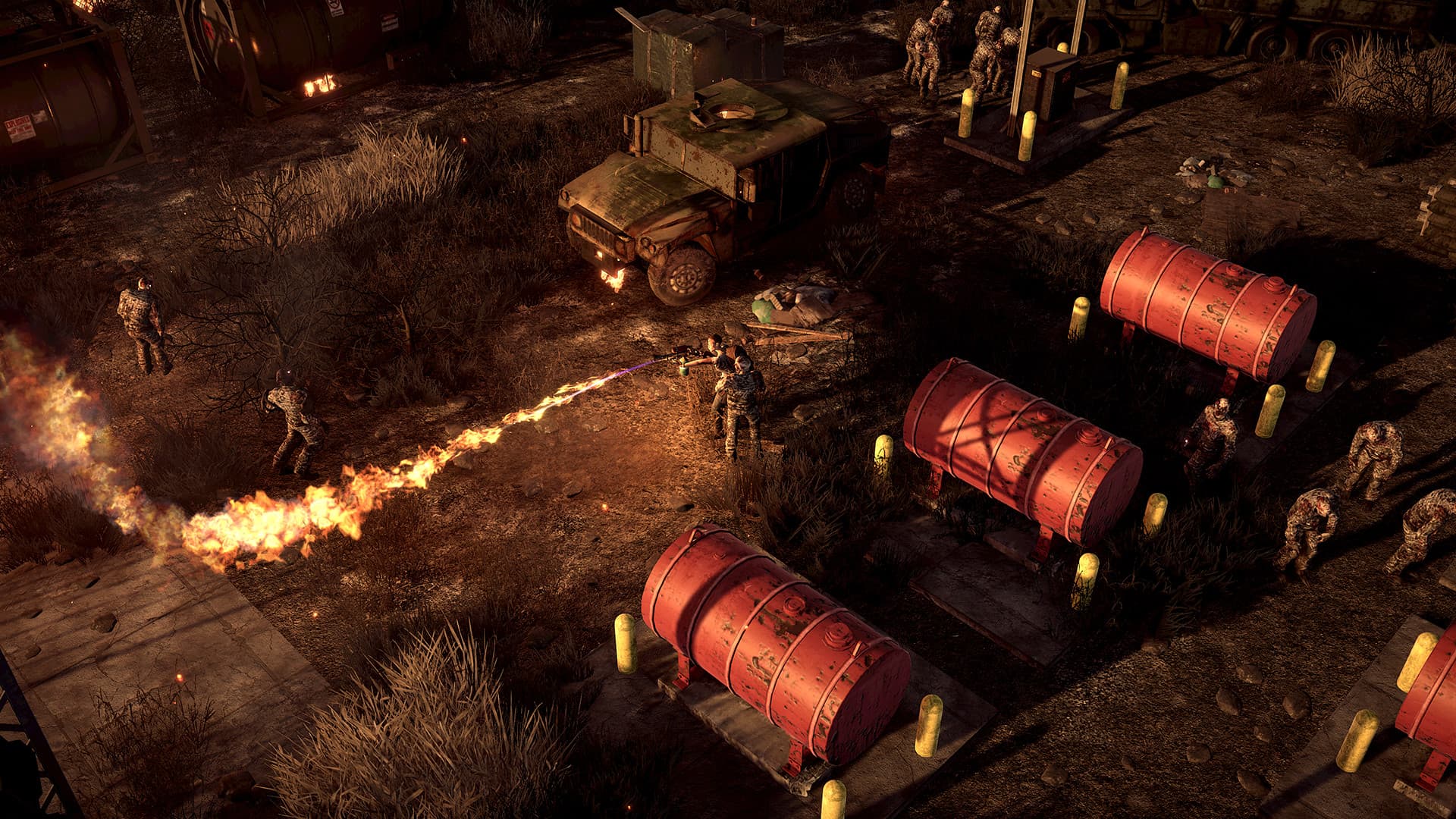
FatalZone sends a chosen mercenary into an auto-shooting zombie arena. You steer through the horde, gather resources, and shape the run with weapon and skill upgrades while the character attacks automatically. Virus exposure can lead to helpful or harmful mutations, so infection may strengthen a build even as it raises the stakes. An evacuation helicopter lets you leave early: take the haul you have, or stay longer and risk the survivor who earned it.
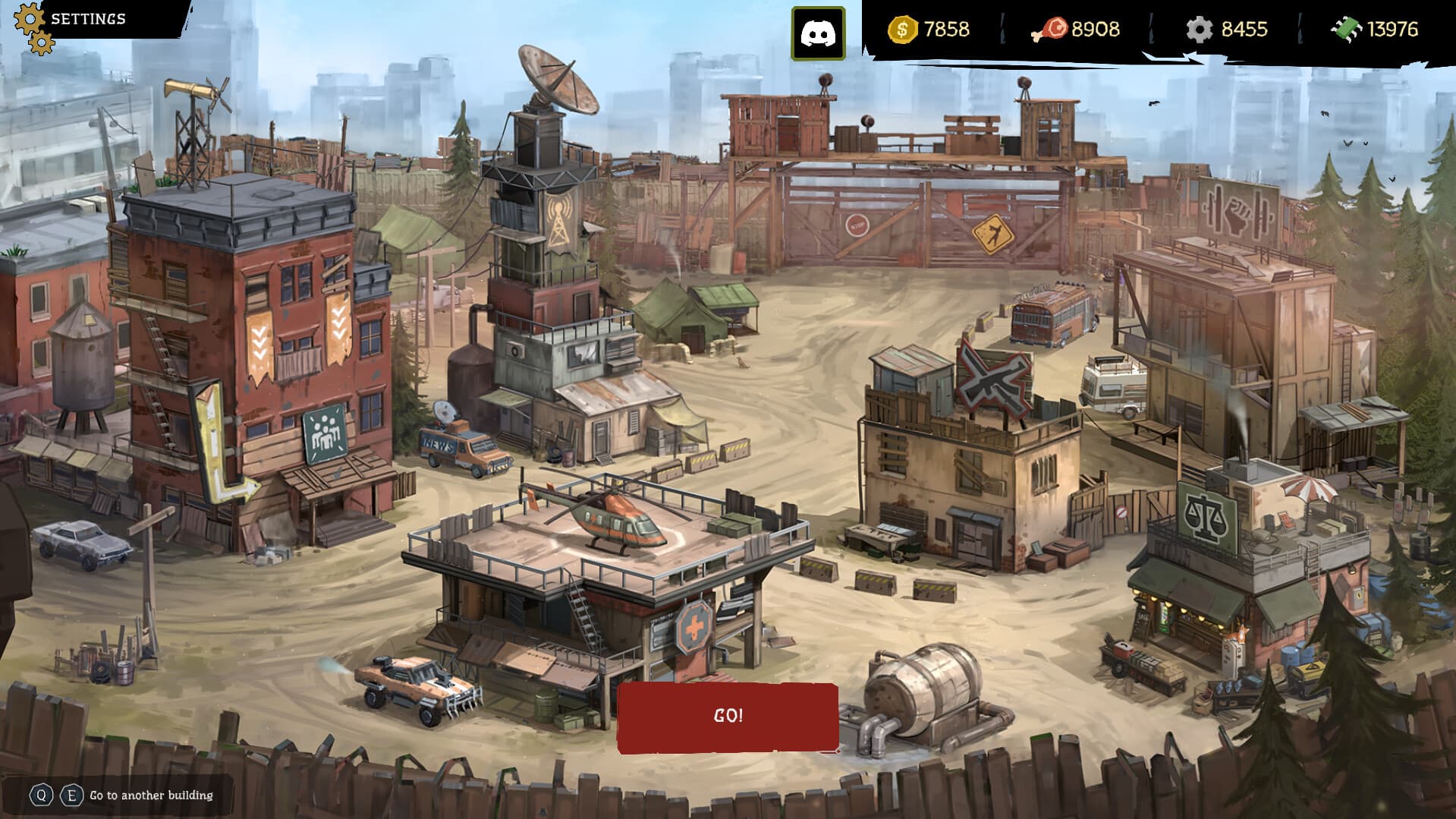
Back at camp, buildings unlock buffs, training, recruitment, and equipment; surviving mercenaries can gain experience across missions. A fatal run can permanently remove that specific veteran, giving recruitment and camp growth real consequences. Combat asks you to manage position and skills rather than manually select targets or time shots. FatalZone suits players who like a roster-management layer behind the horde, especially if deciding when to extract matters as much as the build itself.
The verdict
Choose FatalZone for survivor management where a successful extraction can preserve a veteran and a failed one can cost them.
Death Road to Canada
A party-based zombie road trip with permanent character and perk unlocks between attempts.
- Roguelite
- Co-op
- Exploration
- Permanent progress
- Platforms
- Windows, macOS, and Linux via Steam
- Price model
- Paid game
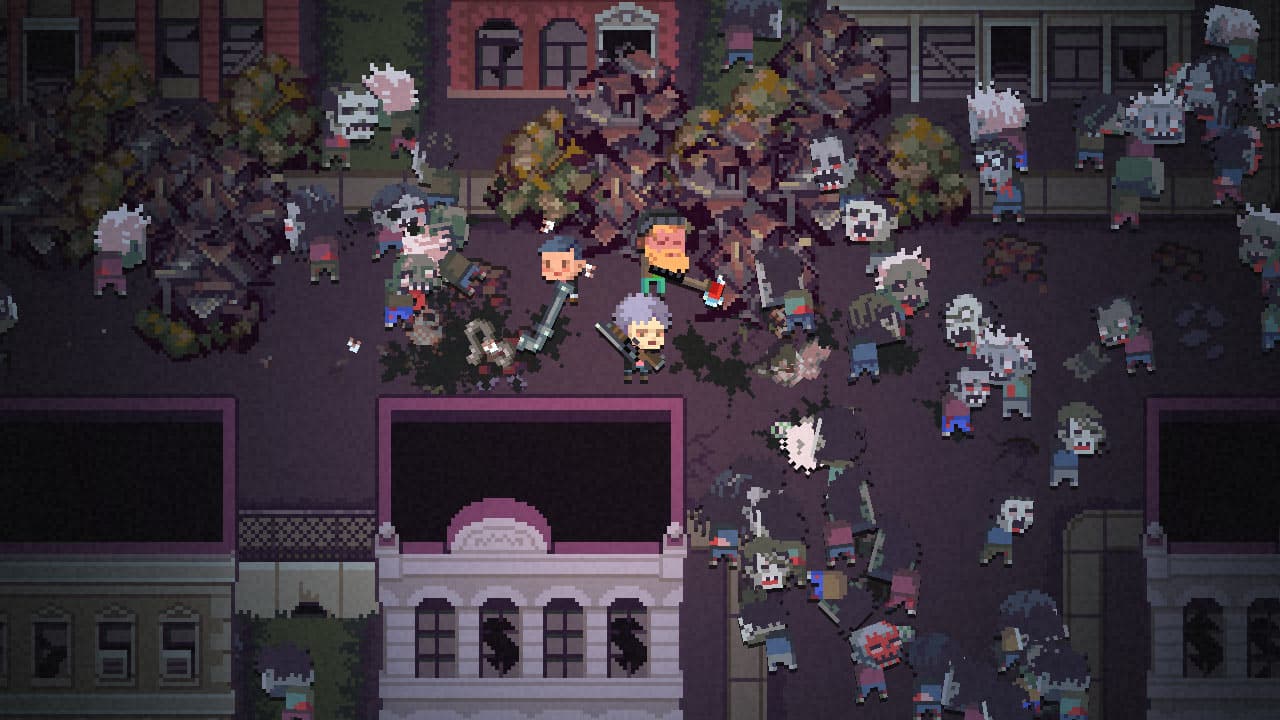
Every attempt assembles a new road party and route through randomized stops, scavenging, and zombie attacks. Your group needs food, weapons, and capable survivors, so a risky detour can improve supplies while leaving the party tired or short-handed. When a character dies, they are gone for the rest of that trip; losing the person with a useful skill can change which events or fights feel manageable. Local co-op lets up to four players share the trip and its bad decisions.
The long-term layer uses Zombo Points earned in runs to open perks, traits, passive bonuses, and special characters. A failed trip can still buy future options, but it will not save the characters or supplies you gathered on that particular journey. That makes Death Road to Canada less about protecting one veteran forever and more about rebuilding a workable party around the losses. Pick it for unpredictable road events, party risk, and a persistent unlock pool rather than a fixed shelter economy.
The verdict
Pick it for a party roguelite where losses reshape the current trip and Zombo Points expand later attempts.
Deadly Days: Roadtrip
A bullet-heaven road trip built around inventory packing, supplies, and extraction timing.
- Roguelite
- Extraction
- Loot builds
- Crafting
- Platforms
- Windows via Steam (Early Access)
- Price model
- Paid Early Access game
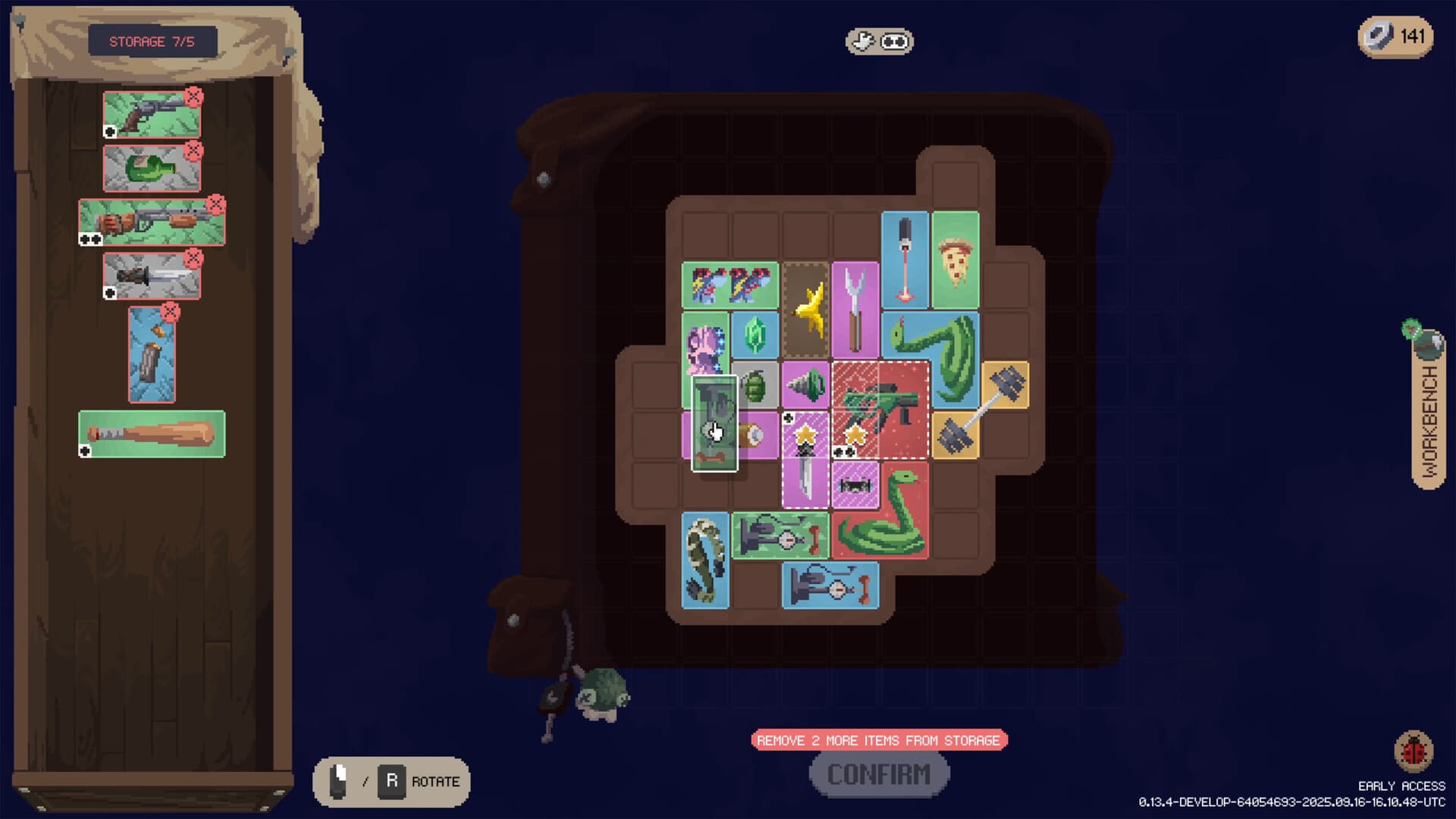
Deadly Days: Roadtrip turns a zombie outing into a packing problem as well as a fight. You collect equipment and supplies, arrange items in a limited backpack, and decide when it is worth heading back to the bus instead of searching farther. The shape and placement of the gear grid can affect what fits together, so a strong find may force a less useful item out. That makes the run's immediate choices tactile while the fight unfolds as a dense bullet-heaven barrage.
The survivor roster is the clearest lasting layer: rescued characters bring distinct talents and weapons into later trips. During each outing, you arrange gear blocks to stack adjacency effects, combine items, and decide when to head back to the bus. Inventory management can interrupt continuous fighting, but it gives loot choices a physical shape. On 13 October 2026, Steam still listed the game in Early Access, with 29 October 2026 as its planned 1.0 date. Choose it for extraction decisions and limited-space loot planning.
The verdict
Choose it for bullet-heaven fights paired with a meaningful choice about what to carry and when to return.
Yet Another Zombie Survivors
Default auto-aim and optional manual focus sit alongside survivor synergies and team-building choices.
- Roguelite
- Squad builds
- Fast-paced
- Permanent progress
- Platforms
- Windows via Steam; PlayStation 4/5; Xbox One and Xbox Series X|S
- Price model
- Paid game; a free Steam demo is available
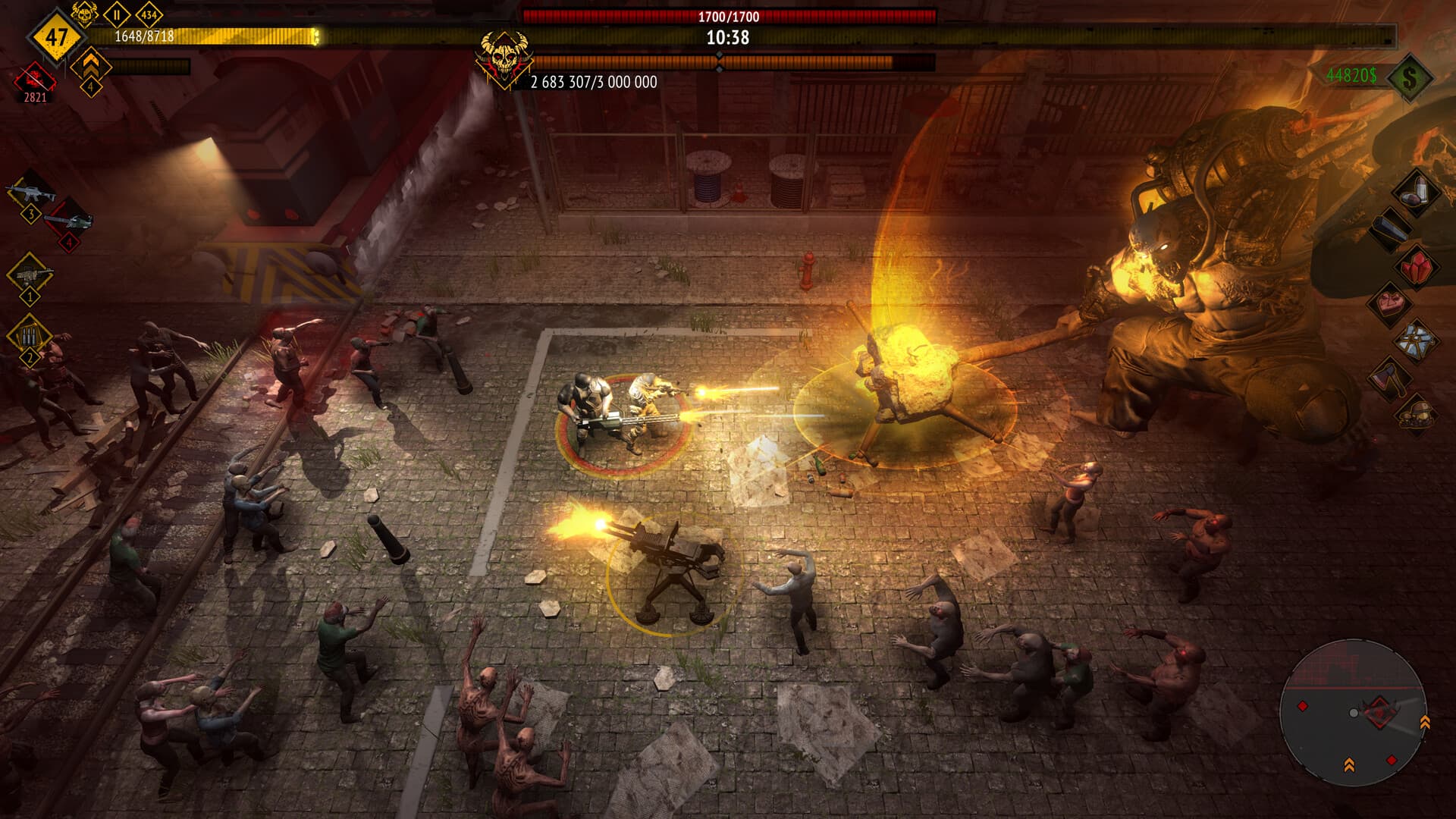
Each run starts with one survivor; answer SOS calls to recruit up to two more, then shape the squad around distinct roles. Their weapons, skills, and synergies build a team as you move through the horde. The squad auto-aims by default, but optional manual aiming lets you focus fire on a priority target. Positioning and team composition still drive combat, while each run’s upgrades change the team’s coverage and damage pattern.
Between attempts, permanent squad upgrades carry over, while the Survivor Base adds character missions, conversations, and radio story beats. This is a narrative hub; there is no production economy to feed. Each run lets you build around its weapons, perks, and support skills. Choose Yet Another Zombie Survivors for squad synergies and account progression, with auto-aim for crowds and optional manual aim for priority targets.
The verdict
Pick it for squad synergies and lasting upgrades, with auto-aim for crowds and optional manual aim for priority targets.
Zombie Waves
One-handed auto-aim combat combines short-term skill choices with hero and gear progression.
- Roguelite
- Short runs
- Loot builds
- Permanent progress
- Platforms
- Android and iPhone/iPad
- Price model
- Free download with ads and in-app purchases; Google Play discloses purchases that include random items
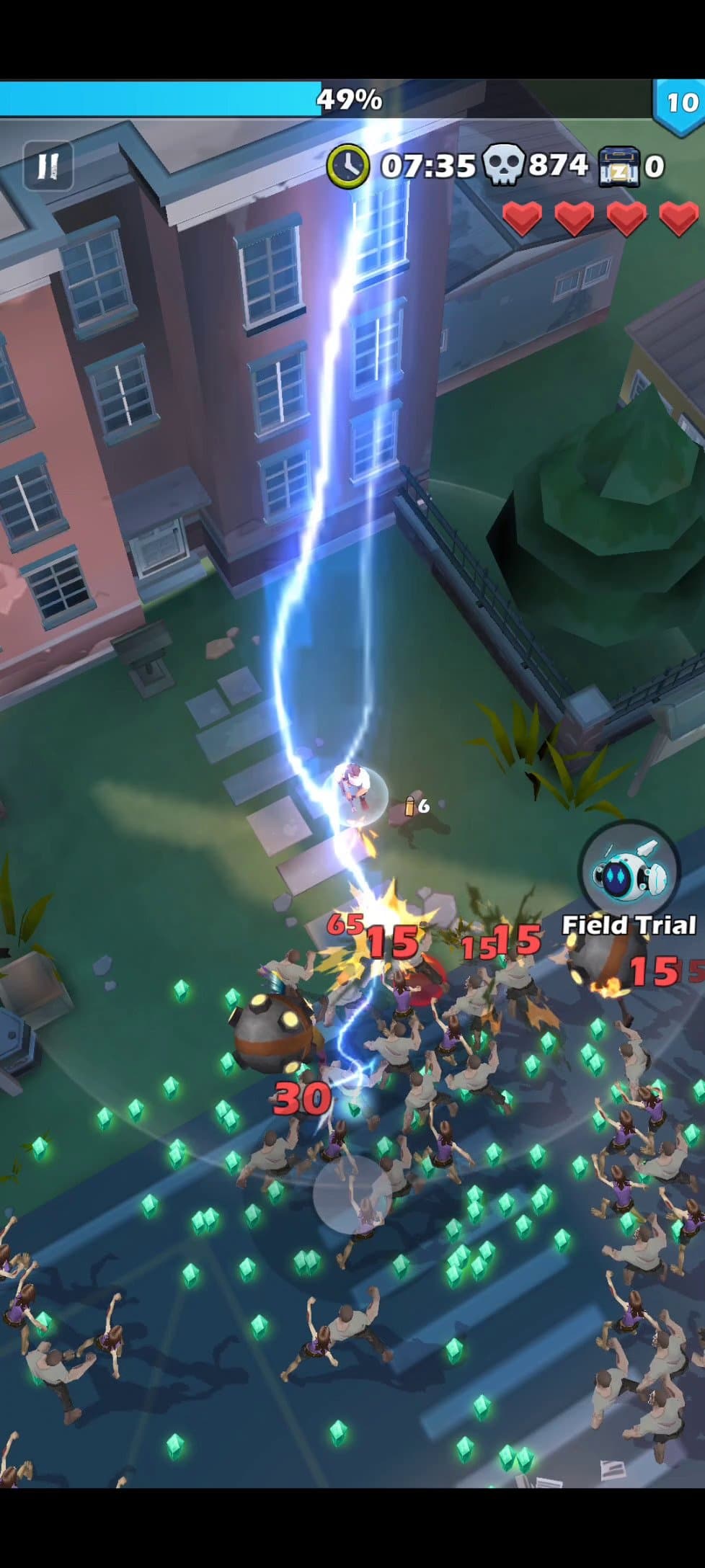
Zombie Waves is the most mobile-first pick here: move with one hand while the character auto-aims, then choose from roguelike skills as the horde grows. Those temporary skill combinations can change the feel of a run, while heroes, equipment, robot companions, and stage modes add longer-term systems around the fights. The approach keeps moment-to-moment control simple, but the run's direction still depends on the upgrades offered and the hero-and-gear setup you bring.
It is free to download on Android and iPhone/iPad, with ads and in-app purchases; the Android listing also discloses purchases containing random items. That makes it easy to try, but the monetization deserves consideration if you prefer a fixed purchase. Choose Zombie Waves for touch-friendly horde runs and mobile progression, rather than for a punishing permanent-death loop.
The verdict
Choose it for touch-first zombie runs with broad character and equipment progression, while keeping its ad and purchase model in mind.
Zombie Defence
Desktop-aimed Scrap expeditions feed persistent stations, crafting, and research at the shelter.
- Manual aim (desktop)
- Extraction
- Shelter building
- Crafting
- Permanent progress
- Platforms
- Browser Alpha in development; native mobile releases are planned. Public play is not currently promised.
- Price model
- Freemium is planned; launch pricing and monetization terms are unconfirmed.
A Scrap expedition asks you to move, aim, fire, reload, scavenge, and decide when to extract. Scrap picked up during these expeditions is retained after extraction, defeat, or a browser-page reload, subject to storage capacity, so the risk is not full carried-loot loss. Separate wave modes have different rewards. Shelter upgrades persist too, making a run's longer-term value come from the Scrap you bring home and what you choose to improve.
The Salvage Bench converts Scrap into parts; the separate Ammo Press produces ammunition. Both draw on stored Scrap, so processing supplies competes with reserving material for permanent upgrades. Research, crafting, and fixed room stations give later outings a purpose without freeform base layout. Zombie Defence suits readers who want manual desktop shooting tied directly to persistent shelter growth: the main tradeoff is a capped Scrap store and station-based layout, which makes spending and upgrade order matter.
The verdict
Join the waitlist if a direct-aim zombie expedition that feeds a persistent shelter is the loop you want to follow in development.
How we compare
A good recommendation explains who a game suits and where it falls short. Our editorial scores use the same five criteria, each rated out of ten.
- 01
Combat
Controls, aiming, enemy readability, and the decisions you make under pressure.
- 02
Progression
Build choices during a run and meaningful progress between attempts.
- 03
Usability
Control demands, platform access, interface options, and documented device requirements.
- 04
Value
What the asking price includes, optional purchases, and the scope of the free version.
- 05
Fit
How well the game answers the specific question in this article.
Which one should you try?
If you want the loss itself to reshape a run, FatalZone risks a veteran, Aftermath passes perks to a successor, and Death Road to Canada rebuilds around a party's losses. Deadly Days: Roadtrip adds backpack and extraction decisions; Yet Another Zombie Survivors and Zombie Waves lean into squad or account upgrades. Zombie Defence connects direct-aim expeditions with retained Scrap, station choices, and a shelter that keeps growing. Join the Zombie Defence waitlist if that connected loop is the one you want to follow.
Your questions, answered.
Want to see what we’re building?
Zombie Defence is in Alpha. Join the waitlist.
More games to explore
- 5 Games Like Deadly Days: Roadtrip
Find five zombie and horde games that echo Deadly Days: Roadtrip through backpack puzzles, extraction choices, dangerous runs, or lasting camp growth.
- 5 Best Games Like FatalZone
Compare zombie games that share FatalZone's camp growth, survivor progression, horde runs, and extraction decisions.
- 7 Best Games Like Yet Another Zombie Survivors
Compare seven alternatives to Yet Another Zombie Survivors, from zombie camp roguelites and mobile companions to manual-aim shooters and mission-based horde runs.