7 Best Roguelites With Crafting Systems
Make something worth keeping, or build the thing that gets you through this run.

Wizard with a Gun is the strongest pick here for turning ingredients into unusual attacks. Deadly Days: Roadtrip makes crafting part of the scramble to assemble a run, while Zombie Defence gives you permanent weapon projects that make the next supply trip feel purposeful. Hades II, The Last Stand: Aftermath, Moonlighter and Cult of the Lamb each put a different kind of workbench between you and the next fight.
The distinction that matters is what happens to your creation afterward. A weapon you keep, a consumable you spend and an improvised item that disappears with a failed run produce very different decisions. Every game below has material-based crafting, recipes or genuine item combinations. Picking a damage bonus from a level-up screen is not enough to make this list.
These seven range from reset-driven action roguelites to run-based survival and shopkeeping hybrids with persistent homes. The comparison focuses on their PC editions, alongside Zombie Defence’s browser Alpha in development. Five are full releases; Deadly Days: Roadtrip is available in Early Access, and Zombie Defence has a waitlist for Alpha news and playtest availability. Choose by the job you want crafting to do, not just the size of the recipe book.
The quick comparison
7 games, different reasons to give the next run a chance.
Choose a game to jump to its overview. Platform lists are summaries; check the linked official edition.
The games
Zombie Defence
Zombie Defence turns scavenged supplies into a lasting arsenal, then lets you adapt that equipment with temporary upgrades during the next deployment.
- Crafting
- Permanent progress
- Shelter building
- Extraction
- Roguelite
- Platforms
- Browser Alpha in development; native mobile releases planned
- Price model
- Launch price and final monetization unannounced
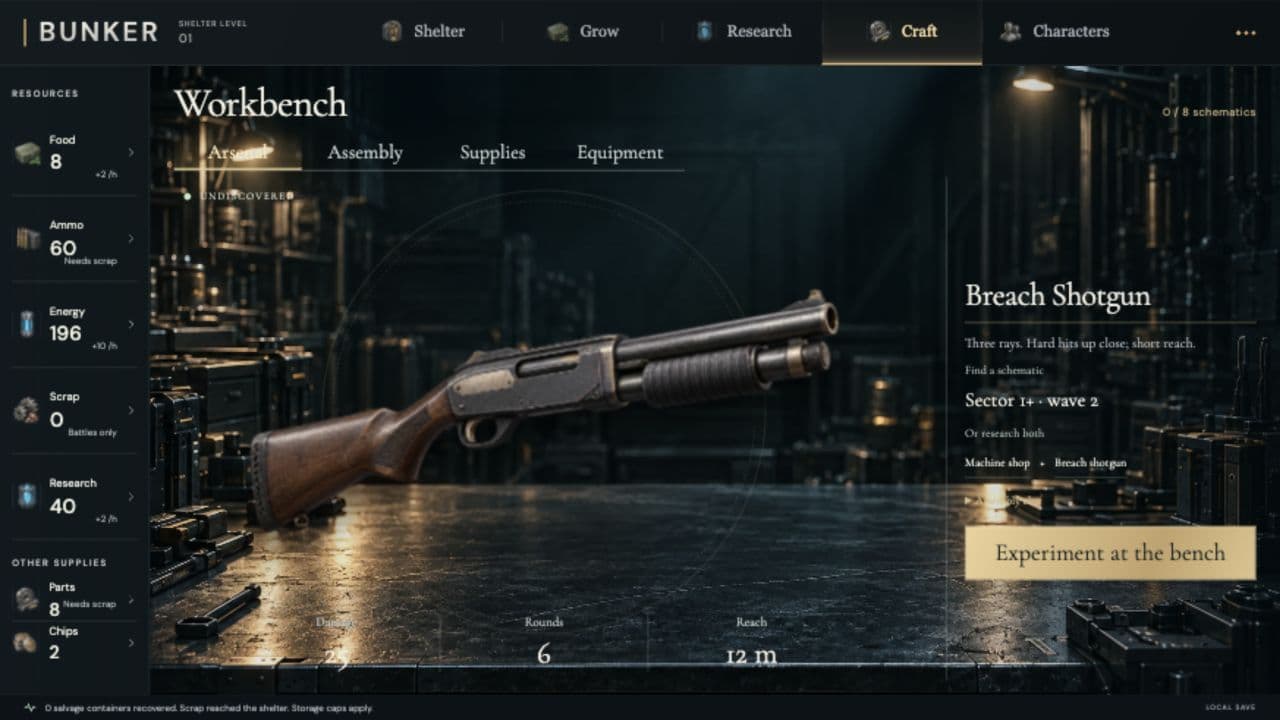
A good project starts with a specific weapon, not a vague wish for more power. The issued AR-07 sits alongside eight buildable weapons, including the Breach Shotgun, Rivet Gun and Coil Carbine. You can discover recipes through sector schematics, the relevant research pair or a valid receiver, barrel and feed assembly. Incorrect assembly spends nothing, so experimenting at the bench is a useful route into the catalogue rather than a materials sink.
The interesting constraint is the shelter economy. Scrap also funds room upgrades, weapon levels and production. The Salvage Bench can process it into parts or ammunition, which means an ammunition line can consume the stock you meant to save for a build. Choose your project before deploying, then reserve its supplies and pause a competing line when necessary. This is crafting with a plan, rather than waiting for a random weapon roll.
Built weapons and their levels remain in your arsenal. Six craftable equipment modules add another lasting choice, with one equipped at a time; battle cards such as Split Shot reset after the deployment. Separate city Scrap expeditions feed that preparation, and their collected Scrap survives extraction or defeat up to storage capacity. The result suits players who enjoy active shooting but want failure to leave a weapon project moving forward. Fixed recipes provide clear targets, although they do not offer unlimited mix-and-match gun design.
The verdict
Choose Zombie Defence if the most satisfying part of a run is coming home one step closer to a weapon you will keep.
Wizard with a Gun
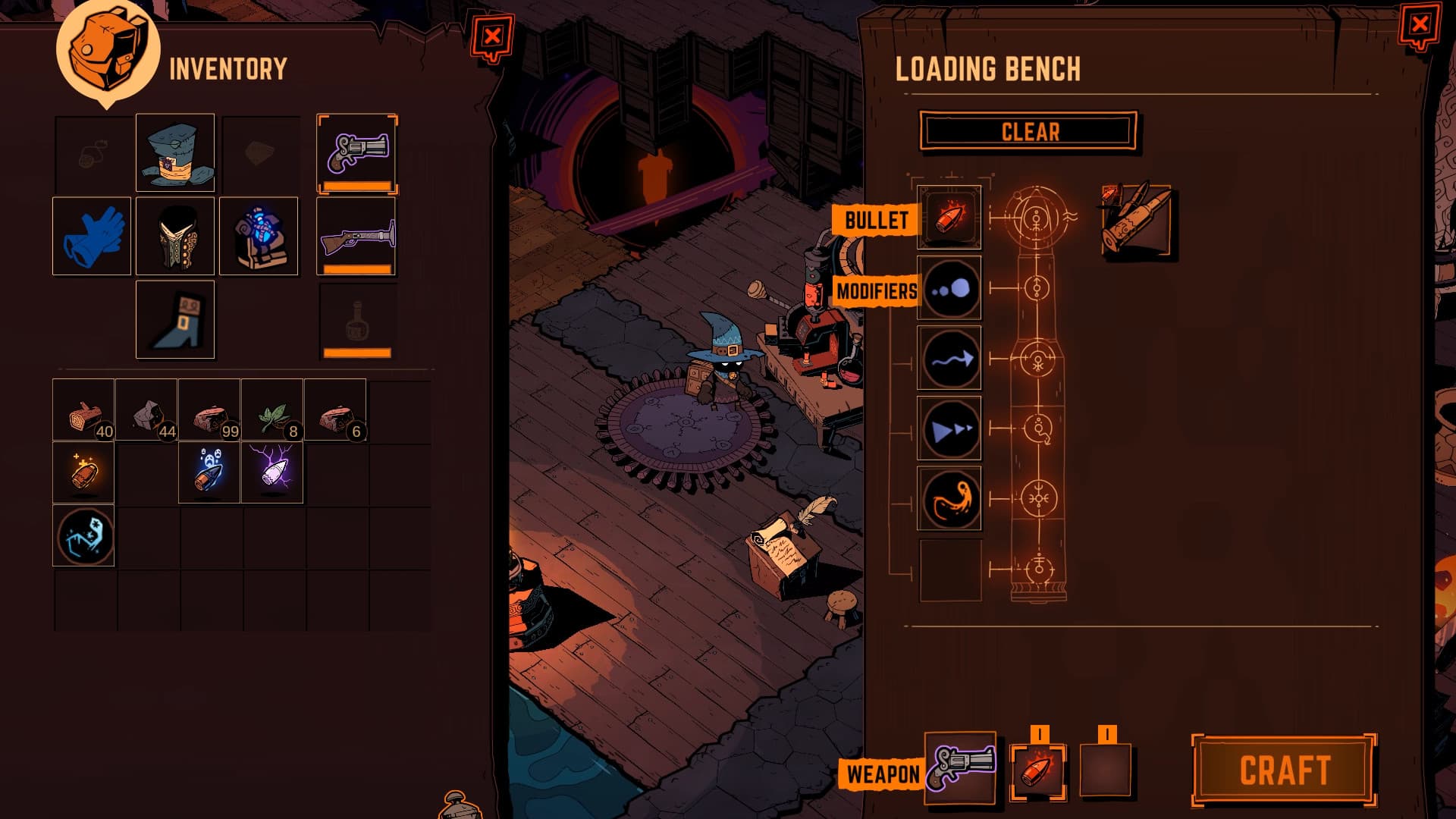
Wizard with a Gun puts the recipe inside the projectile: gather resources, manufacture enchanted ammunition and combine effects at the Loading Bench.
- Crafting
- Co-op
- Exploration
- Loot builds
- Platforms
- Windows PC, PlayStation 5, Xbox Series X|S; PC edition compared
- Price model
- Paid game; optional cosmetic and bonus-content packs
The appeal is making two effects do something neither could do alone. The developer’s Freeze and Force example turns an enemy into an ice block, then shatters it. Oil and Burning bullets offer a more combustible approach. Powders further modify the behavior of a shot, so a familiar firearm becomes a platform for a little magical engineering.
That preparation sits inside a repeatable expedition loop. Your tower is the workshop, while the surrounding wilderness can be reset into a new arrangement. Building up the tower and its crafting facilities gives successive trips continuity; making ammunition also creates a recurring demand for ingredients. You are developing a home production setup and spending its output in the field, rather than receiving a completely new set of random boons on every departure.
Start with one combination whose purpose you can explain, such as freezing a threat before breaking it, and collect toward that project. Trying to maintain every element at once gives the inventory much more work to do. Choose this for experimental gunplay and shared crafting with up to four players online. The tradeoff is a fuller gather, store and prepare routine before the shooting pays off.
The verdict
The best choice here when you want to invent a firing solution, then watch the combination work.
Hades II
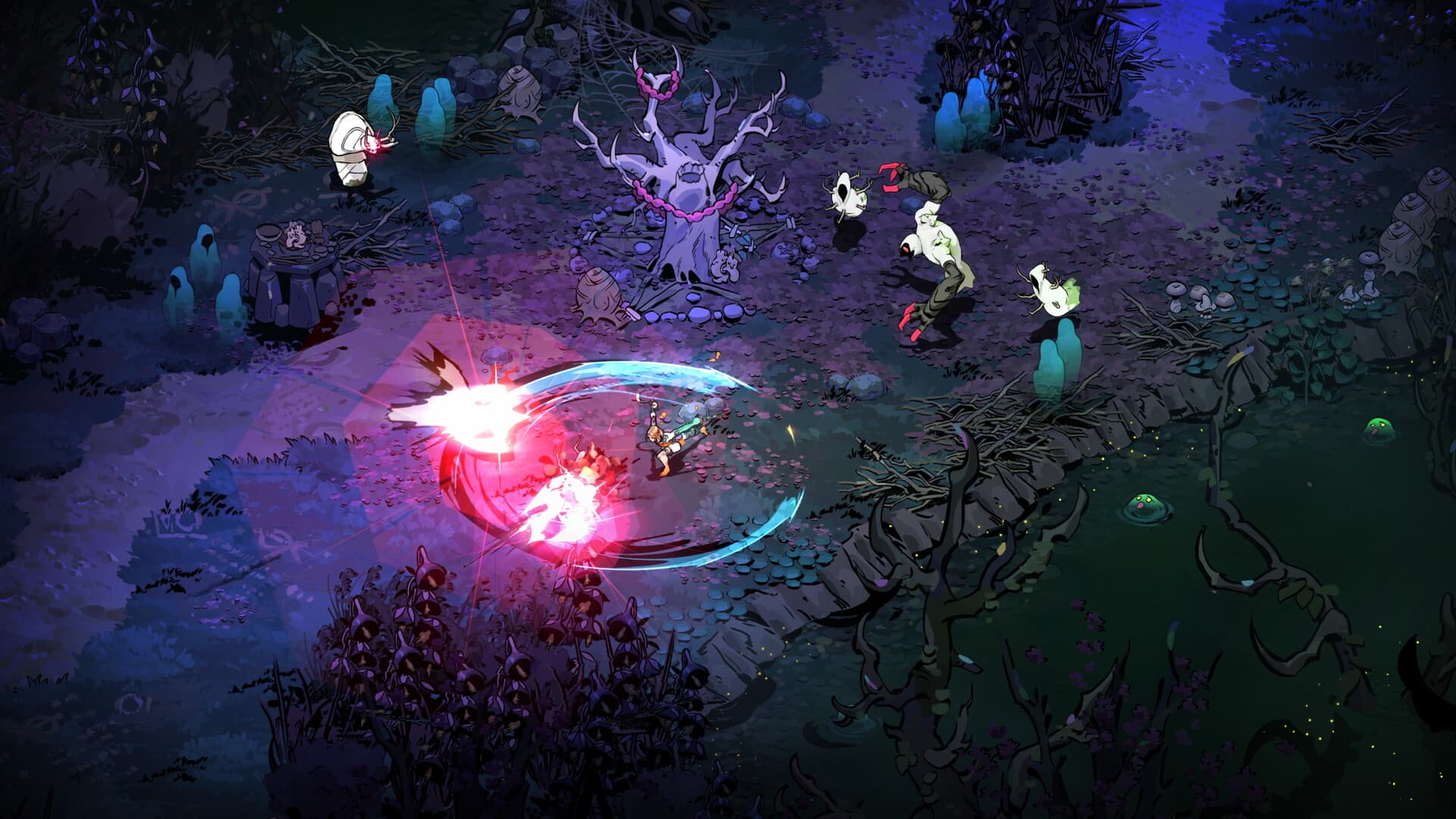
Hades II gives each night’s expedition a second purpose: bring back the reagents that let Melinoë practice witchcraft at the Crossroads.
- Roguelite
- Crafting
- Permanent progress
- Loot builds
- Platforms
- Windows PC, Apple-silicon Mac, Switch, Switch 2, PlayStation 5, Xbox Series X|S
- Price model
- Paid game; optional soundtrack sold separately
The Cauldron is the important distinction from ordinary boon selection. Gathered materials go into incantations and alchemical recipes, opening lasting possibilities or producing useful goods. Sweet Nectar and Shimmering Ambrosia are examples of brewing recipes in the full release. The game’s gathering tools and cultivation systems make the ingredients part of the journey, rather than a generic currency attached to a shop button.
The two layers behave differently. An incantation can change what is available on later nights, while the Olympian boons and other temporary powers assembled during an attempt belong to that attempt. A failed fight can therefore sit alongside progress toward a home project. Crafting gives the route another objective without requiring you to stop and operate a survival workshop in every room.
Choose one Cauldron goal before setting out and pay attention to the reagents it needs. That keeps gathering connected to a payoff instead of turning every resource into an equally urgent shopping list. Hades II remains the pick for players who put fighting first: weapons, spell timing and adapting to offered boons do most of the moment-to-moment work. Its recipes are authored unlocks and brews, so it is less suitable if you want freeform item engineering.
The verdict
Pick Hades II when you want crafting to enrich a deep action roguelite without becoming the whole game.
The Last Stand: Aftermath
The Last Stand: Aftermath makes crafting an answer to a dangerous present: your survivor is infected, supplies are limited and the next destination needs fuel.
- Crafting
- Roguelite
- Exploration
- Permanent progress
- Platforms
- Windows PC; PlayStation and Xbox console editions also available
- Price model
- Paid single-player game
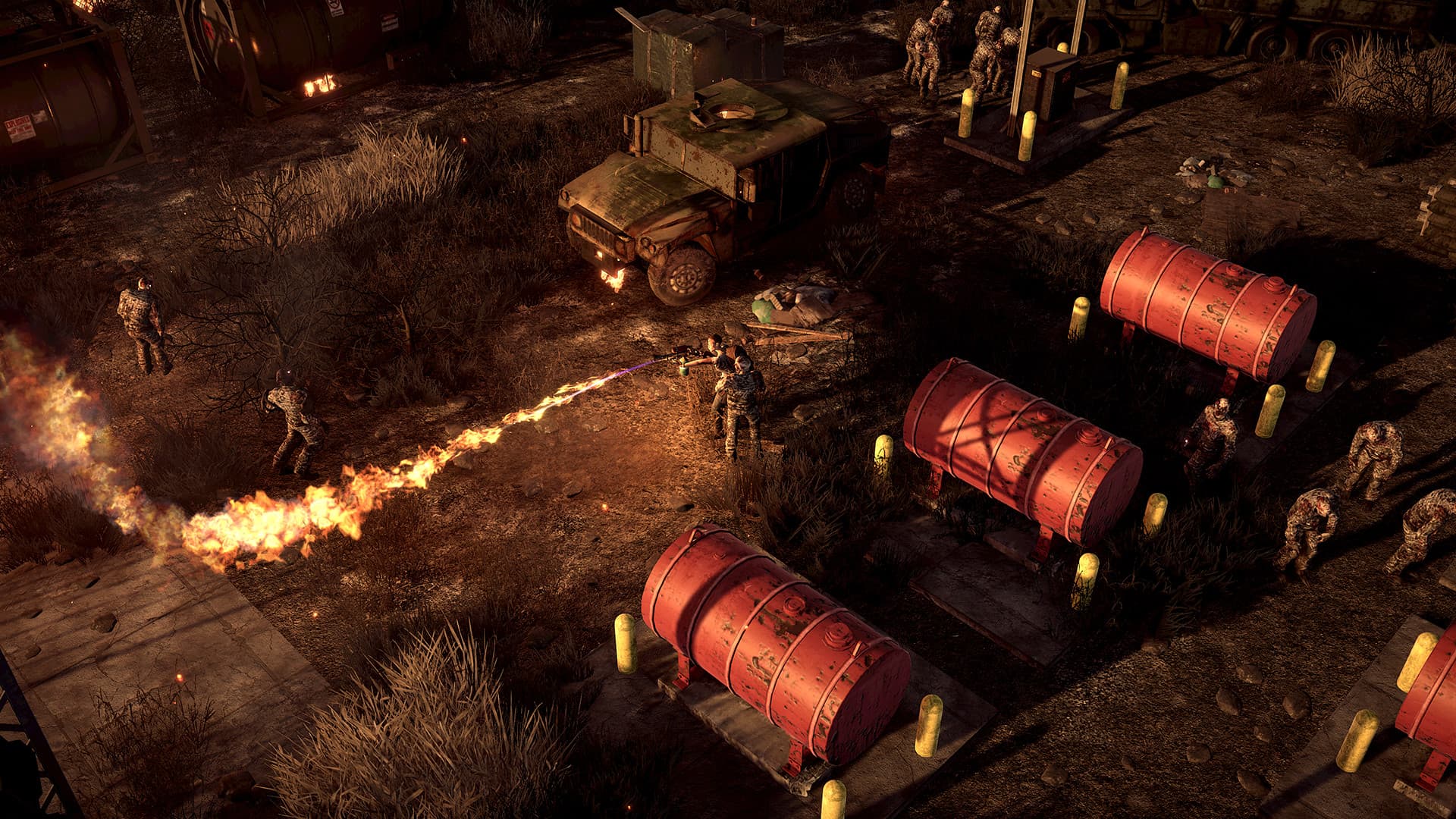
You scavenge materials and turn them into weapons and supplies while moving through the ruined world. That makes crafting a different kind of decision from Zombie Defence’s persistent arsenal. Here, the immediate question is what will help this survivor reach the next stop. Spending components now can be more useful than preserving them for an ideal future that the current character may never reach.
Infection supplies the larger pressure. Mutations can strengthen the survivor even as the run heads toward its eventual end, and a new person takes over after death. Perks and upgrades earned through progress carry the campaign onward; the dead survivor’s field loadout is not the permanent reward. It is a good fit if you want equipment to feel expendable and ingenuity to matter under worsening conditions.
Before committing to more scavenging, decide what the current outing lacks. Secure the fuel you need to travel, then spend crafting materials on whatever is most likely to get you through the next threat. Treating every container as mandatory only adds another reason to linger. The tense combination of stealth, fighting, infection and resource use gives small discoveries weight, but it also makes this a poor pick for relaxed, uninterrupted workshop tinkering.
The verdict
Choose Aftermath for scrappy survival crafting where using the item matters more than keeping it forever.
Deadly Days: Roadtrip
Deadly Days: Roadtrip links two pleasures: turning found items into something stronger and finding exactly the right place for it in a crowded backpack.
- Crafting
- Loot builds
- Roguelite
- Permanent progress
- Platforms
- Windows PC (Steam Early Access)
- Price model
- Paid Early Access game; optional Supporter Pack
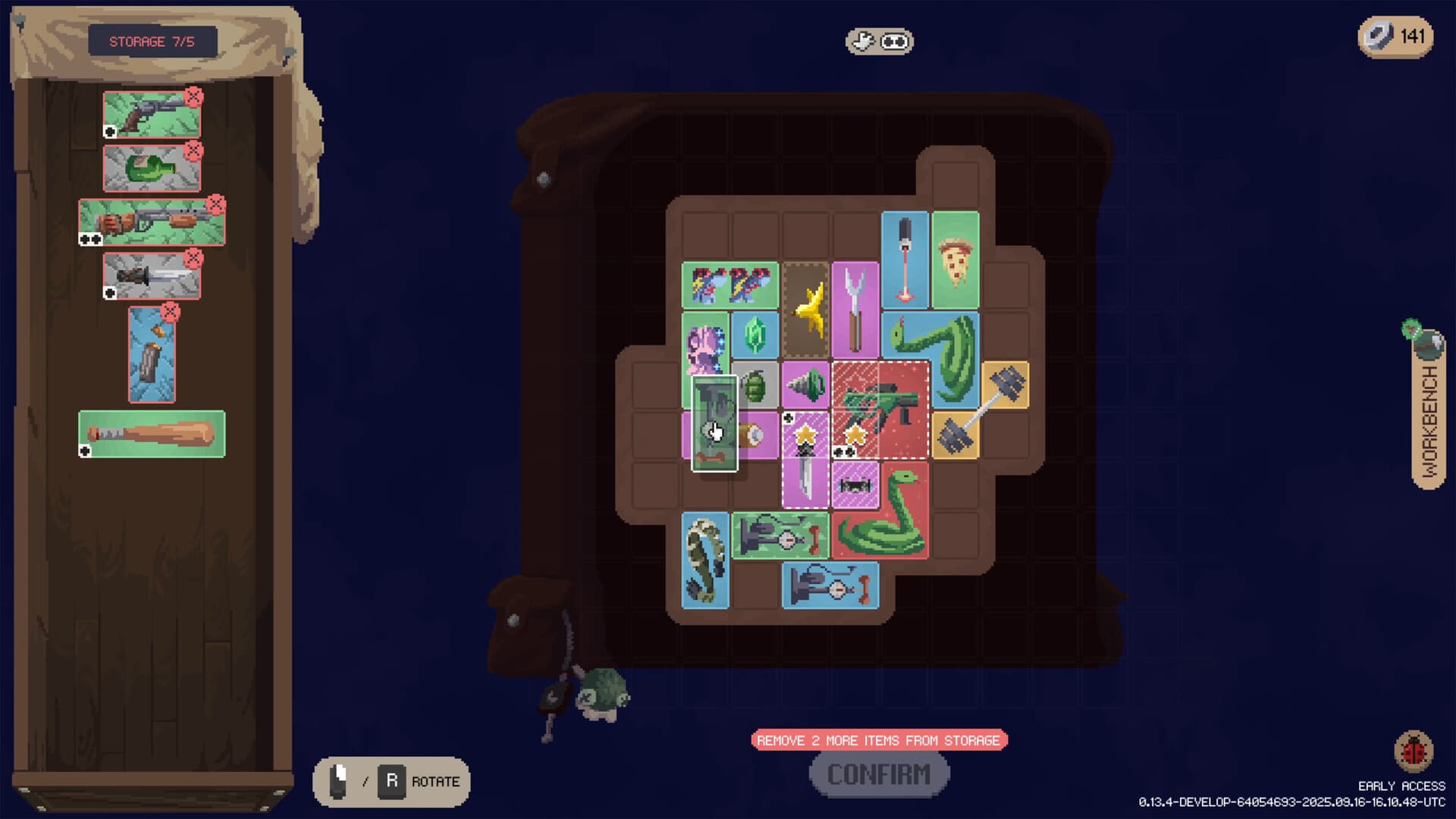
Crafting is more than placing a weapon next to a bonus. Items can be recombined into stronger versions and distinct new equipment at the workbench. The developer’s launch notes include craftable weapons such as a Railgun and Lasersword. Those creations then re-enter the packing problem: each item occupies space, and adjacency effects influence the usefulness of the whole arrangement.
That means a successful craft is not automatically a successful build. Think about where the result will fit and which neighboring bonuses it can use before committing your ingredients. The satisfying decision is often whether to keep several useful pieces working separately or turn them into a new centerpiece and rebuild around it. The horde outside gives that otherwise orderly puzzle a suitably ridiculous destination.
The assembled backpack is the run build. Rescued characters and permanent upgrades provide continuity between journeys, but they are separate from preserving the exact collection you just crafted. Choose Roadtrip if you enjoy adapting to what drops instead of farming the same permanent recipe on every outing. Its main tradeoff is that inventory rearrangement is a substantial part of play, and chasing a particular craft depends on finding its ingredients.
The verdict
The strongest fit for players who want crafting to be a tactical decision inside the run itself.
Moonlighter
Moonlighter makes the crafting question wonderfully awkward: that item in your bag could help forge your next weapon, but it could also pay the bills.
- Crafting
- Permanent progress
- Exploration
- Roguelite
- Platforms
- Windows PC, macOS and Linux on Steam; Windows edition compared
- Price model
- Paid base game; optional Between Dimensions expansion
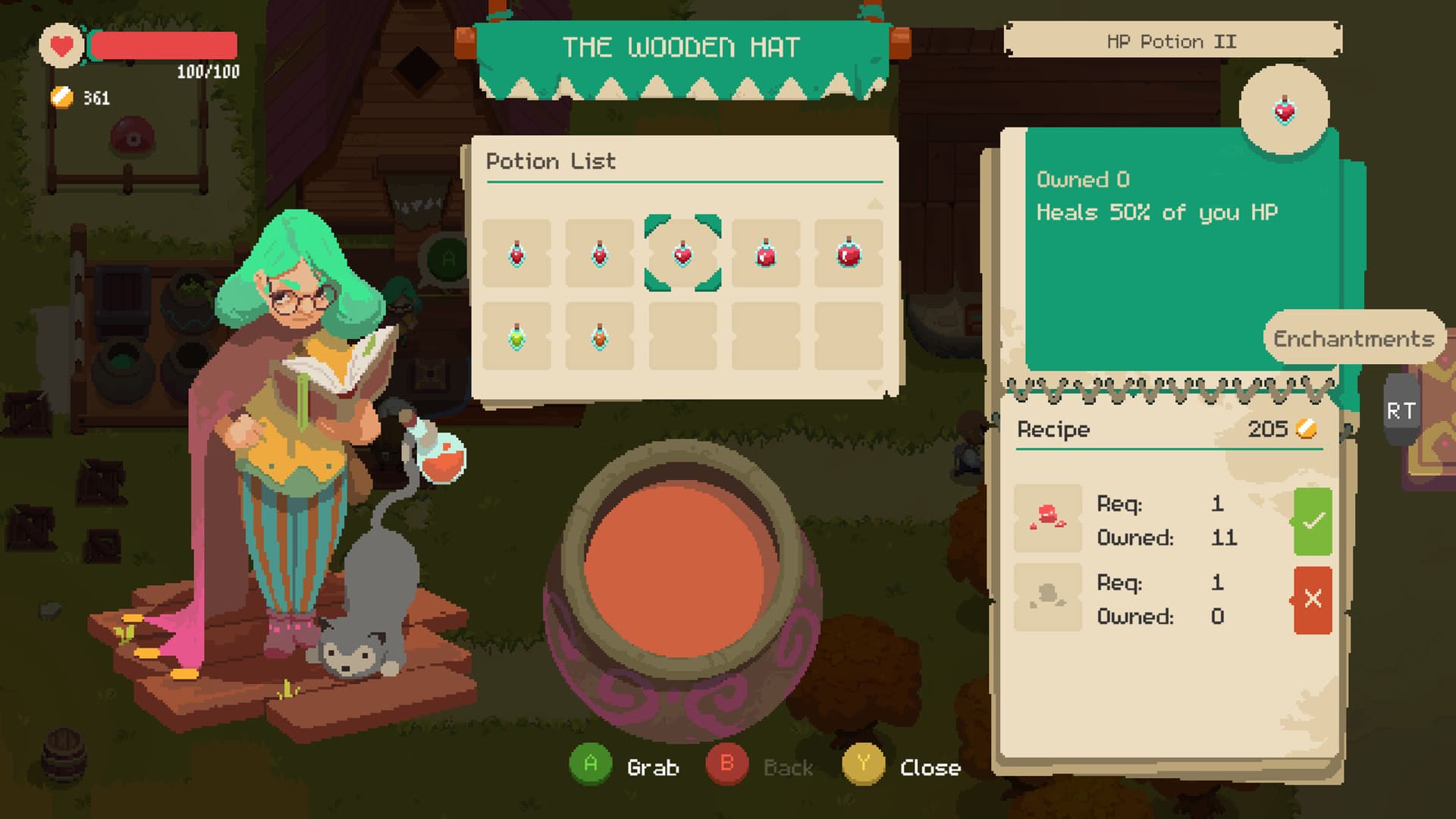
Will runs a shop in Rynoka and explores changing dungeons beyond its gates. The loot comes home to two competing destinations: the sales counter and the village’s crafting services. Villagers make weapons and armor and enchant existing equipment; the potion menu also shows explicit ingredient requirements alongside its gold cost. Paying a craftsperson still counts as crafting when you must supply the recipe’s materials.
The progression is persistent. Town investments and regular equipment improvements support later dungeon trips, while potions are supplies to spend. That makes Moonlighter a gentler match for players who dislike rebuilding their entire identity every run. Its roguelite elements come through the changing excursions and the decisions about what to bring back, wrapped around a continuing shopkeeping RPG.
Check the equipment project you want before opening the shop, and set aside its ingredients before deciding what to sell. Otherwise, a profitable morning can leave you needing another trip for materials you already had. This is the best choice here if you enjoy that economic tug-of-war. If selling stock, setting prices and managing inventory sound like chores, the same loop will keep pulling you away from the dungeon combat you came for.
The verdict
Pick the original Moonlighter for the pleasure of turning a mixed bag of loot into a deliberately better next expedition.
Cult of the Lamb
Cult of the Lamb earns its place through meals and material-built settlement facilities, making the community between crusades the main crafting project.
- Crafting
- Farming
- Permanent progress
- Roguelite
- Platforms
- Windows PC and macOS on Steam; PC edition compared
- Price model
- Paid base game; optional packs and the separate Woolhaven expansion
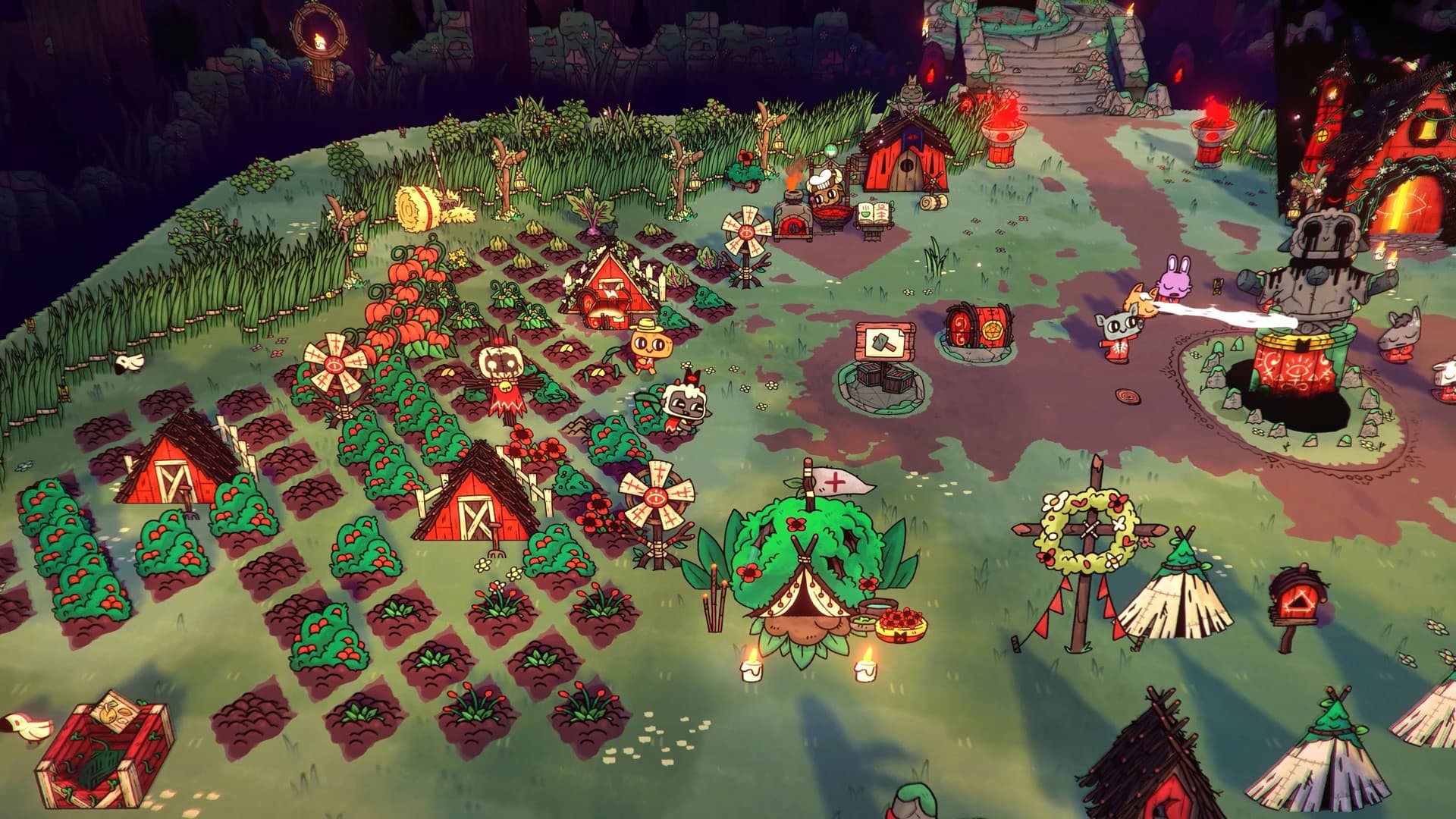
The work is domestic, even when the decoration is deeply suspicious. Gather resources, construct useful buildings and turn food ingredients into meals for your followers. Farms help supply that kitchen, while better facilities change how much work you have to perform yourself. The free Relics of the Old Faith update added a staffed Kitchen where you can queue meals for a follower to cook.
The distinction matters if you arrived looking for weapon crafting. Your settlement is the lasting investment; the weapon, curses and tarot-card combination used on a crusade form its temporary combat build. Building a better food operation helps sustain the community you return to, rather than letting you assemble a bespoke sword from dungeon parts. That makes Cult of the Lamb a strong home-management pick with roguelite action attached.
Expand production with the size of the flock in mind. More followers make the cult feel busy, but they also make feeding and maintaining it a bigger job. A useful kitchen or farming improvement can be more satisfying than another decorative project when supplies are stretched. Choose the base game for this loop; Woolhaven is a separate paid expansion. The chief tradeoff is responsibility: crafting serves ongoing follower care, so the settlement regularly asks for attention between fights.
The verdict
Choose Cult of the Lamb when you want the things you make to support a place and a community, not only your next damage number.
How we compare
A good recommendation explains who a game suits and where it falls short. Our editorial scores use the same five criteria, each rated out of ten.
- 01
Combat
Controls, aiming, enemy readability, and the decisions you make under pressure.
- 02
Progression
Build choices during a run and meaningful progress between attempts.
- 03
Usability
Control demands, platform access, interface options, and documented device requirements.
- 04
Value
What the asking price includes, optional purchases, and the scope of the free version.
- 05
Fit
How well the game answers the specific question in this article.
Which one should you try?
For permanent weapon projects, choose Zombie Defence: its recipes, modules and competing shelter costs give each supply outing a concrete purpose. Wizard with a Gun is the pick for experimenting with what a shot can do, while Deadly Days: Roadtrip makes the craft part of the run’s inventory puzzle. Aftermath makes equipment expendable and urgent; Hades II puts gathering behind a combat-first adventure. Moonlighter turns ingredients into an economic decision, and Cult of the Lamb turns them into a home worth returning to. Decide first whether you want to keep the creation, spend it or gamble the run on it.
Your questions, answered.
Want to see what we’re building?
Zombie Defence is in Alpha. Join the waitlist.
More games to explore
- 7 Best Zombie Games With Scavenging Missions
Compare seven zombie games built around supply runs, route planning and useful loot, from community survival and tactical parties to mobile gunship missions.
- 7 Best Zombie Shooters With RPG Progression
Compare seven zombie shooters with lasting skills, equipment, research or community upgrades. See what persists, what resets and which build fits you.
- 7 Best Base-Building Games With Worker Assignments
Compare seven base-building games with worker management: station specialists, individual priorities, training, schedules and the production decisions they change.