5 Games Like Decision: Red Daze for Action, Settlements, and Scavenging
The closest alternatives tie risky outings to a community, shelter, or lasting upgrades.
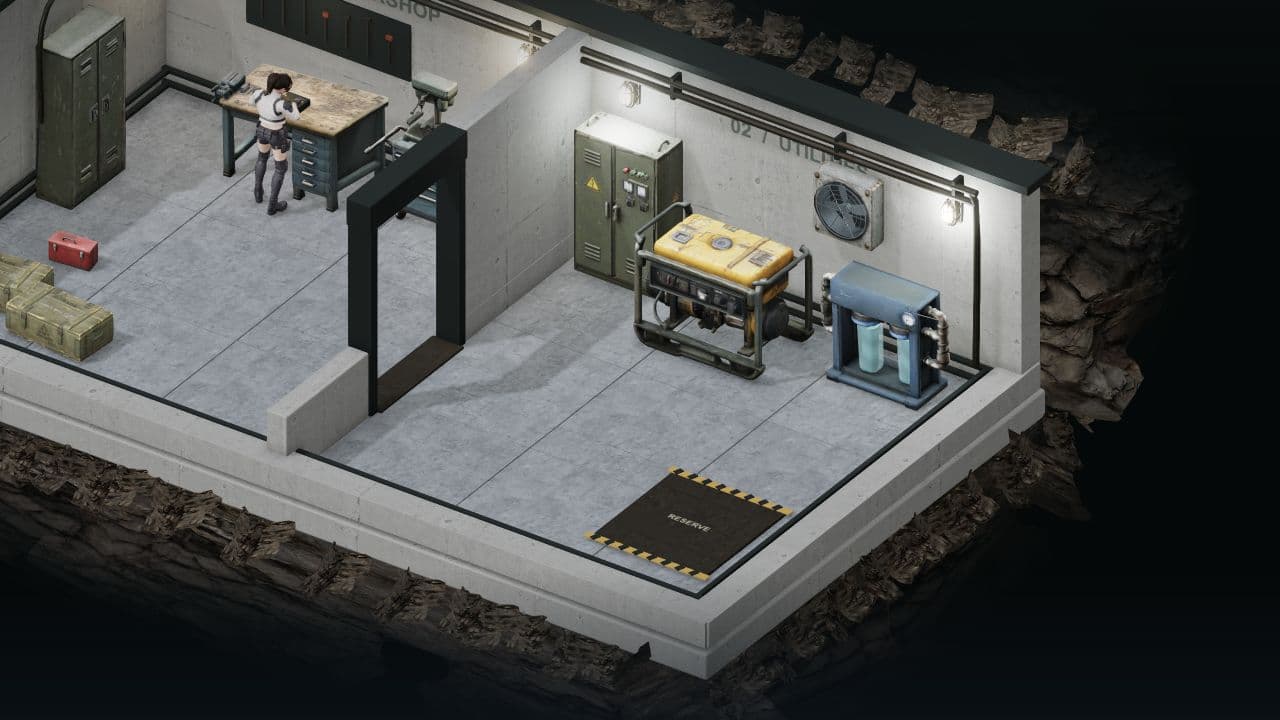
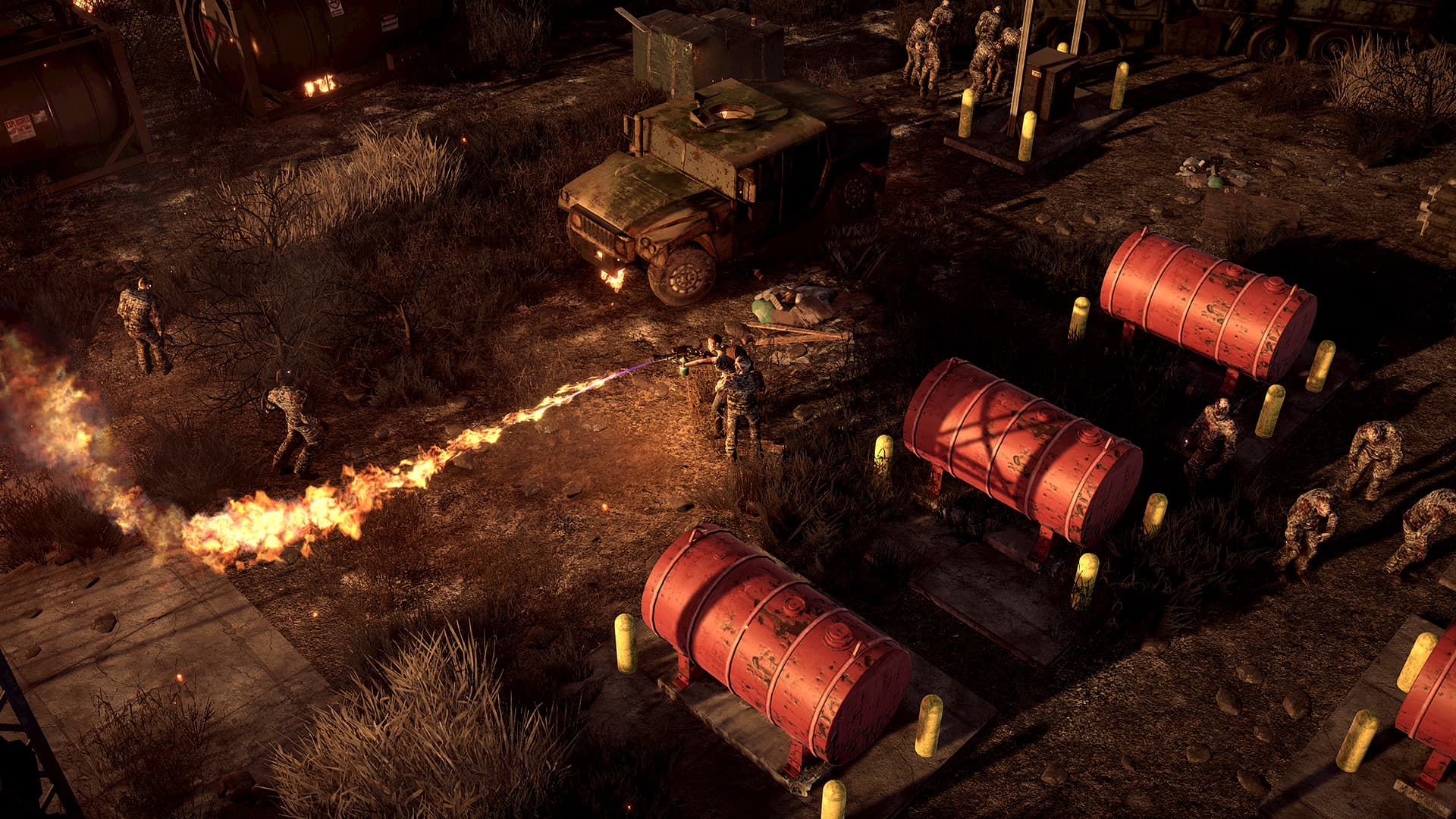
Decision: Red Daze mixes isometric action with specialist squads, captured sites, and settlements that produce supplies and defenses. State of Decay 2 is a strong third-person community counterpart; Survivalist: Invisible Strain goes deeper on colony life. Zombie Defence is the pick for players who want shooting and scavenging to feed shelter production, crafting, and research.
Dead State takes shelter pressure into turn-based tactics, while The Last Stand: Aftermath favors action runs and persistent upgrades around a fixed camp.
The quick comparison
5 games, different reasons to give the next run a chance.
Choose a game to jump to its overview. Platform lists are summaries; check the linked official edition.
The games
State of Decay 2: Juggernaut Edition
Choose a survivor for a supply run, then bring finds back to a community you shape.
- Exploration
- Crafting
- Shelter building
- Co-op
- Platforms
- Windows PC, Xbox One, Xbox Series X|S, and Xbox Cloud Gaming
- Price model
- Premium purchase; Xbox Game Pass access depends on plan and region.
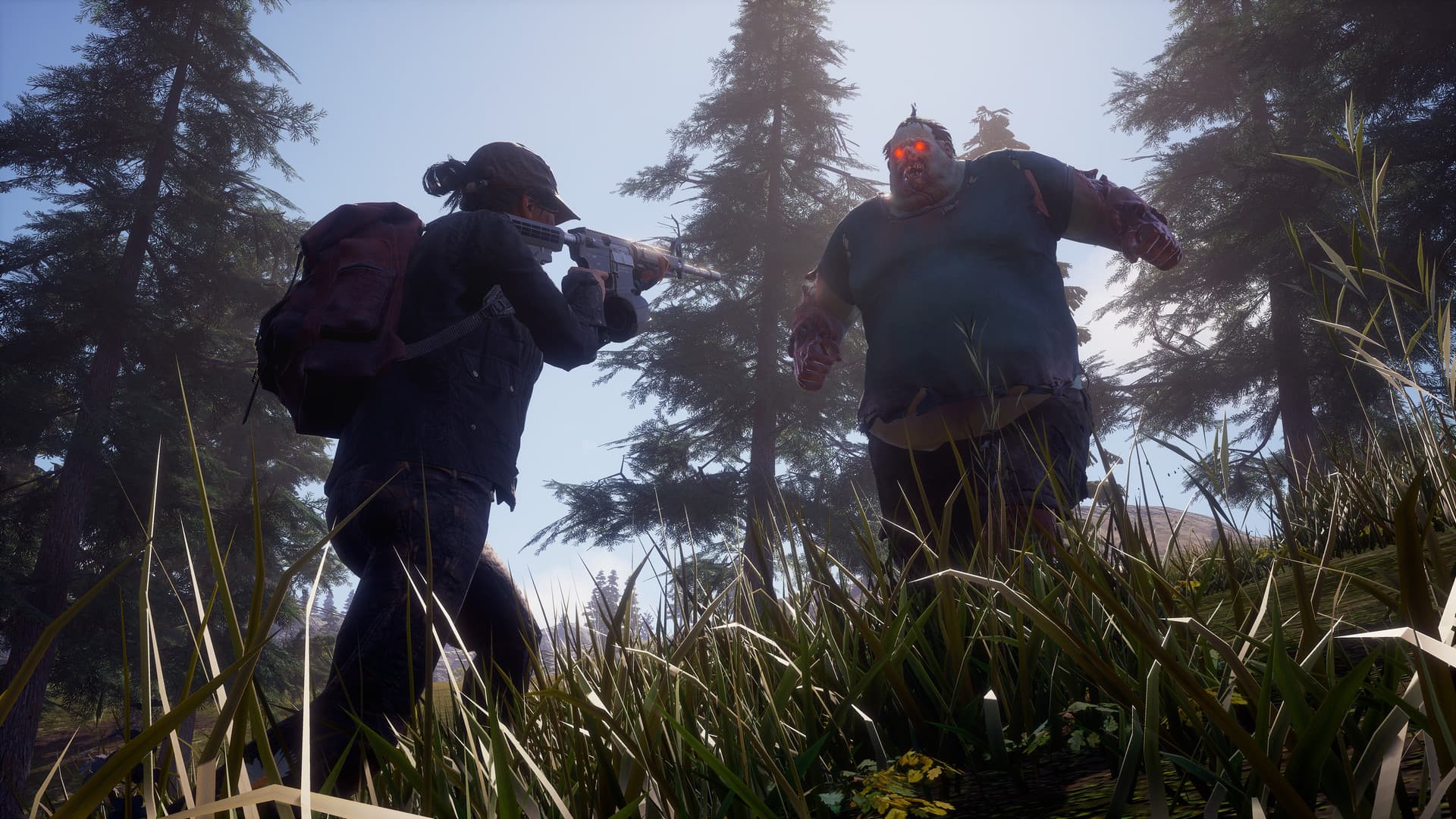
State of Decay 2 is the clearest match if you want Decision’s roaming fights and settlement stakes. Pick a community member with useful skills and supplies, then control that survivor across an open map. Firearms, melee, stealth, and vehicles handle threats, while each run carries food, medicine, and ammunition back to the group. Who you send out shapes who is left to defend home and which needs get met. A survivor who dies is lost permanently, so an unlucky expedition can cost more than its cargo.
Facilities such as an infirmary, workshop, kitchen, and food production give scavenging a purpose, though you do not command Decision-style squads or claim new settlement sites to expand your footprint. Co-op lets friends join outings; an open map and recurring community needs add more logistics than an isometric action campaign. It best combines combat, supply runs, and a persistent survivor group.
The verdict
Choose State of Decay 2 for direct third-person action tied to a community and upgradeable facilities. A run puts a real survivor at risk, even though facility bases and single-character field control differ from Decision’s specialist squads.
Zombie Defence
Manual shooting and Scrap extraction feed lasting shelter upgrades.
- Manual aim (desktop)
- Extraction
- Shelter building
- Crafting
- Permanent progress
- Platforms
- Browser Alpha (development build); native mobile stores are planned.
- Price model
- Freemium planned; launch pricing and monetization terms are unconfirmed.
Desktop controls pair top-down movement with cursor aim, firing, ammunition, and reloads; touch uses a movement joystick and a fire control that targets the nearest living enemy. Sector battles, endless scavenging, and separate Scrap expeditions give outings different objectives; expeditions let you search the city and choose when to extract. Scrap collected on an expedition remains after extraction or defeat, subject to storage limits, so the risk is lighter than in full-loot-loss extraction games.
At home, workers, production stations, weapon crafting, research, water, and crops give Scrap several uses, while room upgrades persist after defeat. The route from shooting to shelter investment is direct. The trade is scale: the shelter uses set rooms and stations rather than captured settlements, and the demo has Mara as its only playable survivor. The overlap with Decision is the outing-to-refuge loop, not squad leadership or freeform expansion.
The verdict
Explore Zombie Defence if you want to handle a weapon, recover Scrap, then turn it into a more capable shelter. Its focused production loop is a strong systems match, while its roster and settlement scale are smaller.
Survivalist: Invisible Strain
Residents have jobs, survival needs, memories, and changing opinions of you.
- Shelter building
- Crafting
- Exploration
- Squad builds
- Platforms
- Windows PC on Steam; solo or online co-op for up to four players.
- Price model
- Premium purchase; a free Steam demo is available.
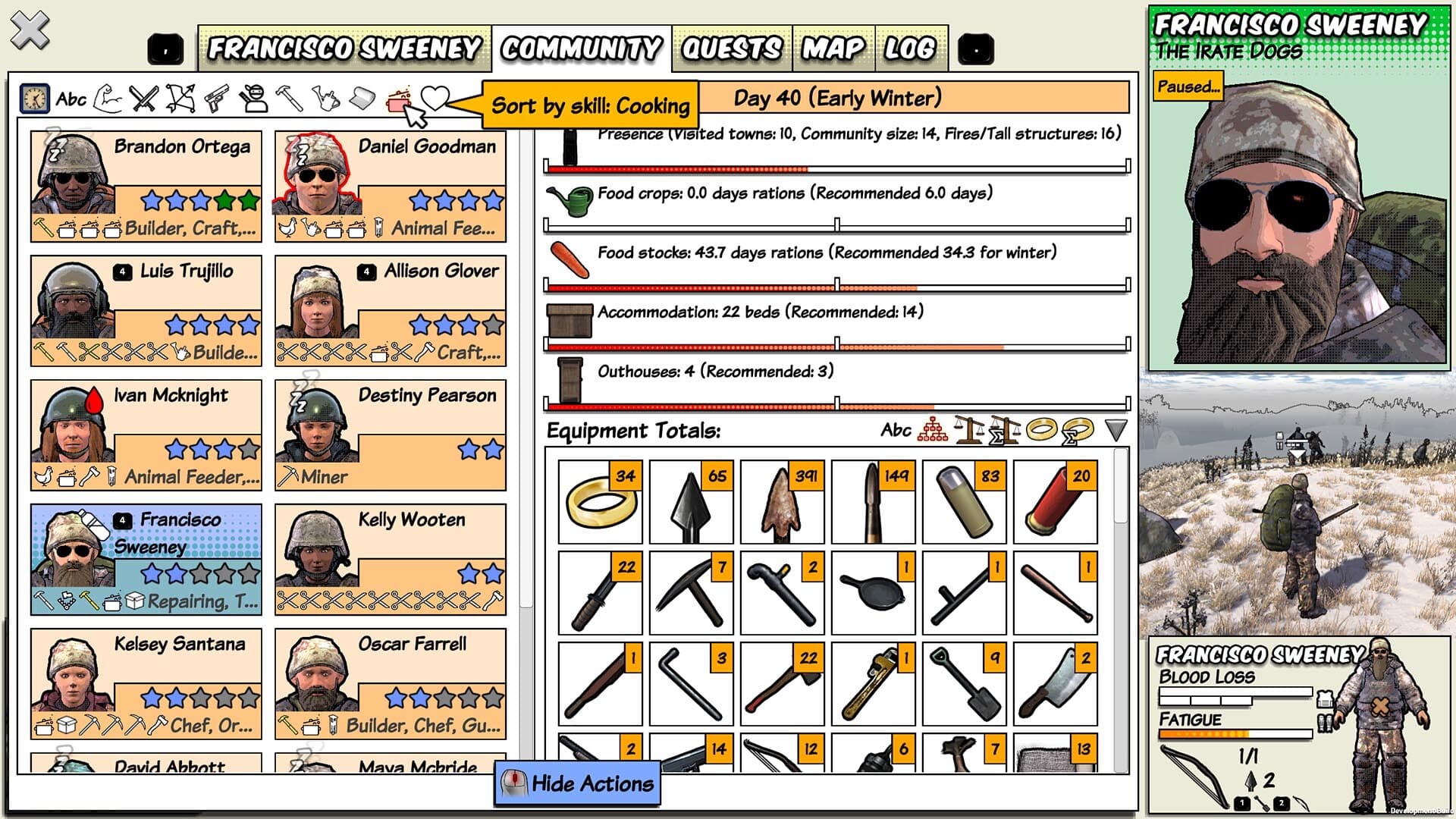
If you want settlement investment to feel personal, Survivalist: Invisible Strain is the deeper colony simulation. Characters have names and memories; recruit them through friendship, respect, or fear, then assign jobs such as farming, cooking, or crafting. The community needs food, beds, warmth, morale, and defenses. Agriculture and production can eventually support a self-sufficient base, including ammunition.
Combat stays active: take direct third-person control, target body parts, dodge or block in melee, or switch to an overhead view and issue orders. Story and randomized sandbox modes, plus up to four-player co-op, round out the colony. The cost of that depth is frequent management: relationships, morale, infected infiltrators, survival needs, and jobs all compete with scavenging for attention.
The verdict
Pick Survivalist: Invisible Strain if the people and routines in your settlement matter as much as the next fight. It simulates a colony more deeply than Decision’s production sites, but its systems require more planning.
Dead State: Reanimated
Every supply run serves a shelter that must stay fed, secure, and stable.
- Tactical combat
- Squad builds
- Shelter building
- Exploration
- Platforms
- Windows PC on Steam; single-player.
- Price model
- Premium purchase; a free Steam demo is available.
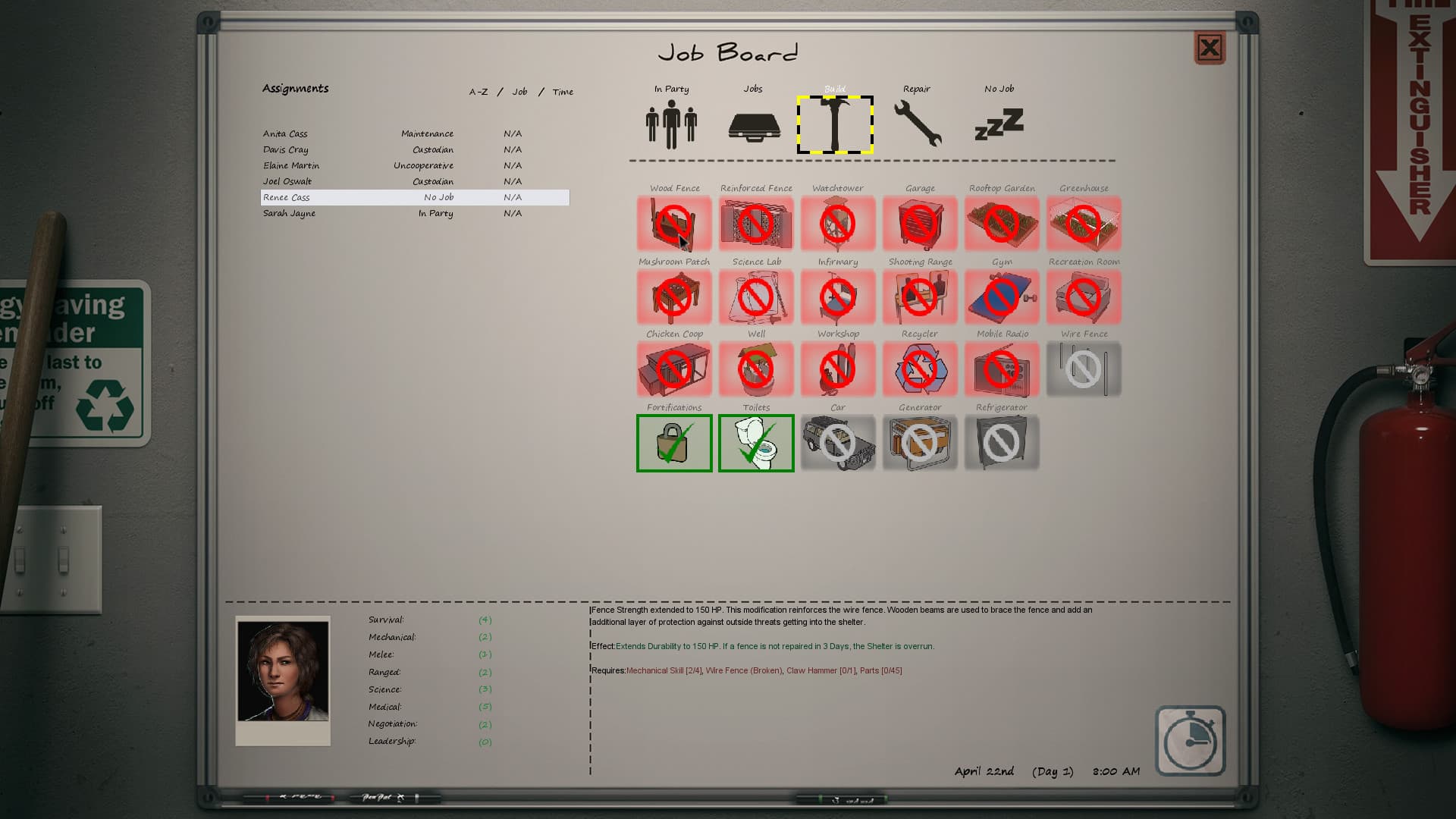
Dead State trades Decision’s real-time action for turn-based tactical combat, while keeping a field team tied to a permanent refuge. Send survivors out for supplies, then assign residents at the school shelter to maintenance, construction, repairs, specialist work, or another scavenging party. The rooftop garden produces food; facilities such as an infirmary and recreation room address health and morale.
Action points pay for movement, attacks, reloading, and other choices, so placement and party skills matter more than cursor aim. Individual moods contribute to shelter morale; people may leave or rebel if leadership fails, and a broken fence or the player character’s death can end a campaign. It suits players who want shelter consequences, but not anyone expecting Decision’s continuous shooter combat.
The verdict
Choose Dead State if survivor needs, supply planning, and tactical positioning appeal more than hands-on shooting. Shelter jobs and morale matter, but the combat rhythm is turn-based rather than continuous.
The Last Stand: Aftermath
Scavenged supplies build lasting upgrades between runs.
- Roguelite
- Permanent progress
- Crafting
- Platforms
- Windows PC, Epic Games Store, GOG, PlayStation 4 and 5, and Xbox Series X|S.
- Price model
- Premium single-player game; a free Steam demo is available.
The Last Stand: Aftermath suits players who want action first. Search ruined locations for fuel and materials, choose when to sneak or fight through infected, and craft weapons or supplies from what you find. Mutations can make an infected survivor stronger, but the disease continues to threaten them.
A fixed camp anchors the between-run upgrade layer, and unlocks carry into later survivors. It offers a lasting home base, but not an expanding settlement where you capture sites, assign workers, and build production or defenses. Each survivor eventually dies; the next inherits perks and upgrades earned from earlier progress. That is a strong roguelite loop, though it replaces Decision’s community of specialists with survivor-by-survivor progression.
The verdict
Pick The Last Stand: Aftermath for single-player action runs that return to a fixed camp and carry upgrades forward. Choose another game if capturing and staffing a growing settlement is the main appeal of Decision.
How we compare
A good recommendation explains who a game suits and where it falls short. Our editorial scores use the same five criteria, each rated out of ten.
- 01
Combat
Controls, aiming, enemy readability, and the decisions you make under pressure.
- 02
Progression
Build choices during a run and meaningful progress between attempts.
- 03
Usability
Control demands, platform access, interface options, and documented device requirements.
- 04
Value
What the asking price includes, optional purchases, and the scope of the free version.
- 05
Fit
How well the game answers the specific question in this article.
Which one should you try?
Choose State of Decay 2 for direct third-person fights and a community whose survivors can be lost permanently; choose Survivalist: Invisible Strain for the deepest jobs-and-relationships settlement. For shooting tied to expedition loot, production, crafting, and research, choose Zombie Defence. Dead State suits shelter planning and turn-based tactical fights; The Last Stand: Aftermath suits action scavenging with a fixed camp and upgrades that carry between survivors. Decision: Red Daze stands out for putting specialist squads into captured, productive settlements.
Your questions, answered.
Want to see what we’re building?
Zombie Defence is in Alpha. Join the waitlist.
More games to explore
- 7 Best Top-Down Zombie Shooters in 2026
Compare seven top-down zombie shooters by sightlines, aiming, ammunition, co-op, and builds, from SAS: Zombie Assault 4 to The Last Stand: Aftermath.
- 5 Games Like Deadly Days: Roadtrip
Find five zombie and horde games that echo Deadly Days: Roadtrip through backpack puzzles, extraction choices, dangerous runs, or lasting camp growth.
- 7 Games Like Fallout Shelter for Combat and Base Building
Compare seven Fallout Shelter alternatives with manual shooting, tactical battles or strategic defense, plus shelter upgrades, platforms, ratings and prices.