7 Best Zombie Defense Games in 2026
Hold the trigger, build the firing line, or keep an entire settlement alive.

The best zombie defense game depends on which part of the defense you want to control. They Are Billions is our strongest pick for commanding a fortified colony; Plants vs. Zombies GOTY Edition is the clearest starting point for lane-based tower defense. Yet Another Zombie Defense HD puts you inside your own barricade-and-turret plan, while Zombie Defence connects hands-on wave fighting to a persistent shelter.
Those are three different pleasures. Active defense asks you to move, aim and manage a weapon. Tower and lane defense asks you to place attackers or deploy units at the right moment. Settlement defense asks you to support the front line with food, workers, resources and a sensible perimeter. This list covers all three, including hybrids, and explains what you protect, which decisions belong to you, and what carries into the next fight.
The seven picks include six games available to play and Zombie Defence’s browser Alpha in development, with a waitlist for news and playtest availability. Infection Free Zone’s listed PC edition is paid Early Access. Edition and purchase details were checked in October 2026. The scores are editorial judgments of combat, progression, usability, value and fit for this broad defense query; the entries are grouped by play style rather than treated as interchangeable competitors.
The quick comparison
7 games, different reasons to give the next run a chance.
Choose a game to jump to its overview. Platform lists are summaries; check the linked official edition.
The games
Zombie Defence
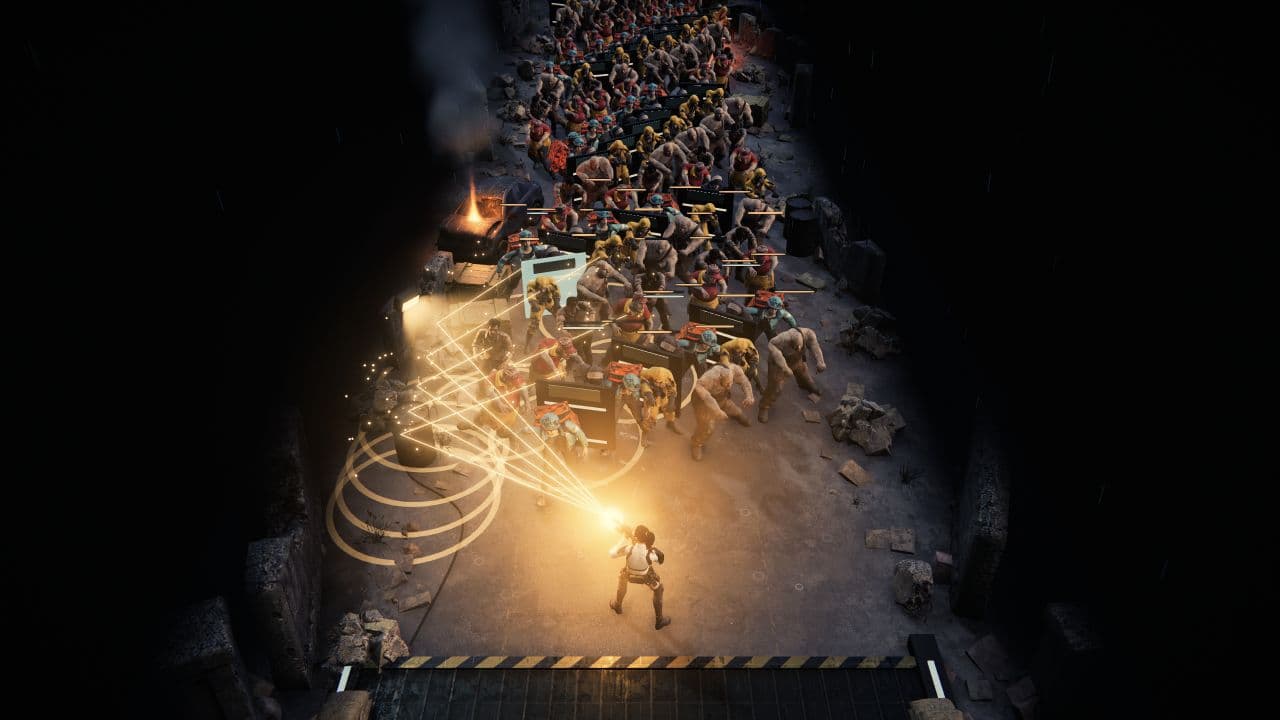
Active wave defense is the starting point here: hold your ground, create breathing room and choose a weapon build while zombies close in. The larger attraction is what happens after the shooting. Supplies support a continuing shelter, so a successful defense can improve more than the next score.
- Manual aim (desktop)
- Fast-paced
- Shelter building
- Crafting
- Permanent progress
- Platforms
- Browser Alpha in development; single-player PvE. Join the waitlist for Alpha news and playtest availability.
- Price model
- Public launch pricing and monetization have not been announced.
On desktop, movement and mouse aim are independent. You decide when to fire, reposition and reload, with cards that can add split projectiles, impact bursts or ricochets to the rifle. A larger magazine has an immediate defensive benefit: fewer interruptions when an approach gets crowded. Touch controls use a movement stick and a held FIRE control that targets the nearest living enemy, so that version of the input demands positioning rather than free cursor aim.
The battle format changes the goal. Sector operations end after three waves and advance the campaign; Scavenge is an open-ended holdout. During campaign combat, a level-up offers two battle cards and one shelter investment. Taking firepower may stabilize the current fight, while investing in supplies or production helps later deployments. That is the interesting tension: how much strength can you afford to postpone until tomorrow?
Back underground, Scrap competes across weapon projects, ammunition production, station upgrades and research. Branching doctrines give those investments direction, including a choice between stronger, slower shots and faster, lighter fire. The shelter uses established rooms and stations rather than a freely drawn fortress, and it supports the action rather than serving as a turret-placement battlefield. Choose Zombie Defence for that connection between the defender and the home they improve; choose the construction-heavy games below when designing the perimeter is the main event.
The verdict
A compelling fit when you want to fight the waves yourself and turn the rewards into a stronger home, arsenal and next deployment.
Yet Another Zombie Defense HD
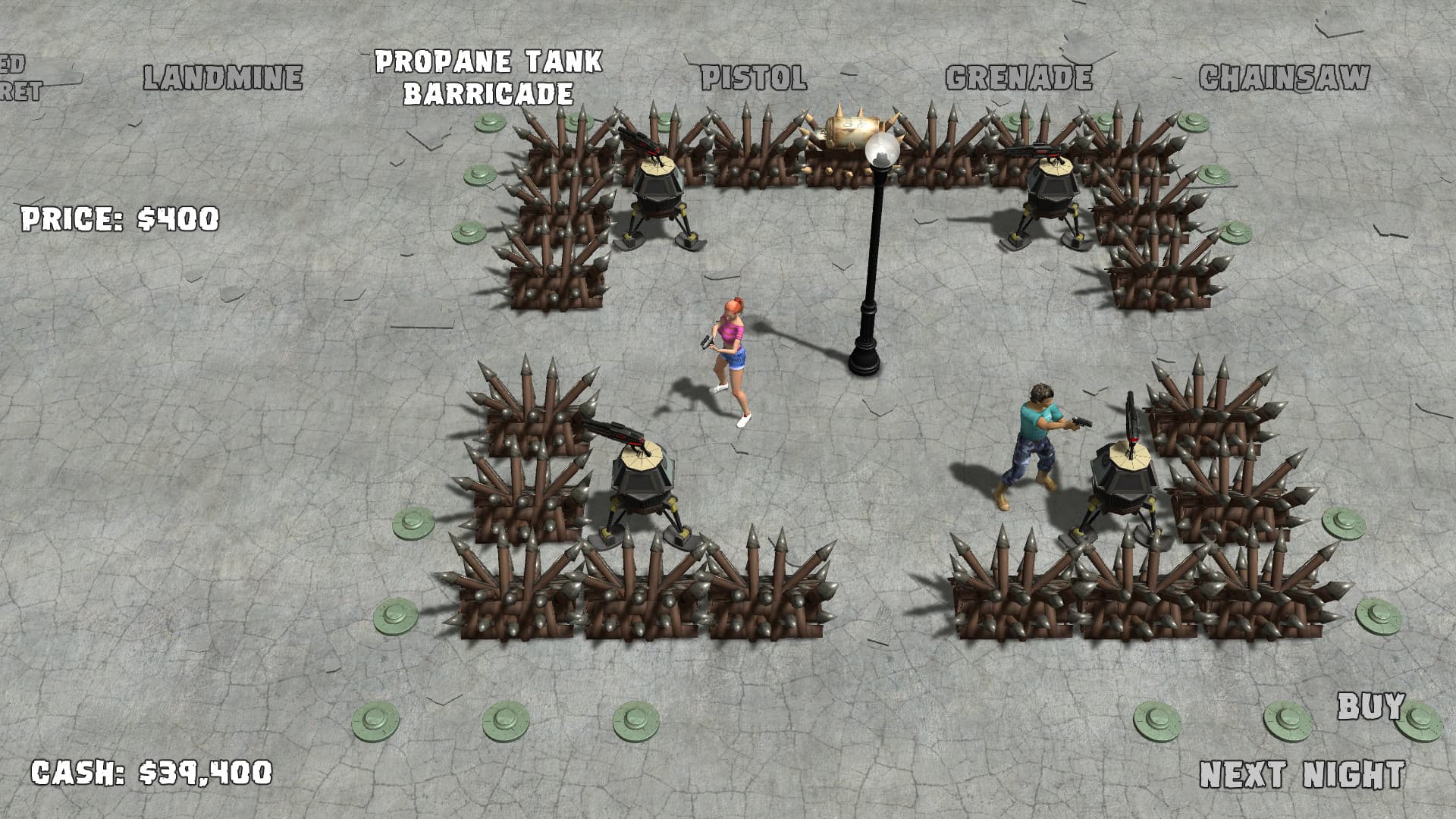
This is the most direct bridge between a shooter and a tower-defense game. In Defense mode, you spend the day preparing a position and the night fighting from it. Your own gun remains useful even after automated turrets start doing part of the work.
- Base defense
- Tactical combat
- Co-op
- Manual aim
- Platforms
- Windows PC on Steam; solo, local co-op and online co-op for up to four players.
- Price model
- Premium purchase.
The preparation budget has several jobs: weapons, ammunition, barricades, traps and turrets. Mounting a firearm on a turret turns a weapon choice into a placement choice too. A costly gun does little for an exposed approach if the surrounding plan cannot hold, while spending everything on the enclosure leaves the people inside short of firepower. The pleasure is watching a layout work and recognizing which weak point deserves the next purchase.
Once the attack arrives, this remains a twin-stick-style action game. You fight alongside the setup instead of simply watching towers resolve the wave. Up to four people can share that responsibility locally or online, making it a useful pick for friends who want a common defensive problem without taking on a full survival world. The compact setting keeps the team focused on one position rather than splitting everyone across a large scavenging map.
Select Defense for the build-and-fight rhythm described here. Endless and Deathmatch are separate modes. The developer explicitly describes the game as having no between-run meta-progression, so the lasting reward is a better plan and a longer survival attempt rather than a permanently stronger character. That makes it easy to understand what a new attempt asks of you, but less suitable if a growing shelter or continuing equipment collection is essential.
The verdict
Choose Defense mode for a clean team exercise: spend the budget, build the position and find out whether your plan survives contact with the horde.
Plants vs. Zombies GOTY Edition
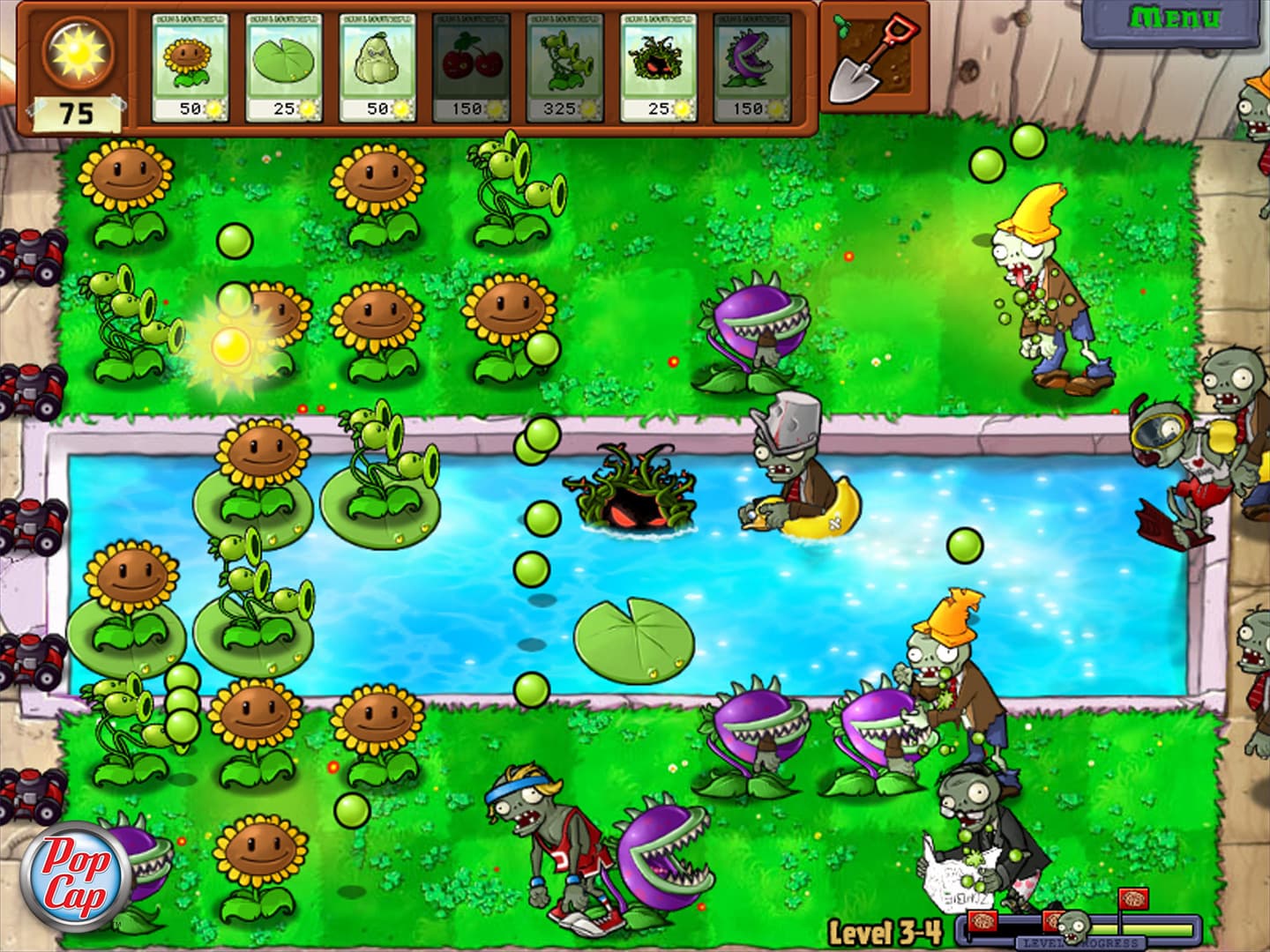
Plants vs. Zombies gives every defensive decision a wonderfully legible consequence. A sunflower earns the next plant, a blocker buys time, and an uncovered row becomes a visible emergency. It is the best starting point here if you want tower-defense thinking without running a whole settlement.
- Base defense
- Tactical combat
- Permanent progress
- Platforms
- Windows PC on Steam; the classic single-player GOTY edition.
- Price model
- Premium purchase; a free PC demo and EA Play subscription access are also listed.
Your input is choosing the seed set, collecting sun and placing plants into rows. Most attacking plants handle their own shots, but that does not make the battle passive. Seed packets recharge, available sun is limited and the zombie preview tells you which problems to prepare for. Spending early resources on the economy means accepting a thinner front line for a while; filling every gap with a damage plant can leave the next expensive answer out of reach.
The changing board matters as much as the enemy lineup. Water lanes require their own arrangements, nighttime changes the sun economy, and rooftop stages alter the planting problem. Rather than choosing the same strongest shooter repeatedly, you need a workable collection of producers, blockers, attackers and specialist answers. The fixed grid makes a failed plan understandable: you can see which lane ran out of time and adjust the next seed selection.
The classic GOTY package includes the 50-level Adventure alongside Mini-Games, Puzzle, Survival and Zen Garden. Survival opens after Adventure and lets a successful defense grow into a more demanding endurance project. We are recommending this specific PC edition, which remains listed for purchase, rather than transferring its price or features to the mobile sequels. Its tidy boards are a strength for learning and experimentation, but they will not satisfy someone looking for a freely built town.
The verdict
The most approachable pure lane-defense recommendation here, with enough resource tension and enemy counters to keep the simple-looking lawn interesting.
Dead Ahead: Zombie Warfare
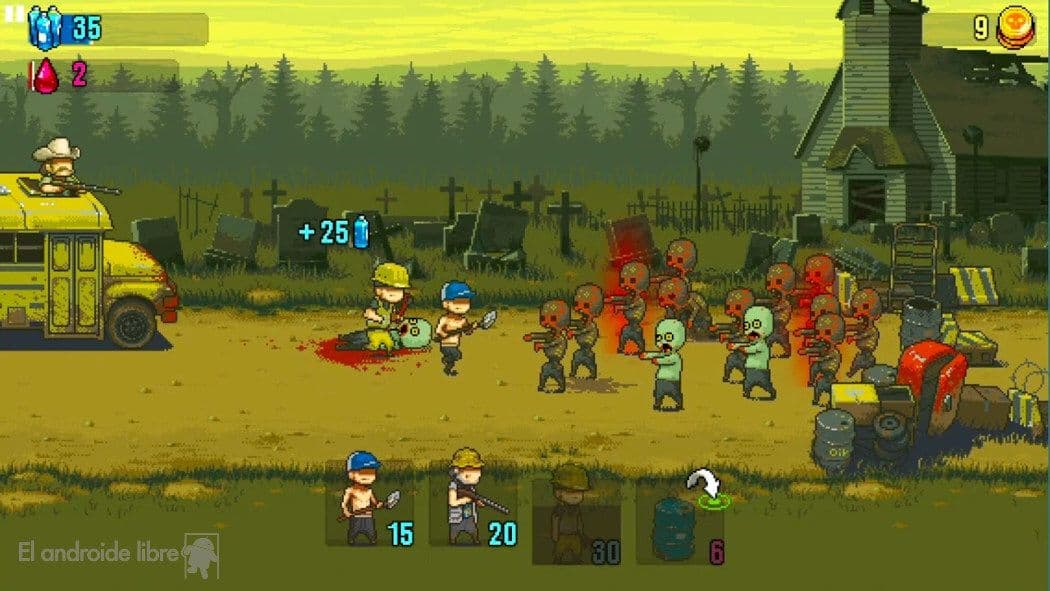
Dead Ahead makes defense a push-and-pull fight along a road. Your bus must survive, but your squad also needs to break the barricade ahead. That gives the deployment decisions a different shape from simply keeping every zombie away from a static end tile.
- Base defense
- Squad builds
- Tactical combat
- Permanent progress
- Platforms
- Android on Google Play; iPhone and iPad on the App Store. This entry compares the mobile editions.
- Price model
- Free download with ads and in-app purchases; Apple also discloses loot boxes.
You select survivor units and send them into battle, adding support items such as barrels, grenades or Molotov cocktails when the situation calls for them. The important question is which role to commit next. A deployment that strengthens the push can also leave fewer options for an emergency near the bus. Think of this as squad-based lane defense: the units do the fighting while you control the timing and composition of the response.
The objective rewards balancing offense with protection. Holding back every available survivor is not a route through the roadblock; spending everything on an unsupported attack can expose the vehicle you need to save. If Plants vs. Zombies appeals because each selection answers a specific problem, Dead Ahead adds a more aggressive version of that appeal. You are assembling a team that can create an opening, not just maintaining a row of stationary attackers.
Unit, equipment and vehicle upgrades carry the decisions beyond one battle. That makes roster development part of the attraction, especially if you like returning with a different combination rather than rebuilding a town. It also comes with a mobile free-to-play economy: ads, purchases and the App Store’s loot-box disclosure are part of the current offer. Pick it for its squad tactics, while recognizing that this is a continuing upgrade collection rather than a one-price, self-contained campaign.
The verdict
The strongest mobile fit in this selection for players who want to protect a specific target by choosing and timing a squad, with an offensive objective to keep the line moving.
They Are Billions
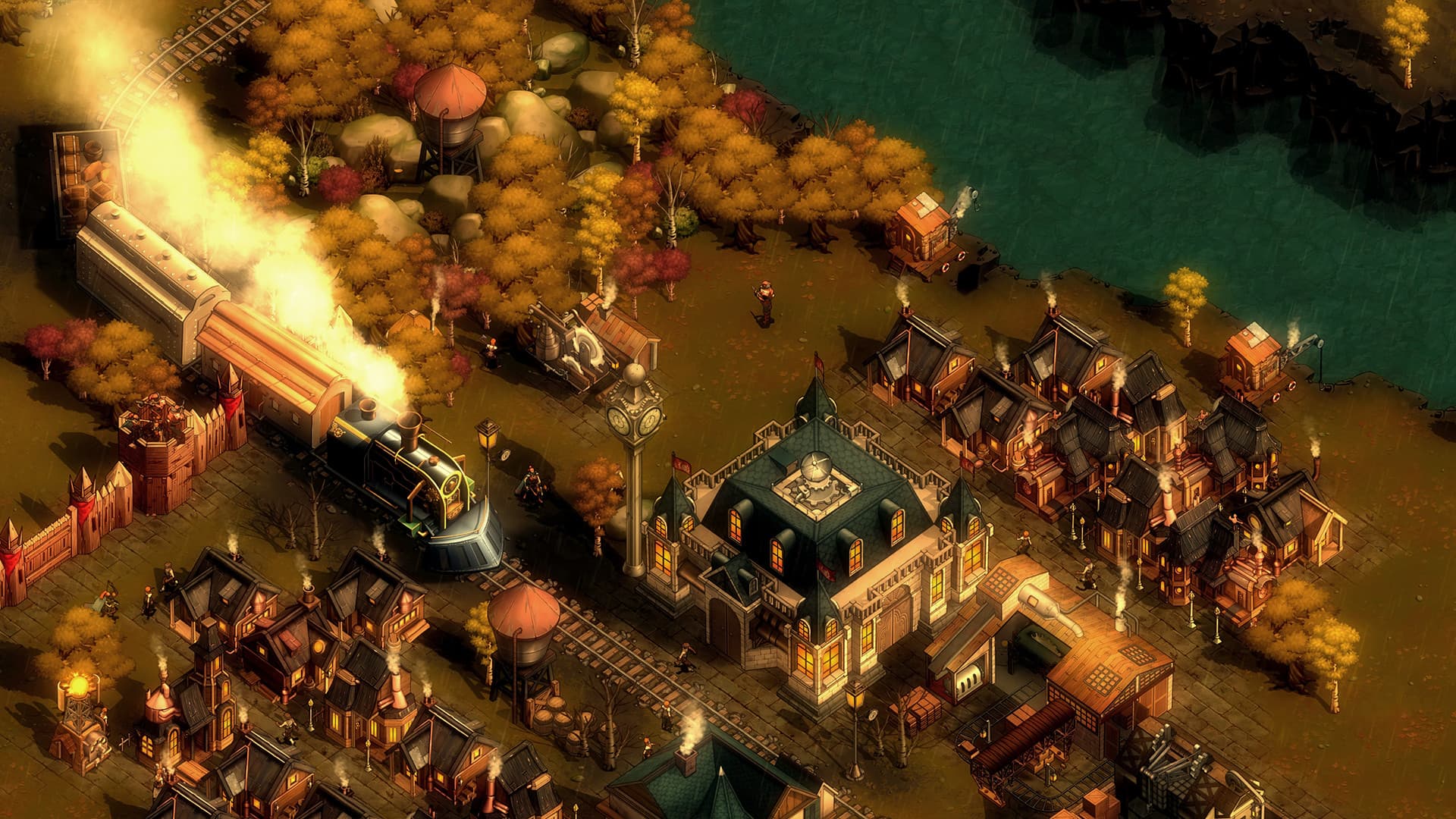
They Are Billions is our leading settlement-defense recommendation because the town and the front line are inseparable. Housing, food, industry and energy support the army, while the army has to keep the infection away from everything that makes the colony function.
- Base defense
- Shelter building
- Tactical combat
- Platforms
- Windows PC on Steam; single-player. This entry assesses the PC edition.
- Price model
- Premium purchase; the soundtrack and art book are sold separately.
You build walls, gates and towers, command units and expand a resource economy. The key difference from a small tower-defense board is that expansion creates the next defensive problem. More useful territory can mean a longer edge to protect. A powerful section of wall is not enough if another approach reaches the workers and homes behind it. The best question to ask before expanding is not just what the new area produces, but what it will cost to keep safe.
The tactical pause makes this strategic pressure manageable. You can stop the action, queue construction, issue army orders and inspect the situation before time moves again. That makes the game a strong recommendation for players who enjoy deliberate planning but dislike having every decision measured by clicking speed. The danger remains serious: a zombie entering a populated building can create new infected, allowing a local mistake to cascade through the colony.
Survival uses a randomly generated map and a defined survival period; the separate New Empire campaign supplies missions and a wider technology path. Choose Survival for repeated tests of colony layout, expansion and coverage, and the campaign for a directed sequence of challenges. Neither turns the town into a safe backdrop for endless economic growth. If protecting a carefully constructed settlement is exciting precisely because it can unravel, this is the pick.
The verdict
The best choice here when defense means running a colony whose continued existence depends on the quality of your perimeter and the economy behind it.
7 Days to Die
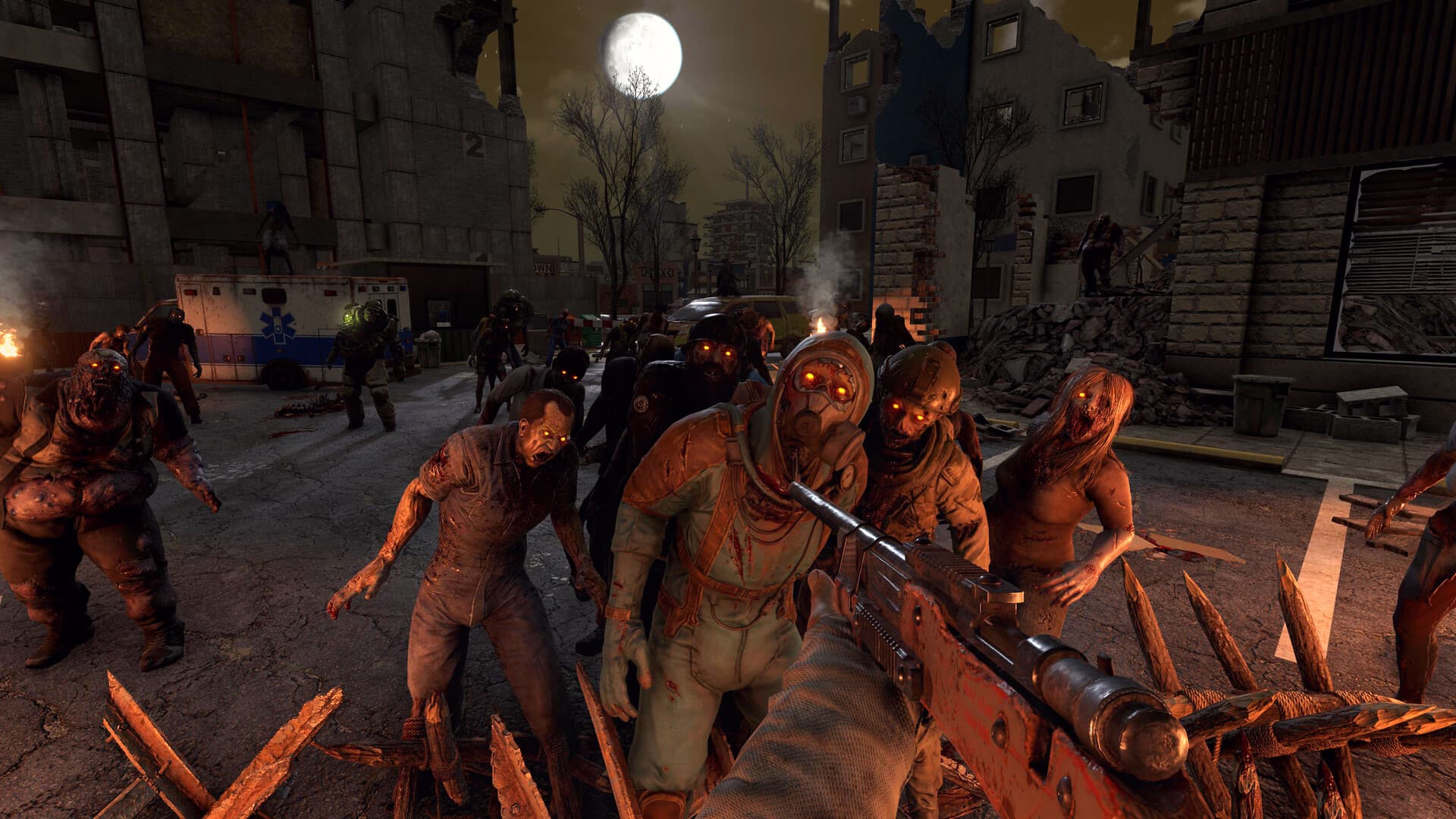
7 Days to Die makes you both the fort designer and the person standing inside it when the zombies arrive. It is the strongest option here for players who want defensive engineering to grow out of a larger world of scavenging, crafting and character development.
- Base defense
- Crafting
- Co-op
- Manual aim
- Platforms
- Windows, macOS and Linux on Steam; solo, online co-op and LAN co-op. This entry assesses the current PC game.
- Price model
- Premium base game; optional cosmetic packs and soundtrack are sold separately.
Build defensive positions from blocks, add traps and powered equipment, and fight through the result with your own weapons. The world is destructible and structures depend on support, so the layout has to survive physical damage as well as enemy numbers. Think about firing space, supply access and a fallback position alongside the obvious question of how much damage your defenses can deliver. A base that is awkward to use can become its own problem during an attack.
Blood Moon hordes give preparation a recurring test, but the schedule is configurable. The current sandbox options include Blood Moon frequency, range and count, along with enemy block damage, digging and resource settings. That flexibility matters if your group wants more building time or a heavier defense focus. The 2026 V3.0 update also added an M60 turret, giving later defenses another concrete weapon option rather than making every improvement a thicker wall.
The cost of all that freedom is the work surrounding a siege. Gathering, crafting, repairing, eating and exploring remain part of the chosen survival setup, and a group needs to agree on its world settings. This is a continuing shared project rather than a quick succession of cleanly separated defense boards. If preparing ammunition and improving the structure are part of the fun, that extra work makes the eventual holdout feel earned.
The verdict
Choose it for the full preparation story: find the supplies, build the fort, arm the defenses and personally hold the position when the horde arrives.
Infection Free Zone
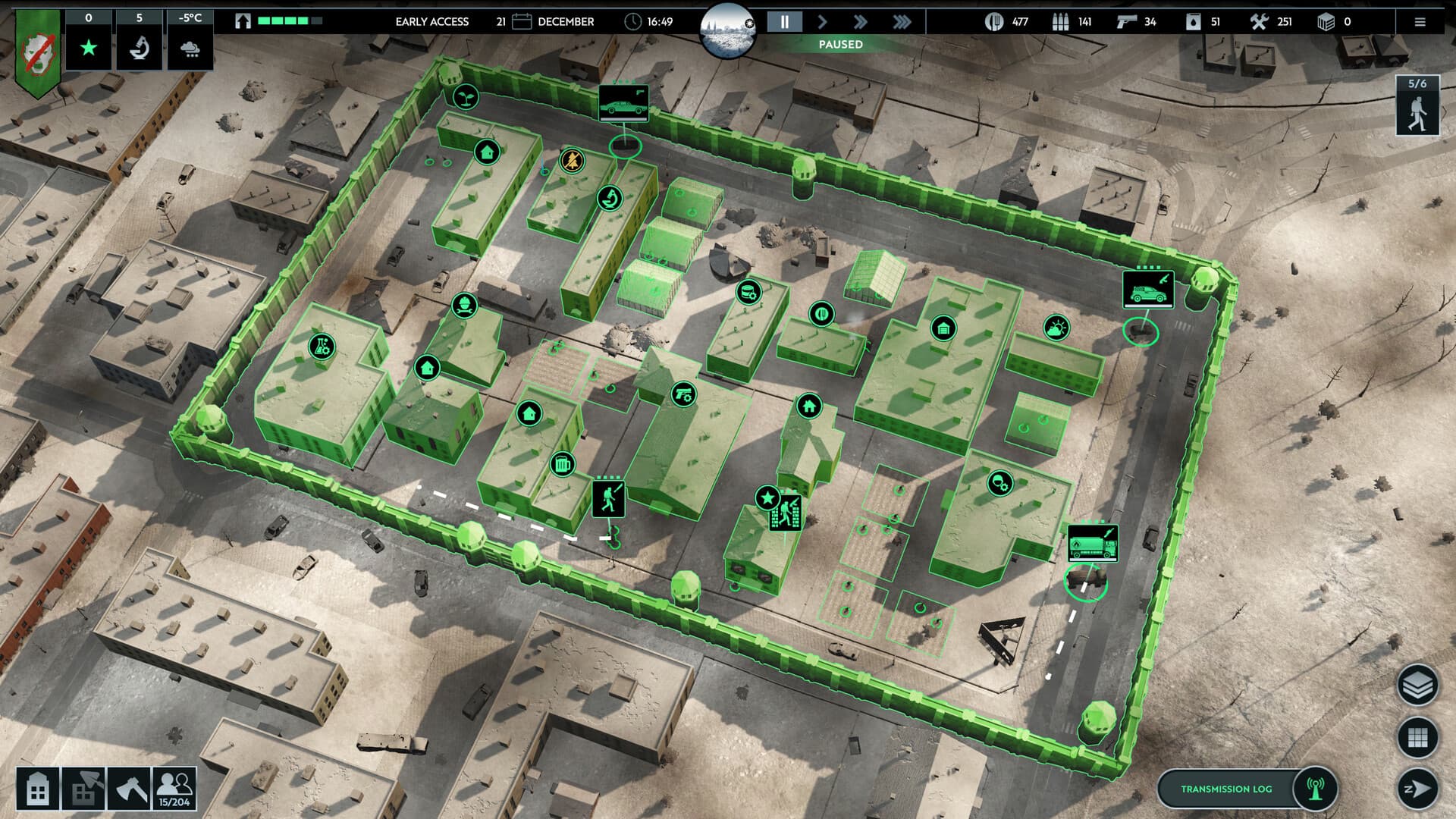
Infection Free Zone gives the settlement-defense problem a recognizable starting point: a real place. Download a map based on geographic data, choose a headquarters and adapt the surrounding buildings. The streets you inherit become part of the defensive puzzle.
- Base defense
- Shelter building
- Tactical combat
- Platforms
- Windows PC on Steam; single-player Early Access. This entry assesses the PC edition.
- Price model
- Premium Early Access purchase; an optional Supporter Pack is sold separately.
Instead of beginning with an empty field and a neat set of building plots, you decide how existing structures can serve the survivors. Shelters, production and food need space, while walls, gates and towers must protect a useful area. A familiar-looking neighborhood can make the planning immediately engaging: which cluster would be economical to enclose, and which buildings would force the perimeter to stretch too far?
Your battle input comes through squads and defensive preparation, not a first-person gun. Vehicles, ranged weapons and fortifications help answer nighttime attacks. Recent PC updates added minefields, bunkers, mortars and squad patrol loops; selected buildings also show their entrances to help with access planning. Those details matter because a settlement is only useful if the people defending and supplying it can move through the layout you create.
This is the pick for players who enjoy adapting to geography more than following a deliberately balanced lawn or arena. The result comes with more management and an evolving PC ruleset. Save compatibility deserves attention before major updates: June 2026’s Major Update #6 required the previous Steam branch to continue older settlements. The attraction is already concrete, but a player who wants an uninterrupted, finished campaign may prefer They Are Billions or Plants vs. Zombies.
The verdict
A distinctive settlement-defense choice when the appeal is making a real-looking place defensible and managing the people, routes and resources inside it.
How we compare
A good recommendation explains who a game suits and where it falls short. Our editorial scores use the same five criteria, each rated out of ten.
- 01
Combat
Controls, aiming, enemy readability, and the decisions you make under pressure.
- 02
Progression
Build choices during a run and meaningful progress between attempts.
- 03
Usability
Control demands, platform access, interface options, and documented device requirements.
- 04
Value
What the asking price includes, optional purchases, and the scope of the free version.
- 05
Fit
How well the game answers the specific question in this article.
Which one should you try?
Start with the decisions you want to own. Choose Plants vs. Zombies for a readable lane puzzle, Dead Ahead for a mobile squad that protects and pushes, or Yet Another Zombie Defense HD for a barricaded firefight with friends. They Are Billions is the strongest settlement-defense recommendation; Infection Free Zone trades its designed setting for the puzzle of a real neighborhood. 7 Days to Die gives you the broadest build-it-and-fight-inside-it survival project. Zombie Defence occupies the active-shooting side of this spectrum, with wave battles, permanent weapon projects and shelter research turning each defense into preparation for the next deployment.
Your questions, answered.
Want to see what we’re building?
Zombie Defence is in Alpha. Join the waitlist.
More games to explore
- 9 Best Zombie Games With Base Building in 2026
Compare nine zombie games with base building, from freeform forts and colony defense to adapted city blocks and persistent shelter upgrades.
- 5 Best Zombie Wave Survival Games (Plus Zombie Defence in Alpha)
Compare zombie wave survival games by what happens between attacks: shop, fortify, choose upgrades, or build a colony before the next horde.
- 7 Best Horde-Survival Games With Base Building
Compare seven horde-survival games with meaningful base building, from persistent shelter upgrades to custom defenses, camp rooms and entire fortified colonies.