5 Best Zombie Wave Survival Games (Plus Zombie Defence in Alpha)
The best wave loops give you a reason to prepare

The best zombie wave survival games make the gap between attacks matter. Some let you buy weapons or build barricades; others ask you to spend a short trader break, shape an in-run skill build, or prepare a whole settlement before a scheduled horde.
These five released games show different kinds of preparation, from Yet Another Zombie Defense HD’s daylight setup to 7 Days to Die’s configurable Blood Moon schedule. Zombie Defence is listed separately in browser Alpha: its three-wave sector battles connect combat upgrades with a persistent shelter, while endless scavenging and Scrap expeditions remain separate modes.
The quick comparison
6 games, different reasons to give the next run a chance.
Choose a game to jump to its overview. Platform lists are summaries; check the linked official edition.
The games
Yet Another Zombie Defense HD
Use the daylight to buy gear and fortify a position before increasingly dangerous night waves.
- Base defense
- Tactical combat
- Co-op
- Manual aim
- Platforms
- PC (Steam)
- Price model
- Premium purchase
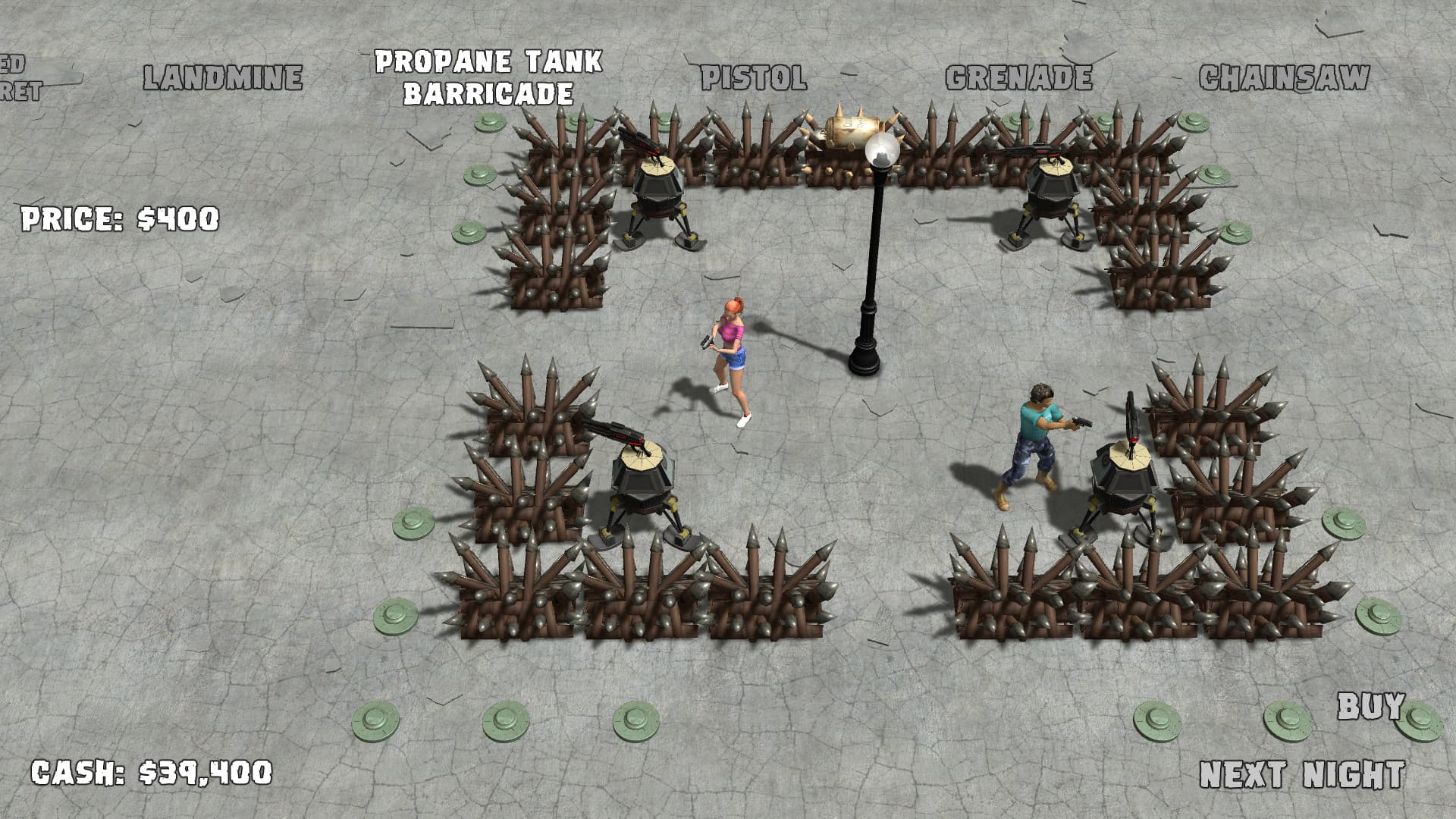
This is a compact, wave-forward match: during daylight, you buy guns and ammunition, then use the remaining preparation period to place barricades and turrets before night. Darkness brings increasingly dangerous waves, so shopping and physical setup sit directly between attacks. The loop is easy to read: choose what to spend, decide where to fortify, then see whether the position holds.
Defense is the straightest fit for this topic; Endless and Deathmatch are separate mode choices, not one round that quietly continues forever. The Steam edition supports solo play, local co-op, and online co-op for up to four players. Its focus is a fixed defensive position rather than a roaming survival map, and the arcade loop offers little survivor-campaign growth between sessions.
The verdict
Pick it when you want the cleanest shop-build-defend rhythm before each night.
Killing Floor 2
Spend each Trader Time break on a loadout that can carry your team through the next Zed wave.
- Co-op
- Fast-paced
- Tactical combat
- Manual aim
- Platforms
- Windows PC (Steam)
- Price model
- Premium purchase; optional paid content is sold separately
Killing Floor 2 makes the intermission itself a resource decision: clear a Zed wave, then use Trader Time to spend Dosh on weapons, ammunition, and armor before the next one. The trader’s clock keeps shopping focused, while up to six players share the pressure to buy useful gear. Classes and perks give the loadout a role, so each purchase can affect which lanes your team can hold.
Regular Survival matches use a set wave count and finish with a boss; the separate Endless playlist is its own mode. That distinction keeps this pick about round-to-round buying rather than marathon survival. Solo play is available if you want to learn the arsenal on your own, while co-op makes team roles more important. The tradeoff is pace: the timer limits deliberate shopping, and a full team’s firefights can feel busy at first.

The verdict
Choose it when you want a short, tactical shopping break to shape the next round.
Zombie Waves
Build a run through one-handed mobile action, skill choices, stages, and boss encounters.
- Fast-paced
- Roguelite
- Platforms
- Android and iOS
- Price model
- Free download with in-app purchases; Google Play also lists ads and random-item purchases
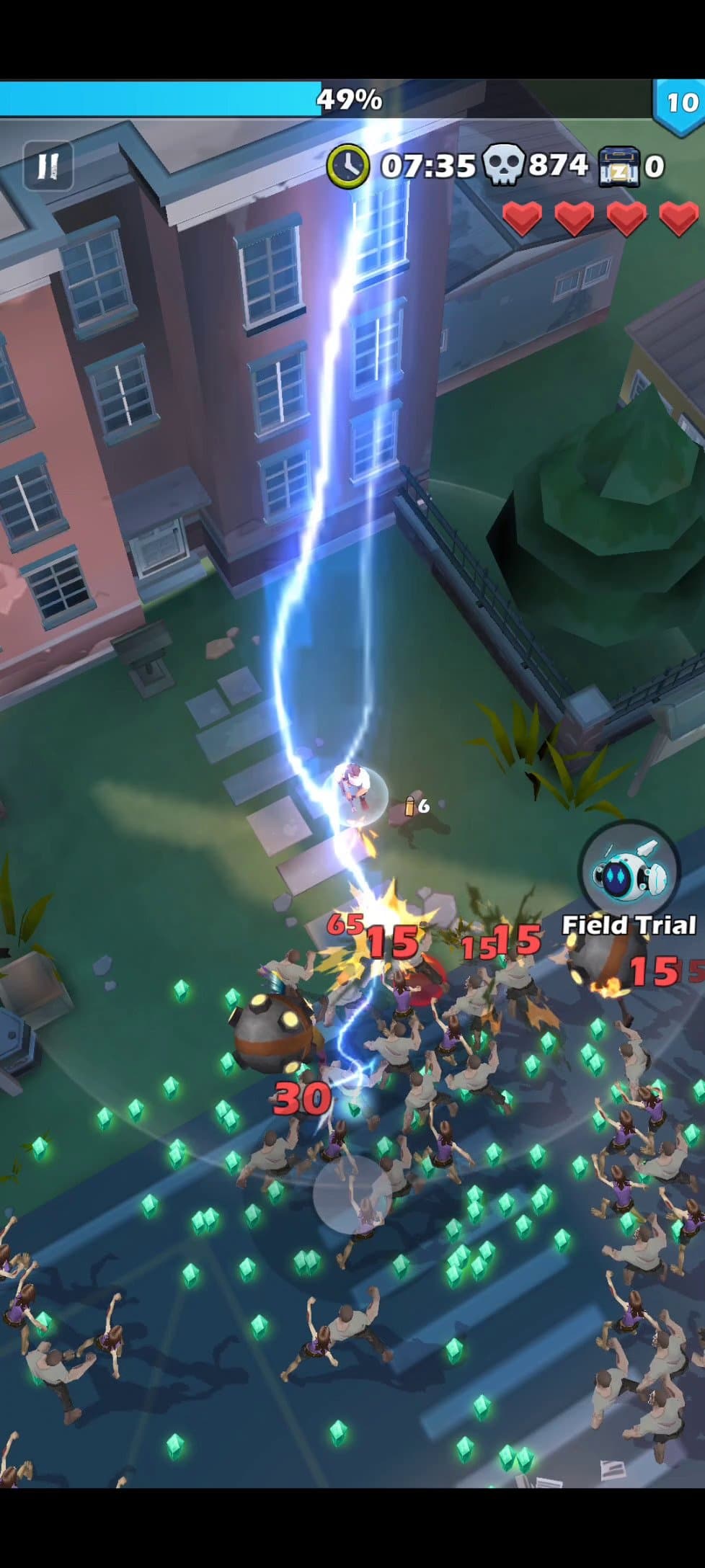
Zombie Waves keeps pressure inside portrait-mobile action rather than giving you a trader room. Its official store listings describe one-handed controls, auto-aim, stages, bosses, and more than 100 roguelite skills. As upgrade choices accumulate, they shape what the current run can do. That makes preparation an in-run build decision instead of a separate shopping or barricade phase.
The Google Play listing identifies ads and in-app purchases, including random-item purchases; Apple lists a free download with in-app purchases. This is the most accessible pick here for quick touch play, but its upgrade loop asks you to adapt while the run is moving. Players looking specifically for a clear stop between rounds, a repair period, or a place to build defenses will find a closer match in Yet Another Zombie Defense HD or Killing Floor 2.
The verdict
Pick it for mobile skill-build decisions made during the action, rather than a separate preparation break.
7 Days to Die
Prepare a base and gather supplies between horde nights in a configurable survival sandbox.
- Shelter building
- Crafting
- Exploration
- Base defense
- Platforms
- PC (Steam)
- Price model
- Premium purchase
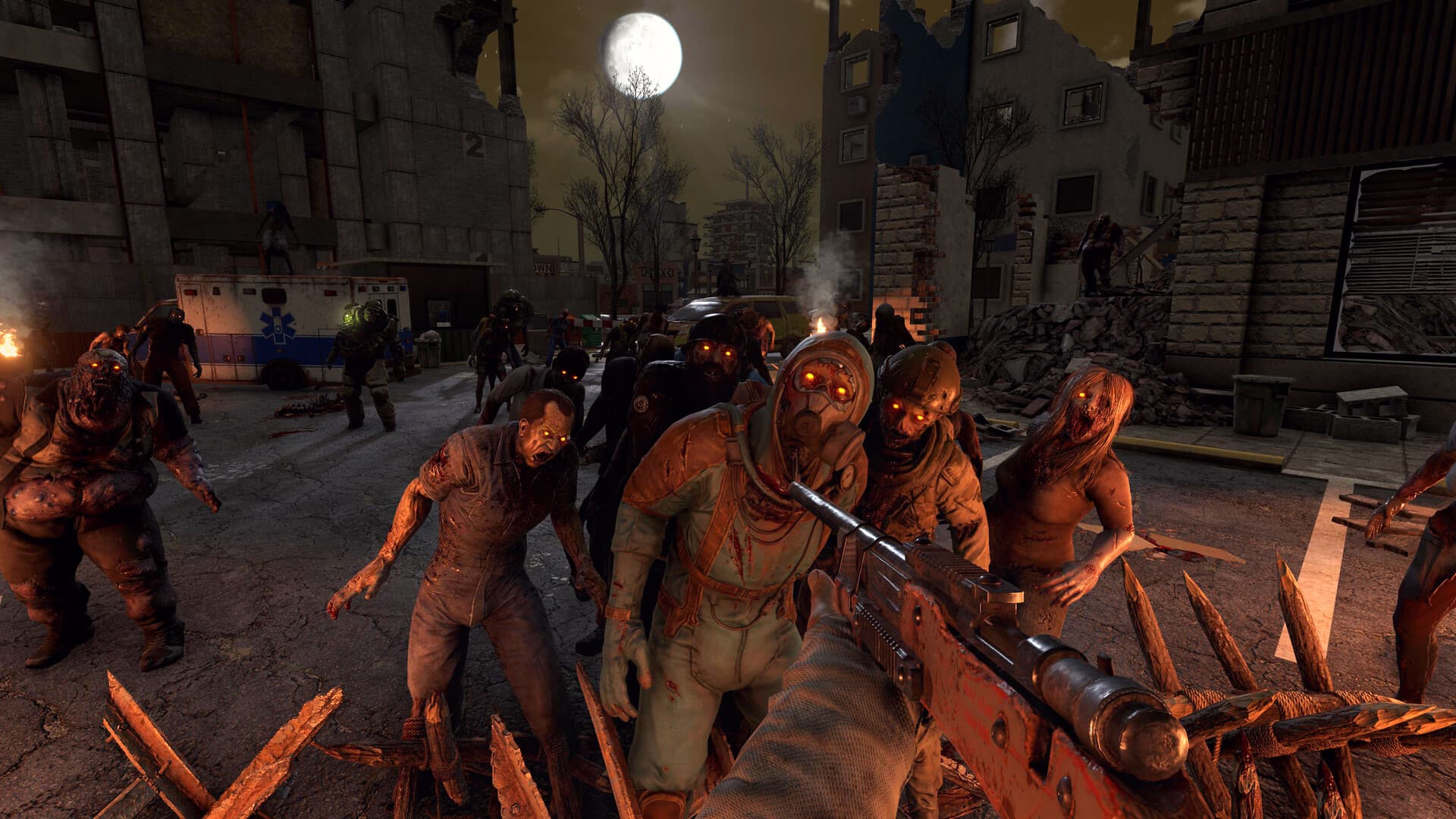
The Blood Moon schedule gives this survival sandbox a natural prepare-and-defend rhythm: scavenge, craft, repair, and fortify before the horde night arrives. Traps, weapons, and base layout turn preparation into a long project rather than a brief equipment shop. World settings let players change horde-night frequency and enemy counts, so a campaign does not have to use the same cadence or pressure for everyone.
That freedom comes with a larger survival workload. Exploration, crafting, resource collection, and base upkeep sit alongside the horde nights, so this is not a string of compact arena rounds. It suits players who want days of planning to pay off in a defense; anyone looking for a quick, consistent break between attacks may prefer a trader-based shooter. Steam lists the full game as released for PC, with solo and online co-op play.
The verdict
Choose it when the preparation is the point: build and stock a base, then see how it handles the next Blood Moon.
They Are Billions
Survival mode asks you to build a colony that can outlast a period of escalating infected swarms.
- Shelter building
- Base defense
- Tactical combat
- Platforms
- Windows PC (Steam)
- Price model
- Premium purchase
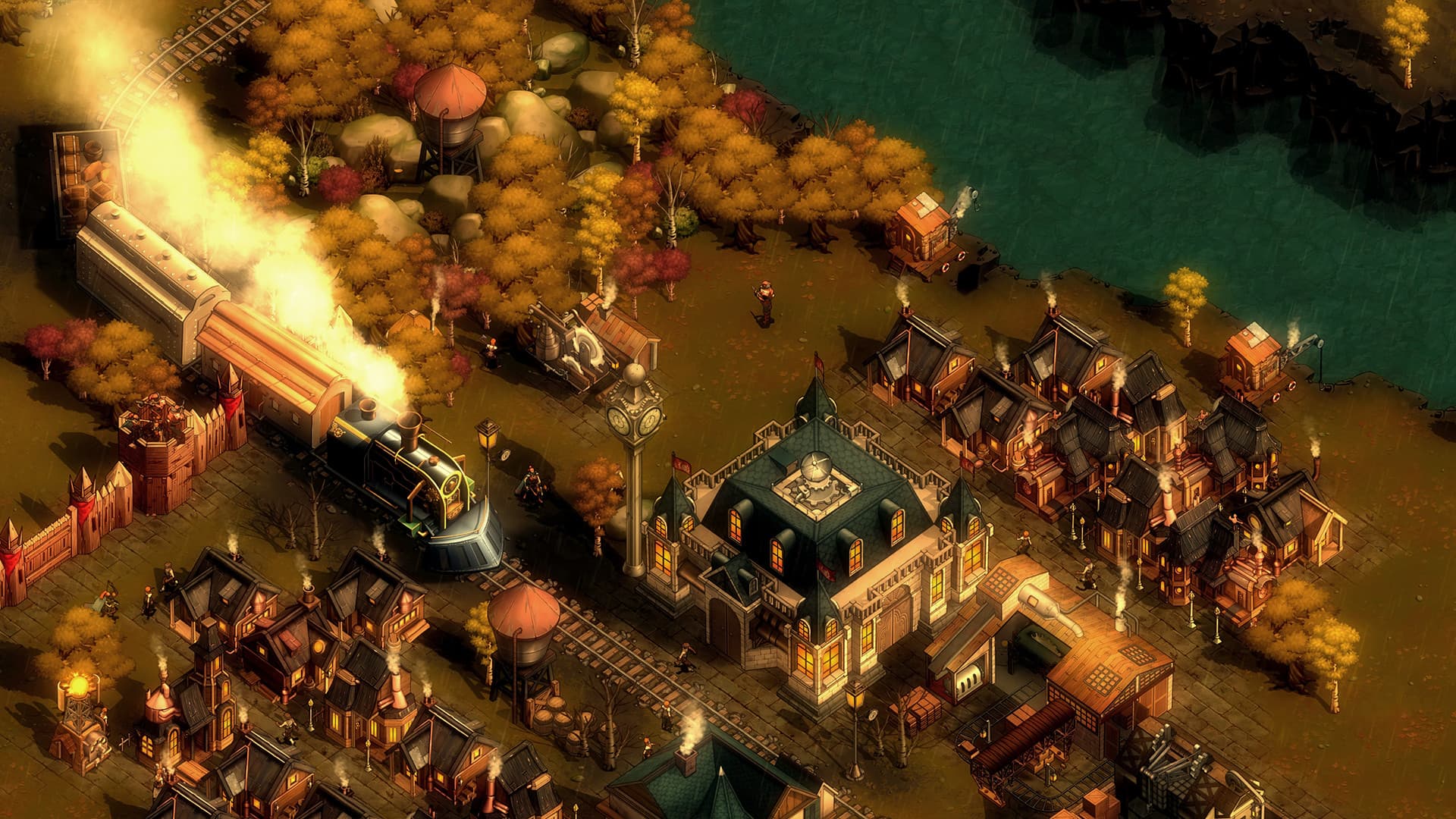
For a strategy counterpoint, Survival mode drops you into a random world and asks you to keep a colony alive for a defined period against infected swarms. Resources, homes, power, units, and perimeter shape the preparation. Real-time pause lets you place structures and issue army orders without racing a first-person reload. The campaign is separate and offers 48 missions plus a large technology tree.
This is not a regular shooter round and Trader cycle: infected also roam the map and react to noise, so threats can grow beyond a single scheduled attack. Choose it when the economy and defensive layout matter more than direct aiming. The RTS scale and colony systems have a steeper learning curve than an arena shooter, and Steam lists it as single-player, with no co-op option. A useful wave-prep comparison, but the least direct pick for players who want to fight each horde themselves.
The verdict
Pick it for pauseable colony planning under swarm pressure, not for a first-person wave shooter.
Zombie Defence
Three-wave sector fights connect deploy-specific upgrades to a persistent shelter and separate Scrap expeditions.
- Manual aim (desktop)
- Extraction
- Shelter building
- Crafting
- Permanent progress
- Platforms
- Browser Alpha (development build); native mobile releases are planned
- Price model
- Freemium is planned; launch price and access terms are unconfirmed
Zombie Defence gives each wave break a destination. A sector battle has three waves, and XP offers three-card choices that can improve the current fight or direct investment toward a persistent shelter. Its fixed rooms add between-deployment preparation: the Salvage Bench makes weapon parts, while the Ammo Press produces ammunition. Desktop combat uses cursor aim; on touch, the fire control targets the nearest living enemy.
The broader campaign keeps this round loop distinct from endless scavenging and Scrap expeditions. Expeditions send you into city areas to gather Scrap and reach extraction; picked-up Scrap is retained after extraction, defeat, or an interrupted page reload, subject to storage capacity. Shelter progress also persists through defeat. Those linked systems make preparation meaningful, though station rooms constrain construction to a fixed layout.
The verdict
Choose Zombie Defence when you want a three-wave sector to feed a persistent shelter, with endless scavenging and Scrap expeditions kept as separate ways to deploy.
How we compare
A good recommendation explains who a game suits and where it falls short. Our editorial scores use the same five criteria, each rated out of ten.
- 01
Combat
Controls, aiming, enemy readability, and the decisions you make under pressure.
- 02
Progression
Build choices during a run and meaningful progress between attempts.
- 03
Usability
Control demands, platform access, interface options, and documented device requirements.
- 04
Value
What the asking price includes, optional purchases, and the scope of the free version.
- 05
Fit
How well the game answers the specific question in this article.
Which one should you try?
For an actual shopping break, start with Yet Another Zombie Defense HD or Killing Floor 2; for a longer base project, 7 Days to Die makes preparation span the days before a Blood Moon. Zombie Waves turns planning into skill picks during a mobile run, while They Are Billions moves the same pressure to a pauseable colony. Zombie Defence pairs a three-wave sector with persistent shelter investment.
Your questions, answered.
Want to see what we’re building?
Zombie Defence is in Alpha. Join the waitlist.
More games to explore
- 7 Best Zombie Defense Games in 2026
Find your kind of zombie defense: active shooting, plant-and-unit lane tactics, or fortified settlements. Seven picks with clear controls, costs and tradeoffs.
- 7 Best Zombie Games With Endless Survival Modes
Find zombie games with endless modes that keep raising the stakes, from co-op horde shooters to lane defense and a persistent shelter project.
- 9 Best Zombie Games With Base Building in 2026
Compare nine zombie games with base building, from freeform forts and colony defense to adapted city blocks and persistent shelter upgrades.