7 Games Like The Last Stand: Aftermath
Scavenging, extraction, and what carries into your next attempt
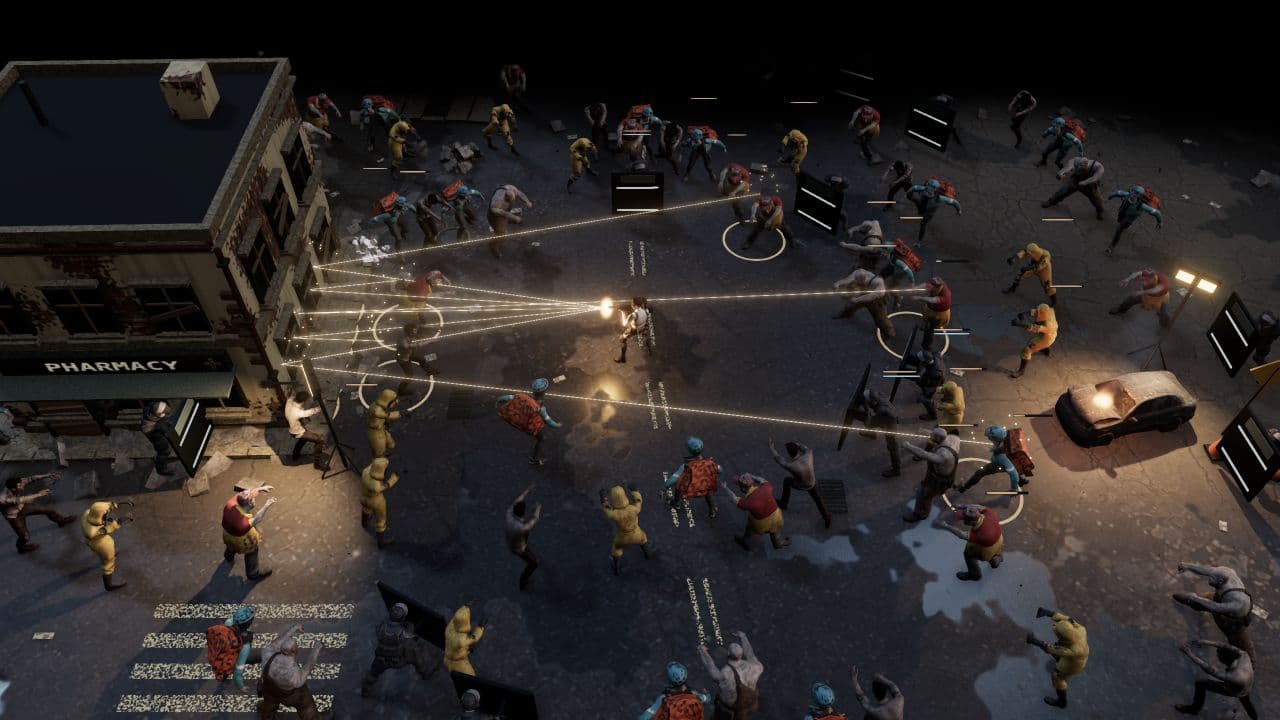
If you want the scavenging, ammo pressure, and run-to-run progression of The Last Stand: Aftermath, these seven games offer different ways to put supplies at risk. Some keep the infected-survivor premise; others trade zombies for a closer solo extraction loop or a community that has to survive beyond one outing.
Aftermath’s survivor eventually dies from infection or violence. A new survivor then starts with perks and upgrades earned from earlier progress; it is not the same character returning cured. The comparisons below focus on that distinction: what can you bring home, what persists after a loss, and how much of each trip depends on getting out alive.
The quick comparison
7 games, different reasons to give the next run a chance.
Choose a game to jump to its overview. Platform lists are summaries; check the linked official edition.
The games
Zombie Defence
Desktop cursor-aim zombie expeditions connect city loot to a persistent shelter, and picked-up Scrap survives even a failed outing.
- Manual aim (desktop)
- Extraction
- Shelter building
- Crafting
- Permanent progress
- Platforms
- Browser Alpha (development build); native mobile stores are planned.
- Price model
- Freemium planned; launch pricing and monetization terms are unconfirmed.
The closest match is its separate Scrap expedition: on desktop, move through city streets, aim and fire by hand, manage ammunition and reloads, search containers, then decide whether to reach extraction or push further. Sector battles and Endless Scrapes are separate modes, so the game is not one repeated extraction loop.
The key difference from Aftermath is what a failed run costs. Scrap picked up in a Scrap expedition is retained after extraction or defeat, up to storage capacity, while shelter upgrades persist. That Scrap can feed production, weapon crafting, research, worker assignments, and cultivation. The connected shelter makes even a short haul useful, but its safer recovery will feel less punishing than losing a survivor and starting the next life.
The verdict
Pick Zombie Defence for the strongest mix of hands-on zombie combat, a real extraction choice, and a shelter that turns loot into lasting projects. Its lower loss stakes are a specific tradeoff for Aftermath fans.
FatalZone
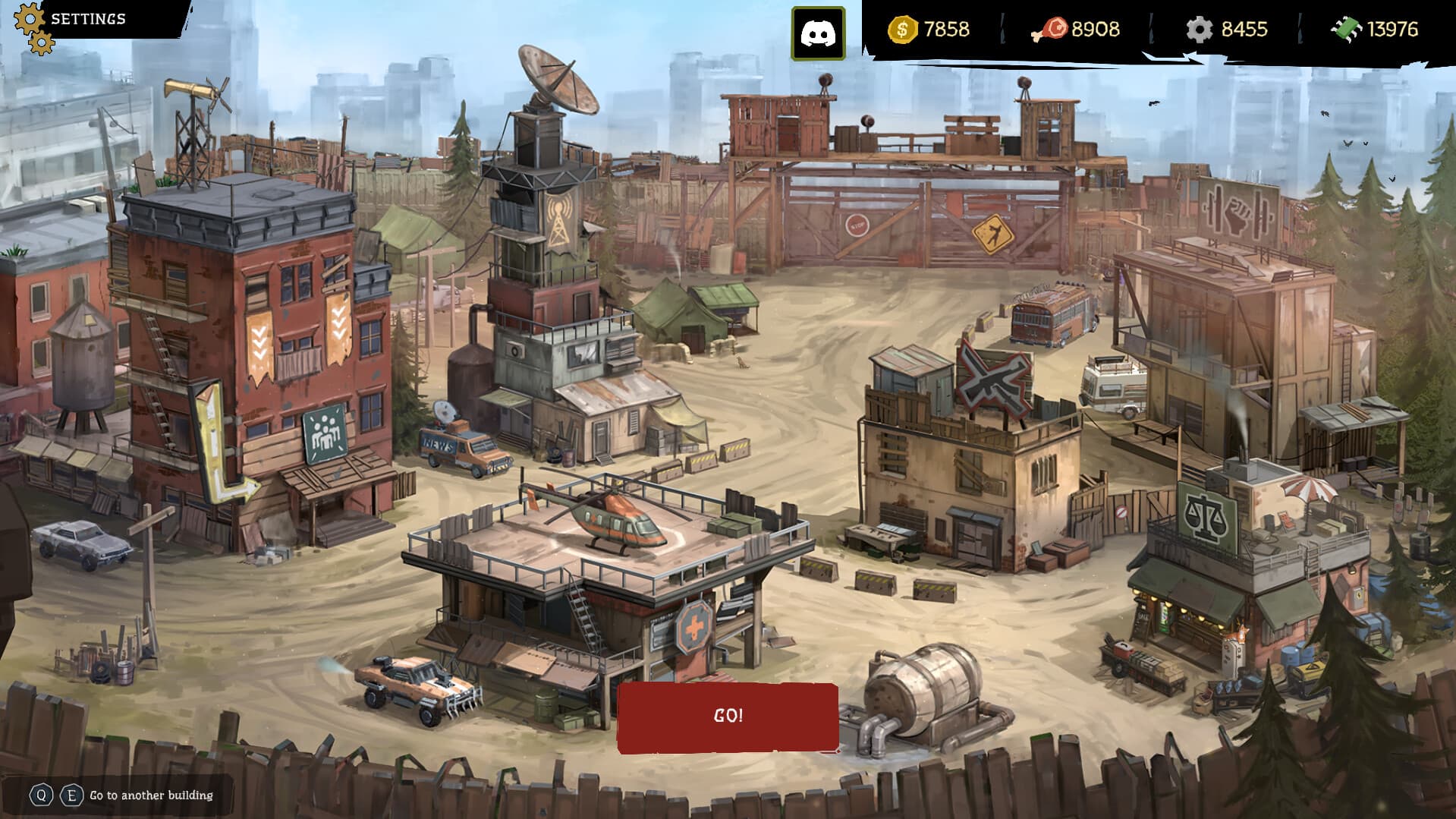
This zombie auto-shooter adds a recruitable mercenary roster, a persistent camp, and an optional early helicopter evacuation.
- Roguelite
- Squad builds
- Shelter building
- Permanent progress
- Platforms
- Windows PC via Steam; single-player
- Price model
- Paid game
FatalZone shares Aftermath’s infected setting and roguelite pressure, but its combat is an auto-shooter: build choices and positioning matter more than aiming each shot or timing a reload. Runs add temporary and lasting skills, while virus exposure can weaken a mercenary and produce a helpful or harmful mutation.
Between missions, camp buildings unlock buffs, training, recruitment, and equipment upgrades. You can call the evac helicopter before the run ends, but the stakes are sharper than Zombie Defence’s Scrap system: a mercenary killed on a run can be lost permanently and replaced from the roster. The camp and recruitable roster make keeping backup mercenaries part of the long-term strategy.
The verdict
Choose FatalZone if you want a released zombie roguelite with an upgradeable camp and character loss that matters. Choose a manual shooter if controlling every shot is central to the appeal.
Deadly Days: Roadtrip
Fuel the bus, pick a route through zombie territory, and decide when to extract with the backpack you have built.
- Extraction
- Loot builds
- Roguelite
- Squad builds
- Platforms
- Windows PC via Steam; two-player couch co-op beta is available
- Price model
- Paid Early Access game
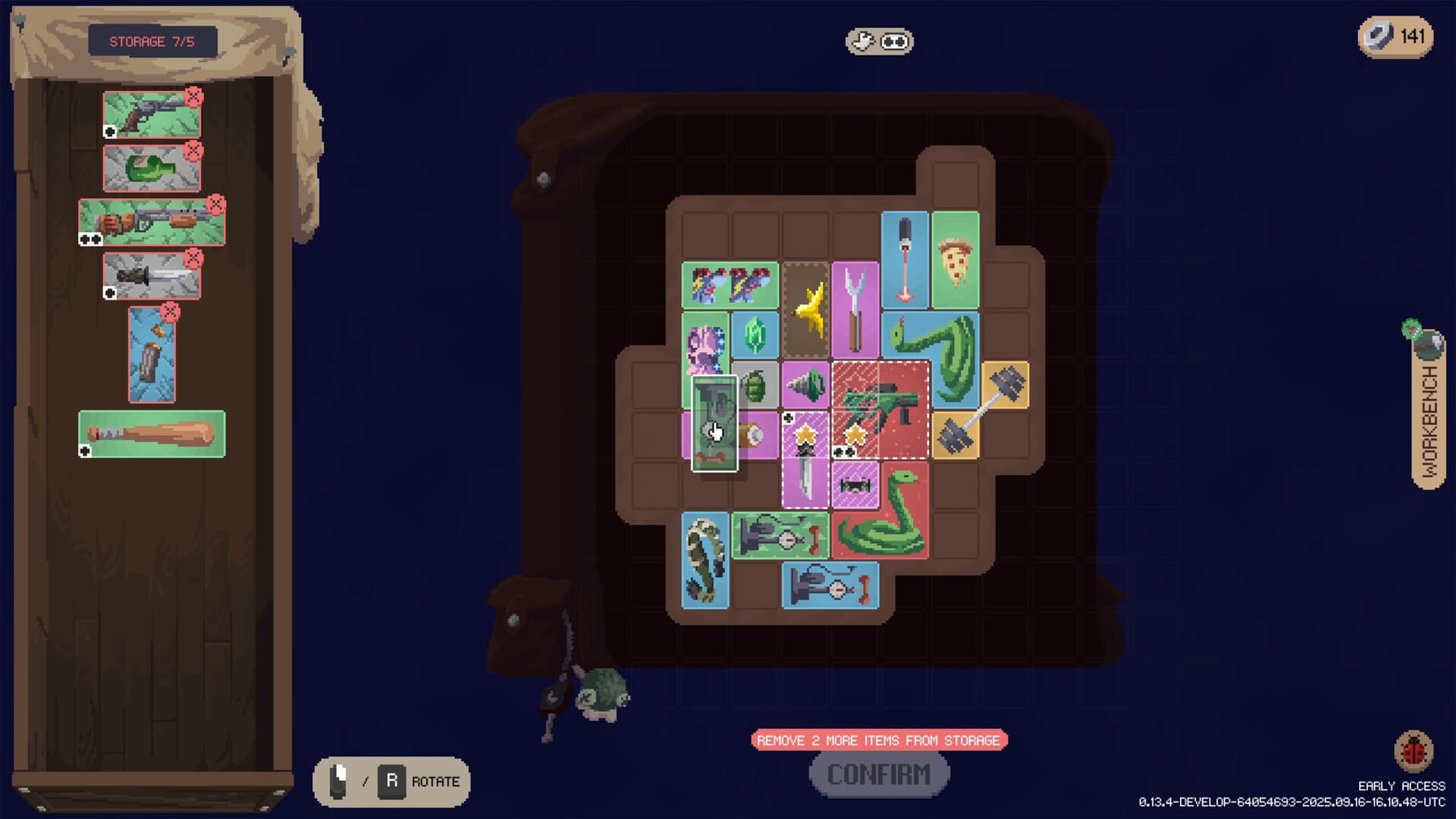
Each trip moves through procedural stops, zombie hordes, and route decisions. Its bullet-heaven combat emphasizes movement and building an effective stream of attacks rather than Aftermath’s manual-aim-and-reload feel. You can play alone or try the two-player couch co-op beta; Steam Remote Play can bring in a remote player.
Loot is a puzzle as much as a reward. Items occupy blocks in a backpack, and adjacent gear can add effects before you recombine or craft items into stronger versions. Recruited survivors expand the base roster and change later trips. Its appeal is the route-and-inventory rhythm, not Aftermath’s infection clock.
The verdict
Deadly Days: Roadtrip is the clearest zombie road-trip alternative if you want the extraction decision itself to shape a run. It is less like Aftermath’s infected survivor story and direct gunplay.
ZERO Sievert
Swap the infected for radioactive wildlife and bandits while keeping the solo scavenging, weapon-tuning, and extraction loop.
- Extraction
- Exploration
- Loot builds
- Crafting
- Platforms
- Windows PC via Steam; single-player
- Price model
- Paid game
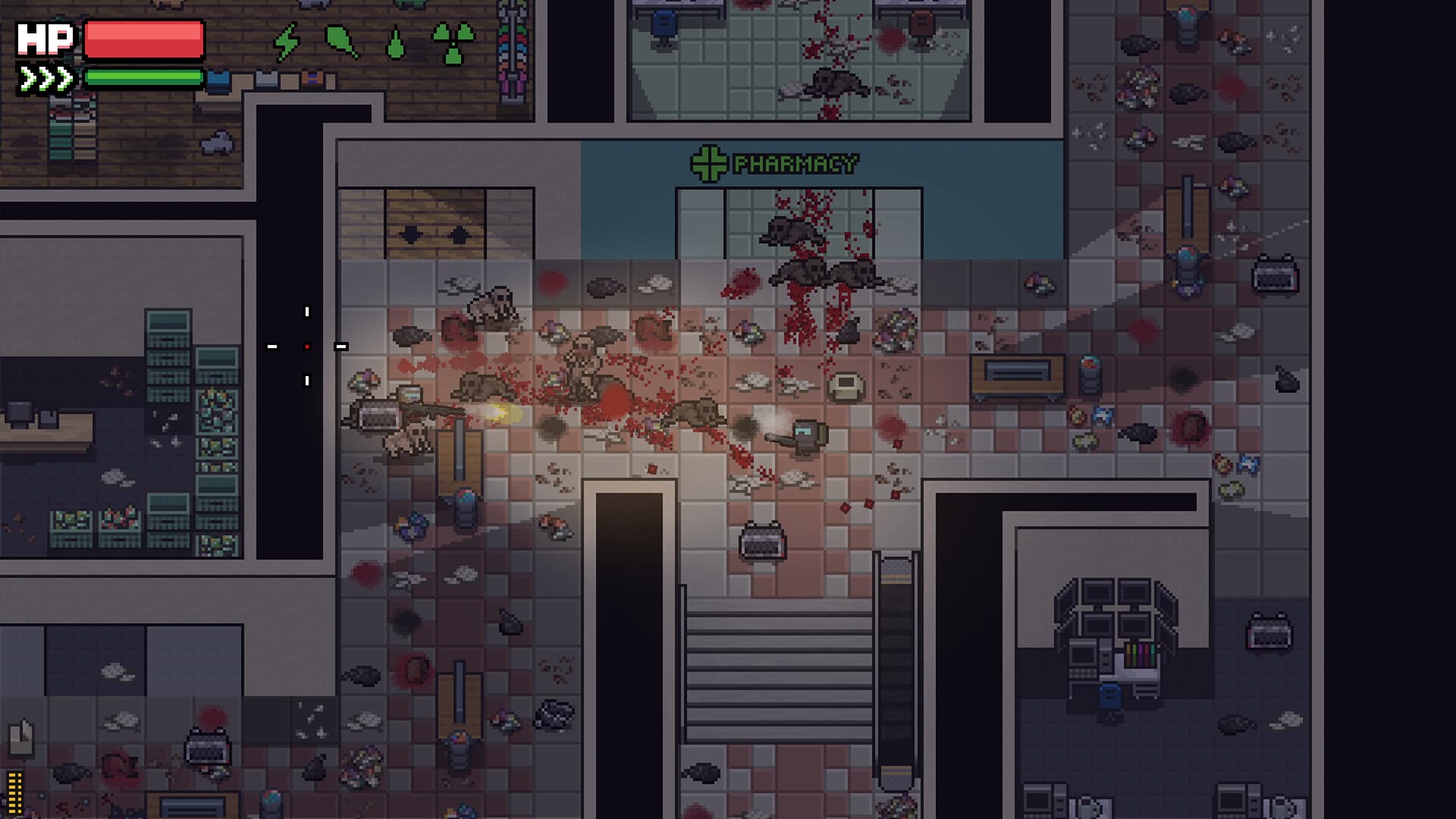
ZERO Sievert is the closest match here for a top-down, solo extraction structure. Procedurally generated maps change the loot, hiding spots, and weather, and each trip asks you to recover supplies and get back alive. It trades Aftermath’s zombies and urgency of infection for a radioactive wasteland and hostile wildlife.
The bunker gives a longer arc to those raids: traders, modding stations, skills, faction reputation, and quests make preparation matter after you return. Weapon customization and the layered bunker menus add depth, but they ask more planning than Aftermath’s quick scavenging rhythm. The current difficulty cards spell out the stakes: Relaxed, Standard, and Survivor keep gear; Hunter loses most gear; Custom lets you set the rules. Successful extractions also build experience for hunter and weapon skills.
The verdict
Pick ZERO Sievert when the extract-and-return loop matters more than the zombie theme. It offers a broader solo bunker and weapons arc, but requires more loadout planning.
Escape from Duckov
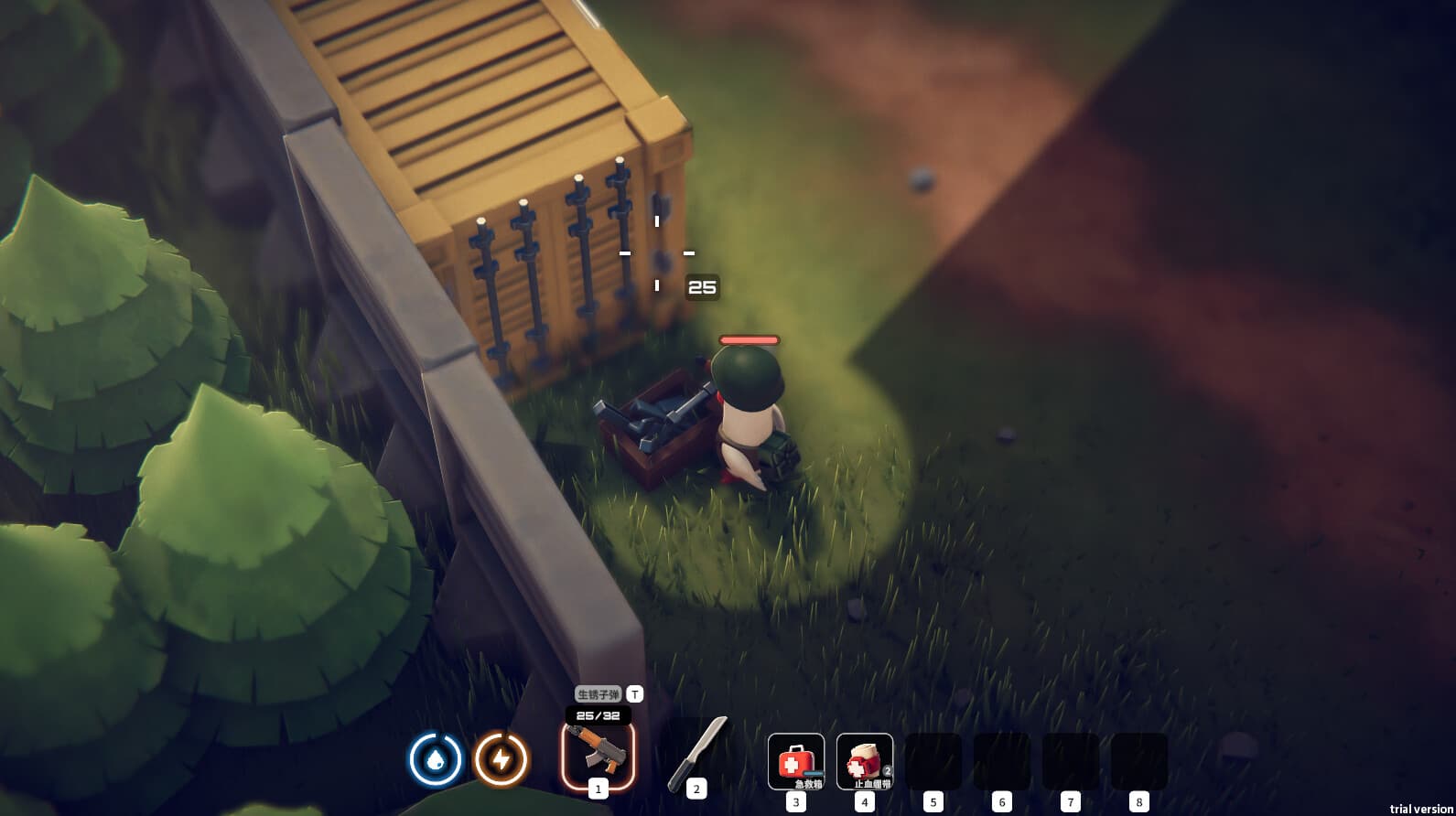
A comic duck apocalypse uses a serious scavenging loop: raid for valuables, improve a hideout, and try to extract.
- Extraction
- Loot builds
- Crafting
- Exploration
- Platforms
- Windows PC and macOS via Steam; single-player PvE
- Price model
- Paid game
Beyond the base, enemies and shifting loot make five maps feel like risky expeditions. Steam warns that missing extraction can mean losing everything, giving the return decision a harder edge than Zombie Defence’s capacity-limited Scrap recovery. The humor comes from the cast and presentation; the weapons, enemy ambushes, and survival pressure still carry the run.
Back at the hideout, gear upgrades, workbench crafting, blueprints, quests, and skill trees give each return a purpose. It is a single-player PvE game, so you can focus on enemy encounters without a rival player interrupting the trip. Its biggest contrast is tone: this is a colorful duck setting, not a bleak infected-human story, and the Mac version has demanding minimum hardware requirements.
The verdict
Escape from Duckov suits players who want an extraction loop and a persistent hideout but prefer solo PvE to Aftermath’s infection narrative. Its tone and gear risk are a sharp change.
State of Decay 2: Juggernaut Edition
A supply run becomes part of a continuing zombie community, so survivors and base facilities matter beyond one trip.
- Exploration
- Crafting
- Shelter building
- Co-op
- Platforms
- Windows PC, Xbox One, and Xbox Series X|S
- Price model
- Paid purchase; Xbox Game Pass access varies by plan and region
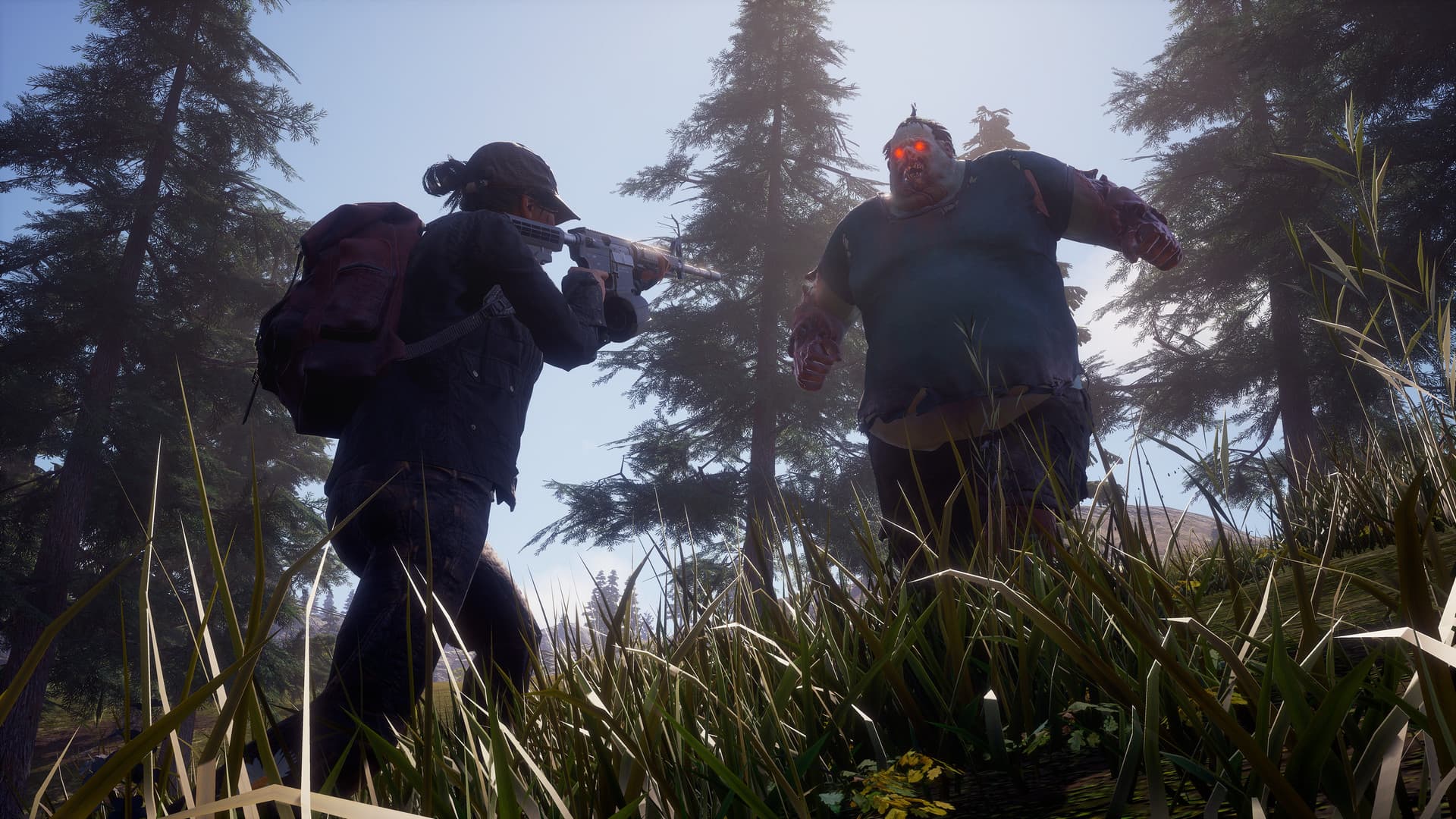
This is an open-world community sim rather than a roguelite. Choose a survivor to scavenge for food or ammunition, decide who stays to defend the base, and bring weapons back to improve your position. A survivor can die and force a switch to a different community member, while the settlement and its wider needs keep going.
That makes its consequences more about community management than extracting a single haul: facilities use resources, morale needs attention, and every trip can solve one shortage while raising another risk. Direct melee and firearm combat help preserve Aftermath’s hands-on side; co-op is available if you want help with a supply run. The tradeoff is the open-world logistics and longer sessions, not a run that neatly ends at an evacuation marker.
The verdict
Choose State of Decay 2 if you want a zombie world where survivor losses change a persistent community. It replaces Aftermath’s focused runs with broader settlement logistics.
DYSMANTLE
An island-wide crafting adventure turns abandoned objects into permanent gear and outposts instead of a carried extraction haul.
- Exploration
- Crafting
- Permanent progress
- Platforms
- Windows and macOS via Steam
- Price model
- Paid base game; optional expansions are sold separately
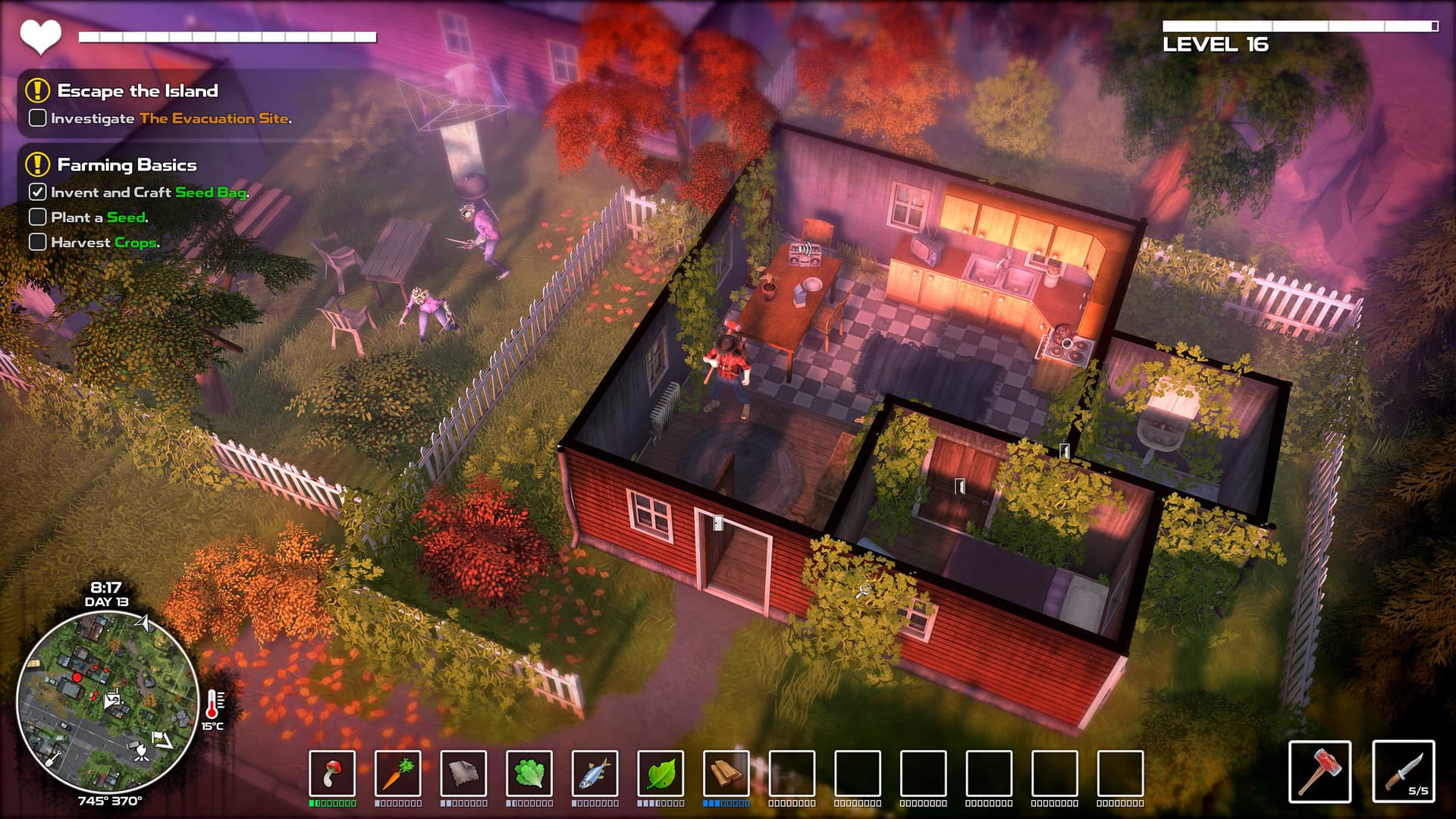
DYSMANTLE keeps the zombie aftermath but stretches it into a handcrafted island. With stronger tools, you can break most objects for materials, then make permanent weapons and equipment, claim outposts, and build toward the island’s escape. Farming, hunting, and cooking add other ways to turn exploration into long-term upgrades.
That persistence makes it a useful alternative if what you want is supplies that keep paying off after each expedition. It has no comparable extraction marker that ends a short run, and it is not centered on recruiting survivors or losing one infected character after another. The rhythm is slower and more about clearing, collecting, and crafting than urgent shooting.
The verdict
DYSMANTLE is the relaxed, long-form choice if you like scavenging and crafting more than survivor attrition. Its world persists, but the Aftermath-style run tension does not.
How we compare
A good recommendation explains who a game suits and where it falls short. Our editorial scores use the same five criteria, each rated out of ten.
- 01
Combat
Controls, aiming, enemy readability, and the decisions you make under pressure.
- 02
Progression
Build choices during a run and meaningful progress between attempts.
- 03
Usability
Control demands, platform access, interface options, and documented device requirements.
- 04
Value
What the asking price includes, optional purchases, and the scope of the free version.
- 05
Fit
How well the game answers the specific question in this article.
Which one should you try?
For a close zombie match with a camp, start with FatalZone if you can accept auto-shooting and permanent mercenary losses; choose Deadly Days: Roadtrip for route choices, loot packing, and extraction. Zombie Defence offers the most direct shooting-and-shelter mix, with lighter Scrap losses. ZERO Sievert and Escape from Duckov are the stronger picks for solo extraction mechanics, while State of Decay 2 and DYSMANTLE keep zombie scavenging inside a persistent world.
Your questions, answered.
Want to see what we’re building?
Zombie Defence is in Alpha. Join the waitlist.
More games to explore
- 7 Best Games Like Yet Another Zombie Survivors
Compare seven alternatives to Yet Another Zombie Survivors, from zombie camp roguelites and mobile companions to manual-aim shooters and mission-based horde runs.
- 5 Games Like Deadly Days: Roadtrip
Find five zombie and horde games that echo Deadly Days: Roadtrip through backpack puzzles, extraction choices, dangerous runs, or lasting camp growth.
- 5 Games Like Decision: Red Daze for Action, Settlements, and Scavenging
Compare five zombie games by direct combat, survivor management, scavenging, and what each trip builds back at home.