5 Best Games Like Escape from Duckov
Keep the joy of finding the last part for a project, with different choices for gunplay, home building and the cost of a bad outing.

ZERO Sievert is the closest choice if you want more of Escape from Duckov’s solo scavenging, equipment preparation and useful junk. Zombie Defence connects active zombie outings to a lasting shelter; Deadly Days: Roadtrip makes packing the loot a game of its own. FatalZone trades careful room-clearing for horde battles and a mercenary camp, while DYSMANTLE suits the player who would happily spend the evening gathering materials for one more upgrade.
Duckov’s appeal is bigger than its extraction points. A modest errand can become an expedition because the next ingredient finishes a workbench project, a quest gives an unfamiliar area a purpose, or a new weapon changes how you tackle a familiar threat. Its bright duck world puts those decisions in a playful wrapper. A useful alternative should preserve some of that satisfaction, then make clear whether it changes the shooting, the home, the mood or the setback after a mistake.
These five picks all support solo PvE. Four are available as paid desktop games, including Roadtrip in Early Access; Zombie Defence is a browser Alpha in development, with waitlist signup for news and playtest availability rather than immediate access. DYSMANTLE is an open-world crafting alternative, not an extraction shooter. The comparisons below focus on what a Duckov fan can actually carry over: a way of playing, a kind of project, or a preferred level of risk.
The quick comparison
5 games, different reasons to give the next run a chance.
Choose a game to jump to its overview. Platform lists are summaries; check the linked official edition.
The games
ZERO Sievert
Choose ZERO Sievert when your favorite Duckov moments involve packing for a particular errand, finding a needed item and deciding that the bag is worth bringing home.
- Extraction
- Manual aim
- Crafting
- Permanent progress
- Platforms
- Windows PC via Steam; original single-player game.
- Price model
- Paid game.
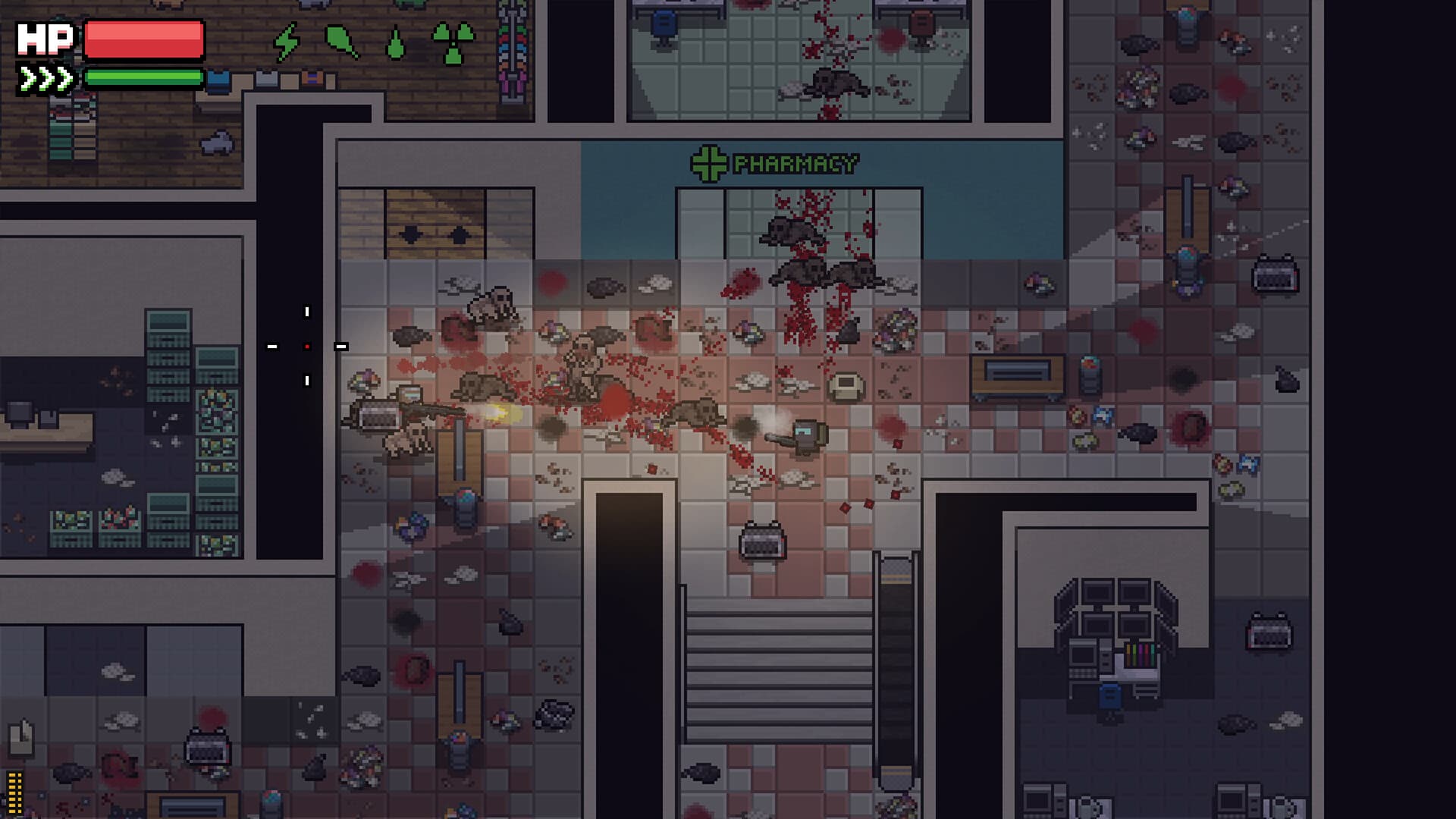
The camera stays overhead, but the atmosphere changes immediately. Duckov’s rounded 3D characters give way to a pixel-art wasteland of armed scavengers, mutants and contaminated ground. You still aim your own shots and search for equipment between encounters. The important difference is the texture of the journey: this is a tense survival expedition, with ammunition, medical supplies and the condition of your kit competing for attention. It is a good next step when Duckov’s preparation was part of the pleasure.
The bunker supplies a strong answer to the familiar question: what am I looking for this time? Questlines, trade, weapon modifications and installable home improvements turn loose supplies into plans. Rather than treating everything in a container as money, you can earmark materials for a module or a particular piece of equipment. That makes a small, successful collection trip feel worthwhile. The tradeoff is more inventory and equipment administration; enjoying the shopping list helps as much as enjoying the firefight.
You do not have to choose the harshest loss rules to get that tension. Since the August 2026 update, the presets are Relaxed, Standard, Survivor and Hunter, alongside Custom. The first three protect the gear you brought into a raid; Hunter risks most of that gear. Newly gathered loot still needs a successful extraction. For a Duckov player who wants to learn the wasteland without constantly replacing a favorite gun, Standard is a sensible place to begin rather than assuming that every death must empty the loadout.
Pick this for the most direct continuation of Duckov’s quest-and-loot rhythm, especially if a grimmer setting sounds appealing. It is less suitable if the comic tone and uncomplicated wandering were the main attraction. There is also no official co-op in the original ZERO Sievert: the developer reaffirmed that in October 2026, separately from community mods and its sequel. Its strength here is a personal campaign where learning what to keep, what to sell and when to leave steadily improves your next decision.
The verdict
The best first stop for more solo scavenging with quests and a useful home, provided you want a darker wasteland and do not mind managing the kit.
Zombie Defence
Zombie Defence is a strong fit for the Duckov player who likes having a concrete reason to go outside: a weapon to build, a station to upgrade or a shelter supply problem to solve.
- Manual aim (desktop)
- Extraction
- Shelter building
- Crafting
- Permanent progress
- Platforms
- Browser Alpha in development; current Alpha is single-player PvE.
- Price model
- Public launch pricing and purchase terms are not announced.
Scrap expeditions put that purpose into a compact ruined-city outing. Amber containers draw you around wreckage and cover, zombie pressure increases as time passes, and the green extraction pad gives the return journey a clear destination. Desktop combat uses independent movement and cursor aim, with magazines and reloads to manage; touch fire targets the nearest living enemy. The view is elevated 3D, but the encounter pattern is a crowd closing around escape routes rather than Duckov’s patrols and extended quest excursions.
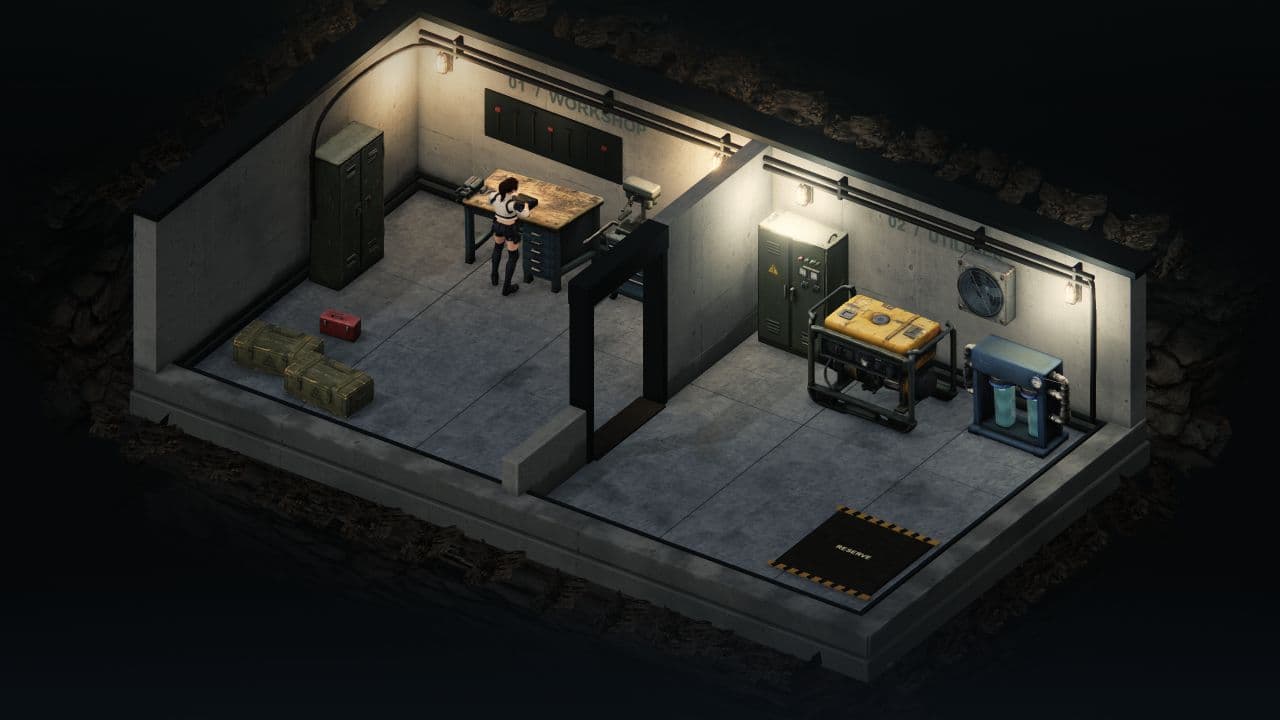
Back underground, Scrap has several useful destinations. The Salvage Bench can process it, station upgrades improve the shelter, and crafting turns a stockpile into lasting weapons. That creates a practical planning problem: reserve resources for the gun you want, or spend them on production that supports later outings? Research makes some choices more consequential by closing an opposing doctrine route. The shelter has fixed facilities and expansion choices, so the pleasure comes from improving a working home rather than freely designing an enormous compound.
Its setback rules are particularly appealing if you want effort to keep adding up. Scrap collected on these expeditions is retained on extraction, defeat and interrupted browser-page reload settlement, up to storage capacity. Shelter facilities, weapons and research also persist through defeat. This is a different bargain from risking an entire carried loadout: danger still asks you to aim, move and make an exit, but a failed supply run can move the home project forward. Managing storage and spending the haul remain important.
There is a quieter reason to return as well. Crop growing and meal preparation connect the home to future deployments, while Mara’s authored conversations give the shelter a person to care about between fights. Those details suit the Duckov fan who likes doing small, useful jobs rather than chasing competitive status. Expect a more focused zombie campaign and station economy, with less emphasis on a wide network of NPC errands. The attraction is the connection between an active outing and a home that visibly benefits from it.
The verdict
Choose this design for active supply runs with forgiving cargo retention and a shelter whose next improvement is easy to care about.
Deadly Days: Roadtrip
Roadtrip keeps the silly apocalypse and the temptation to grab one more thing, then makes item placement and outrageous combat combinations the main event.
- Loot builds
- Crafting
- Extraction
- Permanent progress
- Platforms
- Windows PC via Steam; Early Access as of 13 October 2026.
- Price model
- Paid Early Access game; optional Supporter Pack.
This is the liveliest choice if Duckov’s lighthearted surface mattered as much as its danger. Its 2.5D pixel-art locations turn scavenging into a bus journey, with fuel, a choice of stops and an extraction decision before the horde overwhelms you. Combat leans into bullet-heaven escalation: the reward for a successful setup is a screen full of destructive effects. You are choosing a more hectic rhythm than cautious duck-to-duck firefights, with route and build decisions setting the direction of the trip.
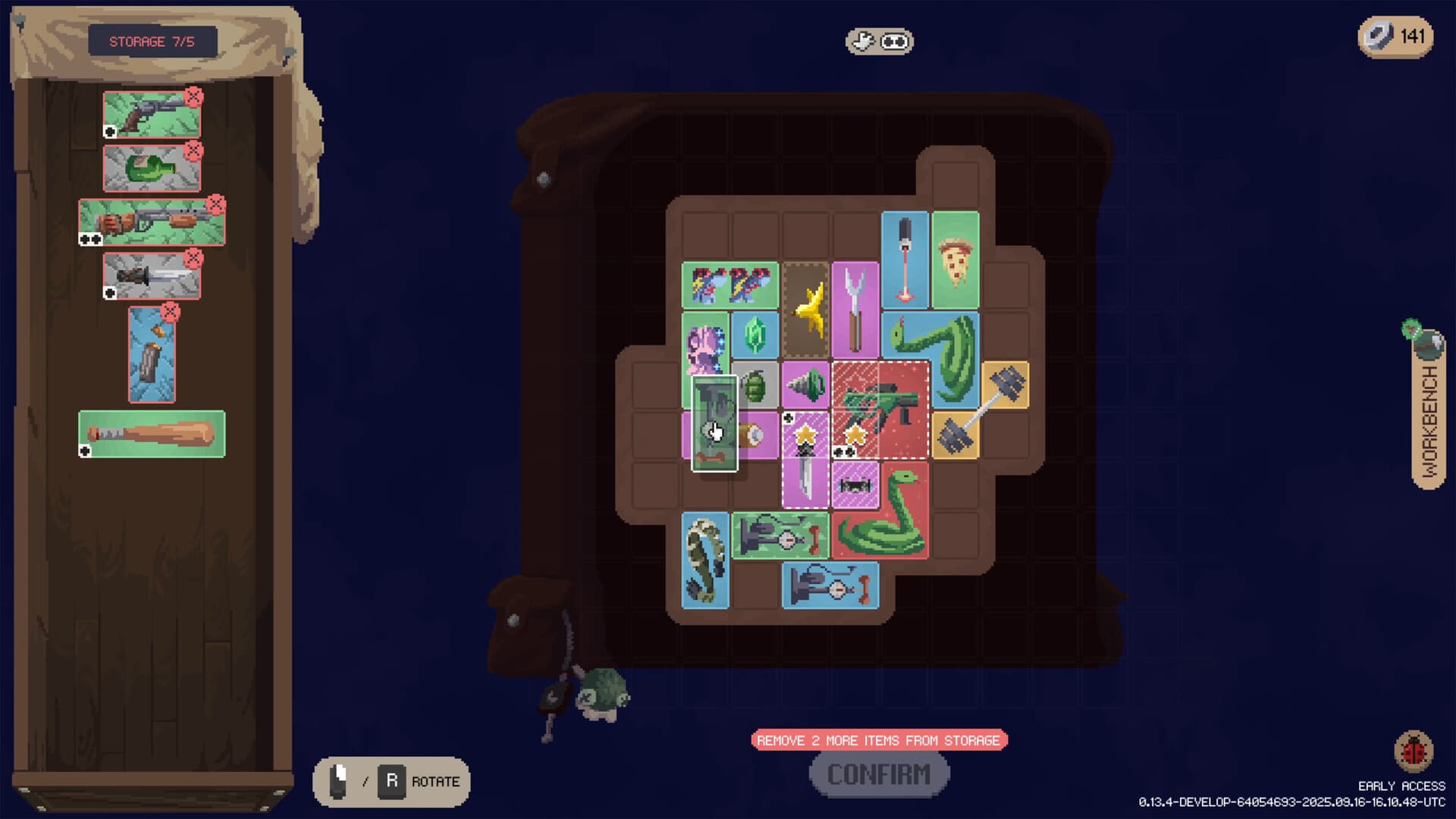
The backpack is the big reason to make that change. Weapons and items occupy shapes on a grid, and placement can strengthen adjacent pieces. A useful find is therefore more than a higher number: you may need to rotate, replace or recombine equipment to make the whole arrangement work. Workbench crafting adds another way to turn awkward loot into something valuable. If sorting Duckov’s bag was a satisfying pause between threats, Roadtrip promotes that little ritual into a central source of power.
The home progression is built around fresh journeys rather than preserving one fully assembled expedition bag forever. Rescued characters open different starting possibilities, and permanent upgrades survive the end of a trip. The March 2026 update added persistent modifiers for characters’ signature items and a base system for banishing unwanted items from the loot pool. Those are useful personal projects: improve the survivor you enjoy, or make future drops better suited to your plans. A ruined run costs the current build, but it does not erase those unlocked options.
Roadtrip is a weaker match if you mainly want Duckov’s continuing NPC quest chain and a carefully maintained armory. Its appeal is experimenting again, with a new route and a differently packed bag. It also has a two-player couch co-op beta that works through Steam Remote Play, although one player needs a controller. On 13 October 2026 it remains in Early Access, with version 1.0 announced for 29 October.
The verdict
The best fit for Duckov fans who enjoy its humor and inventory decisions, and would happily exchange deliberate firefights for escalating horde builds.
FatalZone
FatalZone is for the Duckov fan who wants the return-home decision and a growing base, but would rather build a horde-clearing mercenary than search rooms for quest objects.
- Extraction
- Shelter building
- Permanent progress
- Roguelite
- Platforms
- Windows PC via Steam; this comparison covers the PC edition.
- Price model
- Paid game; full release.
The overhead perspective may look familiar, but the action asks different things of you. FatalZone is an auto-shooter: movement through the horde, character construction and skill combinations take the place of managing every aimed shot. The full release also gives classes active ultimate abilities charged by killing zombies, so automatic attacks do not mean an unattended outing. Choose it when you want to steer a dangerous build through pressure, with a more desperate zombie-survival tone than Duckov’s comic adventure.
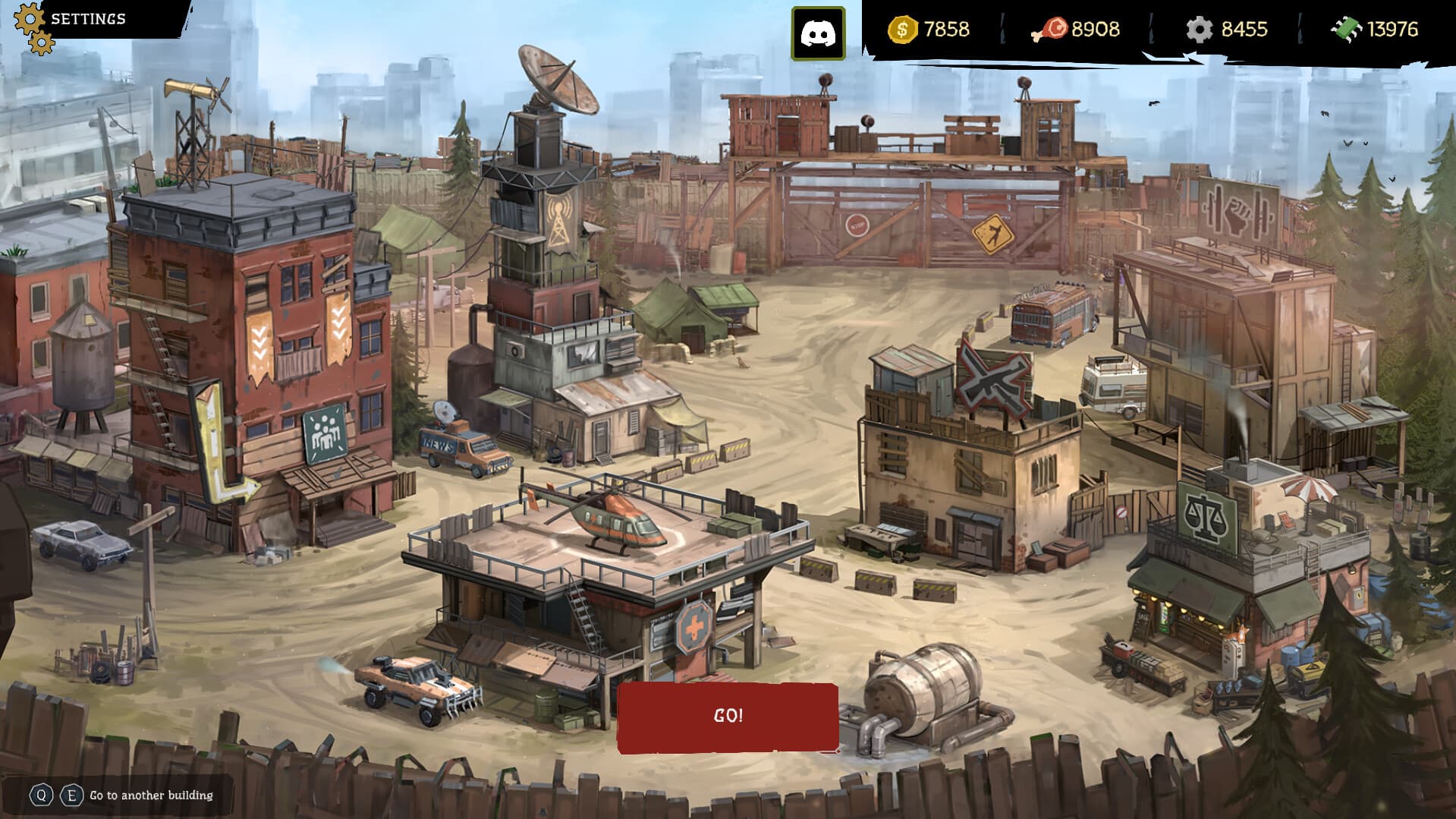
The camp gives those runs a continuing purpose. Its fixed buildings cover jobs such as recruiting mercenaries, training their skills and improving weapons and armor. Upgrading the services strengthens your preparation, while mercenaries who survive can become more experienced. That separates two investments worth thinking about: the institution you are building and the particular fighter heading out today. Duckov’s shopping list becomes a camp-development plan, with a greater focus on supporting a roster than on one adventurer’s collection of quest rewards.
The catch is that a trained mercenary can be lost permanently. A helicopter evacuation lets you finish a dangerous outing early, which makes retreat a way to protect a character you have been developing. Virus exposure adds another complication because mutations can help or hinder the fighter. This is not the low-stress option simply because weapons fire automatically. If attachment to your current character makes loss unpleasant, Zombie Defence’s retained expedition cargo or DYSMANTLE’s enduring equipment will be a more comfortable match.
FatalZone works best when you want a smaller set of recurring priorities: prepare a mercenary, develop a combat combination, collect resources and decide when to get out. Its base is a menu of useful services rather than a freely arranged home, and it does not reproduce Duckov’s exploratory quest-driven pacing. The payoff is a clear relationship between camp investment and battlefield performance. Take it as a horde-focused alternative with a meaningful evacuation decision, rather than expecting another gentle scavenger RPG.
The verdict
A good change of pace when you want to grow a camp and manage survival stakes, with the important warning that easier firing input does not mean gentler loss.
DYSMANTLE
DYSMANTLE is the sideways recommendation: keep the pleasure of useful scavenging and steady improvement, but explore a persistent island instead of resetting for another raid.
- Exploration
- Crafting
- Permanent progress
- Shelter building
- Platforms
- Windows and macOS via Steam; desktop base game with solo and local shared-screen co-op.
- Price model
- Paid base game; optional expansions sold separately.
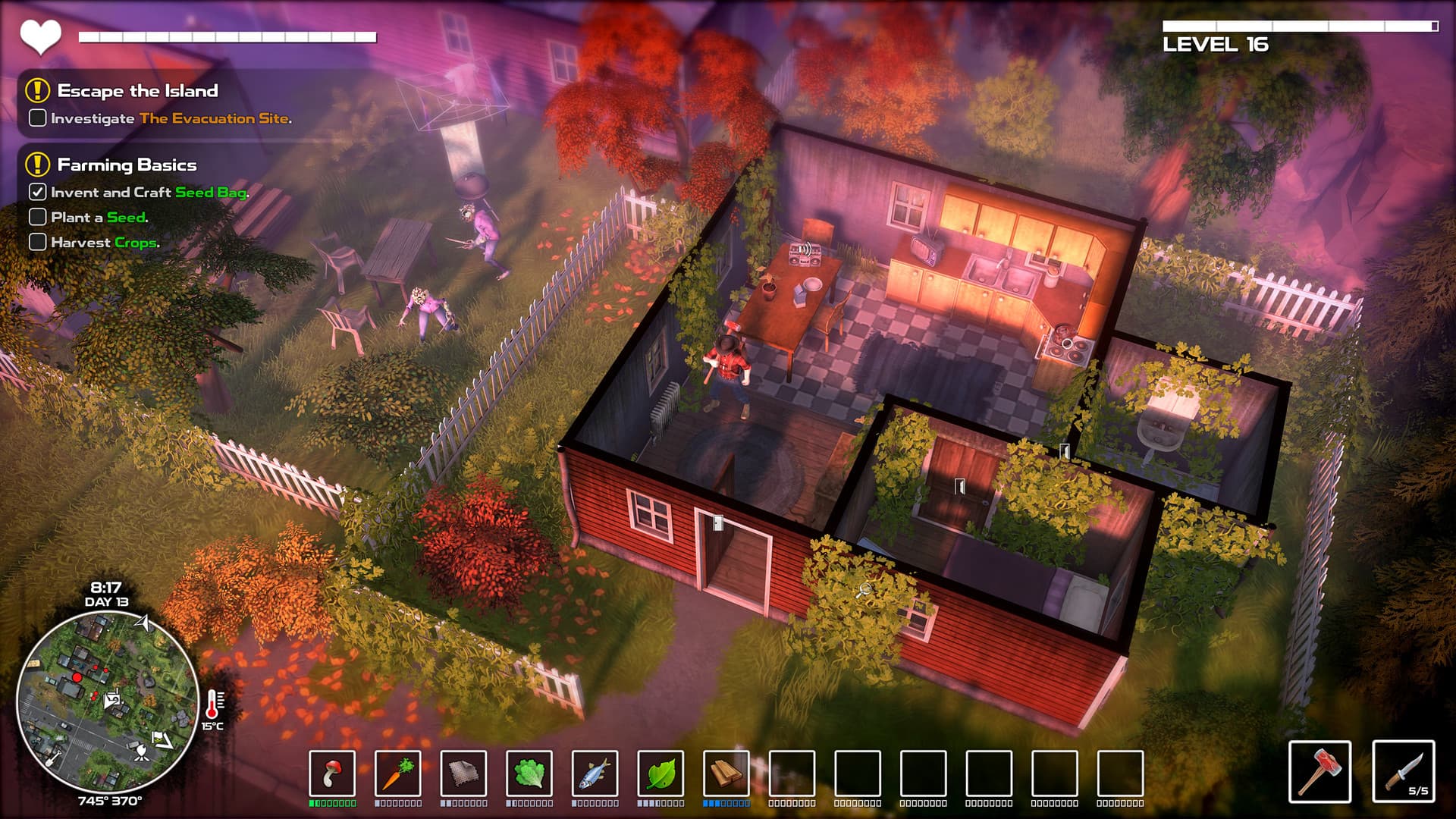
Think of the moment in Duckov when a mundane object suddenly matters because it completes a recipe. DYSMANTLE builds an entire adventure around that feeling. An elevated 3D view follows you through an island whose objects can be broken down for materials, provided your tools are strong enough. Better equipment expands what you can dismantle and where you can make progress. The scenery becomes a resource plan, with a more colorful, curious mood than the ruined setting initially suggests.
That equipment ladder provides a series of approachable personal goals. Gather the materials for a better tool, use it to reach tougher objects, then turn the new supply into another invention. Farming and cooking offer another route to permanent improvements, without a starvation meter forcing constant maintenance. The free Home Building update also added a construction quest and Builder’s Isle, where you unlock walls, doors, furniture and decorations. It gives home-minded players room to make something, although exploration and dismantling remain the main attractions.
There is still a cost to getting careless. Ordinary unbanked materials can be dropped on death and recovered from your body, while crafted equipment and materials already placed in camp storage remain yours. Banking a haul before testing an unfamiliar enemy is therefore a useful habit. The difference from an extraction game is the structure around that risk: you are resuming an ongoing island journey, with your inventions intact, rather than selecting a new deployment and trying to rebuild a raid loadout.
Combat includes melee and ranged tools, but do not pick this primarily to replace Duckov’s gun modification and shooting. You will spend a significant part of the adventure taking places apart, following discovery and construction goals, and returning for previously inaccessible materials. For a player who enjoys that methodical work, the growing range of things you can do is the reward. It is the best choice here when the next useful project matters more than the drama of reaching an extraction point.
The verdict
Choose DYSMANTLE for the useful-junk obsession and lasting improvements, especially when you would rather explore and build than repeat risky raids.
How we compare
A good recommendation explains who a game suits and where it falls short. Our editorial scores use the same five criteria, each rated out of ten.
- 01
Combat
Controls, aiming, enemy readability, and the decisions you make under pressure.
- 02
Progression
Build choices during a run and meaningful progress between attempts.
- 03
Usability
Control demands, platform access, interface options, and documented device requirements.
- 04
Value
What the asking price includes, optional purchases, and the scope of the free version.
- 05
Fit
How well the game answers the specific question in this article.
Which one should you try?
Start with the part of Duckov you want another game to preserve. ZERO Sievert keeps the closest combination of solo quests, valuable scavenging and bunker preparation. Deadly Days: Roadtrip puts the fun into packing and reinventing a build; FatalZone gives camp investment a more dangerous human cost. DYSMANTLE is the escape from repeated raids, with a whole island of practical crafting goals. Zombie Defence brings the focus back to a personal shelter: gather Scrap through active zombie outings, turn it into something useful, and keep that home moving forward even when the expedition ends badly.
Your questions, answered.
Want to see what we’re building?
Zombie Defence is in Alpha. Join the waitlist.
More games to explore
- 7 Games Like The Last Stand: Aftermath
Find zombie roguelites and extraction games built around scavenging, risky returns, and progress that survives a failed run.
- 7 Best Zombie Roguelites in 2026: Six Games to Play and One Alpha
Compare 7 zombie roguelites by what each run risks and what survives. Six released games are ready to play; Zombie Defence is an in-development browser Alpha.
- 7 Best Games Like Yet Another Zombie Survivors
Compare seven alternatives to Yet Another Zombie Survivors, from zombie camp roguelites and mobile companions to manual-aim shooters and mission-based horde runs.