20 Minutes Till Dawn Review: Reload First, Regret Later
A small magazine, a large crowd, and enough upgrades to change the argument.
Zombie Defence Editorial Team ·
Based on official documentation and gameplay imagery.
The worst sound in a monster apocalypse ought to be the monster. In 20 Minutes Till Dawn, an empty magazine makes a convincing bid for first place. Your build can become absurdly powerful, but it still needs to survive the awkward bits between volleys.
That little interruption is the game’s best idea. Aim into a crowd, make a gap, collect experience, then turn the next upgrade into a better answer. It is an easy recommendation for players who want their horde-clearing power fantasy to keep asking for decisions.
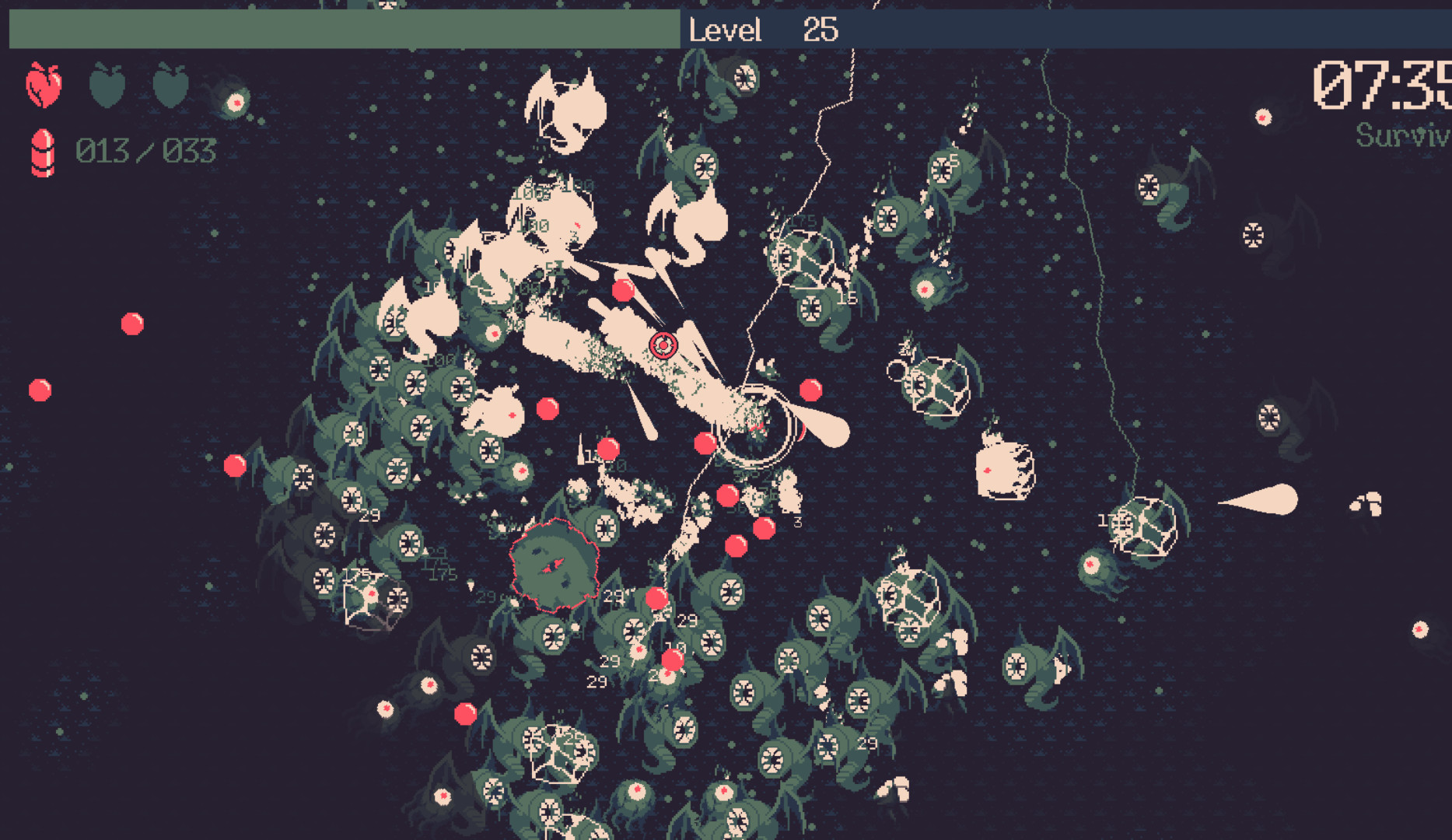
Point the gun at a problem
Directional aiming gives a shot a purpose beyond adding another damage number. You can focus the enemy blocking your route or thin a pack before moving through it. Positioning and target choice become the same argument, conducted at extremely unreasonable volume.
This is also why weapon behavior matters. The PC crossbow can charge for stronger, piercing shots, while the Flame Cannon works at short range. Those choices ask for different spacing and timing; simply collecting the biggest damage bonus misses half the appeal.
Manual aiming is an option, not an entrance exam. The PC version has an auto-aim toggle, introduced in its official Luna update. Use assistance when you want to concentrate on movement, then take direction back when a particular threat needs attention.
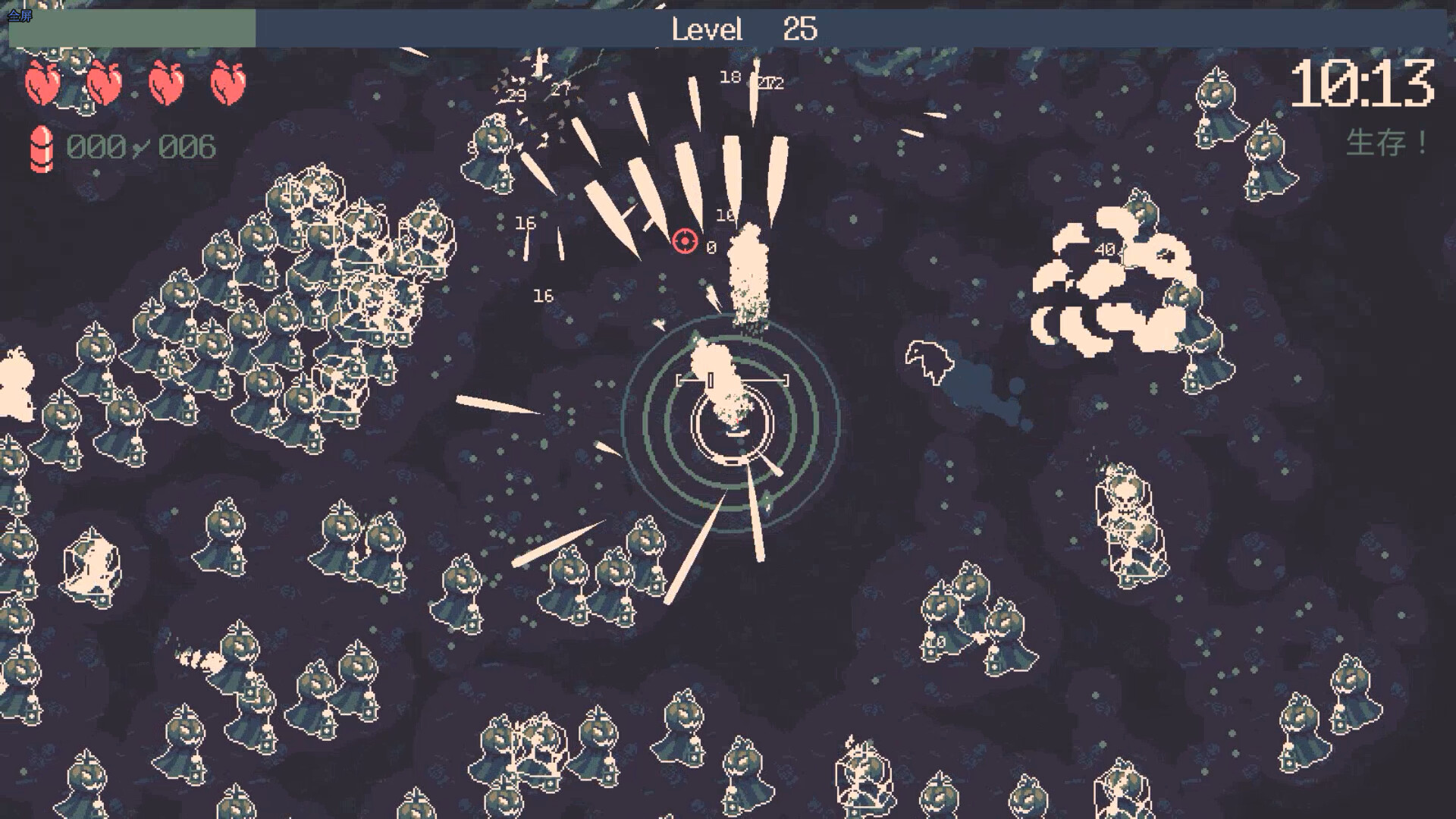
Your magazine is part of the build
Reloading gives every escape route a deadline. A faster weapon can clear a path quickly, but spending the whole magazine without an exit turns the next pause into a negotiation with teeth. Leave room to retreat before the counter reaches zero.
The PC options include disabling automatic reloads when you stop shooting. That is a useful distinction: wanting to pause fire does not always mean wanting to refill. Read the setting before deciding the weapon’s rhythm is fighting you.
Upgrades can make that rhythm the point. Reload-focused choices reward thinking about the gap between attacks, while ammunition and fire-rate changes alter how often you reach it. A bigger magazine sounds universally sensible until your plan specifically benefits from finishing one.
Build an engine, not a shopping basket
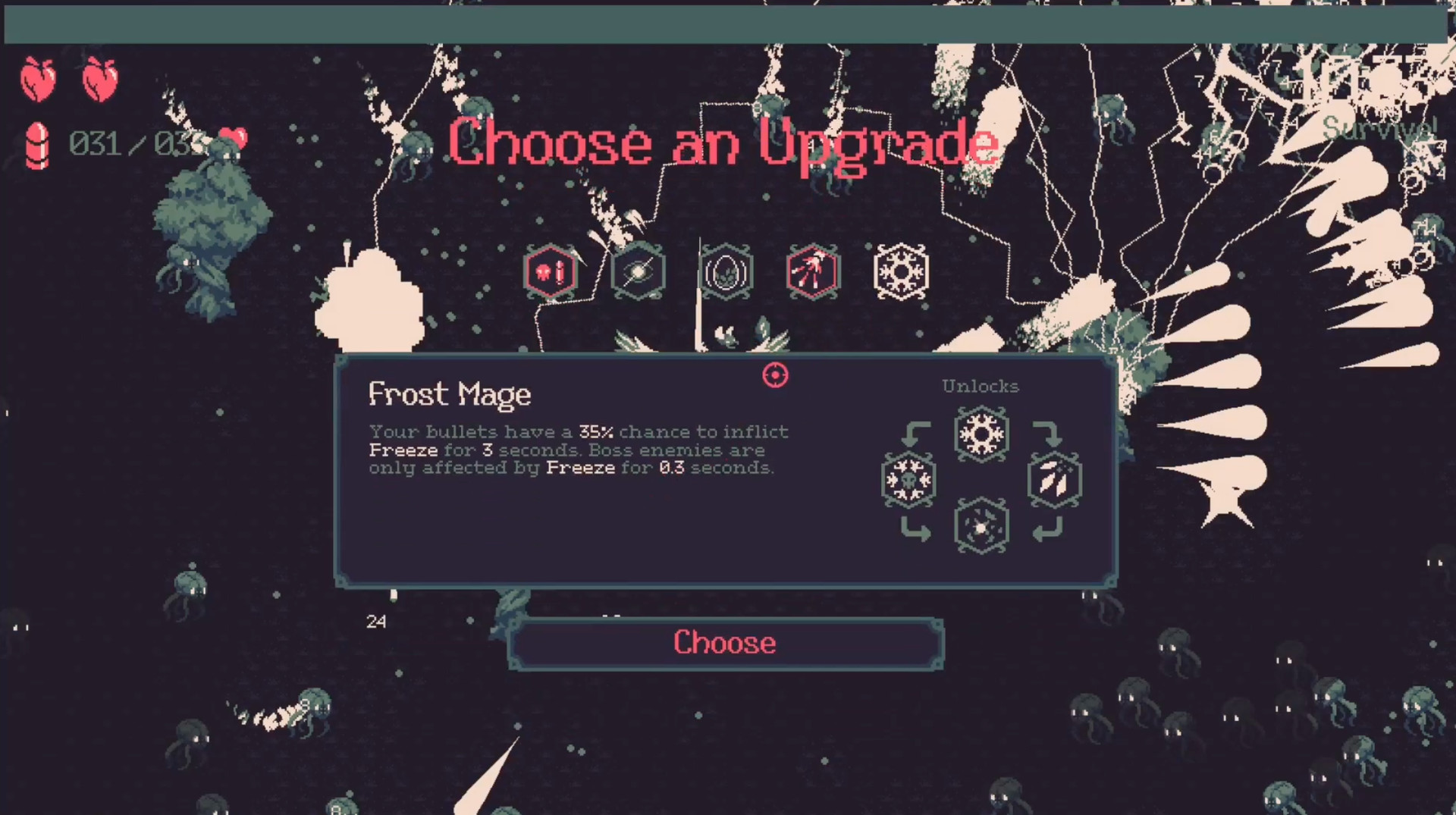
Level-up choices are more interesting when they solve a specific weakness. If a crowd survives the opening volley, consider coverage or follow-up effects. If it reaches you during downtime, damage alone may be the wrong answer. A spectacular bullet that arrives late remains late.
The upgrade branches and synergies give that reasoning somewhere to go. Android Premium’s official description uses Mini Clip as an example, linking Fan Fire and Fresh Clip. The lesson is to follow compatible prerequisites instead of collecting unrelated promises of future brilliance.
On PC, reaching level 20 opens a choice of three weapon evolutions. It is a satisfying second commitment: your starting weapon gets another direction after the run has already developed. Read the options against your actual upgrades, rather than the build you hoped would appear.
What survives a bad night?
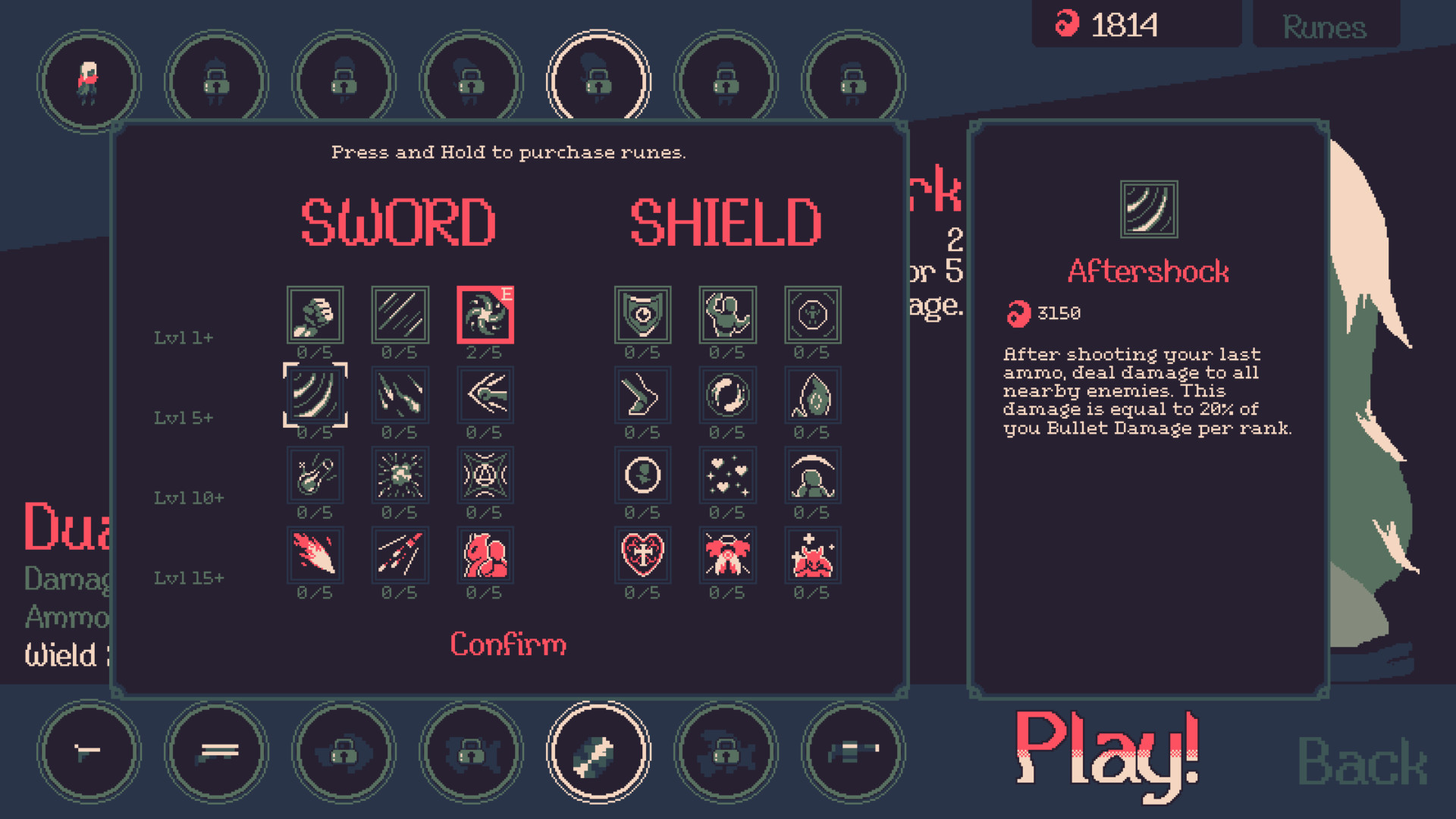
Run upgrades belong to that attempt. Souls support the longer game through unlocks and permanent rune progression. That separation works well: one layer encourages improvisation now, while the other lets a failed run buy a more promising opening next time.
The established Sword and Shield rune structure adds another preparation decision. An offensive setup can push a preferred weapon plan; protection can address the mistake that keeps ending runs. Neither replaces learning when to move. The monsters do not accept your upgrade receipt as a shield.
Excellent silhouettes, occasional visual soup
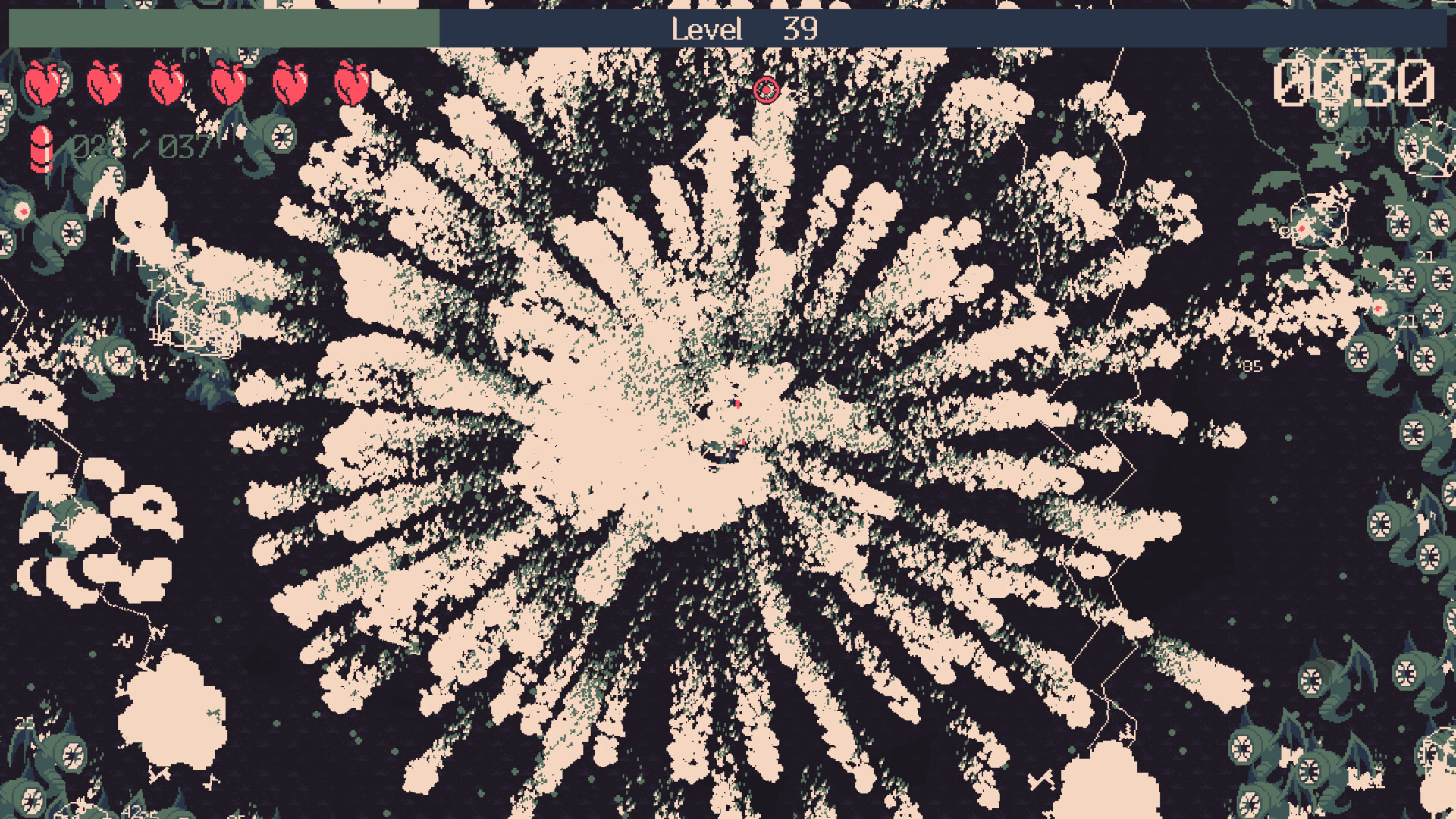
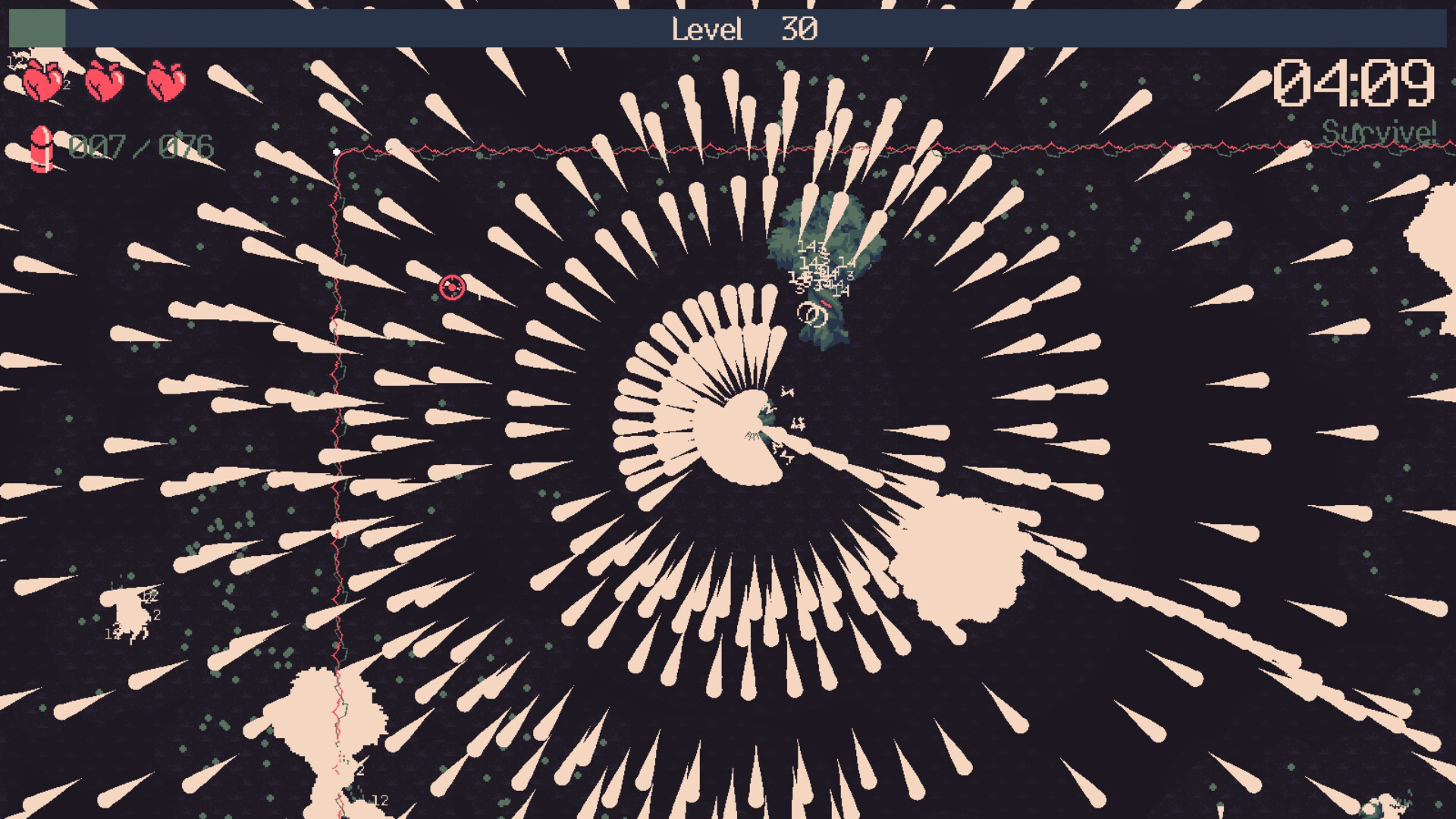
The restricted palette gives the game a strong identity: gloomy green monsters, pale attacks and alarming red accents. Its official gameplay scenes also show the tradeoff. Once projectile trails spread everywhere, the little survivor can become the least obvious thing on the screen.
That density is thrilling when the build takes off, but costly when you need to read a gap. If you lose track of small characters amid flashing attacks, the late-run spectacle may wear out its welcome before the upgrade system does.
The broader limitation is repetition. New combinations change how you solve the night, but you are still returning to crowd management and upgrade selection. If you want exploration, a developing story or a home base, this particular dawn will not deliver them.
Choose the app as carefully as the gun
The paid PC base game is our first choice for its documented aiming options and keyboard rebinding. Steam lists Windows and macOS support. It is the most natural starting point if directing shots with a mouse is the attraction.
Free Android is a separate download with advertising and in-app purchases. Its listing advertises run upgrades, characters, weapons, maps and runes. Choose it when you want to try the survival loop without an upfront payment and are comfortable with that business model.
Android Premium is a separate paid package. Google Play’s own guide confirms manual-aim and autofire options, plus ten-minute, twenty-minute and Endless modes. Its current update notes include the Charge Cannon. The upfront purchase model makes it the cleaner Android recommendation.
Premium iPhone and iPad is another paid app. Its history confirms joystick and shooting-button settings, and added mid-run saves in April 2026. Its latest listed update also includes the Charge Cannon. Being able to pause an attempt and return later is especially useful on a phone.
Give the next run a job
The ten-minute option is a useful place to try a weapon rhythm before committing to a longer night. Give the attempt one job: learn its range, find a reload opening, or see which upgrade fixes its biggest weakness.
For the main twenty-minute challenge, plan around survival rather than an imaginary perfect build. Take the useful upgrade you can exploit now, keep an escape route open, and save the elaborate theory for the next attempt if this one is collapsing.
Strengths
- Aiming and ammunition make positioning matter
- Weapon evolutions reward coherent builds
- Permanent runes give retries direction
- Distinctive pixel-art palette
Tradeoffs
- Dense effects can obscure the survivor and nearby threats
- Repeated arena survival offers limited exploration or narrative variety
- Separate free and Premium mobile products
Who it suits
- Players who want to direct their horde-clearing damage
- Build experimenters who enjoy balancing reloads, coverage and effects
- Fans of repeated solo survival runs
Verdict
20 Minutes Till Dawn earns its place through the relationship between your hands and your build. Aiming, ammunition and upgrades pull on each other in useful ways. The best choice is not always more damage; sometimes it is whatever lets you finish reloading alive.
Come for short, focused experiments with weapons and effects. Accept the repeated arenas and crowded late-run visuals, and there is plenty to like here. Just remember that “one more run” is not a reliable bedtime calculation.
Free Android edition
Review score: 8.1 / 10
- Combat
- 8.8 / 10
- Progression
- 8.2 / 10
- Usability
- 7.4 / 10
- Value
- 8.0 / 10
Separate free Android app with advertising and in-app purchases.
The review score averages the applicable Combat, Progression, Usability and Value scores, rounded once to one decimal. Fit is specific to each comparison and is excluded.
Is manual aiming required?
No. PC has an official auto-aim toggle, and Google Play documents manual-aim and autofire options for Android Premium. Assistance lets you focus more attention on movement; direct aim gives you more say over which threat takes the next shot.
Do upgrades carry between runs?
Level-up upgrades and weapon evolutions shape the current attempt. Permanent runes and unlocks provide longer-term growth, funded by earned Souls on PC. A failed run can therefore improve your next starting point without keeping the whole build intact.
Which Android edition should I choose?
Choose free Android to try the loop without paying upfront, accepting ads and in-app purchases. Choose the separate Android Premium app for its paid purchase model; Google Play documents manual aim, autofire and three run formats for that edition.
Can iPhone and iPad Premium save during a run?
Yes. The Premium app’s version history records mid-run saves in version 6.5.b703, dated April 29, 2026. That makes an interruption easier to accommodate: you can leave the current attempt and return to it later.
Does every run stop after twenty minutes?
No. Twenty minutes is the central survival challenge, with a shorter ten-minute format available for quicker experiments. Google Play also explicitly lists Endless mode for Android Premium, giving that edition an option for longer attempts.
Sources
- Official PC Steam listing ·
- PC auto-aim update ·
- PC reload setting update ·
- PC weapon and firing changes ·
- PC 1.0 weapon evolutions and balance notes ·
- Official permanent rune explanation ·
- Blessings & Curses beta announcement ·
- Free Android listing ·
- Premium Android listing ·
- Google Play guide to Android Premium controls and modes ·
- Premium iPhone and iPad listing and version history ·