7 Best Zombie Games With Loot and Extraction
The useful question is not just what you can loot. It is what you keep, what you risk, and when leaving becomes the smart move.

Zombie Defence is the strongest fit here for forgiving zombie loot runs: collected Scrap feeds a permanent shelter even when an expedition ends badly. ZERO Sievert offers detailed solo equipment raids, Modern Warfare III Zombies favors cooperative PvE exfil, and Hunt: Showdown 1896 supplies the strongest rival-player pressure. They answer different versions of the same question: is one more pickup worth delaying the exit?
Extraction can mean securing a stash, preserving a trained survivor, or simply escaping the current stage with a run still intact. This list separates those models instead of calling every survival game an extraction shooter. The seven entries include two broader undead-and-mutant settings, and the bus and helicopter roguelites are identified as such. Compare what the exit banks and what death removes before choosing how much risk you want.
Checked on 13 October 2026: Zombie Defence is a browser Alpha in development with a waitlist. The other entries are compared in their named Windows PC editions, with Deadly Days: Roadtrip still in Early Access. The scores are editorial judgments of their design and fit for loot-and-extraction play.
The quick comparison
7 games, different reasons to give the next run a chance.
Choose a game to jump to its overview. Platform lists are summaries; check the linked official edition.
The games
Zombie Defence
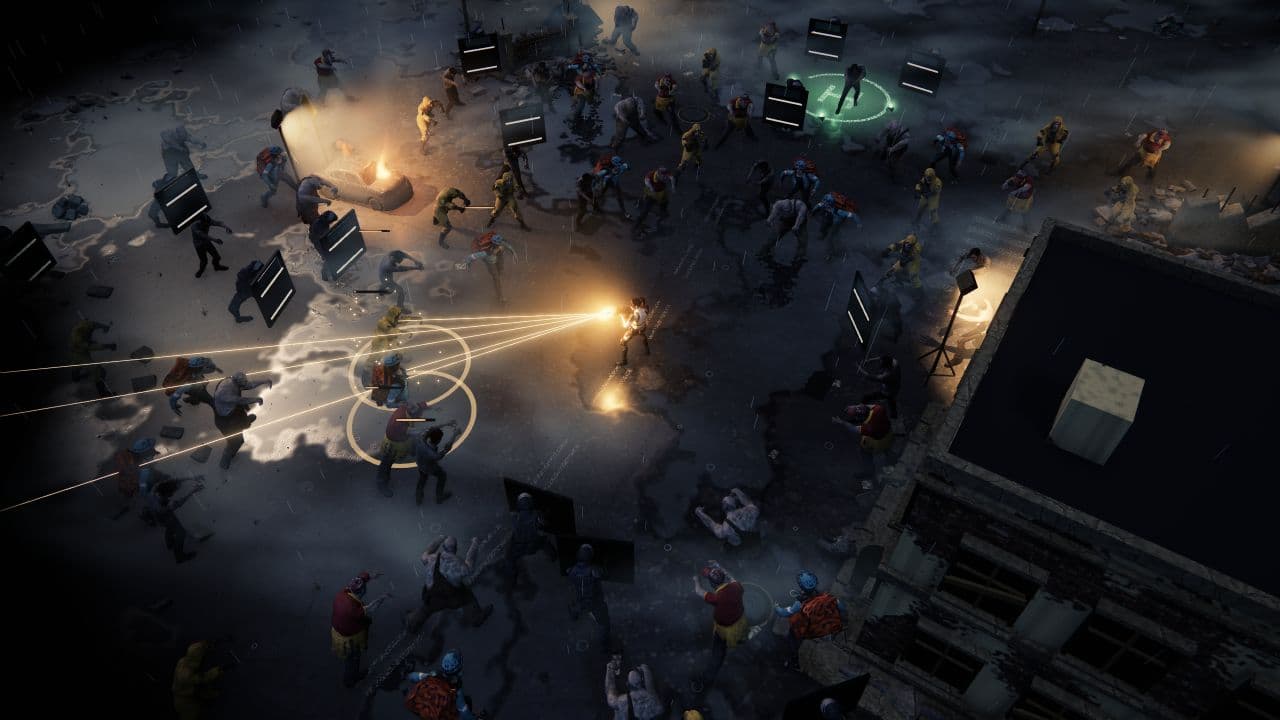
Loot containers, fight back to an extraction pad, and invest Scrap in a shelter that survives a failed outing. Collected Scrap is retained even on defeat, within storage limits.
- Extraction
- Manual aim (desktop)
- Shelter building
- Crafting
- Permanent progress
- Platforms
- Browser Alpha in development; native mobile releases planned
- Price model
- Launch pricing and monetization are not yet confirmed
Zombie Defence makes the destination of a haul unusually clear. Its dedicated Scrap expeditions send you into a ruined city intersection to open containers, work around cover, and return to a green extraction pad. These outings are separate from its wave-based combat modes. On desktop, you aim and fire with the mouse while managing movement, ammunition and reloads; touch fire assists by targeting the nearest living enemy. Looking for one more container still means exposing yourself to another fight.
The important loss rule is generous: Scrap already picked up is settled into shelter storage after extraction, defeat, or an interrupted run when the browser page reloads, up to the storage cap. You are not gambling a backpack of persistent guns against a total wipe. Field ammunition belongs to the outing, while shelter rooms, research and permanent weapon development remain. The challenge is collecting useful resources and reaching the exit under pressure, with a safety net for the investment you have already made.
That changes how to plan a trip. Check available storage and choose a purpose for the next haul before deploying: a room upgrade, weapon work, or processing Scrap into parts and ammunition. Those uses compete for the same resource, so collecting more does not remove the need to prioritize. An outing that supplies a specific shelter improvement has a clearer payoff than hoarding against a full cap. That makes the outward trip and escape satisfying goals without asking a defeat to erase your forward progress.
The verdict
Zombie Defence’s forgiving extraction loop suits players who want an enduring home to improve and a useful haul even when an outing goes wrong.
ZERO Sievert
A solo wasteland extraction shooter with a persistent bunker, detailed equipment and a difficulty choice that changes how much gear death puts at risk.
- Extraction
- Tactical combat
- Loot builds
- Permanent progress
- Platforms
- Windows PC via Steam
- Price model
- Paid game
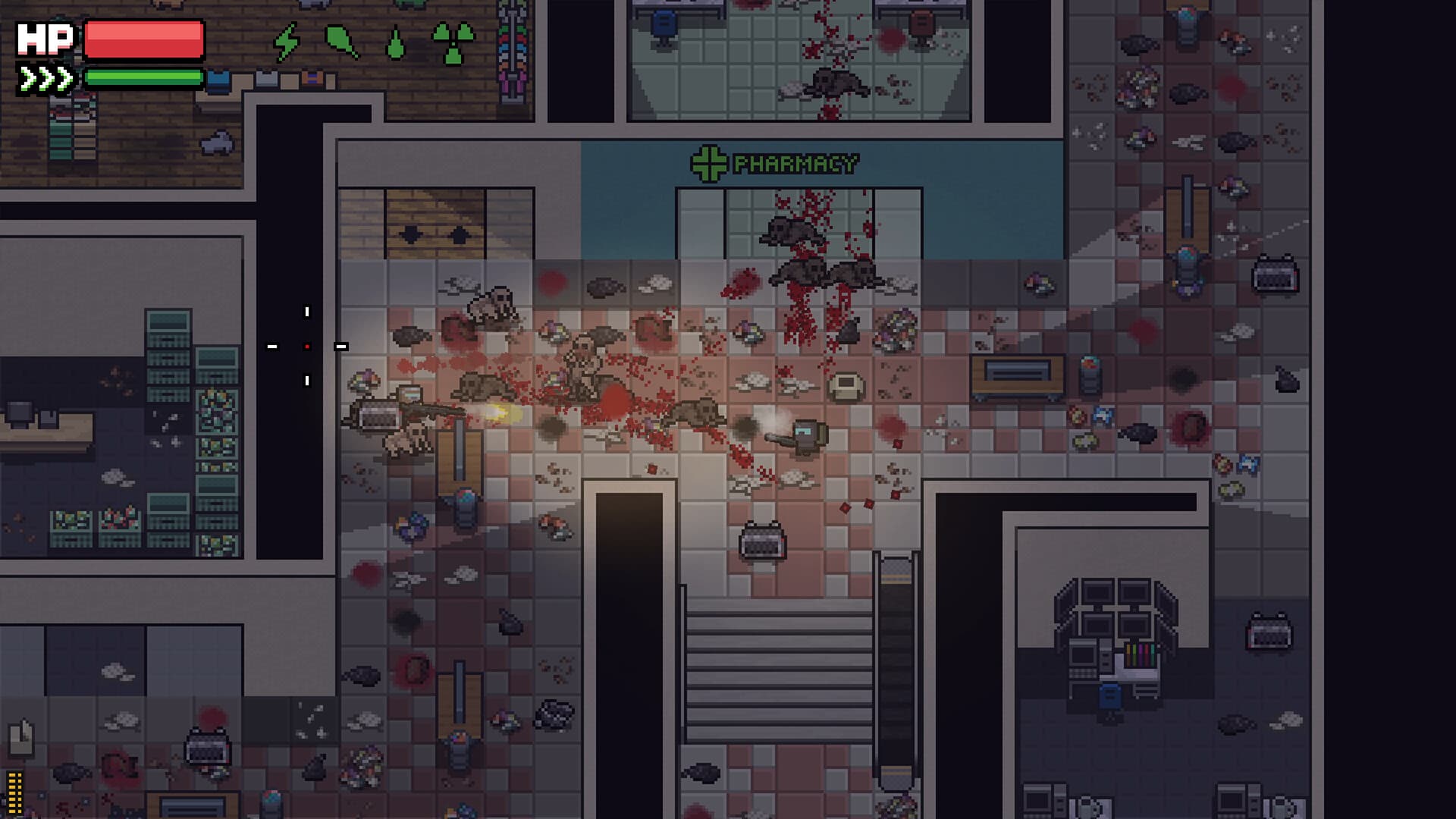
ZERO Sievert is the adjacent pick for readers who care more about a dangerous salvage run than an exclusively zombie setting. Its radioactive wilderness contains mutants and armed human enemies, and the six procedural maps send you back to a bunker with the equipment and materials you successfully extract. Guns, ammunition, attachments, quest items and module ingredients compete for carrying capacity. A rifle can be worth taking home, but stripping its useful sight or unloading its ammunition may serve your immediate plan better.
Pick the loss rule before the loadout. The current presets protect your gear on Relaxed, Standard and Survivor, while Hunter risks most gear; Custom offers further settings. Start with a protected preset if losing an expensive setup would discourage experimentation, or choose Hunter if replacing equipment is part of the appeal. Successful extraction secures the haul and earns Hunter experience, so finding a wanted component is a good reason to leave before the bag is full.
The bunker gives that haul several destinations: traders, quests, weapon work and craftable modules. Tracking a module’s required materials helps decide which ordinary-looking object deserves space. The developer also documents leaving a temporary pile at an extraction point and returning to sort it, but it remains out in a hostile map; opening your inventory resets the extraction timer. Choose this if weighing an extra weapon against mobility is the attraction. Expect more equipment administration than Zombie Defence’s focused Scrap economy.
The verdict
Choose ZERO Sievert for a detailed solo extraction economy, then select the loss preset deliberately rather than assuming every difficulty works alike.
Call of Duty: Modern Warfare III – Zombies
MWIII’s 2023 Zombies mode turns a shared PvE map into a deployment-and-exfil loop. Contraband, insured weapons, consumables and permanent crafting schematics follow different rules.
- Extraction
- Co-op
- Manual aim
- Permanent progress
- Platforms
- Windows PC via Steam (MWIII Zombies edition compared)
- Price model
- Included with the paid Modern Warfare III game; optional in-game purchases
This is Modern Warfare III’s open-world Zombies mode, not a round-based Black Ops mode or free Warzone. You deploy alone or with a squad of up to three, complete contracts and missions, search the map, and call a helicopter to leave before the operation closes. Other squads share the PvE space and can cooperate. Threat zones make the decision practical: the next contract may offer something useful, but getting it still leaves you with a journey to exfil and a fight while the helicopter arrives.
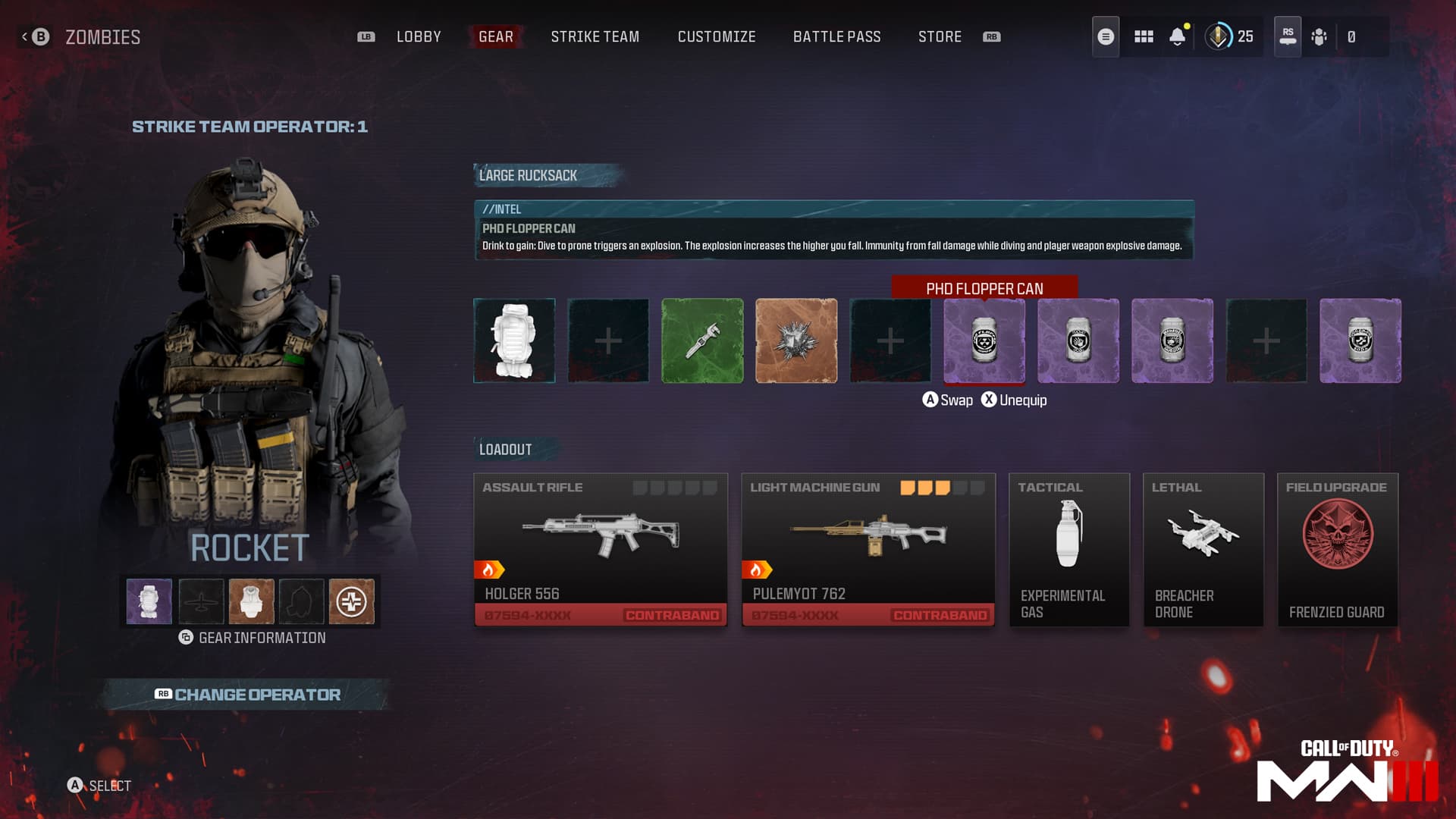
Separate the weapon types before risking a favorite build. A contraband weapon is a particular gun in your stash; if you lose it on deployment, that copy is gone. An insured slot lets you bring a customized weapon, and losing it starts a cooldown rather than permanently deleting the slot. Gear such as your backpack and plate carrier is also something to protect. Successful extraction does not preserve every combat upgrade: weapon rarity and Pack-a-Punch levels reset, so an empowered field weapon is not an endlessly reusable finished build.
The most valuable find can be a schematic. Extracting one unlocks the ability to craft its acquisition for later deployments, subject to that recipe’s cooldown. A consumable acquisition is the item itself, while a schematic changes what you can make in the future. Even Wonder Weapons have a distinction: an unopened case can be extracted, whereas a deployed Wonder Weapon does not simply join your permanent gun collection. Those rules make a newly found recipe a good reason to shorten a trip rather than chase one more contract.
This is a useful middle ground if you want extraction stakes with cooperative shooting instead of enemy-player ambushes. You still need to manage a rucksack, protect equipment and understand what survives the exit. The larger purchase matters if Zombies is the only part of Modern Warfare III you want; evaluate that full-game cost against a dedicated extraction title.
The verdict
Choose MWIII Zombies for cooperative extraction with meaningful stash decisions, especially if you already own the game.
Hunt: Showdown 1896
A PvPvE extraction shooter where undead enemies complicate the hunt, but rival players are the greatest threat to getting a bounty and your hunter home.
- Extraction
- Tactical combat
- Co-op
- Manual aim
- Platforms
- Windows PC via Steam (1896 edition compared)
- Price model
- Paid game with optional in-game purchases and DLC
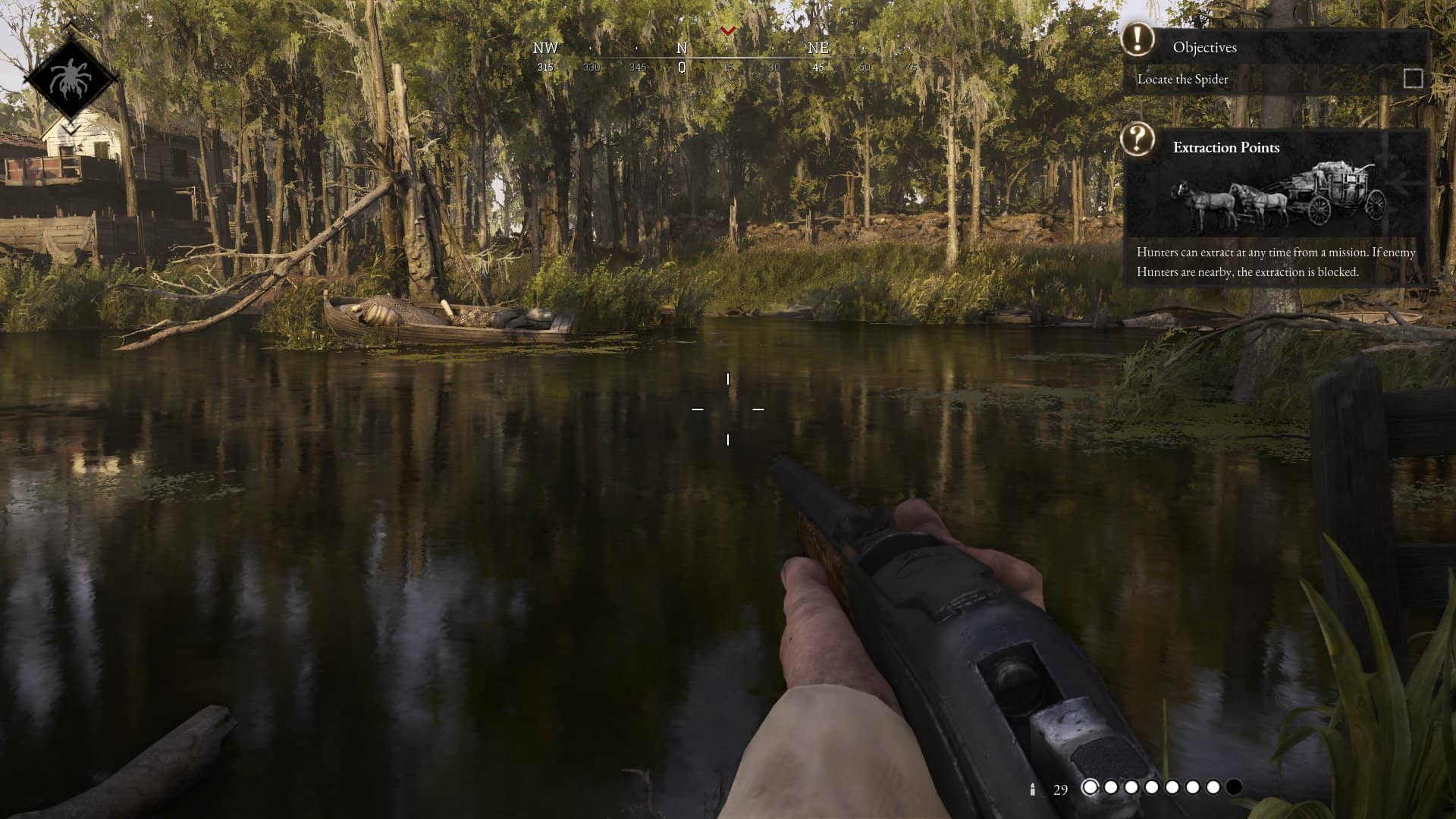
Bounty Hunt organizes a match around an objective rather than a shopping list. Track clues, locate a boss, kill and banish it, then carry a bounty token to extraction. Grunts and other monsters make the landscape dangerous, but taking the prize also gives rival hunters a reason to intercept you. The token makes its carrier trackable while granting limited Dark Sight information about nearby enemies. Leaving is a tactical contest, not an administrative button after a completed boss fight.
A dead hunter can mean losing both that character and the carried equipment. The Death Cheat trait is a specific exception: it can save the hunter from permanent loss, but it does not restore the lost equipment or health chunks. Even reaching an exit does not remove the danger. The standard extraction countdown is 30 seconds, and an enemy hunter entering the zone or a downed teammate can stop it. The September 2026 update also hid extraction points by default, with clues revealing some of them; plan from the information available in the match.
That structure makes information part of the haul. A bounty is valuable, yet broadcasting where you are changes the price of staying to chase another fight. You can prioritize getting a surviving hunter and loadout home over contesting every reward. Hunt is the strongest fit here for players who specifically want other people to threaten the escape. Its loot appeal is concentrated in bounties, equipment and hunter survival, so pick ZERO Sievert or MWIII Zombies if sorting a larger variety of salvage is the main pleasure.
The verdict
Choose Hunt for competitive extraction pressure and accept that the undead are only one part of the threat.
No More Room in Hell 2
Objective scenarios connect team tasks, shared Supplies and a final rescue. The current difficulty system determines when death can permanently cost a Responder.
- Extraction
- Co-op
- Permanent progress
- Tactical combat
- Platforms
- Windows PC via Steam (1.0 edition compared)
- Price model
- Paid game
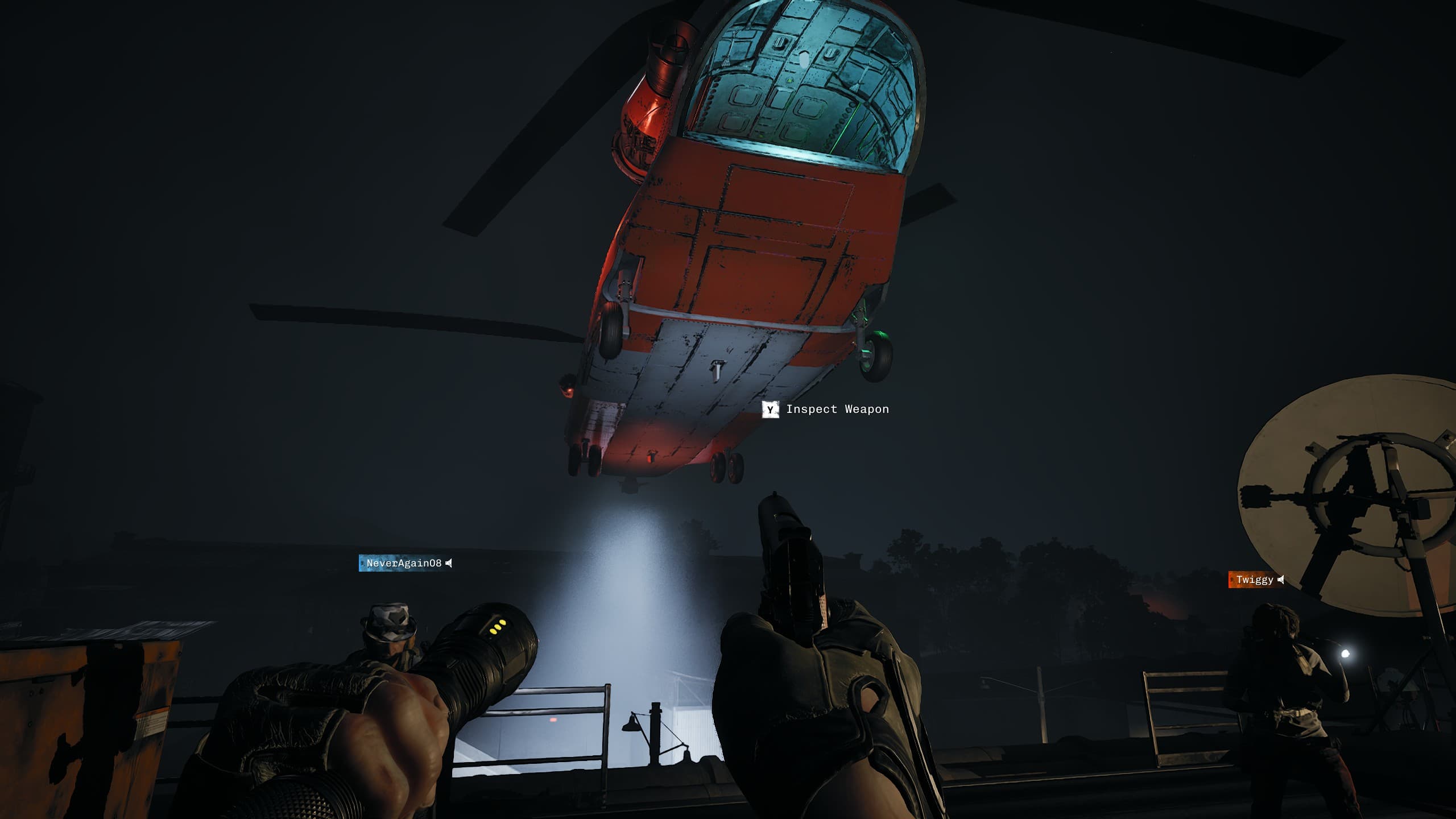
The 1.0 release makes an important choice explicit: leave early to preserve a life, or finish the mission for the proper payout. In Objective scenarios, a team works through tasks toward final extraction. Collected Supplies contribute to a shared total, and rarer supplies can occupy precious inventory space. An early extraction gives a small credit reward and no character progression. Final extraction grants character experience and Credits equal to the team’s Supplies, making a teammate’s useful collection part of your reward too.
Permadeath now depends on difficulty and the stage of the mission. Beginner and Normal allow respawning, but a team wipe before a respawn opportunity, or dying after extraction has been called, can still cost the Responder. Hard and Nightmare put that character at risk from deployment. A carried Rescue Beacon prevents the next instance of Responder loss, trading a loadout slot and a consumable purchase for protection. The beginner setting therefore softens the approach to extraction without making the final escape consequence-free.
That is a different kind of attachment from protecting one expensive rifle: surviving Responders develop into a roster you want to keep. Coordinating the last tasks matters because the team’s biggest payout and your character’s safety converge at the exit. Choose Objective scenarios for this experience; the separate Survival mode is organized around defending against waves. Solo Training also removes normal progression and permadeath, so it is a practice option rather than a substitute for the progression-bearing cooperative loop.
The verdict
Choose it when keeping a cooperative survivor alive matters as much as the supplies earned, and agree on the team’s exit plan before the final scramble.
Deadly Days: Roadtrip
A run-based horde shooter in which looting, fitting items together and fueling the bus determine when to move on. Its extraction is a stage escape inside a roguelite journey.
- Extraction
- Loot builds
- Crafting
- Roguelite
- Platforms
- Windows PC via Steam (Early Access)
- Price model
- Paid Early Access game; optional supporter content
Deadly Days: Roadtrip attaches the exit decision to a bus. At each stop, gather fuel and equipment while the zombie threat grows, then decide when to leave for the next part of the journey. A tempting drop can improve the build, but staying to collect it also means surviving longer. This is a genuine leave-now-or-push-farther decision within a multi-stop run, rather than a traditional deployment that banks every extracted gun in an independent stash.
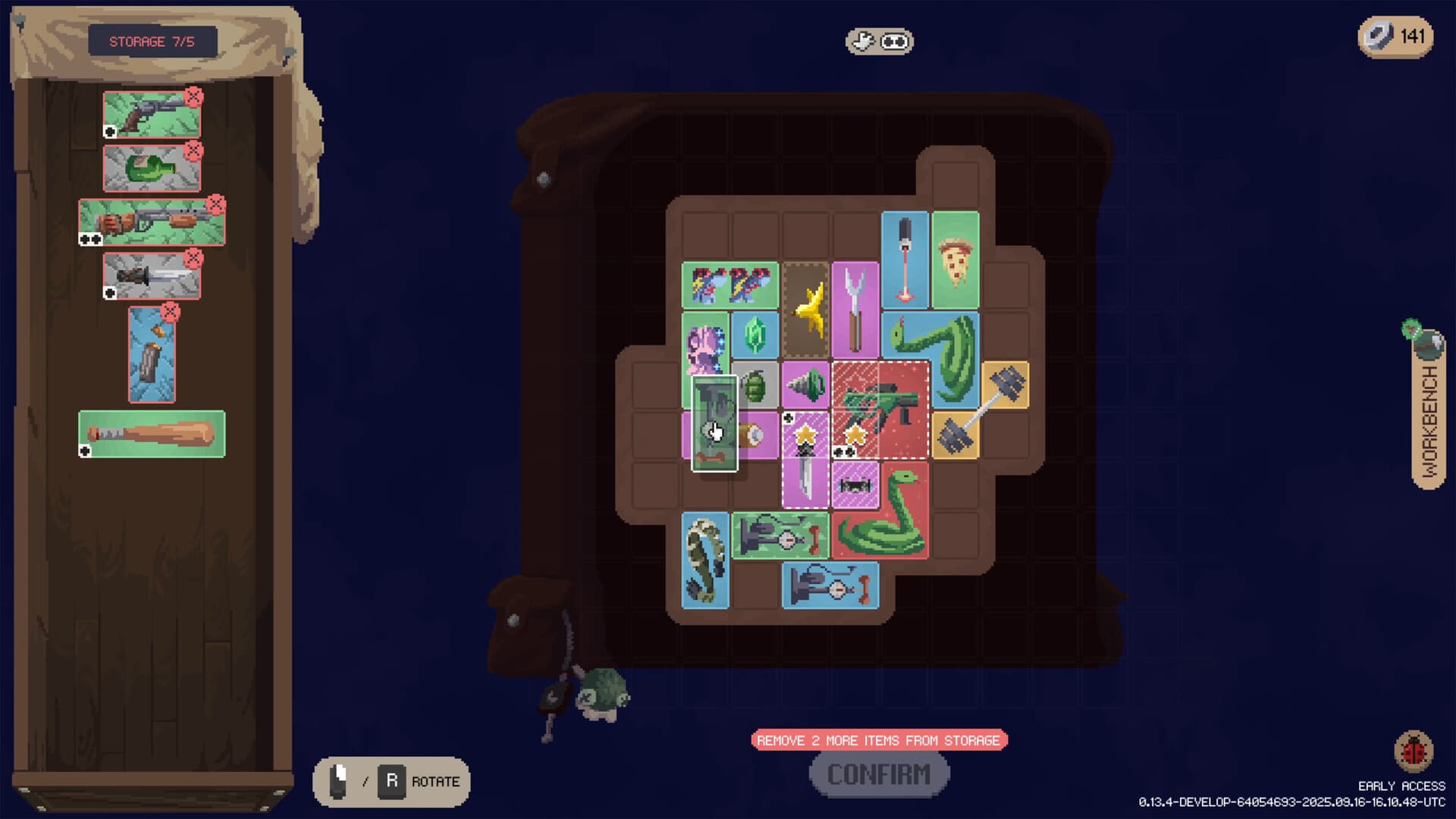
The backpack makes loot useful through arrangement. Item shapes occupy space, nearby pieces can strengthen one another, and crafting changes what a packed loadout can do. A strong pickup is not automatically an upgrade if accommodating it breaks an existing combination. That gives you a good reason to leave once the current setup is working: reaching another stop with a coherent build can matter more than collecting every object on the current map.
The lasting layer sits outside that trip’s assembled loadout. Apples and duct tape fund permanent upgrades, and rescued survivors add characters with their own talents and weapons. Treat the journey’s combat build as run-level progress, rather than assuming the bus has insured it for all later runs. The appeal is rebuilding combinations with better options available. As of 13 October 2026, the Windows version is still in Early Access; the developer has announced 29 October for 1.0, so that release and its console versions are still ahead.
The verdict
Choose it for the temptation of one more pickup and the satisfaction of making it fit, with bus escapes serving the larger roguelite run.
FatalZone
An auto-shooting horde roguelite with resource runs, a lasting camp and mercenaries who can be permanently lost. Calling the evacuation helicopter protects more than the current kill count.
- Extraction
- Roguelite
- Shelter building
- Permanent progress
- Platforms
- Windows PC via Steam (edition compared)
- Price model
- Paid game
FatalZone’s core decision is how much to ask of one survivor. You steer a mercenary through hordes while attacks fire automatically, collect resources and shape the run with upgrades. Positioning and build choices do the work that individual trigger pulls would do in a manual shooter. When the outing becomes too dangerous, the game lets you call for an early helicopter evacuation instead of insisting on the full run.
The clearest long-term loss is the mercenary. A trained survivor can die permanently, taking that developed character out of the roster; the camp remains the structure from which you recruit and prepare replacements. Virus exposure can also produce helpful or harmful mutations, so continuing a trip is not simply a straight line toward a stronger veteran. Evacuation is worth considering when the survivor you are risking is more valuable to your future plans than another stretch of fighting.
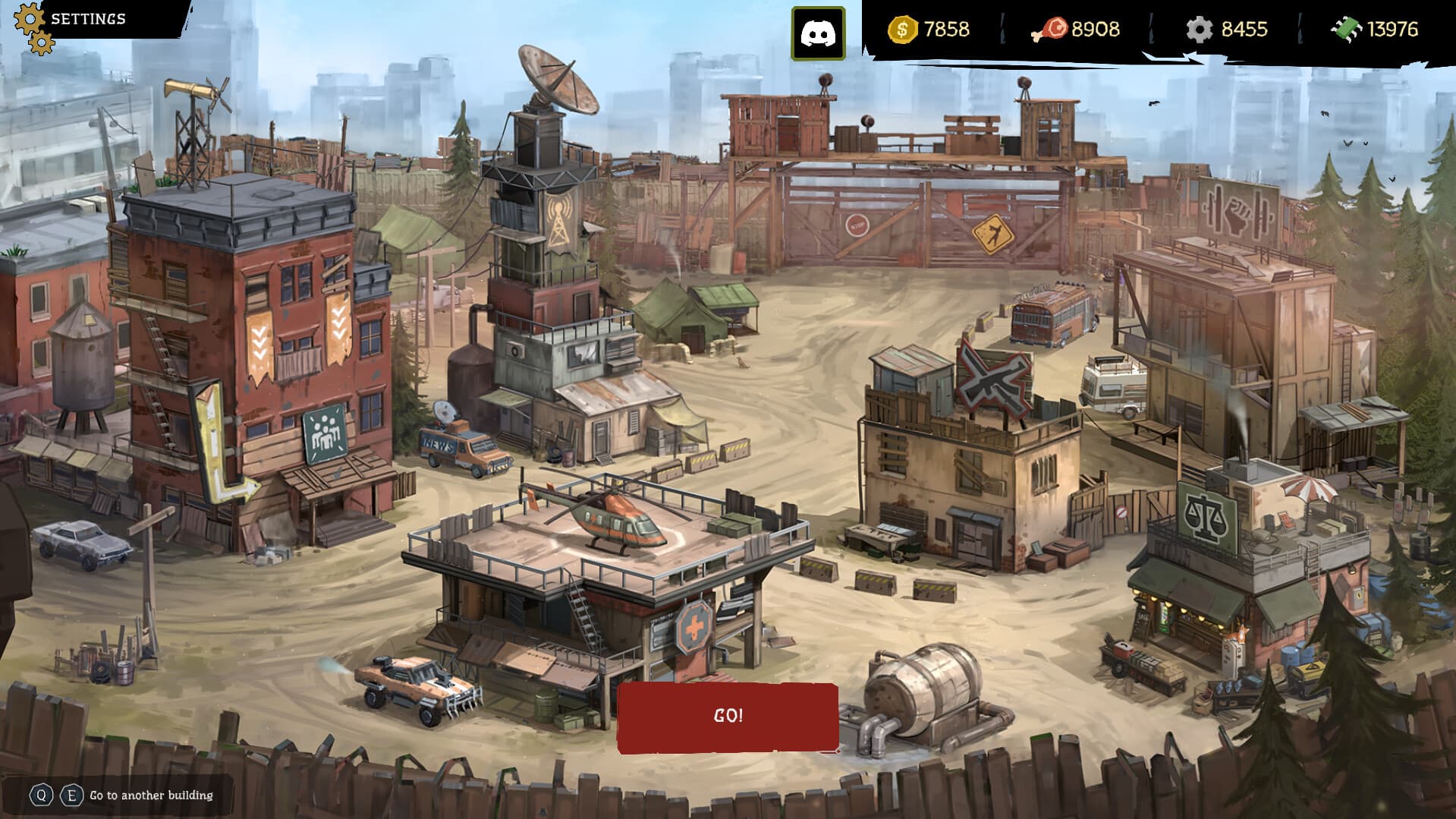
Resources feed a camp with seven functional buildings, covering needs such as training, recruitment and equipment. That gives loot a destination without turning the game into a gun-stash simulation. The attraction is assembling capable survivors and deciding when they have done enough for today. Choose FatalZone if you want horde-scale action with a lasting cost to overconfidence; choose Zombie Defence if you prefer the permanent settlement to advance without putting an individually trained survivor on the line.
The verdict
Choose FatalZone for horde survival where knowing when to evacuate can preserve a character you have invested in.
How we compare
A good recommendation explains who a game suits and where it falls short. Our editorial scores use the same five criteria, each rated out of ten.
- 01
Combat
Controls, aiming, enemy readability, and the decisions you make under pressure.
- 02
Progression
Build choices during a run and meaningful progress between attempts.
- 03
Usability
Control demands, platform access, interface options, and documented device requirements.
- 04
Value
What the asking price includes, optional purchases, and the scope of the free version.
- 05
Fit
How well the game answers the specific question in this article.
Which one should you try?
Choose the consequence you want to manage. Zombie Defence is the forgiving shelter-first option: collected Scrap remains useful after failure, so the next trip builds on the last. ZERO Sievert gives a solo player a denser equipment economy and selectable gear-loss settings. MWIII Zombies rewards cooperative exfil and schematic collecting, while Hunt makes rival hunters part of the price of a bounty. No More Room in Hell 2 and FatalZone put a developed survivor at stake; Deadly Days: Roadtrip makes each bus departure a decision about preserving a run’s build. Before setting out, identify the reward you came for and the condition that will make you leave. That is where looting becomes an extraction game rather than an endless search for more.
Your questions, answered.
Want to see what we’re building?
Zombie Defence is in Alpha. Join the waitlist.
More games to explore
- Extraction Games for Short Sessions: 4 Ways to Plan a Run
Compare four extraction games by exit choices, pause and save rules, preparation and home sorting. Find a manageable outing without mistaking raid timers for session length.
- Extraction Shooters for Beginners: 4 Starting Options
Find your first extraction game with clear difficulty choices, gear-loss rules and practical starting plans for Duckov, ZERO Sievert, FatalZone and Zombie Defence.
- 5 Best Extraction Games With Base Building
Compare five extraction games where recovered supplies build a persistent home, from Zombie Defence’s stations to Duckov’s hideout and Outpost’s custom fortress.