Extraction Games for Short Sessions: 4 Ways to Plan a Run
One useful haul, a deliberate exit, and enough time left to put everything away.

For a short extraction session, choose the stopping rule before the gun. Deadly Days: Roadtrip offers documented day-boundary saves for breaking up a longer journey. FatalZone lets you take a helicopter out before the mission ends. ZERO Sievert suits a tightly scoped errand if you leave room for equipment work. Zombie Defence combines a player-triggered extraction pad with forgiving Scrap retention, though its browser Alpha is still in development and the waitlist does not grant immediate access.
The useful distinction is between leaving the field, pausing the action and saving a journey for another day. Those are different conveniences. A run can have a manageable combat stretch and still swallow the evening through loadout changes, travel, backpack puzzles and the temptation to deploy again. Compare the whole loop: how much preparation gets you into the field, what it takes to reach the exit, and how much sorting waits at home.
Build your outing around one job: prepare a familiar kit, pick a useful resource or objective, identify how you will leave, and reserve time for the trip back and a small home cleanup. Set your turn-back alarm before your real-world deadline. If the initial preparation uses up your spare time, make this a shelter or stash visit instead of borrowing time from the return journey.
The quick comparison
4 games, different reasons to give the next run a chance.
Choose a game to jump to its overview. Platform lists are summaries; check the linked official edition.
The games
Zombie Defence
Choose a small Scrap target, keep the green pad in reach, and turn the haul into one lasting shelter improvement.
- Manual aim (desktop)
- Extraction
- Shelter building
- Crafting
- Permanent progress
- Platforms
- Browser Alpha in development; desktop and touch controls implemented; native mobile releases planned
- Price model
- Public launch pricing and monetization terms are unannounced
Zombie Defence makes the short-session question concrete: what does the shelter need from this outing? Its separate Scrap expedition sends you through a ruined city to collect amber salvage containers and return to a green extraction pad. Wrecked cars, walls and approaching zombies make the route matter, while pressure increases as time passes. Desktop movement and cursor aim are independent, with ammunition and reloads to manage; touch fire targets the nearest living enemy. A modest pickup can still produce an engaging trip when the way home is filling with infected.
Leaving is a deliberate field action. Reach the green pad, then activate EXTRACT or press E on desktop to settle the expedition. Collected Scrap is retained after extraction or defeat, and when an interrupted expedition settles after a browser-page reload, within shelter storage capacity. That makes a small resource trip less vulnerable to an interruption wiping out its entire haul. Active combat also has Pause/Resume and Escape controls. Pausing holds the fight; if a browser-page reload interrupts the expedition, the interrupted run settles instead of resuming the same encounter. These are Scrap-expedition rules, separate from sector battles and endless Scavenge.
For a manageable visit, choose the shelter project before deploying: a weapon project, a research step or a station upgrade. Check available storage, equip a familiar weapon and settle any meal preparation at home. In the street, collect a reachable container and reassess the route to the pad before crossing for another. Treat a crowded return lane as a reason to leave, even if the next container looks tempting. The goal is to finish the supply errand, not to fill every remaining moment with another pickup.
Back underground, give the recovered Scrap its planned job and stop there. A fixed-layout shelter with production stations, crafting and branching research gives small hauls a continuing purpose without requiring a fresh building layout after each run. Scrap also competes with ammunition and parts production, so reserving it for a specific project is useful. The tradeoff is active return travel: storage-friendly settlement does not clear the street for you. This approach best suits players who want a compact, purposeful outing with something lasting to show for it.
The verdict
The strongest fit here for a small supply goal whose rewards still matter after an interruption, with an active route home and substantial shelter uses for the haul.
FatalZone
Use the evacuation helicopter as your target instead of treating every deployment as a fight to the finish.
- Extraction
- Permanent progress
- Roguelite
- Platforms
- Windows PC via Steam; single-player
- Price model
- Paid game; full release
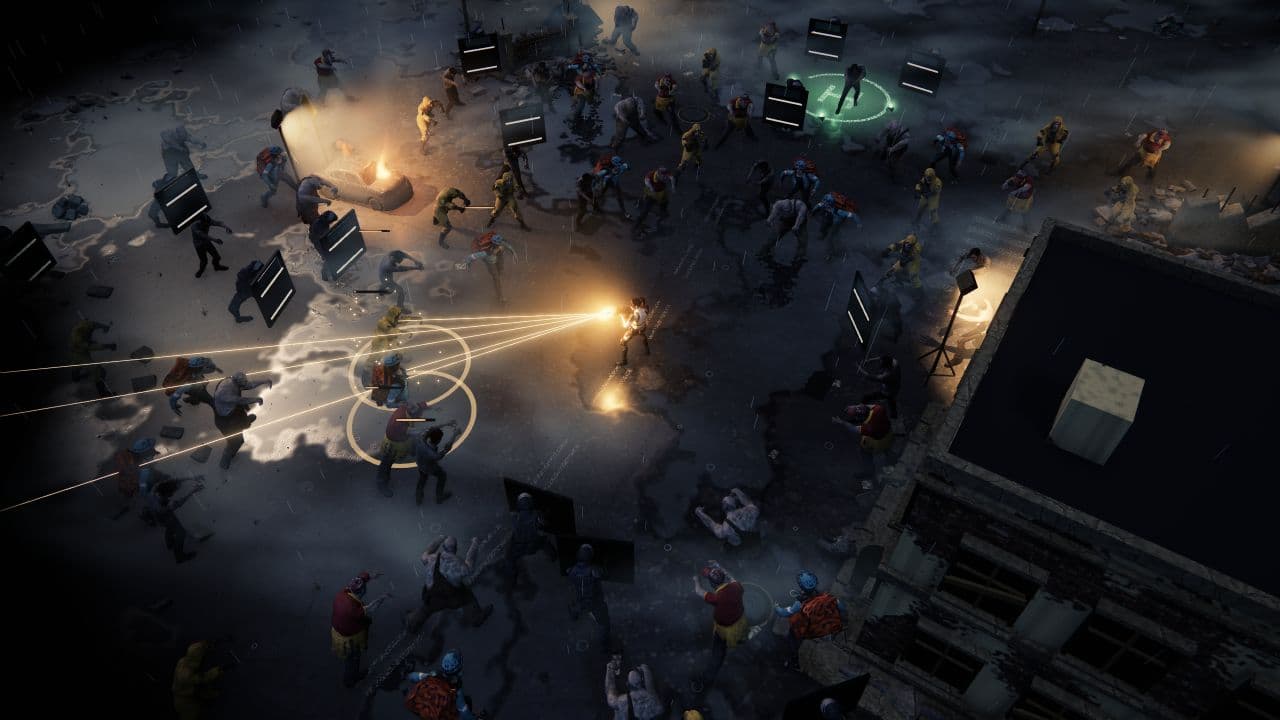
FatalZone is the choice for a short-session player who wants a horde fight with a retreat decision. Its weapons attack automatically, leaving your attention on movement, survival and the evolving combination of skills. Missions collect resources for a persistent camp, and the helicopter lets you end an outing early. That changes the aim of a limited visit: build a useful mercenary, recover what you can and leave, rather than insist on completing the longest version of the fight.
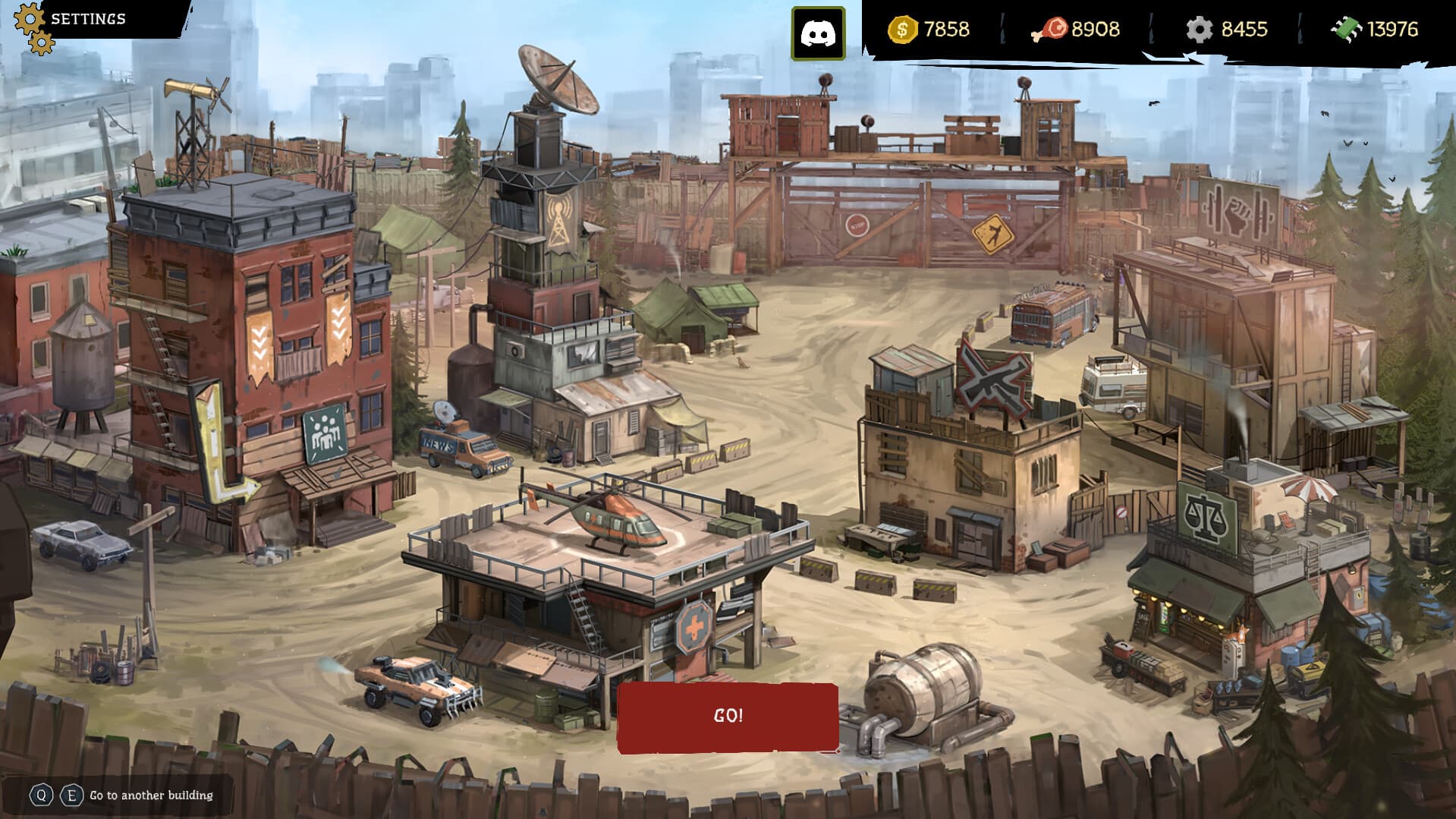
The evacuation is something to reach, not a menu button that instantly teleports you home. The game’s notification log announces evacuation starts, and its camp progression can make the EVAC area more helpful: Infirmary upgrades add a healing dome and later defensive effects. Use the notification as a cue to turn toward the exit while you still have room to move. This is a better plan than waiting until a real-world deadline arrives and discovering that the horde stands between your mercenary and the copter.
Before launching, select the mercenary, weapon, armor and difficulty with that early return in mind. Weapons supply starting combat skills, while armor changes the character’s stats. A familiar setup avoids spending the whole break assembling a new experiment. There is a meaningful reason to be conservative: mercenaries can die permanently, and virus exposure can produce helpful or harmful mutations. An experienced survivor is part of the investment you are bringing back, so skipping one more opportunity to collect resources can protect more than the current outing.
Keep the home routine equally focused. Decide whether this trip is working toward training, equipment or a camp building, then review the mercenary’s condition and make that one improvement after returning. The persistent camp gives repeated modest outings a direction; replacing a lost veteran can add work you had not planned for. FatalZone therefore fits a flexible gap better than a hard shutdown deadline. Its advantage is choosing an early evacuation, with movement and timing still required to complete it.
The verdict
Choose it when you want to cut a horde mission short on purpose and still have room to navigate the evacuation. Bring a familiar mercenary setup and a single camp goal.
Deadly Days: Roadtrip
Think in saved day-sized legs, with the backpack puzzle and next route decision included in the visit.
- Extraction
- Loot builds
- Crafting
- Roguelite
- Platforms
- Windows PC via Steam; Early Access; solo and two-player couch co-op beta
- Price model
- Paid Early Access game; 1.0 announced for 29 October 2026
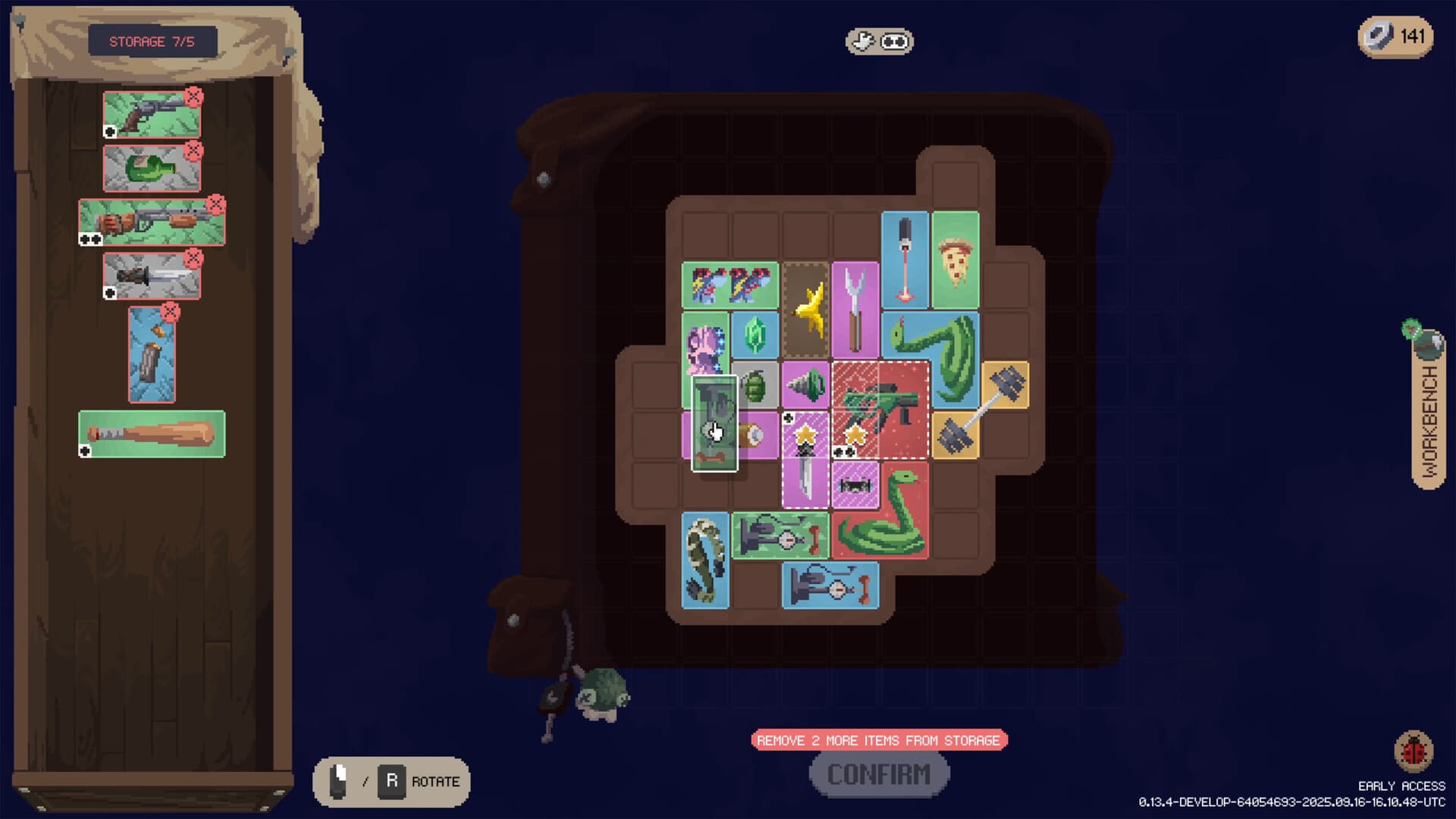
Deadly Days: Roadtrip works best here when you stop treating the entire road trip as one sitting. Each journey moves through procedural stops, with fuel to gather, zombies to survive and a choice about when to leave. Backpack blocks turn the loot into a build: where you place a weapon or support item can matter as much as finding it. A single stop can be a satisfying piece of that journey, while the overall trip and its boss goals remain a larger commitment.
The important convenience is run persistence. The developer’s launch notes document saves at the beginning and end of a day, and subsequent notes explicitly discuss continuing saved runs. Plan your shutdown around those boundaries rather than assuming a save at any instant during combat. The pause menu is also accessible from inventory and other screens, but a pause and a saved day are different stopping tools. A day boundary lets you break up the journey; it does not mean the whole trip has ended or every item has become permanent home inventory.
Budget for the bag. Items occupy different blocks, neighboring effects can strengthen a combination, and crafting or recombining equipment can prompt a tempting reshuffle. That is central to Roadtrip’s appeal, but it also means a brief fight is only part of the session. Before continuing a saved run, look at the build you already have and decide what kind of pickup would genuinely improve it. Near the end of your available time, a workable arrangement is more useful than chasing the perfect fit through a chain of new combinations.
A practical plan is to resume with one day as the intended unit, prioritize the fuel needed to leave, take a sensible route back and finish the associated inventory decisions at a documented save boundary. Save final-run unlock spending and experiments with a newly rescued survivor for a visit that has room for them. This is the most natural option here for spreading a longer journey across sittings. Its tradeoff is that the day, exit and packing decisions still need time; a save boundary is a stopping point, not a promise about how quickly you will reach it.
The verdict
The best match for players who want to continue the same journey later. Use the day-save boundary as your endpoint and leave room for the backpack decisions surrounding it.
ZERO Sievert
Prepare the kit at the bunker, mark an extraction, collect one useful thing and resist turning the errand into a tour.
- Extraction
- Tactical combat
- Crafting
- Permanent progress
- Platforms
- Windows PC via Steam; single-player
- Price model
- Paid game; full release
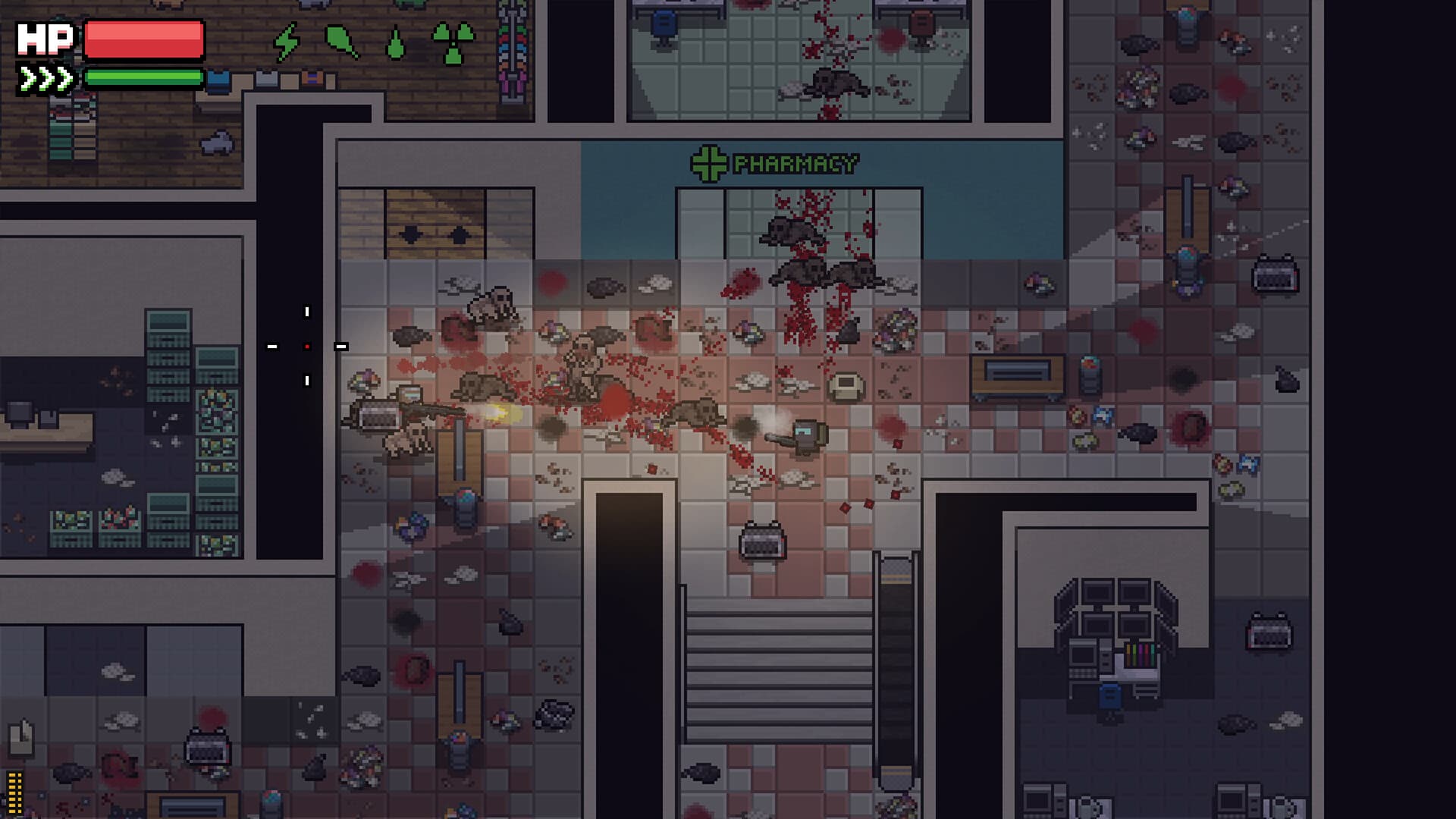
ZERO Sievert offers the most equipment-heavy version of a manageable outing in this selection. The bunker gives you traders, weapon modification and upgrade projects; the field gives you changing layouts and opponents capable of interrupting a simple plan. Its strength is letting a modest raid serve a specific goal, such as materials for a module or progress on a quest. The cost is all the work around it. Sorting ammunition, checking supplies and deciding which recovered weapon deserves storage belong in the session budget just as much as the shooting.
Pause deliberately when interrupted. The developer removed automatic alt-tab pausing and tells players to pause manually before switching windows. That helps with a brief interruption while leaving the game open. It does not create a mid-raid save: the developer’s save documentation specifies no field checkpoints, so plan to extract and return to the bunker before closing. There is also a smaller exit trap worth knowing: the extraction timer resets while the inventory is open. Finish the sorting and close it to depart; enemies remain a threat at the exit.
For a tightly scoped raid, pack a familiar gun with compatible ammunition, healing supplies and room for your target loot before leaving the bunker. Check the extraction locations as soon as you enter, then choose a route that keeps a return practical. Track one module’s materials instead of collecting everything with a possible future use. The current difficulty menu offers Relaxed, Standard and Survivor with starting-gear retention, alongside Hunter’s heavier gear loss. Protecting the kit you brought in is different from keeping a failed raid’s newly collected loot; successful extraction still matters.
At home, deposit the target materials, sell or store the obvious remainder and replenish the same kit for next time. The developer’s storage guidance recommends named stash tabs and dedicated containers; those are useful ways to stop every return becoming a complete reorganization. Leave experimental gunsmithing for a separate visit. ZERO Sievert fits a player who enjoys making a precise errand out of a dangerous world, but it is the least forgiving choice here for a rigid deadline. A detour, firefight or overweight bag can turn the walk back into the main event.
The verdict
Choose it for deliberate solo errands when preparation and inventory work are part of the pleasure. Head for extraction early and count bunker cleanup as part of finishing.
- Official Steam game overview
- Developer guidance on manual pause and alt-tab
- Developer save and mid-raid checkpoint rules
- September 2026 bunker and extraction tips
- August 2026 difficulty update
- Official survival guide: preparation and modest raids
- Player clarification of starting gear versus newly collected loot
How we compare
A good recommendation explains who a game suits and where it falls short. Our editorial scores use the same five criteria, each rated out of ten.
- 01
Combat
Controls, aiming, enemy readability, and the decisions you make under pressure.
- 02
Progression
Build choices during a run and meaningful progress between attempts.
- 03
Usability
Control demands, platform access, interface options, and documented device requirements.
- 04
Value
What the asking price includes, optional purchases, and the scope of the free version.
- 05
Fit
How well the game answers the specific question in this article.
Which one should you try?
Choose the kind of stopping point you need. Roadtrip is the clearest choice for continuing a longer journey at documented day-save boundaries. FatalZone suits an early evacuation from a horde mission, while ZERO Sievert rewards a prepared errand with spare time for the return. Zombie Defence makes a small Scrap goal meaningful through lasting shelter upgrades and forgiving expedition settlement. Whichever approach appeals, finish the whole loop: prepare, go out, leave, put the haul away. The next deployment can wait.
Your questions, answered.
Want to see what we’re building?
Zombie Defence is in Alpha. Join the waitlist.
More games to explore
- 7 Best Zombie Games With Loot and Extraction
Compare seven zombie and mutant extraction games by what you collect, what survives an escape, and what defeat actually costs, from forgiving Scrap runs to PvPvE.
- Extraction Shooters for Beginners: 4 Starting Options
Find your first extraction game with clear difficulty choices, gear-loss rules and practical starting plans for Duckov, ZERO Sievert, FatalZone and Zombie Defence.
- 5 Best Extraction Games With Base Building
Compare five extraction games where recovered supplies build a persistent home, from Zombie Defence’s stations to Duckov’s hideout and Outpost’s custom fortress.