Extraction Shooters for Beginners: 4 Starting Options
Choose the pressure you want to learn under, understand what failure costs, and make your first successful return the goal.

For a first extraction shooter, start by deciding which part you want help with. Escape from Duckov offers low-combat difficulty settings and a dedicated tutorial. ZERO Sievert lets you protect your starting equipment while learning a more detailed gun-and-inventory routine. FatalZone takes individual aiming out of the equation and makes reaching the evacuation helicopter a central decision. Zombie Defence combines active shooting with forgiving Scrap retention and a persistent shelter; it is a browser Alpha in development, and waitlist signup does not grant immediate access.
The important beginner questions are practical: Where is the exit? Can I leave with a small haul? What stays with me if I fail? A game can simplify aiming while still punishing defeat, or protect your weapon while taking away everything you just found. Those differences matter more than a cute art style or an easy-sounding preset name.
This guide compares documented difficulty controls, exit rules and recovery options, then suggests a first-session plan for each game. Fit reflects an editorial judgment of those starting options, including input demands and what it takes to recover from failure.
The quick comparison
4 games, different reasons to give the next run a chance.
Choose a game to jump to its overview. Platform lists are summaries; check the linked official edition.
The games
Escape from Duckov
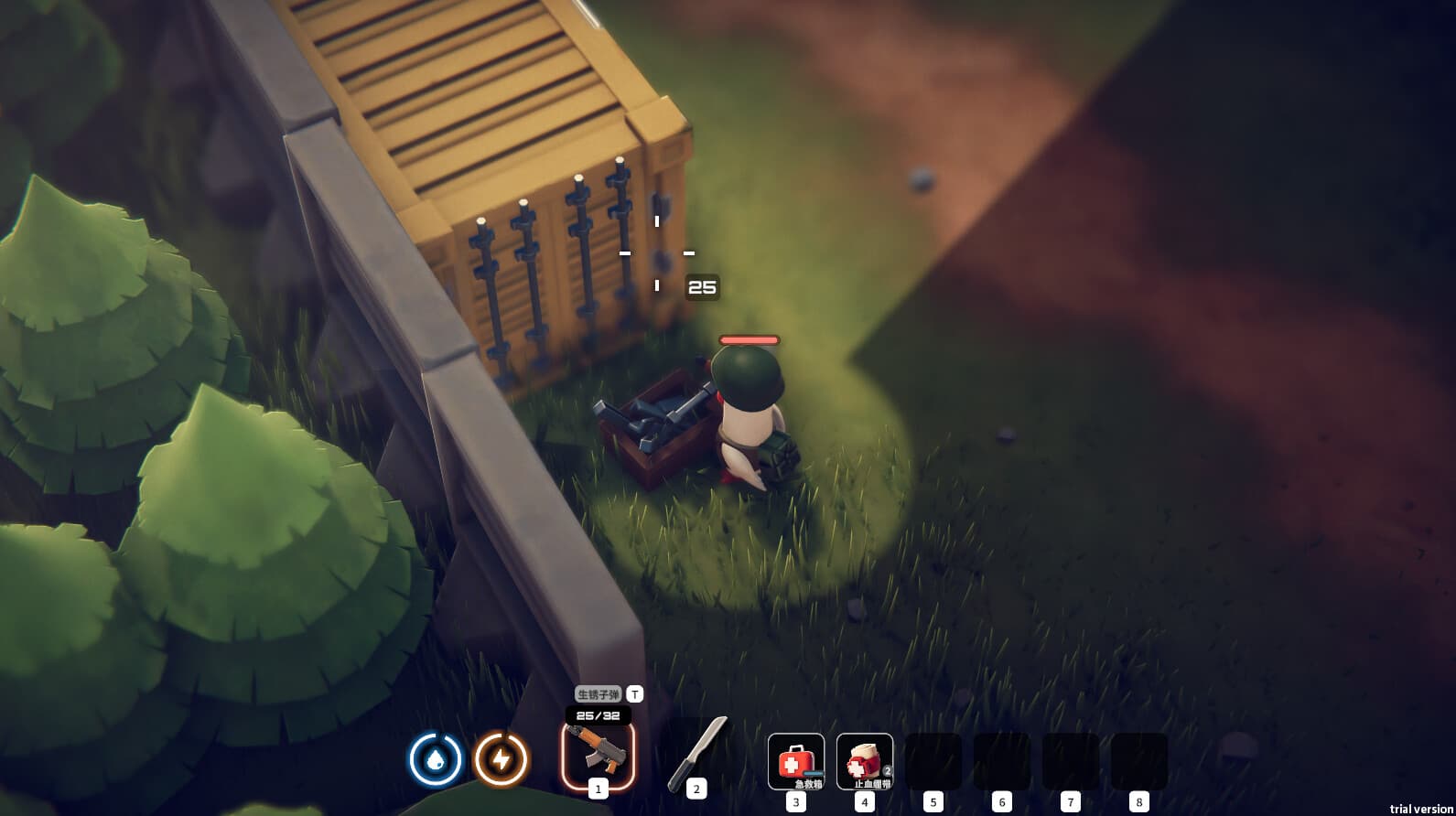
Duckov is the starting recommendation for players who want a full solo extraction adventure with explicit low-pressure settings, tutorial guidance and a hideout that gives scavenged supplies a purpose.
- Extraction
- Crafting
- Shelter building
- Loot builds
- Platforms
- Windows and macOS; single-player
- Price model
- Paid game
Choose Scavenge if you want room to concentrate on finding items and getting home. Team Soda describes that preset as having minimal combat intensity; Relaxed adds more challenge without the pressure of the tougher settings. Custom difficulty goes further, with controls for factors such as enemy health, damage taken and item drops. That is a useful distinction for a newcomer: you can keep the scavenging-and-upgrading loop while adjusting the fights around it. Start with a preset before changing several sliders, so you have a clear point of comparison when something feels too harsh.
Duckov has a dedicated tutorial area, and the developer specifically points new players toward the symbols on the ground and the pop-up guidance. Give that opening your attention before getting absorbed in the hideout. You still control a weapon, manage supplies and decide what deserves backpack space; the ducks do not turn those decisions into an automatic process. Once home, crafting, blueprints and quests give collected items different uses. Keep the requirements for your current task in mind instead of assuming every unfamiliar piece of junk should immediately be sold.
Failure can create a recovery trip. Under recovery-enabled rules, dropped belongings wait at your latest death marker, but a second death replaces the previous marker. The support dog also provides limited protected storage. That means a bad outing need not end with every useful item permanently gone, yet rushing straight back into the same fight can make things worse. Keep a spare loadout at home, check the selected death rules, and treat retrieval as its own objective. Harder and Custom settings can change the penalty, so do not assume every preset offers identical protection.
For your first session, choose Scavenge or Relaxed, complete the tutorial and take one straightforward task into the first ordinary outing. Find the return route before loading up, collect a modest amount of what you need, then extract while the plan is still manageable. Back at the hideout, separate supplies for the next trip from materials you intend to sell or use. That full cycle is the useful milestone. The tradeoff is that Duckov remains an inventory-and-errands game: turning the combat down does not remove the decisions about ammunition, useful ingredients or which project to pursue next.
The verdict
Start here if you want a solo extraction campaign you can tune around learning, and make the first goal a small, useful haul brought safely home.
Zombie Defence
Zombie Defence makes the route out and back easy to state: search amber containers, collect Scrap, and return to the green extraction pad. Its forgiving cargo rules let that practice continue to support a lasting shelter.
- Manual aim (desktop)
- Extraction
- Shelter building
- Crafting
- Permanent progress
- Platforms
- Browser Alpha in development; native mobile releases planned
- Price model
- Public launch pricing and monetization unannounced
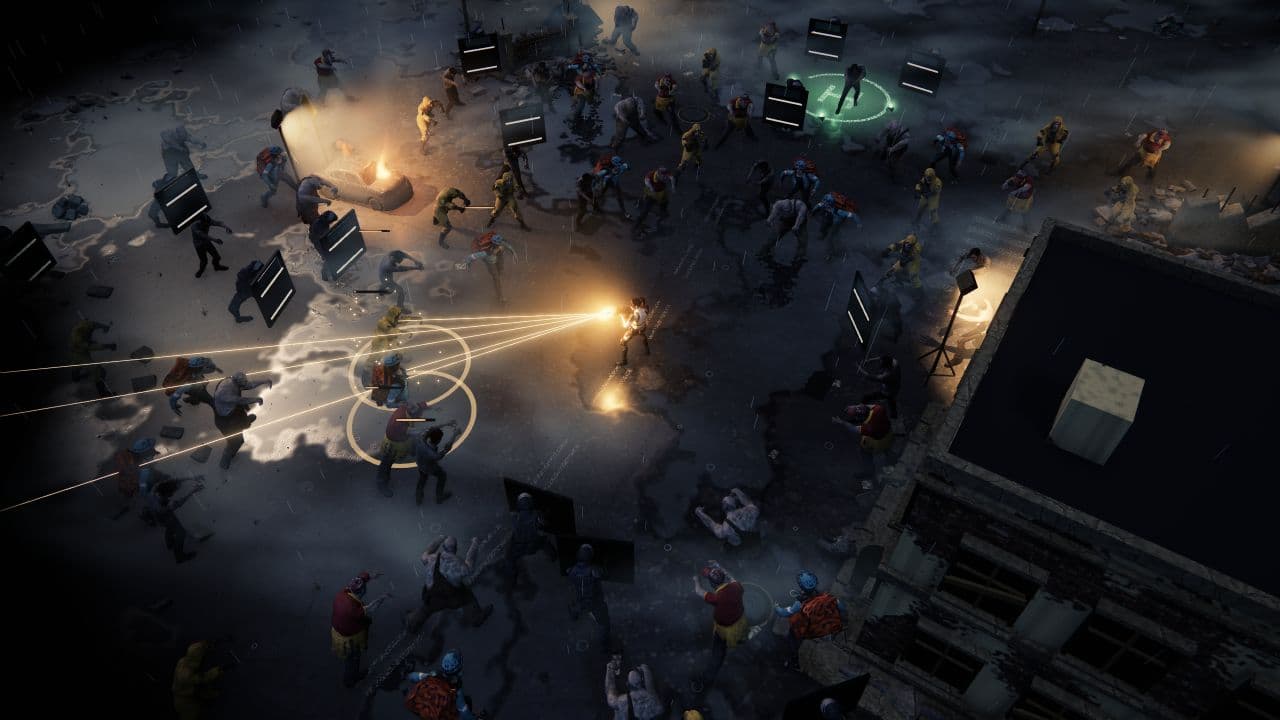
The separate Scrap expedition is the mode to understand first. You enter a ruined city, look for amber containers, and bring their Scrap back through a green extraction pad using E on desktop or the EXTRACT control. Enemy pressure rises as the outing continues, so the decision is when to turn back rather than how to clear every possible encounter. A short route with a known destination gives a new player a useful exercise: recognize the exit, collect something nearby and return without turning the entire city into one long chase. The radar and environmental cover support that routing.
The shooting remains hands-on. On desktop, movement and cursor aim are independent; firing, sprinting, magazine management and reloading all need attention. Touch uses a movement stick and a FIRE control that targets the nearest living enemy, plus a reload button. These are different ways to handle the same active combat, not an unattended battle. Concentrate on keeping an escape lane open and reloading before the magazine runs dry in a crowd. Learning when to move away from a tempting container matters just as much as learning where to point the rifle.
Collected Scrap from these expeditions is retained after extraction or defeat, and is also settled if reloading the browser page interrupts the outing, up to storage capacity. Your shelter improvements persist too. A failed attempt therefore does not automatically erase the material you just worked to collect. Check that there is room in storage before departing, and keep this rule separate from sector battles, which have their own settlement rules. The forgiving Scrap rules also change the appeal: the tension comes from navigating rising pressure and making a clean return, rather than putting the entire haul on the line.
When you have Alpha playtest access, make the first expedition a simple out-and-back exercise: note the pad, check ammunition, collect a small amount of Scrap and practice the extraction interaction. At home, choose one concrete destination for those supplies, such as a station improvement or a weapon-crafting project. That makes the next outing purposeful without asking you to learn every shelter system immediately. Crafting, research and room upgrades offer plenty to grow into; the same Scrap can serve several needs, so deciding what to fund is part of the lesson. Build a reliable routine before chasing a bigger haul.
The verdict
A compelling fit for learning the rhythm of active scavenging and shelter investment, especially if losing the whole haul would discourage you from trying another route.
ZERO Sievert
ZERO Sievert is a good next step for a beginner who wants the gun, ammunition and backpack decisions to matter, but would rather keep the starting loadout while learning from failed raids.
- Extraction
- Tactical combat
- Crafting
- Loot builds
- Platforms
- Windows PC; official single-player game
- Price model
- Paid game
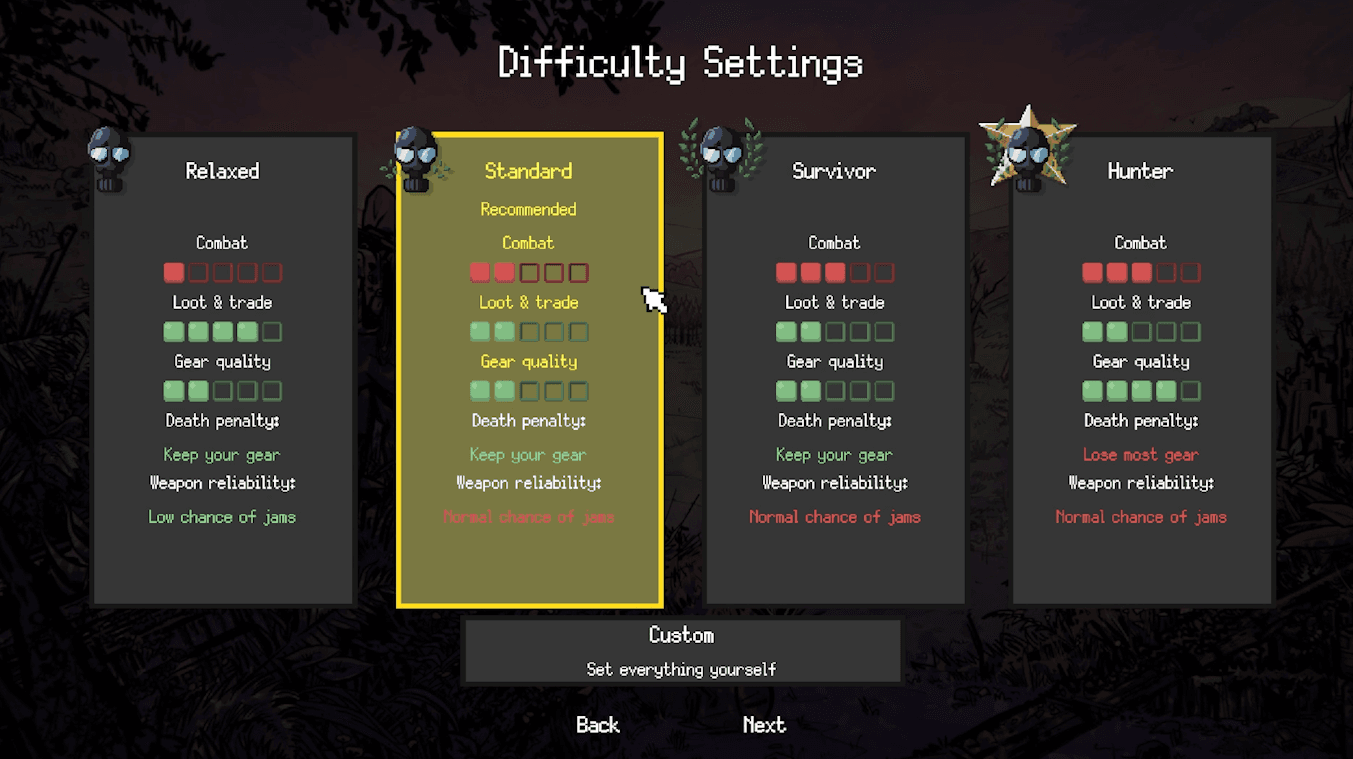
Select Start Prologue when beginning, rather than jumping directly into the main game. The August 2026 update made those choices explicit and revised the opening tutorial. It also renamed Rookie difficulty to Relaxed and added Standard, so older guides may use a name you no longer see. Relaxed is the starting preset to consider if combat pressure is your concern: its current menu shows a lower combat setting and a lower chance of weapon jams. Standard is the developer-recommended middle choice. The overhead pixel view still hides danger behind blocked sightlines, so a calmer preset is not permission to rush every corner.
Two settings are particularly useful to inspect before the first proper raid. Automatic ammo switching can load another compatible ammunition type when the current one runs out, while the option to close chest and stash inventories on damage can get the menu out of your way during trouble. Neither replaces preparation. Load the weapon before leaving, carry compatible rounds, and know how to heal. The bunker bench, traders and stash give this preparation a home, but the number of equipment decisions is part of ZERO Sievert’s appeal and its learning cost. Choose it if sorting a loadout sounds interesting.
The current Relaxed, Standard and Survivor presets protect the gear you brought into the raid. They do not bank the fresh loot gathered during a failed outing. Hunter adds loss of most starting gear, and Custom allows different settings. This makes the gentler presets useful for repeated practice with a familiar weapon while keeping successful extraction meaningful. A lost haul is disappointing, but the next attempt can begin with equipment you already understand. If the starting rules feel wrong, difficulty settings can be adjusted during a game, although some changes take effect after a new raid or other refresh.
For the first session, finish the Prologue, prepare a simple loadout and identify the extraction points as soon as you enter the field. Make a small return your goal rather than treating every distant gunshot as an invitation. At the exit, close the inventory: the developer’s current tips explain that opening it resets the extraction timer. Once back in the bunker, put the haul away and identify one useful crafting or storage target for the next trip. This approach gives the detailed systems a sequence to learn, instead of asking you to master weapons, quests, modules and every valuable item at once.
The verdict
Choose ZERO Sievert when you want to learn a more detailed extraction routine, using Relaxed and a familiar starting kit to make each attempt easier to understand.
FatalZone
FatalZone is the auto-shooter branch of this guide. It lets you practice positioning, collecting supplies and choosing an evacuation while your mercenary handles ordinary attacks, but the risk to that mercenary is real.
- Extraction
- Roguelite
- Permanent progress
- Shelter building
- Platforms
- Windows PC; single-player
- Price model
- Paid game
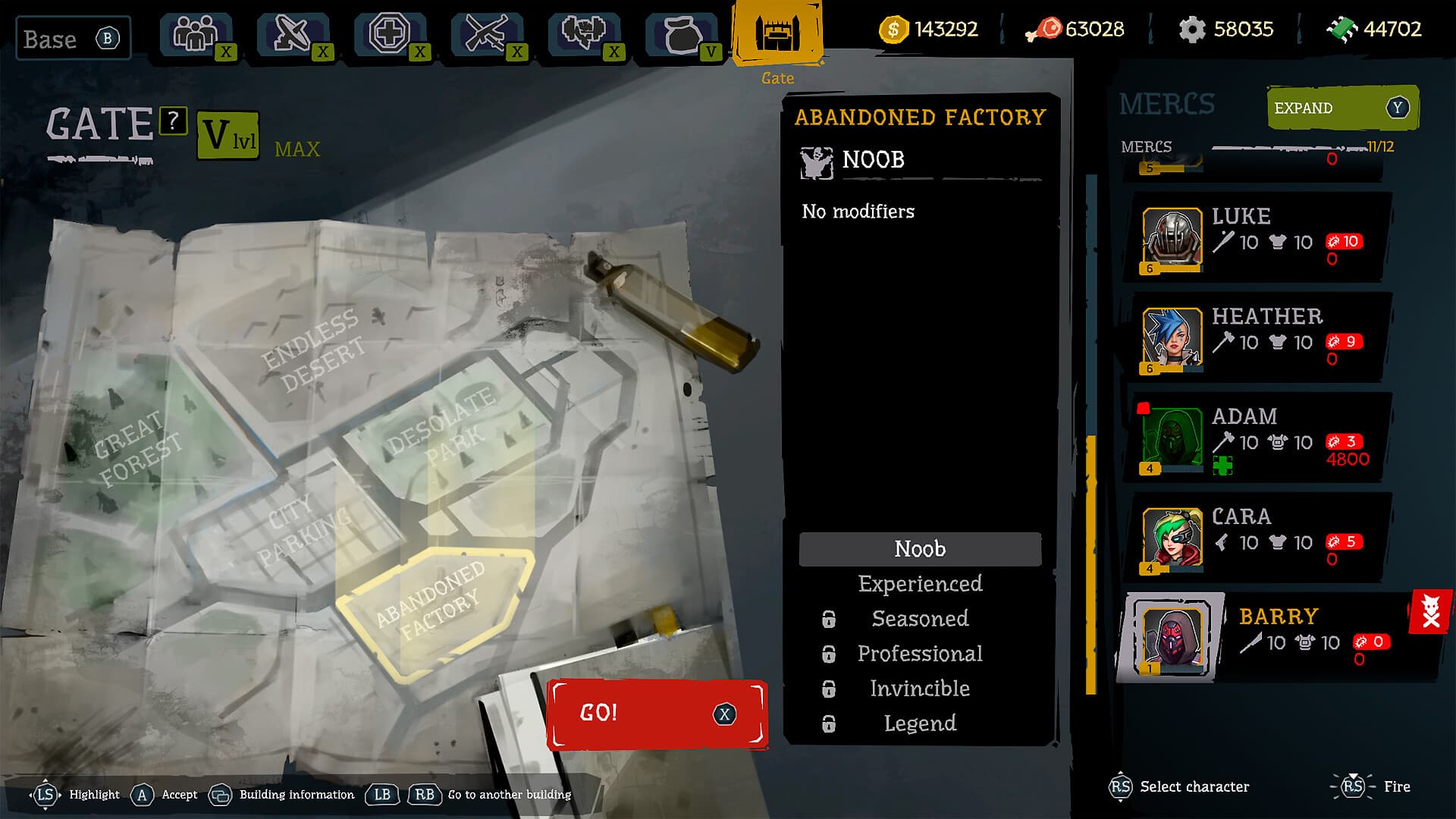
If keeping a crosshair on enemies is the part of shooters you find most frustrating, FatalZone offers a different starting task. Steer the mercenary through zombies, collect resources and choose skill combinations while attacks fire automatically. Positioning and build choices carry the combat. The full game has six difficulty levels, and its deployment menu places the chosen difficulty alongside the mission and mercenary roster. Begin at the lowest available setting while learning what your starting equipment does. Do not confuse this with a realistic gun-and-magazine simulator: the lesson is managing space and deciding when a promising run has gone far enough.
Helicopter evacuation lets you finish a mission early, provided you get to the exit. That gives a new player a concrete alternative to fighting until the horde wins. The notification log can call attention to the start of an evacuation, while the radar helps locate nearby opportunities during the run. Keep the exit in your plan even when pickups are pulling you in another direction. Early extraction here means reaching an available evacuation, not pressing a quit button anywhere on the map. The first time you decide to leave and actually make it home is a more useful milestone than squeezing one more level out of the build.
The strongest reason to leave is the person you are developing. Mercenaries can die permanently, and the camp recruits and trains replacements, so automatic attacks do not make the consequences gentle. A veteran’s skills and equipment give survival value beyond the current run. Camp improvements also support later attempts: the Training Hall develops skills, the workshop improves equipment, and Infirmary upgrades can add a healing dome at the evacuation zone. These systems create a lasting project even when the roster changes. They also make overconfidence expensive if you keep risking a mercenary you have spent time building up.
For the first session, use an available low-difficulty mission and pay attention to how movement shapes your attacks and escape routes. Keep the notification log visible, learn what the evacuation cue looks like, and make your goal to reach an early helicopter opportunity rather than to complete the longest possible outing. After returning, inspect the mercenary and choose one camp improvement to work toward. FatalZone suits players who want that horde-and-retreat rhythm with less aiming workload. If your main goal is to learn detailed weapon handling without managing a roster of expendable mercenaries, Duckov or ZERO Sievert offers a more suitable starting direction.
The verdict
Pick FatalZone for a movement-led introduction to collecting resources and choosing an exit, with a clear understanding that simpler aiming does not remove character risk.
How we compare
A good recommendation explains who a game suits and where it falls short. Our editorial scores use the same five criteria, each rated out of ten.
- 01
Combat
Controls, aiming, enemy readability, and the decisions you make under pressure.
- 02
Progression
Build choices during a run and meaningful progress between attempts.
- 03
Usability
Control demands, platform access, interface options, and documented device requirements.
- 04
Value
What the asking price includes, optional purchases, and the scope of the free version.
- 05
Fit
How well the game answers the specific question in this article.
Which one should you try?
Choose Escape from Duckov for a guided solo start with adjustable combat, and ZERO Sievert when detailed equipment preparation is part of what you want to learn. FatalZone offers the movement-and-evacuation version of the lesson, with permanent mercenary risk worth respecting. Zombie Defence brings a different reward for practice: collected Scrap can still feed a lasting shelter after an unsuccessful expedition. Whichever approach appeals, start with one route, one modest objective and a return you can repeat. Bigger hauls can wait until getting home feels deliberate.
Your questions, answered.
Want to see what we’re building?
Zombie Defence is in Alpha. Join the waitlist.
More games to explore
- 5 Best Extraction Games With Base Building
Compare five extraction games where recovered supplies build a persistent home, from Zombie Defence’s stations to Duckov’s hideout and Outpost’s custom fortress.
- 4 Best PvE Extraction Games Without PvP
Compare four AI-only extraction games by solo or co-op support, gear loss, retained progress and access, from Duckov to Zombie Defence’s browser Alpha.
- 7 Best Single-Player Extraction Shooters in 2026
Compare seven solo PvE extraction shooters by combat, risk, progression, platform and price, from ZERO Sievert and Escape from Duckov to Zombie Defence.