7 Best Post-Apocalyptic Base-Building Games
Choose the disaster, the scale of construction, and the kind of community you want to build.

The best post apocalyptic base building games make construction answer a real survival problem. Endzone - A World Apart turns contaminated land into a settlement-planning challenge. Frostpunk asks how to keep a city warm without destroying its society. Zombie Defence connects an underground shelter to active zombie combat, while Timberborn lets ingenious beavers rebuild after humanity has disappeared.
Start with the scale you want. Endzone, Surviving the Aftermath, Frostpunk and Timberborn are settlement or city builders: you direct infrastructure and inhabitants from above. Fallout Shelter concentrates that job into a readable underground cutaway. Kenshi mixes outpost construction with a squad-based RPG, and Zombie Defence is the action-and-shelter hybrid. Building a workshop that supports your fighter feels very different from keeping hundreds of citizens supplied.
These seven picks span nuclear fallout, ecological collapse, a frozen world and a zombie outbreak. Each makes the base part of surviving its setting, rather than a decorative menu between missions. Six are released games; Zombie Defence is a single-player browser Alpha in development. The sections below name the editions being compared and separate whole-town construction from room-and-station management.
The quick comparison
7 games, different reasons to give the next run a chance.
Choose a game to jump to its overview. Platform lists are summaries; check the linked official edition.
The games
Zombie Defence
An action-and-shelter hybrid for players who want to build useful infrastructure, craft their own weapons and personally fight for the next load of supplies.
- Shelter building
- Crafting
- Farming
- Permanent progress
- Manual aim (desktop)
- Platforms
- Single-player browser Alpha in development. Join the waitlist for Alpha news and playtest availability.
- Price model
- Public launch pricing and monetization are not confirmed.
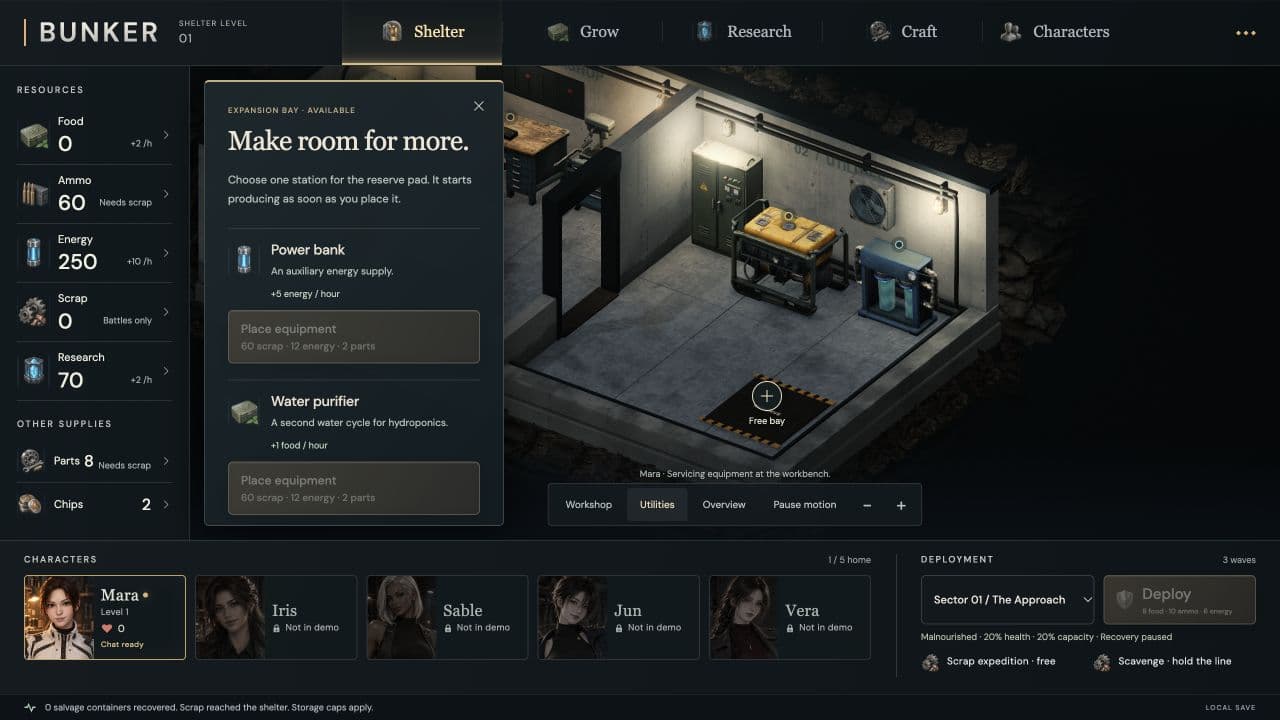
The shelter is a working response to the ruined world above it. Water & Hydroponics, the Ammo Press, Generator, Salvage Bench and Research Lab give recovered supplies somewhere useful to go. You upgrade these stations, assign workers and choose what to install in a reserve expansion bay. A power bank, purifier or additional salvage station solves a different bottleneck. The layout is fixed, so the construction decision is which capability to develop, rather than where to draw every wall.
That smaller footprint still creates substantial planning. Scrap funds construction, weapon levels, crafted components and ammunition production. If the next goal is a new weapon, converting every recovered unit into ammunition can delay it. Changing the Salvage Bench output or pausing a production line lets you reserve resources for the project that matters. Production also respects available inputs and storage capacity; building a stronger economy means balancing the whole chain, not simply collecting more stations.
Research gives the shelter a direction. Its 28 nodes span Shelter, Industry, Defense and Arsenal, with rival doctrine choices that close off the opposing route. Artisan versus Assembly Line, for example, makes efficient crafting and faster processing competing priorities. Crop racks add another practical use for water: lettuce and tomatoes can feed the colony or become meals for the next deployment, while roses serve as gifts. Harvesting is manual, so a productive garden still gives you a reason to visit and decide what to use.
The payoff happens above ground. Permanent crafted weapons support top-down combat with movement, aiming, ammunition and reload decisions; desktop cursor aim is independent of movement, while touch fire assists toward the nearest enemy. Separate city Scrap expeditions bring supplies back into the shelter economy. This is the pick for a base that changes how you fight, with a defined set of stations and expansion choices rather than the map-wide urban planning of Endzone or Timberborn.
The verdict
Choose Zombie Defence when the base you want to build is a purposeful underground workshop and garden supporting hands-on survival combat.
Endzone - A World Apart
A survival city builder in which the apocalypse changes the ground, weather and supply network your settlement depends on.
- Shelter building
- Farming
- Exploration
- Base defense
- Platforms
- Windows PC; this entry covers the original A World Apart on Steam.
- Price model
- Premium base game; Prosperity and Distant Places are optional paid expansions.
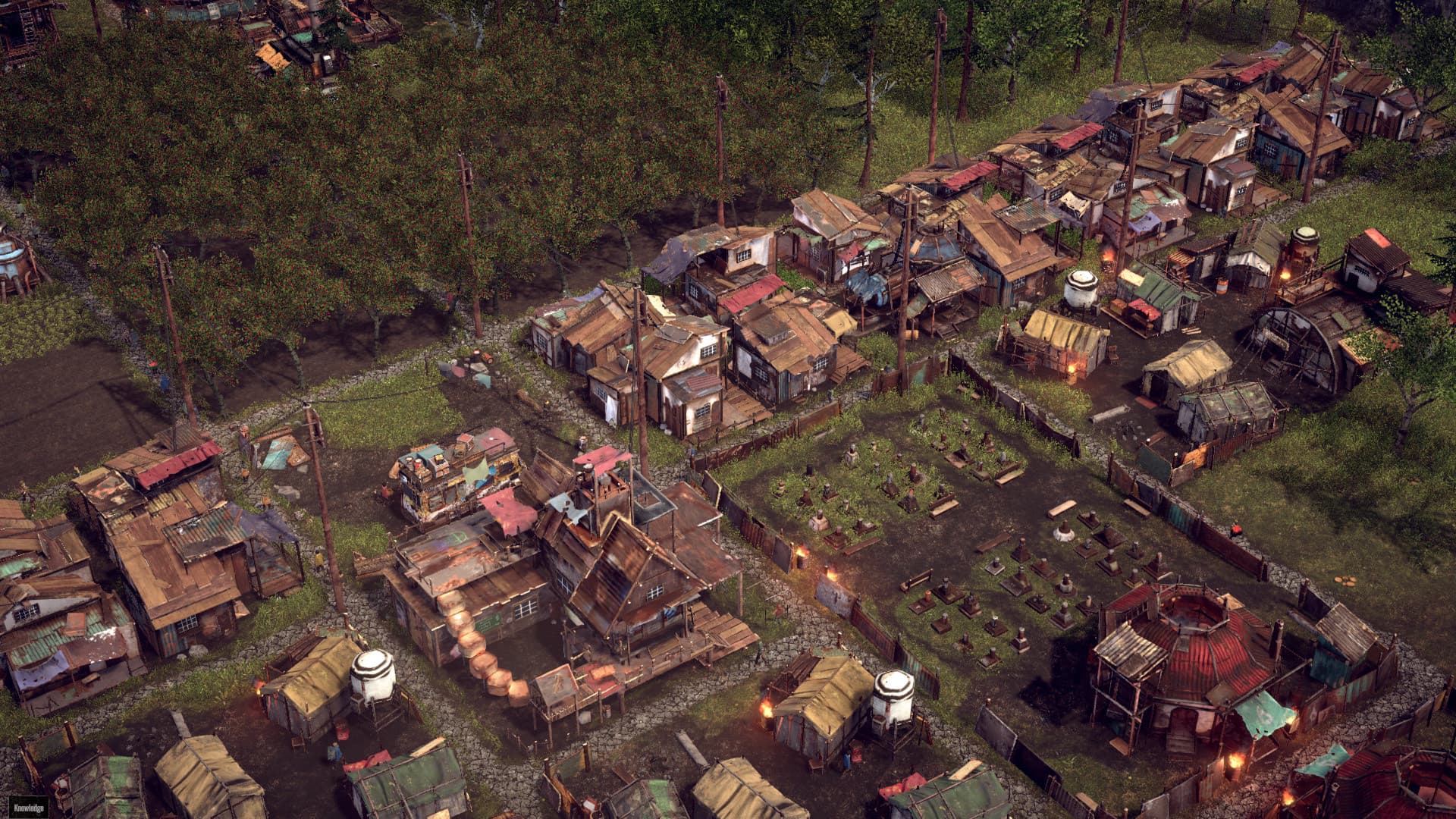
Endzone begins with people leaving underground refuges to settle the surface. The interesting work is above ground: place housing, production buildings, roads, storage and services, then assign the professions that keep them running. A settlement needs a dependable flow of food, water and processed materials before its skyline can become impressive. The contrast with Fallout Shelter is immediate: here, you are planning a town across hostile terrain rather than fitting rooms into a bunker.
Radiation and humidity make that terrain more than scenery. Conditions are simulated across individual ground cells, and contaminated rain can turn an apparently useful patch of land into a problem. Droughts threaten supplies; sandstorms damage buildings and spread contamination. Protective clothing, filtered water and covered fields are therefore infrastructure decisions with a purpose. The satisfying milestone is a settlement that can absorb bad weather because its reserves and protective systems are ready.
Expeditions add contact with the world that existed before the disaster. You send settlers to ruins, make decisions and recover useful resources, while the home economy still needs enough workers to function. Education, motivation and profession assignments give expansion a human cost as well as a construction bill. More houses are only a success if you can support the people living in them.
Choose the original A World Apart for this dense, single-settlement survival problem. Its learning curve comes from overlapping shortages and environmental threats, not from controlling an individual fighter. Raiders add a defensive concern, but the main attraction is making a fragile supply network withstand the next crisis. The sequel Endzone 2 is a separate game; this recommendation and image cover the original.
The verdict
The strongest starting point here for a traditional post-nuclear surface settlement where surviving the land matters as much as filling it with buildings.
Surviving the Aftermath
Colony construction and a separate world map make rebuilding feel like a regional project, with specialists connecting your settlement to supplies and opportunities beyond its gate.
- Shelter building
- Exploration
- Base defense
- Platforms
- Windows PC; this entry covers the Steam base game.
- Price model
- Premium base game with optional paid expansions.
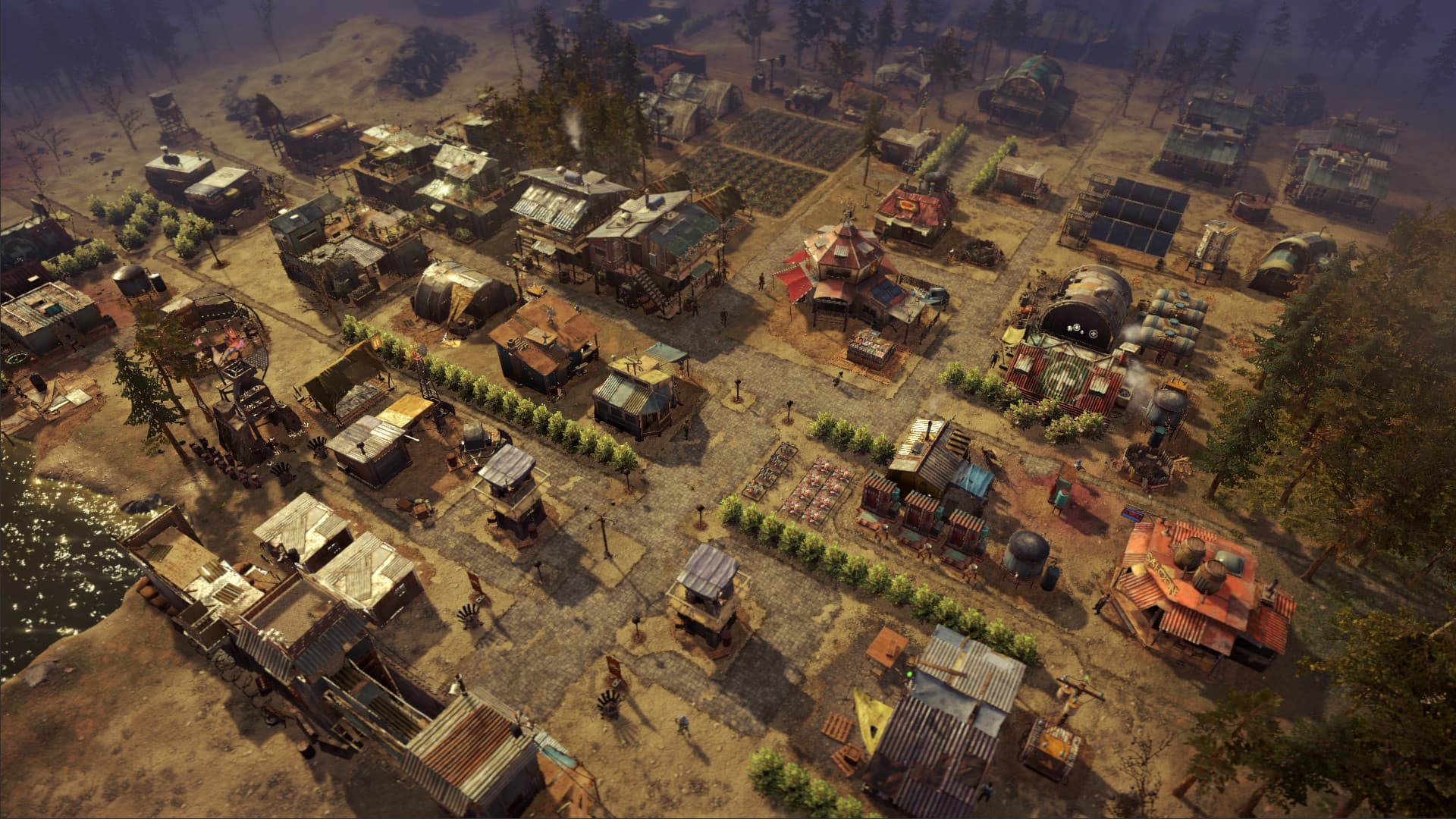
Surviving the Aftermath is a good match if a self-contained town eventually feels too small. You construct a colony, develop its services and prepare for environmental catastrophes, but also send specialists into a procedurally generated world. The base becomes a place on a wider map: other settlements can trade, remote sites can supply materials, and exploration reveals more of the disaster’s aftermath.
The specialists give that outward expansion a face. They have different skills, can gather resources and establish outposts, and help defend the colony against bandits and wildlife. Choosing who goes out and what they pursue creates a second planning layer alongside the building queue. A new facility answers a local need; a specialist expedition can address a shortage or opportunity that the colony cannot solve entirely within its boundaries.
This makes the game especially appealing when you enjoy alternating between close-up management and longer-range decisions. Happiness and event choices also matter, so rebuilding is about the condition of the community as well as the number of structures. A settlement that has survived one emergency still needs the resources and preparation to handle the next.
The tradeoff is divided attention. Watching the colony grow is only part of the job, and players who want every decision to happen on one construction map may prefer Endzone. Combat is handled through specialists and colony defense, not direct-action shooting. The base game already supplies the colony-and-world-map relationship described here; separately sold expansions add their own systems and are not assumed in this recommendation.
The verdict
Pick it when rebuilding civilization should include expeditions, neighbors and distant supply opportunities alongside the buildings inside your gate.
Frostpunk
A society-survival city builder that turns heat, labor and hope into competing construction priorities after a global freeze.
- Shelter building
- Exploration
- Platforms
- Windows PC; this entry covers the original Frostpunk on Steam.
- Price model
- Premium base game with optional paid expansions and a Season Pass.
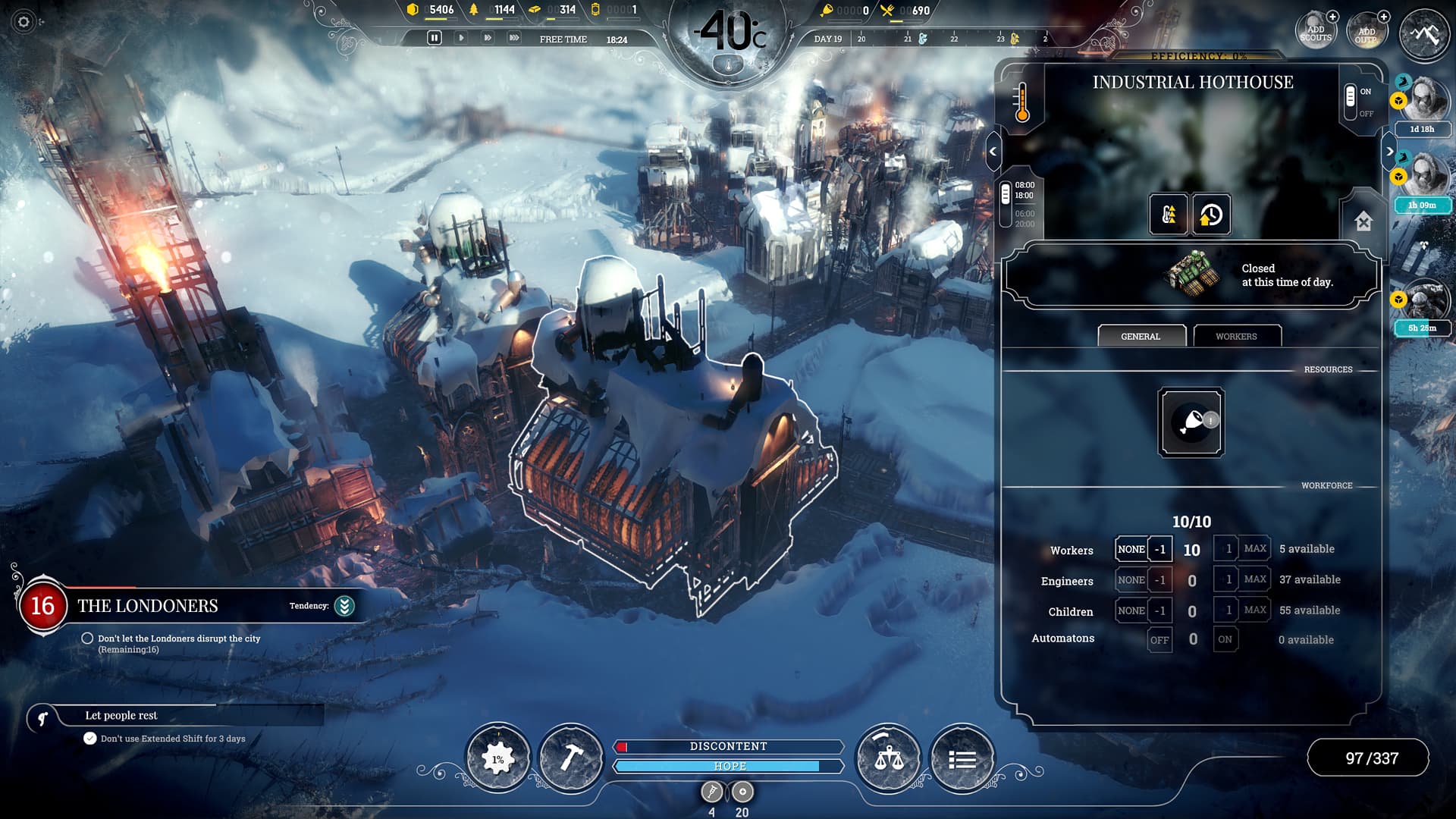
Frostpunk gives every building an urgent question: can the people using it stay warm, fed and alive? The city grows around its heat-producing generator, and new housing or industry adds another claim on scarce resources. A workshop represents future efficiency, while shelter and medical care address people who need help now. That tension makes even a modest construction decision feel consequential.
The other half of the base is its society. Laws govern working routines, healthcare and food provision, while hope and discontent reflect the human result of your choices. Squeezing more output from a strained population can solve today’s shortage and deepen tomorrow’s political problem. The game is at its strongest when your city looks increasingly capable but the way you keep it operating becomes harder to justify.
Research and expeditions widen the options. New technology can improve the infrastructure, and scouts search the frozen world for supplies and survivors. Bringing more people home gives the settlement more potential, but they also need its services. Unlike a purely decorative builder, Frostpunk asks whether growth is sustainable under the conditions you actually face.
This entry covers the original game, whose individual buildings and generator-centered city are particularly suited to the base-building brief. Its scenarios offer directed survival stories; the included Endless Mode provides another way to keep building, with Serenity aimed at lower-pressure construction. There is no player-directed combat system. The pressure comes from the cold, the economy and the consequences of leadership, so choose it for difficult management decisions rather than battles.
The verdict
Choose Frostpunk when you want a post-apocalyptic city whose hardest construction problem is deciding what kind of society deserves to survive inside it.
Timberborn
Humanity is gone, but rebuilding continues. Timberborn makes dams, irrigation and vertical construction the center of a distinctive post-human city builder.
- Shelter building
- Farming
- Platforms
- Windows and macOS; the full-release desktop edition.
- Price model
- Premium game; an optional soundtrack is sold separately.
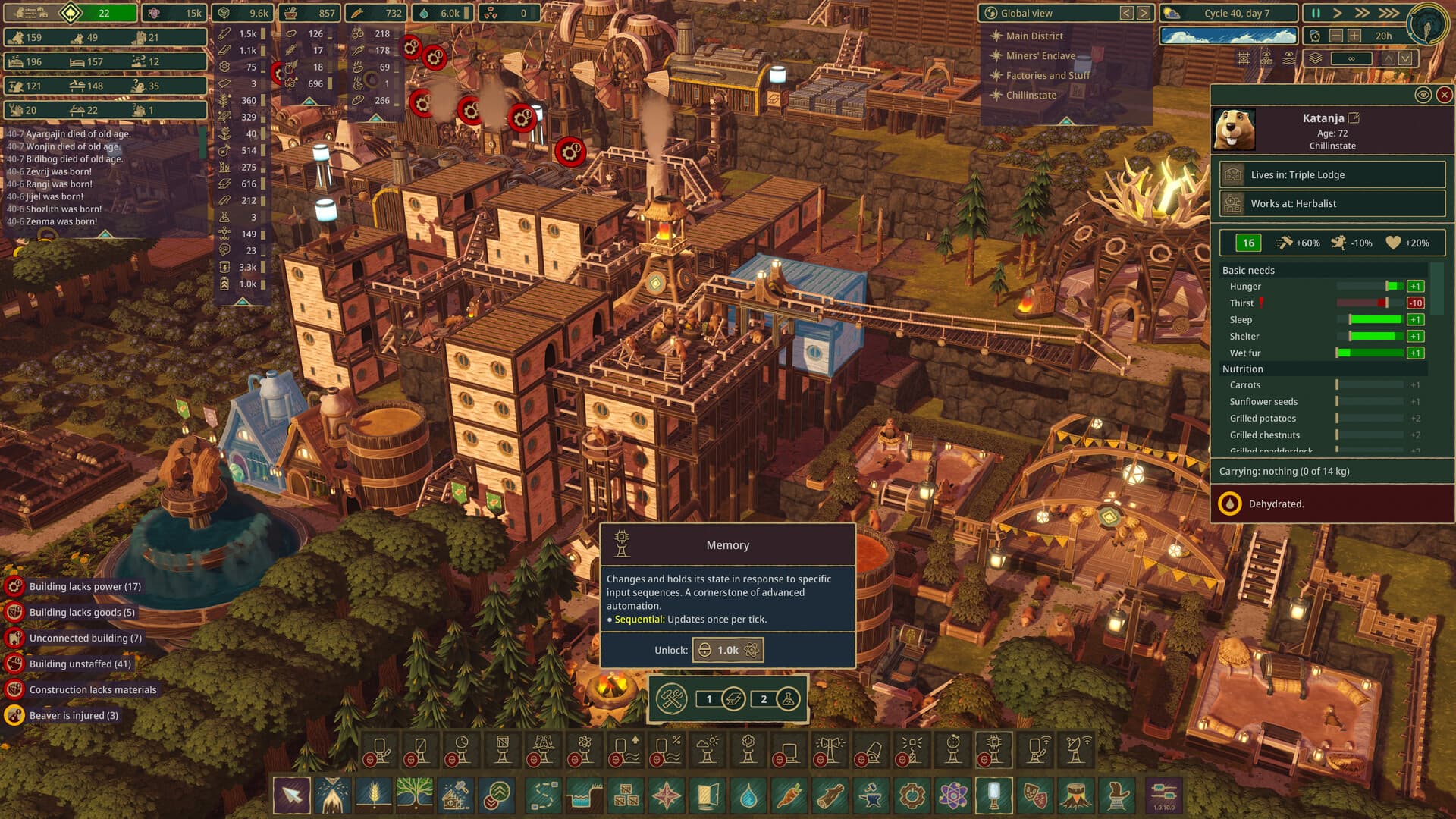
Timberborn is the least grim-looking game here, yet its apocalypse is fundamental to the design. Humans have left behind a damaged world, and evolved beavers must survive droughts and waves of toxic waste. A healthy river is a resource, a power source and the basis of arable land. The task is to reshape the landscape so the colony can keep working when the weather stops cooperating.
That is where the construction becomes unusually expressive. Dams and floodgates control water, canals and aqueducts redirect it, and terraforming changes what the terrain allows. Buildings can stack vertically, with platforms, bridges and paths connecting different heights. Instead of spreading every function across flat ground, you can build a compact settlement around a water system you designed. Successful infrastructure visibly changes the place.
The Folktails and Iron Teeth offer different buildings, technologies and priorities, while advanced production leads to machinery and mechanized workers. The full release also includes automation tools such as sensors and relays, allowing structures to respond to conditions rather than requiring every adjustment by hand. This makes a working dam or factory a project you can refine, not merely a finished item on the construction menu.
There are no enemy armies to fight. Survival pressure comes from water, food, pollution and keeping the population’s needs supplied. That focus is ideal if your favorite base-building stories involve a clever redesign rather than a narrow escape in combat. It is less suitable if the human desperation of a ruined world is essential to the mood: Timberborn finds its personality in beavers, wood and engineering, even when the colony is in serious trouble.
The verdict
The pick for builders who want the environment to be something they can re-engineer, with a settlement that grows upward as well as outward.
Fallout Shelter
A compact shelter manager that makes the whole base easy to read: production rooms, living spaces and training facilities arranged in a familiar Fallout cutaway.
- Shelter building
- Crafting
- Permanent progress
- Base defense
- Platforms
- Windows PC, Android and iPhone/iPad; this entry focuses on the standard Vault-management loop.
- Price model
- Free to play with optional in-app purchases.
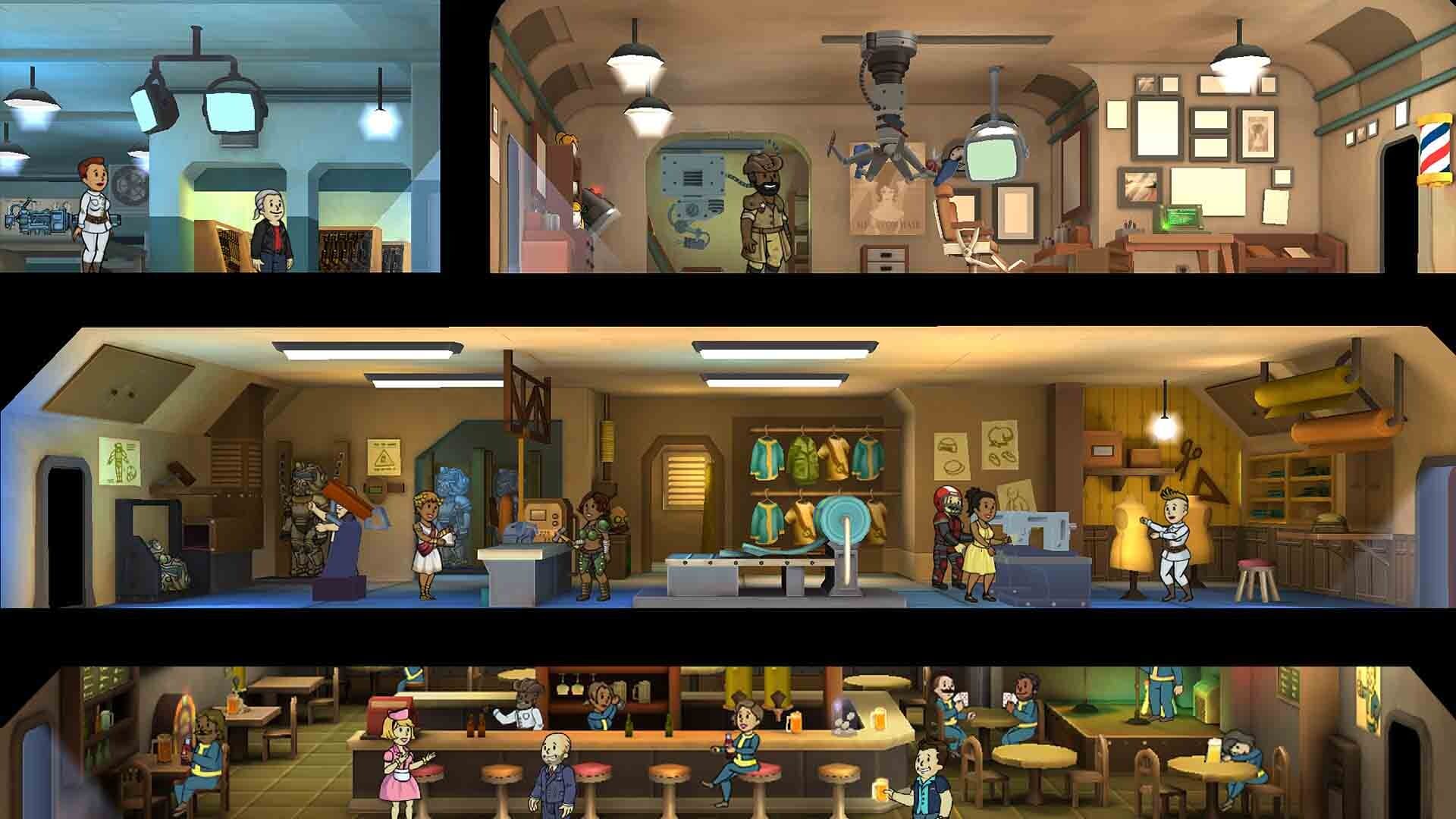
Fallout Shelter makes the post-nuclear refuge itself the main attraction. You excavate and add rooms, staff them with Dwellers, and balance the power, food and water that keep the Vault functioning. The cutaway view lets you see what the colony is doing without navigating a large terrain map. It is a particularly useful starting point if you like building a community but do not want to begin with radiation overlays or a regional supply network.
The residents make room planning more than a floor-plan exercise. Their abilities suit different jobs, while training, outfits and weapons improve what they can contribute. Crafting has its own facilities: weapon and outfit rooms use junk, and higher room tiers enable more advanced items. Wasteland exploration can bring back the recipes those projects need. A new room is therefore most useful when it has the right people and a reason to exist in the current Vault.
Growth needs restraint. More inhabitants require support, and rooms that look attractive can stretch the resource economy before they help it. Defense also depends on preparing and equipping the people already living there. The appeal is watching an understandable set of needs turn into a larger, more capable refuge, with excursions supplying opportunities beyond the underground view.
This is room management rather than freeform exterior construction. Its approachable presentation and free entry make it easier to try than a premium city builder, while production waits and optional purchases shape the pace. Choose it for assigning residents and improving a Vault; choose Timberborn for terrain engineering or Zombie Defence when you want active shooting to be part of the shelter’s supply loop.
The verdict
The most approachable starting point here for an underground community you can understand at a glance and expand one useful room at a time.
Kenshi
A squad-based RPG and strategy hybrid in which founding an outpost is a choice you grow into, alongside exploration, trade, crafting and survival.
- Shelter building
- Crafting
- Squad builds
- Tactical combat
- Platforms
- Windows PC; the original single-player Kenshi.
- Price model
- Premium game; soundtrack content is optional.
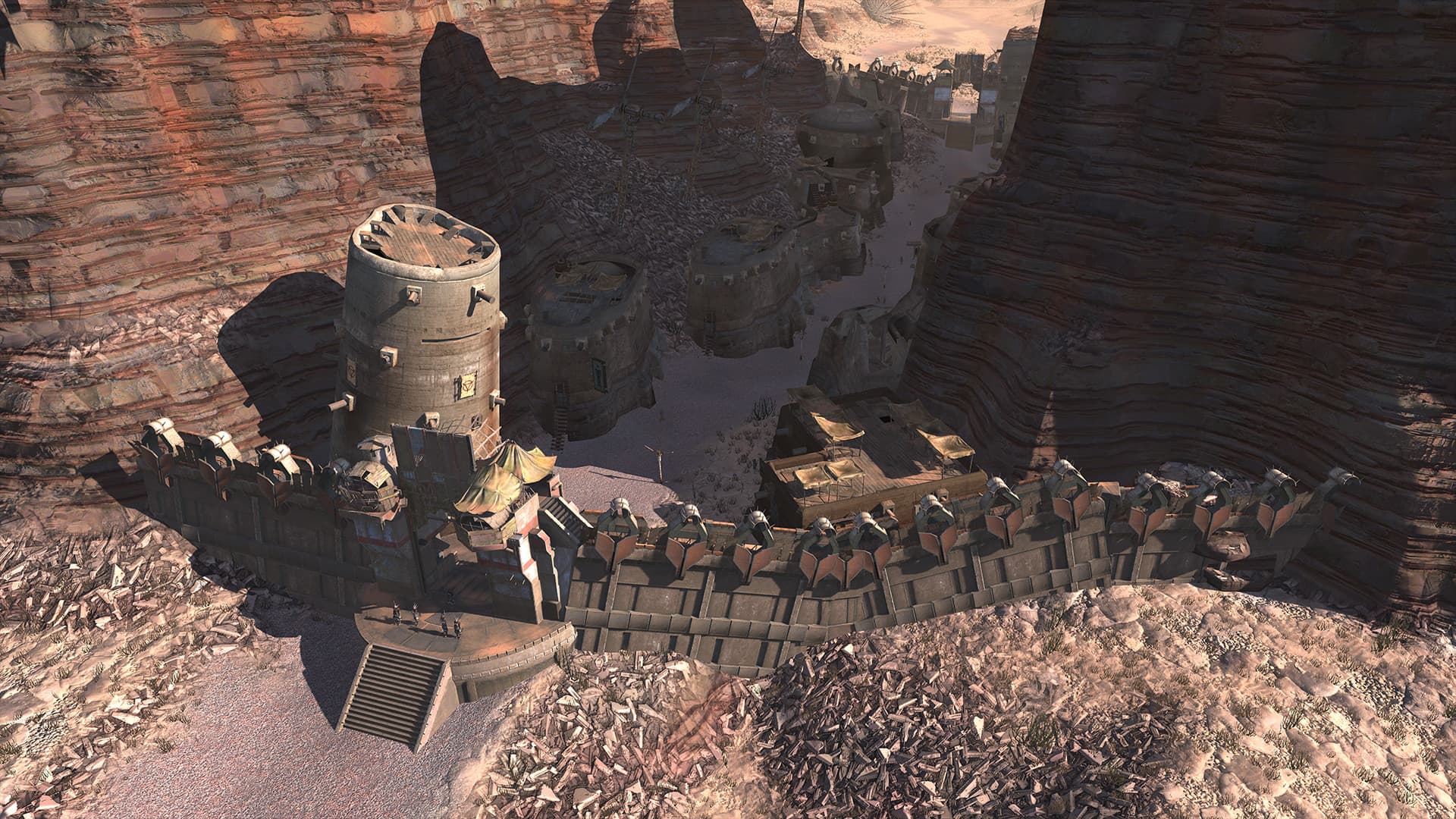
Kenshi earns its place through freedom of purpose. You can purchase and improve a building in an existing town, or establish a base where research, crafting and defenses support your own group. The settlement does not arrive as a compulsory sequence of city-building objectives. It becomes useful because you have decided to manufacture equipment, sustain a larger squad or create a foothold in the wasteland.
That changes how construction feels. Industry and technology are tools for the life your characters lead, rather than the only measure of success. A base can support a trading operation or an armed group, while trained engineers, craftspeople and fighters give its infrastructure meaning. The reward is a home shaped by your plans, with room to pursue goals beyond maximizing the population.
The world does not politely wait until that home is ready. Characters begin vulnerable, enemies do not scale themselves to your level, and wounds can leave a squad member limping, unconscious or dependent on rescue. Combat uses squad commands and real-time tactical decisions, not the independent mouse aiming of an action shooter. The people who build the base are also people you may need to carry out of danger.
This is the most self-directed recommendation here and one of the least forgiving to learn. It asks you to develop characters and understand the surrounding factions as well as place structures. If you want construction immediately organized around clear civic objectives, choose Endzone or Frostpunk. If you want to decide why your settlement exists, and accept a difficult journey toward making it secure, Kenshi offers a much wider personal story.
The verdict
Choose Kenshi for the freedom to turn a struggling group into the owners of a useful wasteland outpost, with the hardships and detours that implies.
How we compare
A good recommendation explains who a game suits and where it falls short. Our editorial scores use the same five criteria, each rated out of ten.
- 01
Combat
Controls, aiming, enemy readability, and the decisions you make under pressure.
- 02
Progression
Build choices during a run and meaningful progress between attempts.
- 03
Usability
Control demands, platform access, interface options, and documented device requirements.
- 04
Value
What the asking price includes, optional purchases, and the scope of the free version.
- 05
Fit
How well the game answers the specific question in this article.
Which one should you try?
Choose the rebuilding problem you actually want to solve. Endzone - A World Apart is the closest fit for a traditional surface settlement struggling with contamination and shortages. Surviving the Aftermath adds a wider world of specialists and outposts. Frostpunk makes every expansion a social decision, while Timberborn gives you the most distinctive engineering canvas. Fallout Shelter is the accessible underground option; Kenshi is the self-directed squad-and-outpost adventure. Zombie Defence connects a smaller, purposeful shelter to active survival: station choices, shared Scrap, crafted weapons and crops all prepare the next trip into the ruined city. If you want to build the place that equips your own fighter, that connection is its strongest reason to join the waitlist.
Your questions, answered.
Want to see what we’re building?
Zombie Defence is in Alpha. Join the waitlist.
More games to explore
- 7 Best Base-Building Games With Worker Assignments
Compare seven base-building games with worker management: station specialists, individual priorities, training, schedules and the production decisions they change.
- 7 Best Shelter Management Games in 2026
Compare seven shelter and colony management games, from Fallout Shelter's room assignments to resource-heavy survival, resident care, and zombie expeditions.
- 7 Best Games With Underground Shelters
Find an underground home worth keeping alive, from Zombie Defence’s working shelter to Fallout Shelter’s vaults and Oxygen Not Included’s intricate colonies.