6 Zombie Hero-Collection Games + Zombie Defence in Alpha
Choose by how you acquire characters, what they contribute and how much work follows the unlock.

For zombie games with hero collection, start with The Walking Dead: No Man's Land if you want recognizable survivors and tactical missions, or Last War if you want to build a five-hero military lineup inside a larger strategy game. Dead Ahead: Zombie Warfare is the clearer mobile pick for direct unit hiring and a focused battle deck. On PC, Yet Another Zombie Survivors gives you a finite cast to unlock through play in a paid game. State of Survival and Doomsday suit collectors who also enjoy developing a settlement and participating in alliance strategy.
The important difference is what happens after a new portrait lights up. Some games ask you to collect more fragments for that same character, others let you develop equipment and skills, and some give the new arrival a role in future runs. A useful roster needs more than headcount. Can you recruit someone toward a known goal? Do they add a different job? Can you afford to develop them without abandoning everyone else? Those questions matter more than an enormous promotional cast.
The six released games below each provide a real collection or unlockable roster. A seventh section covers Zombie Defence as a character-focused browser Alpha: its current demo enables Mara, with four other named residents locked. Her branching story and the persistent shelter offer a different model of character progression. Joining the waitlist brings Alpha news and playtest availability updates; it does not grant immediate access.
Our comparisons focus on acquisition routes, character roles, development and the spending model around them. Combat, Progression, Usability, Value and collection-specific Fit are editorial judgments, not store ratings. Mobile release details refer to the listed Android and iOS editions; prices, offers and event pools can vary by region. Choose a collection routine you enjoy maintaining, rather than treating the biggest roster as an automatic winner.
The quick comparison
7 games, different reasons to give the next run a chance.
Choose a game to jump to its overview. Platform lists are summaries; check the linked official edition.
The games
Last War: Survival
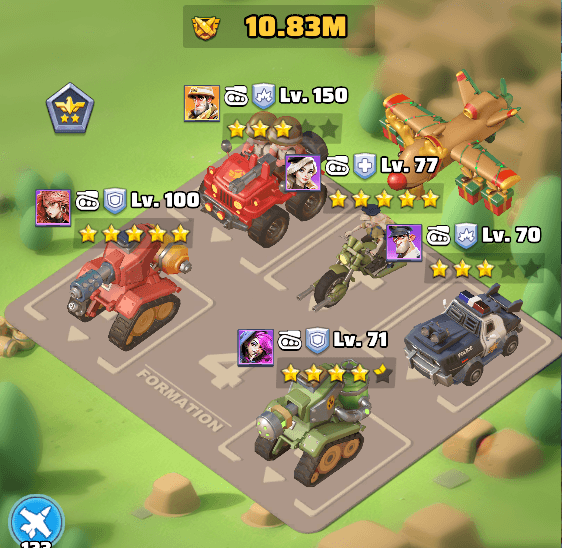
Last War makes collecting worthwhile when a new hero completes a useful formation: the missing defender, support specialist or vehicle type that gives your main lineup a clearer identity.
- Squad builds
- Permanent progress
- Tactical combat
- Platforms
- Android, iPhone and iPad; mobile editions compared
- Price model
- Free download with in-app purchases, including random items, packs and passes
Last War gives each hero several identities at once. Rarity tells you one part of the story, vehicle type another, and battlefield role a third. Violet is a Tank defender; Marshall is Tank support; DVA combines Aircraft with an attacking role. That is a much better starting point than assuming every orange portrait belongs in the same team. With five positions to fill, collecting becomes a practical exercise in covering jobs and deciding which military branch deserves your attention. The colorful lane encounters are only one piece of that larger game.
New heroes can come through recruitment using Legendary Recruiting Tickets. This is a chance-based route, so a ticket is an attempt rather than a promise of your preferred character. Once someone joins, ordinary levels and shard-funded tiers are separate projects. Headquarters development limits hero leveling, while Hero Shards advance tiers. A newly acquired favorite therefore brings a second question: can you support their development? An impressive roster page and a dependable main squad are different milestones, and Last War gives collectors plenty to do between them.
Formation makes those investments matter. The publisher-hosted squad guide puts defenders in front and attack or support heroes behind, where they can do their work. Matching vehicle types grants lineup bonuses, while Tank, Missile and Aircraft also have counter relationships. There is a useful tension here: adding a stronger individual can disrupt the composition you were building. Gear and character skills add further investment choices. Pick a main lineup with a purpose, then judge a new recruit by the job they improve, rather than automatically spreading resources across every fresh portrait.
Choose Last War if you like collecting inside an ongoing social strategy game. Base development, army growth and alliances surround the hero screen, and rival players give your upgrades a competitive context. The download is free, but the stores disclose randomized purchases, alongside paid packs and passes. That makes it sensible to decide whether your goal is enjoying a favorite lineup or keeping pace in competitive events before buying anything. The first is a personal collection project; the second ties your plans to an entire server's activity and spending.
The verdict
Choose Last War for the satisfaction of assembling a coherent military lineup and developing it over time.
The Walking Dead: No Man's Land
No Man's Land gives a collected character a clear place in turn-based missions, then lets you keep improving that individual through traits, rarity and equipment.
- Squad builds
- Tactical combat
- Permanent progress
- Loot builds
- Platforms
- Android, iPhone and iPad; mobile editions compared
- Price model
- Free download with ads and in-app purchases, including Gold, bundles and temporary boosts
The familiar faces are a strong invitation, but the six-class system is what gives this collection legs. Hunters use rifles for long-range fighting, Shooters specialize in precision pistol work, and Warriors bring swords and crowd control. Scouts, Bruisers and Assault survivors complete the spread. You choose movement, targets and abilities in turn-based encounters, so the benefit of a different specialist appears in your next tactical decision. Heroes also have individual Leader Traits. Only one operates for the group at a time, making the leader slot a meaningful choice even when several favorite characters come along.
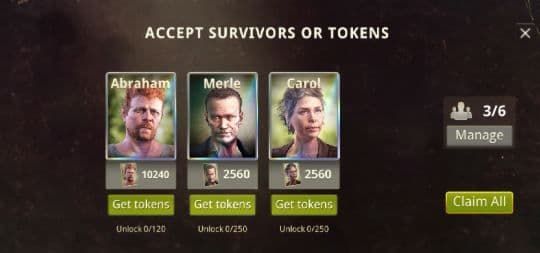
Acquisition combines a reliable early milestone with longer character projects. Daryl joins after Chapter 1; other heroes generally require enough of their own Hero Tokens. Those tokens come from Radio Calls, Challenge rewards, The Distance, daily quests and relevant shops. That variety matters because progress toward a favorite can accumulate across more than one activity. The August 2026 Hero Call update also makes featured heroes and current pool information easier to inspect. Look at who is actually featured before committing radios, especially when your goal is one particular survivor rather than any new face.
Unlocking someone starts their development instead of finishing it. Hero-specific tokens improve traits and eventually promote rarity once the traits are fully upgraded. Weapons and armor provide another layer, so a character's usefulness depends on the kit and improvements behind their portrait. Heirlooms add an especially appealing collection connection: Daryl's Friendship Bracelets require both Daryl and Guardian Carol to be unlocked. That creates a reason to pursue a second character beyond filling an album. It also means a desirable build can depend on several separate acquisitions rather than one lucky reward.
This is the strongest choice here if you want individual characters to stay recognizable while their tactical options grow. Its tradeoff is the number of parallel projects: hero tokens, equipment, camp development and mission resources all compete for attention. Purchases include Gold, event bundles, temporary gas offers and XP boosts; the wider game also runs Campaigns and Survival Passes. Keep a short list of heroes you actually want to field. Completing that list's useful upgrades will usually give you a more satisfying goal than chasing every character and every equipment release at once.
The verdict
Pick No Man's Land for a collection you can recognize, specialize and take into deliberate tactical battles.
State of Survival: Zombie War
State of Survival suits collectors who want heroes woven into settlement growth, troop development and a busy alliance calendar rather than isolated character battles.
- Squad builds
- Shelter building
- Permanent progress
- Platforms
- Android, iPhone and iPad; mobile editions compared
- Price model
- Free download with in-app purchases, including random items, crates and Biocaps
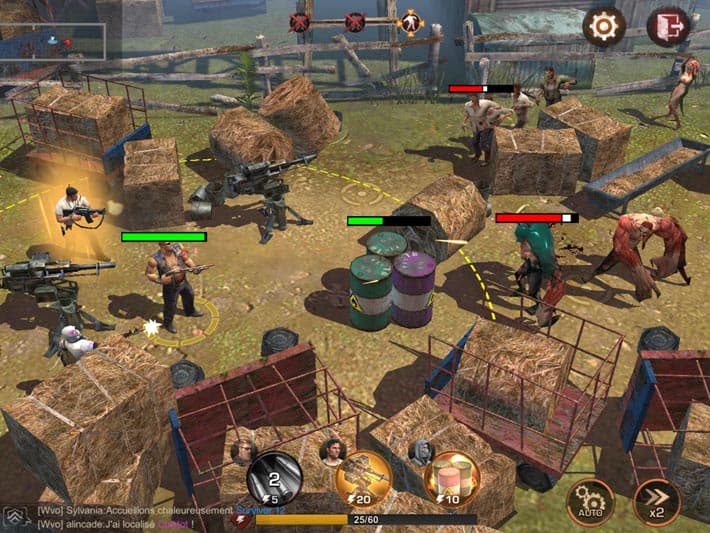
State of Survival treats the collection as part of a larger war effort. Heroes sit alongside troop training, settlement upgrades, research and alliances, so your favorite survivor belongs to an account-wide plan. Infantry, Rider and Hunter are meaningful hero categories; even the Like a Dragon collaboration assigns its three guests across those roles. You also get character-scale zombie encounters rather than seeing every hero only as a portrait on the map. The appeal is breadth: the people you collect connect a personal squad to the much larger settlement you are trying to protect.
Hero searches and fragments are central to acquisition, but the pool is not one permanent bag of every character ever released. FunPlus publishes separate search tables for different hero generations and stages of a State's development, with full characters and fragments listed separately. For a collector, that makes availability as important as rarity. Before pursuing a specific hero, establish whether their fragments are in your current search, event or exchange. A guide written for an older State can be useful background without describing what a new account can recruit today.
Development stretches across several resource tracks, including fragments, battle manuals, hero badges and skill books. The result is a collection that grows upward as well as outward: improving an established hero can be a substantial project even when no new portrait appears. FunPlus has also documented event exchanges for earlier hero fragments, giving the roster a generational structure. Decide which characters serve your current goals and which are longer-term favorites. That simple distinction helps keep a crowded collection from becoming a queue of half-finished upgrades with no clear priority.
The surrounding strategy layer is the deciding factor. If alliance plans, recurring events and cross-server competition sound exciting, they provide reasons to keep refining the roster. If you only want to collect characters and clear self-contained missions, they can feel like an extra job attached to the game you wanted. The free download includes a paid economy of crates and currency, and Google Play explicitly discloses random-item purchases. Treat collection enjoyment and competitive strength as separate goals. A personal favorite can be a satisfying project without becoming your answer to every alliance battle.
The verdict
Choose State of Survival when collecting heroes is one part of the ongoing settlement-and-alliance campaign you want.
Doomsday: Last Survivors
Doomsday gives collectors an extensive development project around hero searches, event rewards, troop leadership and upgraded equipment.
- Squad builds
- Shelter building
- Permanent progress
- Tactical combat
- Platforms
- Android, iPhone and iPad; mobile editions compared
- Price model
- Free download with in-app purchases, hero-fragment packs and an optional auto-renewing subscription
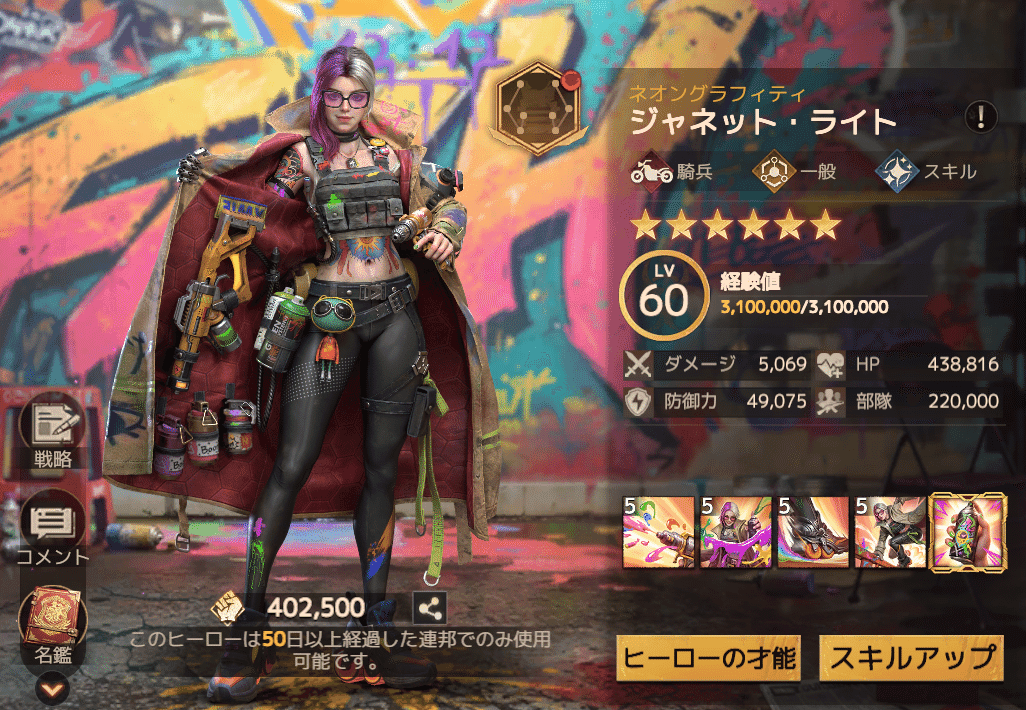
Doomsday's cast makes room for police veterans, flamboyant fighters and other survivors with very different personalities. Liam McFadden, Jaden and the Calamity sisters establish that tone immediately. Their purpose extends beyond a collectible portrait: heroes lead troops and defend the shelter, while their skills contribute to battles against infected and rival factions. The game also has its separate Z-Virus Adventure expeditions. Choose this for the combination of named characters and a broader military campaign, especially if you enjoy maintaining several development systems around the same favorite leader.
There are multiple acquisition routes to understand. Police Station searches provide heroes from a changing pool, while Horde Defense and event rewards offer other paths. IGG's documented pool revisions have moved particular characters between these channels, so the current source shown for a hero matters more than an old universal tier list. This is a good collection habit to adopt: select the character first, then inspect their available route. Spending search resources makes little sense if the hero you want is currently tied to another activity or has not entered your account's pool.
The hero sheet contains several distinct projects: level, Star Rank, skill level and Awakening. Beyond those sits equipment development, including Armament Transcendence and Resonance effects for advanced accounts. A roster full of unlocked faces can therefore be much broader than the group you can support effectively. Think about the next useful improvement to a troop leader rather than treating all upgrades as interchangeable. There is plenty for a meticulous collector to track, but fewer self-contained stopping points than in a game where unlocking a character immediately gives you their complete kit.
Its business model deserves an equally practical reading. Daily Booster packs can include selected Hero Fragments, and the optional auto-renewing subscription offers research, training, stamina-recovery and zombie-experience benefits. Those are progression purchases alongside the cosmetic side of the shop. Shelter attacks, alliances and troop development also mean your collection lives in a competitive world. The mobile listing currently uses the event title Doomsday: Undead Bride for the same game. Enjoy the changing themes, but choose it for the underlying hero-development and strategy loop rather than assuming one advertised collaboration will remain available forever.
The verdict
Pick Doomsday if the pleasure is maintaining and improving a roster of leaders as part of a larger strategy account.
Dead Ahead: Zombie Warfare
Dead Ahead turns collection into a toolbox of deployable survivors. Hiring a useful unit and finding room for it in your battle deck can matter more than chasing the rarest-looking portrait.
- Squad builds
- Tactical combat
- Permanent progress
- Base defense
- Platforms
- Android, iPhone and iPad; mobile editions compared
- Price model
- Free download with ads and in-app purchases; units use coins, shop packs and event rewards
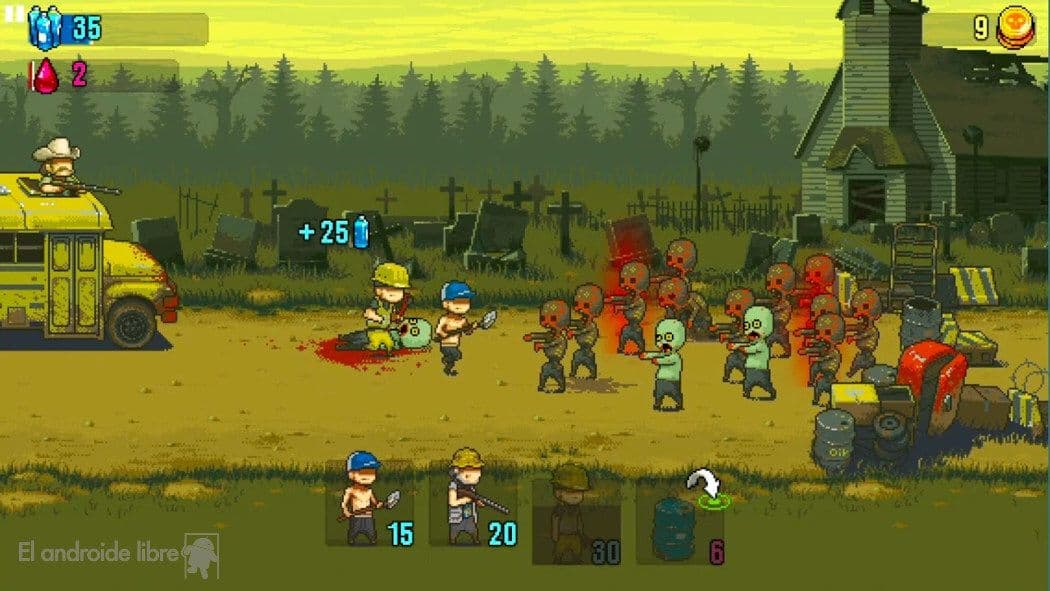
Dead Ahead: Zombie Warfare has an excellent test for every new recruit: can this survivor help your bus get past the next barricade? You assemble a deck, deploy units into a side-view battlefield and balance the attack against the need to protect your vehicle. Melee fighters and ranged survivors do different work, while support items add another way to solve the encounter. That makes collecting tangible. A new unit is a tactical option you can slot into a familiar plan, rather than another passive contribution to an enormous account power number.
The hiring routes are particularly useful for players who prefer identifiable goals. Mobirate lists units bought with coins, units obtained through shop packs and special-event reward units. Its Money currency, also called bucks, is used for exclusive units and skins, but can also be earned through rank increases, daily gifts, weekly-event goals and daily tasks. That does not make every character available whenever you want, or make every pack a no-spend purchase. It does mean that this collection cannot be reduced to repeatedly opening one universal hero-summon screen.
Upgrading a unit uses coins and Power Points, while equipment improves its stats. Recruitment and development therefore compete for some of the same resources: buying another survivor can delay improving one already in your deck. That is a productive decision when you approach it through a specific mission problem. Do you need a different option, or does your existing option need stronger stats and equipment? The game rewards that distinction because your choices must work within deployment costs and the pressure of the fight, not just look impressive in the collection menu.
This is the most approachable mobile pick here for someone who wants a compact squad-building objective instead of a city-and-alliance campaign. The art is lively, the bus gives every encounter an obvious focus, and the deployment cards keep your available tools visible. The tradeoff is that units still require resource investment and some arrivals depend on the shop or a seasonal event. Ads and purchases are part of the mobile release. Plan around a useful core deck, then collect the specialists that solve problems it genuinely struggles with.
The verdict
Choose Dead Ahead for collecting survivors as practical tools for a compact, readable battle plan.
Yet Another Zombie Survivors
Yet Another Zombie Survivors trades mobile recruitment economies for a finite unlockable cast, character specialization and a fresh squad-building puzzle in every run.
- Squad builds
- Permanent progress
- Roguelite
- Manual aim
- Platforms
- Windows PC via Steam; this entry covers the full PC release
- Price model
- One-time game purchase; free Steam demo available, with an optional soundtrack sold separately
For a collector who wants a clear alternative to tickets and fragments, this is the most useful change of pace on the list. The full release has nine Survivors, and character access is tied to gameplay progression. Ranger, the ninth addition, unlocks at Survival Level 175. Earlier updates also document character-specific unlock challenges, such as the Mechanic's ability-activation requirement. These are targets you pursue by playing. Your collection grows through the game's systems instead of through a paid chance at the next hero, although the roster is deliberately much smaller than the expanding mobile casts.
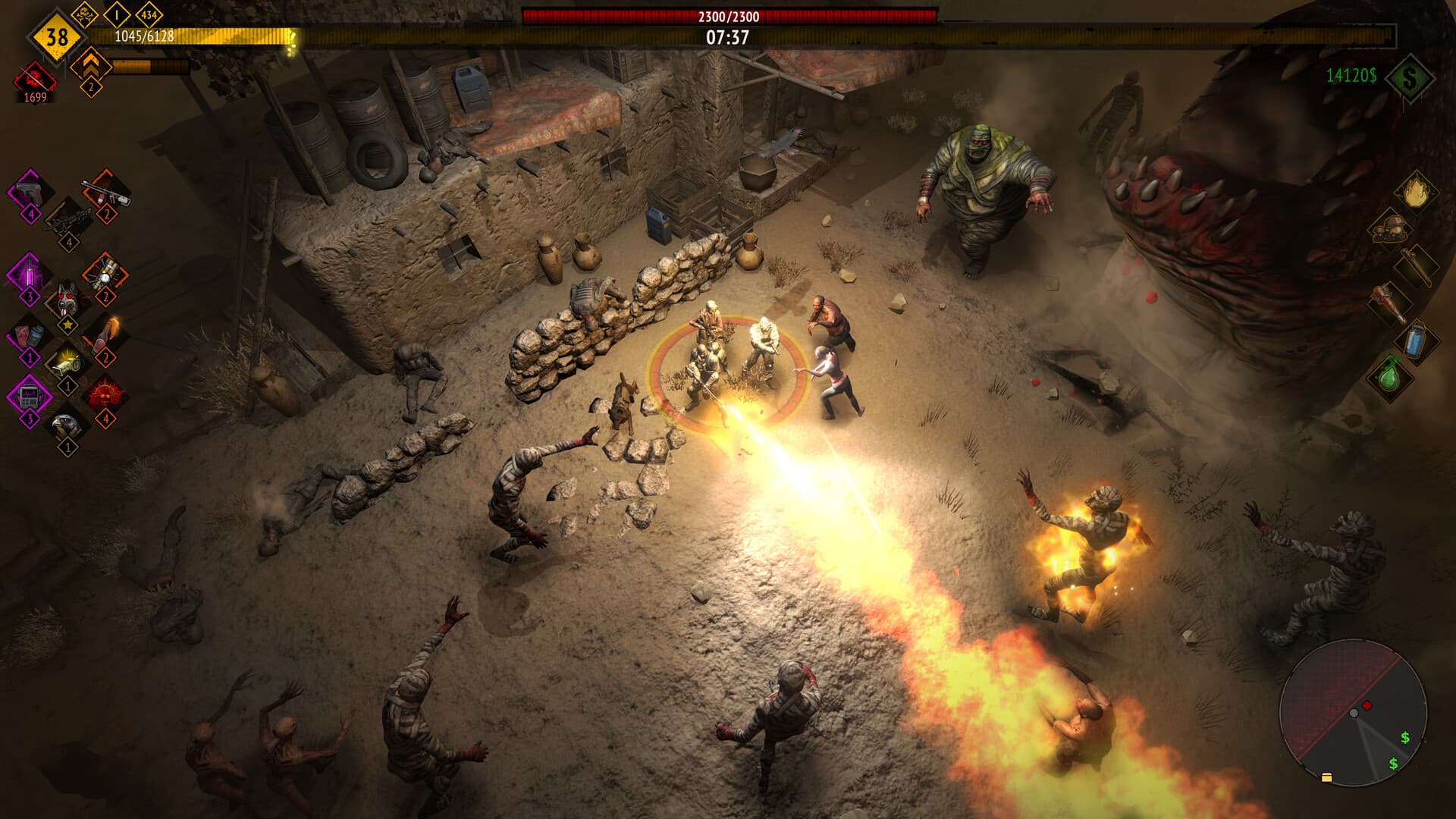
Permanent ownership and the squad you field are separate layers. You start a run with one Survivor, then can recruit two more during that outing. Staying solo or forming a duo is also possible. That makes every unlocked character another ingredient for later runs, rather than an obligation to deploy the entire collection together. The cast brings different weapons and support abilities, from the familiar SWAT soldier to specialists with blades, fire and other tools. The pleasure is discovering which combinations create a build you want to revisit, then giving those characters more attention.
Between runs, general improvements and Survivor specialization extend the project. The 1.0 update adds Rank 5 skill-tree nodes and synergies, so development goes beyond checking off the final portrait. It also gives the cast a camp, conversations and personal missions. Completing missions awards Friendship, which permanently improves the Cash and Specialization points earned at the end of runs. That is a satisfying connection for character-focused players: learning more about the group and developing it mechanically can support each other without turning every conversation into a recruitment purchase.
During combat, the squad aims and shoots automatically by default, with optional manual aiming available. You still guide the team through the horde and decide how its build develops. The main tradeoff for this article is scale: nine defined characters offer less album-filling breadth than a mobile service with a continually expanding cast, and your run-level build starts afresh each outing. In exchange, the paid PC game offers a more bounded collection project and a free demo to sample the combat. Choose it when earning and using the cast sounds better than maintaining another live-service recruitment routine.
The verdict
Choose Yet Another Zombie Survivors for a finite cast you earn through play and keep finding new ways to combine.
Zombie Defence
Zombie Defence offers a different kind of character progression: Mara has a real room, branching conversations and remembered choices inside a shelter that your combat outings help sustain.
- Manual aim (desktop)
- Shelter building
- Crafting
- Farming
- Permanent progress
- Platforms
- Browser Alpha in development; waitlist signup does not grant immediate play access
- Price model
- Public launch pricing and monetization terms are not confirmed
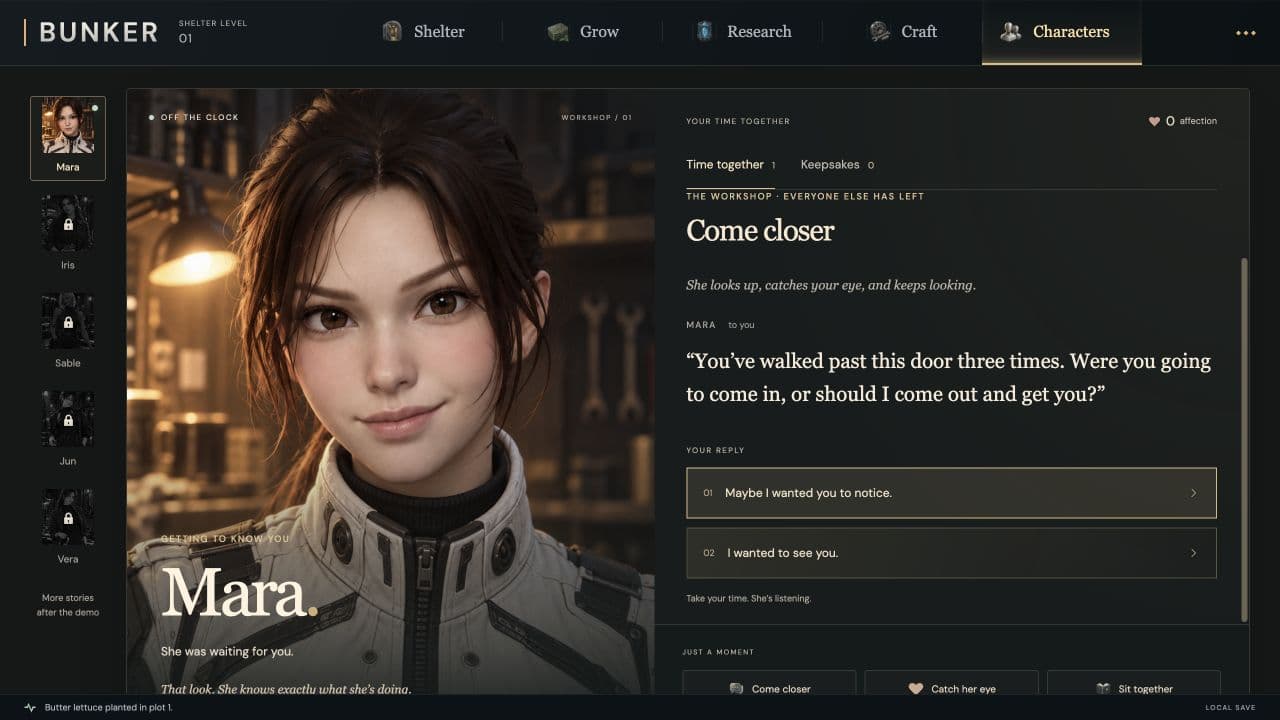
Zombie Defence is the separate character-focused Alpha in this comparison. Its current demo makes Mara available, while Iris, Sable, Jun and Vera remain locked. That gives the visible roster an honest boundary: five names do not mean five recruitable heroes or a fieldable combat team. The present attraction is depth with one character. Mara's room offers eight authored branching episodes, remembered answers, keepsakes and choices about friendship, romance or a slower pace. If what draws you to collecting is becoming attached to the people behind the portraits, that is a worthwhile direction to follow.
The relationship has its own progression logic. Conversations open through story prerequisites rather than battle wins, purchases, affection thresholds or training gates. You can resume or replay scenes, and the choices you make help define the tone of the relationship. That makes the room more than an affection bar attached to a character card. The interesting decision is how you respond and what sort of connection you want, rather than how many duplicate copies you need before the next scene becomes available. Keepsakes give those moments a place in the continuing story.
The shelter also gives that relationship a setting with practical demands. Hydroponics produces food and roses; edible crops can support the colony or become meals for the next deployment, while roses are gifts. Mara can work at the Salvage Bench, linking a named resident to the shelter's production. Workshop upgrades, research and weapon projects give recovered resources competing uses. This matters for character-focused play because returning home has several purposes at once: attend to the person you know, make a useful improvement and prepare for the next trip outside.
Outside the shelter, you directly handle top-down combat, ammunition and reloads, with independent movement and aiming on desktop. Three-wave sector operations, endless Scavenge and separate Scrap expeditions provide different outings. Their supplies feed lasting shelter progress, so character time sits alongside an active survival routine rather than replacing it. Follow Zombie Defence if that combination of authored connection, home management and hands-on fighting appeals. The character room gives you a continuing relationship to explore, while the shelter and its residents give recovered supplies a personal purpose as well as a practical one.
The verdict
Follow Zombie Defence for the relationship and shelter you can build around Mara, with the wider roster still a future prospect.
How we compare
A good recommendation explains who a game suits and where it falls short. Our editorial scores use the same five criteria, each rated out of ten.
- 01
Combat
Controls, aiming, enemy readability, and the decisions you make under pressure.
- 02
Progression
Build choices during a run and meaningful progress between attempts.
- 03
Usability
Control demands, platform access, interface options, and documented device requirements.
- 04
Value
What the asking price includes, optional purchases, and the scope of the free version.
- 05
Fit
How well the game answers the specific question in this article.
Which one should you try?
Choose the collection you want to use. No Man's Land is the standout for recognizable characters with tactical identities; Last War, State of Survival and Doomsday suit players who want those investments tied to an ongoing strategy account. Dead Ahead makes hiring and deck-building more direct, while Yet Another Zombie Survivors provides the clearest paid-game route to a finite cast earned through play. Zombie Defence is worth following when the strongest appeal is a person to return to: Mara's authored story, keepsakes and shelter life offer character depth within a persistent shelter. In every case, a small group you enjoy developing is a better starting goal than an album you feel obliged to complete.
Your questions, answered.
Want to see what we’re building?
Zombie Defence is in Alpha. Join the waitlist.
More games to explore
- 4 Zombie Gacha Games, Plus Zombie Defence’s Character-Focused Alpha
Compare four released zombie gacha games by hero calls, fragments, guarantees and upgrade costs, plus Zombie Defence’s different character-focused Alpha.
- 6 Best Zombie Games for Android in 2026, Plus Zombie Defence in Alpha
Compare six Android zombie games by play style and current Google Play purchase model, from story-led runs and horde roguelites to crafting survival and strategy. Zombie Defence is listed separately as an in-development Alpha.
- 9 Best Zombie Horde Shooters in 2026
Compare nine zombie horde shooters, from co-op campaigns and expanding survival arenas to mobile auto-shooters and persistent shelter runs.