4 Zombie Gacha Games, Plus Zombie Defence’s Character-Focused Alpha
What the next pull actually buys you: a character, a fragment, a stronger squad, or another project to finish.

For zombie gacha games with tactical missions, start with The Walking Dead: No Man’s Land. Choose Last War: Survival for recruitment tied to five-hero formations and a growing base, State of Survival for a larger alliance-strategy commitment, or Left to Survive when you want to aim a gun yourself between character upgrades. All four have released mobile editions and randomized character-related acquisition. The interesting difference is what happens after the reward animation.
A draw can award a whole hero, named fragments, equipment or materials. A rarity guarantee can still leave the specific character you want out of reach. This comparison follows those distinctions through the actual recruitment systems, with published examples where they help. Read the pool and rules on the exact call or crate you are about to use: a headline percentage says little if it combines a full character with one upgrade fragment.
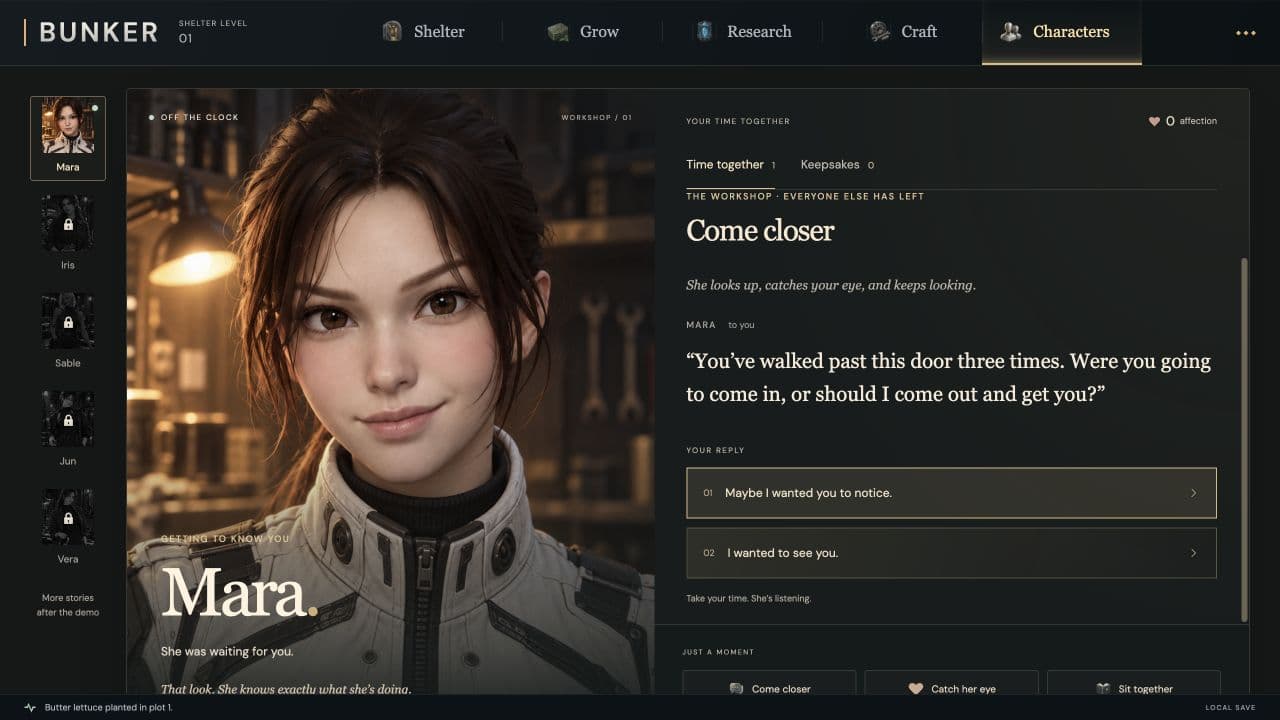
There is also a different character-focused project to watch: Zombie Defence combines active zombie shooting, a persistent shelter and authored survivor conversations. It is a browser Alpha in development. Its current demo centers on Mara’s story rather than character draws, with four other resident previews locked. Its waitlist is for Alpha news and playtest availability.
The quick comparison
5 games, different reasons to give the next run a chance.
Choose a game to jump to its overview. Platform lists are summaries; check the linked official edition.
The games
The Walking Dead: No Man’s Land
Radio calls feed a character-specific token system, so a good result is one that advances a hero you can actually use.
- Tactical combat
- Squad builds
- Permanent progress
- Platforms
- Android, iPhone and iPad; mobile editions compared.
- Price model
- Free download with in-app purchases; Android also lists ads.
No Man’s Land puts familiar Walking Dead characters into mission teams where target choice, positioning and a useful leader matter. Heroes have individual Leader Traits, but only one of those team-wide effects is active at a time. That gives your recruitment wish list a practical shape: look for a character whose contribution changes your plan, rather than trying to stack every appealing portrait into the same group.
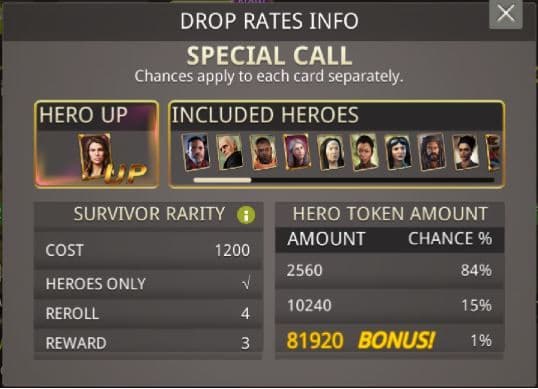
Radio Phones are used for calls that can offer Hero Tokens. Each named hero has a separate token requirement to unlock, and those same character-specific tokens also fund trait upgrades and rarity promotions. Repeated tokens are therefore meaningful progress toward a known project. They are not interchangeable spending power: a large result for one hero does not automatically finish another. You must complete a hero’s trait upgrades before the next rarity promotion becomes available.
The August 2026 update 7.21 made the Hero Call Info window more useful: its Hero Up section identifies featured characters, while the pool information shows token quantities and their probabilities. That is the screen to inspect before committing radios. Keep the different calls separate, too. September’s 7.23 App Store notes add a pity system and selectable rate-up specifically for Skill Call; that wording does not establish the same guarantee for Hero Call. A token-quantity probability is also different from the chance of receiving your preferred character.
There are ways to build the collection between calls. Official support lists Challenge Stars, The Distance, daily quests and the Trade Goods and Guild War shops among Hero Token sources. Check which of those currently supplies your target before spending on a random pool. For a focused account, the sensible question is whether the next batch finishes an unlock or trait upgrade you need. Collectors who want everyone equally will have many more separate token projects competing for attention.
The verdict
The strongest starting point here for players who enjoy tactical missions and want to make informed, character-specific calls.
Last War: Survival
Last War makes the recruitment decision about a formation: who fills the missing position, and can you afford to develop them?
- Squad builds
- Shelter building
- Permanent progress
- Platforms
- Android, iPhone and iPad; mobile editions compared.
- Price model
- Free download with in-app purchases, including random items.
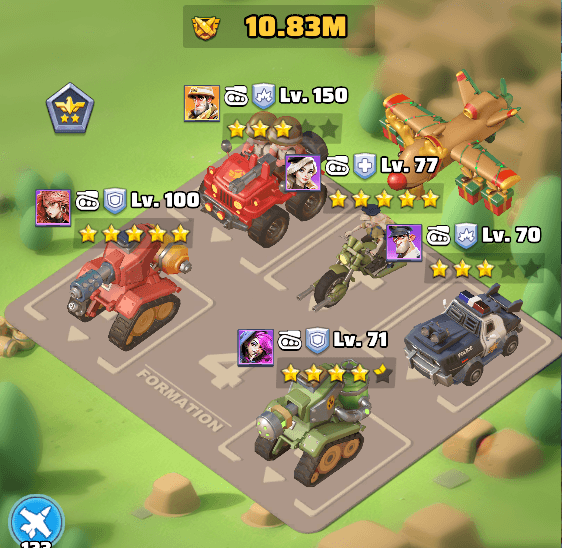
The early lane fights are only one part of Last War. Hero recruitment sits inside a broader base-and-alliance game, and the five-hero squad is where an attractive pull turns into a battle plan. The official wiki’s player-contributed formation guide puts defensive heroes in front and attack or support heroes behind. Tank, Aircraft and Missile types also create composition decisions. Decide which position needs help before letting rarity alone dictate your next project.
Legendary Recruiting Tickets buy a chance at a new hero through the recruitment screen. The published Korean probability disclosure shows why the exact reward label matters: Hero Recruitment tables contain whole heroes, hero shards, equipment chests and development materials. Those are different outcomes even when some share a rarity color. The same disclosure separates pools by progression, including a table for servers beyond their sixtieth day. A character visible elsewhere in the game need not belong to the pool you are opening.
Its Korean Hero Recruitment rules also provide a concrete guarantee example: when the preceding 49 recruitments have not yielded a UR hero, the fiftieth yields one from the relevant pool. That is a rarity guarantee, not a universal choose-any-hero ticket. Use the current recruitment window to confirm the pool and counter that apply to your account; the publisher’s disclosure itself notes that some progress-dependent probabilities are shown in-game. This is more useful than treating every banner as the same deal.
After acquisition, Hero Shards improve tiers, while ordinary levels, gear and skills remain separate development tracks. Your next useful result may be progress on a core hero rather than another new face. Plan an upgrade destination before converting money into more attempts, and compare any fixed-content offer by the exact hero or shards it includes. Last War suits players who enjoy those planning decisions alongside alliance play. It is a bigger commitment than a character-draw screen with a shooting minigame attached.
The verdict
Choose it if building one coherent formation is more appealing than collecting portraits as quickly as possible.
State of Survival
Its searches and fragment economy reward understanding the exact item you are chasing, especially as a state moves through hero generations.
- Squad builds
- Shelter building
- Permanent progress
- Platforms
- Android, iPhone and iPad; mobile editions compared.
- Price model
- Free download with in-app purchases, including random items.
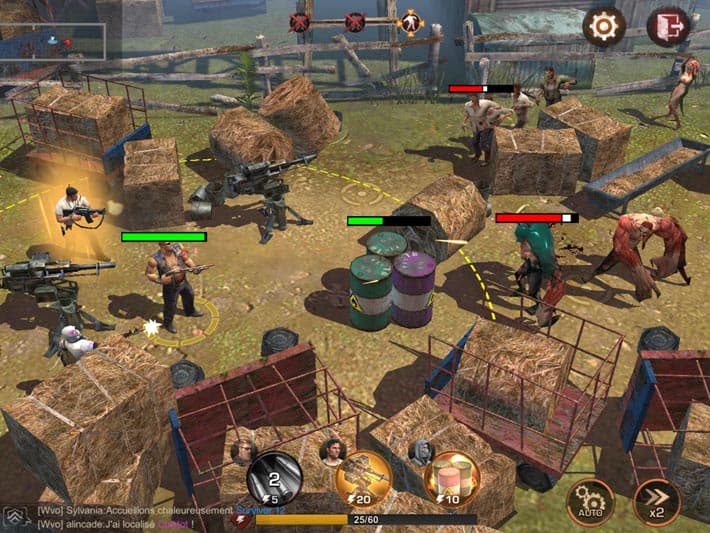
State of Survival gives your heroes two useful contexts: Explorer Trail encounters, where their active and passive skills help clear infected, and a wider settlement-and-alliance strategy game. That makes it appealing if you want the collection to connect to research, troops, events and cooperative rallies. It also makes a flashy new character only one part of your account. A shopping plan that ignores the activities you actually enjoy can leave you improving the wrong thing.
FunPlus publishes a Korean probability page with separate sections for Epic Search, Advanced Search, Ray’s Place and other reward systems. Its Epic Search tables are further split by early-state weeks and hero generations. Some results are whole characters, others are named fragments, manuals, badges, skill books or ordinary supplies. Before comparing a percentage, ask what one successful result delivers. A fragment is progress toward a character or upgrade; it is not automatically that playable character.
Classic hero development uses named fragments alongside other materials, while the publisher’s later-generation search tables also list hero awakening capsules. The practical point is to read the requirement on your target’s own development screen. Do not assume a pile of older fragments, a skill book and a capsule all solve the same shortage. The official probability page even distinguishes its points-box rewards from a normal search, so evaluate that reward on its own terms rather than counting it as another identical pull.
For spending, pick the hero and the activity first, then compare the live search pool with the available event or exchange rewards. The publisher has explicitly explained that Path of Secrets rewards can change between events, including whether Hero Fragments are offered. A remembered reward route is therefore a lead to check, not a permanent allowance to budget around. State of Survival is a good match for someone who enjoys a developing server and alliance calendar; a less tidy choice for someone who wants one simple banner and a small upgrade menu.
The verdict
Pick it for long-term social strategy, with recruitment as one branch of your plan rather than the whole game.
Left to Survive
Hero Crates supply parts, but the payoff is a character you use in a shooter rather than another general on a strategy map.
- Manual aim
- Loot builds
- Permanent progress
- Base defense
- Platforms
- Android, iPhone and iPad; mobile editions compared.
- Price model
- Free download with ads and in-app purchases; an optional Survival Pass adds progression benefits.
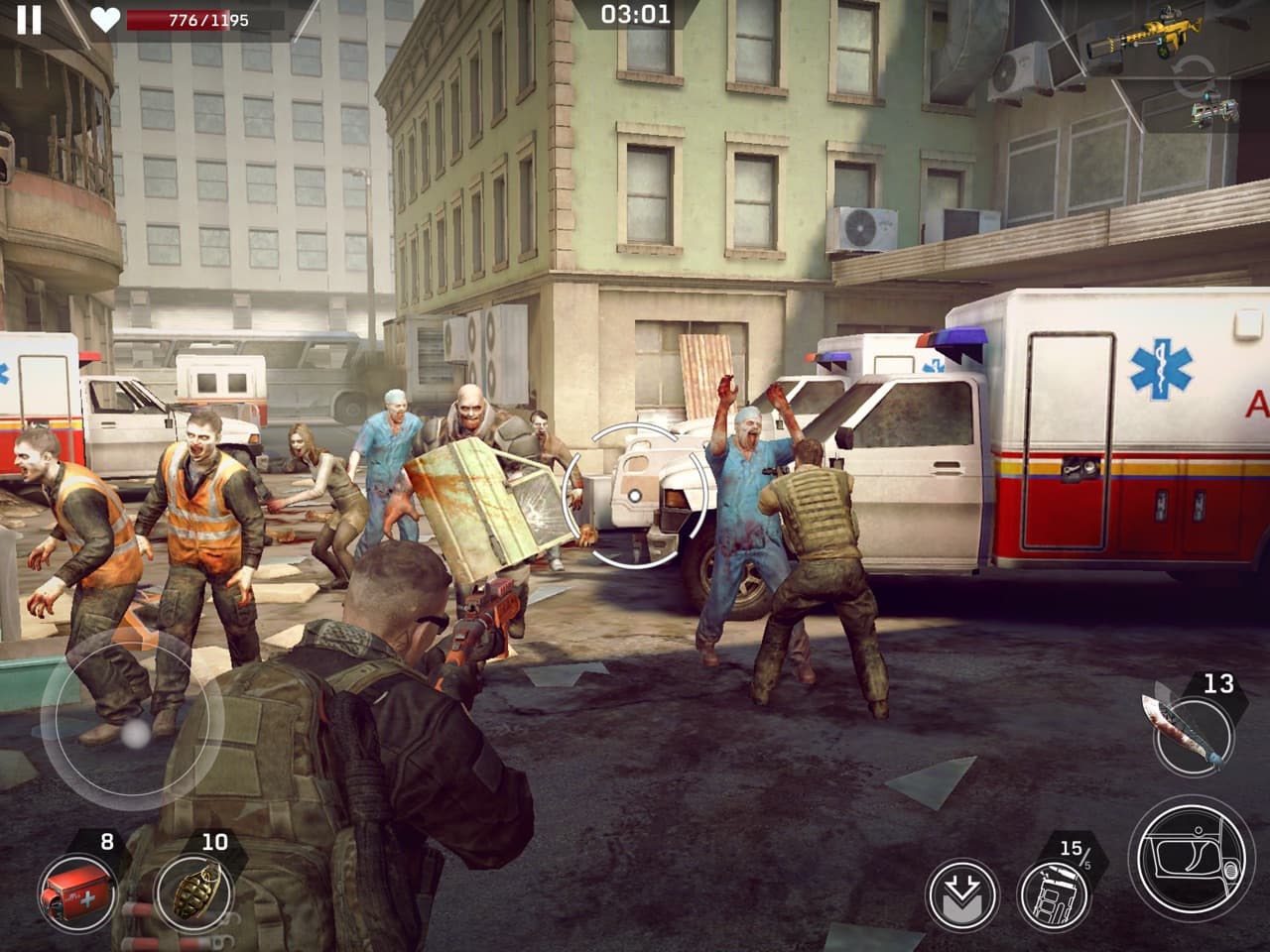
Left to Survive is the action-first pick here. Its third-person zombie missions put an aiming reticle, weapons and immediate threats in front of you, with base development, helicopter raids and PvP around that core. Heroes replace the default character and bring their own skills and stats. That gives collection a different appeal: you are developing the person you take into the fight, not mainly filling positions in a five-unit formation.
New heroes require their own parts. The official Hero FAQ points players to Find More Parts for a character’s sources, identifies Hero Crates as a source and says events can award free keys. It also makes clear that some characters use special events or offers. Start from the target hero’s source screen, then inspect the relevant crate. Buying a key before checking whether the desired parts are included reverses the sensible order.
Parts continue to matter after unlocking a hero because evolution adds stars, health and perk improvements. Gear is another layer: it occupies the hero’s equipment slots and can come from events or crates. Keep those budgets separate. A gear reward may strengthen a character you own, but it is not progress toward the missing hero’s part requirement. Likewise, a stronger gun does not automatically complete a character’s next evolution.
The wider purchase menu matters as much as the draw pool. The Survival Pass advertises benefits such as simultaneous building upgrades, enhanced mission rewards and production bonuses. Compare those fixed benefits against your actual bottleneck before defaulting to random crates. Left to Survive is compelling when the shooting itself is the reason to return and collection adds build choices. Its tradeoff is that heroes, weapons and the base all create upgrade projects, rather than letting one lucky acquisition settle the account.
The verdict
Choose it when you want zombie shooting first and a hero-part economy to develop around it.
Zombie Defence
A character-focused Alpha to watch if the part you love is having someone worth returning to after the zombie fight.
- Manual aim (desktop)
- Crafting
- Shelter building
- Permanent progress
- Extraction
- Platforms
- Browser Alpha in development; join the waitlist for Alpha news and playtest availability.
- Price model
- Public launch pricing and monetization terms are not confirmed.
Zombie Defence gives its shelter a personal center. Mara’s eight connected story episodes remember replies and support friendship, romance or a slower pace. Conversations advance through story prerequisites, rather than requiring a lucky character drop or an affection purchase. This is a different reason to care about a survivor: you are shaping an authored relationship through decisions, not chasing another copy to raise her rarity.
The current demo makes Mara available while Iris, Sable, Jun and Vera remain locked resident previews. Those portraits describe the wider authored cast, not a recruitment pool or four prizes waiting behind a banner. For players drawn to character games for their writing and shelter atmosphere, the meaningful present content is Mara’s branching story, remembered choices and keepsakes.
Progress outside those conversations gives you concrete projects to choose. The arsenal has an issued rifle and eight buildable weapons with fixed recipes, alongside six craftable equipment modules. Schematics, research and valid component combinations lead to weapon discovery; modules use deterministic crafting and ranks. You can decide which weapon or module you want to work toward and reserve materials for it. That kind of directed investment offers a useful counterpoint to a collection economy built around random rewards.
You also put the resulting loadout to work yourself. Desktop play separates movement and mouse aim, with firing, magazine management and reloads; touch fire targets the nearest living enemy. Run cards can change the fight with extra rays, ricochets or heavier shots, while shelter investments carry progress forward. If your ideal character game is a hands-on zombie battle followed by a worthwhile conversation and a new workshop goal, Zombie Defence has a clear identity to follow.
The verdict
Follow it for active survival and an authored shelter relationship, with directed crafting as its present alternative to random character acquisition.
How we compare
A good recommendation explains who a game suits and where it falls short. Our editorial scores use the same five criteria, each rated out of ten.
- 01
Combat
Controls, aiming, enemy readability, and the decisions you make under pressure.
- 02
Progression
Build choices during a run and meaningful progress between attempts.
- 03
Usability
Control demands, platform access, interface options, and documented device requirements.
- 04
Value
What the asking price includes, optional purchases, and the scope of the free version.
- 05
Fit
How well the game answers the specific question in this article.
Which one should you try?
Choose the combat loop you want to repeat before choosing the banner you want to open. No Man’s Land is the natural fit for tactical teams and hero-specific token goals; Last War connects recruitment to a five-hero formation and growing base. State of Survival suits players who want a wider alliance campaign, while Left to Survive makes direct shooting the main event. In each, identify the useful upgrade, confirm that the reward pool can provide it, and set a spending limit before buying attempts. A guaranteed rarity, a fragment bundle and a selectable character are three different offers. Zombie Defence is worth following if survivor attachment, active combat and directed crafting are the more important ingredients: its Alpha connects an authored survivor relationship to hands-on battles and specific workshop projects.
Your questions, answered.
Want to see what we’re building?
Zombie Defence is in Alpha. Join the waitlist.
More games to explore
- 6 Zombie Hero-Collection Games + Zombie Defence in Alpha
Compare six zombie games with recruitable heroes, from mobile token collections to PC unlocks, plus Zombie Defence’s separate character-focused Alpha.
- 6 Best Zombie Games for Android in 2026, Plus Zombie Defence in Alpha
Compare six Android zombie games by play style and current Google Play purchase model, from story-led runs and horde roguelites to crafting survival and strategy. Zombie Defence is listed separately as an in-development Alpha.
- 6 Free Zombie Games, Plus Zombie Defence: Before You Pay
Compare six free zombie games by their actual gameplay, ads, paid packs and optional extras, plus Zombie Defence’s developing combat-and-shelter loop.