Last Day on Earth: Survival review: a home worth looting for
Build a better home, pack for a worse neighborhood, and learn when to leave the loot behind. Kefir’s mobile survival game makes preparation compelling and impatience expensive.
Zombie Defence Editorial Team ·
Based on official documentation and gameplay imagery.
Last Day on Earth: Survival makes a stack of planks feel like treasure. The zombies are the obstacle between you and a better workshop, a stronger shelter, or a vehicle that finally opens another corner of the map. Home improvement has acquired a worrying casualty rate.
That is its strongest trick: scavenging feeds construction, construction improves preparation, and preparation makes the next trip possible. The danger gives ordinary materials weight. The mobile economy also puts a price on impatience, so enjoying the routine matters more than racing toward the fanciest blueprint.
Your home is the reason to leave
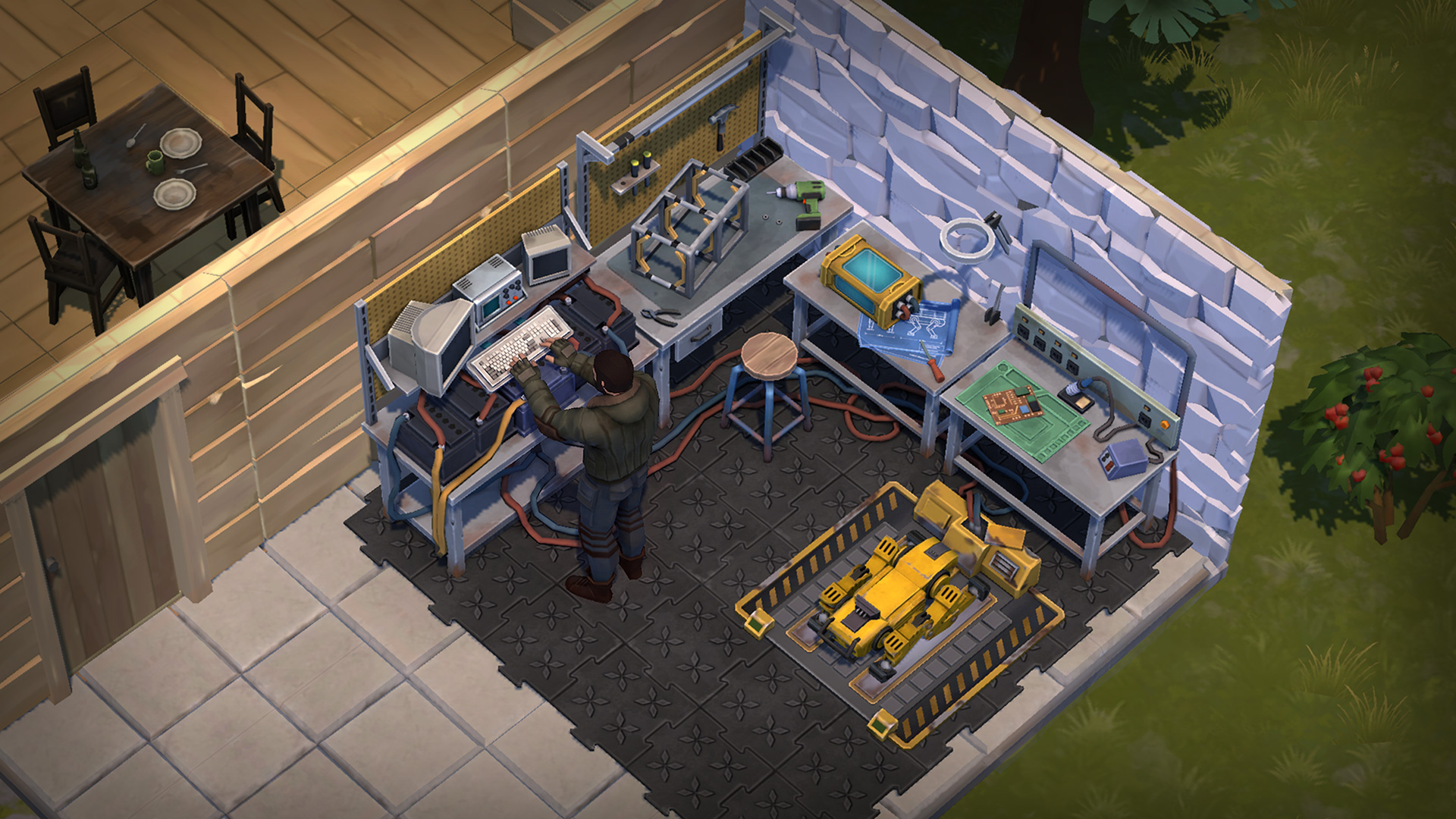
You start by gathering materials and turning them into tools, storage, floors, and walls. Upgrading a wall also means having the right adjoining floor. That dependency makes the base a working project rather than a decorative trophy you buy after winning enough fights.
The Survivor’s Path supplies chapters, tasks, and rewards to organize those ambitions. Following one useful project beats starting six unfinished constructions. A weapon modification needs a gunsmith bench, a learned blueprint, and the crafted part; knowing the recipe is only the beginning of the expense.
Even the newer Robodog follows this domestic logic. Its docking station charges it and supports module crafting, while the companion expands carrying capacity and transports cargo. It cannot fight. Think mobile storage with a battery problem, not a mechanical bodyguard.
Win the packing screen first
The overhead view and virtual movement stick keep the basics approachable. A dedicated attack button handles violence, while a quick slot keeps food, healing, or another weapon close. Sneaking can deliver a critical opening hit, so starting a fight carefully is a real alternative to charging in.
The interesting decision is how much equipment a trip deserves. Carry too little and a profitable outing becomes a retreat. Carry your finest gear into every routine errand and you expose more than necessary to loss. Leave inventory space for the materials you actually came to collect.
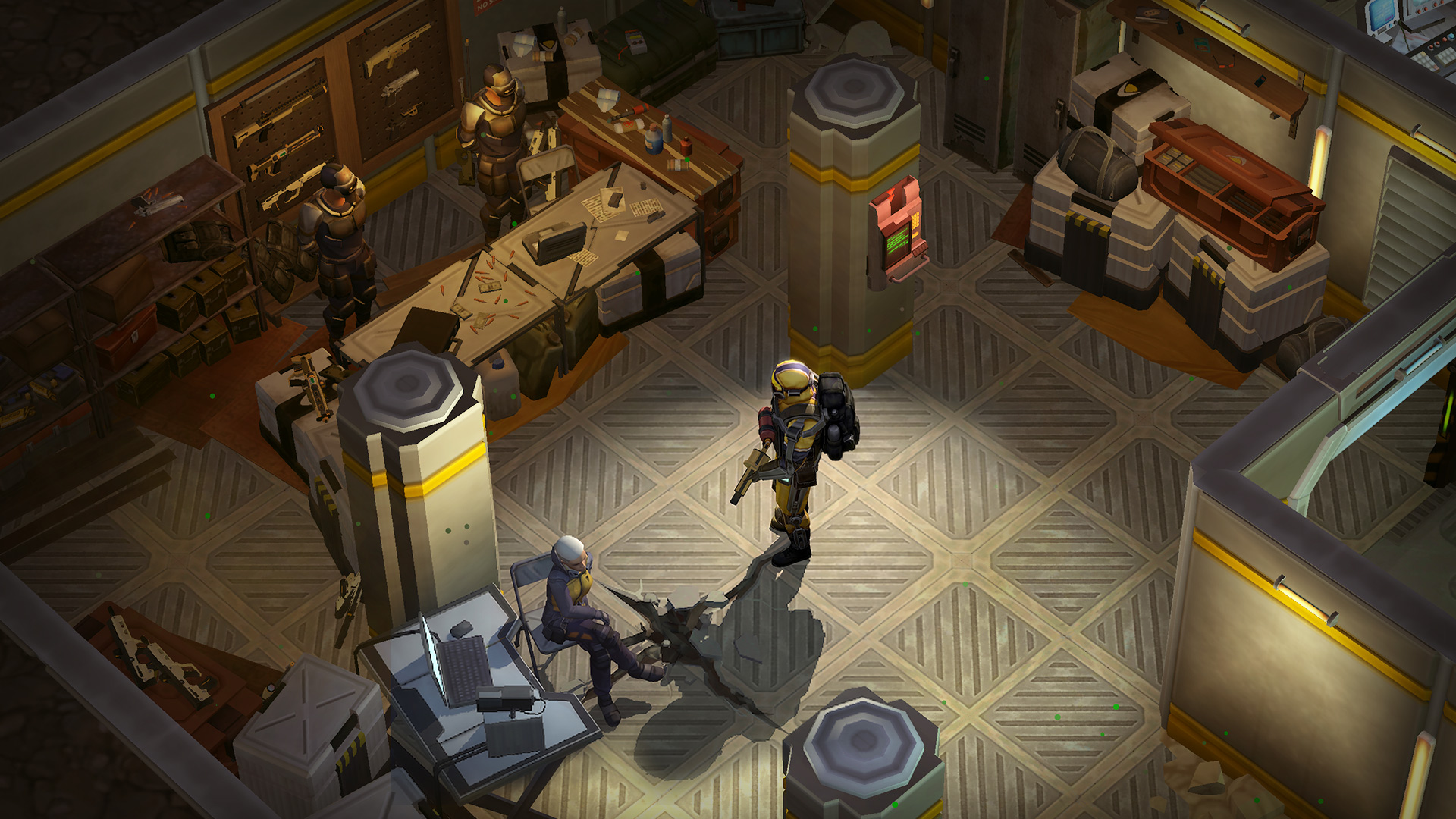
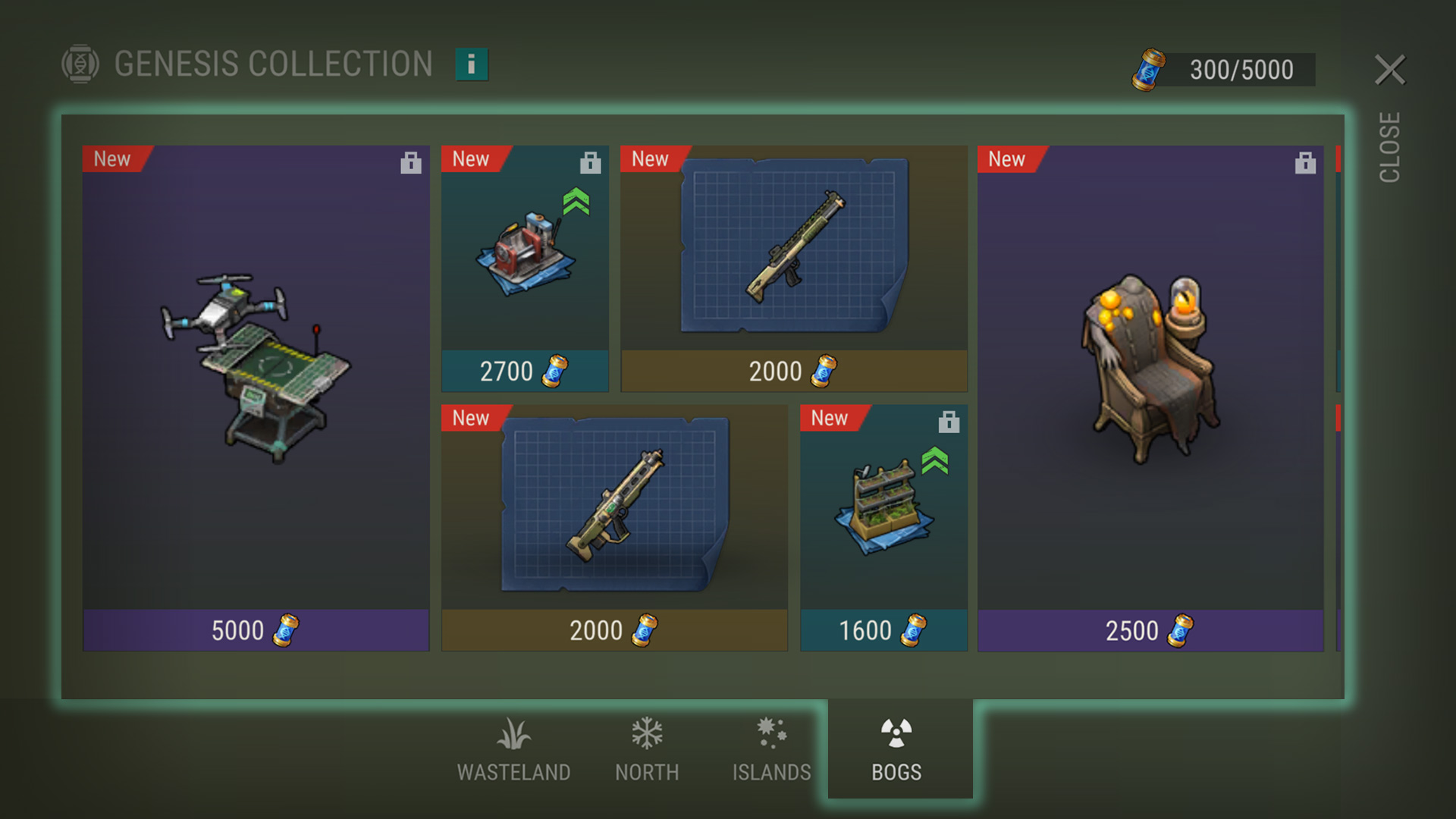
The updated Genesis Laboratory makes preparation more specific: its sectors feature enemies with different protections, demanding appropriate weapons and equipment. That gives crafting a destination. A stronger-looking loadout is not automatically the right loadout, and the next door is a poor place to discover the distinction.
The bill arrives after the fight
Weapons and armor have durability, adding another cost to successful combat. The Repair Workbench can restore them using suitable items or components. Starting a repair consumes the selected materials and locks the process, so this is another commitment to check before pressing the button.
Death preserves your buildings, learned blueprints, skills, and levels, but your carried inventory is at risk. Recovering a corpse is not guaranteed. That makes banking useful loot a meaningful decision instead of merely a pause between action scenes.
The September 2026 update added resurrection for coins to preserve valuable loot. It is a safety option, not a reason to pack recklessly. Decide what you are prepared to lose before leaving home; negotiating with yourself after a disastrous fight is considerably less relaxing.
A bigger map needs a better garage
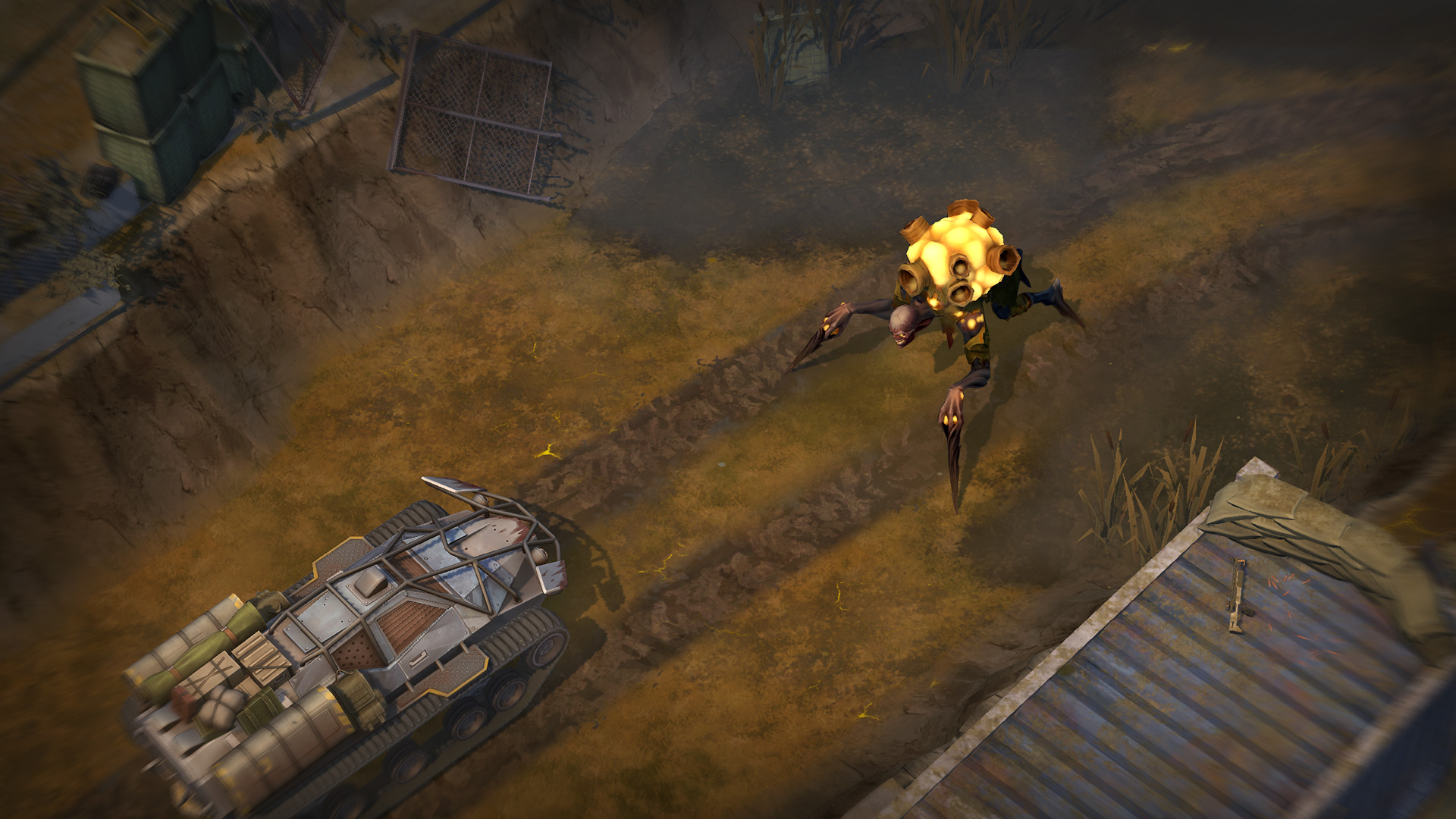
Vehicles turn long-term building into access. The motorcycle, motorboat, and ATV are more than ornaments beside your base. The Boggy Region specifically requires an assembled ATV, followed by the Western Watchtower objective and its Alpha Irradiator fight to open further territory.
The resulting progression is satisfyingly physical: better facilities support better equipment, which reaches new materials, which feeds another upgrade. In the bogs, drilling rigs attract enemies, so extraction itself becomes a defensive job involving barricades and portable turrets.
This also explains the grind. An ambitious vehicle or regional equipment project represents many smaller supply runs, not one triumphant unlock screen. If you enjoy making a durable home out of repeated errands, the layers reinforce one another. If repetition already irritates you, more recipes will not cure it.
Bring home something worth unpacking
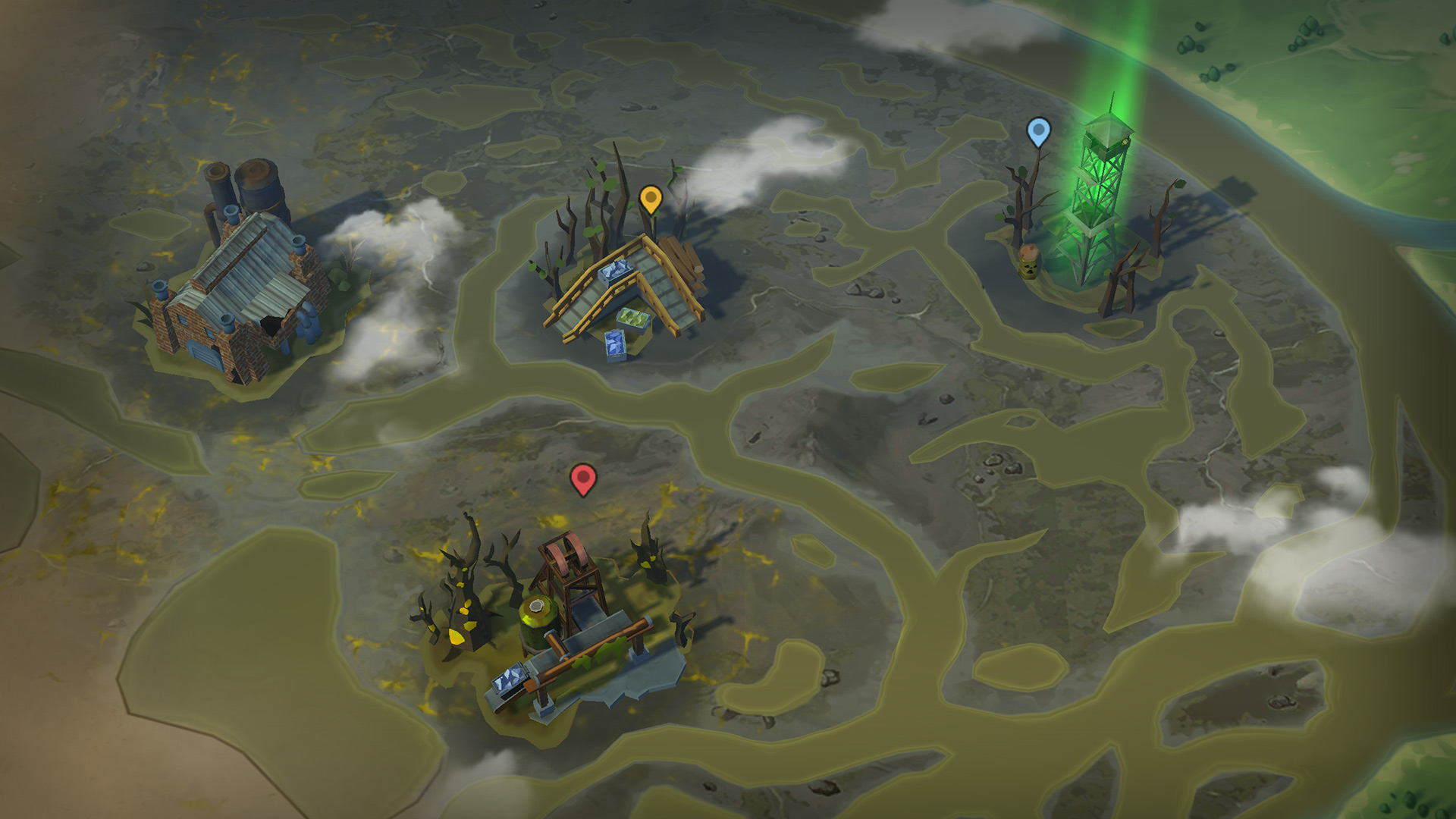
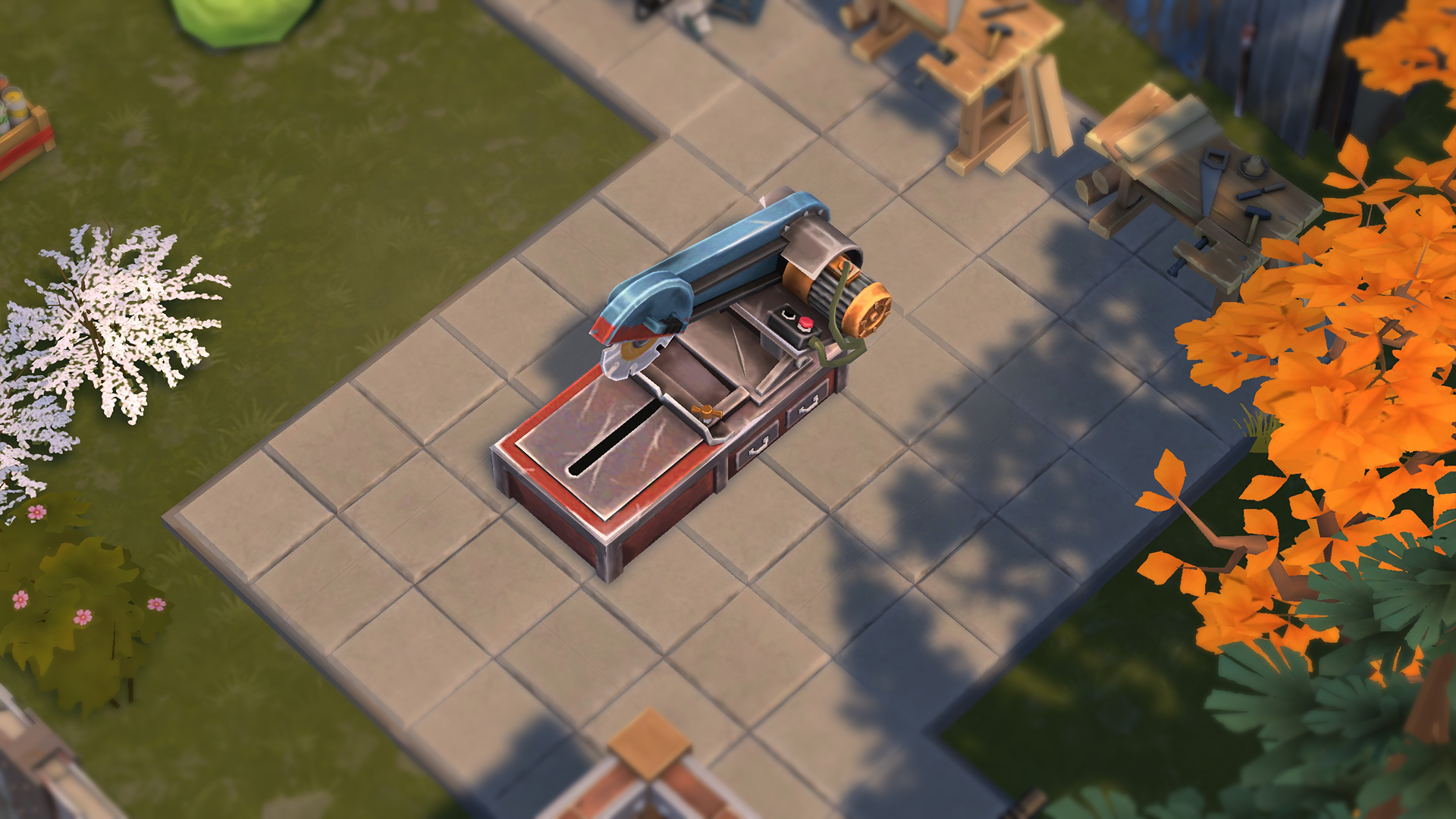
Scouting 2.0 added three permanent locations, while its associated event rewards follow their own schedule. The motorcycle carries resource crates out, and a buzzsaw at your base opens them. That is an excellent expression of the game’s appeal: an expedition changes what your workshop can do.
The mobile friction sits around that loop. Travel energy, location resets, and repeated gathering favor planned visits over an unlimited evening of clearing everything. Automatic resource collection can reduce tapping inside a location, but it does not protect you from zombies.
Rations offer a different shortcut: they collect a location’s resources without requiring a visit. Convenient, certainly, but skipping the errand also skips part of the game. If every journey feels like something you want to bypass, reconsider whether this particular building habit is still enjoyable.
Company comes with conditions
Multiplayer needs a little unpacking. The Crater remains a separate multiplayer area unlocked through progression, with its own activities. Later Wastelands updates also introduced clans and co-op content. Calling the whole game a solitary experience now misses part of what is available.
That does not make it an effortless shared-base adventure from the opening minute. The home-and-supply loop remains the main reason to start, while group activities bring their own access rules and schedules. Choose it for personal progression first, rather than assuming a friend can accompany every early errand.
A free download with several checkout lanes
Both mobile editions are free to download with in-app purchases; Android also explicitly lists ads. The official shop sells equipment, rations, and season Premium access. These are practical advantages or shortcuts, so describing the business model as cosmetic-only would badly misrepresent the decision.
Premium access for Survivor’s Path and Premium access for seasons are separate purchases. Path Premium also expires, and its Premium+ tier includes instant ad bonuses without watching the videos. Check exactly which reward track and time window a purchase covers before treating it as a general upgrade.
VIP benefits add another spending incentive: purchases earn points, while ordinary VIP access can lapse when its timer ends. Set a budget before considering convenience offers. The best free test is whether gathering, banking, and building already feel worthwhile when you decline the shortcuts.
Strengths
- Base development gives scavenged materials a clear purpose.
- Equipment choices connect combat to crafting and destination planning.
- Vehicles and regional systems create substantial long-term projects.
- Survivor’s Path provides direction through the expanding systems.
Tradeoffs
- Repeated supply runs can turn satisfying preparation into chores.
- Carried equipment is exposed to loss, and durability adds costs.
- Separate Premium tracks and timed VIP benefits complicate spending.
- Online access and mobile pacing limit uninterrupted play.
Who it suits
- Patient mobile survival players who enjoy building useful facilities.
- Players who like choosing what equipment and loot to risk.
- Less suitable for instant co-op or uninterrupted, purchase-free progression.
Verdict
Last Day on Earth is strongest when a modest plan survives contact with the undead: bring home the right material, improve one useful station, prepare a little better next time. Its connected crafting and expedition systems give those small victories a convincing place to live.
The recommendation is for patient builders who enjoy managing risk and returning to an ongoing project. Equipment loss, recurring chores, and layered purchases are substantial tradeoffs. Try the free loop first; if the workshop itself is the reward, there is a compelling survival habit here.
iPhone / iPad edition
Review score: 7.8 / 10
- Combat
- 7.8 / 10
- Progression
- 8.5 / 10
- Usability
- 7.4 / 10
- Value
- 7.5 / 10
Free-to-download mobile edition with in-app purchases. Store version 1.52.99 verified October 14, 2026.
App Store identity is 1241932094, seller AP KEFIR LTD; current listing requires iOS/iPadOS 15.0 or later.
Android edition
Review score: 7.8 / 10
- Combat
- 7.8 / 10
- Progression
- 8.5 / 10
- Usability
- 7.4 / 10
- Value
- 7.5 / 10
Free-to-download mobile edition with in-app purchases. Store version 1.52.99 verified October 14, 2026.
Google Play explicitly lists advertising and random-item purchases. Android identity is package zombie.survival.craft.z; PC distribution is outside this review’s scope.
The review score averages the applicable Combat, Progression, Usability and Value scores, rounded once to one decimal. Fit is specific to each comparison and is excluded.
Can you play Last Day on Earth offline?
No. The Android listing explicitly requires a stable internet connection. Treat it as an online mobile game even when doing your own supply runs, and do not rely on it for an offline flight or commute.
Can you build and explore with friends immediately?
Do not expect immediate shared-base co-op. The Crater has its own progression requirements, and newer Wastelands clan content adds separate group activities. Your opening home-and-scavenging progression is still the sensible basis for deciding whether to start.
Do you lose your entire base when you die?
No. Buildings, blueprints, skills, and levels survive death. The risk concerns carried inventory, and corpse recovery is not guaranteed. Coin resurrection was added in September 2026 as another way to retain valuable loot.
Does one Premium purchase unlock every reward track?
No. Survivor’s Path Premium and season Premium are separate purchases. Path Premium access has a time limit, and other events can have separate Premium offers. Read the named track and expiry before spending on a reward you want.
Can progress move between Android and iPhone?
Kefir’s official transfer guide supports moving linked progress between platforms through Kefir ID. Link the existing game progress first, then use that account on the new device. Check the offered save carefully before replacing anything.
Sources
- Google Play: Android identity, version and business model ·
- App Store: iPhone/iPad identity and release history ·
- Kefir: Getting Started ·
- Kefir: Game interface ·
- Kefir: Death and item recovery ·
- Kefir: Survivor’s Path and separate Premium purchases ·
- Kefir: Weapon modifications ·
- Kefir: Repair Workbench ·
- Kefir: Boggy Region ·
- Kefir: Updated Genesis Laboratory ·
- Kefir: Scouting 2.0 ·
- Kefir: Atomic Frost and Wastelands clans ·
- Kefir: Good Old Farm and coin resurrection ·
- Kefir: Robodog release ·
- Kefir: Robodog behavior ·
- Kefir: Crater multiplayer ·
- Kefir: Rations ·
- Kefir: VIP status ·
- Kefir: Official shop ·
- Kefir: Progress transfer using Kefir ID ·