5 Games Like ZERO Sievert for Loot-and-Extract Fans
More gear tinkering, more time to think, or fewer lost supplies: choose which part of the next expedition should change.
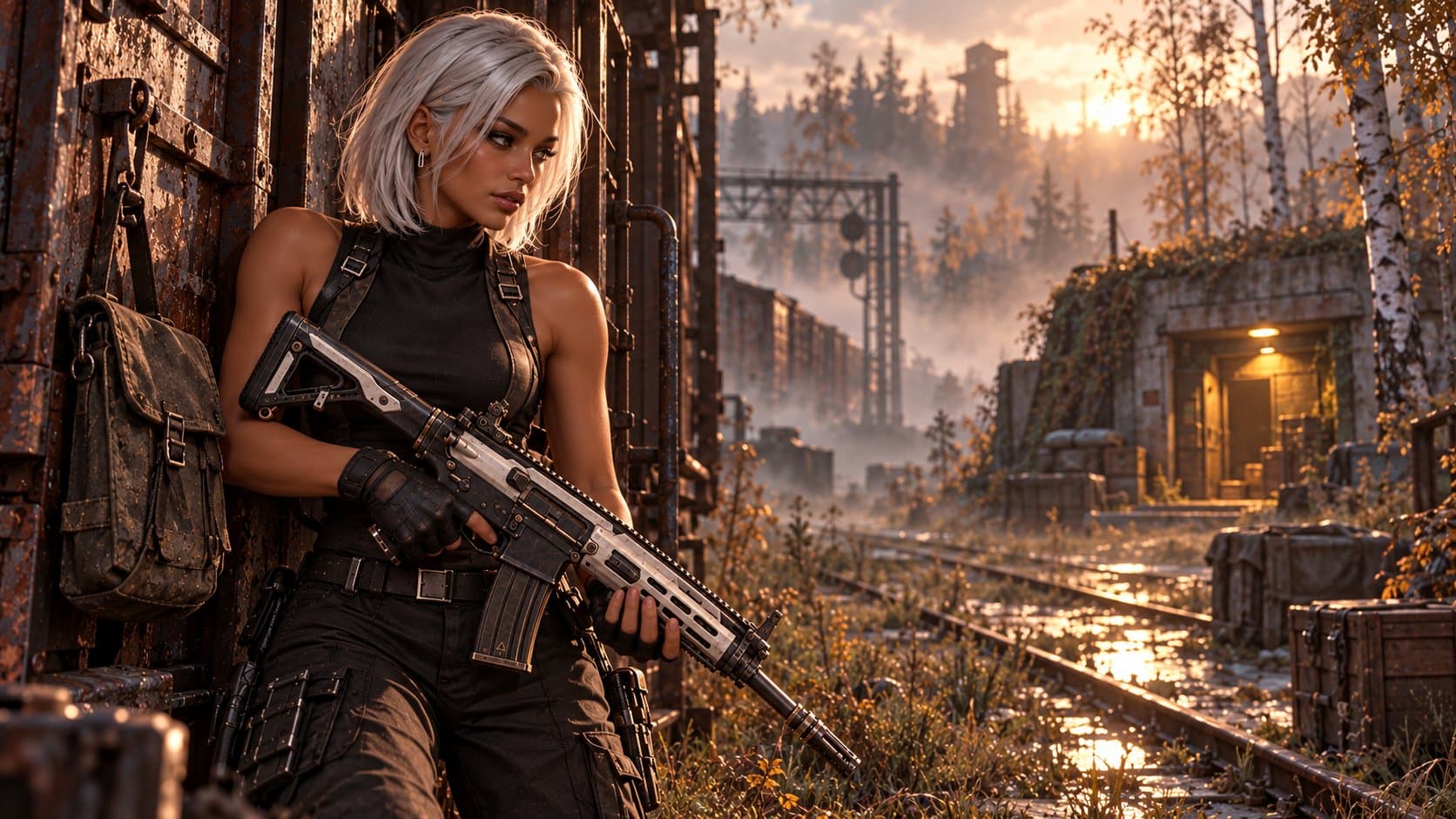
Escape from Duckov is the closest all-round recommendation if you want another game like ZERO Sievert: prepare a weapon, search dangerous ground for useful objects, then put the haul into a hideout. SULFUR pushes gun experimentation into a first-person dungeon crawl. Quasimorph turns the dangerous expedition into a tactical, turn-based problem, while Incursion Red River adds native cooperative raids. Zombie Defence connects active scavenging to shelter investment with a much gentler Scrap-retention rule.
The important question is what you want to carry over from ZERO Sievert. Perhaps it is the moment a scavenged component finishes a bunker project. Perhaps it is picking ammunition before departure, checking a blind approach or deciding that one more container is a bad idea. Those pleasures can survive a change of camera or setting. They do not automatically survive a switch to an arena where collecting experience is the entire outing. These five choices preserve a meaningful relationship between the supplies you seek and what you can do afterward.
Also check which ZERO Sievert you are comparing against. Its current Relaxed, Standard and Survivor presets retain your gear; Hunter loses most gear, and Custom lets you adjust the rules. If replacing a favorite rifle is your only frustration, a different preset may solve it without changing games. Below, gear preparation, field decisions, long-term projects and failure consequences matter more than superficial resemblance. Zombie Defence is a browser Alpha in development with a waitlist, rather than an immediate public play option; the other entries have playable paid PC editions.
The quick comparison
5 games, different reasons to give the next run a chance.
Choose a game to jump to its overview. Platform lists are summaries; check the linked official edition.
The games
Escape from Duckov
Keep the overhead gunfights and purposeful shopping list, then trade Zakov’s bleakness for a duck-filled world with extensive hideout projects.
- Extraction
- Crafting
- Shelter building
- Loot builds
- Platforms
- Windows PC and macOS; single-player
- Price model
- Paid game
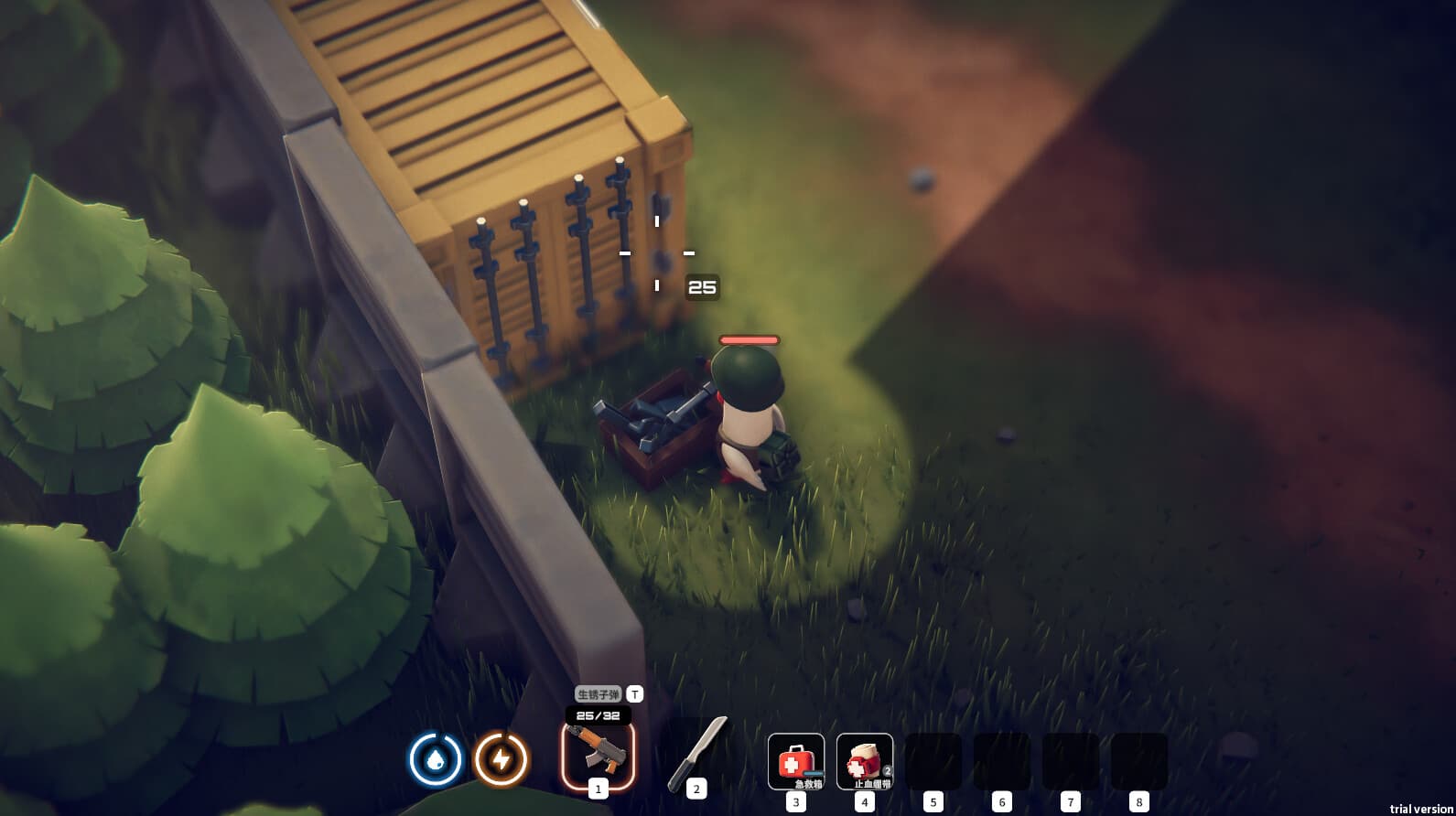
Escape from Duckov is the easiest recommendation to explain to a ZERO Sievert fan: that apparently unimpressive object in a cupboard may be exactly what your next hideout improvement needs. Quests, blueprints, workbench crafting and weapon modifications give the backpack competing priorities. You can head out with a particular project in mind instead of treating every trip as a search for a bigger cash total. If ZERO Sievert hooked you through its bunker modules and the satisfaction of returning with the missing ingredient, Duckov keeps that motivation at the center of the adventure.
Preparation still matters once the shooting starts. Weapons and attachments let you shape a loadout, while the overhead 3D view keeps movement and shooting readable without turning the terrain into a harmless board. The useful habit to bring from ZERO Sievert is to decide why you are entering an area before becoming distracted by every promising container. Get your immediate supplies in order, select a quest or construction target, and let that target influence when you leave. The appeal is a sequence of purposeful errands interrupted by fights, rather than a demand to wipe out everything on the map.
The lighter presentation does not make every difficulty forgiving. Duckov offers several presets and Custom settings, including a Scavenge option aimed at players who chiefly want to collect resources. Read the chosen rules rather than assuming a cute character guarantees an easy recovery. This flexibility makes Duckov a strong choice when you enjoy ZERO Sievert’s decisions but want to change the amount of combat pressure around them. Equally, selecting a tougher configuration keeps the expedition from becoming a casual shopping trip. The official game is single-player, so the tonal change should not be mistaken for a cooperative mode.
There is also more to bring home than another attachment. The February 2026 update added Lab Area 37, new quests and base facilities including a weapon display rack, a training dummy and a 3D printer, alongside wallpaper and decoration options. That gives the return trip an expressive side as well as a functional one. Choose Duckov if you want your next home base to feel busier and more personal. Its cartoon world is a real tradeoff if you chiefly want ZERO Sievert’s grim atmosphere, and the hunt for project materials still means spending plenty of time inside inventories.
The verdict
Start here for the most familiar overall loop. Choose a difficulty that matches your appetite for combat and loss before judging the game by its cheerful appearance.
Zombie Defence
A strong fit for the hunter who wants every scavenging trip to feed a shelter, with active gunplay and collected Scrap retained within storage capacity.
- Manual aim (desktop)
- Extraction
- Shelter building
- Crafting
- Permanent progress
- Platforms
- Browser Alpha in development; current single-player PvE
- Price model
- Public launch price and monetization terms are not announced
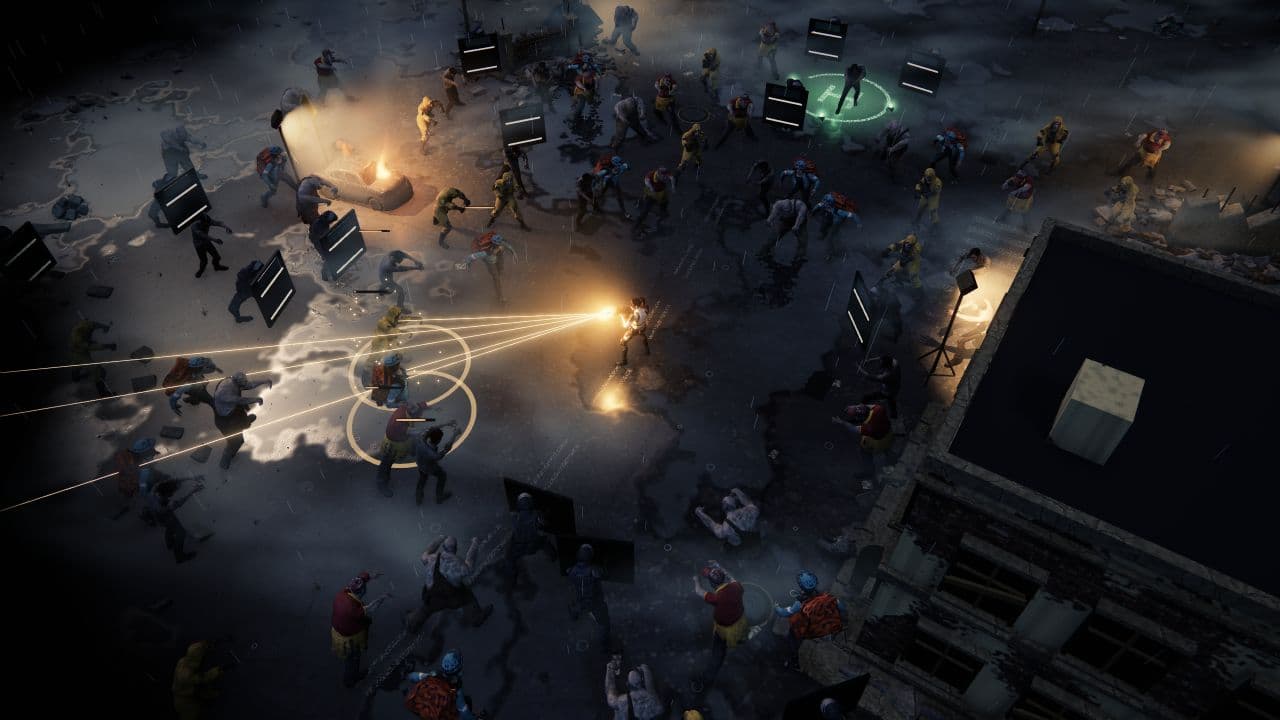
Zombie Defence suits the ZERO Sievert player whose favorite part of a raid is deciding what the haul will build. Its separate Scrap expeditions send you through ruined streets to search amber containers, keep an escape route open and return to a green extraction pad. Enemy pressure increases as the outing continues, so moving efficiently and making room to shoot remain useful skills. The target is a supply run with a clear destination. It is a narrower scavenging economy than collecting a backpack full of individual guns and barter items, but the resources have several meaningful jobs waiting at home.
The shelter turns that Scrap into competing plans. Construction, weapon improvement, crafting, parts processing and ammunition can all draw on the same stock. Reserving resources for a new weapon is a different choice from feeding a production line immediately. Branching research adds another layer: the Deadeye and Suppression doctrines emphasize stronger, slower shots or faster, lighter fire, with the rival route closing after a choice. This is the part that should interest a bunker planner. You are building a direction for the next deployment, using fixed rooms and stations rather than freely placing a settlement anywhere you like.
In the field, desktop movement and cursor aim are independent. You fire, manage ammunition, reload and make space as zombies approach; on touch, the fire control targets the nearest living enemy. Campaign battles also offer choices between immediate weapon cards and shelter investments, so a useful upgrade can help either the current fight or later preparation. Keep the outing types straight: those sector battles and endless Scavenge waves are separate from the city Scrap expeditions. For a ZERO Sievert fan, the attraction is hands-on shooting linked to durable projects, with horde control replacing much of the cautious hunter-versus-hunter rhythm.
The most important difference is what failure takes away. Collected Scrap expedition cargo is retained after extraction, defeat and an interrupted browser-page reload, up to available storage capacity; shelter progress persists too. That makes checking storage and choosing a useful spending goal more important than nursing a fear of losing the whole bag. The rule belongs to Scrap expeditions, not a blanket promise that every mode has identical consequences. Pick Zombie Defence when you want scavenging to keep advancing your home. Players who specifically want to put an expensive carried kit on the line will find that tension better served elsewhere.
The verdict
Choose this direction for purposeful supply runs and lasting shelter plans, especially if failed outings should still contribute resources. Its horde combat and protected Scrap give the familiar loop a different emotional pace.
SULFUR
Take the attachment-and-ammunition mindset into a first-person fantasy descent, with cooking, weapon enchantments and configurable death losses.
- Manual aim
- Extraction
- Loot builds
- Crafting
- Platforms
- Windows PC; single-player; Steam Early Access
- Price model
- Paid Early Access game; free Steam demo
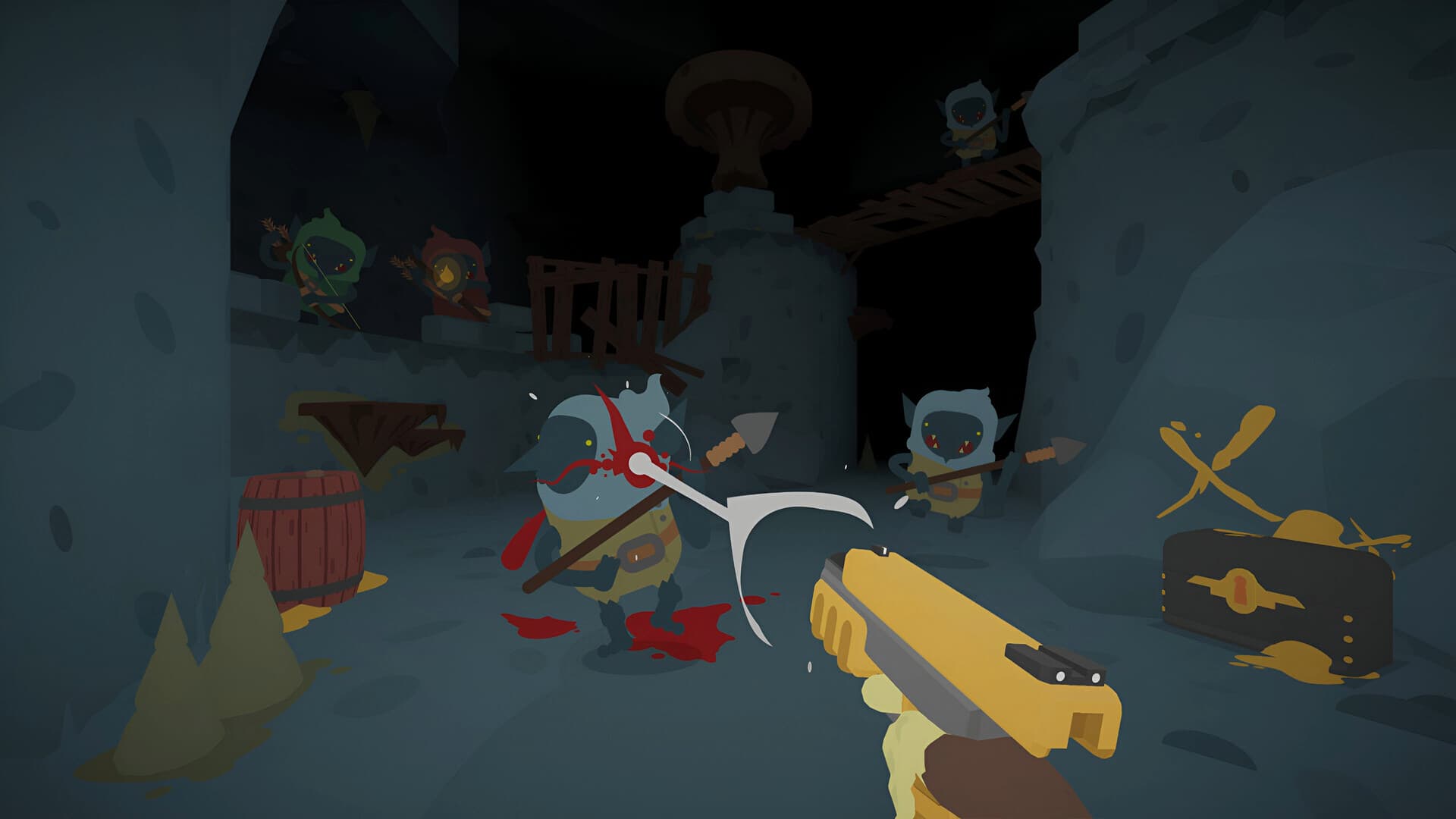
SULFUR is the choice for a ZERO Sievert player who spends as much time considering the weapon as the route. Attachments, oils and enchantments turn firearms into build projects, so a gun becomes more than a temporary damage upgrade. The fantasy setting gives those experiments room to become wonderfully odd. Current additions include knockback oils and combined enchantments such as Cryo Rockets, taking customization far beyond an optic swap. Choose it when you want to ask what a weapon could become, then take that creation into a hostile place where it has to justify its inventory space.
The field experience is a first-person descent through hostile areas rather than an overhead patrol across Zakov. Shooting, movement and awareness now happen from inside the room, and supplies compete for a tight inventory. Cooking gives ingredients a survival use; spare equipment and valuable finds force decisions about what deserves room. That makes a sensible starting plan valuable: bring a functional weapon, enough ammunition and recovery options before filling every remaining slot with speculative treasure. The church serves as the recurring hub for stashing and preparation, keeping a recognizable home-and-expedition rhythm beneath the more eccentric enemies and scenery.
Its current progression is more reassuring than a simple “lose the gun and start from nothing” description suggests. Telia lets you sacrifice a Rank 5 weapon to unlock manufacture of fresh base versions for a cost. That turns a favorite weapon type into a longer-term project without making every customized example disposable or automatically replaceable for free. Save-specific difficulty settings also change how much you lose on death; Hard is the default roguelite setting. Compare the chosen rules with your ZERO Sievert preset, because the two games can feel much closer or further apart depending on that decision.
The tradeoff is where your attention goes between outings. SULFUR rewards collecting, cooking and experimenting with equipment more directly than organizing a production shelter. There are storage and service unlocks at the church, including weapon racks and a target dummy, but the central pleasure is preparing something interesting to fire. It remains in Steam Early Access as of 13 October 2026; the announced PC 1.0 and console launch is 28 October. The PC demo is a useful first stop if you like the mechanical pitch but are unsure whether its first-person combat and grotesque cartoon style are your kind of change.
The verdict
Pick SULFUR for deeper gun experiments and a stranger setting. Try the PC demo, then choose death-loss rules deliberately instead of assuming the default suits the way you played ZERO Sievert.
Quasimorph
A turn-based extraction RPG for players who want to think harder about each deployment, with cloned operatives and a ship full of lasting upgrades.
- Extraction
- Tactical combat
- Crafting
- Permanent progress
- Platforms
- Windows PC; single-player; version 1.0 released July 2026
- Price model
- Paid game; optional Supporter Pack sold separately
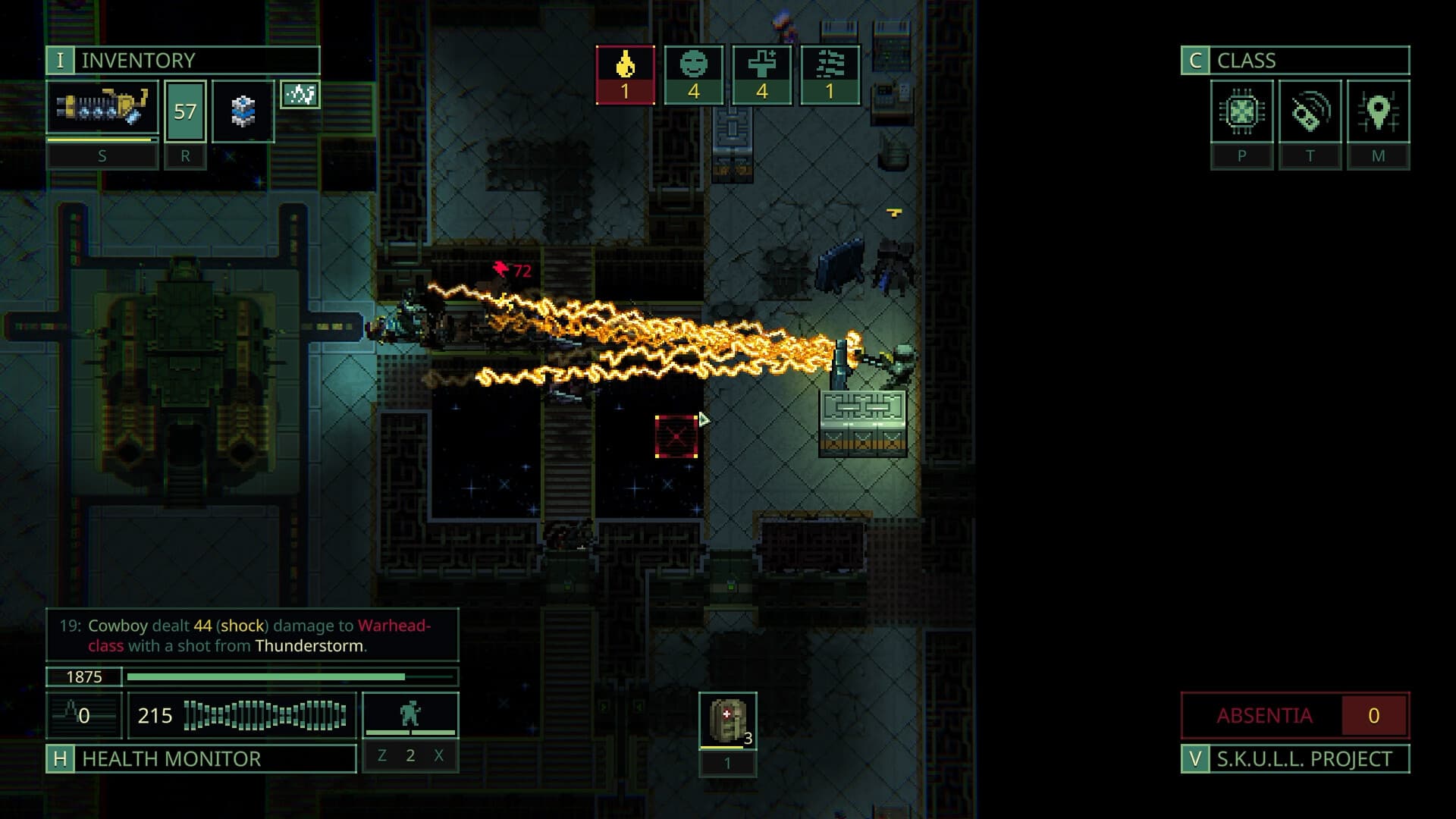
Quasimorph preserves the frightening value of a prepared loadout while removing the demand to land a quick mouse shot. You send a cloned mercenary on corporate contracts, search hostile facilities and try to extract with resources and technology for your ship. Combat is turn-based, so the skill test shifts toward positioning, equipment and the consequences of an action. This is a tactical alternative, not another real-time shooter with pixel art. It suits the ZERO Sievert fan who likes studying a dangerous room and wishes the game would give them more time to make the next decision.
More thinking time does not mean less to manage. Ammunition, weapon condition, wounds and enemy capabilities all belong in your plan. The current rules make noise from opening doors and enemy deaths relevant to attracting attention, alongside gunfire; the 1.0 update also added deployable cover and gas grenades. That encourages a different version of sightline caution: consider what a doorway exposes and how your tools can change the approach before spending actions. A supplies-first loadout can be more useful than carrying only valuable weapons. Your preparation gets tested as a system, not just by whether the biggest gun hits hard.
The Magnum replaces the bunker as the place where recovered materials become lasting options. Ship upgrades, crafting, clone improvements and equipment upgrades give you several directions to develop, while corporate contracts attach your work to reputation and a wider struggle for influence. Body modifications and implants also make the operative part of the build. For a ZERO Sievert player who enjoys planning the next module, this provides a compelling expansion of the same idea: the valuable find may unlock a better way to run your operation, rather than simply sell for enough to replace the last rifle.
Quasimorph’s ordinary stakes are severe: death can remove the equipment carried into the mission, while successful extraction strengthens the company behind the expendable clone. Difficulty and restart settings matter here too, so do not assume every configuration imposes identical consequences. Start with the game’s newcomer-oriented difficulty guidance and examine the mission briefing before treating a familiar-looking enemy as a safe target. This is the recommendation for more tactical and strategic depth, not for a lighter evening. It left Early Access in July 2026, but its interlocking combat, faction and upgrade systems still ask for patient attention.
The verdict
Choose Quasimorph when you want to pause your hand, not your planning. Its strongest connection to ZERO Sievert is the importance of arriving prepared and leaving with something useful.
Incursion Red River
Replace solitary overhead sorties with first-person tactical deployments, detailed weapon setups and an AI-only enemy roster you can face with friends.
- Manual aim
- Extraction
- Co-op
- Tactical combat
- Platforms
- Windows PC; solo or online co-op for up to four; Steam Early Access
- Price model
- Paid Early Access game
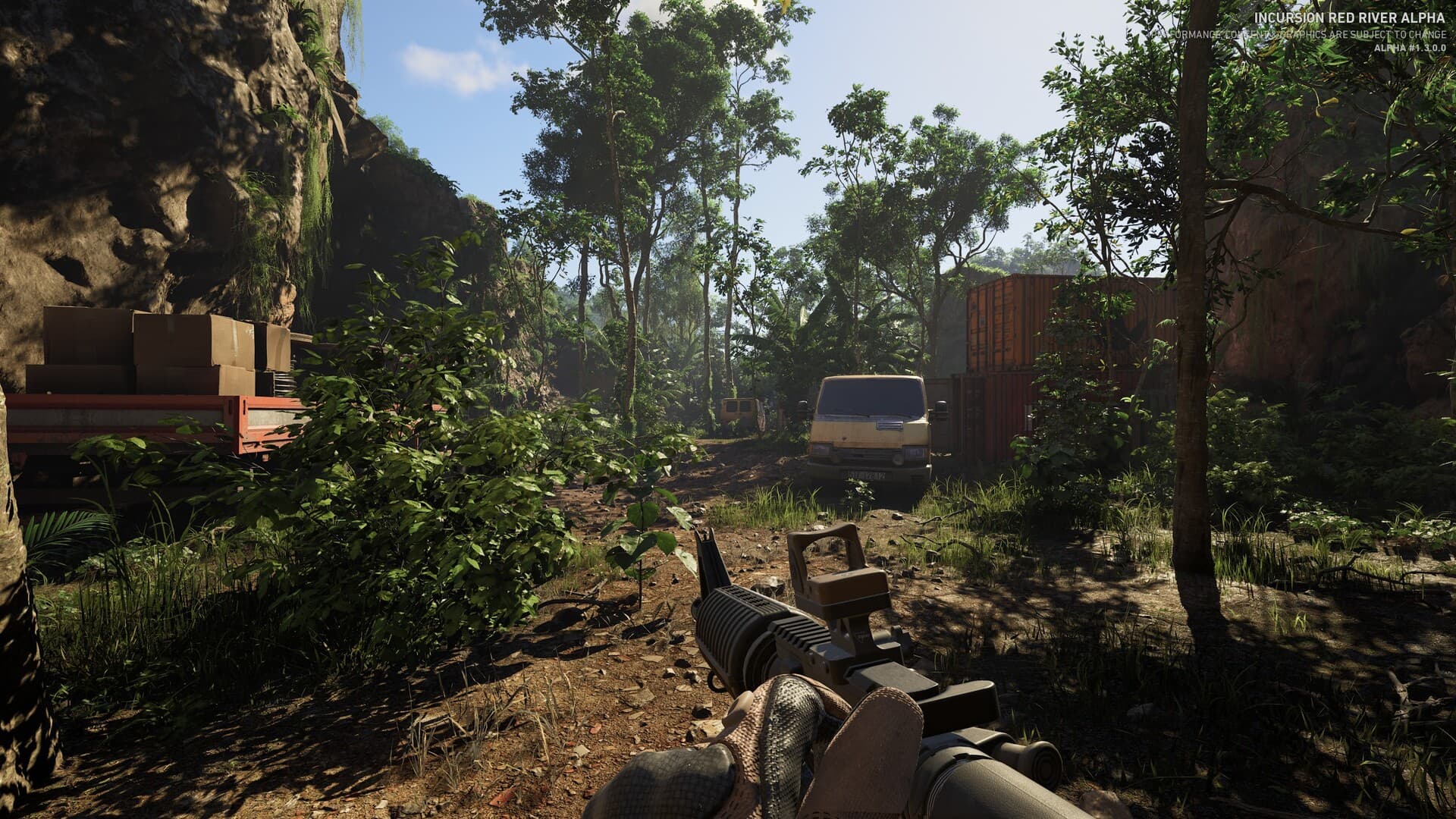
Incursion Red River answers a very specific request from ZERO Sievert fans: let me prepare a serious loadout and take it on a raid with friends. It supports solo play or a squad of up to four against AI enemies, giving the outing a cooperative shape without adding opposing human teams. The switch to a first-person military setting is substantial, but choosing a task, equipping for it and extracting with useful supplies remains familiar. It is the strongest choice here when sharing the expedition matters more than retaining ZERO Sievert’s pixel art, solitary mood or overhead controls.
Weapon preparation is a major part of the appeal. Barrels, handguards, grips, stocks, sights and magazines affect the setup, while the Gunsmith lets you save and load preferred presets. Ballistics and handling make the choice more involved than equipping the item with the largest damage number. Decide whether the task calls for closer fighting or a longer sightline, then organize the kit around that plan. The first-person view makes communication useful as well: while one person deals with an objective or container, agreeing who watches the approach gives the squad a purpose beyond bringing extra firepower.
Back at the safehouse, upgrades and player leveling give recovered resources a destination alongside marketplace purchases and faction work. The February 2026 update added those systems with campaign Act 1 and the Delta map, so the current game has more structure than an isolated firing-and-looting sandbox. It is still an Early Access commitment rather than a finished multi-act campaign. That same major update wiped inventories, a development event separate from the risk of losing a deployed kit during a raid. If rebuilding after a substantial update would spoil the appeal of long-term preparation, factor that possibility into the purchase.
Adjustable AI difficulty helps you find a workable challenge, and the session’s friendly-fire option deserves a look before a cooperative run. PvE describes the enemy roster; it does not automatically prevent a teammate from causing damage when friendly fire is enabled. The other price of the tactical focus is attention: detailed loadouts and deliberate approaches are the activity, not merely the setup before fast action. Choose Incursion if you want to discuss a route, customize equipment and cover one another. For a more compact solo scavenging loop, Duckov is the closer replacement.
The verdict
Make this the cooperative choice. It best serves players who want ZERO Sievert’s preparation decisions expanded into a shared tactical raid and are comfortable with Early Access changes.
How we compare
A good recommendation explains who a game suits and where it falls short. Our editorial scores use the same five criteria, each rated out of ten.
- 01
Combat
Controls, aiming, enemy readability, and the decisions you make under pressure.
- 02
Progression
Build choices during a run and meaningful progress between attempts.
- 03
Usability
Control demands, platform access, interface options, and documented device requirements.
- 04
Value
What the asking price includes, optional purchases, and the scope of the free version.
- 05
Fit
How well the game answers the specific question in this article.
Which one should you try?
Choose the part of ZERO Sievert you want more of. Duckov is the closest replacement for scavenging toward a hideout shopping list. SULFUR makes the weapon itself a stranger and more personal project; Quasimorph lets you replace quick aiming with deliberate tactical decisions. Incursion Red River is the pick for preparing and extracting together. Zombie Defence is especially appealing when the goal is a shelter that keeps moving forward, with retained Scrap supporting weapons, production and research even after a failed expedition. If gear loss alone is driving the search, check ZERO Sievert’s current difficulty presets first. A new setting may be all you need; a new game should give you a different reason to pack the next bag.
Your questions, answered.
Want to see what we’re building?
Zombie Defence is in Alpha. Join the waitlist.
More games to explore
- 7 Games Like The Last Stand: Aftermath
Find zombie roguelites and extraction games built around scavenging, risky returns, and progress that survives a failed run.
- 7 Best Top-Down Zombie Shooters in 2026
Compare seven top-down zombie shooters by sightlines, aiming, ammunition, co-op, and builds, from SAS: Zombie Assault 4 to The Last Stand: Aftermath.
- 7 Best Zombie Roguelites in 2026: Six Games to Play and One Alpha
Compare 7 zombie roguelites by what each run risks and what survives. Six released games are ready to play; Zombie Defence is an in-development browser Alpha.