3 Best Free Extraction Shooters, Plus Zombie Defence in Alpha
Three playable free-entry picks for different kinds of raid, plus a single-player Alpha with a more forgiving route home.

Delta Force Operations is our first recommendation for friends who want a free extraction shooter with distinct squad roles. Arena Breakout: Infinite is the stronger fit for players who enjoy carefully assembled military loadouts and tense gear decisions. Lost Light adds first- and third-person choices, shelter progression and PC/mobile play, although its regional exclusions matter. All three currently offer free entry; none is a promise that every optional benefit is free.
The useful comparison starts after the download. What are you carrying into danger? What survives a bad raid? Does the shop sell a new appearance, a progression reward or temporary access to something useful? These picks have an actual enter, loot and evacuate loop, rather than simply awarding loot after an arena match.
Zombie Defence appears separately after the three playable recommendations. Its single-player Scrap expeditions connect ruined-city scavenging to a persistent shelter, with substantially gentler resource retention. It is a browser Alpha in development, public pricing is unannounced, and joining the waitlist does not grant immediate access. It is therefore outside the free-entry count.
The quick comparison
4 games, different reasons to give the next run a chance.
Choose a game to jump to its overview. Platform lists are summaries; check the linked official edition.
The games
Delta Force — Operations
Start here if you want free-entry raids where the team you assemble matters as much as the rifle you bring.
- Extraction
- Co-op
- Tactical combat
- Loot builds
- Platforms
- Windows PC, PlayStation 5, Xbox Series X|S, Android and iOS; regional editions apply
- Price model
- Free-to-play Operations; optional currency, Season Pass purchases and cosmetic draws
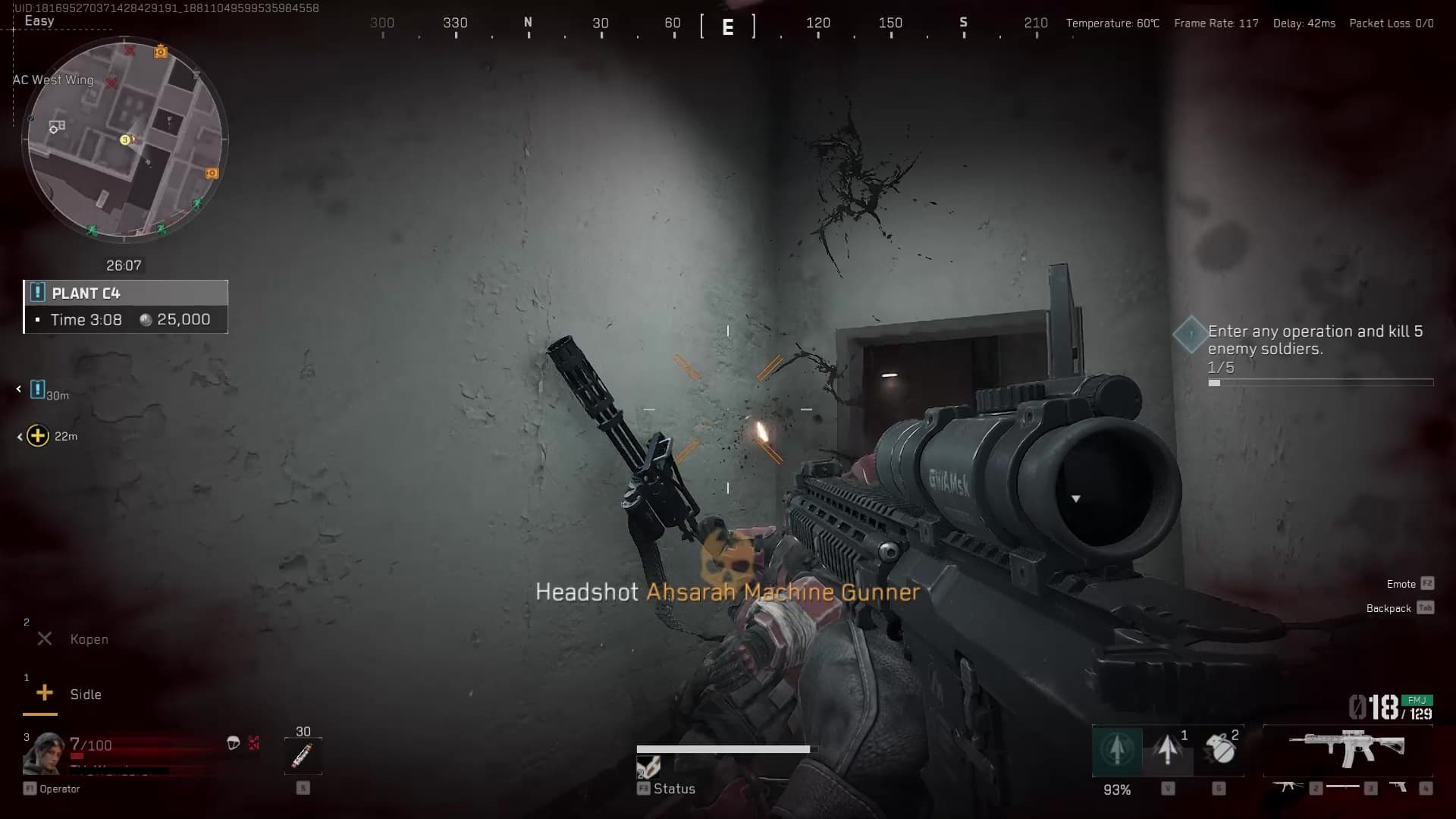
Operations gives Delta Force its place on this list. You deploy with equipment, search for valuables, face AI forces and rival players, and reach an extraction point to bank the haul. Warfare is a different mode built around large battles; it is not the extraction recommendation hiding behind the same download button. Operations turns a promising find into an immediate decision: press farther toward a better reward, or take the squad and its current profit home?
The operator system gives that decision a cooperative edge. Detection tools help a team gather information, while other gadgets change how it attacks or supports a push. A coordinated squad can approach a contested building with a plan instead of three separate attempts at a gunfight. There is still serious equipment preparation underneath the abilities. Ammunition, armor and medical supplies matter, and a noisy exchange can leave you wounded precisely when another squad arrives. The appeal is the combination of tactical gadgets and a vulnerable, valuable backpack.
Loot also has a destination beyond the next weapon purchase. Department missions unlock supply options, and the Operations Center provides lasting upgrades. Gear Tickets earned through missions or events supply preset equipment, giving a budget-conscious player another way to prepare for a deployment. They are consumable resources, not an unlimited replacement service. A sensible first target is a successful extraction with a kit you can afford to replace, followed by one useful upgrade. That gives your next raid a purpose without tying enjoyment to the price of a spectacular loadout.
The spending model deserves a closer look than the free download. Delta Coins support optional purchases, and the global Reorientation Season Pass, running September 8–November 9, 2026, includes appearances, tactical supplies and seasonal safe-box access among its rewards. The same season’s Tekniq Alloy shop offers seven-day container access for earned currency through November 9. A safe box protects eligible contents after defeat, so capacity and duration have practical importance. Keep those details separate from skins, and check the active pass before paying. We favor Operations as the broadest starting point here, but players who dislike replacing unprotected equipment or coordinating under pressure may still bounce off it.
The verdict
The best first stop for a coordinated group. Choose Operations explicitly, protect useful small finds, and build a repeatable equipment budget before chasing expensive kits.
Arena Breakout: Infinite
A good choice when assembling the rifle, reading the terrain and deciding what to risk are the main attraction.
- Extraction
- Manual aim
- Tactical combat
- Loot builds
- Platforms
- Windows PC; Steam and official launcher, subject to regional availability
- Price model
- Free-to-play; optional Bonds, Battle Pass upgrades, cosmetics and Elite-card bundles
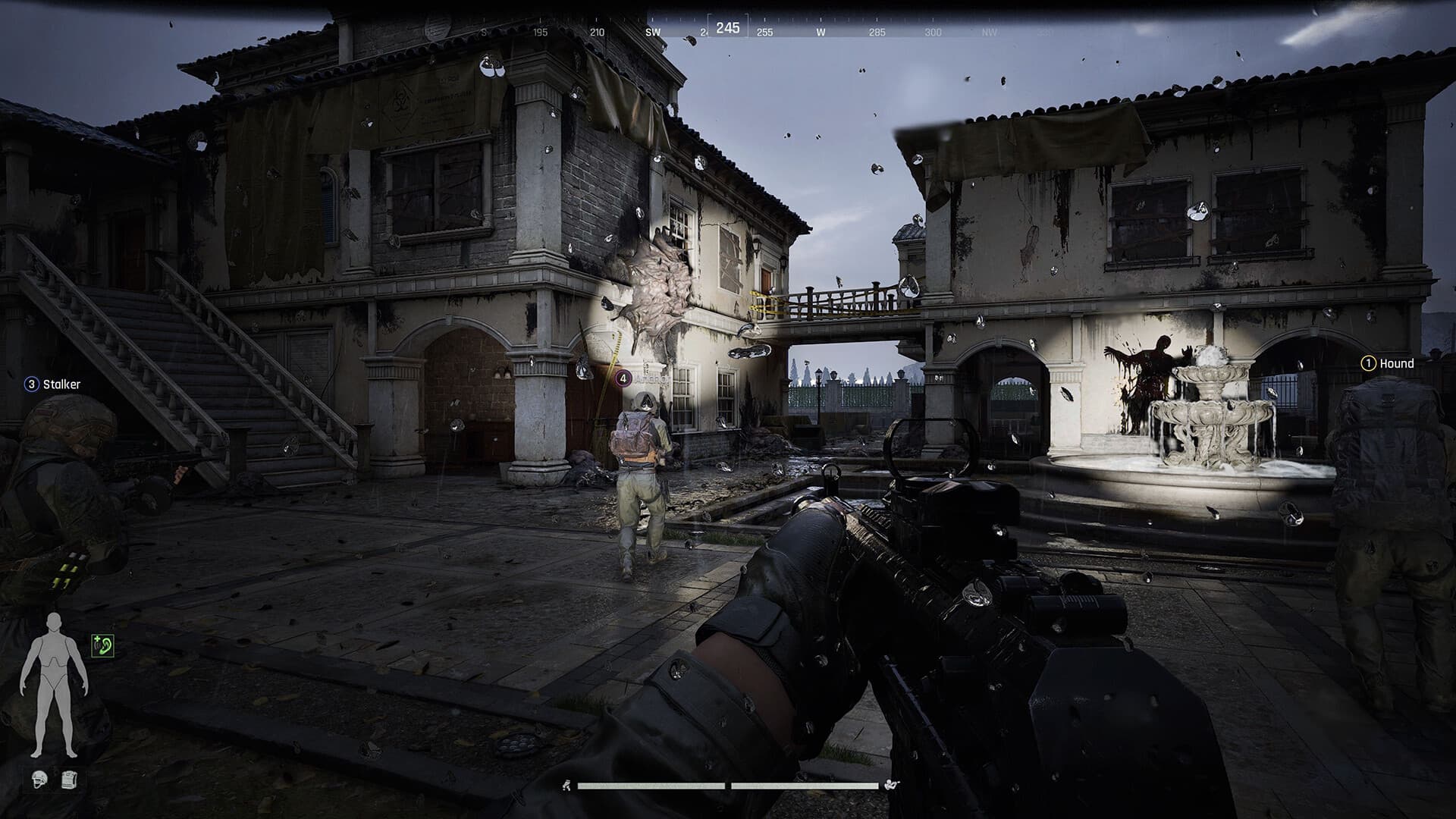
Arena Breakout: Infinite puts the equipment decision at the center of the fantasy. Its extraction raids mix other players with computer-controlled opposition, and bringing a valuable weapon does not guarantee that you will leave with it. Indoor approaches, open ground and changing weather create different reasons to alter a build. The huge attachment system is therefore more than a showroom: handling, recoil and range help define the fights you are preparing to take. Players who enjoy the preparation as much as the trigger pull get the most from it.
The current PC game also gives you several ways into that pressure. Tactical Ops, Solo Ops and Covert Ops sit alongside difficulty tiers including Normal, Lockdown and Forbidden Zone. Their rules and active seasonal content deserve attention before deployment. Season 7 adds an infected PvPvE zone and a separate PvE zombie endless mode, but that endless option should not be confused with a PvE-only version of every extraction raid. For this recommendation, the core attraction remains collecting a worthwhile haul while enemy players can interfere with the trip home.
There is an important change to understand before judging its free-to-play economy: direct Koen purchasing ended with the September 2025 full release. Older descriptions of simply buying that raid currency are out of date. The game still sells more than appearances, however. Current Season 7 announcements advertise paid Battle Pass rewards that include Koen as well as skins and Bonds, plus bundles containing Elite access. Removing direct currency sales does not make those progression-related rewards cosmetic. It is a meaningful distinction for anyone deciding which forms of optional spending they are comfortable sharing a game with.
For a no-spend start, concentrate on the loop that makes the game worthwhile: assemble a replaceable kit, learn one map’s routes and leave with useful resources rather than treating every raid as a hunt for the biggest prize. The documented quality-of-life tools, including item-value information and storage aids, help make those choices more legible. Keep currency in reserve for replacement kits before pouring resources into one impressive rifle, so a failed extraction does not exhaust the budget for your next outing. This is the pick for players who welcome that uncertainty and want a deep equipment hobby, with the tradeoff that both the gear economy and optional reward tracks ask for close attention.
The verdict
Pick it for meticulous military preparation and tense extraction decisions. Enter with a firm kit budget and judge the current shop, rather than relying on either launch-era criticism or a cosmetic-only assumption.
Lost Light
A more socially flexible extraction option, with a substantial regional catch: check eligibility before organizing a group.
- Extraction
- Shelter building
- Loot builds
- Tactical combat
- Platforms
- Windows PC, Android and iOS; unavailable in South Korea, Vietnam, Belgium, India and China according to the official site
- Price model
- Free-to-play with in-app purchases; mobile stores list Light Points and Premium α/β products
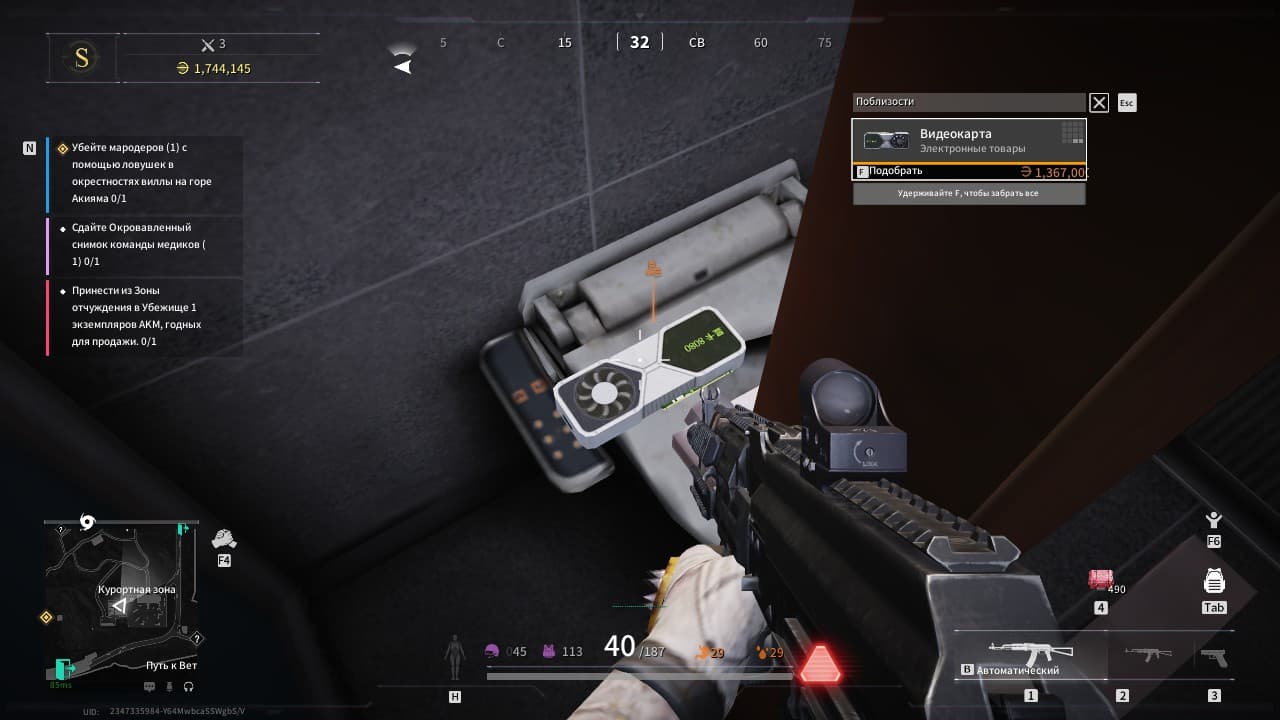
Lost Light makes scavenging a viable aim in its own right. You can travel light, collect supplies and head for evacuation without treating every opponent as a necessary fight. The PC edition offers first- and third-person perspectives, and its shelter ties preparation to the next outing: equip the weapon, consider your condition and choose what you are willing to put at risk. The appeal is a survival routine that gives the items in your pack a job, rather than a score screen that forgets them afterward.
Encounters also have more possibilities than immediate elimination. The game allows rescuing other players, forming an alliance and evacuating together; a knocked-down player can send an SOS that reveals their location. That creates a sharp social question alongside the shooting: is an approaching stranger a rescue or a new threat? Enemy combatants and competing players still make these dangerous outings. Cooperation here should not be mistaken for a private PvE session. If you enjoy an uncertain encounter more than a rigid assumption that every human must be shot on sight, this is its most distinctive selling point.
At home, weapon modification and the player-driven market extend the decisions. A surplus item can help fund something your next plan actually needs, while recommended loadouts reduce the work of rebuilding a kit. Failure still threatens your haul; the advertised Smart Pet system can carry items back or attempt recovery, so the loss rules are more nuanced than an unconditional promise that absolutely everything disappears. For a free player, a sensible goal is to connect each outing to one equipment or shelter need. The game gives you reasons to return, but managing condition, gear, trading and recovery is a larger commitment than simply joining a shooting match.
Entry is free on the PC listing, and the mobile stores also offer free downloads with purchases. The current iOS catalogue lists Light Points and Premium α/β products. Historically, Companion purchases have included supplies and functional cases as well as clothing, so judge the current offer on its actual benefits rather than its name. Its other major restriction comes before any purchase: the official site excludes South Korea, Vietnam, Belgium, India and China. A Korean interface listing does not cancel that regional notice. Elsewhere, PC/mobile party support is attractive, provided everyone can use the appropriate supported version.
The verdict
Choose Lost Light for its shelter-and-trading routine and unpredictable social encounters, especially across PC and mobile. Rule it out first if you are in an officially excluded region.
Zombie Defence
Its strongest connection to extraction shooters is the trip from a dangerous supply run to a shelter project you care about.
- Manual aim (desktop)
- Extraction
- Shelter building
- Crafting
- Permanent progress
- Platforms
- Browser Alpha in development; native mobile releases planned; waitlist does not grant immediate access
- Price model
- Public pricing and monetization unannounced; excluded from the three free-entry recommendations
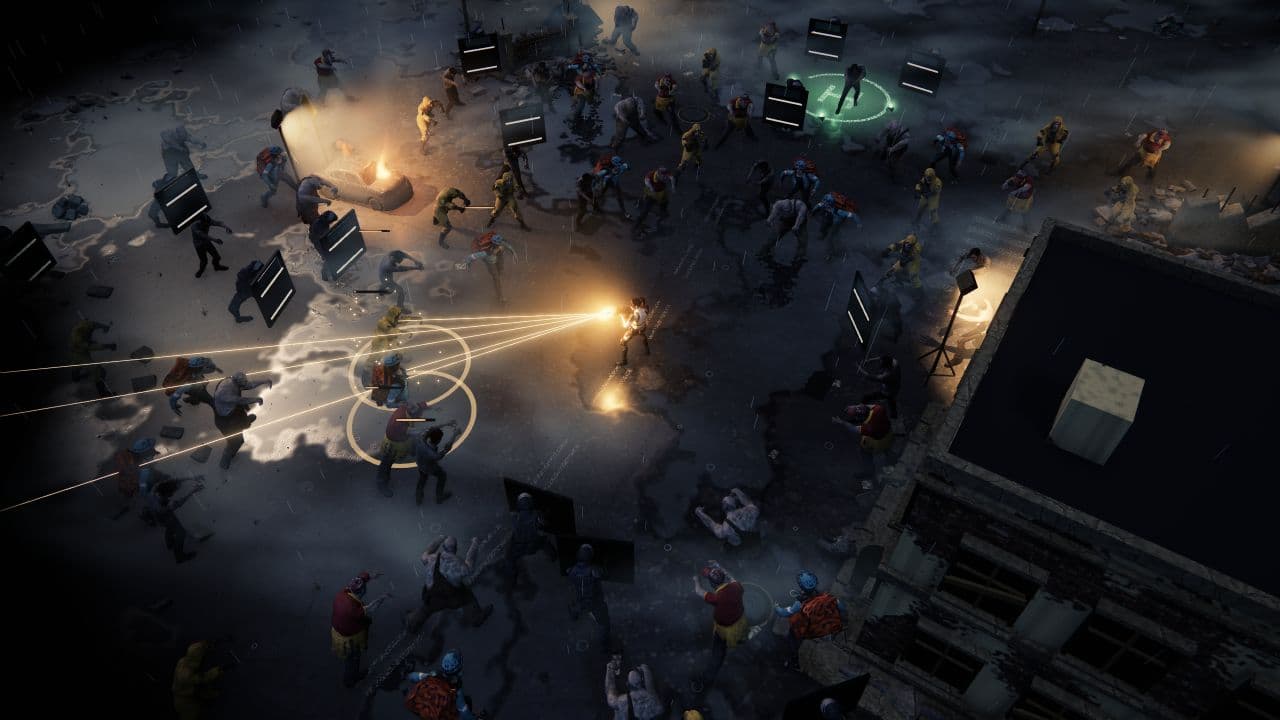
Zombie Defence approaches extraction through a single-player ruined city. In a Scrap expedition, you search amber containers, plan a route through cover and use radar while zombie pressure increases with time. The green extraction pad gives the outing a clear destination: get back and activate it when you are ready to leave. Desktop movement and mouse aim are independent, with firing, ammunition and reloads under your control. Touch uses a movement stick and a fire control that targets the nearest living enemy, preserving active combat with a different aiming system.
The resource stakes are deliberately more forgiving than the competing-player raids above. Collected Scrap survives a successful extraction, defeat and settlement of an interrupted browser-page reload, up to shelter storage capacity. A bad expedition therefore does not erase the entire recovered haul. The tension comes from navigating rising pressure and choosing an efficient return, rather than protecting a fortune from another player. These are Scrap-expedition rules: three-wave campaign sectors and endless Scavenge are separate activities with their own objectives and reward settlement. The distinction matters if retained supplies are the main reason this design appeals to you.
Once home, the haul creates several competing projects. Scrap can go into construction, a weapon level, crafting components, research or production. Choosing a weapon project first gives the next expedition a concrete purpose; converting every recovered unit into ammunition may delay that project. The shelter has upgradeable stations, worker assignment and branching research, including permanent doctrine choices that close a rival route. It is fixed-layout base management with expansion decisions, so the satisfaction lies in allocating scarce inputs and shaping capabilities rather than freely placing an entire settlement.
That homeward pull extends to preparation. Water and crops support food and meals, which can improve the next deployment, while weapon crafting turns recovered knowledge and parts into lasting equipment. Combat outings and shelter investment feed each other without requiring PvP or a full-loot-loss rule. This makes Zombie Defence a useful comparison for readers who want the scavenging-and-building relationship but dislike losing everything they collected. The tradeoff is a different kind of game: top-down solo horde survival with a managed shelter, rather than a competitive military economy or a squad’s next raid.
The verdict
Follow it if useful recovered resources and a shelter worth improving matter more than competitive gear loss. Join the waitlist for Alpha news and playtest availability.
How we compare
A good recommendation explains who a game suits and where it falls short. Our editorial scores use the same five criteria, each rated out of ten.
- 01
Combat
Controls, aiming, enemy readability, and the decisions you make under pressure.
- 02
Progression
Build choices during a run and meaningful progress between attempts.
- 03
Usability
Control demands, platform access, interface options, and documented device requirements.
- 04
Value
What the asking price includes, optional purchases, and the scope of the free version.
- 05
Fit
How well the game answers the specific question in this article.
Which one should you try?
For most groups, start with Delta Force Operations: operator teamwork and several progression routes make it the easiest recommendation to organize around. Choose Arena Breakout: Infinite when careful loadouts and military raid tension are the point. Pick Lost Light for shelter preparation, trading and flexible player encounters, after checking its regional exclusions. Keep your first goal small in all three: a repeatable equipment budget and one useful extraction, rather than a paid shortcut to a perfect account. Zombie Defence is the distinct Alpha to follow when you want active city scavenging to fund a persistent solo shelter, with recovered Scrap retained within capacity even after a failed expedition. Its pricing and public access remain separate from the three free-entry choices above.
Your questions, answered.
Want to see what we’re building?
Zombie Defence is in Alpha. Join the waitlist.
More games to explore
- Extraction Shooters for Beginners: 4 Starting Options
Find your first extraction game with clear difficulty choices, gear-loss rules and practical starting plans for Duckov, ZERO Sievert, FatalZone and Zombie Defence.
- 4 Best PvE Extraction Games Without PvP
Compare four AI-only extraction games by solo or co-op support, gear loss, retained progress and access, from Duckov to Zombie Defence’s browser Alpha.
- 7 Best Single-Player Extraction Shooters in 2026
Compare seven solo PvE extraction shooters by combat, risk, progression, platform and price, from ZERO Sievert and Escape from Duckov to Zombie Defence.