5 Browser Base Building Games in 2026, Plus Zombie Defence in Alpha
From a supply-chain defense grid to city growth over centuries, these browser games put construction and combat in different hands.
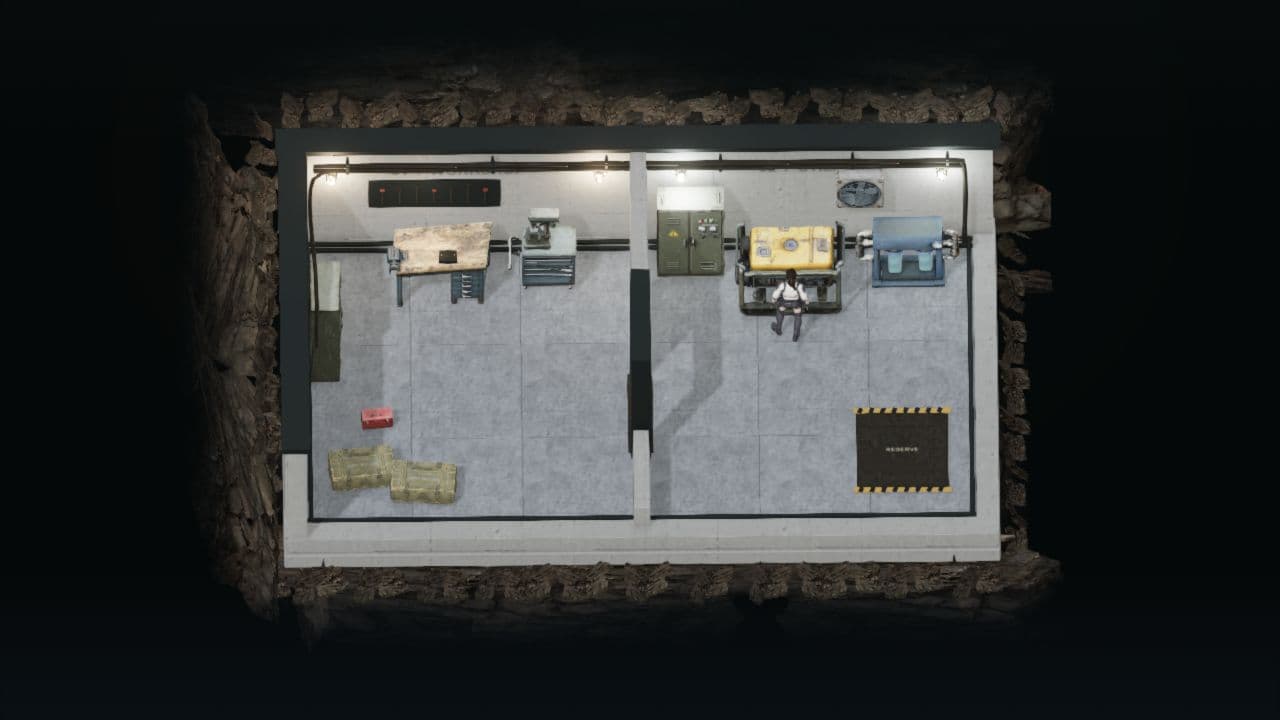
Browser base building games can mean very different things: routing resources into towers before zombies attack, buying barricades while steering a survivor, or growing a city through research and production. How much control you have over construction matters as much as who controls the fighting.
Five picks below are currently offered as browser games. Zombie Defence is an in-development browser Alpha, listed separately: its active desktop shooting and Scrap expeditions feed lasting shelter upgrades, but there is no public playable release. Among games you can access now, YORG.io has the clearest build-and-defend supply chain; the city builders shift combat toward armies and long-term strategy.
The quick comparison
6 games, different reasons to give the next run a chance.
Choose a game to jump to its overview. Platform lists are summaries; check the linked official edition.
The games
Zombie Defence
An active zombie shooter where Scrap expeditions and battles fund a shelter built around production stations.
- Manual aim (desktop)
- Extraction
- Shelter building
- Crafting
- Permanent progress
- Platforms
- Browser development build (Alpha); not a public playable release. Native mobile store releases are planned.
- Price model
- Freemium is planned; final launch pricing and monetization terms are unconfirmed.
On desktop, move, aim, fire, manage ammunition and reload through three-wave sector battles or separate Scrap expeditions. Pickups in an expedition remain yours after extraction, defeat or an interrupted page reload, subject to storage capacity. That makes each run useful for a next project without putting the entire carried haul at risk.
The shelter connects fixed rooms and stations: workers support production, weapon crafting and research, while crop systems add another use for supplies. Upgrades persist through defeat, so a combat outing can grow into lasting shelter progress. Construction is room-and-station management rather than free placement of walls or terrain; the distinction is what gives this Alpha its fit for players who want to shoot and build between runs.
The verdict
Choose it when you want each active outing to support a compact shelter economy. The fixed rooms keep construction focused on stations, staffing and what to upgrade next.
YORG.io
Connect mines, processors and transporters so your base can keep its towers supplied through zombie attacks.
- Base defense
- Platforms
- HTML5 browser game; a separate Windows Steam standalone is available.
- Price model
- Free browser access with ads; the separate Steam standalone is a paid purchase.
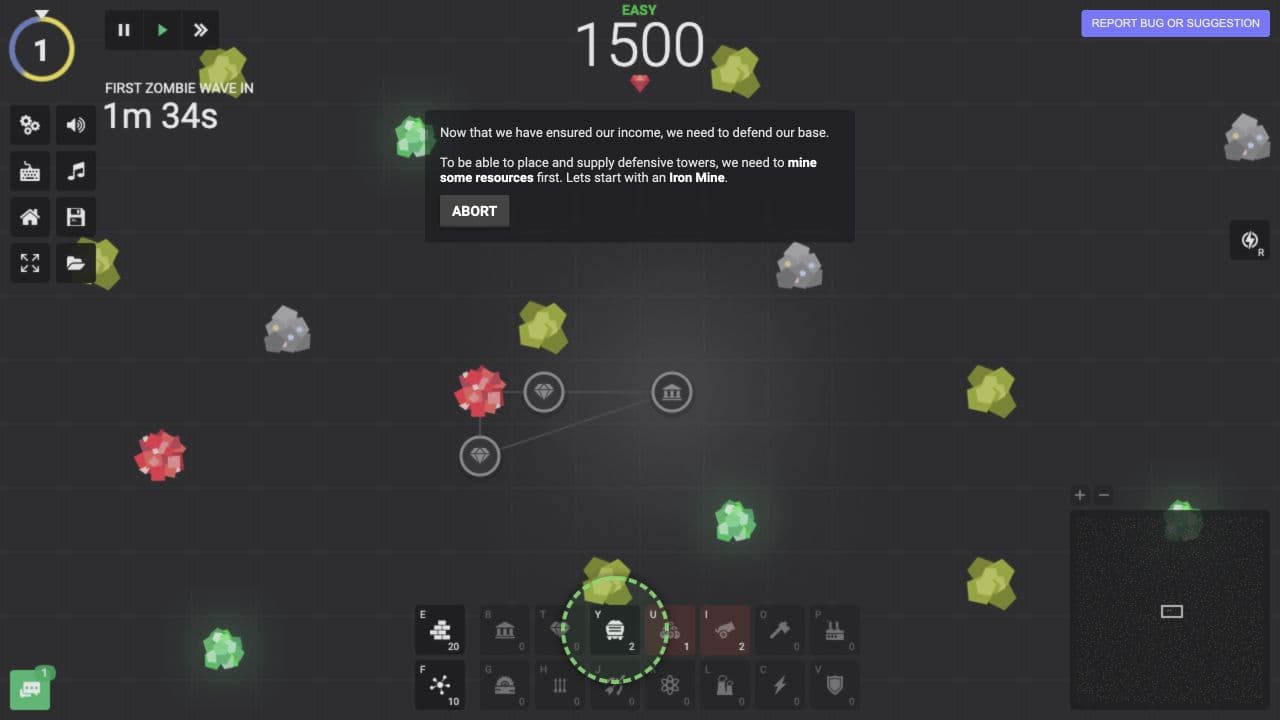
YORG.io makes the build plan the defense plan. Mines produce resources; processors turn those supplies into ammunition or other inputs; transporters move them through a network to towers. Resource nodes appear in different places from one game to the next, so the base layout has to follow what the map gives you rather than a fixed blueprint.
Daytime is for placing and upgrading the network, then zombies attack the structures at night. Towers fight for you, and the base falling ends that game, so combat means anticipating routes and keeping the supply lines connected instead of aiming a survivor yourself. It is the strongest live browser pick here for people who want construction choices to decide how defense works, though its focus is surviving waves rather than growing a town across a long campaign.
The verdict
Choose YORG.io when you want to plan a working defense network and let the towers handle the waves. Its paid Steam edition is separate from the free browser version.
Zombie Horde: Build & Survive
An overhead horde game where you move to direct automatic fire and buy defensive upgrades between rounds.
- Fast-paced
- Base defense
- Platforms
- Browser on desktop, mobile and tablet through CrazyGames; the page also lists a separate CrazyGames App for iOS and Android.
- Price model
- Free browser access through CrazyGames; the listing does not state separate game purchase terms.
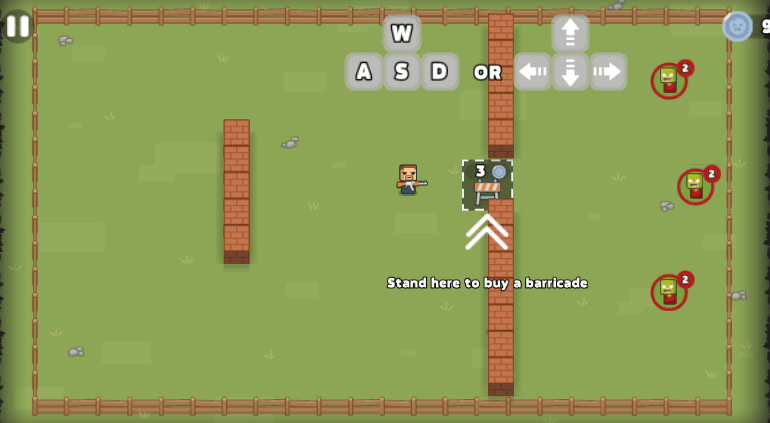
Each round begins with the survivor behind a wooden perimeter. You move to a purchase station to add a barricade, weapon, turret or spiked floor; barricades slow zombies but cannot kill them on their own. These are localized defenses around one fighter, not a permanent settlement with buildings that keep producing between visits.
The player steers and shots fire automatically in that movement direction, so the practical control choice is where to move while keeping fire on the horde. That makes Zombie Horde more immediate than YORG.io’s tower network, but less aim-specific than Zombie Defence’s implemented desktop shooting in its development build. The opening tutorial makes the first barricade purchase clear.
The verdict
Pick it for active movement and short-horizon defenses around one character. It offers a clearer hands-on combat loop than city strategy games, while YORG.io gives you more control over supply-chain construction.
Elvenar
Grow a fantasy city through productive buildings, technologies, exploration and army battles.
- Permanent progress
- Tactical combat
- Platforms
- Browser, iOS and Android.
- Price model
- Free browser registration and play; optional Diamonds can be purchased with real money.
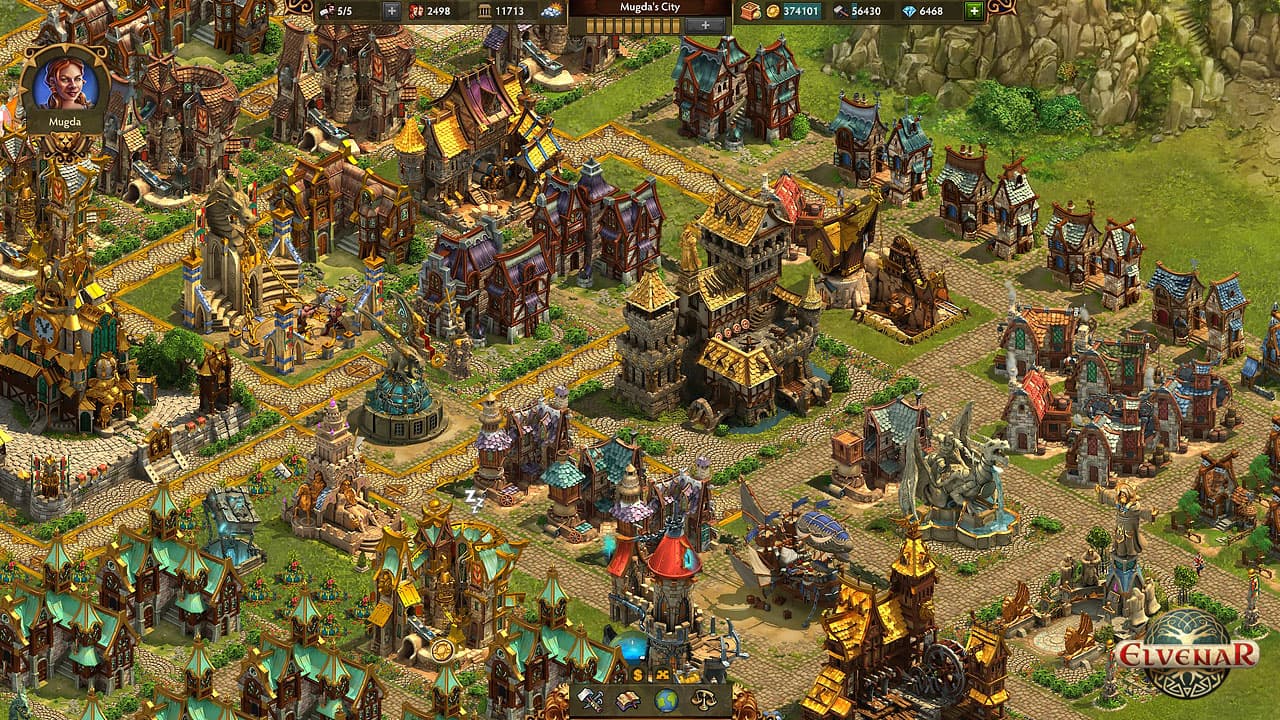
Choose humans or elves, then improve homes, workshops and other buildings to keep the city productive. Research and completed world-map provinces unlock city expansions, so city growth depends on both development decisions and progress beyond its streets. The change is visible: the official publisher describes building upgrades that can alter a structure's appearance as well as its output.
Elvenar also sends armies into fantasy battles, with city production and research supporting the wider strategy. Combat happens through army encounters rather than steering and aiming a survivor, so the contrast here is between growing a fantasy city and placing a quick defense perimeter. Its gentle look and long research chain make it a fit for players who prefer building a growing place. Browser play is free after registration, with optional paid Diamonds.
The verdict
Choose Elvenar for a fantasy city whose production, research and world-map progress reinforce one another. Its battles add strategy, while the building and economy loop remains the main attraction.
Forge of Empires
Build an evolving city whose production and research unlock new eras, structures and military units.
- Permanent progress
- Tactical combat
- Platforms
- Browser, iOS and Android.
- Price model
- Free browser registration and play; optional purchasable Diamonds and Forge Plus packages.
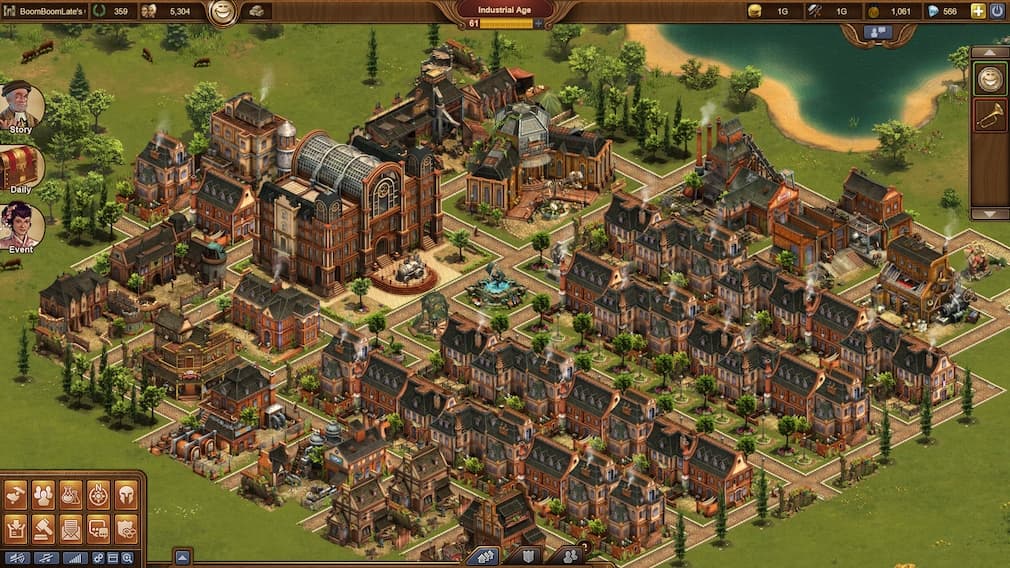
Forge of Empires takes a settlement from the Stone Age through later historical eras. Residents, production and building space set the economy; research unlocks structures and new military units. Your construction decisions support a longer arc of city development, with new eras changing what can be built rather than just adding another wall to a single attack map.
When you fight, unit matchups and terrain give you tactical choices on a turn-based battlefield. That is more hands-on than simply watching towers, but it remains army command rather than mouse-aimed shooting. The paid currency can accelerate progression, and optional Forge Plus packages assist different play styles; those are gameplay offers rather than purely cosmetic extras.
The verdict
Choose Forge of Empires when you want a city to change with its technology and historical era, then take your army into tactical turns. Elvenar offers a closer fantasy-city mood, while Forge leans into the history-spanning economy.
Tribal Wars
Upgrade a medieval village and build an army while neighboring players and alliances shape its future.
- Base defense
- Permanent progress
- Co-op
- Platforms
- Browser, iOS and Android.
- Price model
- Free browser registration with optional Premium Points and Premium Account. Paid benefits include extra building-queue and management features; some Premium Points can also be earned by trading resources.
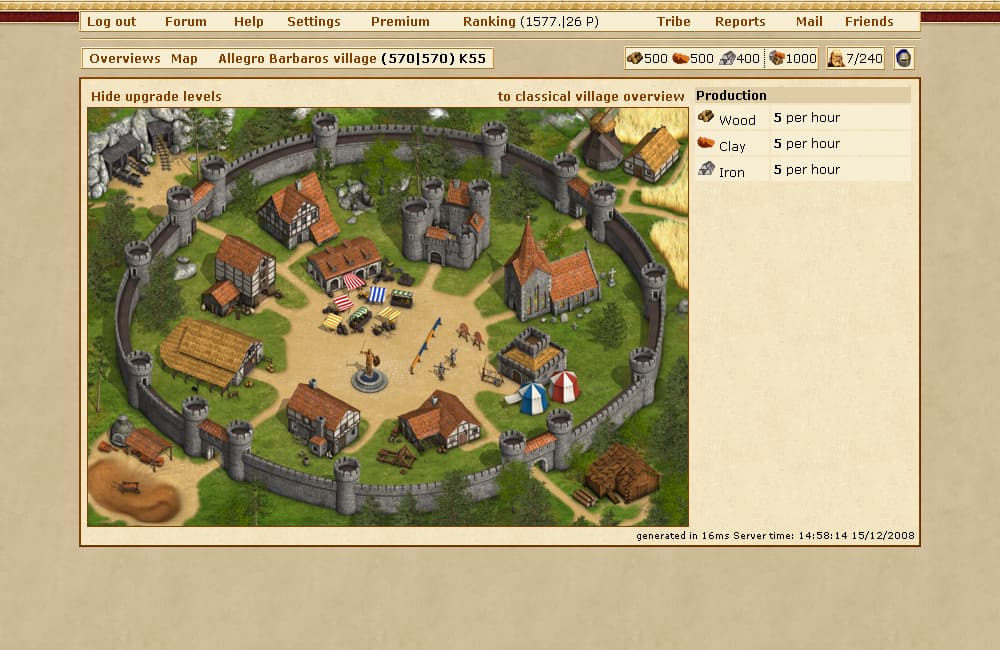
In Tribal Wars, buildings improve through headquarters menus and resource upgrades rather than unrestricted placement across a decorative city grid. Timber, clay and iron support each next level; prerequisites such as a warehouse can unlock more structures. Barracks and other military buildings turn the village economy into a force for defending or attacking neighboring villages.
Tribes coordinate, villages can be conquered, and the game offers ongoing worlds as well as much faster speed rounds. Combat is planned through troop selection, attack orders and the timing of support, not moment-to-moment movement. The result is a socially competitive form of village growth; its pace depends on the world you choose.
The verdict
Pick Tribal Wars if village construction is part of a social war plan and you want allies and rivals to shape development. For a self-contained zombie defense map, YORG.io is a closer fit.
How we compare
A good recommendation explains who a game suits and where it falls short. Our editorial scores use the same five criteria, each rated out of ten.
- 01
Combat
Controls, aiming, enemy readability, and the decisions you make under pressure.
- 02
Progression
Build choices during a run and meaningful progress between attempts.
- 03
Usability
Control demands, platform access, interface options, and documented device requirements.
- 04
Value
What the asking price includes, optional purchases, and the scope of the free version.
- 05
Fit
How well the game answers the specific question in this article.
Which one should you try?
Choose YORG.io for the most construction-driven zombie defense, or Zombie Horde: Build & Survive when you want to steer a survivor through horde pressure and add quick defenses. Elvenar and Forge of Empires turn city layouts, production and research into long-term growth and army battles; Tribal Wars makes village upgrades part of an alliance war. Zombie Defence links manual shooting and Scrap expeditions to lasting station upgrades, with fixed shelter rooms that keep building choices focused on running a compact home.
Your questions, answered.
Want to see what we’re building?
Zombie Defence is in Alpha. Join the waitlist.
More games to explore
- 11 Best Browser Zombie Games in 2026
Compare 10 playable browser zombie games for action, survival, defense and driving, plus Zombie Defence’s browser Alpha with shooting, extraction and shelter growth.
- 4 Browser Games for Short Sessions, Plus Zombie Defence in Alpha
Compare four playable browser games by their natural stopping points, timers, save controls and pauses, plus Zombie Defence’s separate in-development Alpha design.
- 6 Browser Horde-Survival Games, Plus Zombie Defence in Alpha
Compare six browser-playable horde games by how you manage rising enemy pressure, plus Zombie Defence in Alpha. See which are demos and which are full browser games.