4 Best Top-Down Extraction Shooters
Read the room, grab what matters and keep a way out. Four different takes on extraction from above.
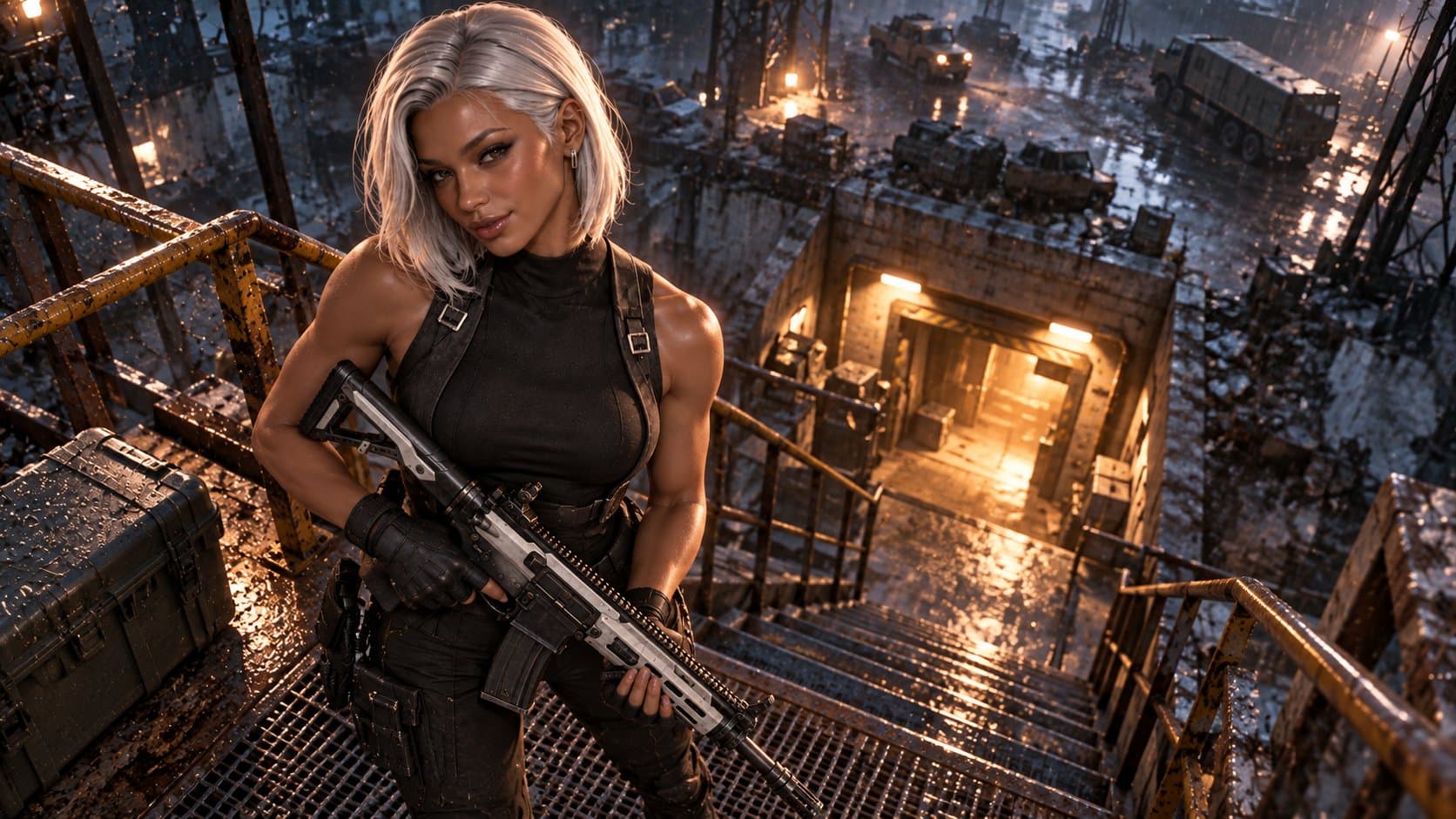
ZERO Sievert is our strongest pick for tactical top-down extraction: sightlines, a heavily customizable loadout and the route home all deserve your attention. Escape from Duckov wraps that tension in a brighter, quest-driven adventure. Shell Runner adds cyberpunk contracts and native online co-op. Zombie Defence brings zombie-filled streets, independent desktop aiming and a shelter that puts recovered Scrap to work; its browser Alpha is in development, with a waitlist for news and playtest availability.
An overhead camera changes the pleasure of an extraction shooter. You can judge the space around your character, see how a doorway narrows an approach and plan a retreat while aiming somewhere else. But a wider picture does not mean complete information. Walls, visibility rules, elevation and an open inventory can all complicate what looks like an easy pickup. The best choice is the one whose information and controls make those decisions interesting to you.
These four games cover distinct versions of that idea: a grim pixel-art wasteland, a scavenging duck adventure, a neon mercenary economy and a zombie shelter campaign. Each has a real loot-and-return loop. The comparison focuses on how you aim, what you can see while searching, what makes you leave and what a failed outing costs. An extraction marker alone tells you very little about the last part.
The quick comparison
4 games, different reasons to give the next run a chance.
Choose a game to jump to its overview. Platform lists are summaries; check the linked official edition.
The games
Zombie Defence
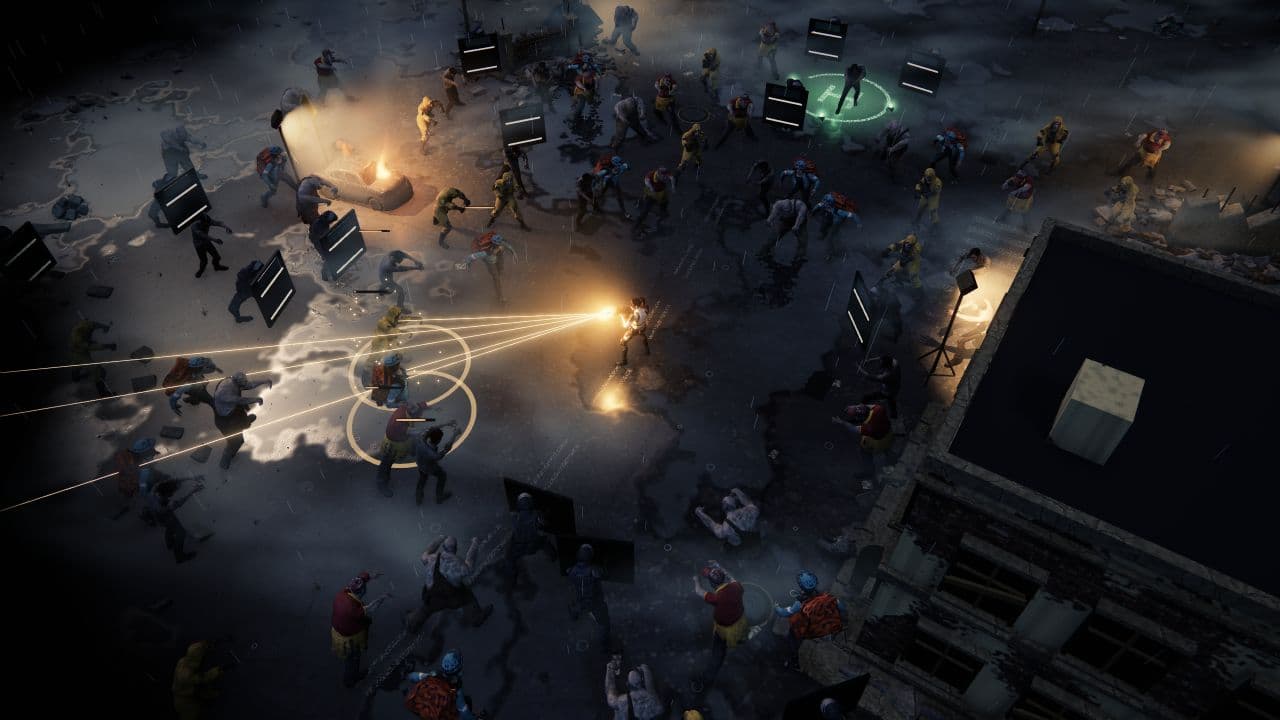
Zombie Defence makes the way back part of the fight: search a ruined city, keep a firing lane open and return to a visible extraction pad with supplies for your shelter.
- Manual aim (desktop)
- Extraction
- Shelter building
- Crafting
- Permanent progress
- Platforms
- Browser Alpha in development; single-player PvE. Native mobile releases are planned.
- Price model
- Public launch pricing and monetization terms are unconfirmed.
The useful camera question here is not just where the zombies are, but where you will stand after the next reload. On desktop, movement and cursor aim are independent, so you can draw a crowd away from a container while firing back into it. Streets, corners and solid cover shape the space available. Ricochet upgrades can redirect shots off surfaces, while cover can obstruct impact blasts. Those details give the elevated view a practical purpose: read the shape of the fight, then choose a line that leaves somewhere to move.
Scrap expeditions are separate from the three-wave sector battles and endless Scavenge mode. You enter a ruined city, search amber salvage containers for Scrap and field ammunition, then reach the green extraction pad and use E or the EXTRACT control. Radar helps with orientation, but it does not clear the path for you. Enemy pressure rises with time, making a container on the wrong side of the crowd a different proposition from one beside your return route. The satisfying decision is often to bank a useful outing before the direct way home becomes a running gunfight.
The resource loop gives that route a destination beyond a results screen. Recovered Scrap competes between station upgrades, weapon development, research and production. Reserving it for a crafting project can be more useful than immediately processing it into ammunition. Collected expedition Scrap is retained after extraction, defeat and settlement following an interrupted browser-page reload, up to shelter capacity; field rounds belong to the outing. You are protecting your opportunity to keep scavenging and finish on your terms, rather than wagering every collected resource on survival. Check storage before leaving so the next haul has room to matter.
Choose this approach if you want active horde control and a durable home project without rebuilding a lost equipment collection after every mistake. The tradeoff is a lighter form of extraction tension than Shell Runner's disposable bodies or ZERO Sievert's Hunter preset. Its current PvE experience is solo, and the shelter uses defined rooms and stations, so your main spatial problem is out in the streets. Desktop is also the relevant comparison for precision aiming: touch FIRE targets the nearest living enemy, leaving movement and timing under your control but changing how you select a target.
The verdict
A strong match for players who want to steer a horde, pick a return route and keep building a home even when an expedition goes badly.
ZERO Sievert
A compact overhead view hides a demanding extraction game: prepare the gun, read the terrain and resist turning a good haul into one fight too many.
- Manual aim
- Extraction
- Loot builds
- Tactical combat
- Platforms
- Windows PC; the official game is single-player.
- Price model
- Paid game.
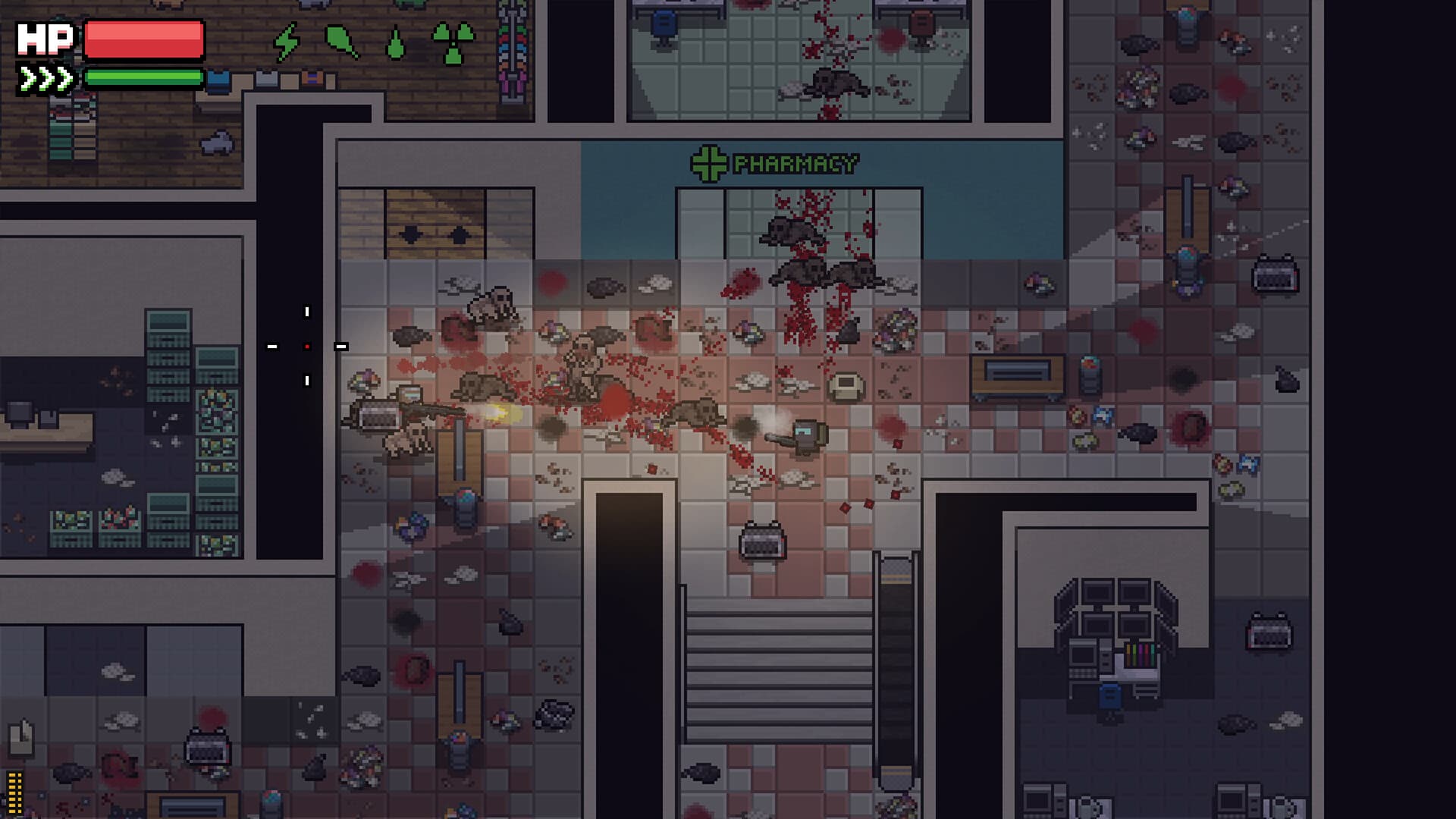
ZERO Sievert makes a useful distinction between seeing the terrain and seeing a threat. Its official survival guide treats blocked sightlines as part of survival, while procedural layouts reshuffle cover and loot between visits. A patch of ground that looks close on screen can therefore require a cautious approach. The tactical appeal is working out where to expose yourself, where to reload and when to leave a promising building alone. The pixel-art view keeps movement and weapon direction easy to compare spatially, but it still asks you to gather information rather than assume the whole room is safe.
Looting is where that information can slip away. An inventory full of weapons, ammunition and components invites you to stop watching the scene and start doing arithmetic. The August 2026 update added an option to close a chest or stash inventory when you take damage, a useful aid rather than permission to search carelessly. There is a similarly important detail at the exit: the developer's September tips explain that opening your inventory resets the extraction timer. Finish sorting, close it and let the departure complete. Standing at an extraction point with a menu open is not the same as having left.
Preparation gives the shooting its depth. Attachments, compatible ammunition, weapon skills and bunker modules let you build toward a preferred approach, while quests provide a reason to seek particular supplies. You can strip ammunition and accessories from enemy weapons instead of carrying every complete gun home. That is a good example of the game's appeal: the most valuable pickup may be a component that solves your next problem, not the largest object on the floor. It also explains the slower rhythm. A raid and its aftermath involve sorting, repairs and equipment choices as well as pulling the trigger.
Choose your death rules deliberately. The current Relaxed, Standard and Survivor presets keep starting gear, while Hunter puts most of that gear at risk too; a failed raid still does not bank its newly gathered haul. Custom settings let you tune the balance. That flexibility makes ZERO Sievert our first recommendation for players who want this perspective and a substantial equipment game, whether or not they want the harshest penalty. It remains an official single-player recommendation: the developer reaffirmed in October that original-game co-op comes from community mods, with official multiplayer reserved for ZERO Sievert 2.
The verdict
The best fit here for a methodical solo hunter who wants the camera to support tactical decisions and the inventory to matter beyond a single run.
Escape from Duckov
Duckov turns the overhead raid into a longer adventure of shopping lists, weapon projects and tempting detours, with enough difficulty control to let you choose the pressure.
- Extraction
- Crafting
- Loot builds
- Exploration
- Platforms
- Windows PC and macOS; the official game is single-player.
- Price model
- Paid game.
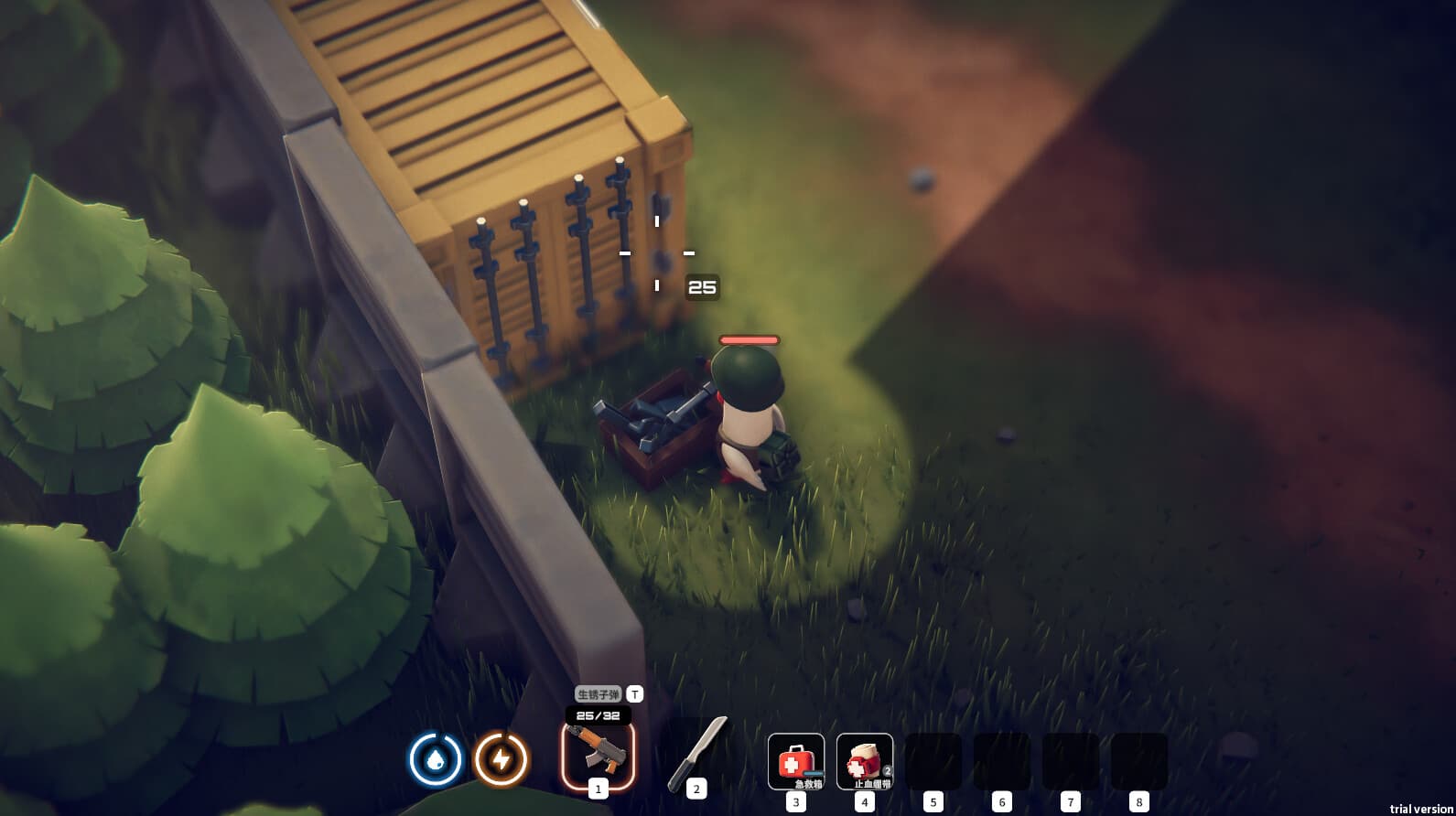
The ducks make a friendly first impression; the spaces between them still need reading. Duckov puts your character, nearby cover and the aiming direction into a three-dimensional overhead scene, then makes you choose between closing the distance, taking a longer shot or setting up an ambush. Large objects can block the player's view, so the raised camera gives you spatial context without exposing every threat behind it. The important habit is to separate a visible destination from a clear approach. A supply box beside a wall is an invitation to check the surrounding angles before settling into its contents.
Where ZERO Sievert emphasizes a hunter's equipment routine, Duckov is especially appealing when you want an adventure to organize the scavenging. NPC quests, blueprints, hideout facilities and skill trees create overlapping reasons to revisit an area. One trip might be for a weapon project; another might push a quest forward and bring back material for the base. That helps answer the question every attractive piece of junk creates: do I need this now? Heading out with a short priority list gives the overhead exploration a useful focus and makes it easier to ignore a detour once the important item is secured.
Its progression also changes the way you read a fight. Weapon modifications and ranged, melee and character upgrades let you develop a style rather than rely on the starting gun indefinitely. Lab Area 37, added in February 2026 alongside new quests and equipment, extends the search into a winter-themed area. New destinations give those upgrades a purpose: there is another place to prepare for, rather than simply a larger pile to collect. The cost of all that progression is attention: returning home means comparing equipment, crafting and choosing what to pursue next. Choose it for that alternating rhythm, rather than expecting uninterrupted arcade shooting.
Difficulty is the main reason to start here if the theme appeals but the genre intimidates you. The official game offers presets and Custom rules, including a Scavenge preset aimed at low-intensity looting. Under recovery-enabled death rules, dropped belongings can be retrieved from your latest death location; another death can replace that recovery chance, while the support dog's limited inventory protects some items. Check the selected rules before treating every carried object as equally safe. Duckov works best for a solo player who likes an expedition to become a story about an errand, a bad decision and a cautious return.
The verdict
Pick Duckov for a substantial solo adventure in which the raid serves a quest or a home project, with difficulty controls to help find your preferred pressure.
Shell Runner
Shell Runner puts a replaceable body on the line along with its equipment, making the view from above a way to plan a profitable job and a survivable exit.
- Manual aim
- Extraction
- Co-op
- Loot builds
- Platforms
- Windows PC; solo or online co-op. Version 1.0 released in April 2025.
- Price model
- Paid game.
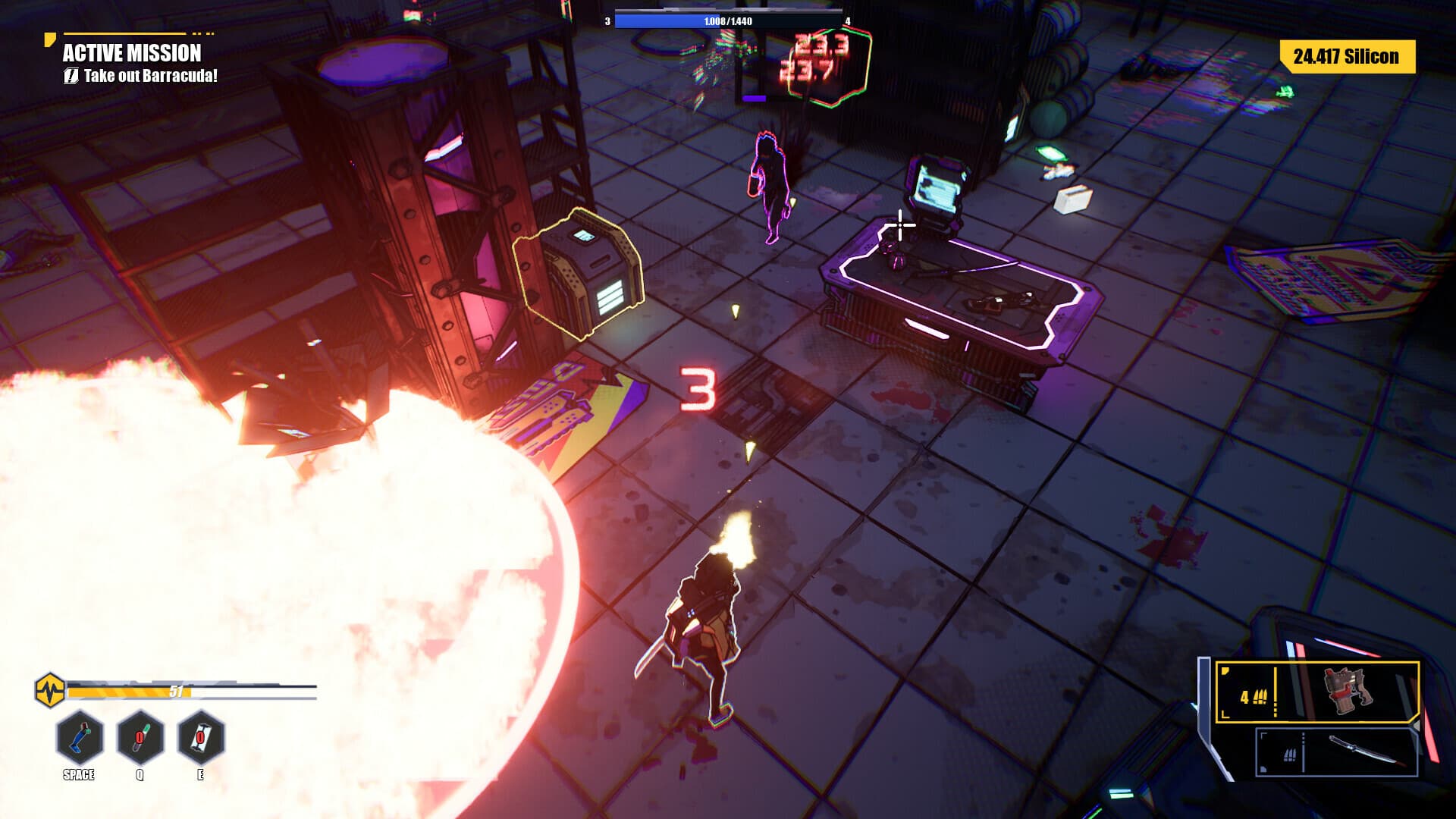
The defining gamble starts before the gunfight: your Shell is a remotely controlled body that can be lost with its carried gear, gathered loot and mission-earned Silicon. Choosing the body and equipment therefore sets the stakes of the next contract. The overhead cyberpunk streets give you room to judge an approach, but ranged enemies and close attackers still demand active aiming and movement. This is the pick for players who want a successful return to preserve something genuinely exposed to loss. Bringing an expensive setup should feel like a decision, not the automatic next step whenever the inventory offers one.
Its three-dimensional levels add a camera problem that flat-looking screenshots can hide: the target and the shooter may occupy different heights. The 1.0 update introduced ranged-weapon laser pointers specifically to help with that aiming relationship, alongside clearer hit feedback and a visible carried-ammo count. Controller support and keyboard remapping also arrived with the full release. That makes it worth considering if you prefer a gamepad for moving through a fight, or need to reshape the keyboard layout around your own habits. Even with aiming aids, keep checking whether your chosen position gives the weapon a useful line instead of simply placing the cursor over the enemy.
Contracts give the field trip more structure than wandering until the bag feels full. District progression is tied to reputation, with keycards obtained in ordinary jobs opening boss missions. Extraction contracts ask you to find special items and bring them back; Sabotage and Holdout jobs change what demands your attention before departure. The mission rework kept procedural level generation while making mission types deliberately selectable. For overhead play, that means you can decide what sort of spatial problem you want: search through a layout, reach a target or defend an objective while threats approach.
Back at the workbench, unwanted gear can become crafting modules, equipment can gain levels and rarity, and modifications can be transferred at the cost of the donor item. Loot therefore has a second life even when it is not something you want to carry. Native online co-op makes Shell Runner the group option in this shortlist, but it does not remove the value of restraint: the underlying economy still rewards returning with a Shell intact. Choose it if preparing, risking and replacing a build sounds exciting. Choose a gentler retention model if losing the kit would mainly discourage you from using it.
The verdict
The most useful choice here for friends who want overhead extraction with cyberpunk gear stakes and a mission board that gives the next run a clear job.
How we compare
A good recommendation explains who a game suits and where it falls short. Our editorial scores use the same five criteria, each rated out of ten.
- 01
Combat
Controls, aiming, enemy readability, and the decisions you make under pressure.
- 02
Progression
Build choices during a run and meaningful progress between attempts.
- 03
Usability
Control demands, platform access, interface options, and documented device requirements.
- 04
Value
What the asking price includes, optional purchases, and the scope of the free version.
- 05
Fit
How well the game answers the specific question in this article.
Which one should you try?
Start with ZERO Sievert if you want careful overhead tactics and a deep equipment routine. Choose Escape from Duckov when quests and hideout projects should give every trip a direction, or Shell Runner when native co-op and losing a carried build are part of the attraction. Zombie Defence offers a different kind of satisfaction: make space through a horde, find the extraction pad and turn collected Scrap into a home that keeps improving. Before committing, decide which part you most want to learn: reading threats, managing a loadout, planning an errand or directing a crowd. That answer matters more than how punishing the genre is supposed to be.
Your questions, answered.
Want to see what we’re building?
Zombie Defence is in Alpha. Join the waitlist.
More games to explore
- Extraction Shooters for Beginners: 4 Starting Options
Find your first extraction game with clear difficulty choices, gear-loss rules and practical starting plans for Duckov, ZERO Sievert, FatalZone and Zombie Defence.
- 4 Best PvE Extraction Games Without PvP
Compare four AI-only extraction games by solo or co-op support, gear loss, retained progress and access, from Duckov to Zombie Defence’s browser Alpha.
- 7 Best Single-Player Extraction Shooters in 2026
Compare seven solo PvE extraction shooters by combat, risk, progression, platform and price, from ZERO Sievert and Escape from Duckov to Zombie Defence.