7 Games Like Deep Rock Galactic: Survivor for Mining and Swarm Runs
Choose between timed mining defense, fast arena builds, and progression that keeps paying off after a run.
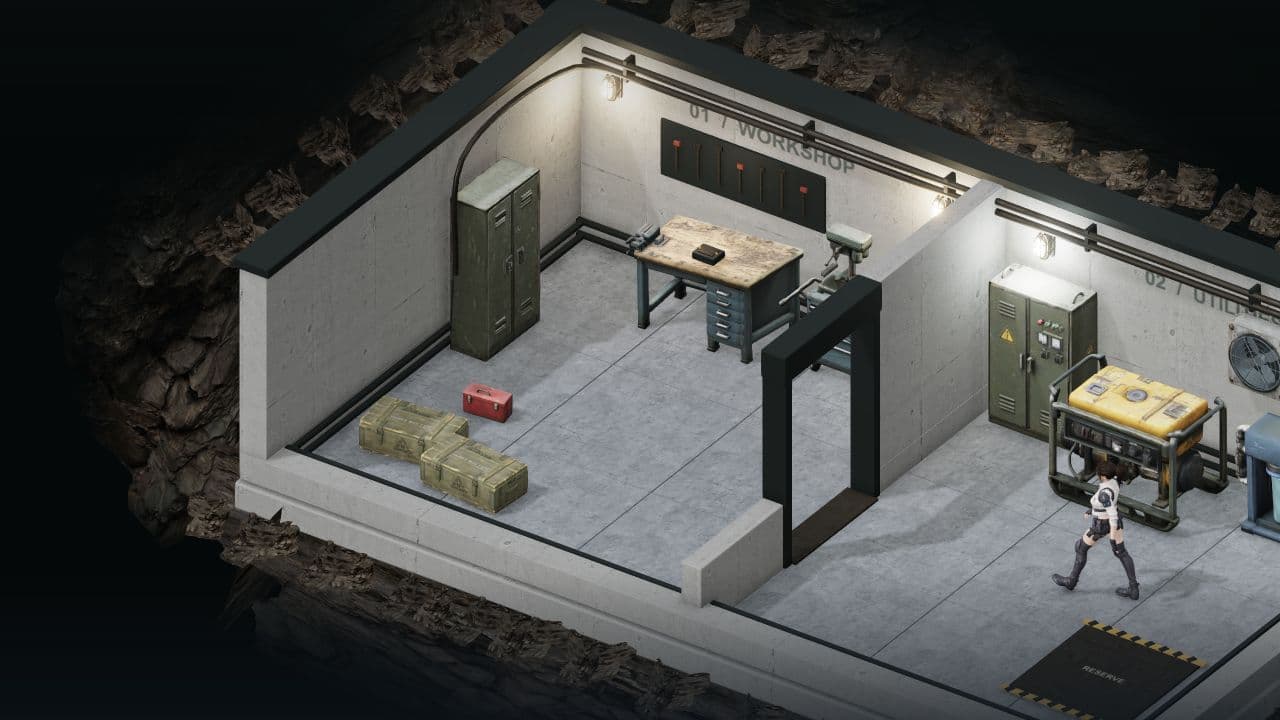
Deep Rock Galactic: Survivor combines three pleasures: mine a changing cave, steer through an alien swarm while your weapons auto-fire, then spend what you earned on stronger gear and another mission. Dome Keeper is the closest structural match here: dig between attacks, haul resources to a base, and decide whether to push deeper or prepare the defenses.
Wall World brings a similar mine-and-defend rhythm to a mobile base. Brotato, Halls of Torment, Yet Another Zombie Survivors, and Soulstone Survivors are stronger picks when you mainly want crowd movement, build choices, and unlocks. Zombie Defence offers a different progression comparison: manual zombie shooting, Scrap expeditions, and a persistent shelter, without mining or cave destruction.
The quick comparison
7 games, different reasons to give the next run a chance.
Choose a game to jump to its overview. Platform lists are summaries; check the linked official edition.
The games
Dome Keeper
The closest resource-pressure match: every extra tunnel can pay for upgrades, but it also leaves less time to reach your dome.
- Exploration
- Base defense
- Roguelite
- Platforms
- Windows, macOS, and Linux via Steam
- Price model
- Paid Steam game with a demo; optional paid gameplay DLC
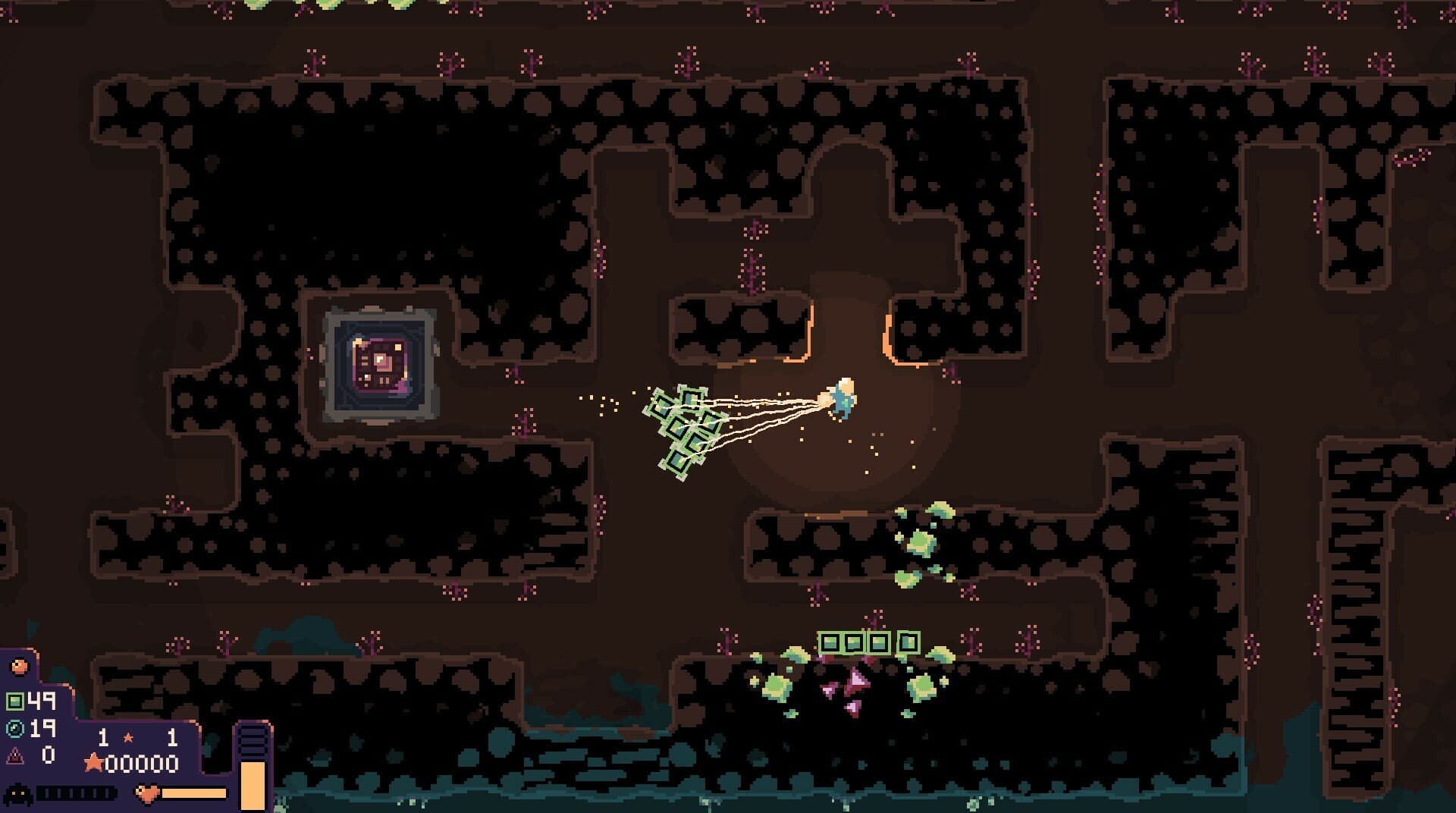
Between alien attacks, dig procedurally generated tunnels and carry mined resources home. Spend them on drill, movement, and defense upgrades; relics and gadgets are separate discoveries.
Push farther for a better haul, or return before the dome is exposed. This is Survivor’s closest mining-pressure match, but its gunplay defends one fixed base. Co-op and versus modes are available; paid Lost Keepers adds two keepers and assignments.
The verdict
Pick Dome Keeper when the memorable part of Survivor is weighing one more resource trip against a looming wave. Its mining-to-defense loop is the strongest direct match, even though the gunplay is more stationary.
Zombie Defence
Trade cave mining for hands-on shooting, extraction, and a persistent production-and-research shelter.
- Manual aim (desktop)
- Extraction
- Shelter building
- Crafting
- Permanent progress
- Platforms
- Browser Alpha (development build); native mobile stores are planned.
- Price model
- Freemium planned; launch pricing and monetization terms are unconfirmed.
Zombie Defence links a shooting outing to a continuing resource plan. Its desktop development build uses cursor aim, firing, ammunition, and reloads; separate Scrap expeditions send you through a city to collect materials and extract. Scrap gathered in those outings is retained after extraction or defeat, subject to storage limits. That turns a run into a choice about what to invest in next, while remaining quite different from digging a route through a cave or destroying the terrain.
Back at the shelter, resources can feed production, weapon crafting, research, room and station upgrades, workers, or cultivation. Shelter investments persist through defeat, and food can support later expeditions. You can choose between short sector battles, open-ended scavenging, and Scrap expeditions depending on whether you want a compact defense, longer horde pressure, or a haul to bring home. Shelter layouts use upgraded rooms and stations rather than freeform construction.
The verdict
Choose Zombie Defence if you want combat resources to feed a persistent shelter more than you want the exact mining loop. Its stronger manual-input focus changes the feel of every horde, while the fixed stations keep the base side structured.
Brotato
A tighter arena take on swarm survival, with six weapon slots and materials to spend between timed waves.
- Fast-paced
- Short runs
- Roguelite
- Loot builds
- Platforms
- Windows, macOS, and Linux via Steam
- Price model
- Paid Steam game; optional gameplay DLC is sold separately
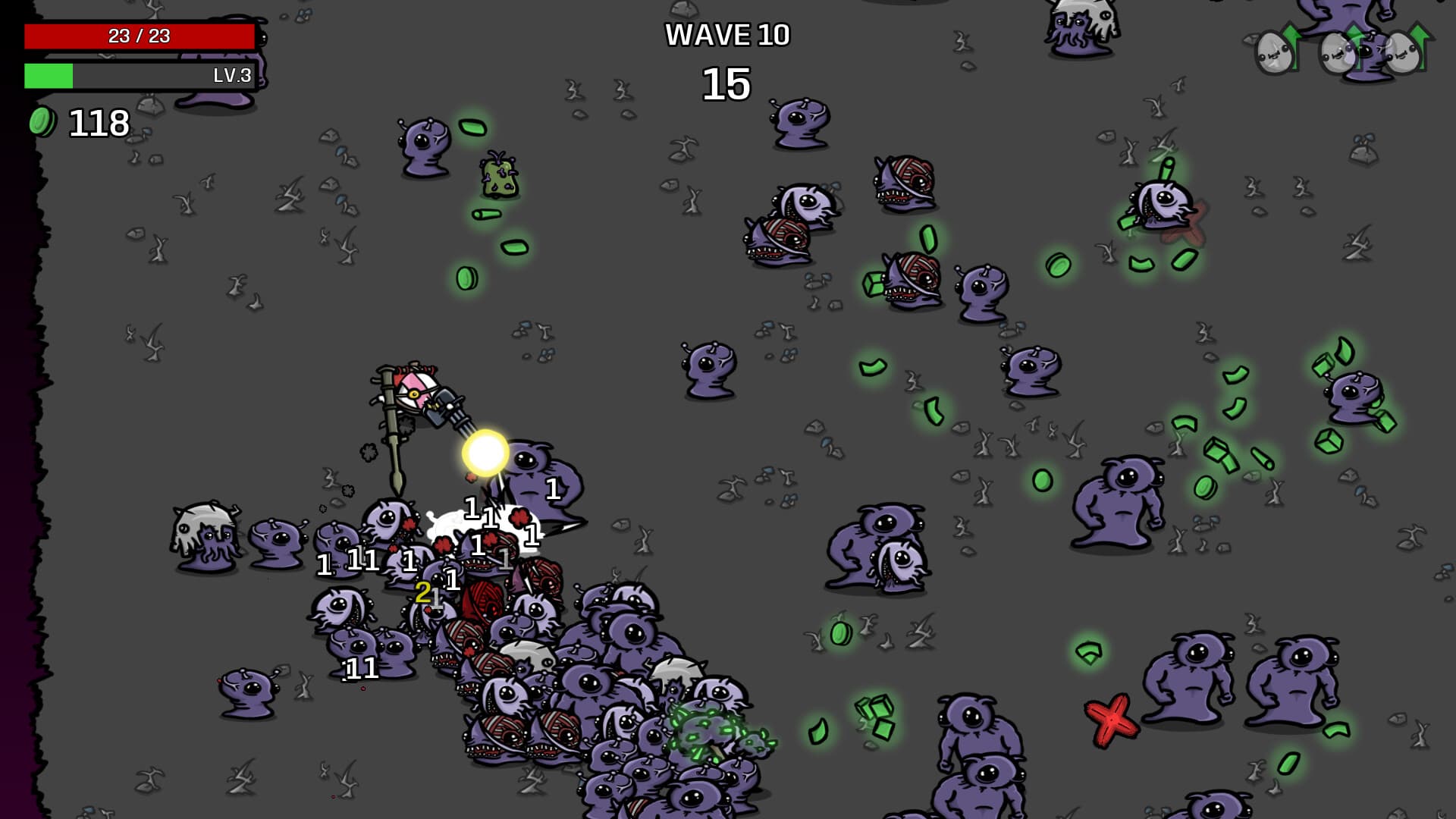
Brotato strips away mining and makes the build shop the resource puzzle. Weapons auto-fire by default, manual aim is available, and each potato can carry up to six weapons. You gather materials while dodging a compact crowd, then use the shop between short waves to tune damage, defense, speed, and other stats. The key decision is whether an item supports your current combination or solves the weakness that is about to end the run.
Its arena is much smaller than Hoxxes and there is no extraction objective, but the pace of collecting, upgrading, and moving through pressure makes it an easy recommendation for the Survivor half of the query. Characters alter the constraints on a build, while local co-op is available on Steam. Choose it for clear, frequent loadout choices rather than exploration or a persistent mining economy.
The verdict
Pick Brotato if you mainly want quick, legible build decisions while a crowd closes in. It captures the horde-and-upgrade cadence, but skips mining and the sense of crossing a larger cave.
Wall World
Mine vertically along a vast wall, return to your robospider before attacks, and spend discoveries on survival upgrades.
- Roguelite
- Exploration
- Base defense
- Platforms
- Windows PC via Steam
- Price model
- Paid Steam game; optional paid story expansion and soundtrack
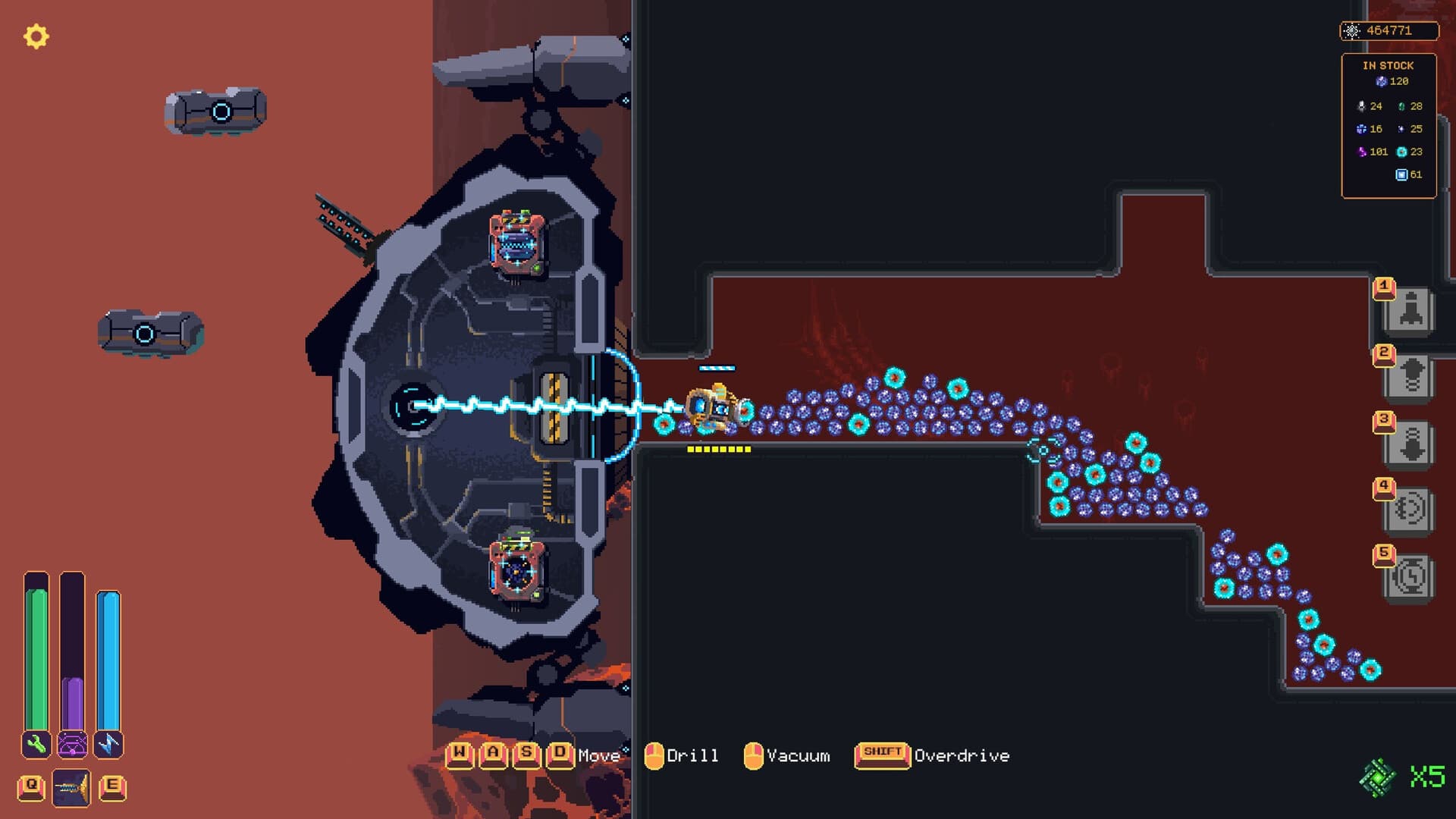
Wall World gives you a mobile robospider instead of a fixed drop pod or a survivor wandering through a cave. Climb the wall, enter mine locations for resources and technologies, then get back before monsters attack. Those materials improve the exosuit’s movement and mining or the spider’s combat, and discovered blueprints let you build automatic turrets, repair stations, and resource harvesters.
The recurring question—how long to keep mining before the next fight—will feel familiar to a Deep Rock player. Combat takes place beside the spider and along the wall, so this is a side-view mining defense roguelite rather than a top-down bullet heaven. The separate Deep Threat expansion adds a story and more biomes, while the base game’s loop stays centered on mining, upgrading, and surviving the next attack.
The verdict
Choose Wall World when you want actual mining and increasingly dangerous defense in a compact loop. Its spider is a useful base to upgrade, but it does not recreate Survivor’s top-down movement through open caves.
Halls of Torment
Trade mining for old-school dungeon crawling, boss fights, and quest-driven progress between runs.
- Roguelite
- Loot builds
- Short runs
- Permanent progress
- Platforms
- PC via Steam
- Price model
- Paid Steam game; optional paid Boglands gameplay expansion
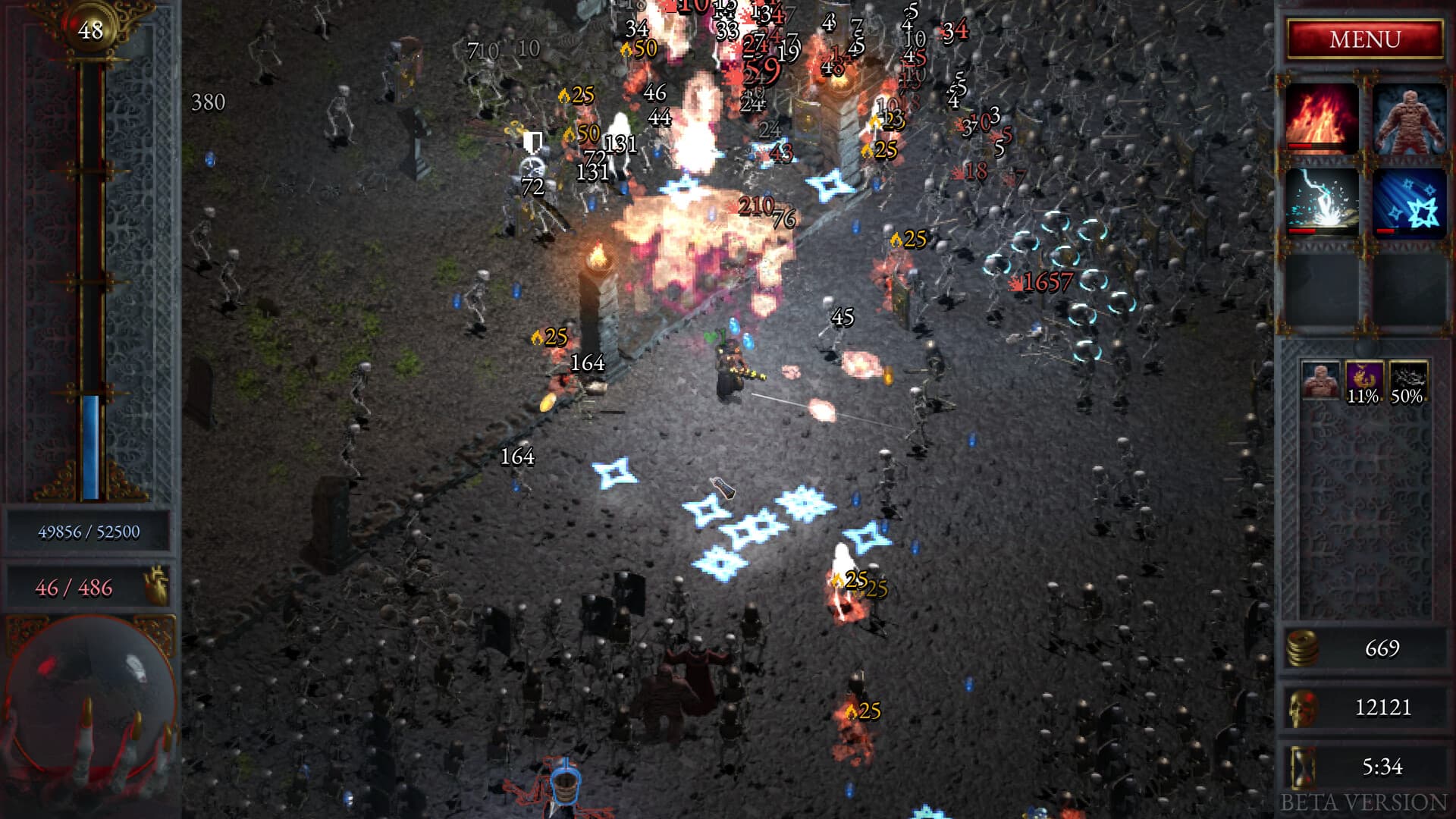
Halls of Torment is a horde survival game with a pre-rendered, late-90s RPG look. Select a hero, descend into an underground stage, and build around traits, abilities, and equipment while waves lead toward a boss. It offers the subterranean mood and steady pressure of a Deep Rock run without its drilling: movement and build choices carry the action, while dungeon objectives give you more to do than circle a single arena.
Quest-based metaprogression, character and class unlocks, and unique items sent back to the overworld make a run feed the next one. That recovered-item idea is a good fit if you like bringing something home, although it is equipment and customization rather than mined ore funding a shelter. The large trait and item pool rewards planning, but it also creates more menus and combinations to learn than Brotato’s quick shop.
The verdict
Pick Halls of Torment for dungeon progression and a satisfying recovered-item loop. It shares underground horde pressure, but its long-term rewards are quests and equipment rather than a mining economy.
Yet Another Zombie Survivors
A zombie-focused auto-shooter that turns upgrade picks into a coordinated squad and permanent team growth.
- Roguelite
- Squad builds
- Short runs
- Permanent progress
- Platforms
- Windows PC via Steam; PlayStation 4 and PlayStation 5
- Price model
- Paid game; free Steam demo available; optional soundtrack
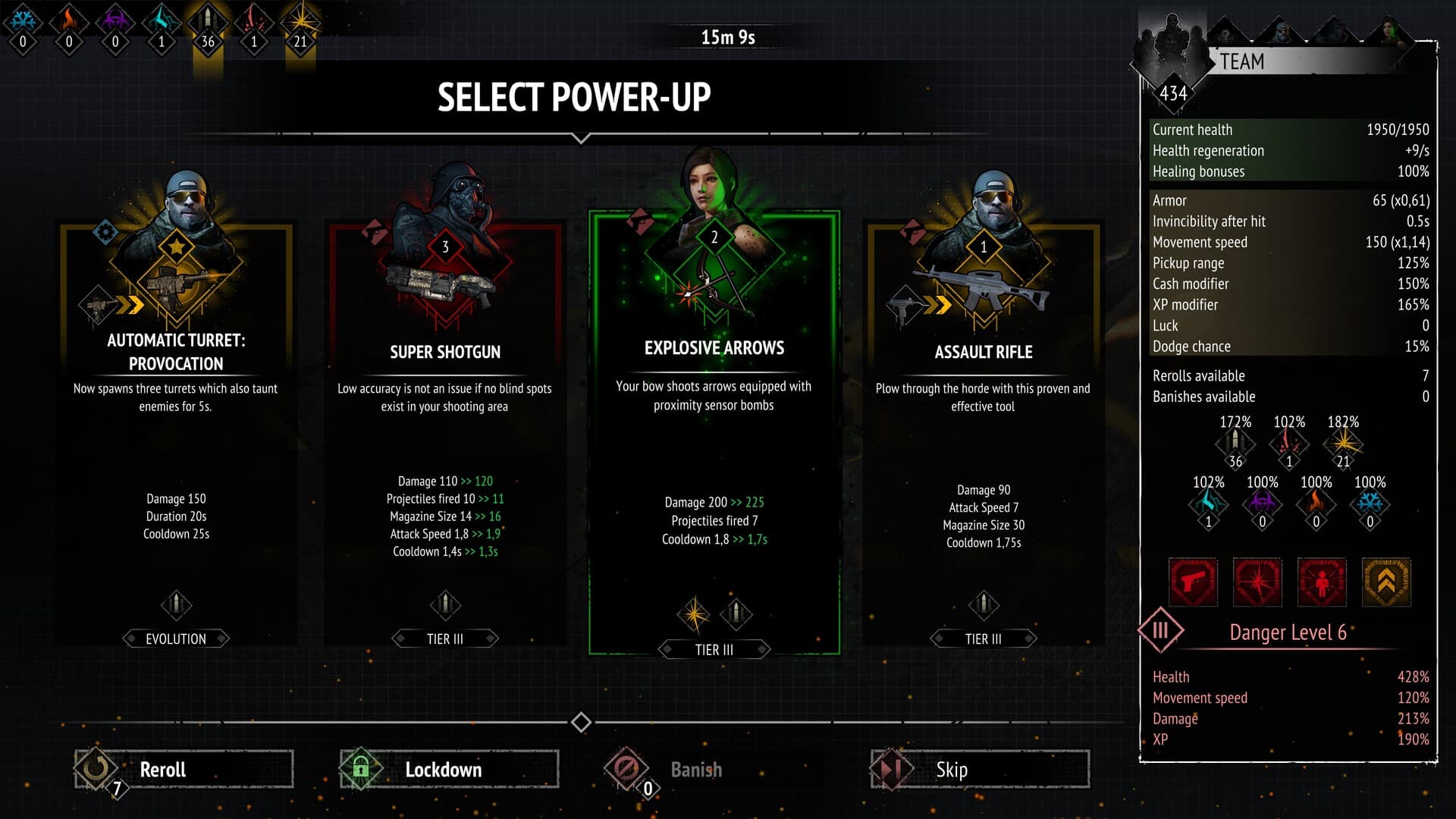
Yet Another Zombie Survivors keeps the swarm-survival frame but swaps alien caves for survivors fighting the undead. Characters aim and shoot automatically; during a run, choose perks and support skills, specialize a favorite survivor, and build combinations across the team. The result is closer to an auto-shooter than to manual mining, with positioning and squad composition supplying the main tactical choices.
Between runs, permanent squad upgrades and prestige support longer-term growth. The Survivors Base adds character missions, conversations, and radio transmissions, making it a small narrative hub rather than a production economy. That gives it a clearer zombie progression identity than the mining picks, but it has no diggable terrain or ore-funded mission objectives. A free Steam demo lets you sample its run structure before buying.
The verdict
Choose Yet Another Zombie Survivors if you want the horde, squad-building, and lasting upgrades with a zombie setting. It trades cave exploration and manual resource handling for team synergies and character-focused progression.
Soulstone Survivors
A fantasy survivor-like for players who want to keep refining builds after the next wave appears.
- Roguelite
- Loot builds
- Crafting
- Permanent progress
- Platforms
- Windows, macOS, and Linux via Steam
- Price model
- Paid Steam game; optional soundtrack and Supporter Pack
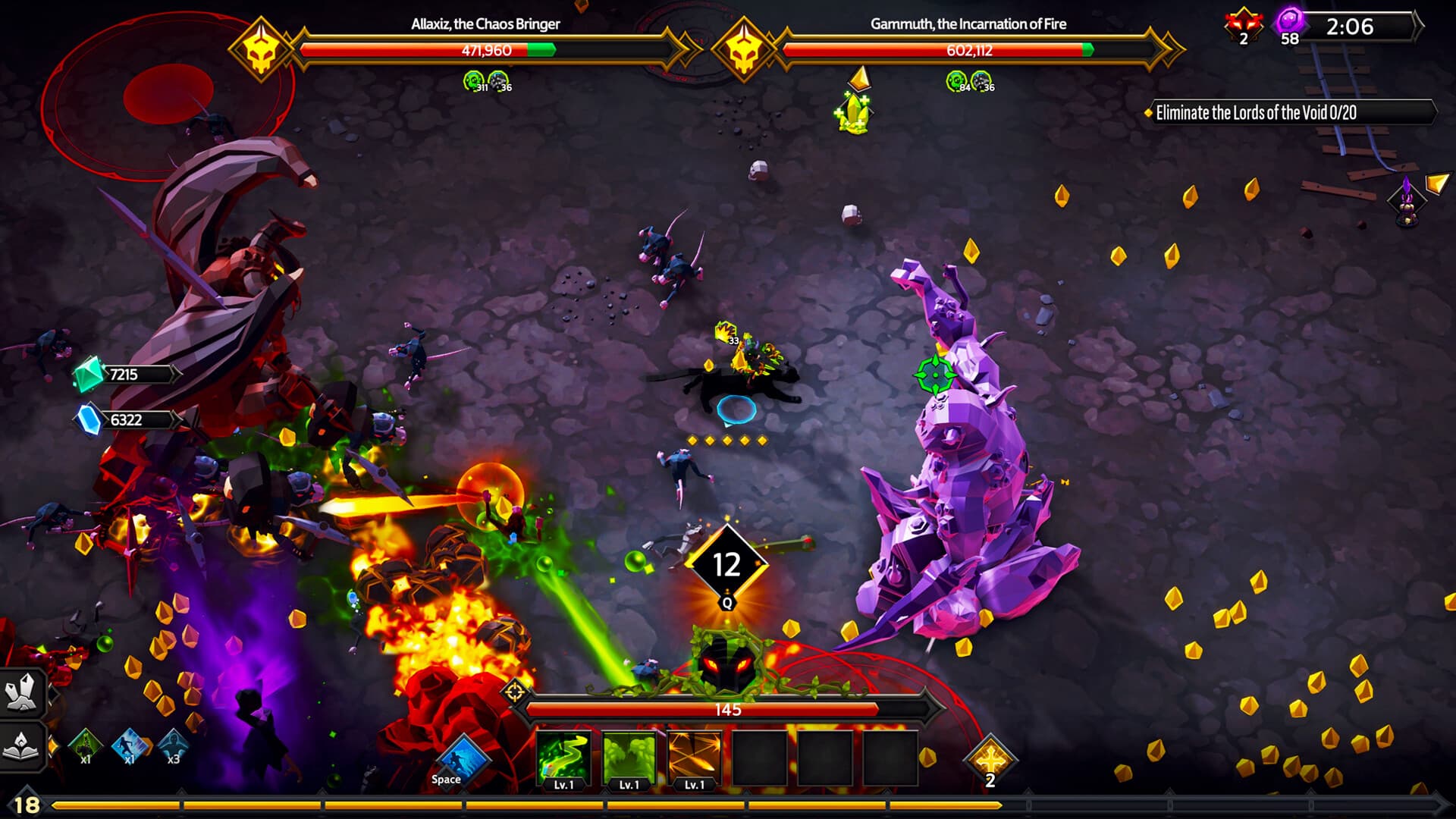
Soulstone Survivors is the build-depth choice. Steer a Void Hunter through hordes and large bosses, choosing active and passive skills that can combine into screen-clearing effects. Its listed 350-plus skills, multiple maps and modes, and curses give you many levers to tune a run. Compared with Survivor, the focus moves away from ore, pickaxe routes, and mission extraction toward ability combinations and weapon crafting.
Characters, a substantial skill tree, and more than 100 craftable weapons add a persistent progression layer. That is useful if you enjoy unlocking new options long after the first build clicks, but it makes menus and planning a bigger part of the loop. It remains a single-player fantasy arena game, not a mining sim; optional Steam items are the soundtrack and Supporter Pack rather than required gameplay expansions.
The verdict
Pick Soulstone Survivors when your favorite part is engineering a stronger build against waves and bosses. It offers more build surface than mining simulation, so it is a looser match for the resource side of Deep Rock.
How we compare
A good recommendation explains who a game suits and where it falls short. Our editorial scores use the same five criteria, each rated out of ten.
- 01
Combat
Controls, aiming, enemy readability, and the decisions you make under pressure.
- 02
Progression
Build choices during a run and meaningful progress between attempts.
- 03
Usability
Control demands, platform access, interface options, and documented device requirements.
- 04
Value
What the asking price includes, optional purchases, and the scope of the free version.
- 05
Fit
How well the game answers the specific question in this article.
Which one should you try?
For mining that feeds a defense, start with Dome Keeper; Wall World is the more mobile, side-view variation. For a roaming horde build, try Brotato, Halls of Torment, Yet Another Zombie Survivors, or Soulstone Survivors according to whether you prefer quick shop decisions, dungeon quests, zombie squad synergies, or a deep skill tree. If you want a shooter where each outing pays into a persistent shelter, Zombie Defence is a strong alternative: Scrap expeditions feed production, crafting, research, and crops after hands-on zombie combat.
Your questions, answered.
Want to see what we’re building?
Zombie Defence is in Alpha. Join the waitlist.
More games to explore
- 11 Best Vampire Survivors Alternatives in 2026
Compare ten released Vampire Survivors alternatives and one development-stage option by combat, progression, platforms and fit.
- 7 Best Games Like Brotato in 2026
Looking for games like Brotato? Compare seven horde-survival roguelites by weapon choices, wave pacing, build tradeoffs, platforms, and price model.
- 7 Games Like Megabonk for Horde-Survival Fans
Compare seven games like Megabonk, from Risk of Rain 2's third-person horde runs to top-down build-focused survivors and Zombie Defence's extraction shelter loop.