7 Games Like Halls of Torment With Lasting Upgrades
Seven survivor-likes that turn a run into something you can build on, from carried equipment to a growing shelter.
Halls of Torment already has lasting progression: quests, blessings, class marks, tinctures, a late-game Shrine, and unique items you can send back to customize later runs. Each alternative emphasizes a different kind of carryover.
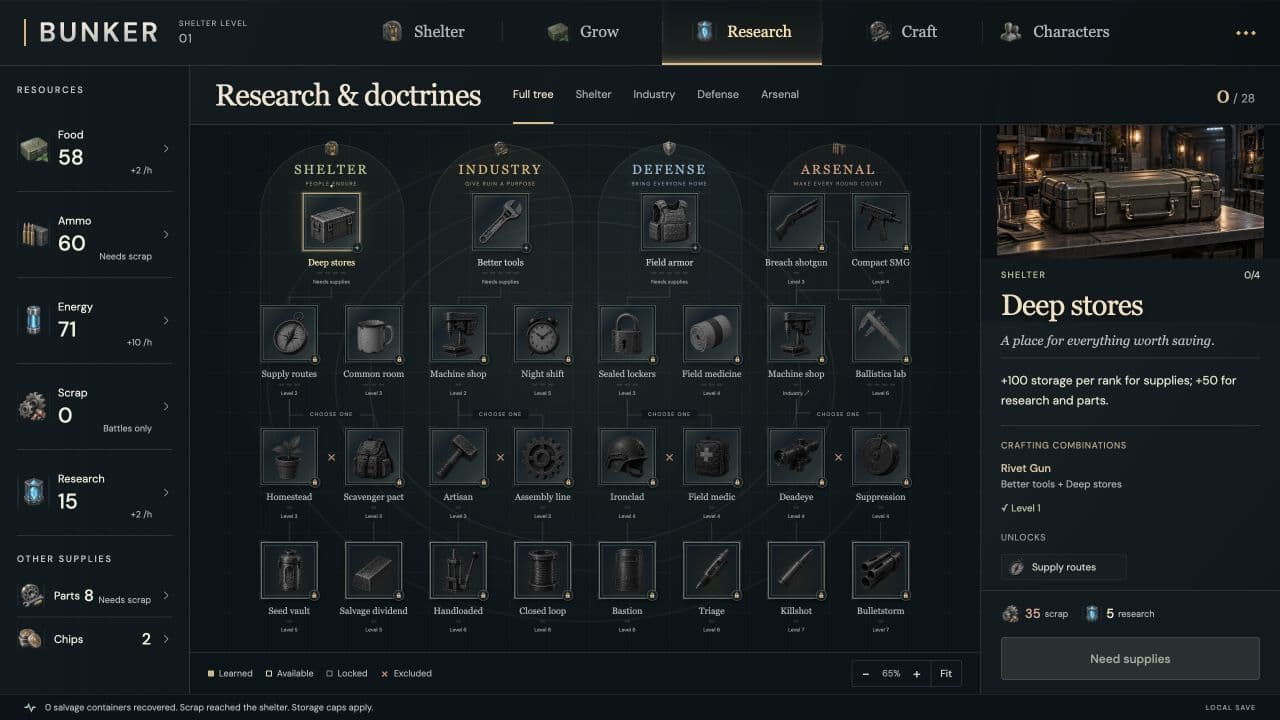
Death Must Die and Rogue: Genesia make equipment the chase. Zombie Defence ranks third for desktop aim, Scrap expeditions, and a shelter that crafts, researches, produces, and grows crops. The rest focus on skill trees, camp management, or quick unlocks.
The quick comparison
7 games, different reasons to give the next run a chance.
Choose a game to jump to its overview. Platform lists are summaries; check the linked official edition.
The games
Death Must Die
A dark-fantasy bullet heaven where godly blessings shape the run and collected gear can strengthen later attempts.
- Roguelite
- Loot builds
- Short runs
- Permanent progress
- Platforms
- Windows and macOS via Steam
- Price model
- Paid Early Access game; its content is still in development.
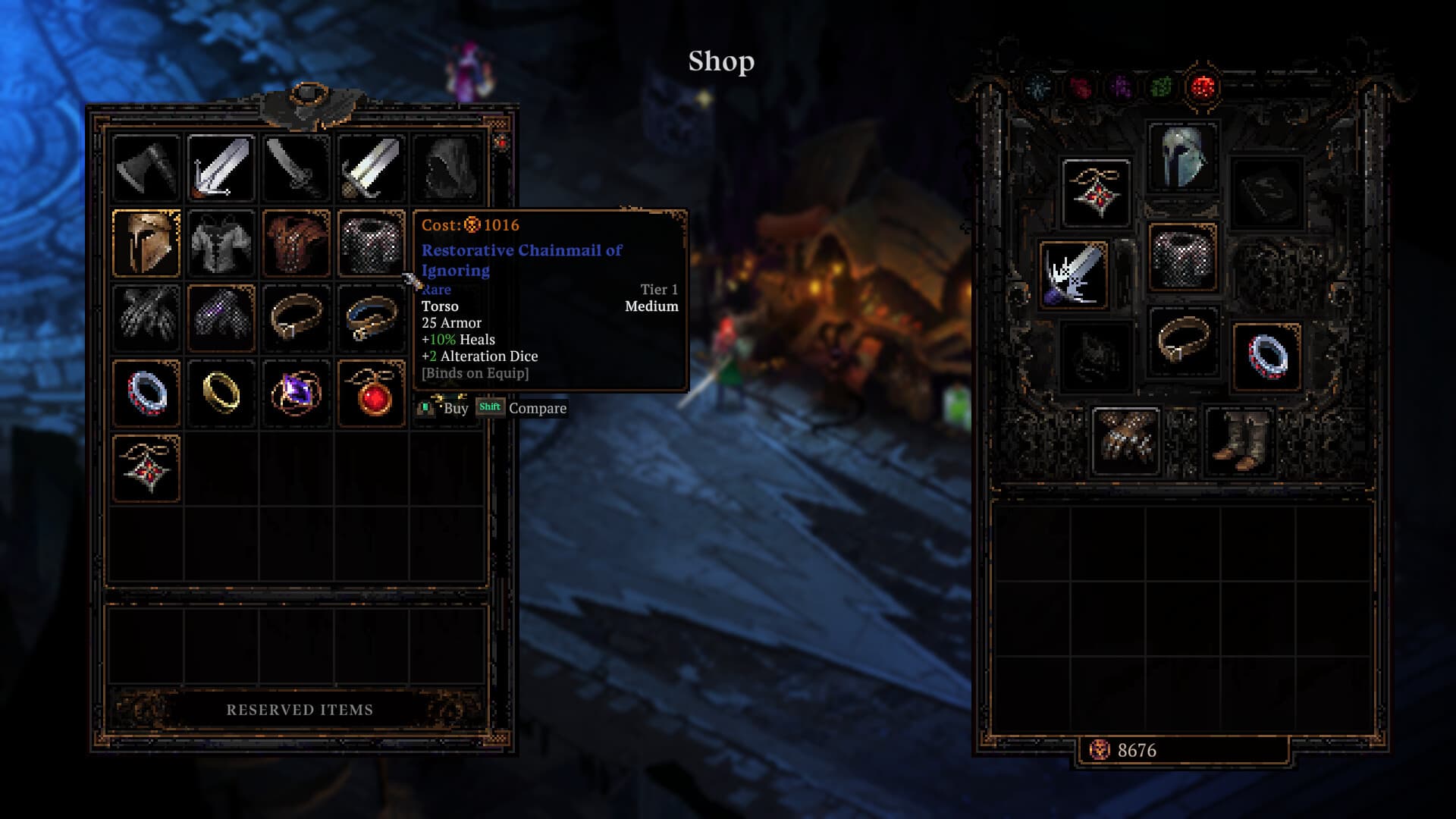
Death Must Die suits Halls fans who want post-run loot. Choose blessings from a pantheon, combine them into a build, and fight guardians among minion waves. Randomized and unique gear can strengthen future attempts, giving each good find a reason to matter beyond the run.
Hero traits add variety, while stronger enemy waves trade for better relic odds. Inventory sorting adds work, and the paid game remains in Early Access. It is another equipment chase alongside Halls' own.
The verdict
Choose it for another equipment chase shaped by god blessings and hero traits.
Rogue: Genesia
A route-based horde roguelite that layers persistent equipment upgrades over in-run cards and weapon builds.
- Roguelite
- Loot builds
- Permanent progress
- Short runs
- Platforms
- Windows and Linux via Steam
- Price model
- Paid full release; Cat and Dog pet DLCs are separate cosmetic extras.
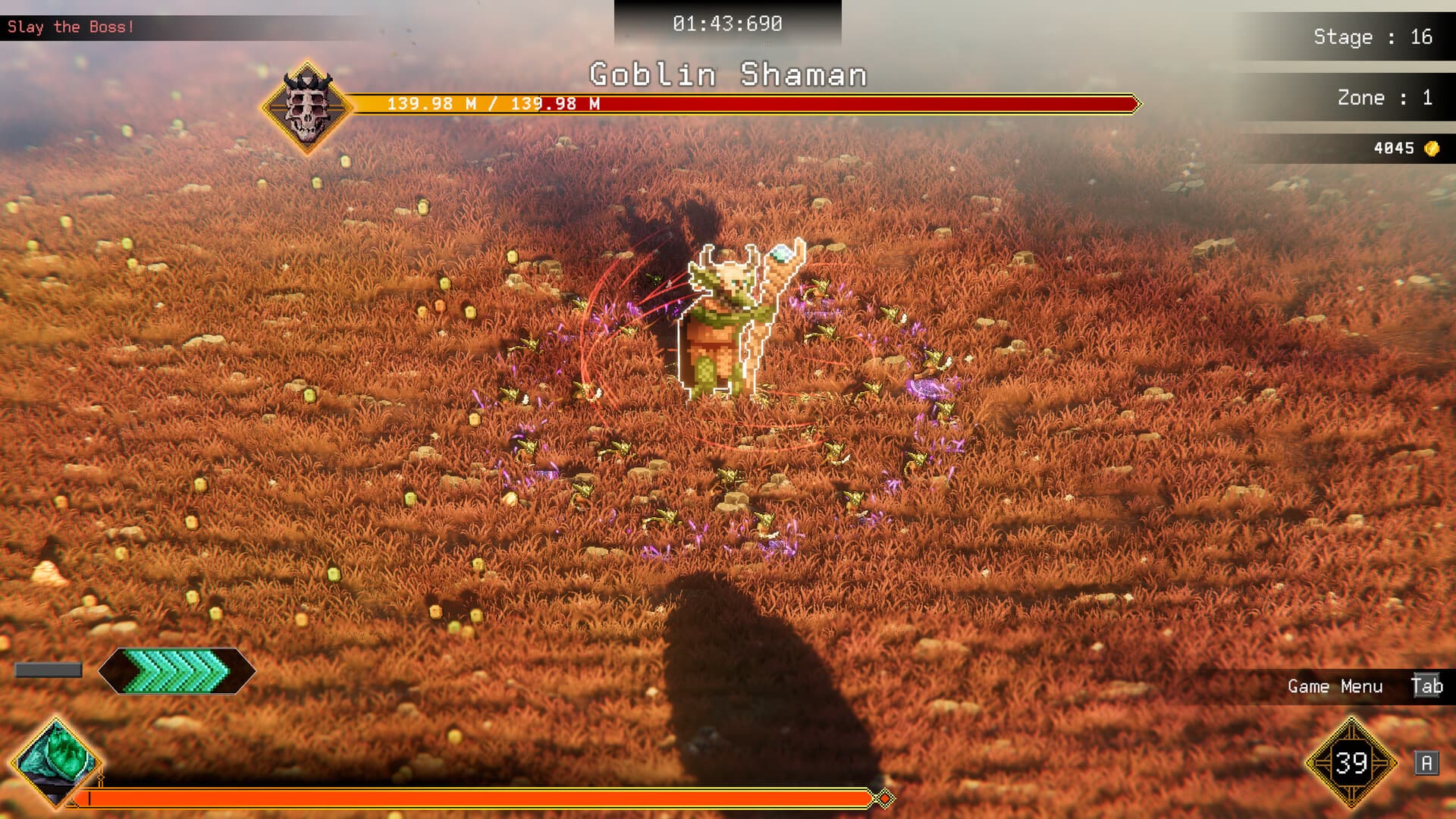
Rogue: Genesia rewards saved-loadout tinkering. Equipment unlocks with progress; Soul Coins raise levels, materials advance tiers, and recycling teaches modifiers. This gear plan sits beside in-run cards and weapons, so every attempt starts with preparation and a fresh build.
Between fights, pick a route toward a tougher enemy or shop. Its full release offers hundreds of passives and dozens of weapons, but dense cards and modifiers take planning. The focus is loadout crafting rather than a growing settlement.
The verdict
Pick Rogue: Genesia if you want the between-run equipment loop to be the main event.
Zombie Defence
A hands-on zombie horde and extraction game where Scrap can fund workbenches, research, production, and cultivation back at the shelter.
- Manual aim (desktop)
- Extraction
- Shelter building
- Crafting
- Permanent progress
- Platforms
- Browser Alpha (development build); native mobile stores are planned.
- Price model
- Freemium planned; launch pricing and monetization terms are unconfirmed.
Zombie Defence trades crowd-dodging for hands-on shooting: move, aim, manage ammunition, fire, and reload. Desktop players aim with a cursor; touch fire targets the nearest enemy. Choose three-wave sectors, endless scavenging, or Scrap expeditions with extraction. Picked-up Scrap remains after extraction or defeat, within storage capacity, so you choose how to invest the haul.
At the shelter, Scrap funds production, weapon crafting, and research; lettuce and tomatoes feed residents or become combat meals. Room and station upgrades are fixed, not freeform. Mara is the only playable survivor, so progression comes from linked systems rather than a large roster.
The verdict
Choose Zombie Defence when you want each outing to fund a working shelter as well as your next fight.
Soulstone Survivors
A fast fantasy survivor-like with a permanent skill tree, unlockable characters, and more than 100 craftable weapons.
- Roguelite
- Loot builds
- Crafting
- Permanent progress
- Platforms
- Windows, macOS, and Linux via Steam
- Price model
- Paid full release; soundtrack and Supporter Pack are optional extras.
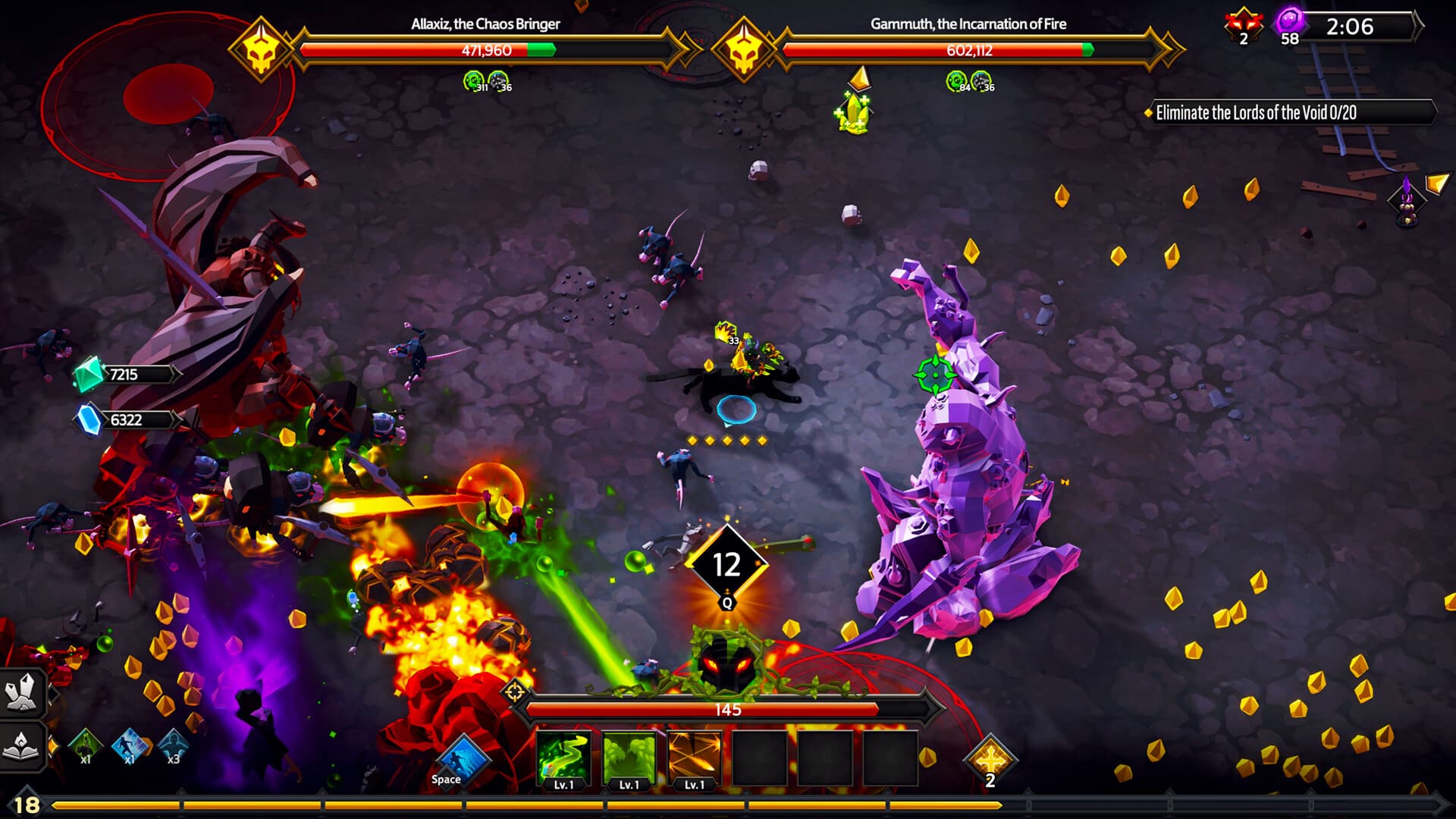
Soulstone Survivors is for players who want each run to feed an account-level plan. Face hordes and large bosses while combining active and passive abilities; collected Soulstones support character unlocks and a large skill tree. Weapon crafting adds another goal for people working toward a preferred loadout.
It trades Halls' returned finds for skill combinations and crafting. Maps, curses, bosses, and modes vary the challenge, though the many menus can slow choices. Its paid full release has optional Supporter Pack and soundtrack extras, not gameplay expansions.
The verdict
Choose it for a broad skill-and-weapon workshop around horde survival.
FatalZone
A zombie auto-shooter where you upgrade a survivor camp and try to bring veteran mercenaries back from deadly missions.
- Roguelite
- Squad builds
- Shelter building
- Permanent progress
- Platforms
- Windows via Steam
- Price model
- Paid full release.
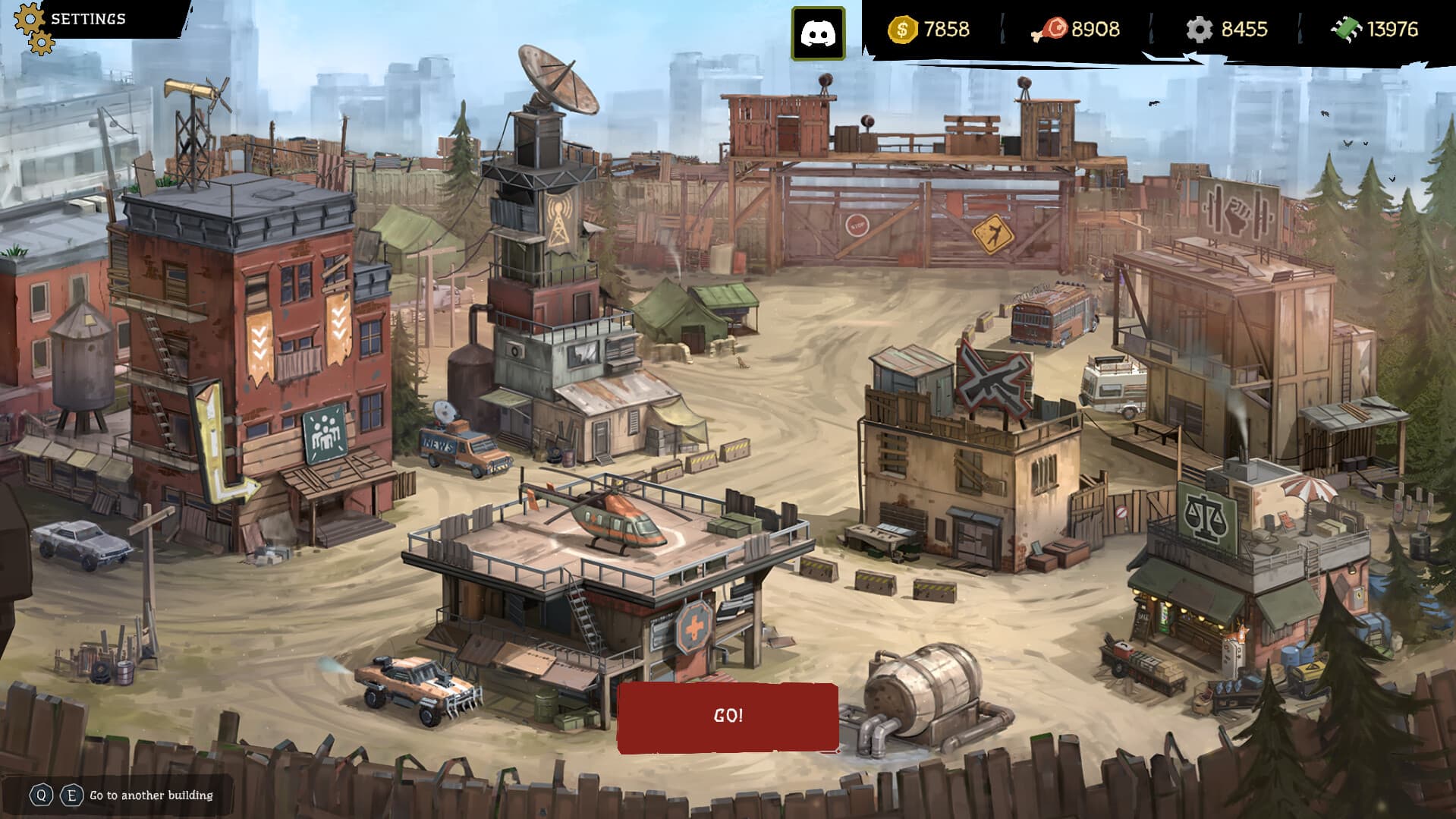
FatalZone puts lasting choices in its camp and roster. Missions gather resources for a stronghold, where seven buildings cover buffs, recruitment, training, and gear. Mercenaries gain battlefield skills and become veterans, so progress invests in a fighter as well as the camp.
Veterans can die permanently. Virus exposure may bring helpful or harmful mutations, and the evacuation helicopter lets you end a mission early. As an auto-shooter, it puts decisions in mission risk and mercenary builds. Its camp loop leans toward survival management.
The verdict
Pick FatalZone for zombie runs that fund a camp and put veteran mercenaries at risk.
Nordic Ashes: Survivors of Ragnarok
A Norse survivor-like with lasting Yggdrasil and mastery growth, plus constellation choices that shape most runs.
- Roguelite
- Permanent progress
- Loot builds
- Short runs
- Platforms
- Windows, macOS, and Linux via Steam
- Price model
- Paid full release; optional gameplay expansions are sold separately.
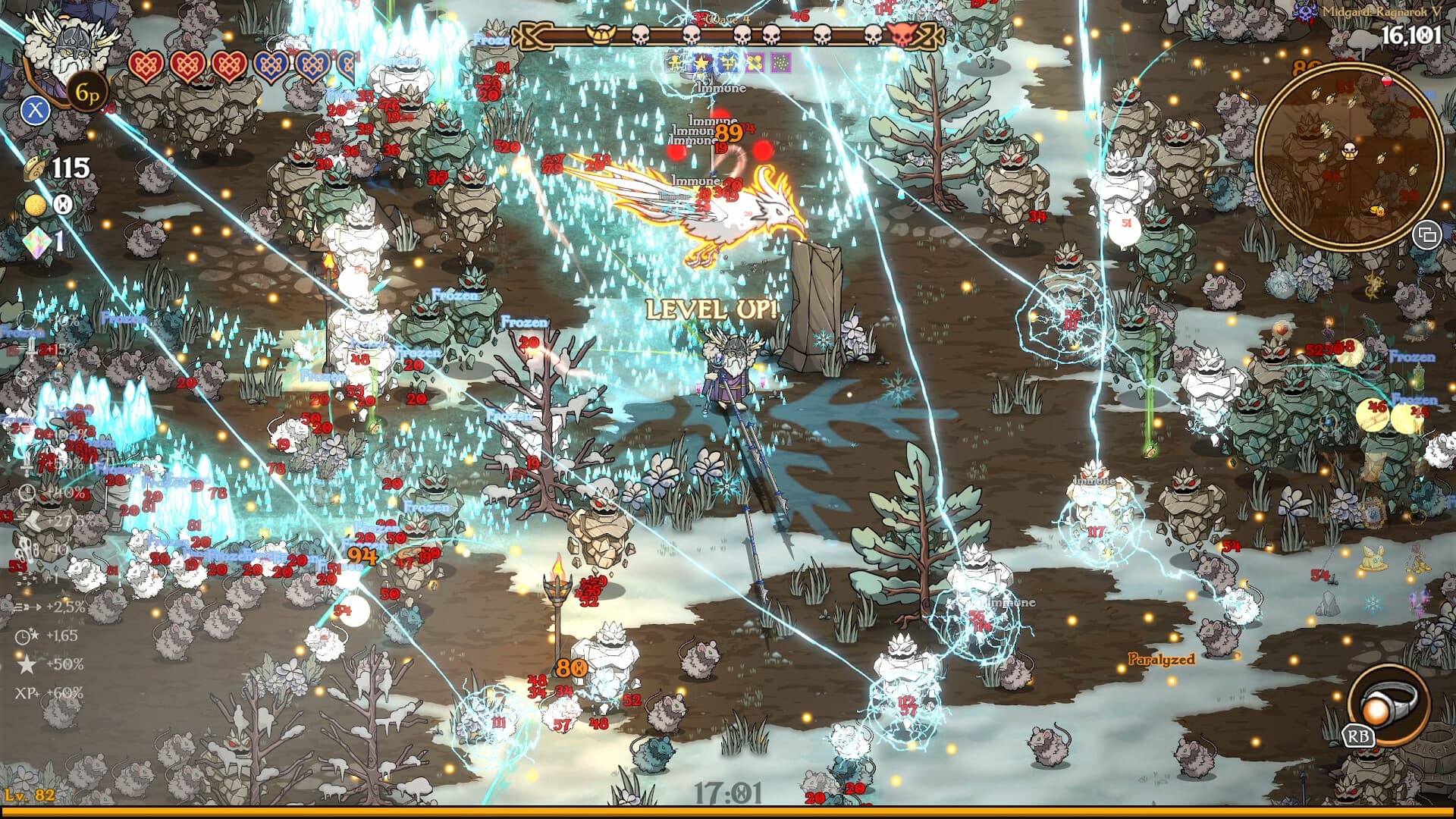
Nordic Ashes suits players who want arena hordes and layered character growth. Yggdrasil is meta-progression, and character mastery adds lasting goals. Most heroes invest constellation points during a run; a few have alternate rules. Relics and weapons further shape those temporary builds.
Nine realm maps and several modes give the paid base breadth. Its layered systems can compete for attention, and gameplay expansions cost extra. The Norse roster and lasting mastery goals give it its own draw.
The verdict
Choose it for lasting Yggdrasil and mastery growth alongside constellation and relic builds.
Vampire Survivors
A low-friction horde alternative with gold-funded power-ups, unlockable characters, and weapon discoveries.
- Roguelite
- Short runs
- Permanent progress
- Loot builds
- Platforms
- Windows and macOS via Steam; Android and iOS editions are also available.
- Price model
- Paid on Steam; Android is free with ads and in-app purchases, while iOS has free entry with in-app purchases. Paid Steam gameplay DLC is separate.
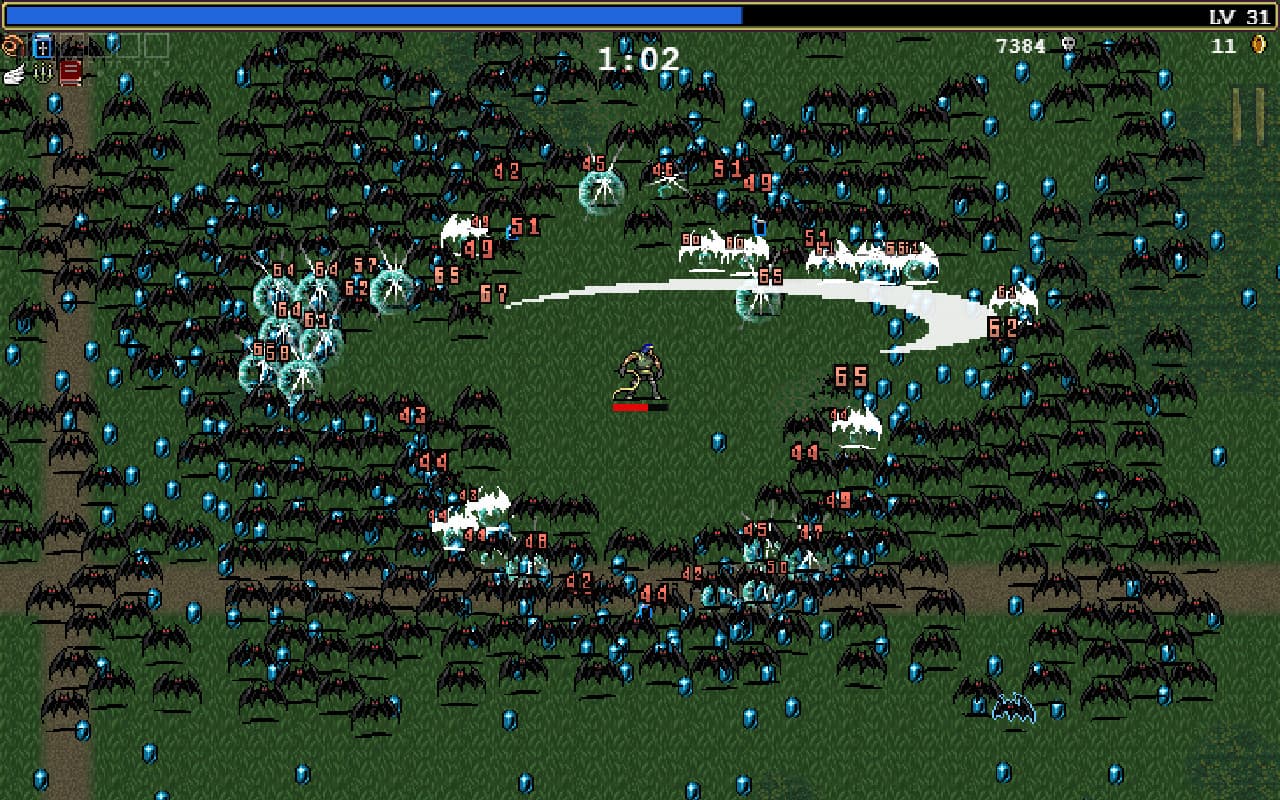
Vampire Survivors builds lasting growth around gold-funded power-ups and unlocks. Run earnings improve later survivors, while characters, weapons, and stages widen your options. Automatic attacks and weapon evolutions leave the focus on movement and combinations.
It offers a lighter horde-build loop: buy upgrades and unlocks instead of managing returned gear or a shelter. The Steam game is paid, mobile editions have separate terms, and gameplay DLC costs extra.
The verdict
Start here for horde survival with a compact permanent-upgrade loop.
How we compare
A good recommendation explains who a game suits and where it falls short. Our editorial scores use the same five criteria, each rated out of ten.
- 01
Combat
Controls, aiming, enemy readability, and the decisions you make under pressure.
- 02
Progression
Build choices during a run and meaningful progress between attempts.
- 03
Usability
Control demands, platform access, interface options, and documented device requirements.
- 04
Value
What the asking price includes, optional purchases, and the scope of the free version.
- 05
Fit
How well the game answers the specific question in this article.
Which one should you try?
Compare Death Must Die and Rogue: Genesia for equipment progression; Soulstone Survivors and Nordic Ashes for skills and character growth. FatalZone adds an upgradable camp to its zombie runs, while Vampire Survivors offers a quick horde-and-upgrade loop. If you want a zombie horde game where each outing develops a working shelter, try Zombie Defence: active shooting and Scrap expeditions feed persistent production, crafting, research, and crops.
Your questions, answered.
Want to see what we’re building?
Zombie Defence is in Alpha. Join the waitlist.
More games to explore
- 7 Best Games Like Brotato in 2026
Looking for games like Brotato? Compare seven horde-survival roguelites by weapon choices, wave pacing, build tradeoffs, platforms, and price model.
- 9 Best Roguelites With Permanent Progression
Compare nine roguelites by what survives defeat: permanent upgrades, unlocks, story, family estates, camps, and shelter growth.
- 11 Best Vampire Survivors Alternatives in 2026
Compare ten released Vampire Survivors alternatives and one development-stage option by combat, progression, platforms and fit.